-
-
-
-
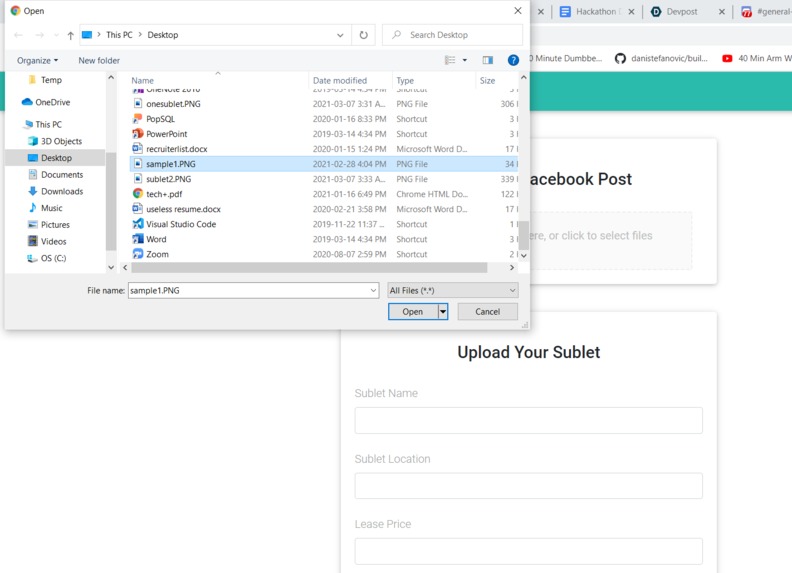
Image upload feature didn't show in the video (demo here)
-
-
-
-
-
-
-
-
-







Inspiration
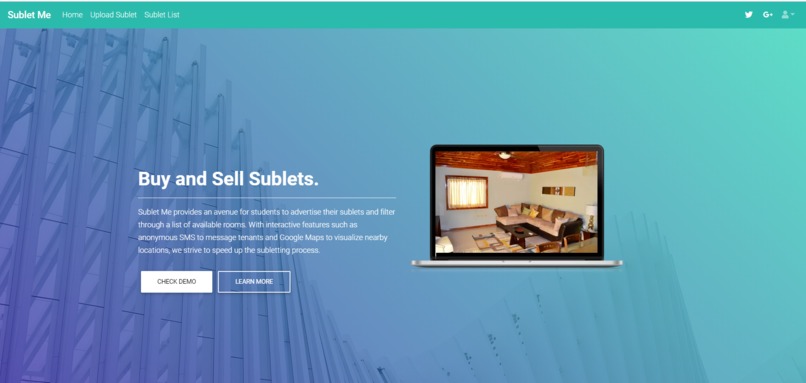
After being frustrated from the shady practices on large platforms such as Facebook Groups, we decided to create our own platform for students to communicate with each to rent out their sublets.
What it does
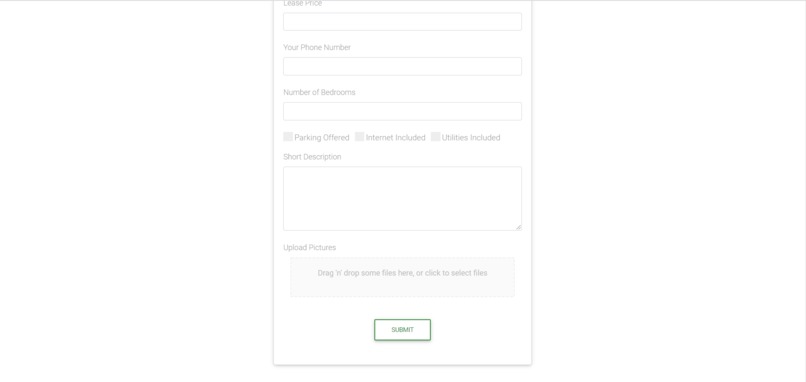
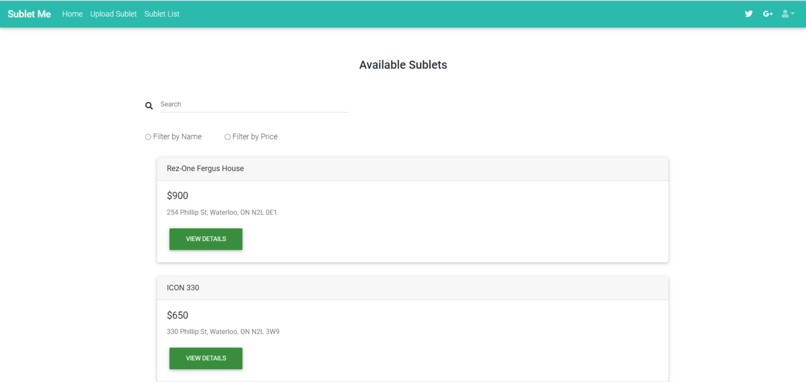
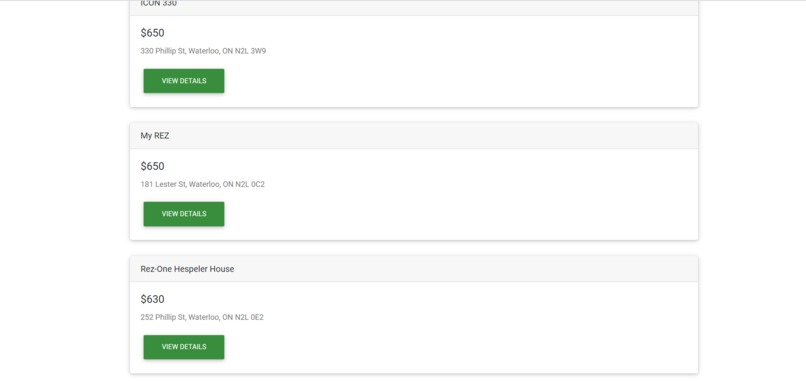
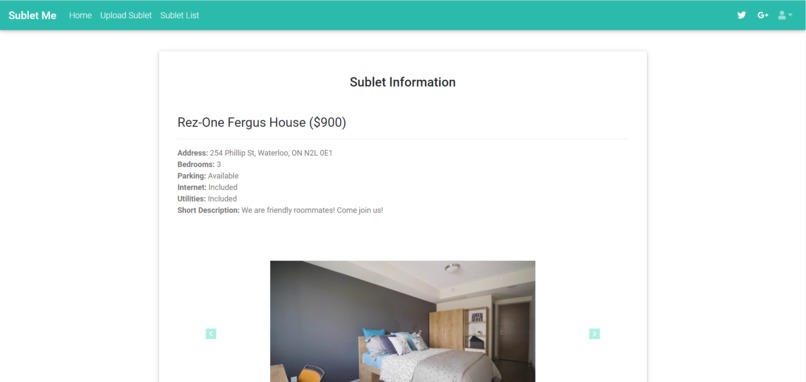
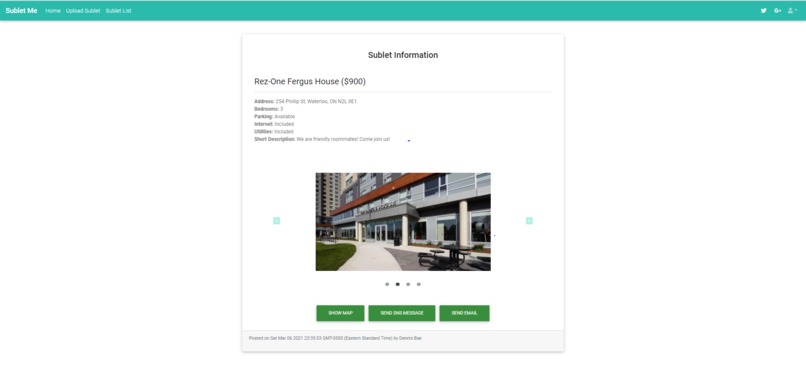
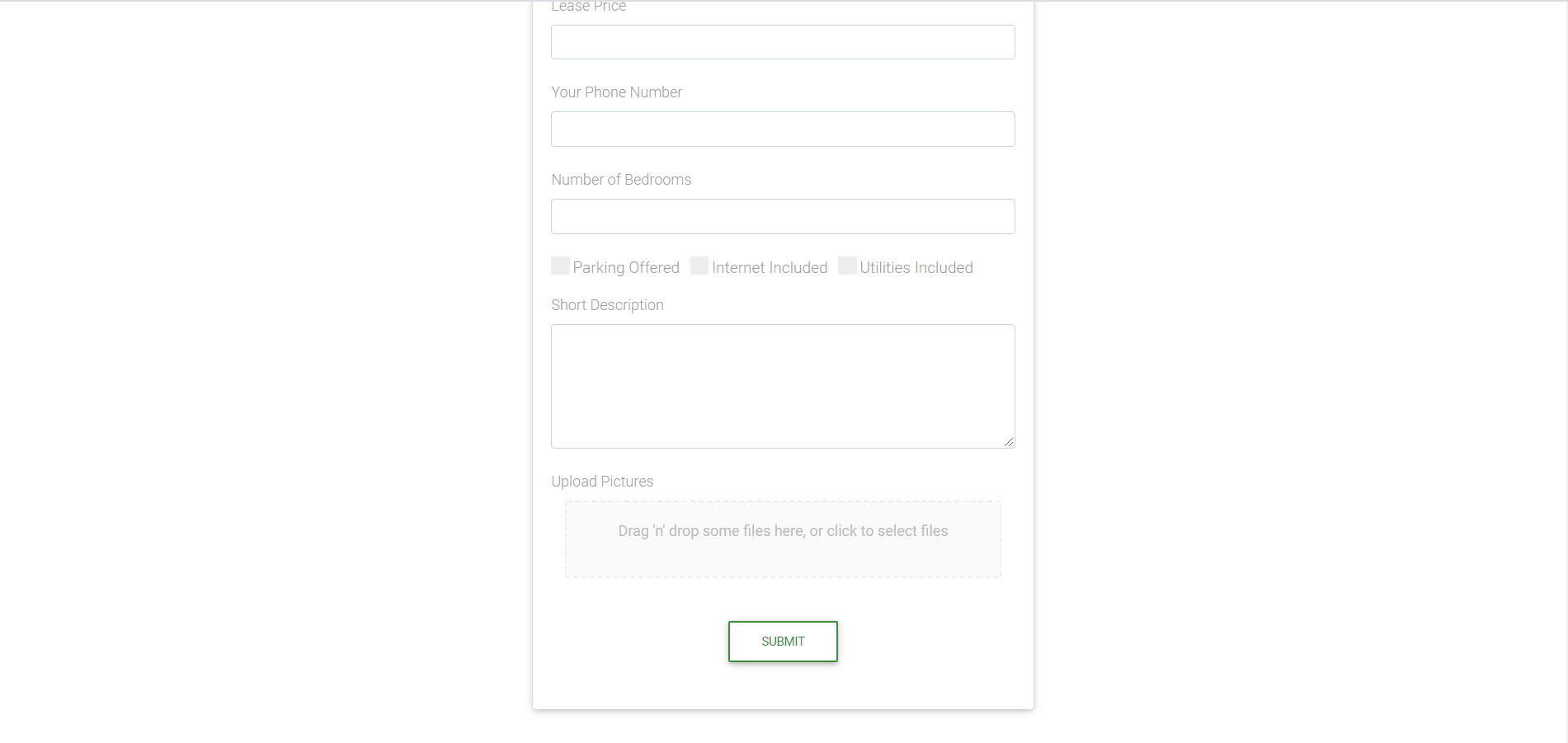
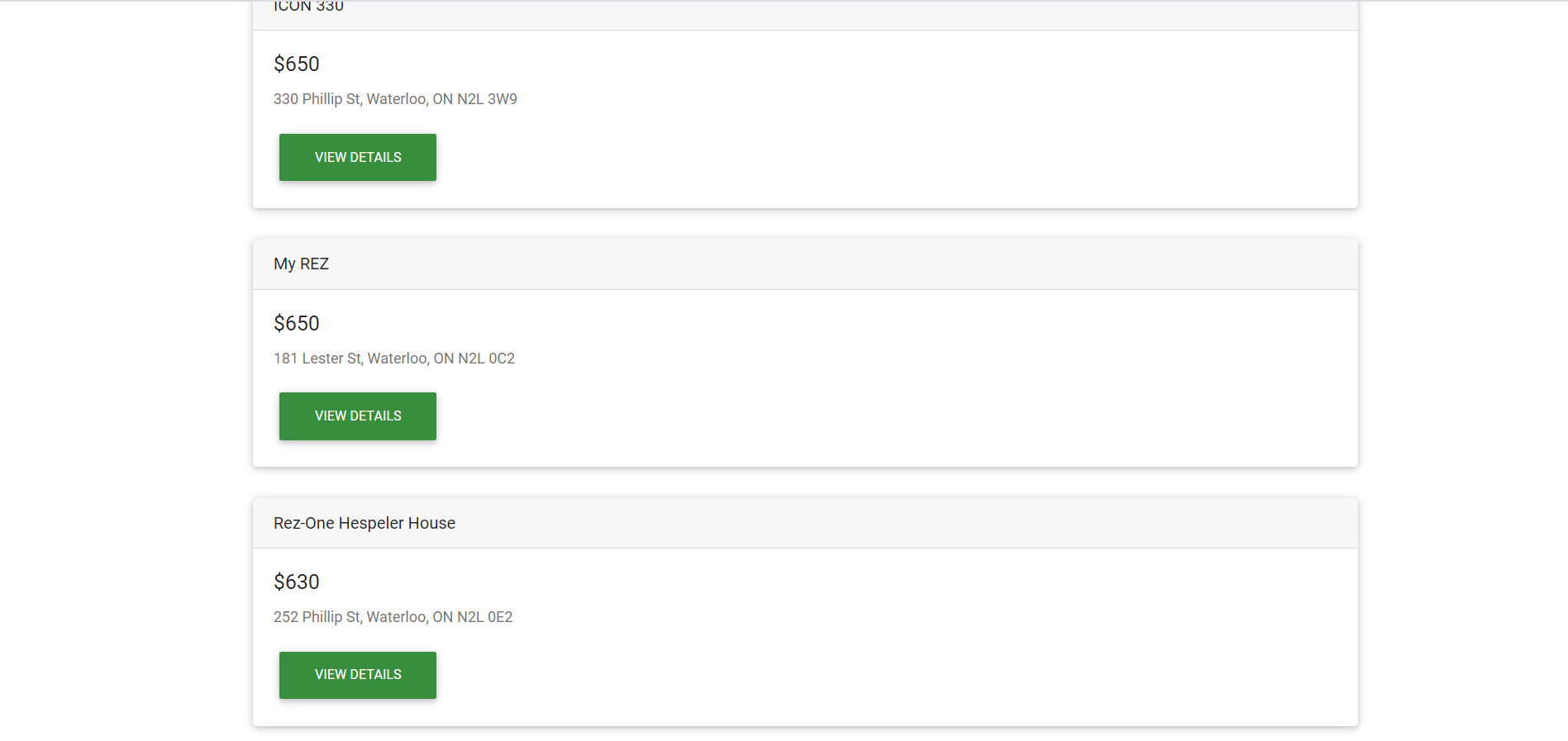
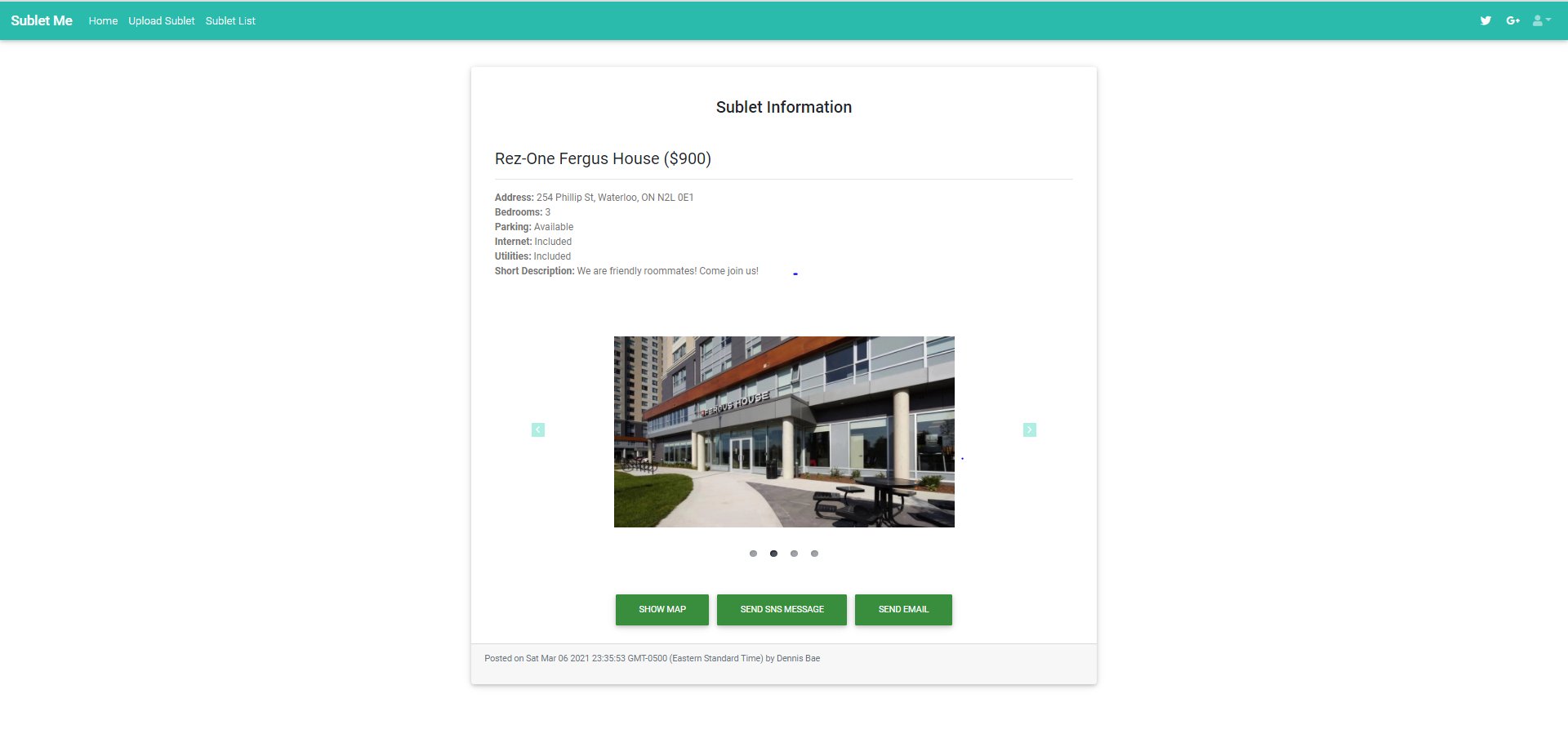
Our platform has many features that we wish existed when we were looking for sublets. Students can browse through the sublet information in a list with options to filter and search that information. Instead of lengthy and cluttered postings, we have implemented bullet points for sublet information and a carousel for pictures.
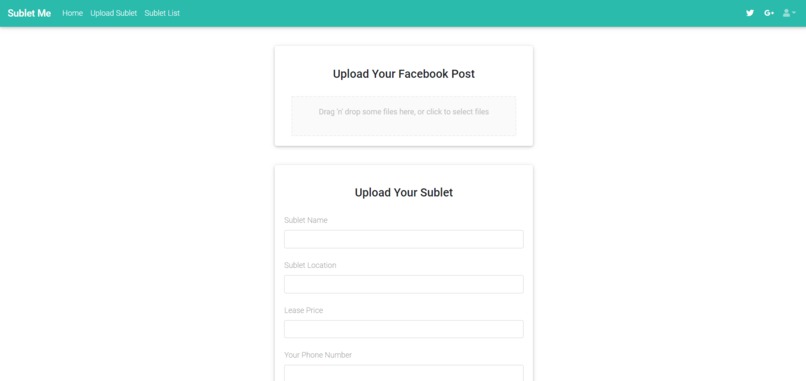
We have made it easy to transfer any Facebook or any other social media posts that you have made in the past to autofill that information on our site's upload form through the use of Google Visions API.
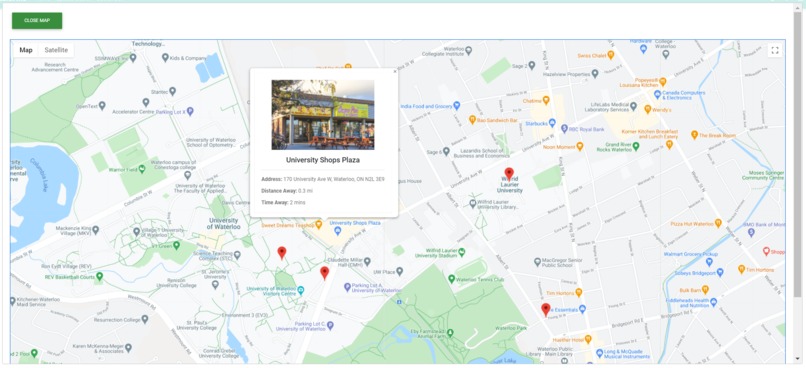
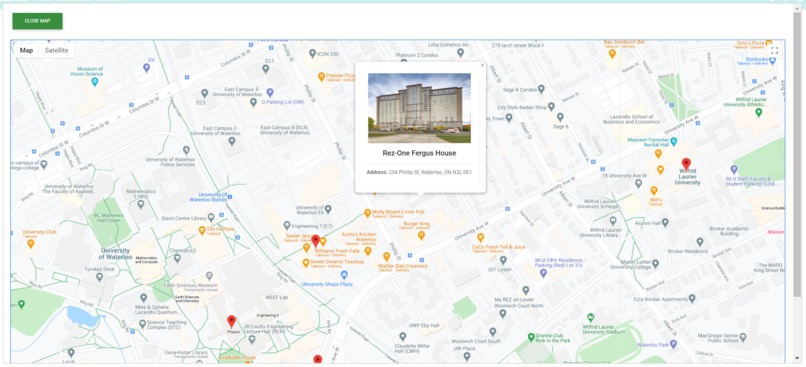
On top of this, the program offers a map view mode which shows the location of the sublet on Google Maps as well as its distance/time to nearby locations such as the university and the plaza. Aside from special features, the platform also has the typical features such as account login and registration, viewing sublet listings and creating listings by adding various pictures.
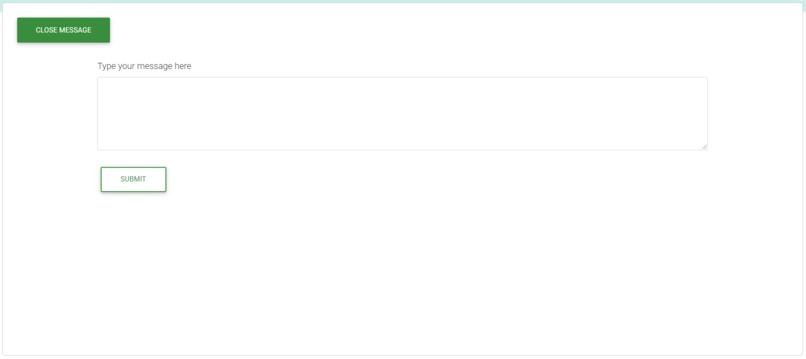
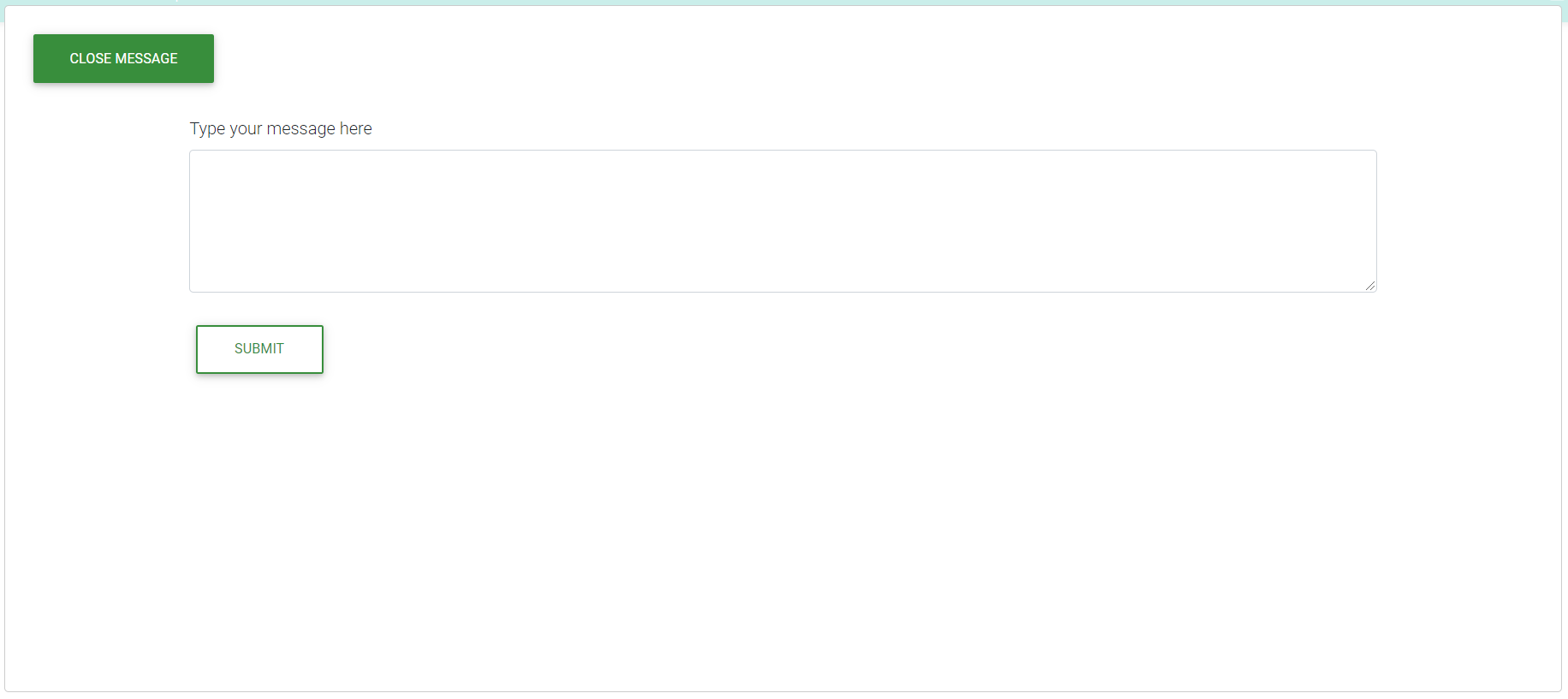
Finally, we included multiple ways for students to contact each whether through SMS straight from the website, email, or any other social media platform.
How we built it
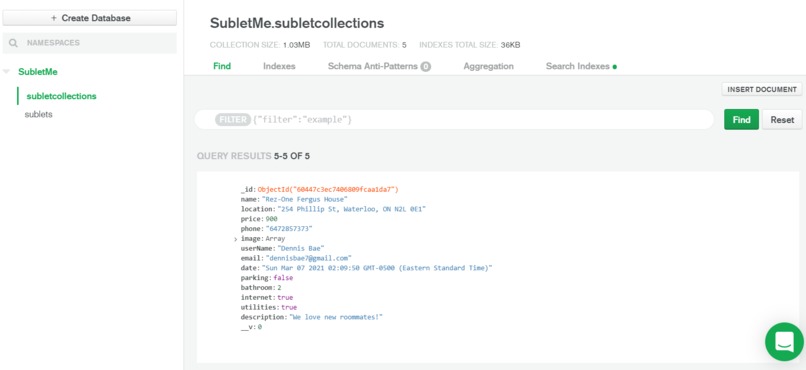
Our frontend is built using React and MDBReact for styling different components on our platform. Our backend uses MongoDB, Express and Node for storing and accessing the sublet data. We also used multer as a way to store the images on the local server before uploading the data to MongoDB. In order to have a map view of the sublet and its distance/time from nearby locations, we used Google Maps, Google Geocoding, and Google Distance Matrix to display and load the information. To allow users to transfer their posts from Facebook to our website, we used Google Cloud Vision along with NLP to scan the post, detect any keywords, and autofill that information on our forms. For account registration and information, we used Auth0 so that users can log in with their Google accounts to create the sublets. Finally, in order for users to directly SMS a tenant on the website, we used the Twilio API.
Challenges we ran into
One challenge we ran to was getting the images that users upload from the frontend platform to the backend. We did not have much experience working with buffers or images in the past so it took some time to learn how to process the image data in order to send them to the Google Vision API and the MongoDB collection.
Another challenge that we had during the project was
Accomplishments that we're proud of
One accomplishment that we’re proud of is the ability for us to integrate various technologies together. Through the entire project, we used a multitude of various technologies while working under a tight time frame. In the end, all of the frameworks and libraries we used were able to work in harmony to create a platform that we are very proud of.
What we learned
Through this project, we learned the various tools such as MongoDB, multer, and the Google Vision API. We also learned to understand and implement new technologies under a limited time frame. Before this hackathon, there were often times where we would get stuck on different parts of the project and over time, things would start to fall about. However during this project, we worked at a steady pace and always read the necessary documentation when required to create an application that is not only interesting but also technically challenging.
What's next for Sublet Me
In the future, we wish to implement more features such as reporting spam posts and using possible ML frameworks to help match tenants with subtleties on our website. We also plan to flesh out the Google Cloud Vision a bit more by combining with a ML model for learning and detecting more keywords.
Built With
- auth0
- express.js
- google-cloud-visions-api
- google-distance-matrix-api
- google-geocoding-api
- google-maps
- machine-learning
- mongodb
- natural-language-processing
- node.js
- react
- twilio


Log in or sign up for Devpost to join the conversation.