Inspiration
Subhorizon was inspired by the kind of clarity that sometimes emerges from overwhelming sensory environments, moments when the noise gets so intense it becomes ambient, and a deeper awareness surfaces. I was also drawn to early cinematic devices like the zoetrope, where repetition and speed trick the mind into seeing motion. That mechanical illusion mirrors a more internal one: how we process complexity and shift from grasping to feeling.
What it does
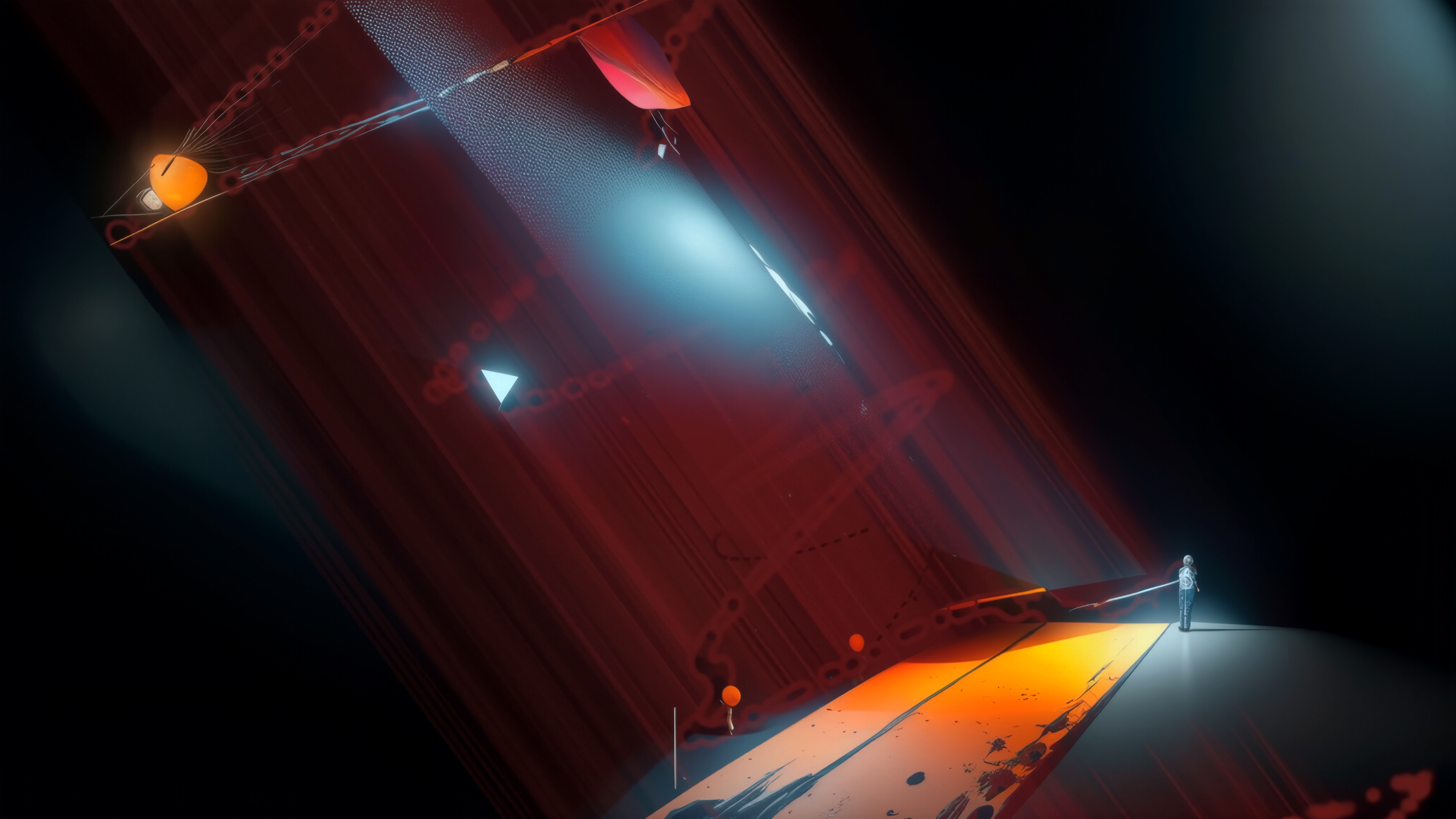
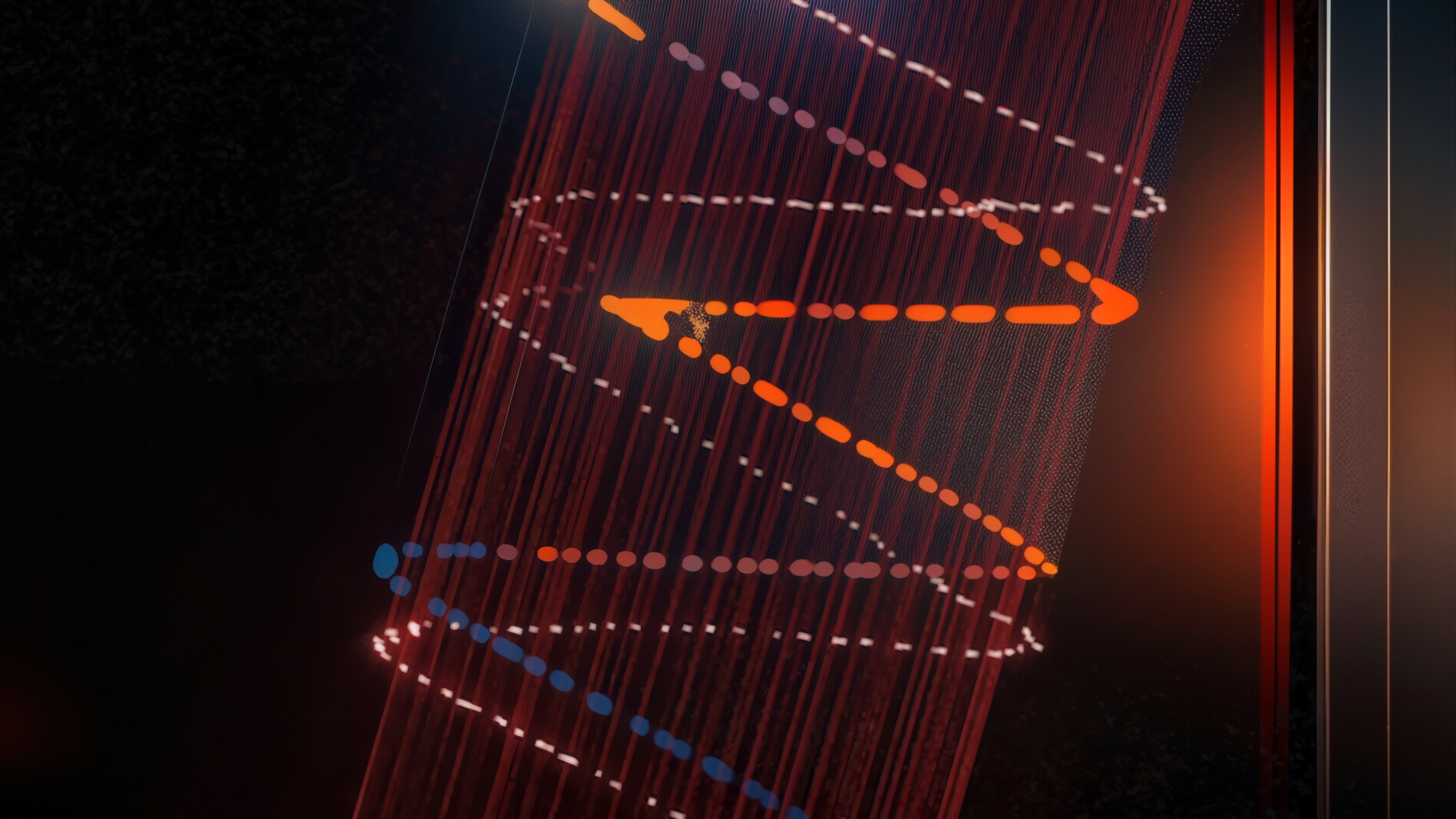
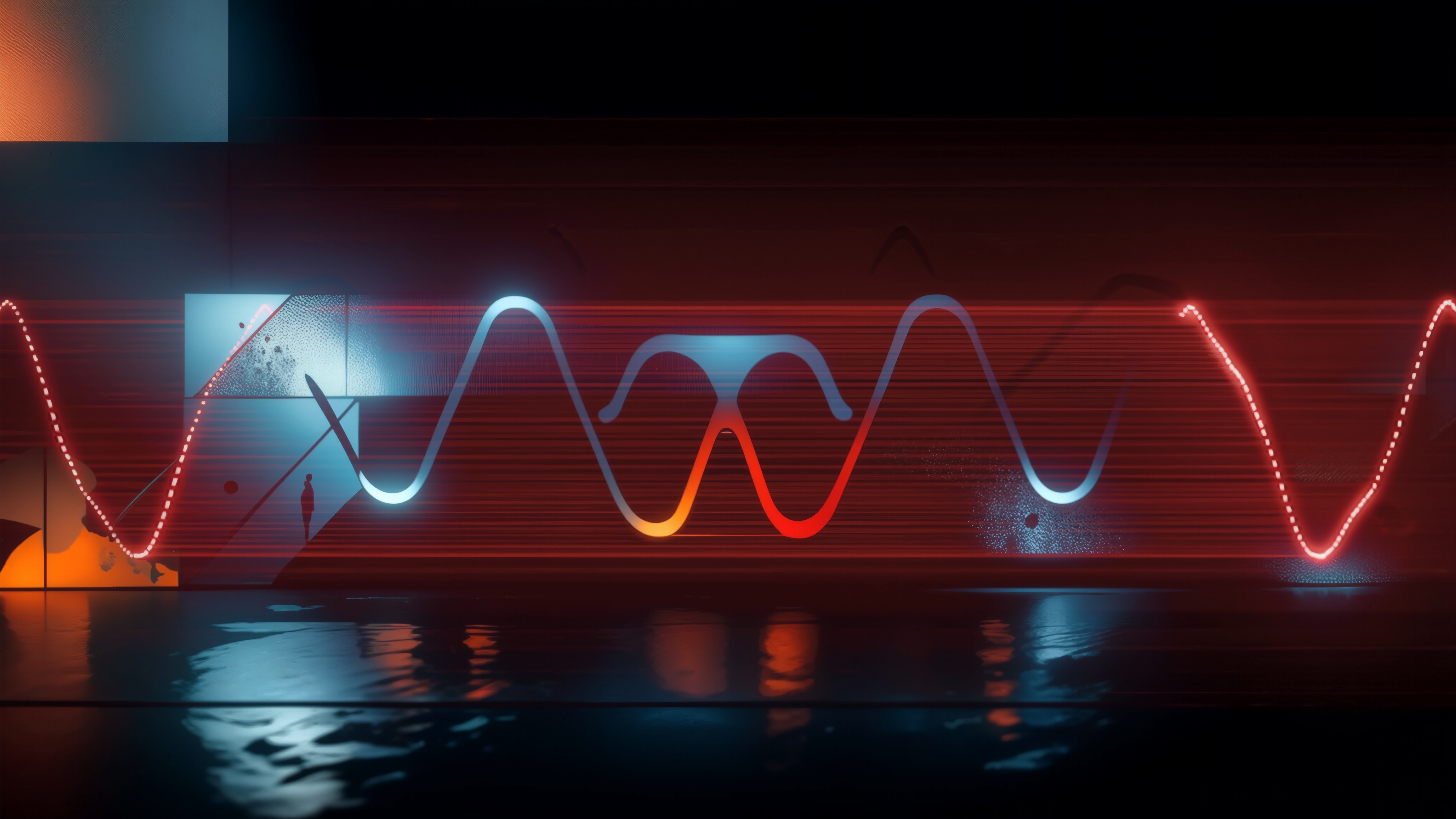
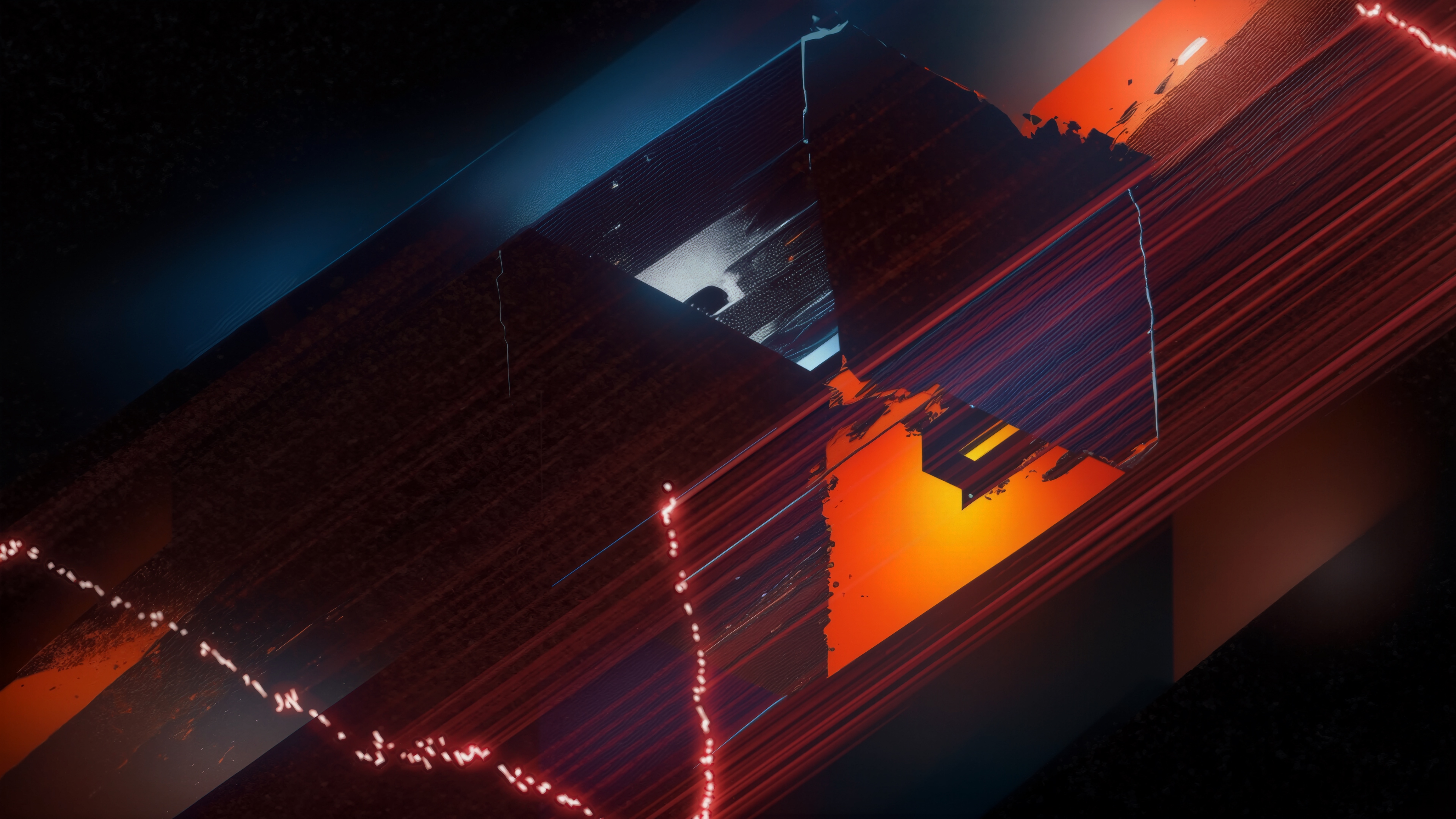
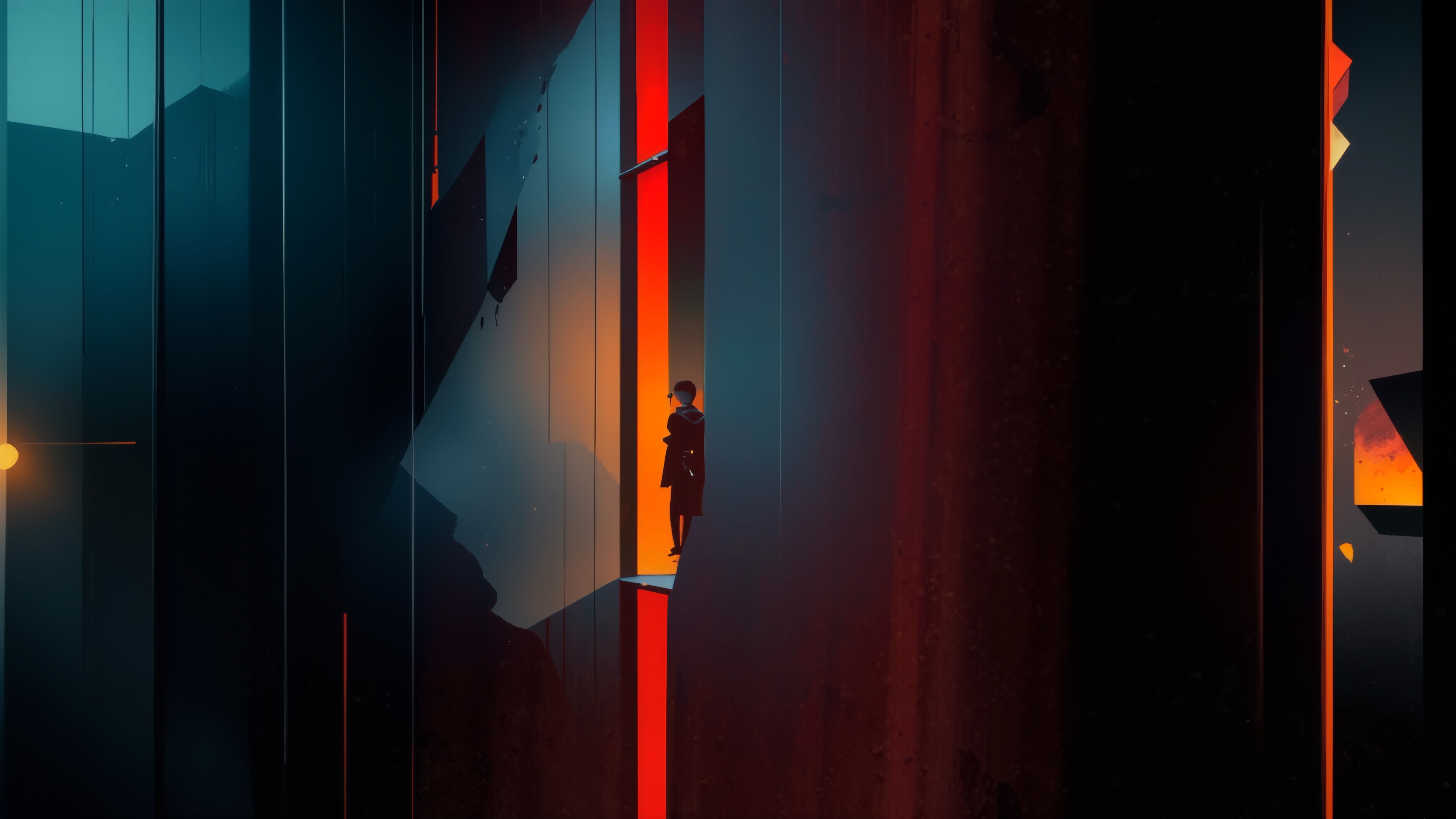
Subhorizon transforms a live synthesizer performance into a layered visual experience, using an oscilloscope to capture the waveform as a structural core. Through an AI-based animation process, that signal is expanded into an immersive visual field, a perceptual space where rhythm, sound, and texture become landscape.
How I built it
The project began with a live synth performance using Slate and Ash Choreographs, which was visualized in real time using an oscilloscope. That visual signal was extracted and used to guide a Stable Diffusion animation process. Rather than generating imagery freely, the AI responds to the shape, rhythm, and behavior of the waveform. The original oscilloscope footage was then reintroduced into the final composition as a grounding visual layer.
This approach kept the animation tightly connected to the original sound, allowing the AI to enhance rather than obscure its structure.
Challenges I ran into
One of the main challenges was maintaining coherence through layers of transformation. AI tools tend to introduce visual noise or abstraction that can quickly feel disconnected from the source. Using the oscilloscope signal as both a guide and constraint helped retain a sense of continuity.
Another challenge was conceptual, how to engage with AI honestly, without ignoring the cultural discomfort it creates. Rather than trying to solve that tension, I chose to sit within it, using the technology to both amplify and interrogate the source material.
Accomplishments that I'm proud of
I'm proud of how Subhorizon maintains a strong visual and emotional connection to its original performance. The piece invites introspection without relying on narrative, and offers a layered sensory experience that rewards both close attention and passive immersion.
What I learned
This project deepened my understanding of how sound can be used as a visual language, not just through synchronization, but through form. I learned to use AI as a collaborator rather than a generator, shaping its role around the integrity of the signal rather than letting it lead the outcome.
I also came to appreciate the value of surrendering precision. The more I tried to force meaning frame by frame, the less the piece resonated. Letting the rhythm of the source guide the flow created something more alive.
What's next for Subhorizon
I plan to continue exploring how sound can sculpt space, especially in immersive and installation contexts. I’m interested in building a version of Subhorizon that can run generatively in real time, where audio input dynamically reshapes the visual terrain.
I'm also looking at expanding this approach into a series, using different sound sources and waveform forms as structural input to explore new perceptual thresholds.
Built With
- ableton
- adobepremiere
- animatediff
- comfyui
- quicktime
- sosci
- stablediffusion
- synth

Log in or sign up for Devpost to join the conversation.