Inspiration, what StudyFlow is, accomplishments
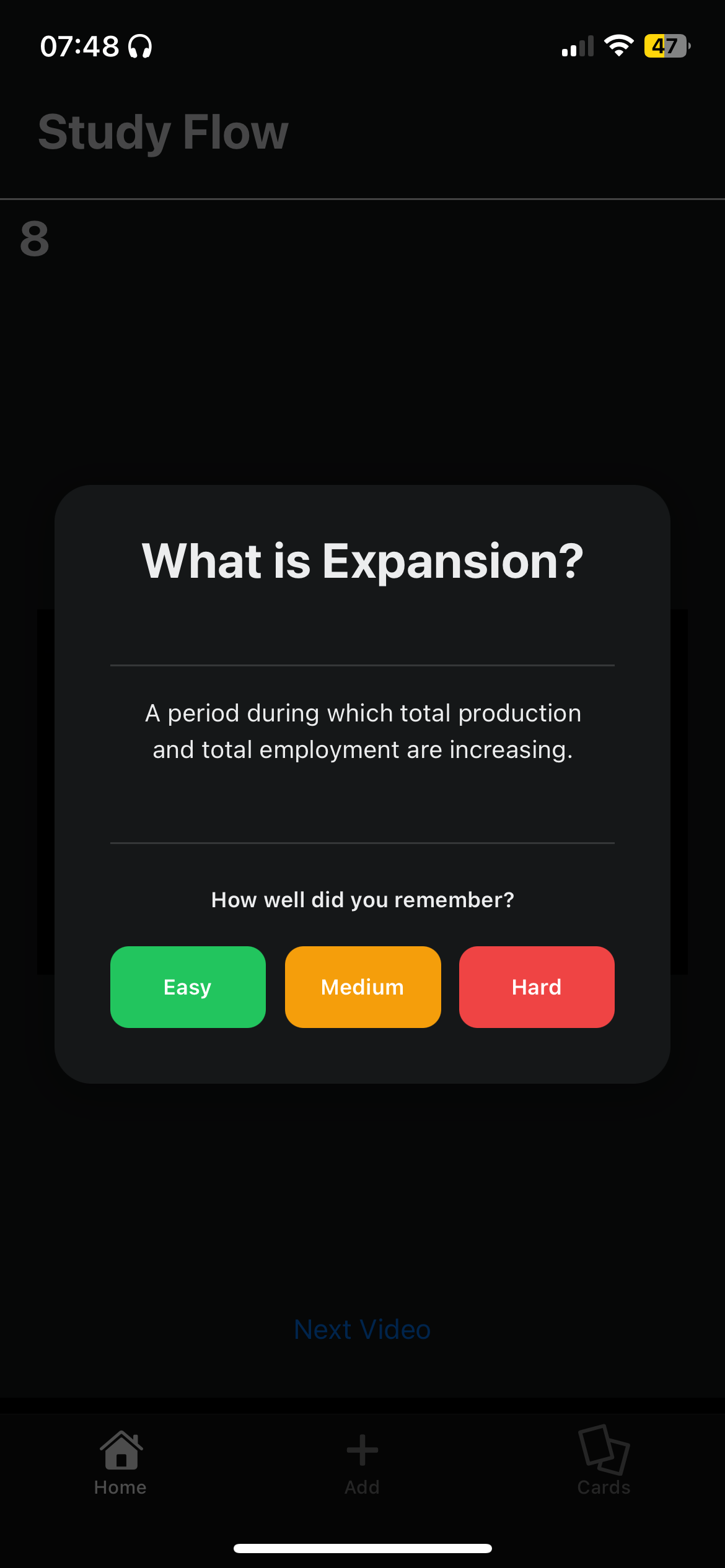
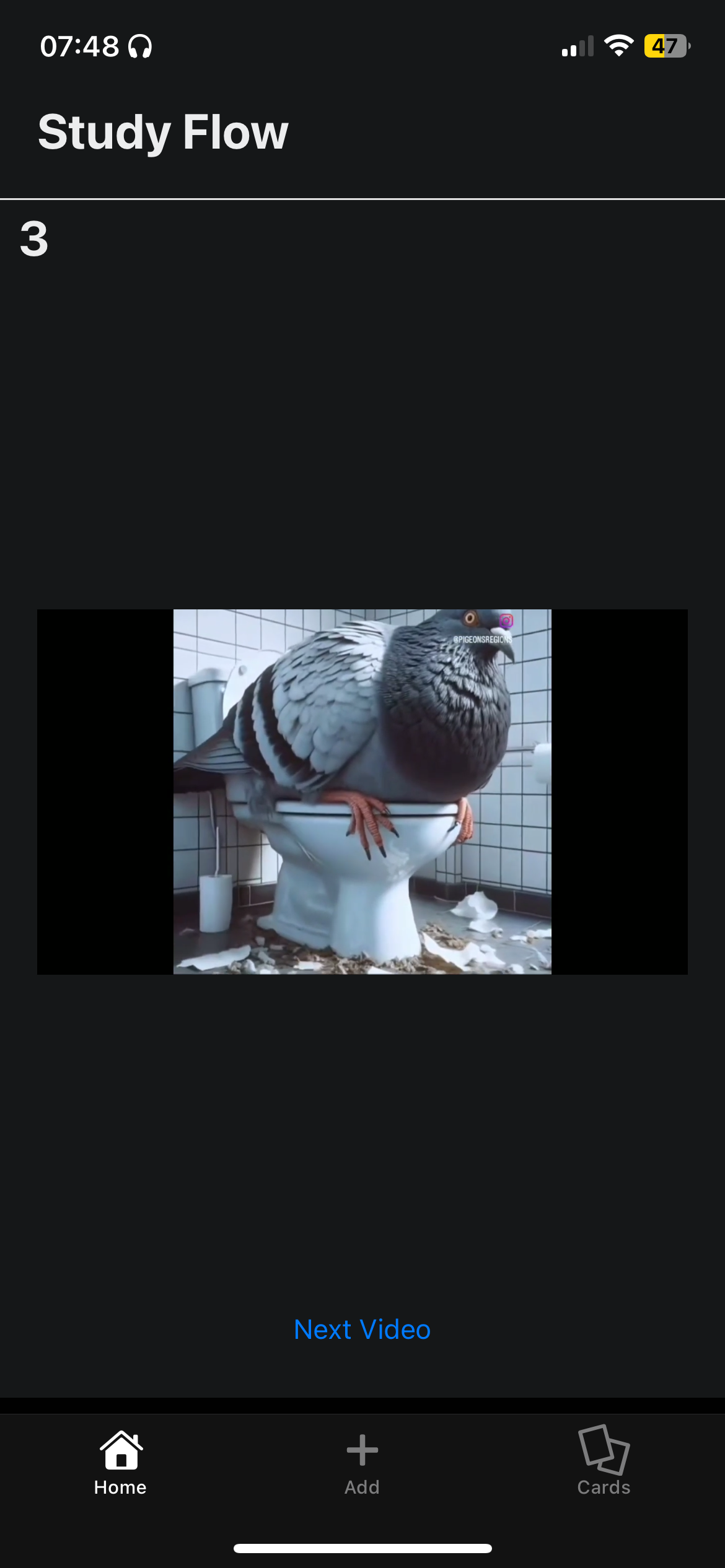
Our project was inspired by both our own experience with social media as well as our peers' experience. We noticed that in today's society, most people use scrolling through TikTok or other social media as a way to destress from or procrastinate studying, and often get sucked into the TikTok rabbit hole of doomscrolling endlessly and mindlessly. Additionally, we noticed that even though there are so many educational tools, they are separate from students' daily routines, which doesn't incentivize them as much. So, we decided to create an app to take advantage of the addicting TikTok recommendation algorithm and transform it into effective, productive study breaks using spaced repetition techniques. This would help high school students eliminate guilt from social media while strengthening their memory retention. In the end, a major accomplishment that we have achieved through StudyFlow is how to use existing algorithms to achieve a goal that benefits students.
How we built project
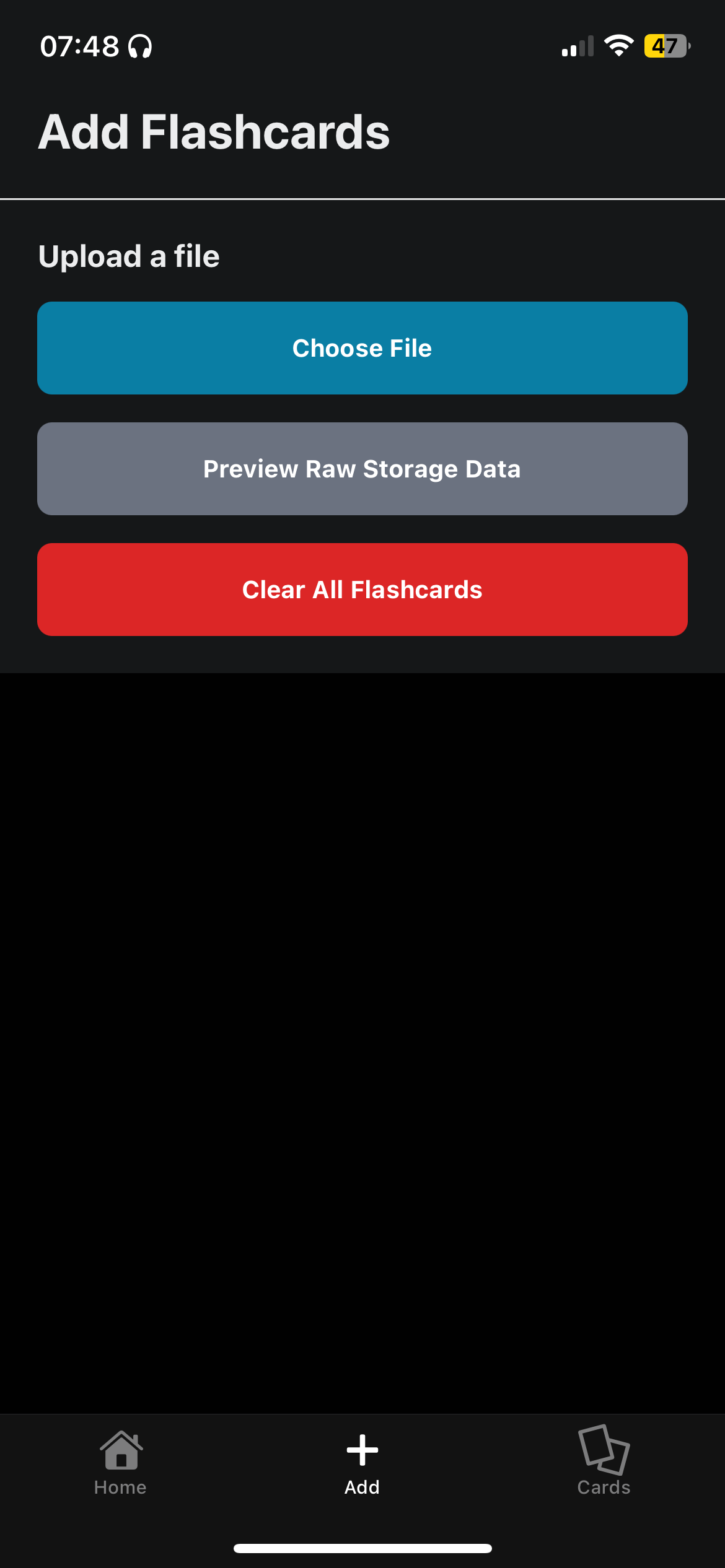
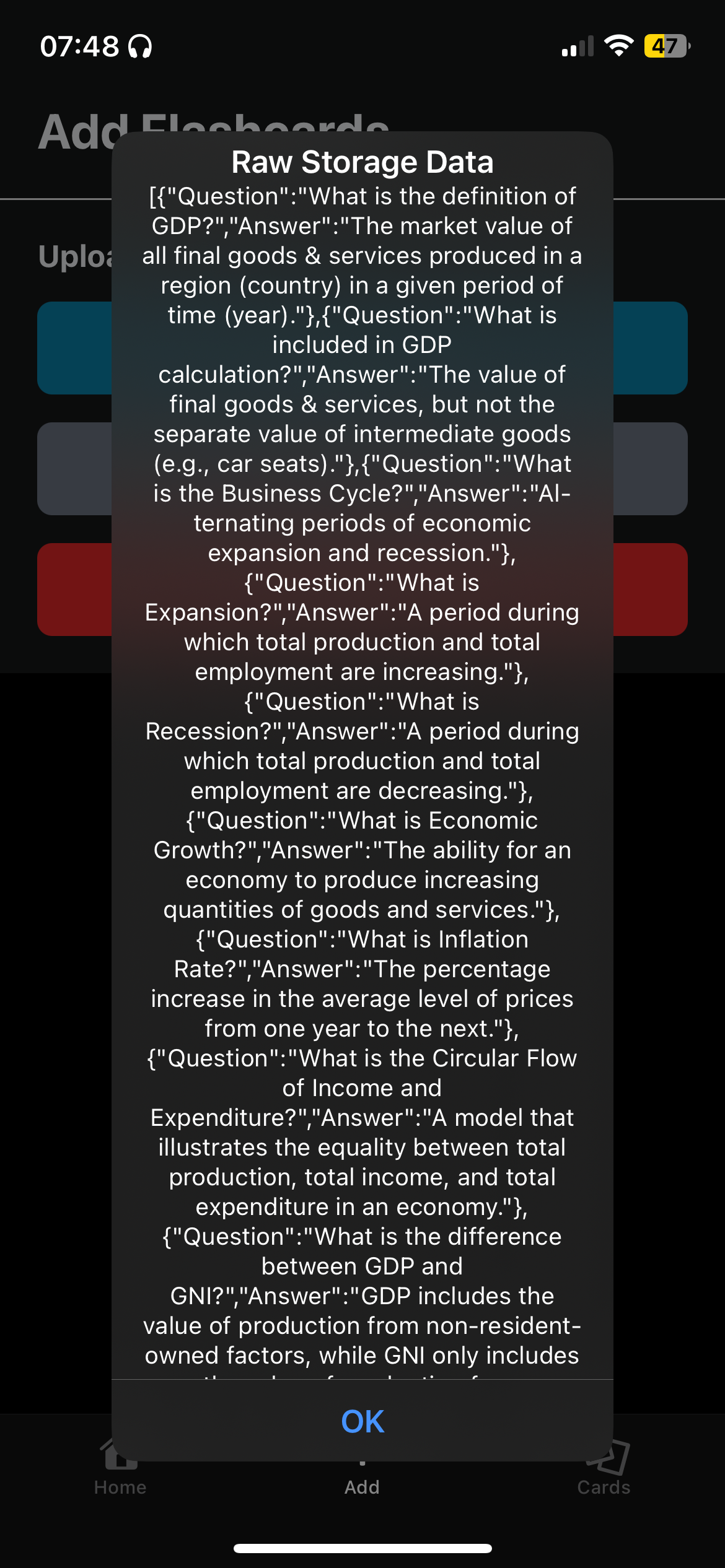
We built an LLM for the backend that generates questions from the pdf that the user uploads. I saved it at a temporary location that we put into the function for the backend. We used a pre-trained model “llama-3.1-8b-instant” and grew the client api key. For the front end pp, we used react native. We experimented with a few different stylistic choices till we found one that had the look we were going for. We tested it using one of our teammates' phones. We created the API using a Python library called FastAPI which made development much quicker. This allowed us to have our mobile app to connect to the AI securely and use its text generation features.
Challenges
Committing code to GitHub and syncing between computers became a huge hassle for us as some files were either too large or incompatible with git. We also had several API connection issues and had to spend a lot of time figuring out a solution. As well, we were constrained by limitations of the frameworks we chose, such as the challenge of displaying a vertical video carousel using React Native. Python had issues installing and we had python api package issues that came down to, “it works on my machine”. Our main challenge was that we had problems connecting our front end to our back end. In order to overcome these challenges, we sought help from mentors and researched different solutions. In the end, we decided against using an external API and incorporated the back end as part of our front end itself.
What we learned
Through this project, we learned how to collaborate efficiently using Git and GitHub, which helped speed up our app’s development. We also became better at debugging both code and system-level issues that came up along the way. Since we initially built different components independently, we had to devise strategies to seamlessly integrate each part into a cohesive, functional system. Most importantly, we learned how to stay focused and work well together under pressure.
What's next for StudyFlow
In the future, we plan to develop the app further through gamification to encourage students on their academic journey. We plan to add collectible brainrot characters that users can collect for a certain amount of flashcards done. We can use this as an incentive for them to keep using the app. Additionally, a feature we are planning on adding is educational videos to further help students learn course material. This presents itself as a future business opportunity to collaborate with content creators. This project demonstrates both scalability and practicality, addressing the needs of a large target audience and allowing for continued growth and adaptation.


Log in or sign up for Devpost to join the conversation.