-
-
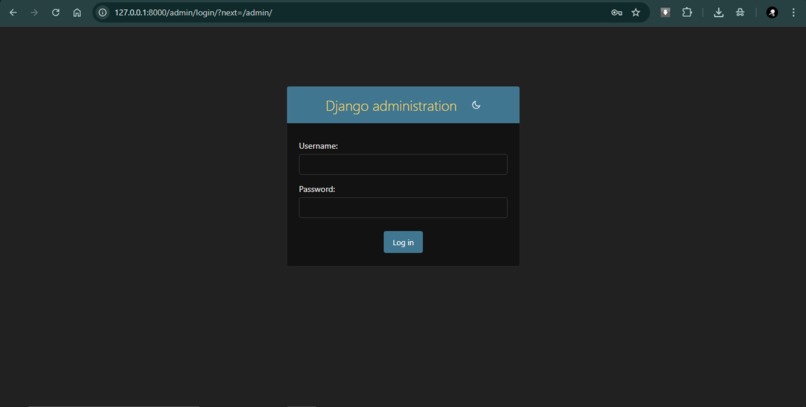
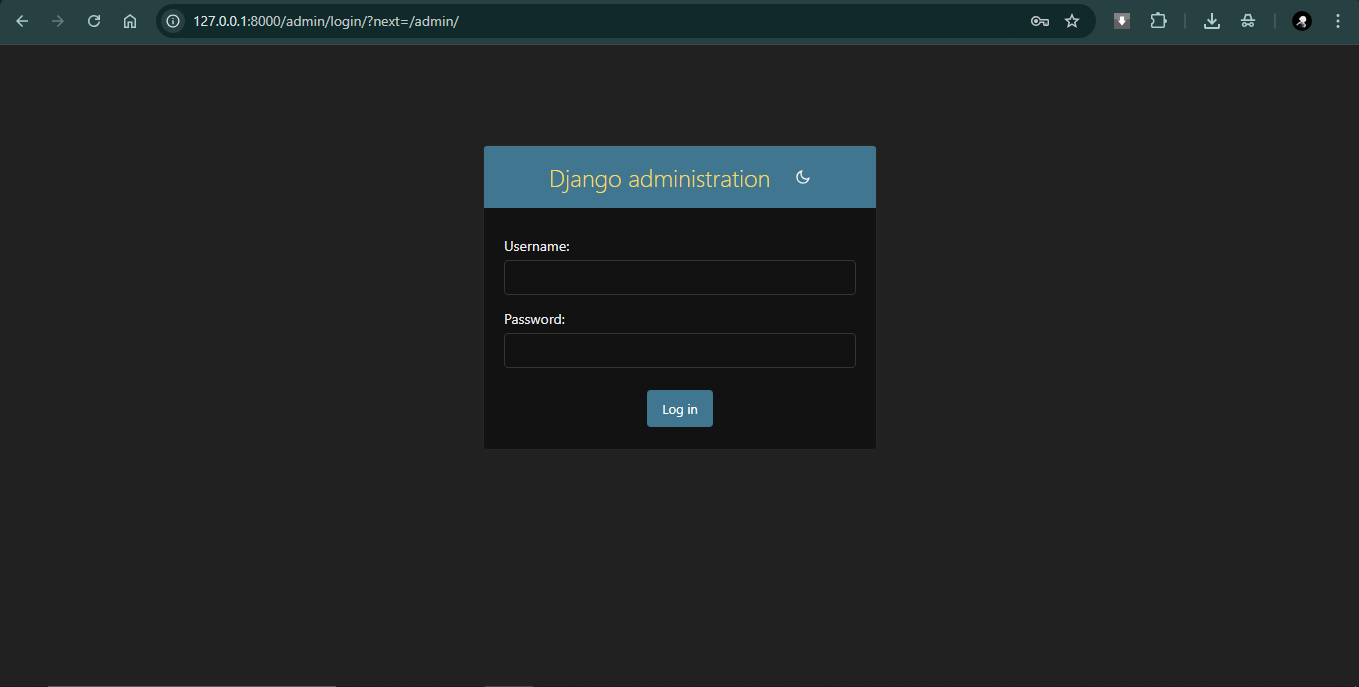
Admin Login
-
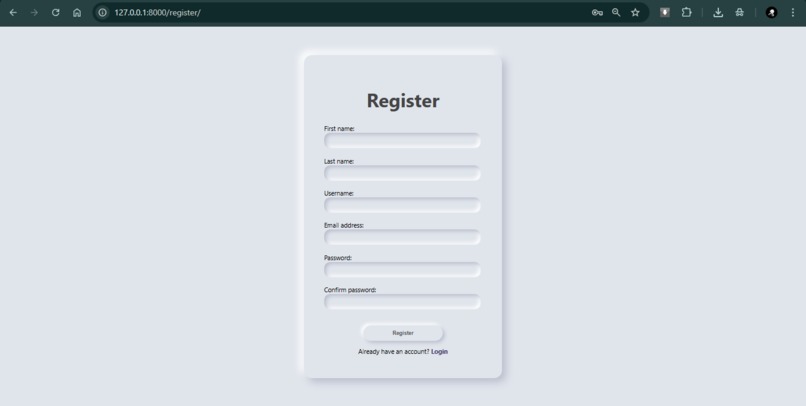
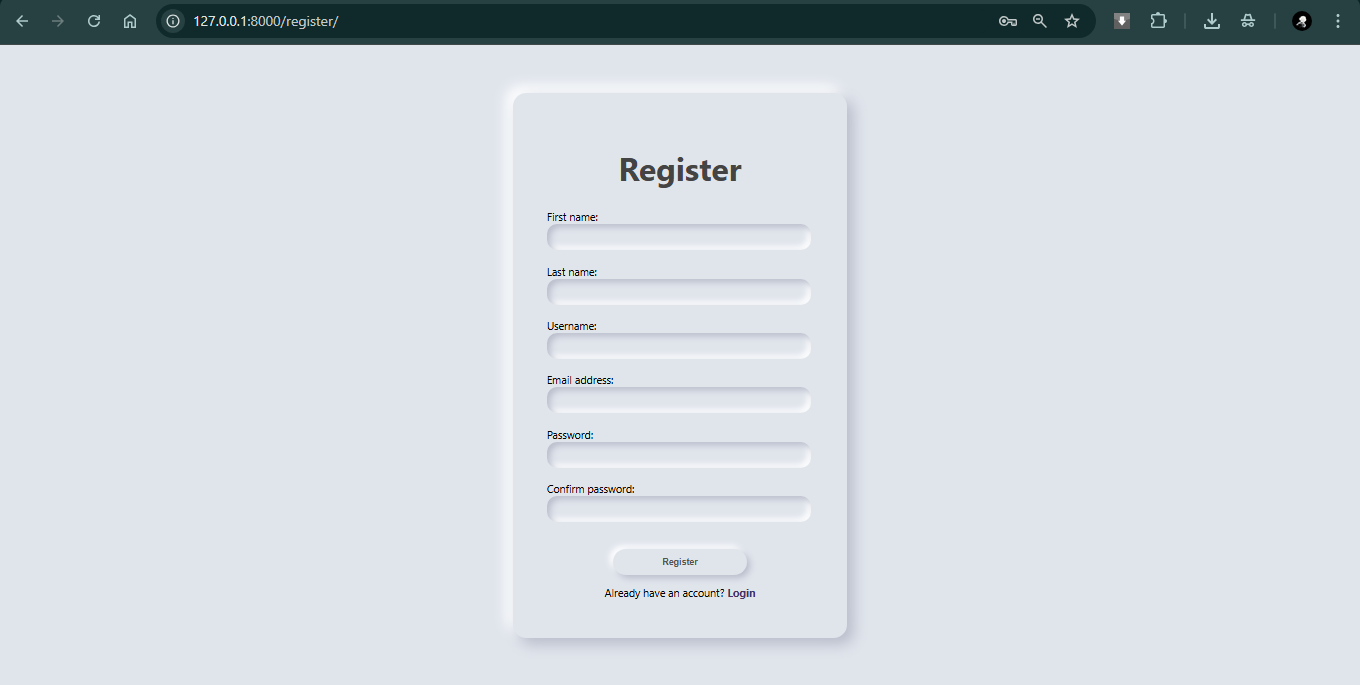
Register
-
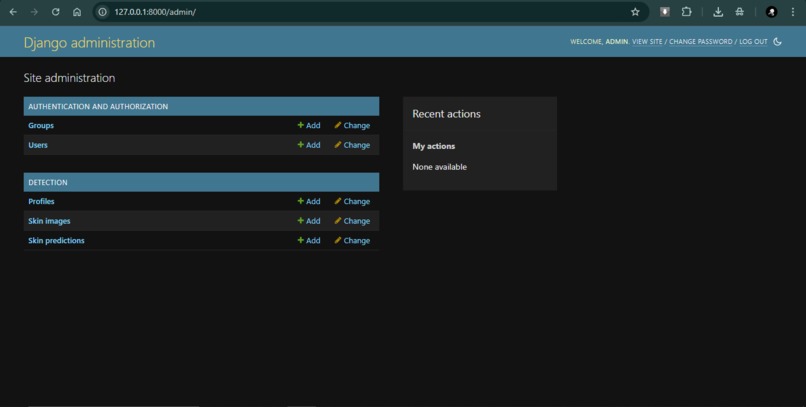
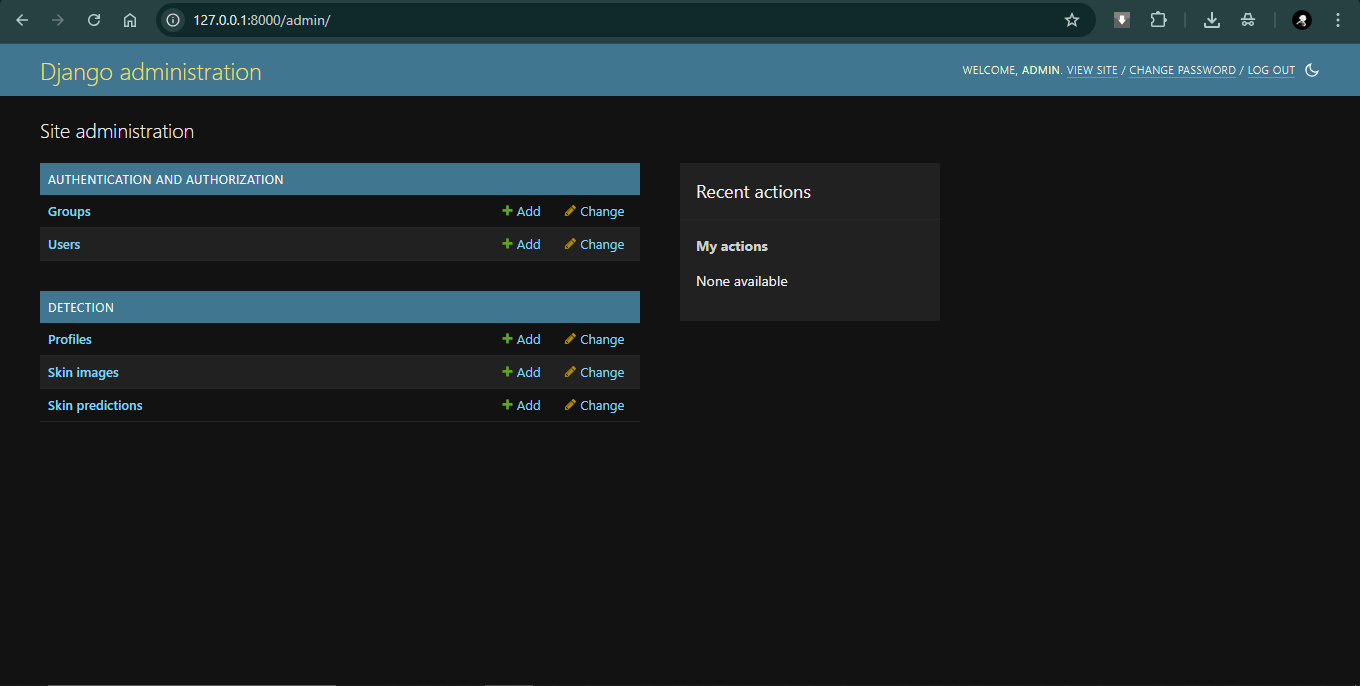
Admin Panel
-
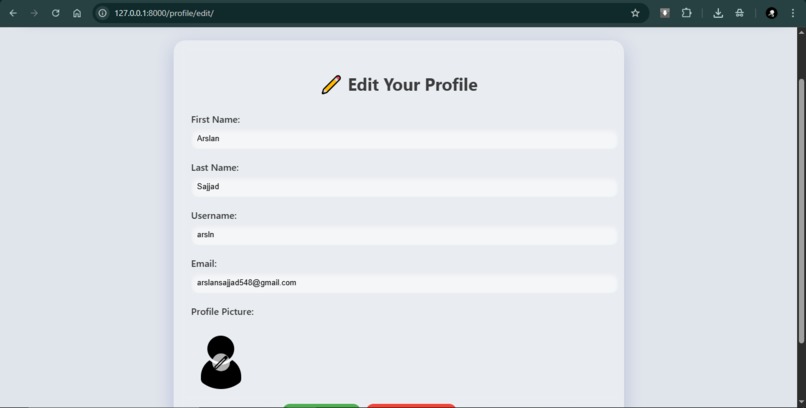
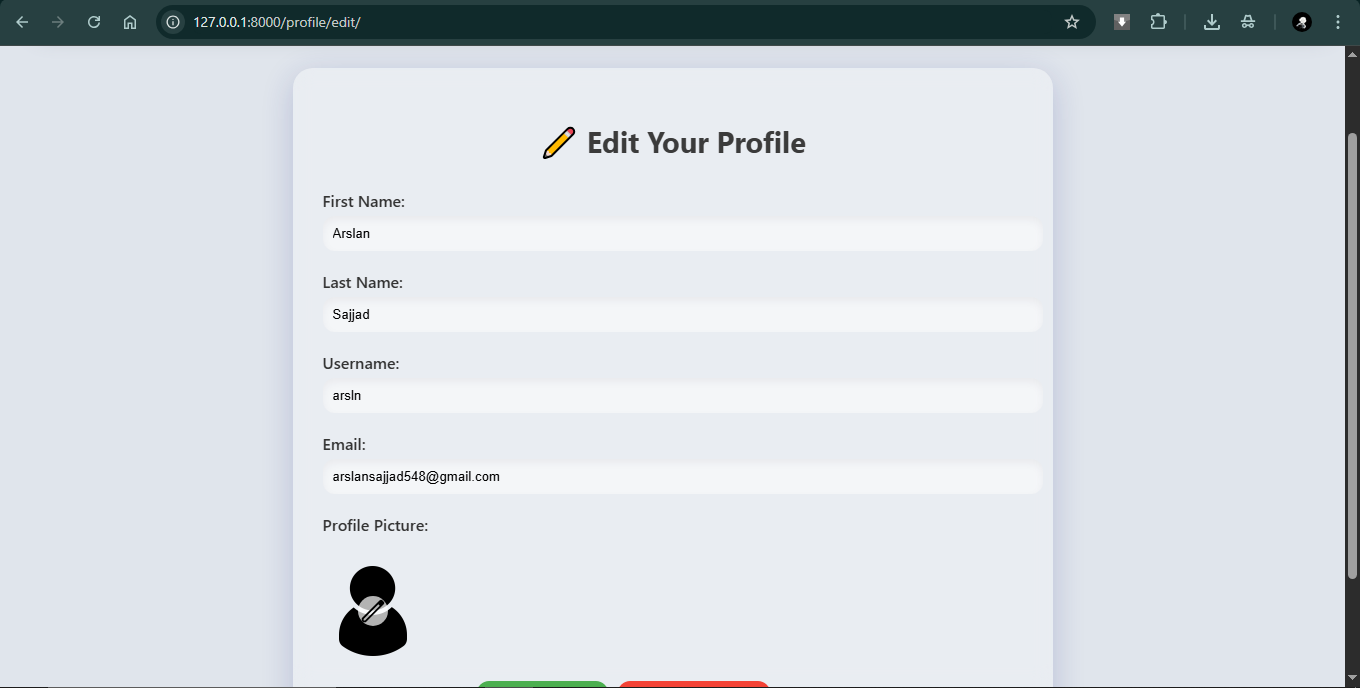
Profile Edit
-
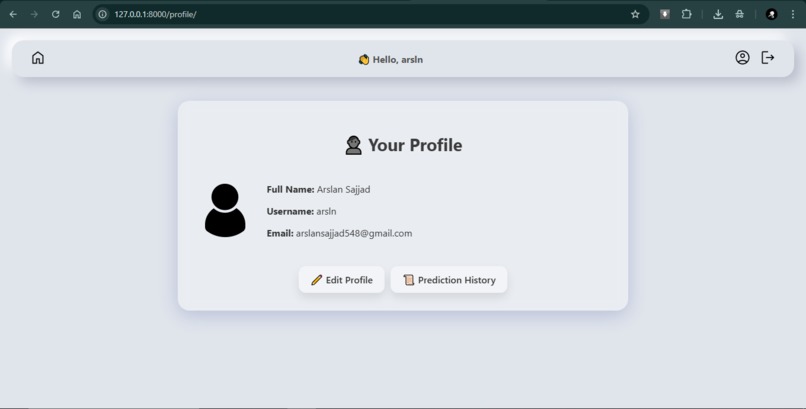
Profile
-
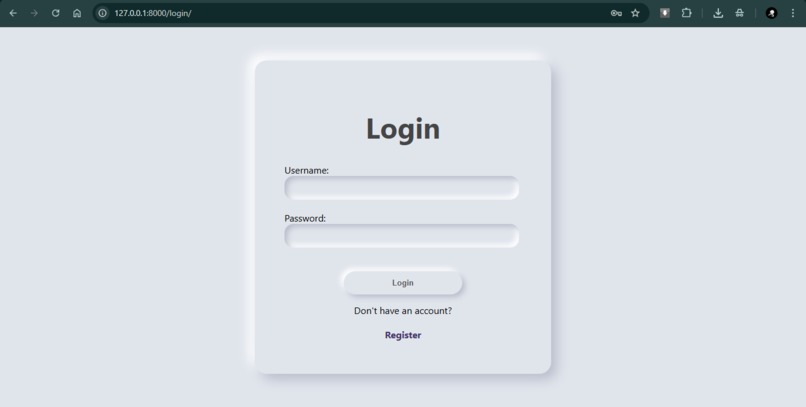
Login
-
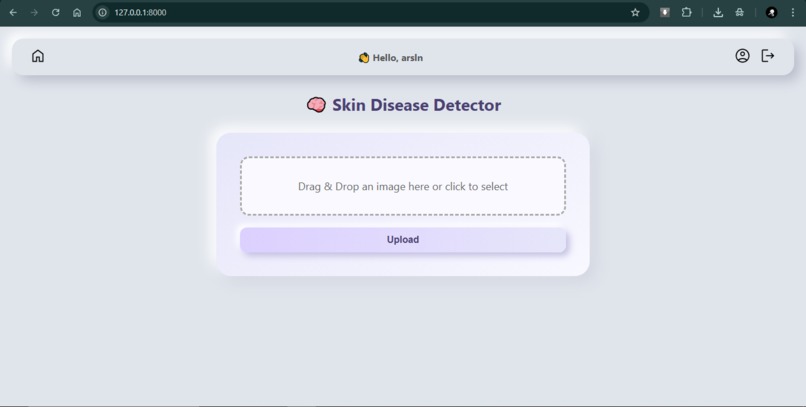
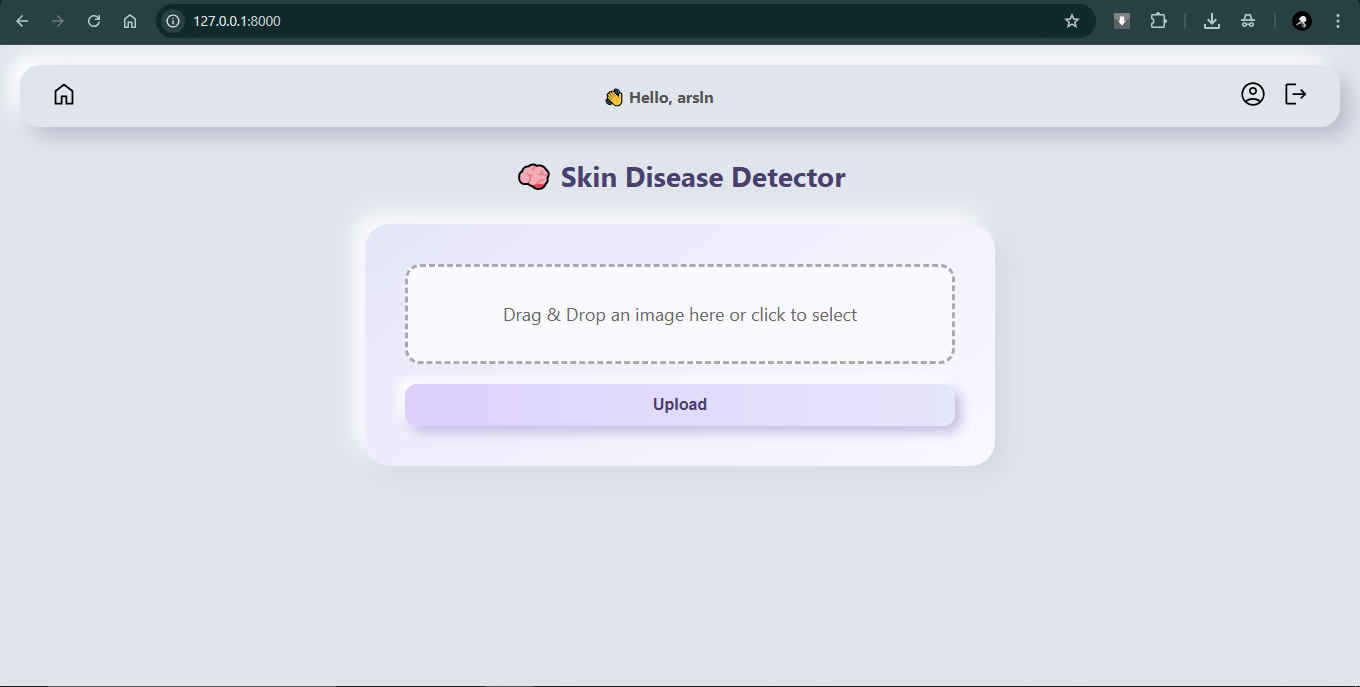
Home
-
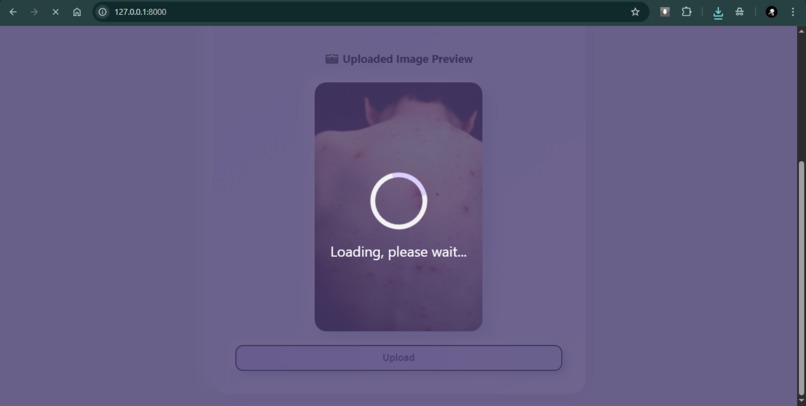
Prediction Loading
-
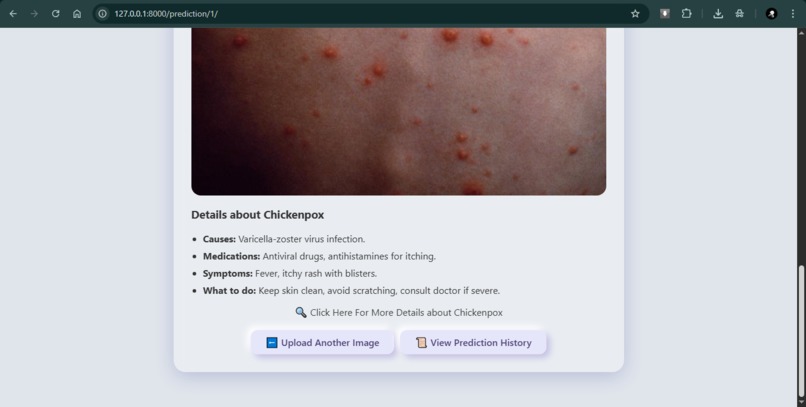
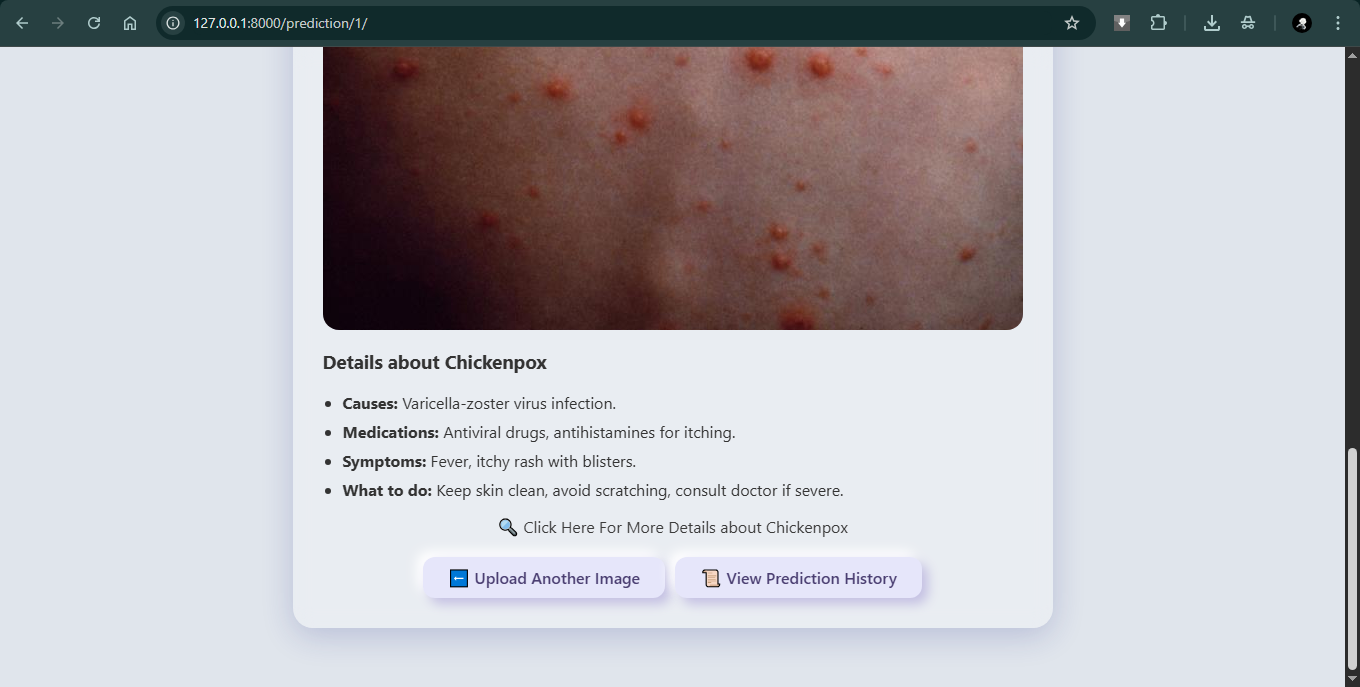
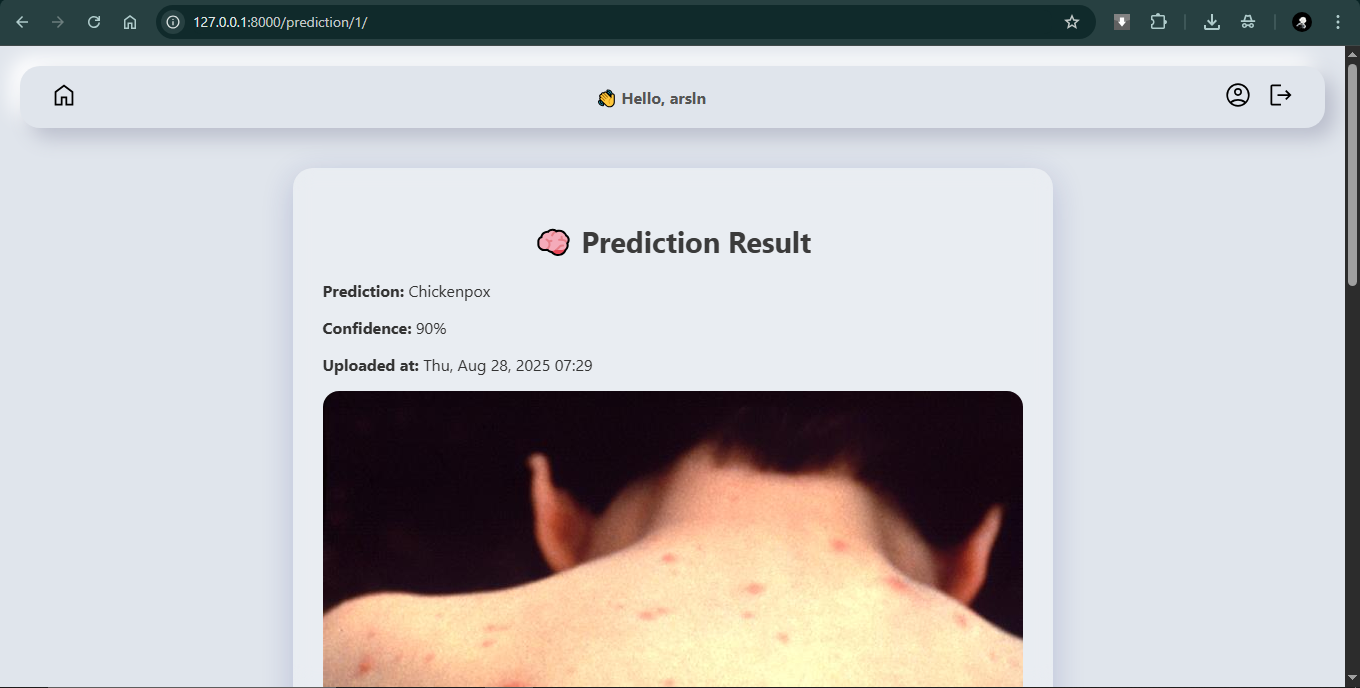
Prediction Result 02
-
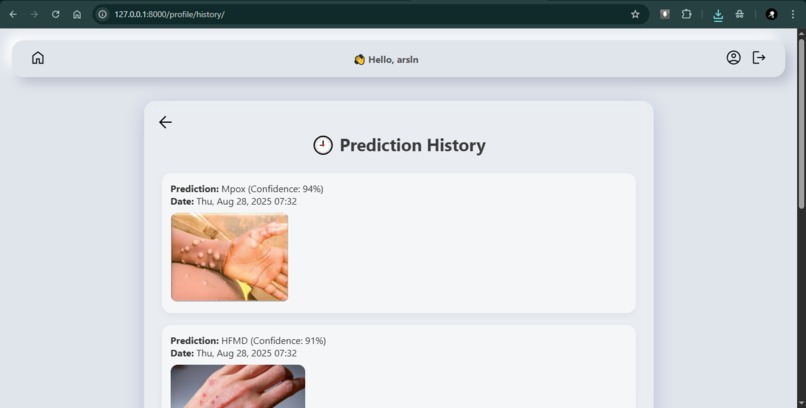
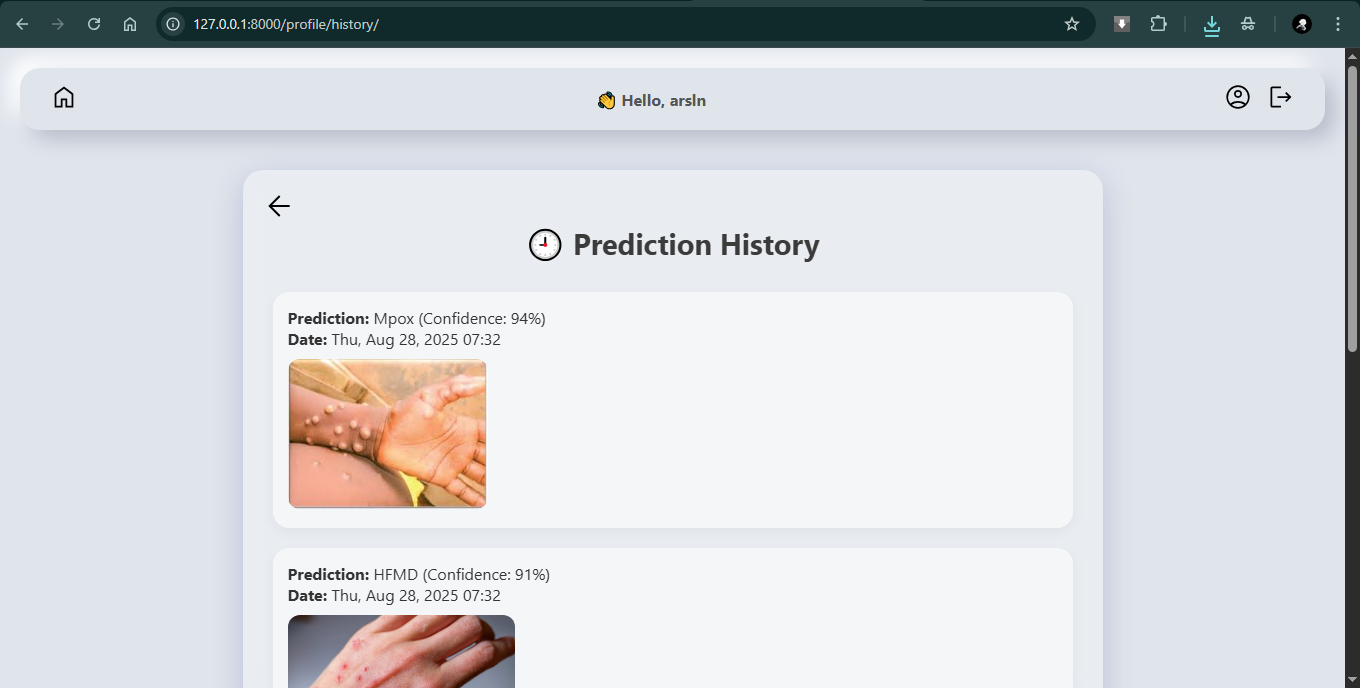
Prediction History
-
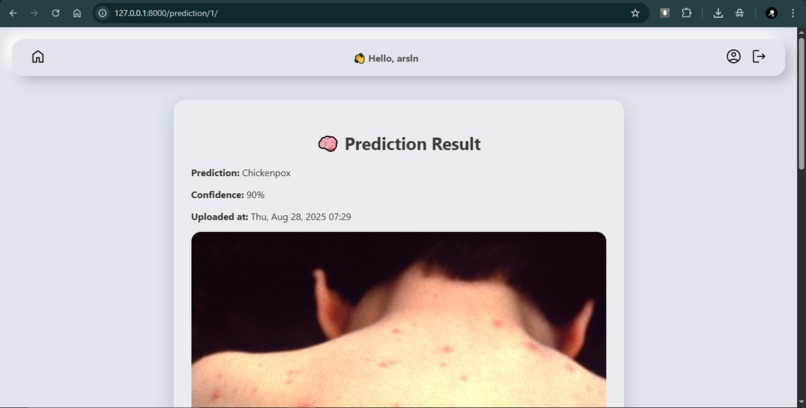
Prediction Result 01
-
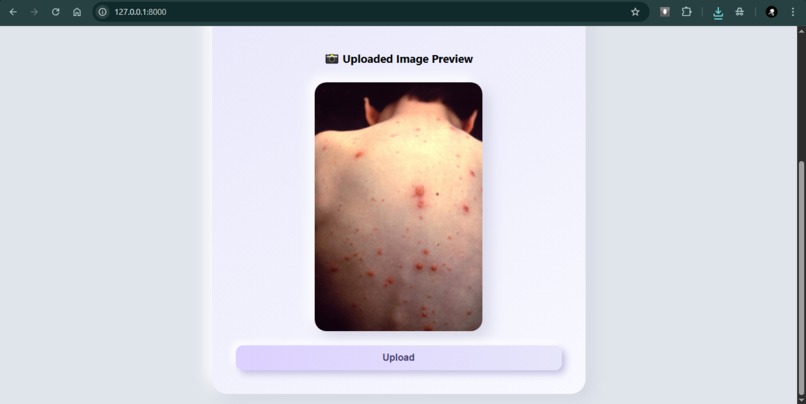
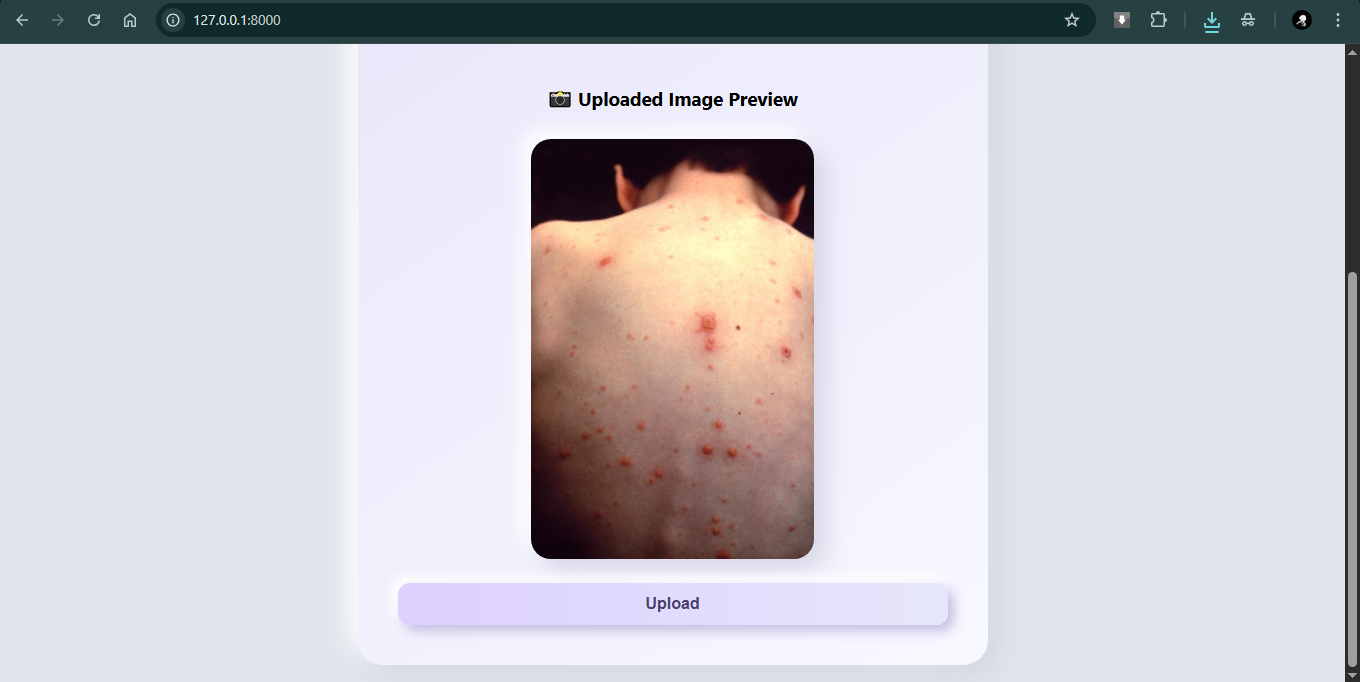
Image Upload
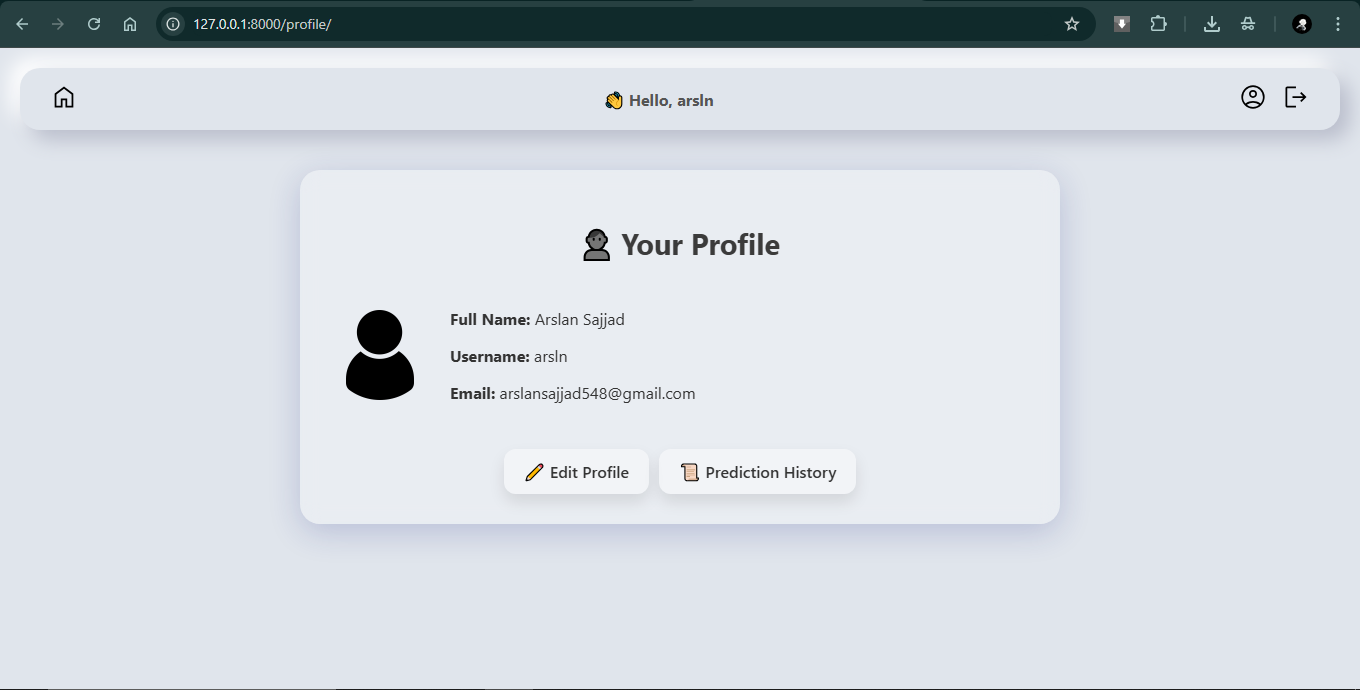
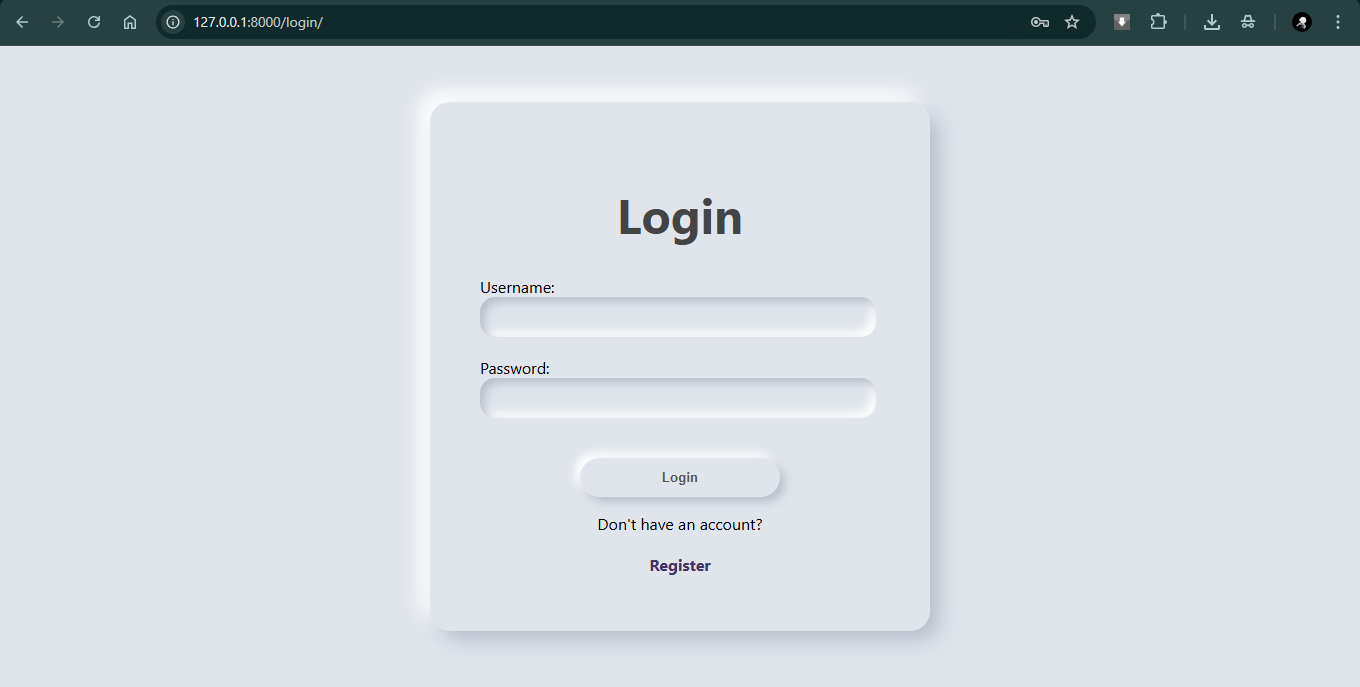
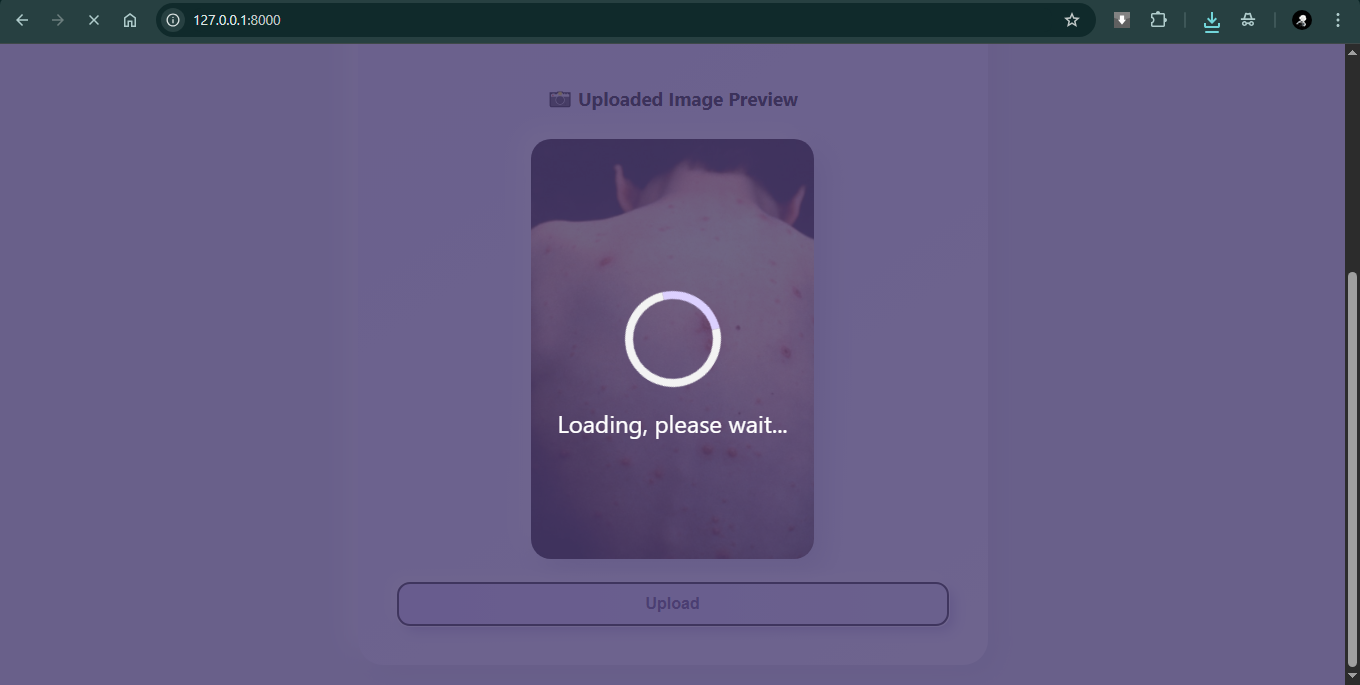
🌟 Inspiration
Skin and scalp diseases are extremely common, yet many people don’t have easy access to dermatologists. Symptoms are often ignored in the early stages, which can lead to serious health issues later on. Our goal was to build an AI-powered solution that could serve as an early detection tool and make skin health more accessible to everyone.
⚡ What it does
- 📸 Users can upload an image of their skin or scalp condition.
- 🤖 Our AI model analyzes the image and predicts the possible disease with a confidence score.
- 🖥️ The web interface is clean and simple, ensuring results are easy to understand for all users.
🛠️ How we built it
- Backend → Developed with Django for authentication, image uploads, and API handling.
- AI Model → Integrated a trained Roboflow model to detect skin and scalp diseases.
- Frontend → Built with HTML, CSS, and JavaScript for a user-friendly UI.
- Project Structure → Organized into clean, modular folders for frontend, backend, and ML.
🚧 Challenges we ran into
- 📂 Limited and diverse dataset quality for training.
- 🔗 Technical hurdles while integrating the AI model with Django.
- 🧩 Making predictions understandable for non-technical users.
🏆 Accomplishments that we're proud of
- ✅ Built a functional prototype under time constraints.
- 🔥 Successfully integrated AI and web development into a real-world use case.
- 📐 Maintained a clean and scalable project structure for future improvements.
📚 What we learned
- 🤝 Hands-on experience in integrating ML models with Django.
- 📊 The critical role of dataset quality and preprocessing in healthcare AI.
- ⏳ How to work as a team under hackathon pressure and make quick decisions.
🚀 What’s next for Skin Disease Detector
- 📈 Expand the dataset for higher accuracy and broader disease coverage.
- 📱 Develop a mobile app version for instant on-the-go detection.
- 🗂️ Add a history/report tracking system for users.
- 👩⚕️ Collaborate with dermatologists for expert validation and guidance.


Log in or sign up for Devpost to join the conversation.