-
-
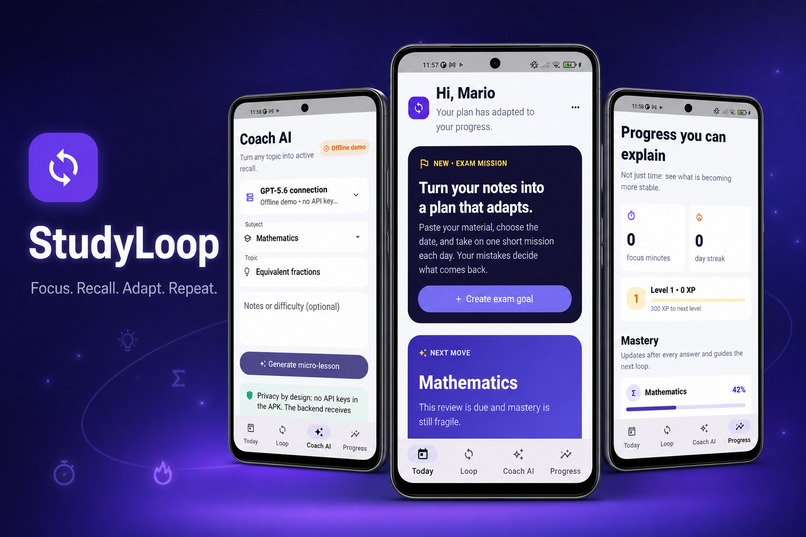
StudyLoop turns notes into adaptive missions where mistakes decide what comes back next.
-
-
-
-

-
-
-
-
-
-
-
-
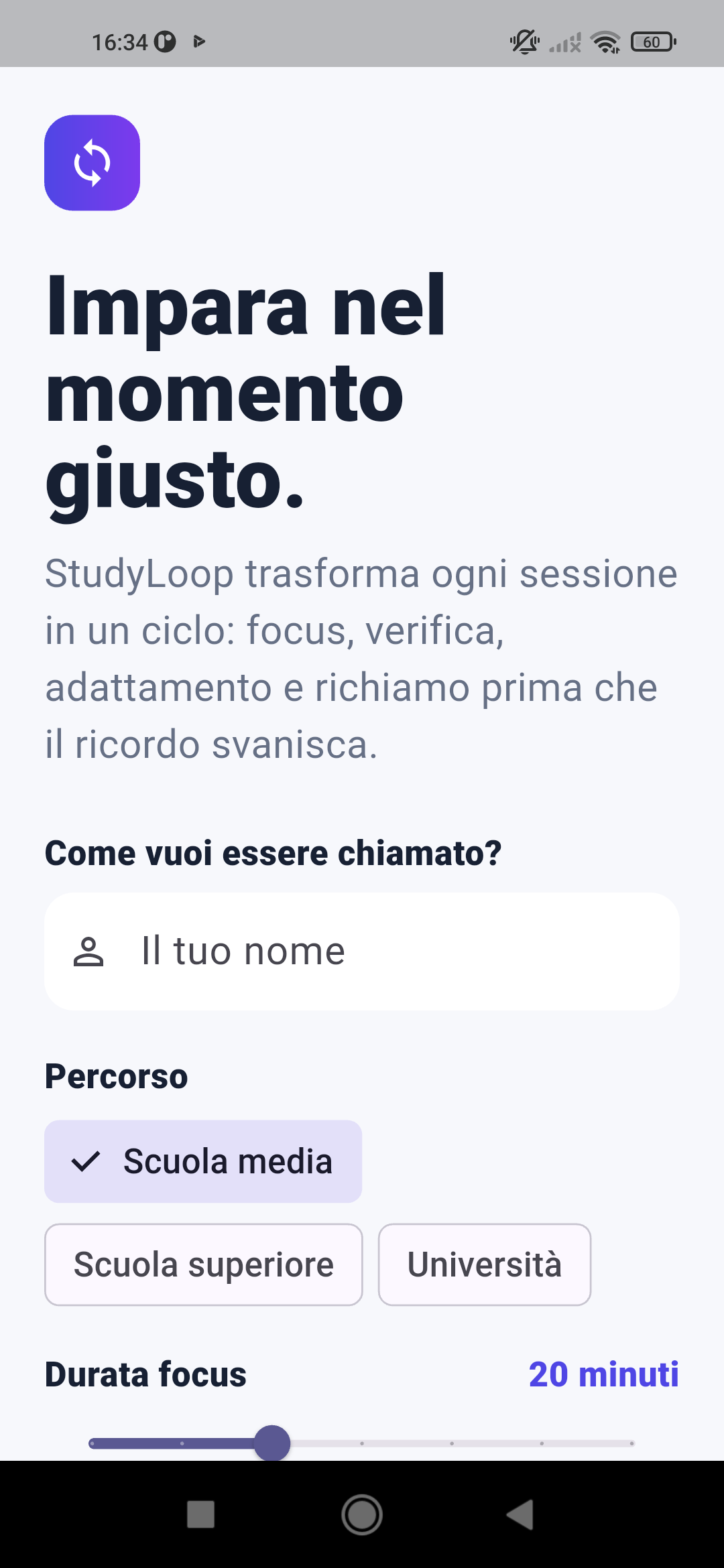
Inspiration
Most study apps reward minutes, streaks, and completed checklists. But time spent is not the same as learning. We wanted every learner to finish a session knowing two things: what became stronger, and why a specific topic should come back next.
What it does
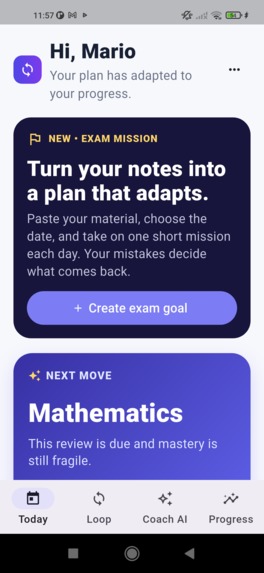
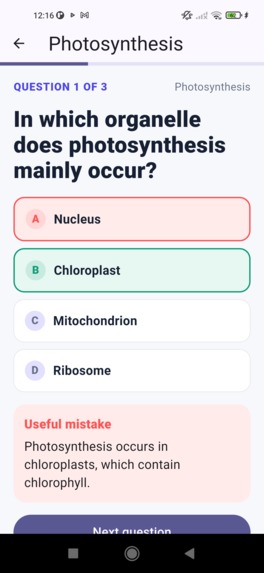
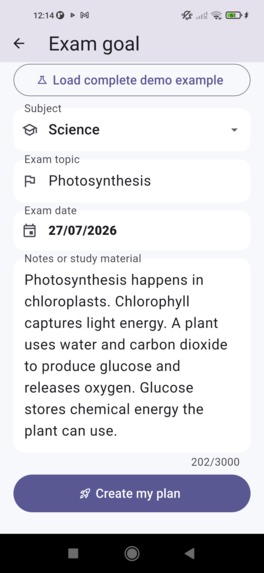
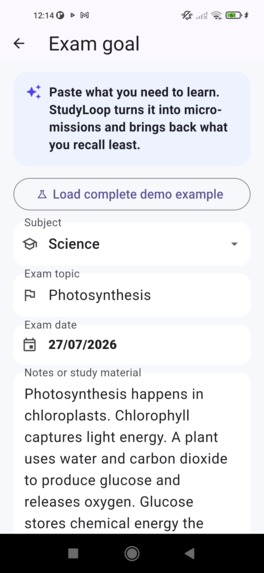
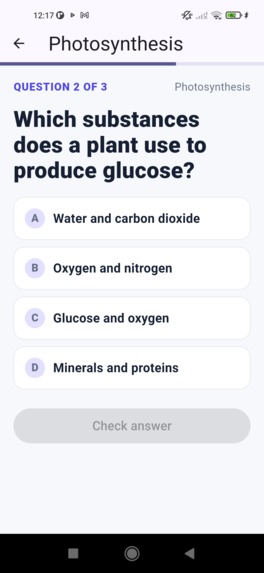
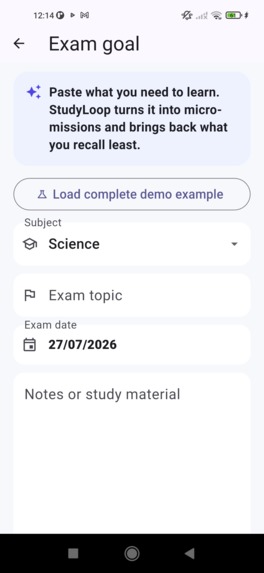
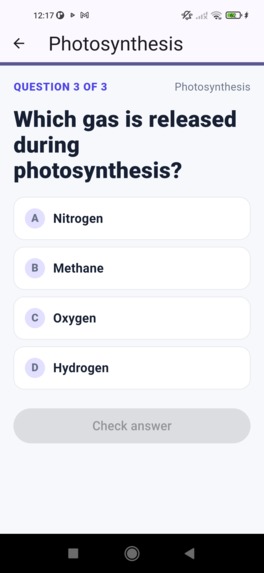
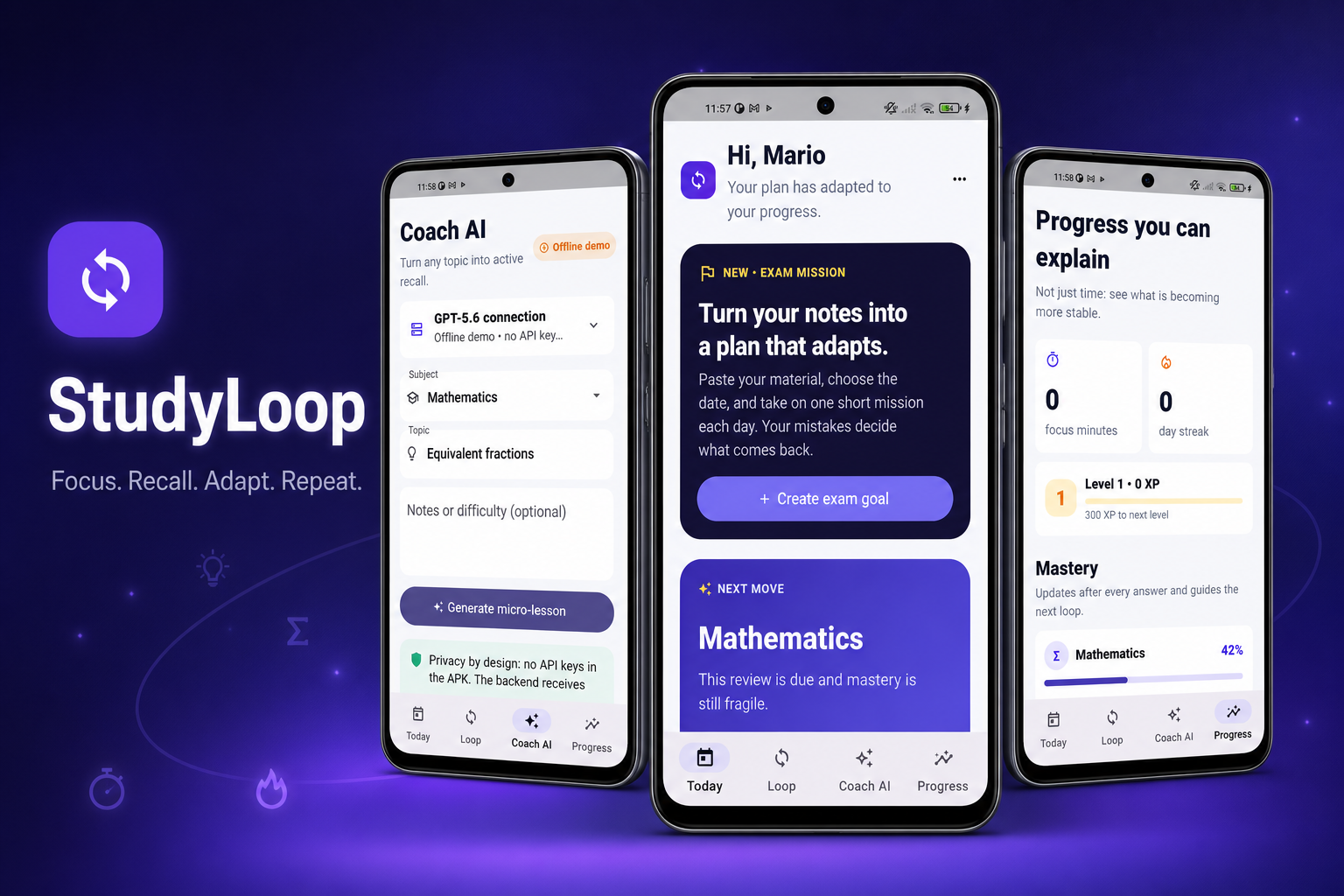
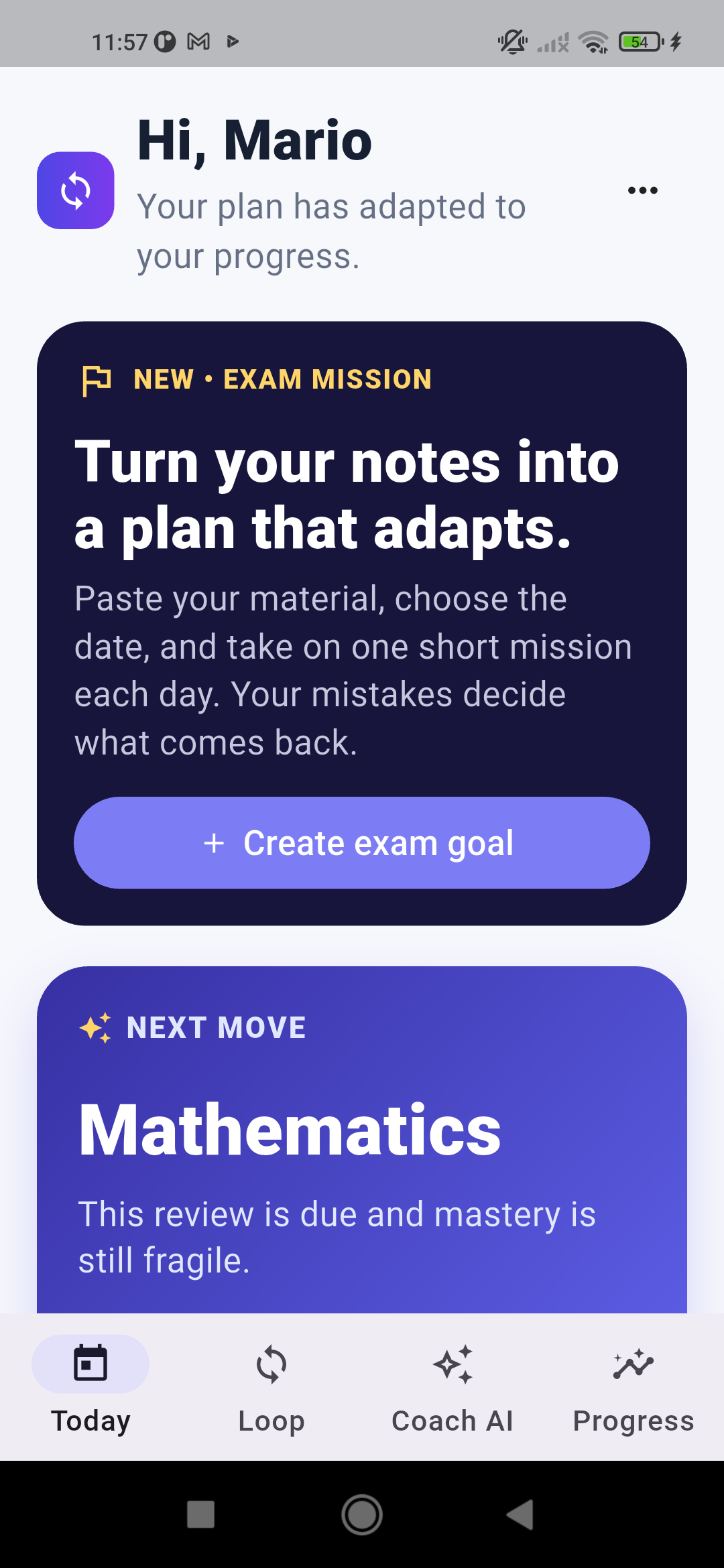
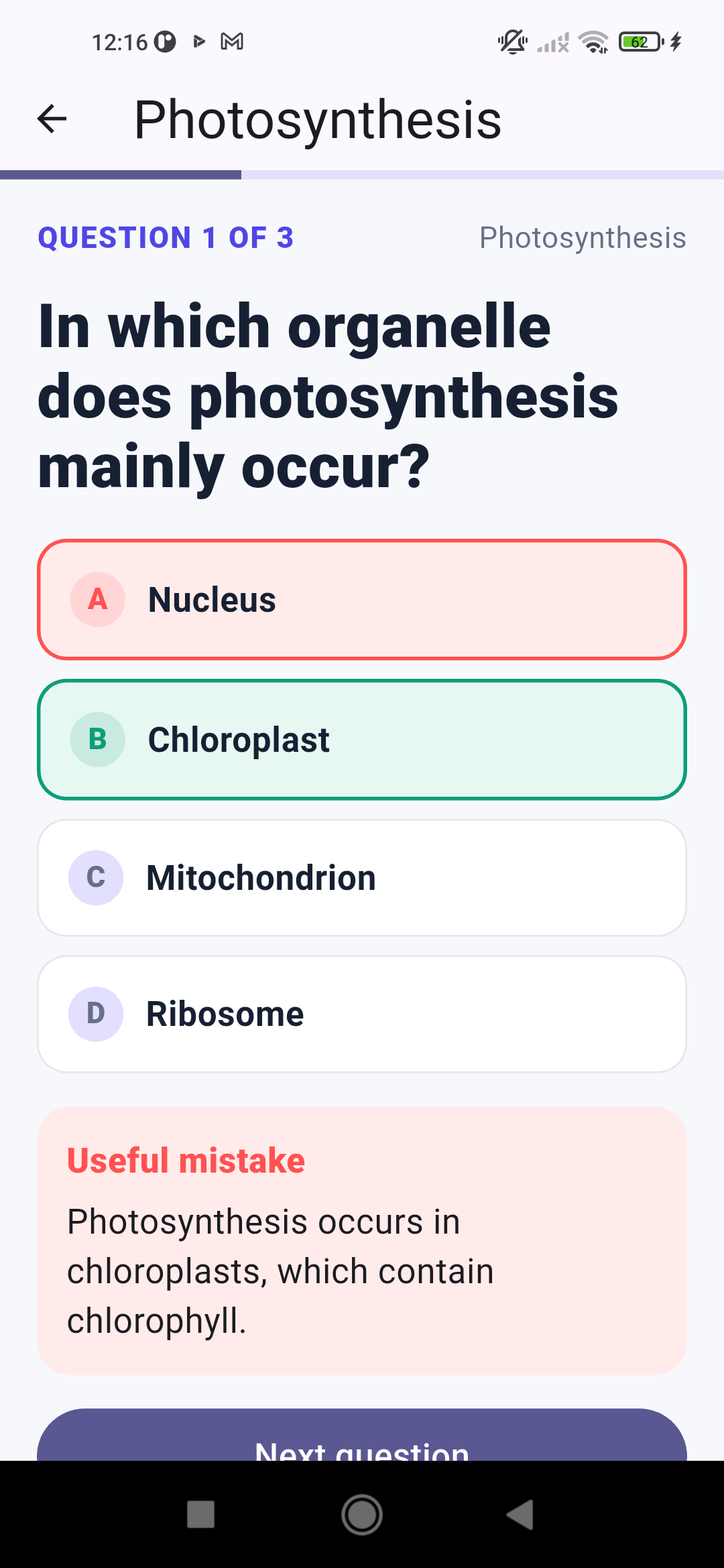
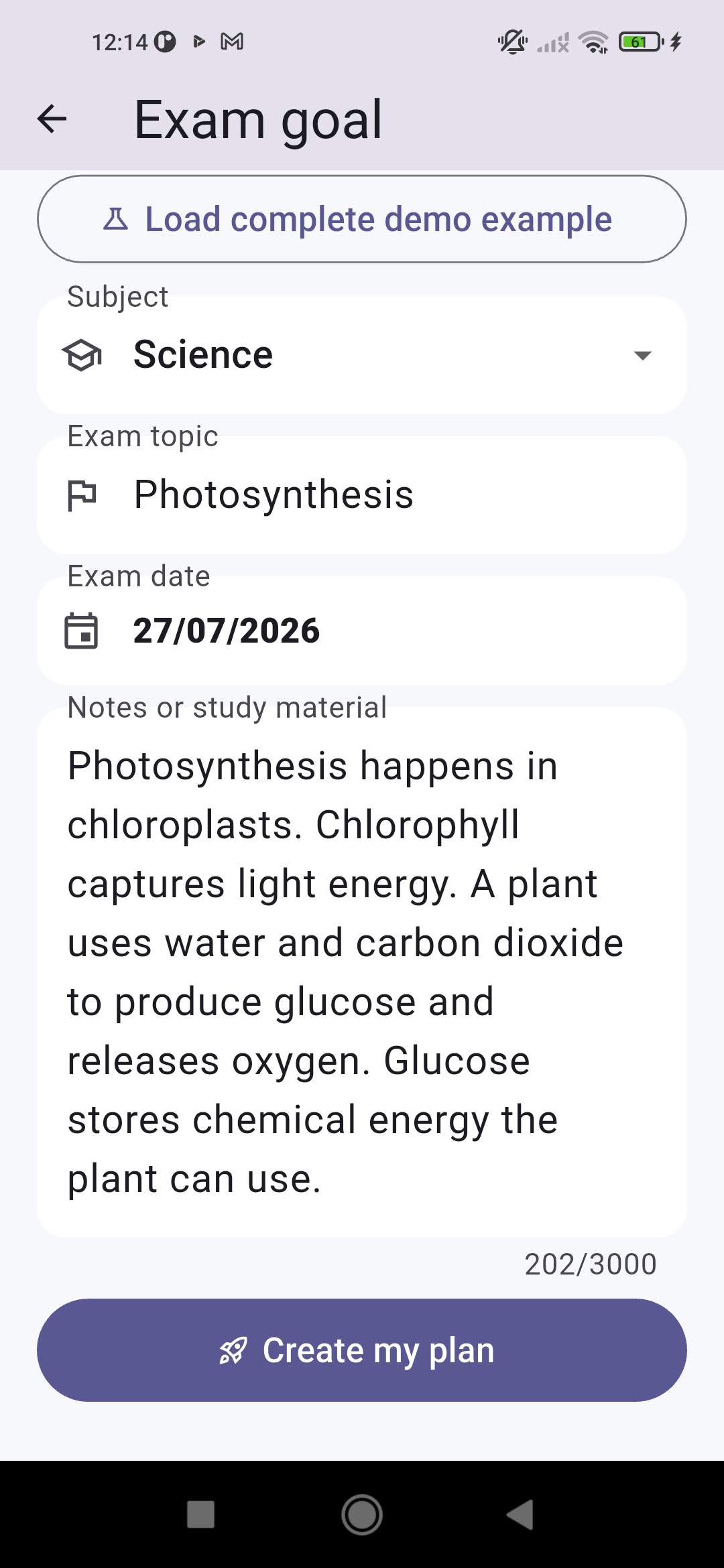
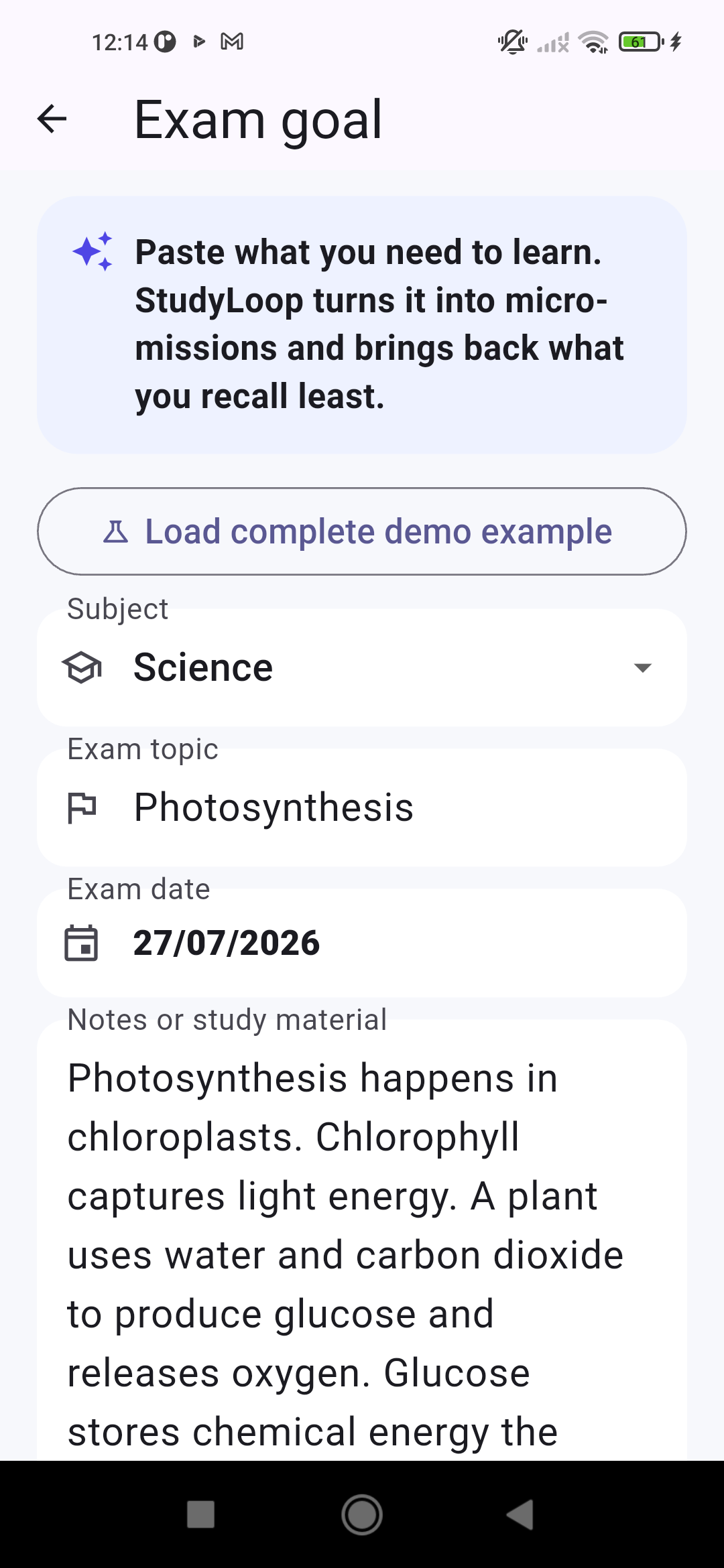
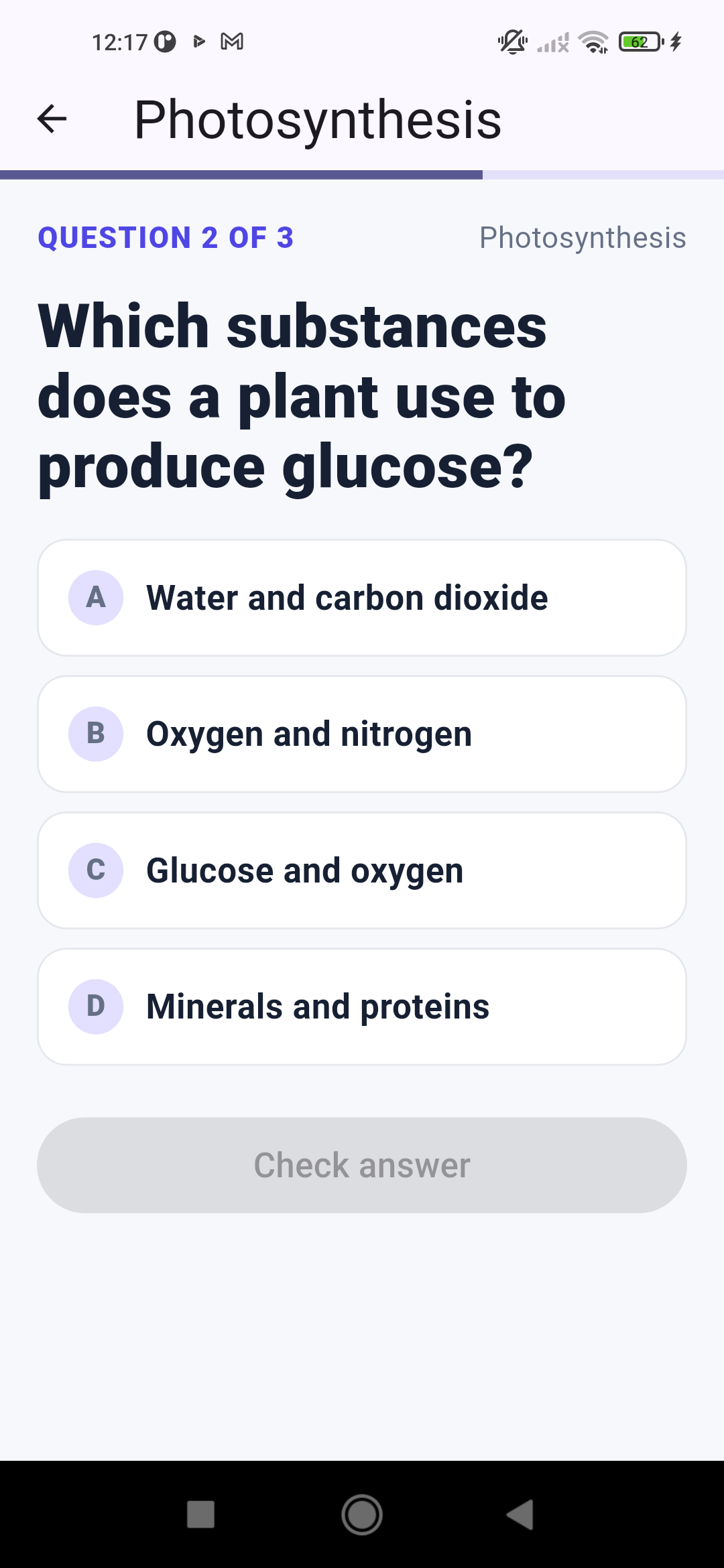
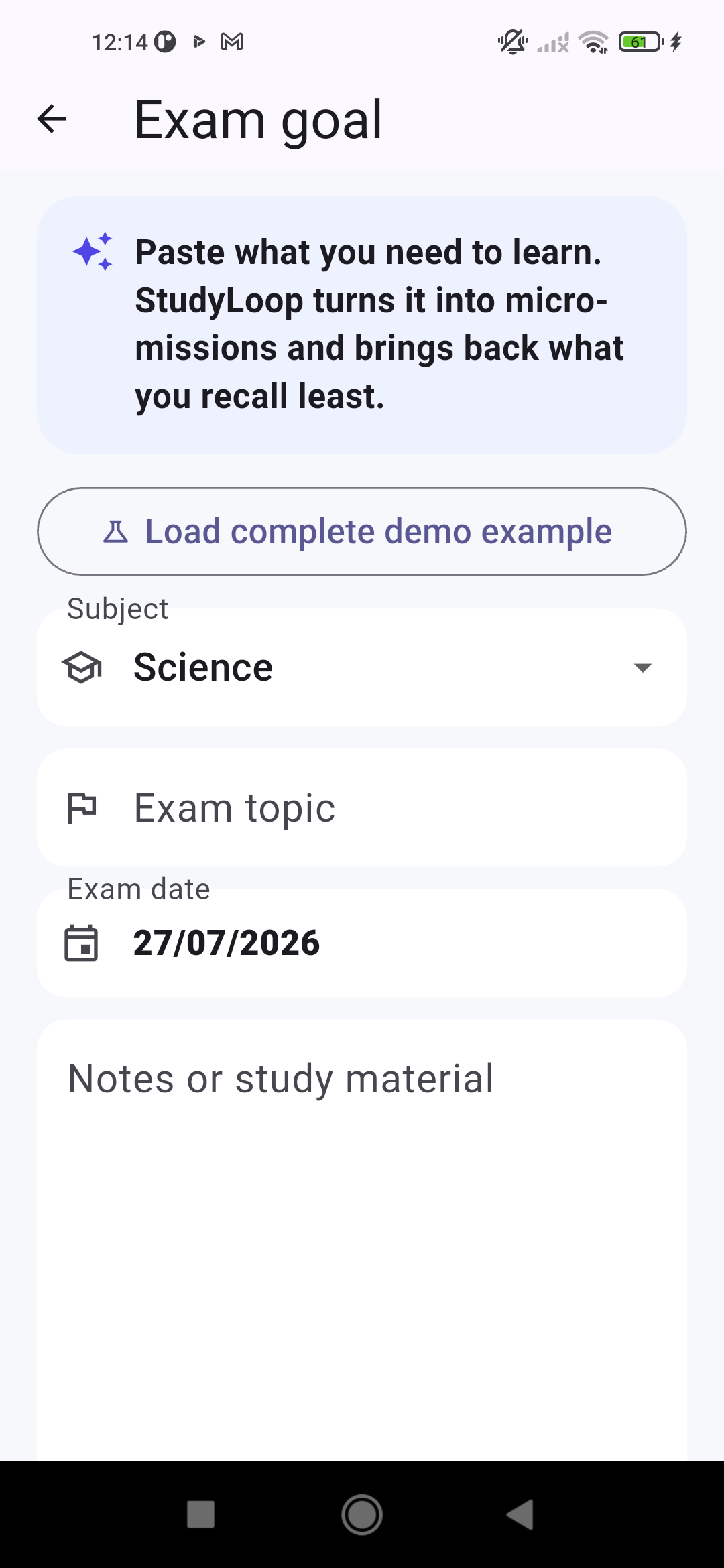
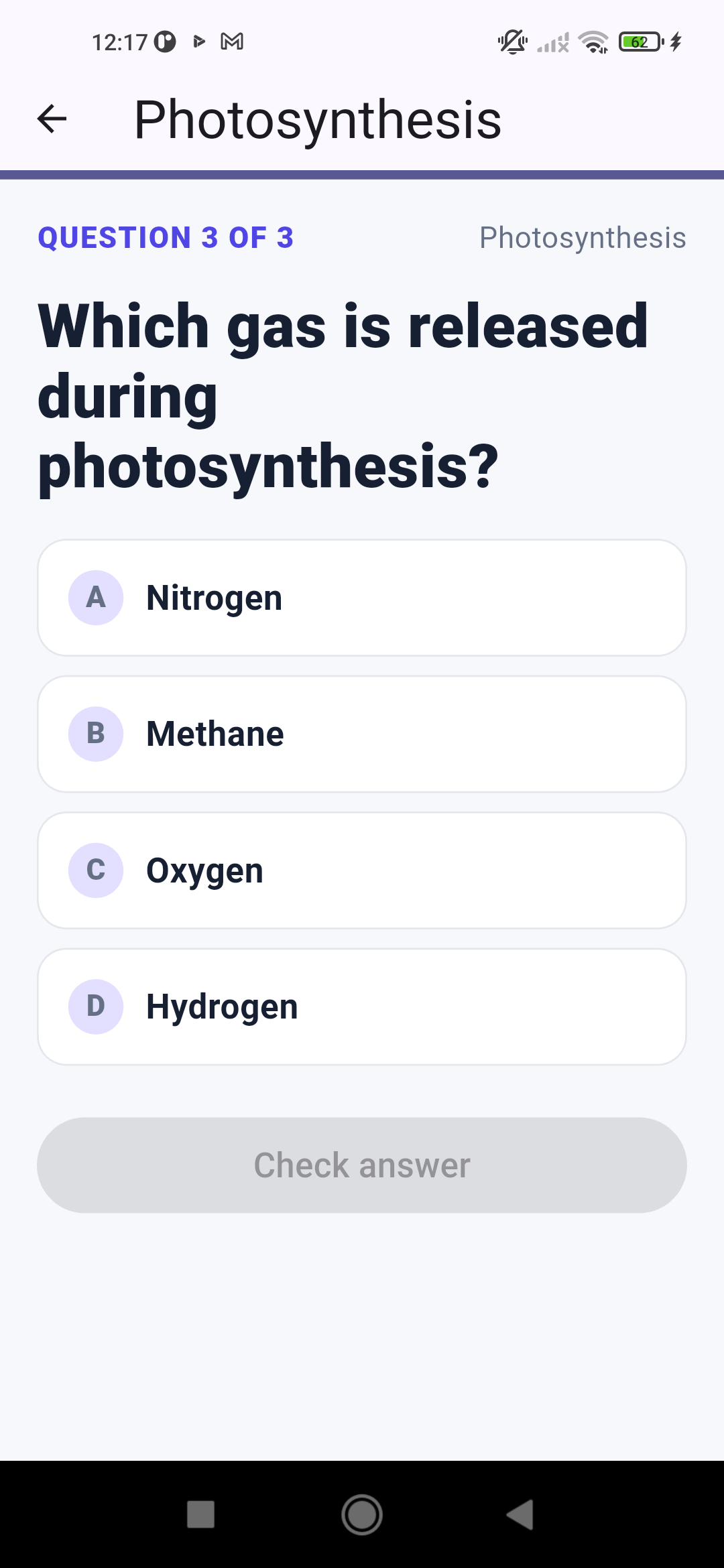
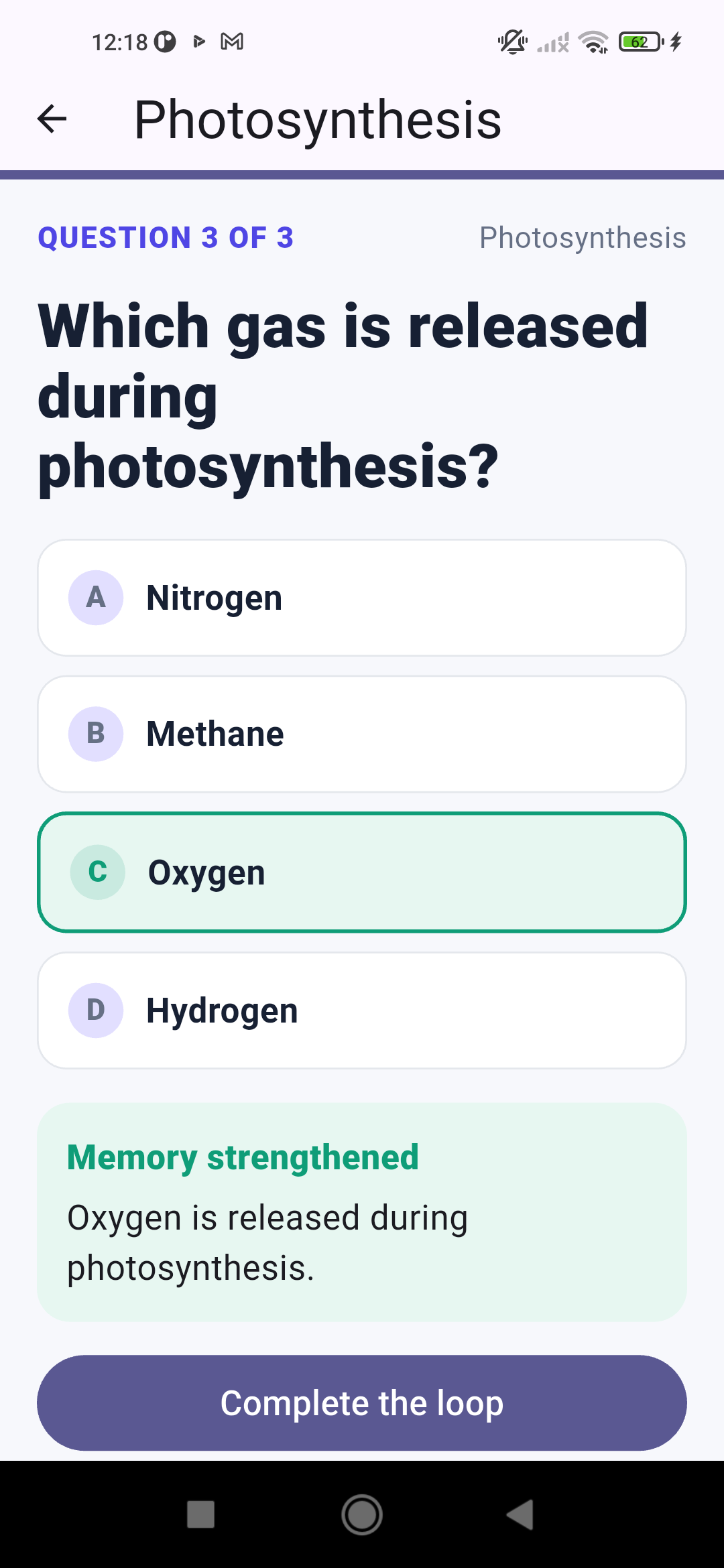
StudyLoop turns a learner's own notes and exam date into an adaptive daily mission. The learner adds a subject, topic, deadline, and study material. The app creates a focused micro-lesson, starts a distraction-free session, and finishes with three grounded retrieval questions.
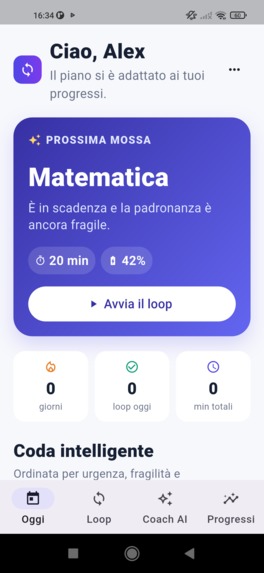
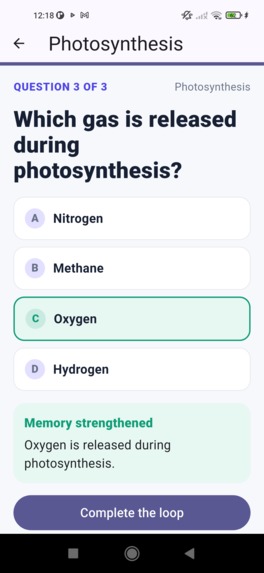
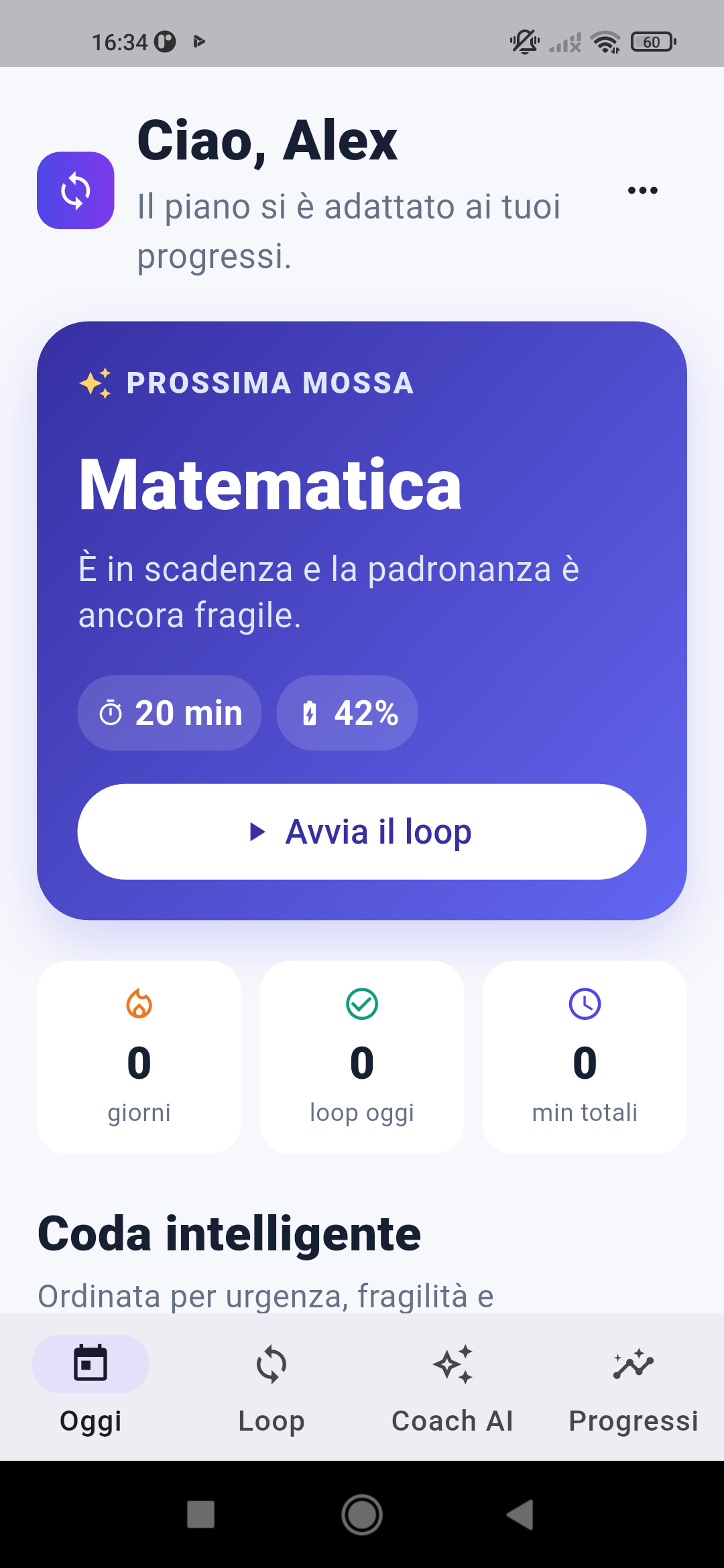
Missed questions enter a local rescue queue and return at the start of the next mission until they are answered correctly. Every answer updates mastery, exam readiness, and the next review interval. StudyLoop explains why a topic is recommended instead of hiding the decision behind an AI score.
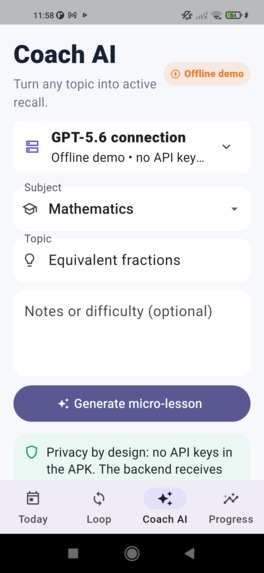
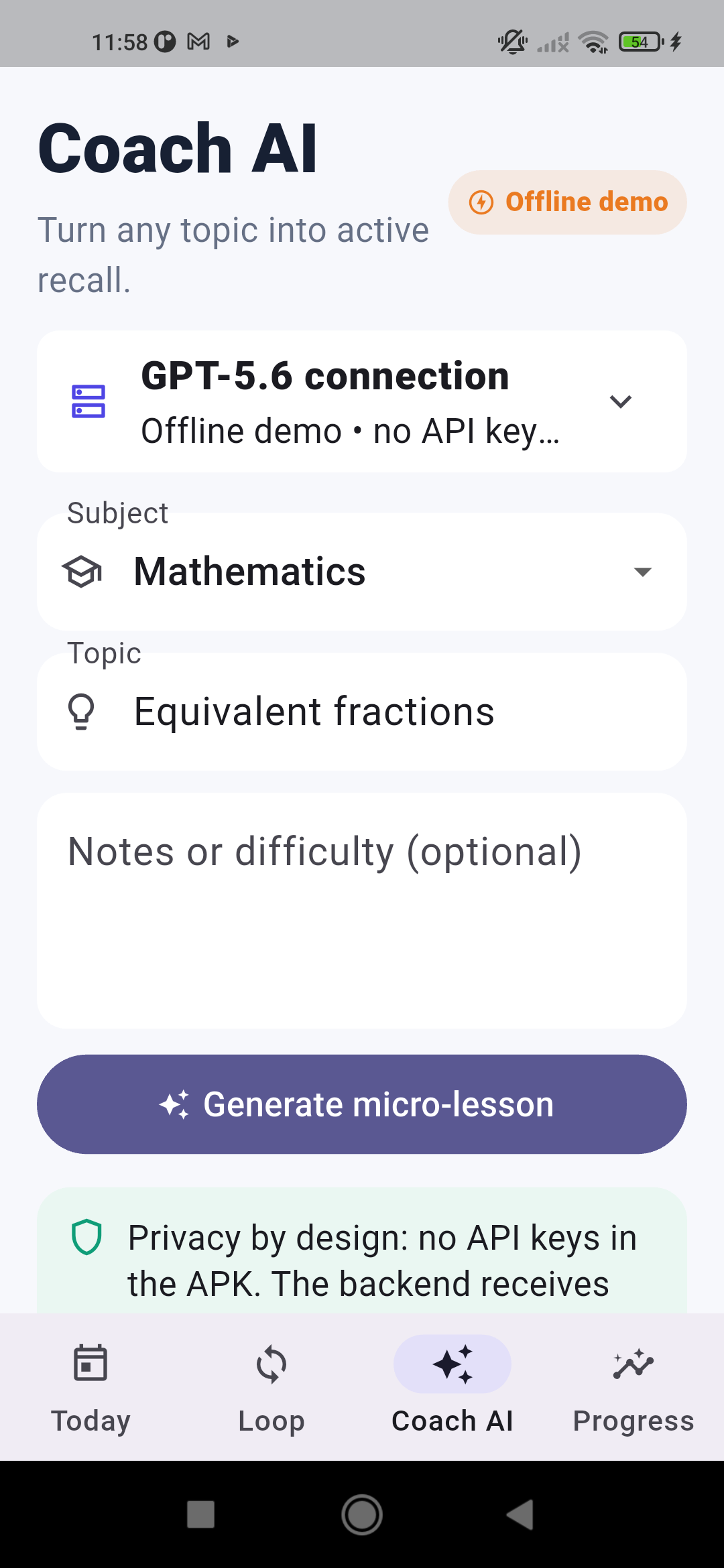
The optional Coach AI uses GPT-5.6 Sol to turn a selected topic and optional notes into a structured micro-lesson and exactly three age-appropriate questions with explanations. A curated offline fallback keeps the complete product testable without a backend or API key.
How we built it
- Flutter and Material 3 for the Android experience
- SharedPreferences for privacy-first local progress and history
- A deterministic adaptive-priority and spaced-review engine
- FastAPI as the secure server-side boundary
- OpenAI Responses API with GPT-5.6 Sol
- Pydantic Structured Outputs for reliable lesson and quiz contracts
- Codex for product architecture, implementation, debugging, tests, and submission preparation
GPT-5.6 is used where generation creates real value: grounded learning packs.
Scheduling remains deterministic, visible, and explainable. The API key never
ships in the APK, OpenAI responses use store=False, and the backend rejects
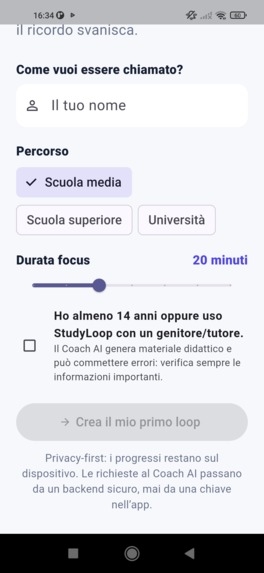
obvious contact information in learner notes.
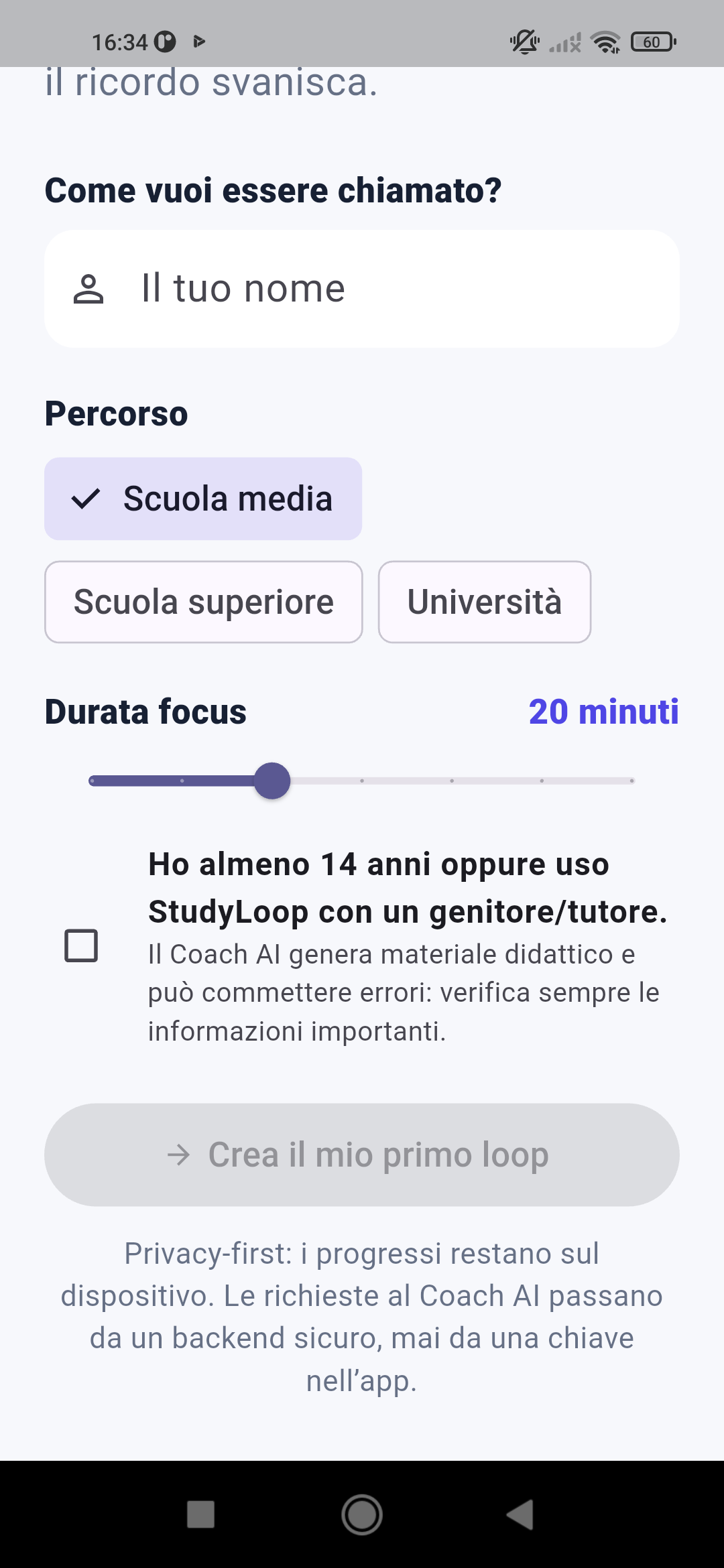
Codex supported the project throughout Build Week: designing the adaptive engine, creating the Flutter UI and state model, implementing the FastAPI backend, adding minor-safety controls, fixing small-screen overflow, producing tests, translating the competition build, and preparing the public repository.
This was an end-to-end human–Codex collaboration, not a single isolated coding prompt. Codex scaffolded and implemented the Android and backend projects, iterated on product design, diagnosed device issues through ADB, created tests and documentation, prepared the gallery assets, assembled the narrated demo video, published the repository, and guided the Devpost submission workflow. The human participant set the product direction, made final decisions, tested the experience on real hardware, and completed all account, consent, and submission actions.
Challenges we ran into
The main design challenge was deciding what AI should not control. A fully generative tutor can feel unpredictable, while a purely deterministic app cannot create useful practice from arbitrary notes. We separated those responsibilities: GPT-5.6 creates schema-validated learning content, while a transparent engine decides what returns and when.
We also needed the project to remain useful when a backend is unavailable. StudyLoop therefore includes a complete offline demo, while clearly labeling whether a learning pack came from GPT-5.6 or the fallback.
Accomplishments that we're proud of
- A complete focus → recall → adapt → repeat learning loop
- Exam goals grounded in the learner's own material and deadline
- A persistent mistake-rescue queue
- Explainable topic ordering and readiness evidence
- Persistent mastery, accuracy, XP, streak, and session history
- Structured GPT-5.6 learning packs
- A privacy-aware backend boundary and useful offline fallback
- A small-screen-tested English Android experience
What we learned
Adaptive learning feels more trustworthy when the product exposes its reasoning. Structured Outputs also allow a generative model to behave like a reliable application component instead of an unbounded chat box. Most importantly, retrieval evidence is more useful than merely counting time spent.
What's next for StudyLoop
Next steps include teacher-created curricula, encrypted local profiles, richer accessibility, multilingual learning packs, source citations, consent flows, and evaluation of question quality with educators.
With appropriate school and guardian consent, future integrations with school platforms and learning management systems could securely import assignments, deadlines, subjects, and grades. StudyLoop could then build daily missions automatically and focus practice on the areas where each learner needs the most support.


Log in or sign up for Devpost to join the conversation.