-
-

Landing Page
-
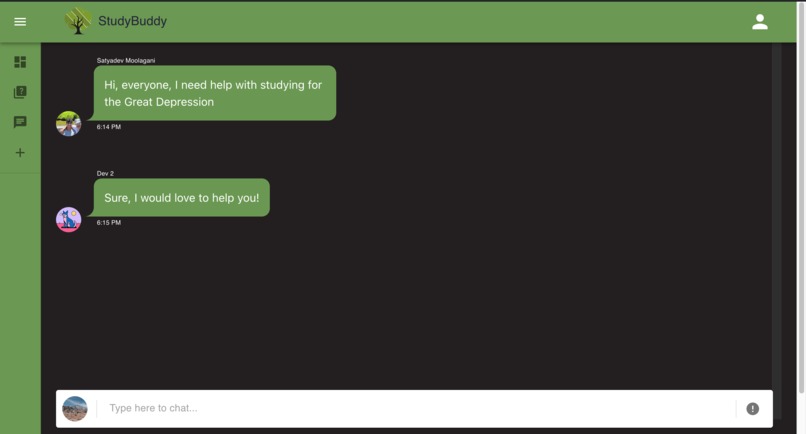
Chat
-
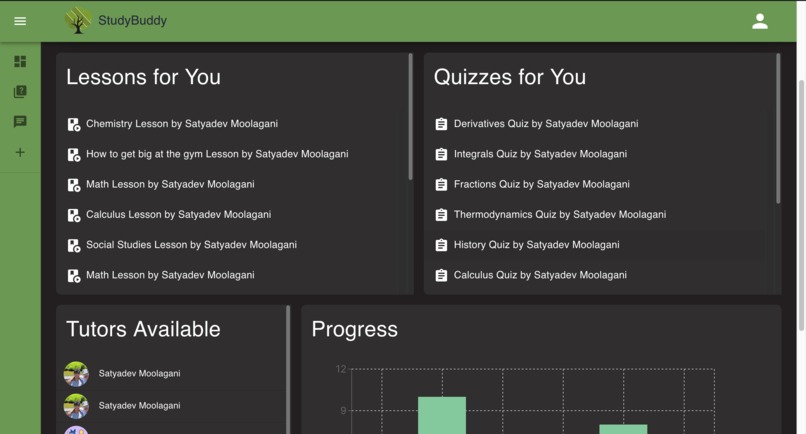
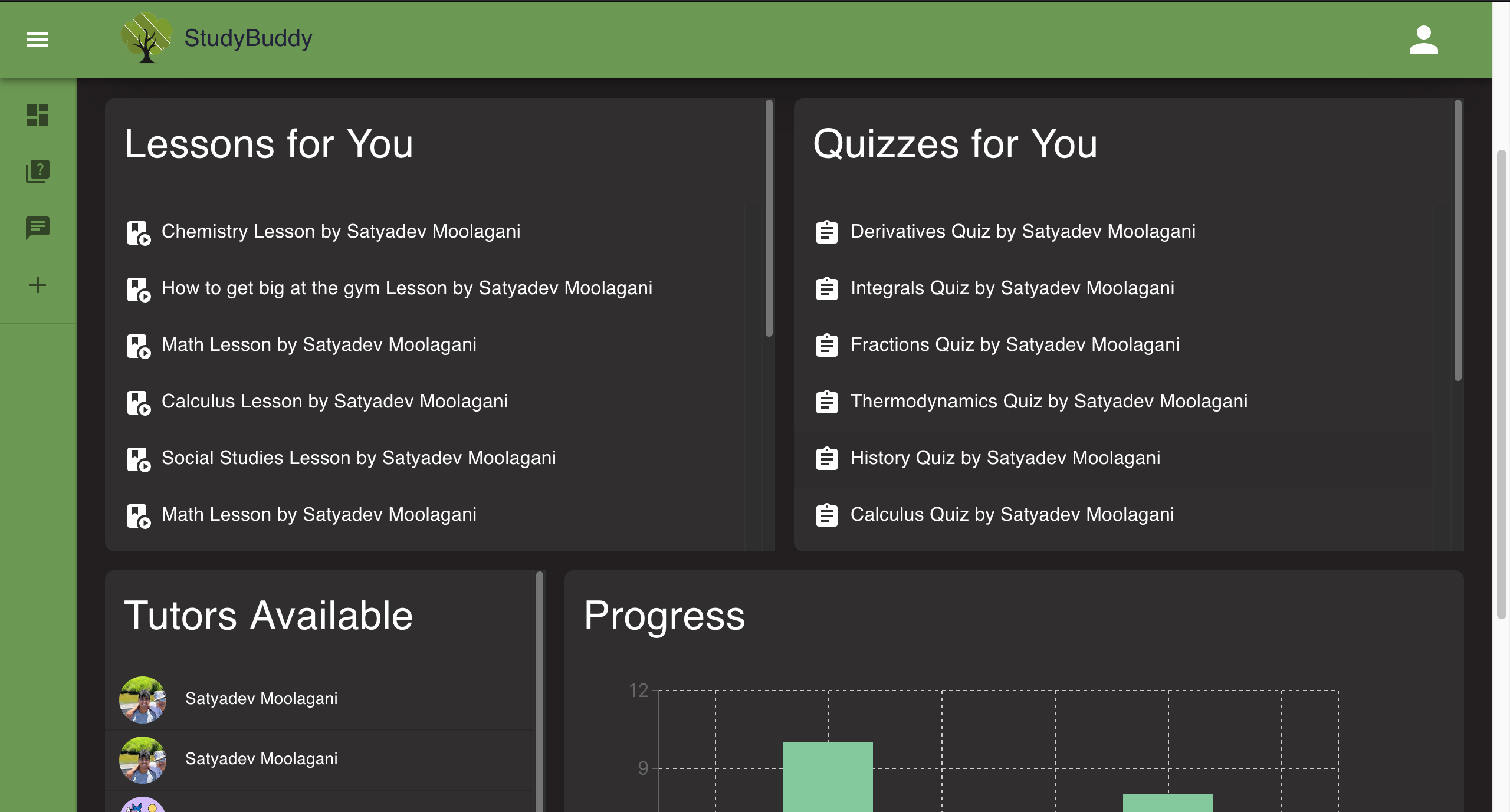
Dashboard
-
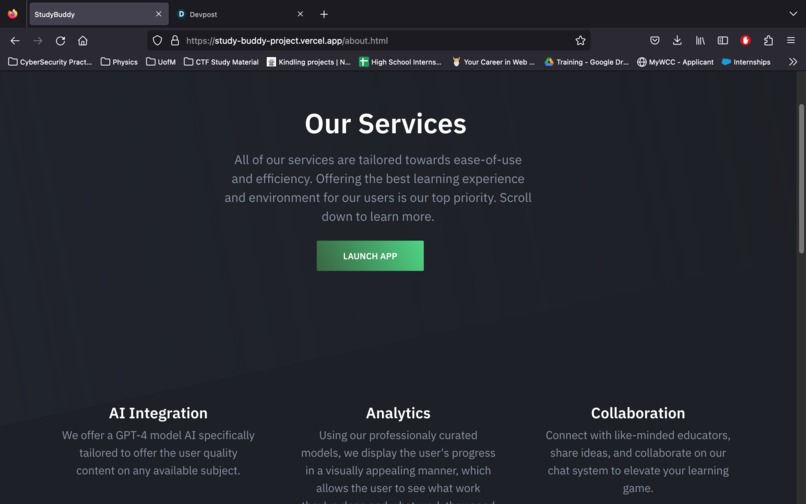
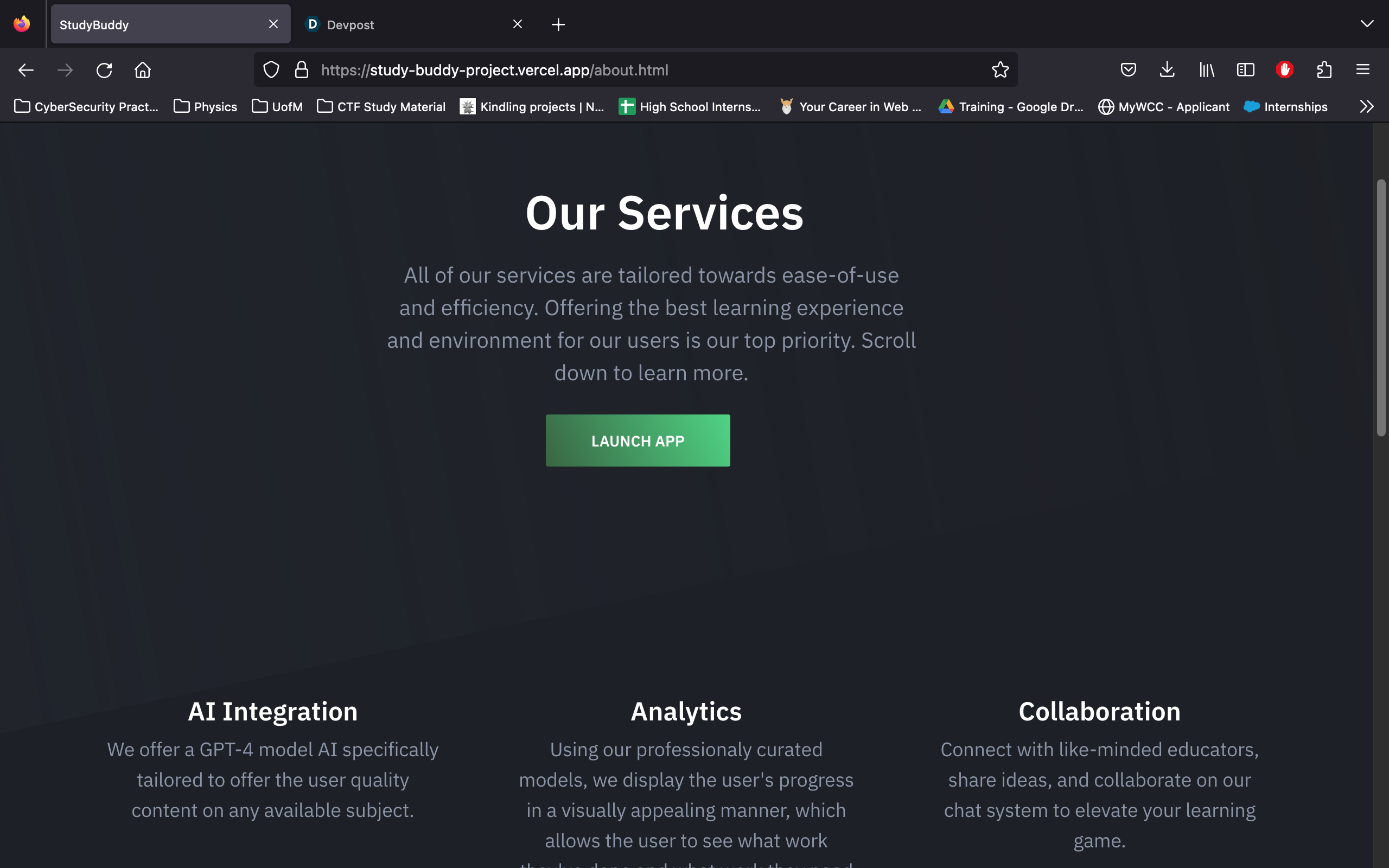
Our Services Page

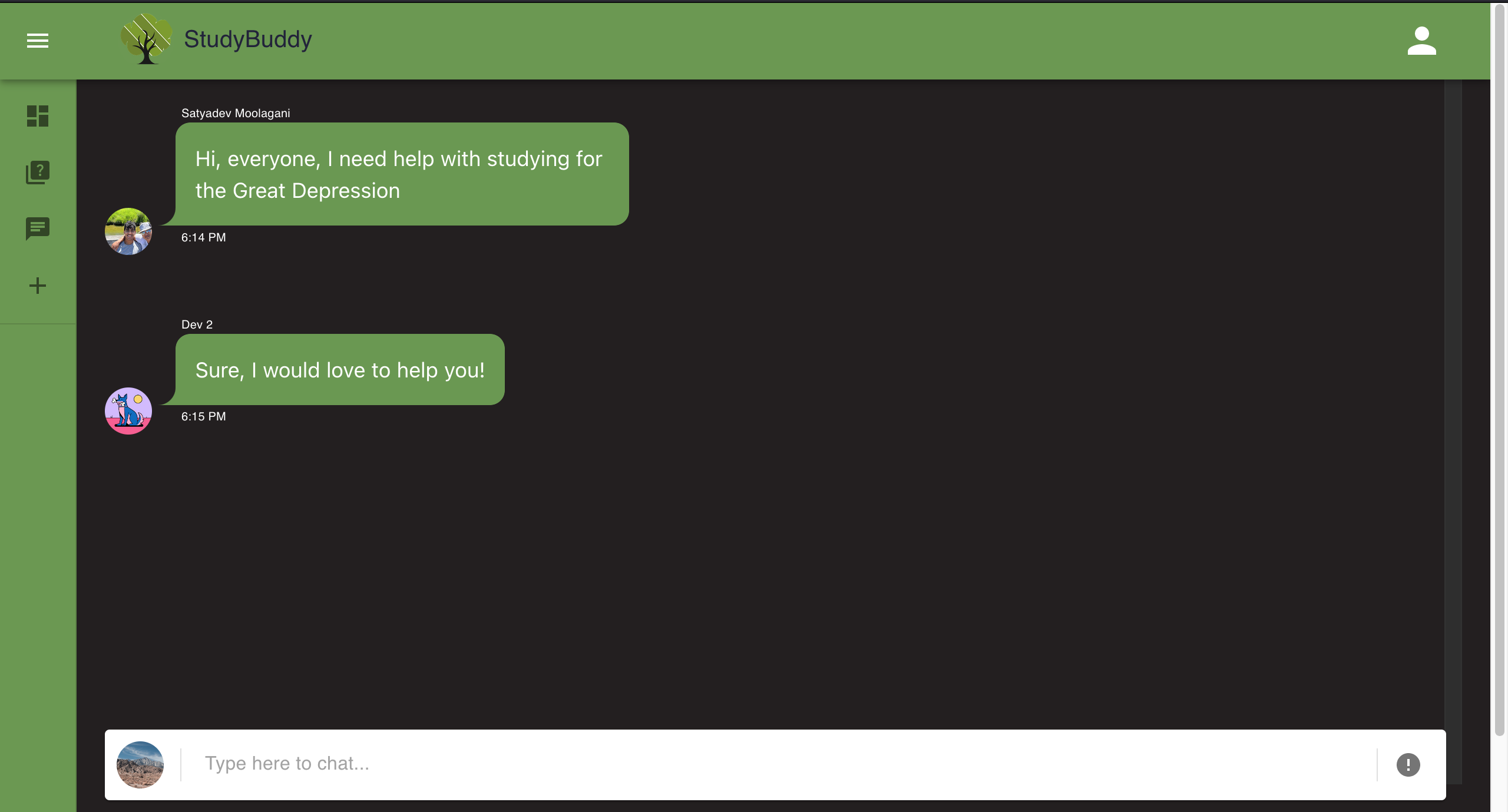
Inspiration
Other students in our school didn't have access to professional resources to help them learn topics outside of school. We sought to fix this problem by creating an AI model and learning environment that would give them the help they needed outside of school.
What it does
Provides learning resources for students that need help in given topics/subjects
How we built it
We used basic HTML, CSS, and Javascript for the landing pages, but used GPT-4 API, ReactJS, and NextJS for the rest of our web app.
Challenges we ran into
We had problems implementing the GPT-4 API because the API key was being really finicky. Also deploying our code caused a few problems because our computers weren't set up with Vercel yet.
Striking the right balance between automated AI-generated content and human-curated material to maintain quality and relevance, was a major challenge for us throughout the project. We overcame this challenge by crafting a specially created prompt which trained the AI model to take on a more functional approach to our needs.
Accomplishments that we're proud of
Setting up the AI model through prompt engineering to respond with a whole lesson/curriculum on any given subject by the user.
What we learned
We learned how to implement multiple features together in one website such as two seperate AI's, data, and a chat system
What's next for StudyBuddy
Integrate adaptive quizzing that adjusts the difficulty and content of questions based on the student's performance. This can help optimize learning and ensure students are appropriately challenged
Integrate a scheduling system that allows students to book tutoring sessions with ease and lets tutors manage their availability and appointments efficiently.
Introduce gamified elements, such as achievements, badges, and leaderboards, to motivate and incentivize students to engage more actively with the learning process.
Built With
- css3
- express.js
- firebase
- gpt
- html5
- nextjs
- react
- tailwind


Log in or sign up for Devpost to join the conversation.