Inspiration
What it does
How we built it
Challenges we ran into
Accomplishments that we're proud of
What we learned
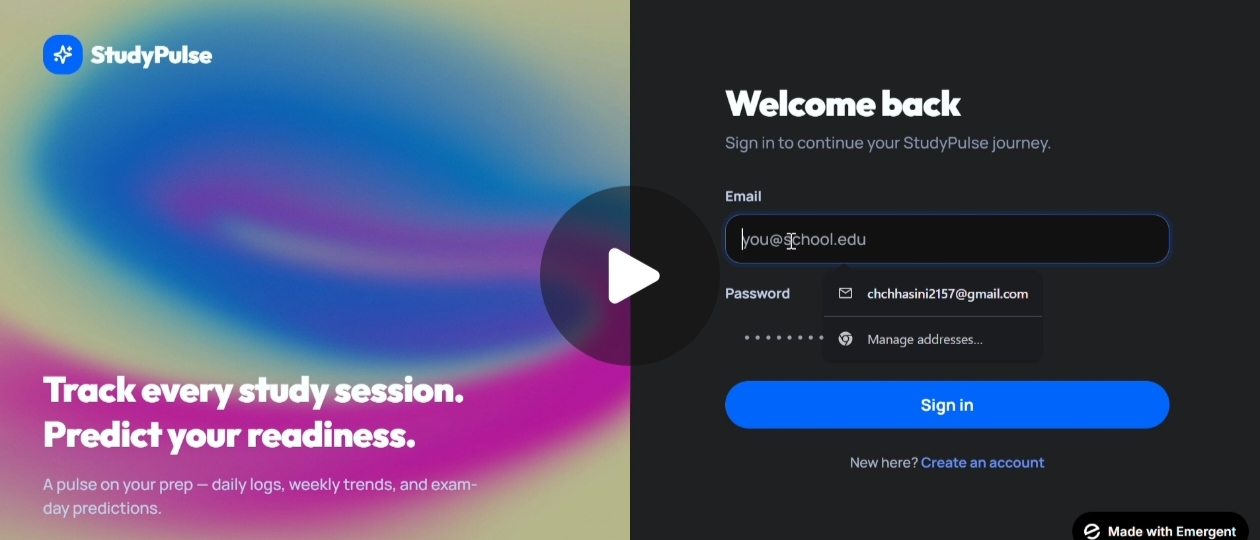
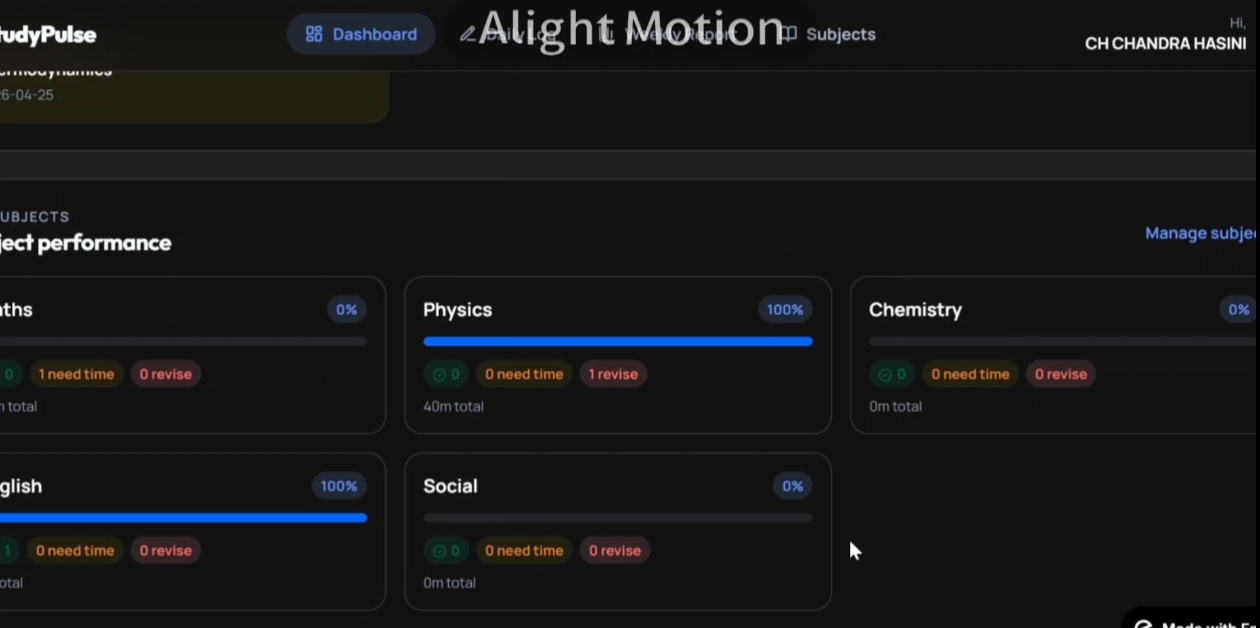
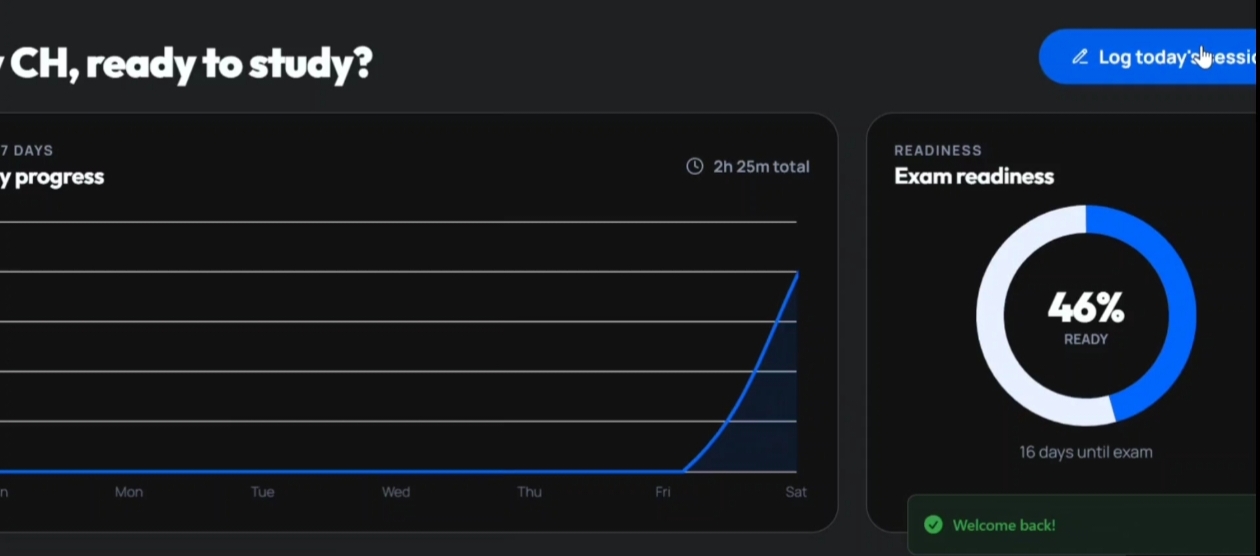
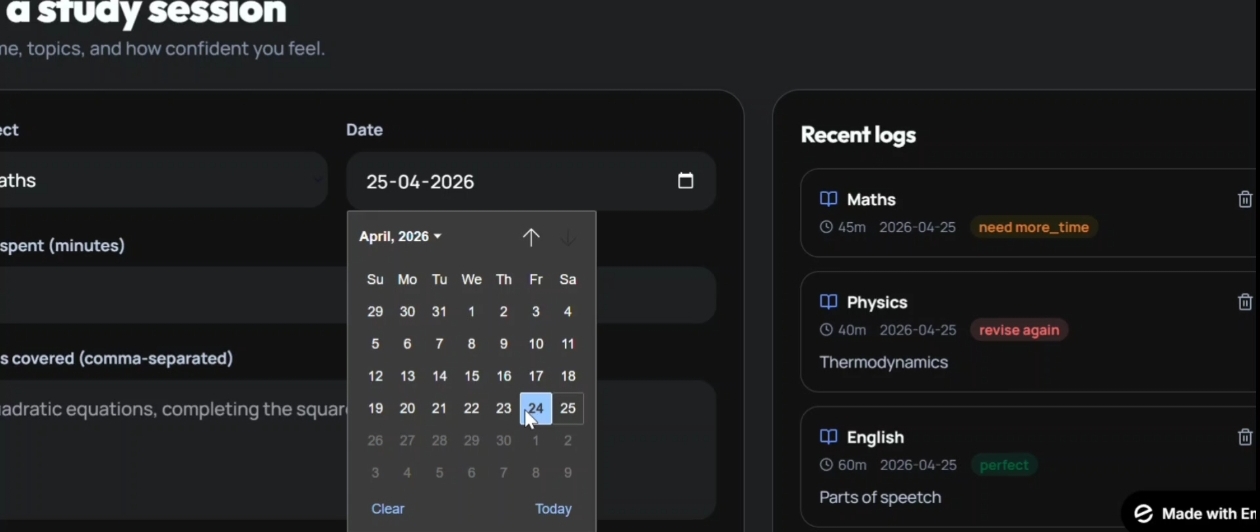
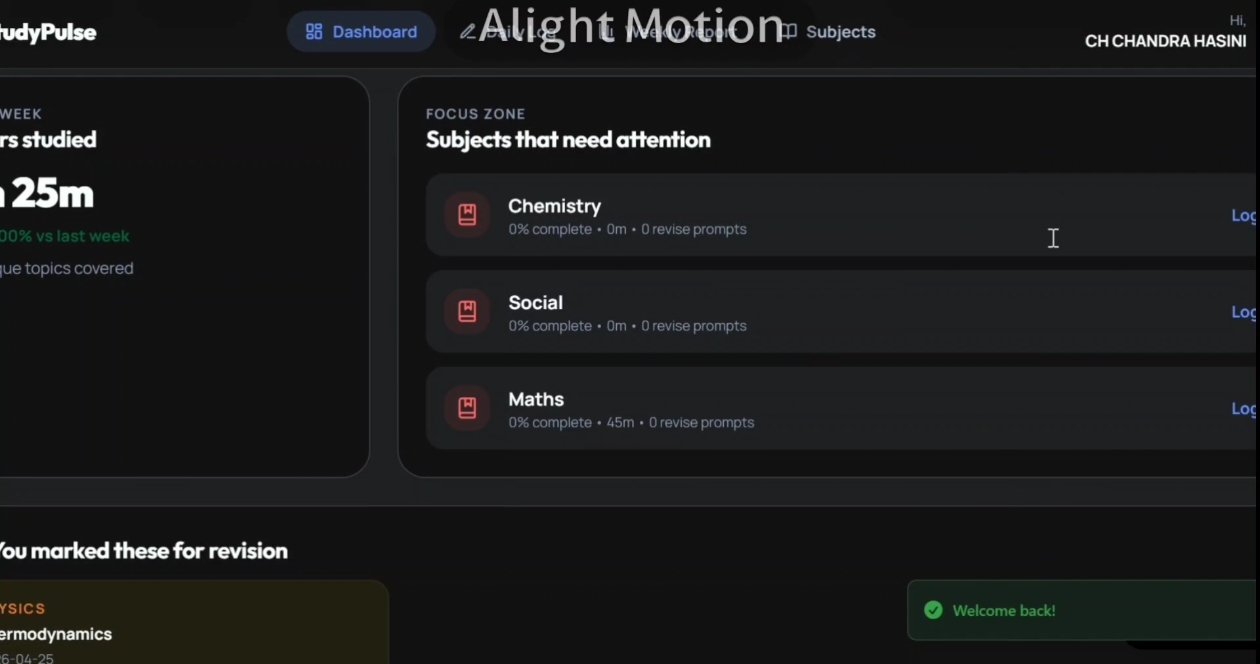
Inspiration The inspiration for StudyPulse came from the overwhelming "information overload" students face today. With endless PDFs, lecture recordings, and research papers, the barrier to actual learning is often just organizing the material. We wanted to build a "cognitive companion" that doesn't just store information but actively helps students pulse through their curriculum with clarity and focus. What it does StudyPulse is an AI-powered academic assistant that transforms static study materials into interactive learning experiences. Multimodal Summarization: Users can upload textbooks, handwritten notes, or lecture audio, which Gemini processes to create concise summaries. Adaptive Quizzing: The app generates custom mock tests based on specific syllabus gaps. Study Planning: It analyzes upcoming deadlines and current comprehension levels to suggest a prioritized daily study flow. How we built it We built the core logic using Python and integrated the Gemini API to handle the heavy lifting of natural language understanding and multimodal processing. Frontend: Developed with React to provide a clean, responsive dashboard for students. Backend: A Flask server manages the API requests and handles document parsing. AI Integration: We utilized Gemini’s long-context window to analyze entire textbook chapters at once, ensuring the AI maintains context across complex technical subjects. Challenges we ran into One of the biggest hurdles was Prompt Engineering for academic accuracy. Initially, the AI would occasionally "hallucinate" facts when summarizing dense technical papers. We overcame this by implementing a Grounding technique, instructing the model to cite specific page numbers or sections from the uploaded files. We also faced challenges in managing the state of long conversations, which we solved by optimizing how we pass chat history back to the API. Accomplishments that we're proud of Seamless Multimodality: Successfully enabling the app to "read" handwritten diagrams and explain them in plain text was a huge win. Latency Optimization: We reduced the response time for document analysis by 40% through efficient data chunking and asynchronous API calls. User Interface: Creating a "Distraction-Free Mode" that simplifies the UI during deep work sessions. What we learned Building StudyPulse taught us the true potential of Large Language Models (LLMs) beyond simple chatbots.


Log in or sign up for Devpost to join the conversation.