-
-
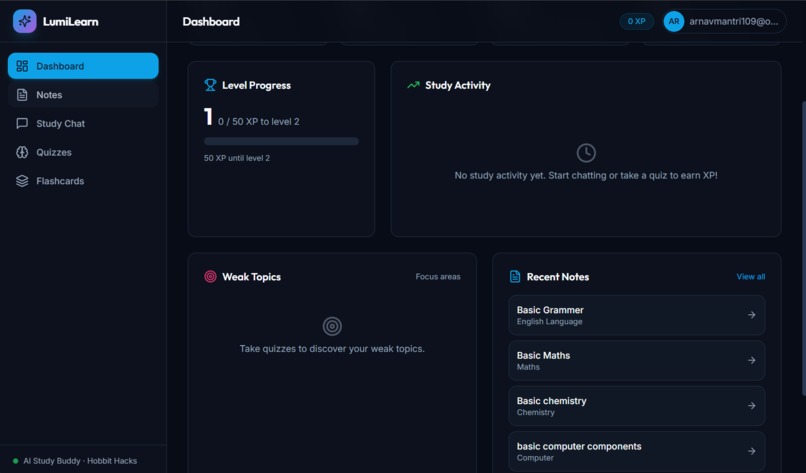
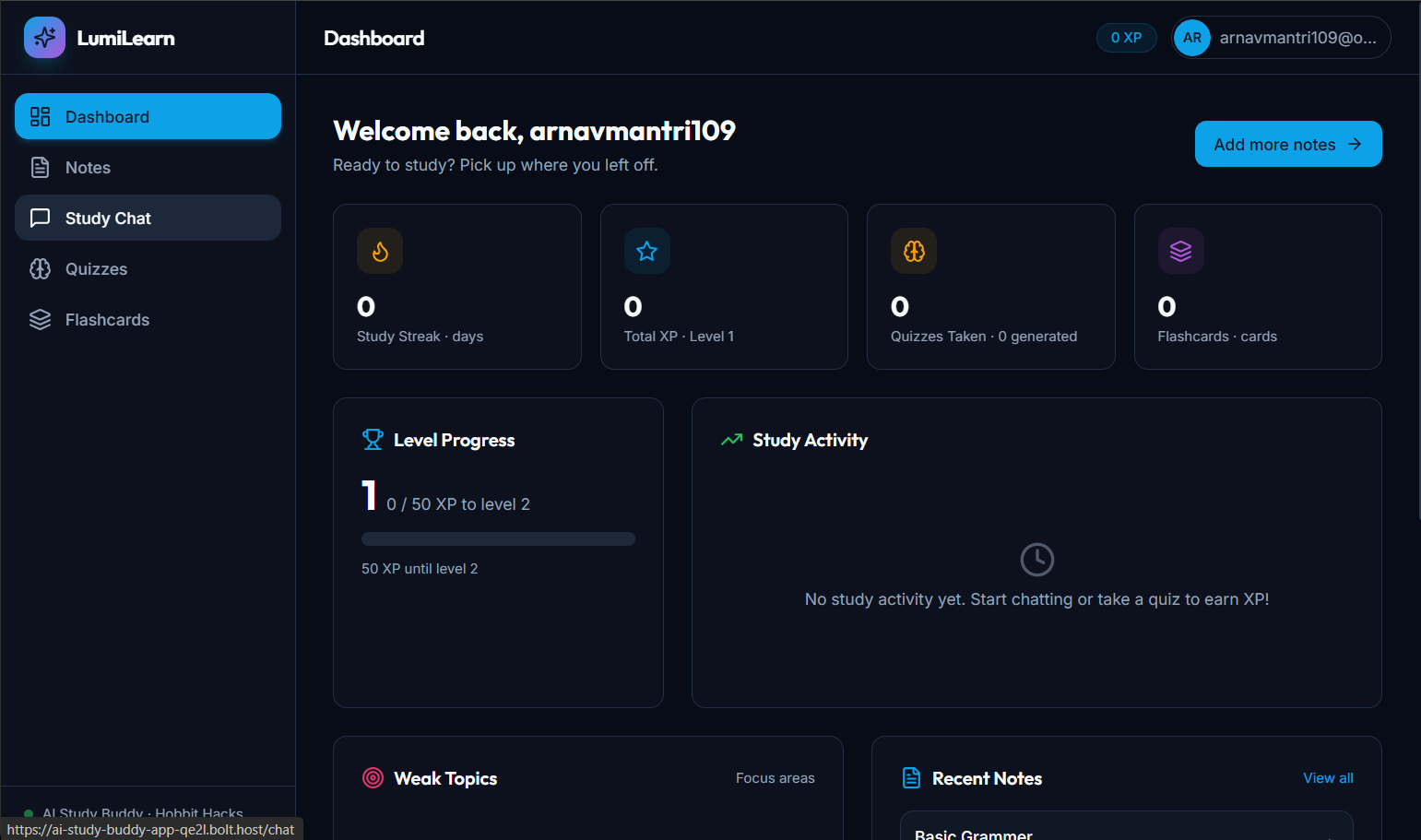
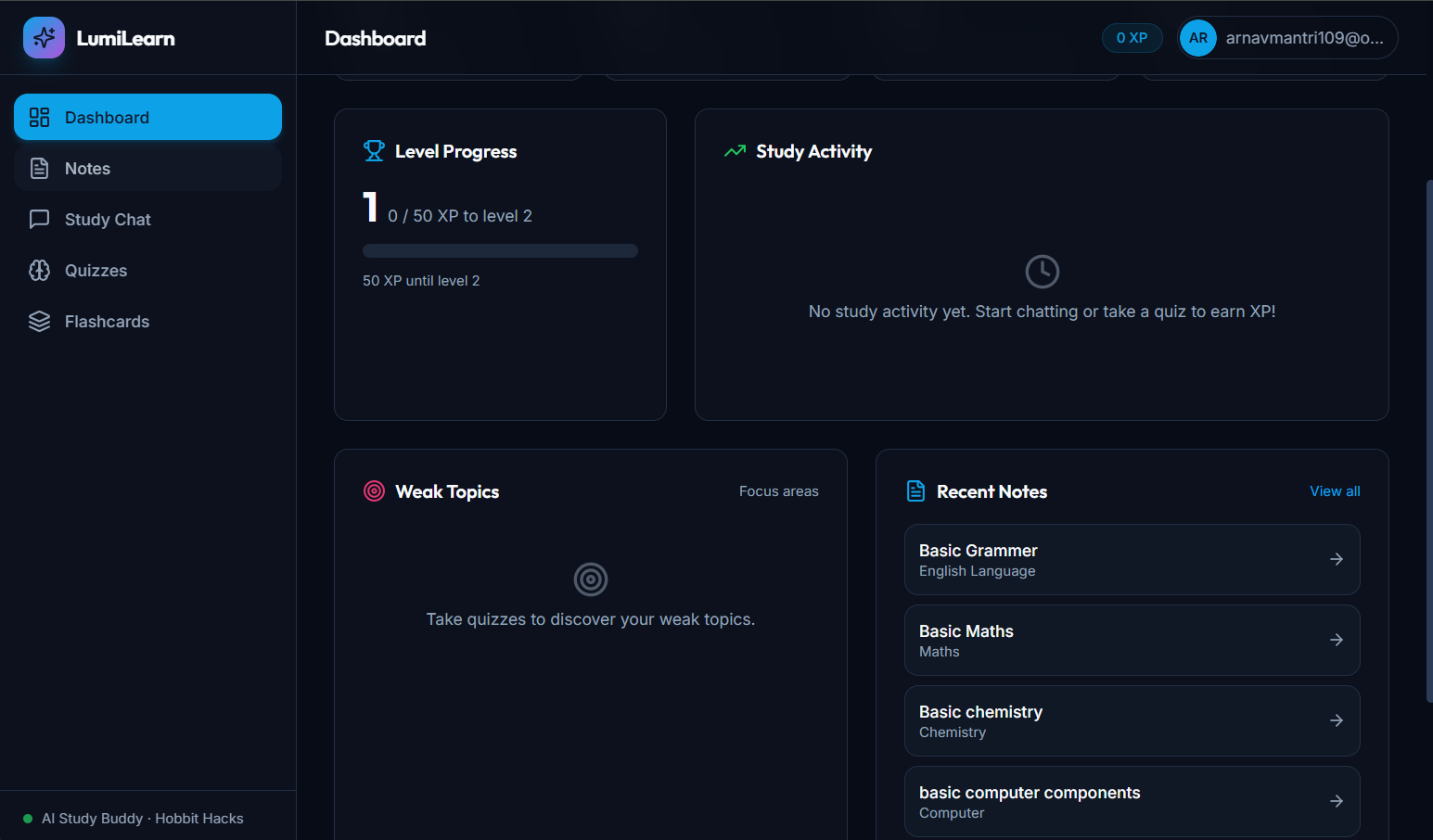
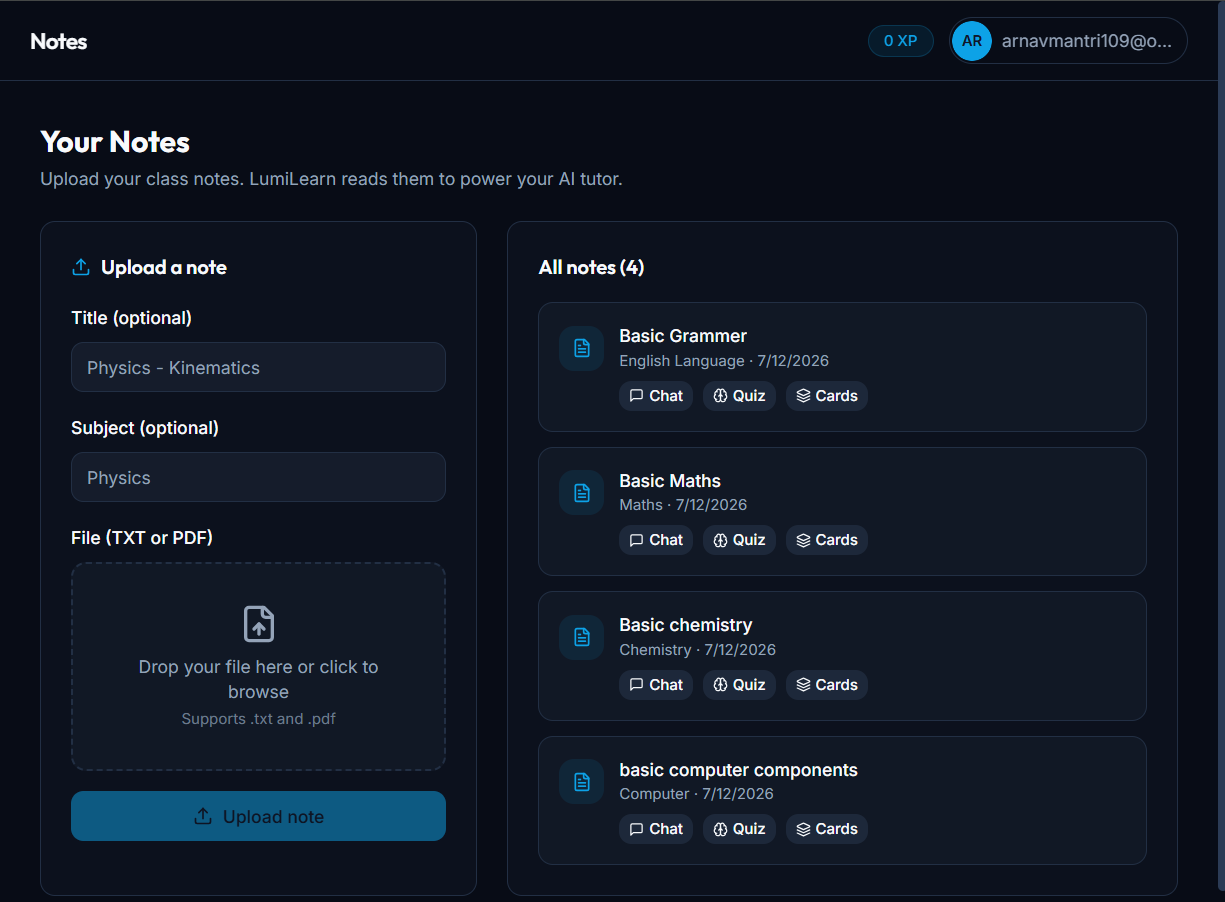
Simple and Distraction-free Dashboard
-
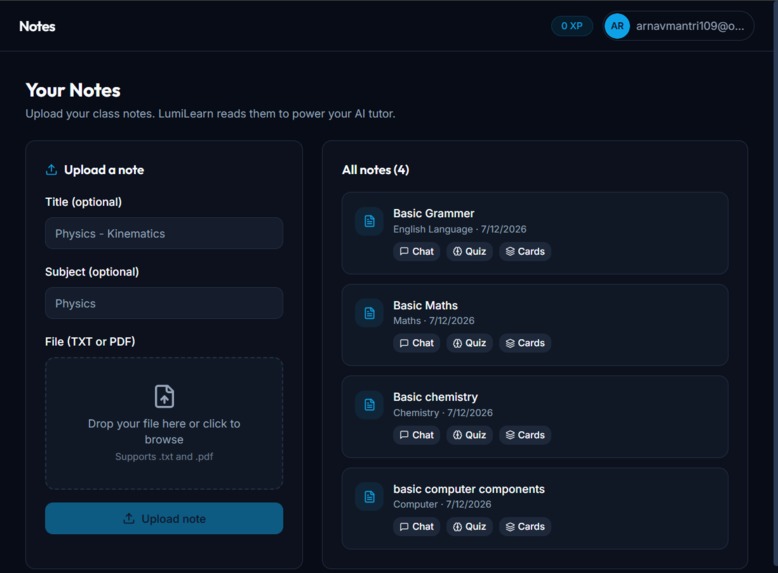
Quick process to upload notes
-
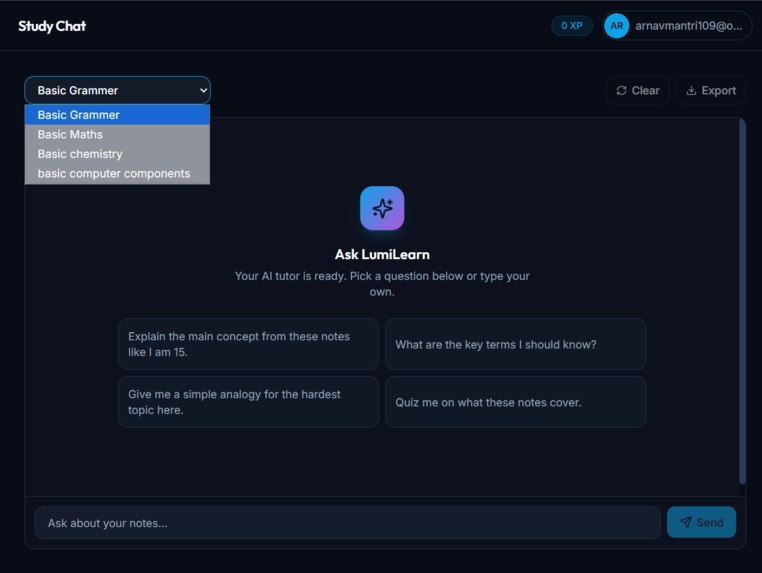
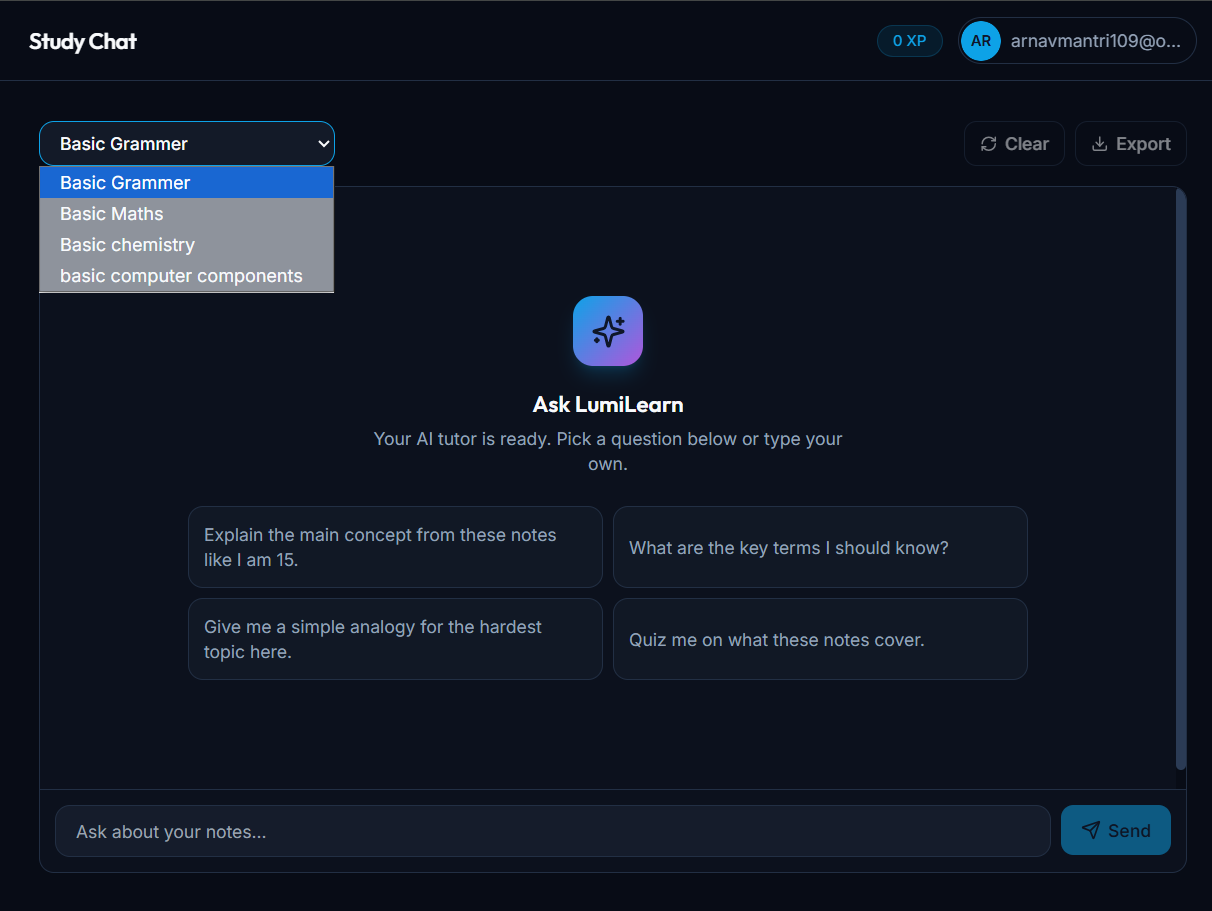
Live problem solving with AI
-
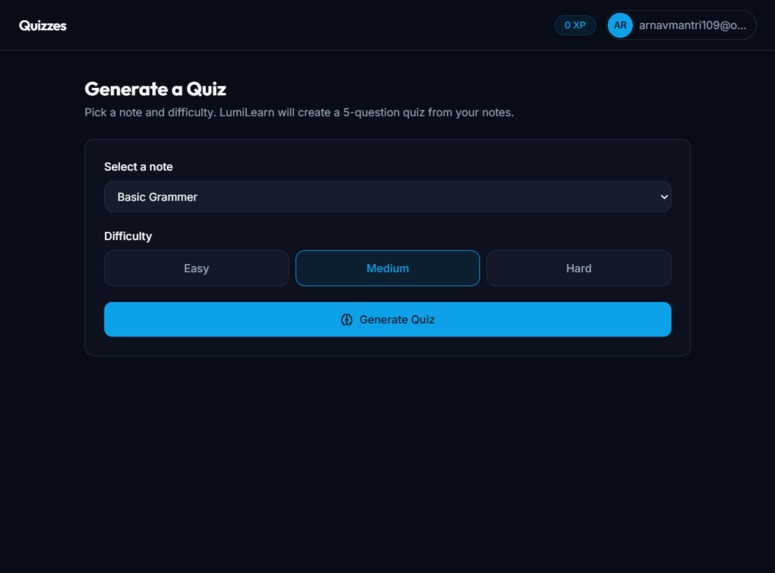
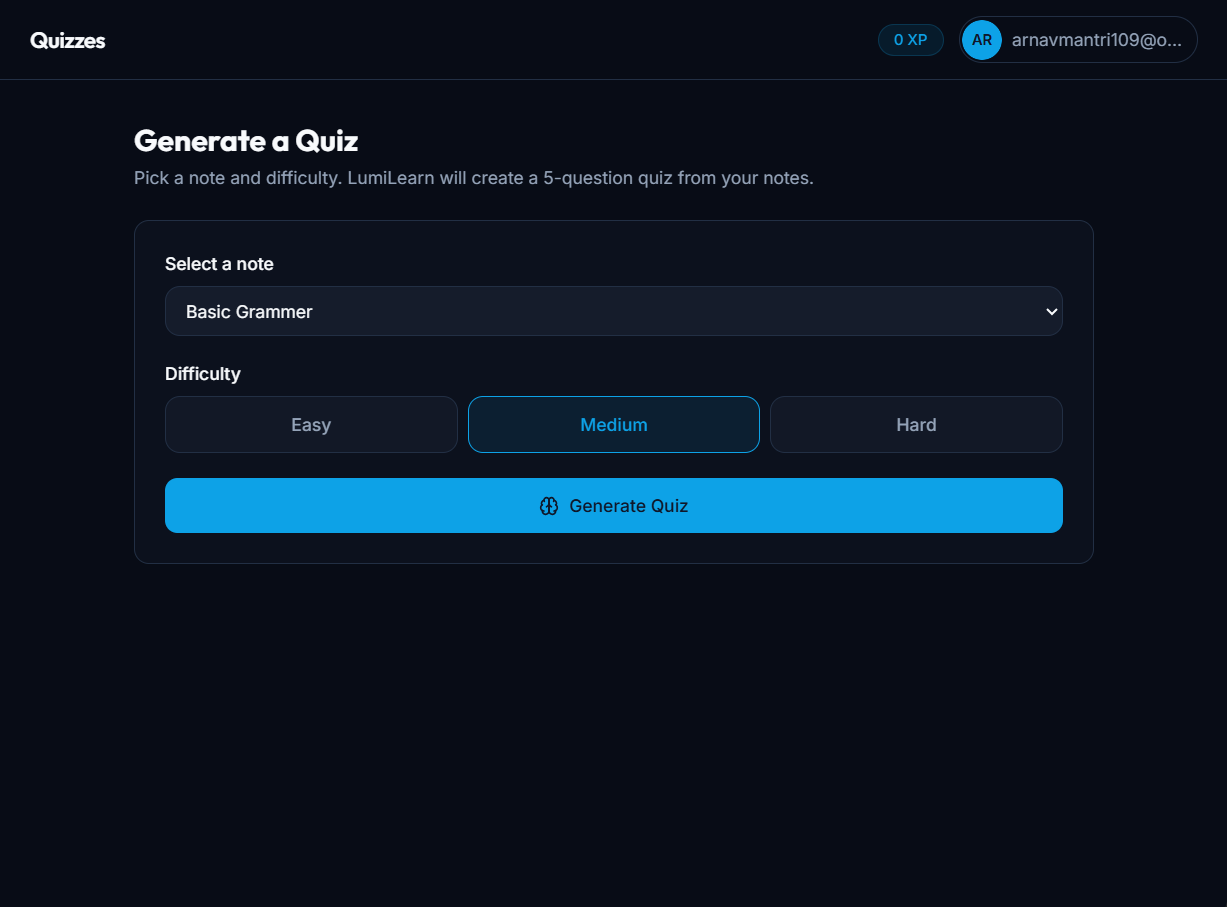
Twisted AI generated quizzes
-
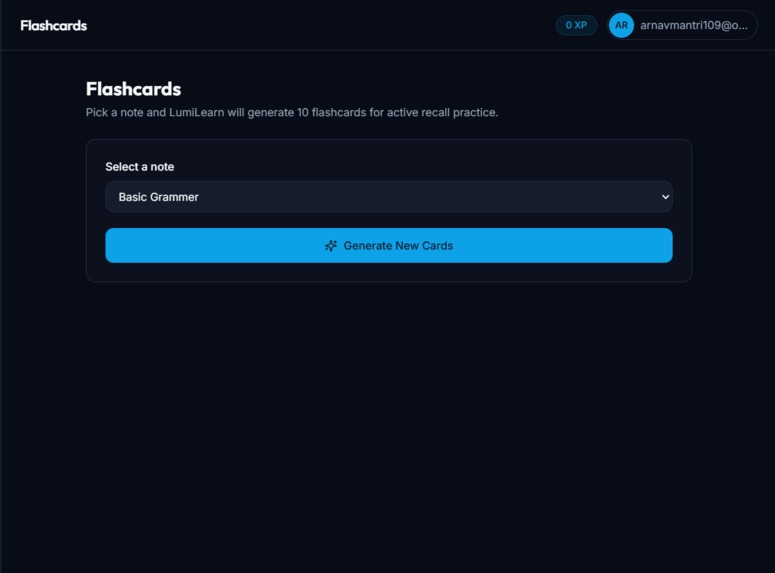
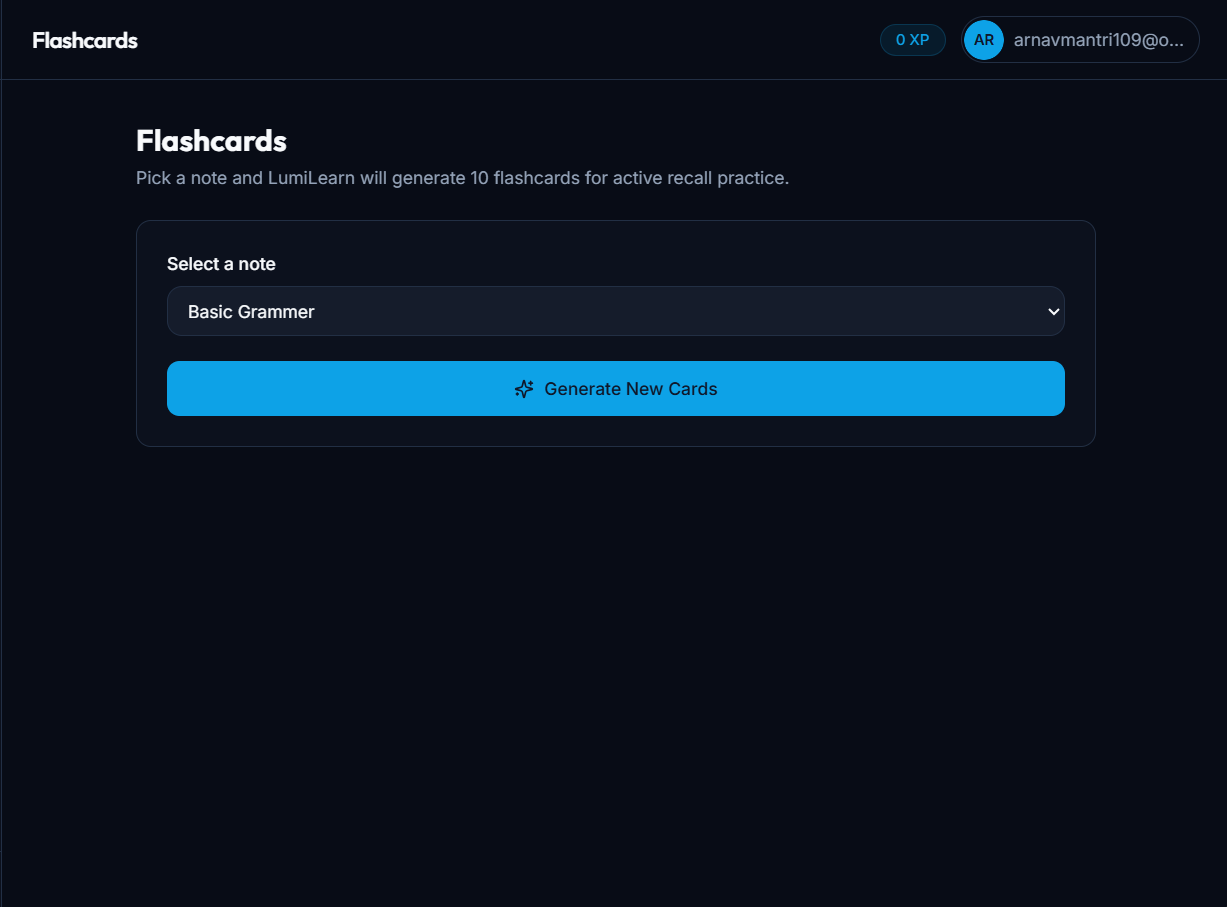
Flash cards at hand for fast revision
Inspiration
As a student preparing for the JEE examination, I often found myself overwhelmed by the sheer amount of study material, coaching notes, and reference books. I realized that simply reading notes wasn't enough—I needed someone to explain difficult concepts in a simpler way, test my understanding, and help me identify the topics I was weak in.
While AI chatbots could answer questions, they often gave direct answers instead of helping me truly understand the concepts from my own notes. That inspired me to build Study Helper, an AI-powered study companion that acts more like a personal tutor than just a chatbot. My goal was to create a tool that makes studying more interactive, personalized, and effective for students like me.
What it does
Study Helper is an AI-powered learning platform designed to help students understand concepts rather than memorize them.
Students can upload their study notes in PDF, DOCX, or TXT format, and the AI analyzes the content to provide personalized assistance. The application can:
- Explain difficult concepts in simple language.
- Answer questions based on the uploaded notes.
- Generate quizzes with varying difficulty levels.
- Create flashcards automatically for revision.
- Track quiz performance to identify weak topics.
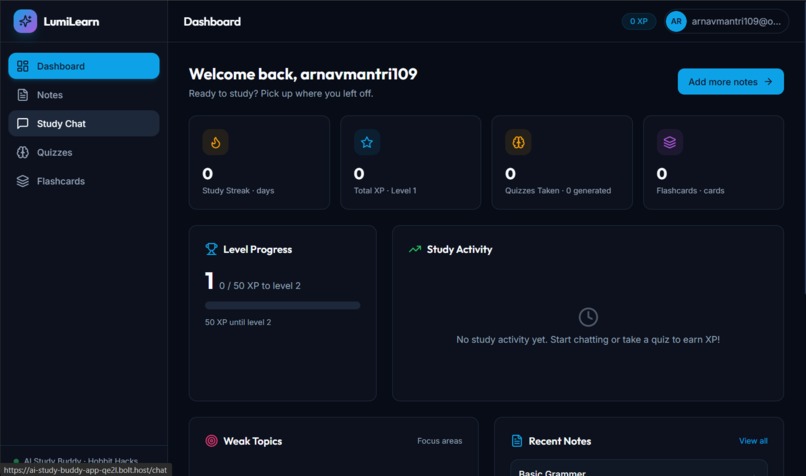
- Display learning progress through an intuitive dashboard.
- Help students build consistent study habits with personalized insights.
Instead of replacing learning, Study Helper makes the learning process smarter and more engaging.
How we built it
We built Study Helper using a modern full-stack architecture focused on performance and simplicity.
- Frontend: React.js with Tailwind CSS for a responsive and clean user interface.
- Backend: FastAPI (Python) for handling APIs and AI interactions.
- Database: Firebase for authentication and user data.
- AI Integration: Gemini API to analyze notes, generate explanations, quizzes, and flashcards.
- PDF Processing: Extracted and processed text from uploaded documents before sending relevant content to the AI.
- Deployment: Frontend hosted on Vercel and backend deployed on Render.
The application follows a modular architecture, making it easy to expand with additional learning features in the future.
Challenges we ran into
One of our biggest challenges was ensuring that the AI responded using the student's uploaded notes instead of generating generic answers. Processing large PDFs efficiently while maintaining relevant context also required careful optimization.
Another challenge was designing a user interface that remained simple and intuitive despite offering multiple AI-powered features such as chat, quizzes, flashcards, and progress tracking.
Finally, integrating multiple technologies—including file uploads, authentication, AI APIs, and database management—within the limited timeframe of a hackathon pushed us to prioritize features and manage our time effectively.
Accomplishments that we're proud of
We're proud of building a working AI study assistant that focuses on understanding instead of simply providing answers.
Some accomplishments include:
- Successfully processing uploaded study notes.
- Generating personalized explanations.
- Automatically creating quizzes and flashcards.
- Tracking weak topics based on quiz performance.
- Designing a modern, responsive interface.
- Creating a project that has the potential to genuinely improve students' learning experience.
Most importantly, we transformed an everyday problem faced by students into a practical AI-powered solution.
What we learned
Throughout this project, we learned much more than just programming.
We gained hands-on experience with:
- Building a complete full-stack web application.
- Integrating Large Language Models into real-world applications.
- Designing intuitive user experiences.
- Processing and managing uploaded documents.
- Connecting frontend, backend, and cloud services.
- Managing project development under hackathon deadlines.
This project also taught us the importance of building technology that solves real problems instead of adding unnecessary complexity.
What's next for Conceptualize
This is only the beginning.
In future versions, we plan to add:
- AI-generated personalized study plans.
- Spaced repetition for smarter revision.
- Voice-based tutoring.
- Handwritten note recognition.
- Collaborative study groups.
- Real-time doubt solving.
- Gamification through XP, badges, and study streaks.
- Integration with Google Classroom and Notion.
- Mobile applications for Android and iOS.
- Offline study mode for students with limited internet access.
Our vision is to make Study Helper a complete AI-powered learning companion that adapts to every student's unique learning style and helps them study with confidence.
Built With
- ai
- api
- authentication
- css
- fastapi
- firebase
- firestore
- gemini
- learning
- machine
- processing
- pypdf2
- python
- react
- render
- rest
- tailwind
- typescript
- vercel


Log in or sign up for Devpost to join the conversation.