-
-
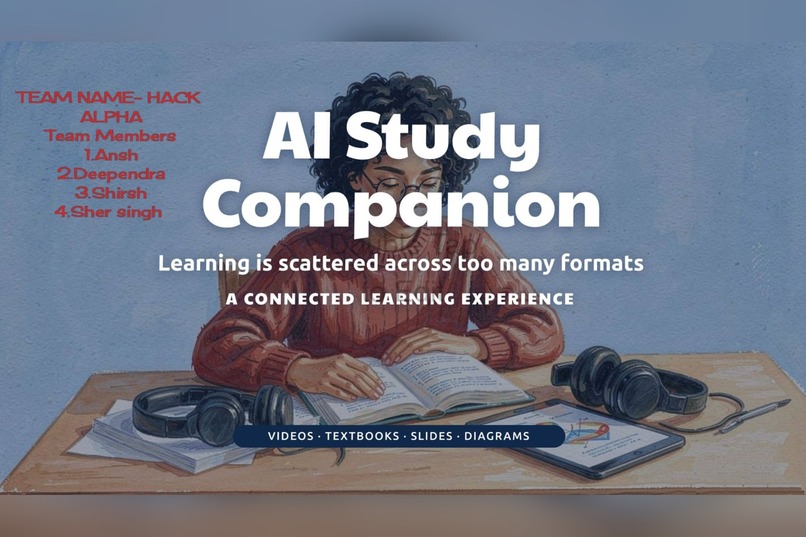
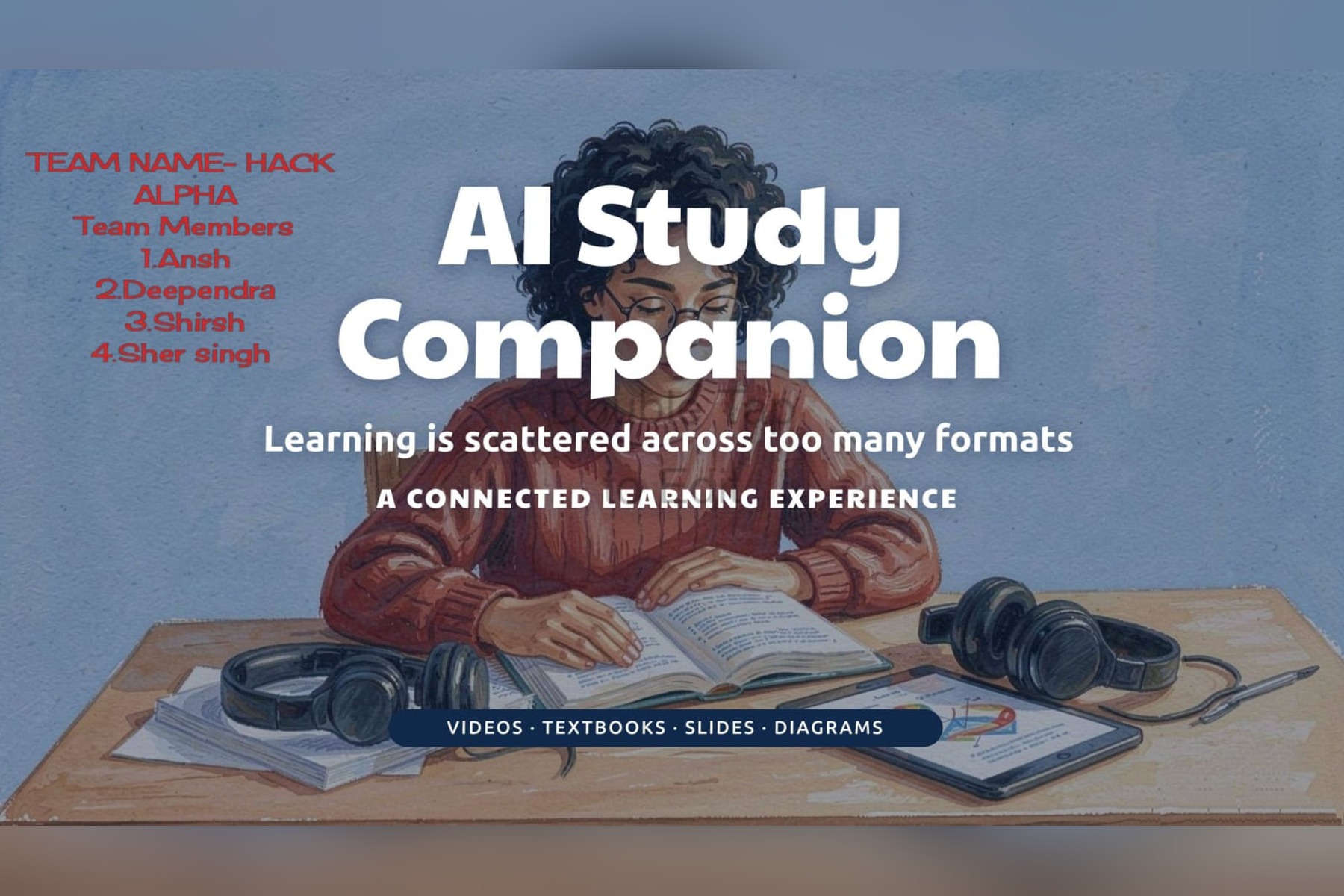
Team Hack Alpha presents AI Study Companion: one connected place to learn from videos, textbooks, slides and diagrams.
-
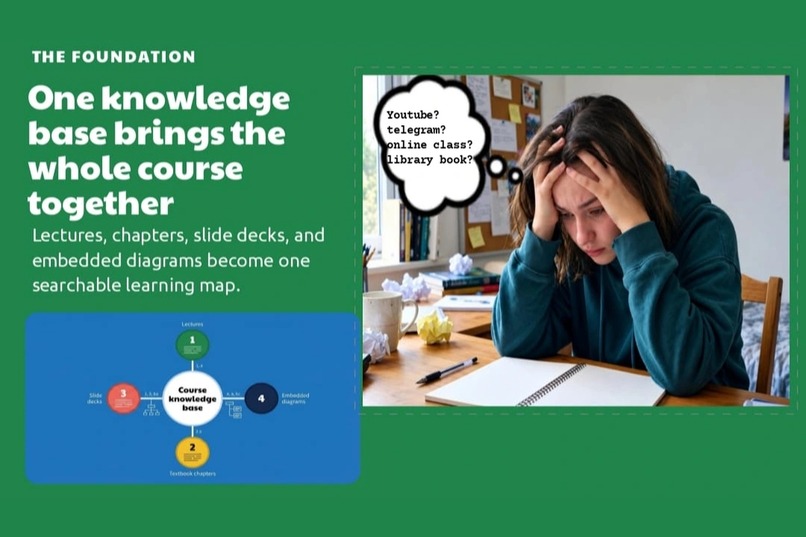
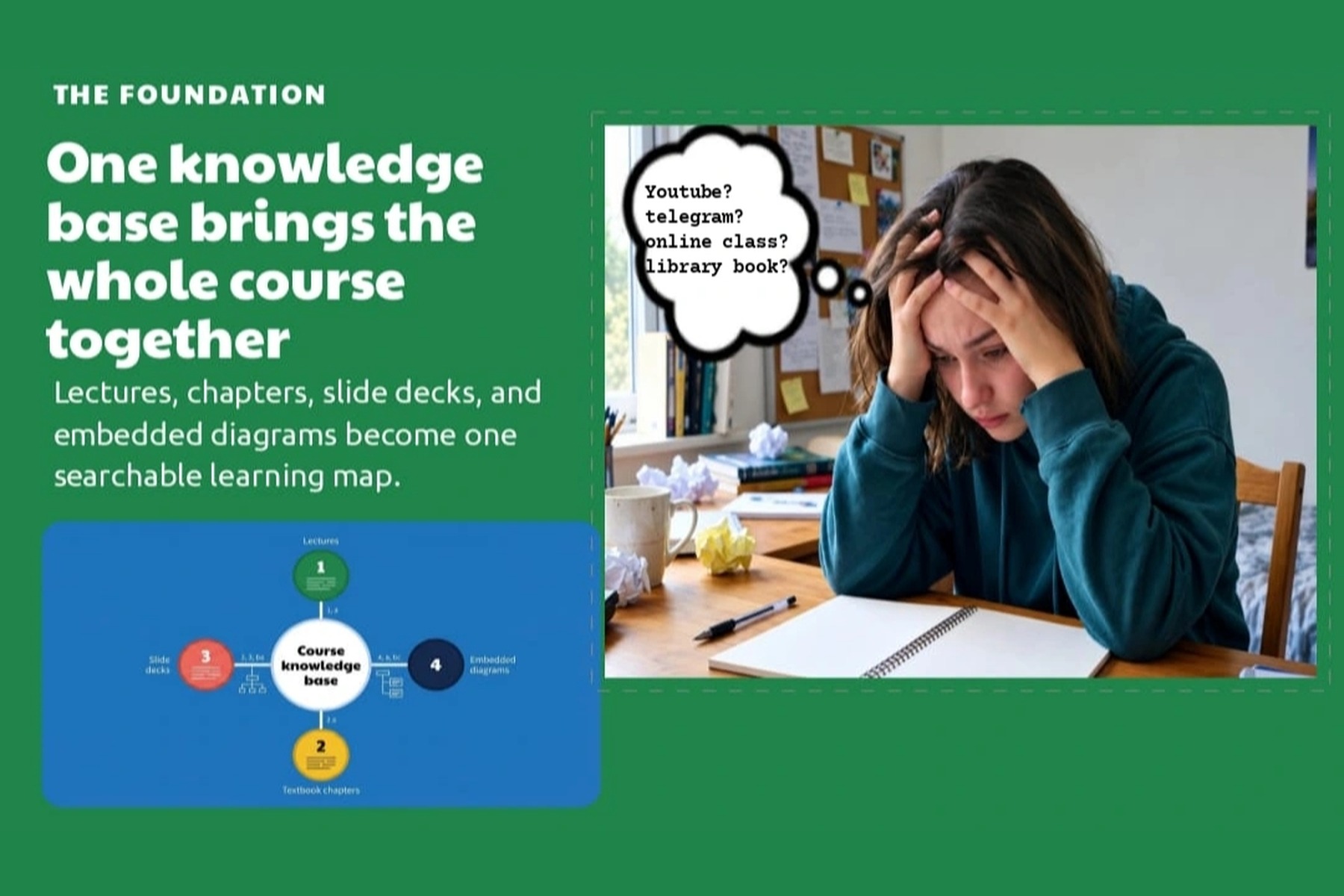
Notes are scattered across YouTube, Telegram and books. Study Companion merges them into one searchable knowledge base.
-
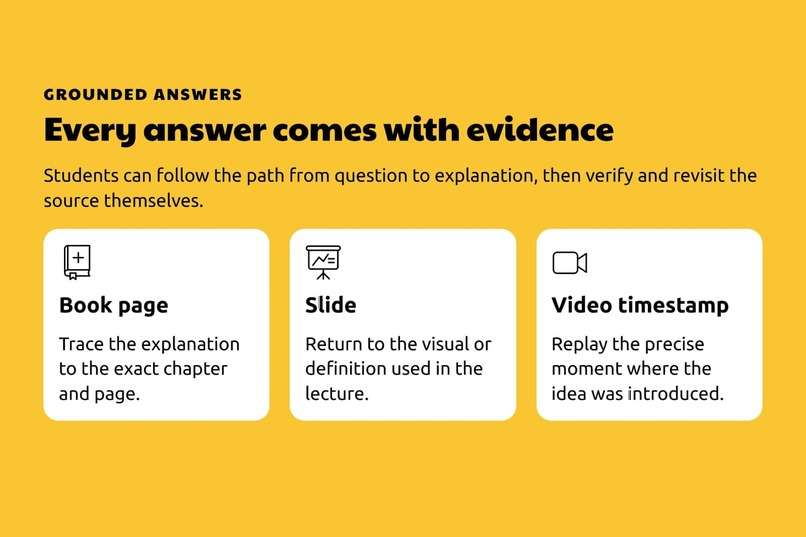
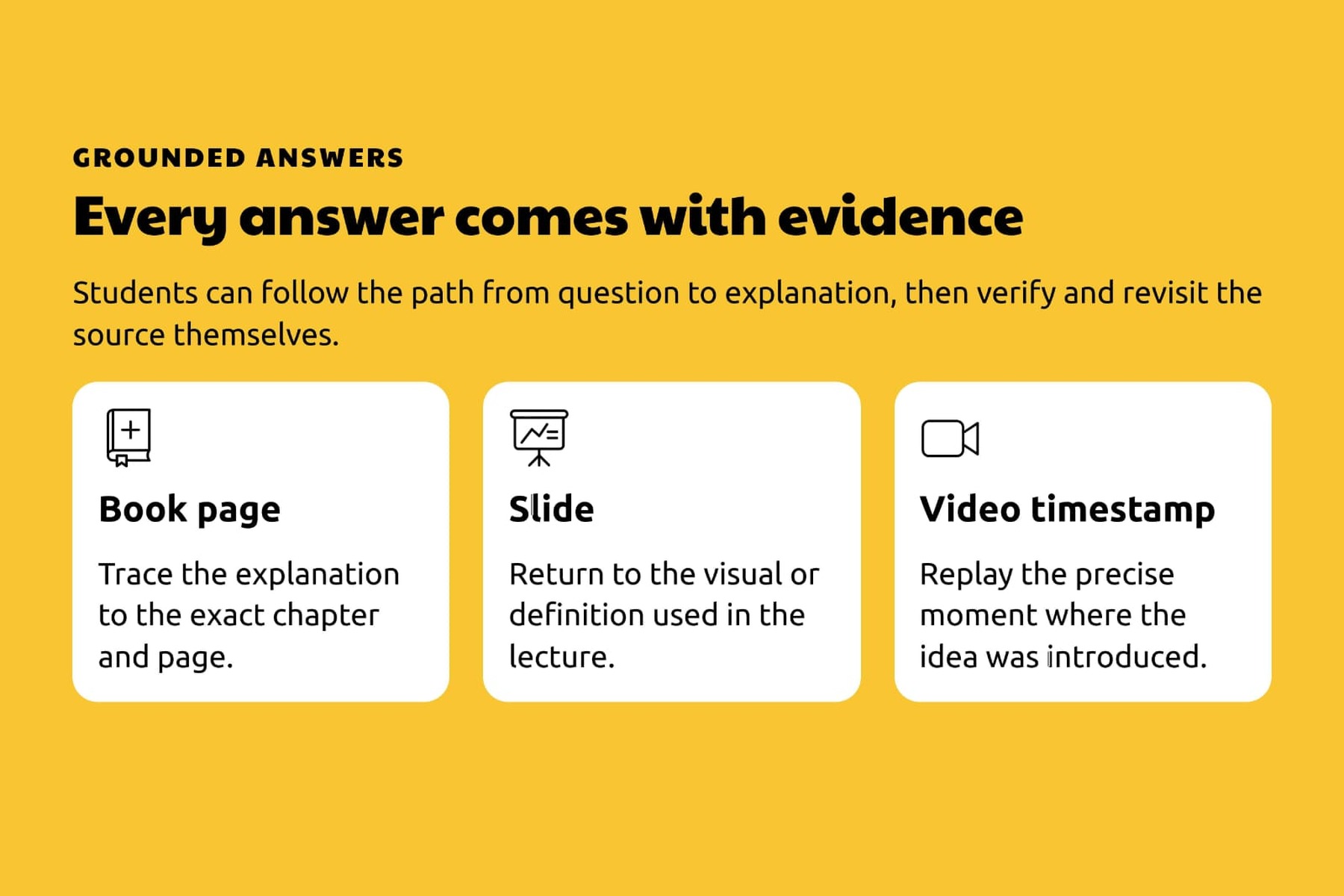
Every answer comes with evidence: trace it to the book page, slide or video timestamp it came from.
-
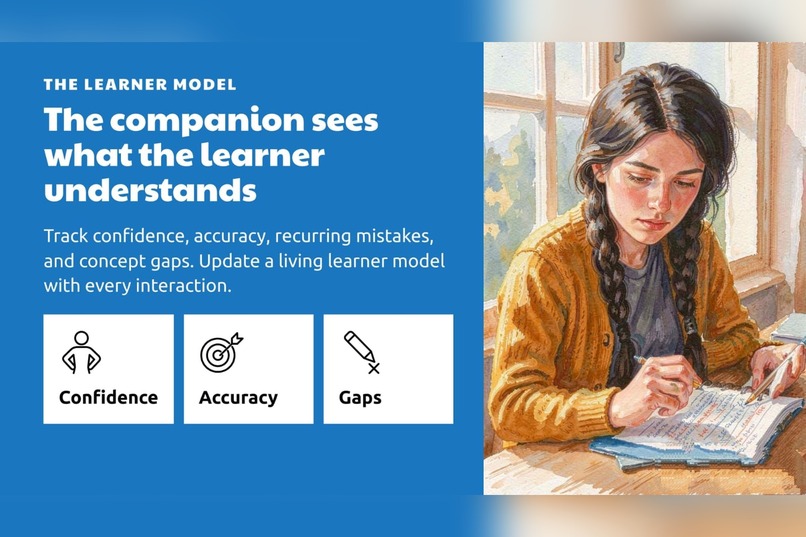
The companion keeps a living learner model of what each student knows and updates it after every quiz answer.
-
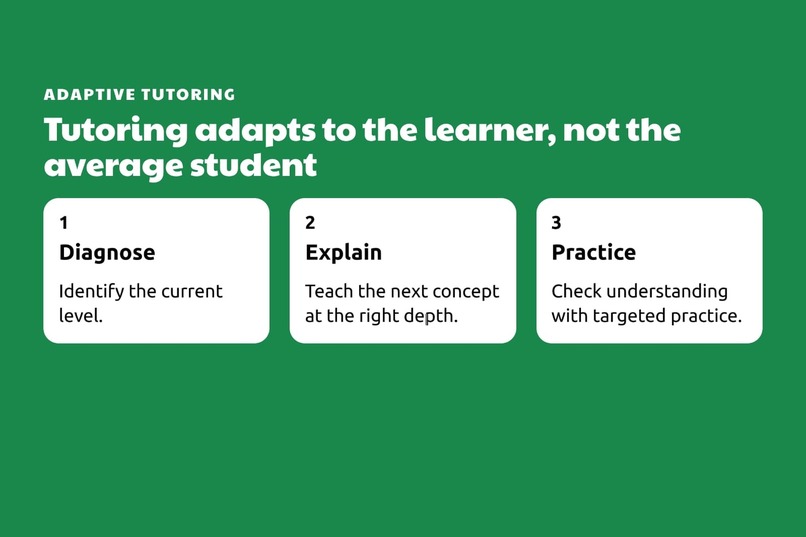
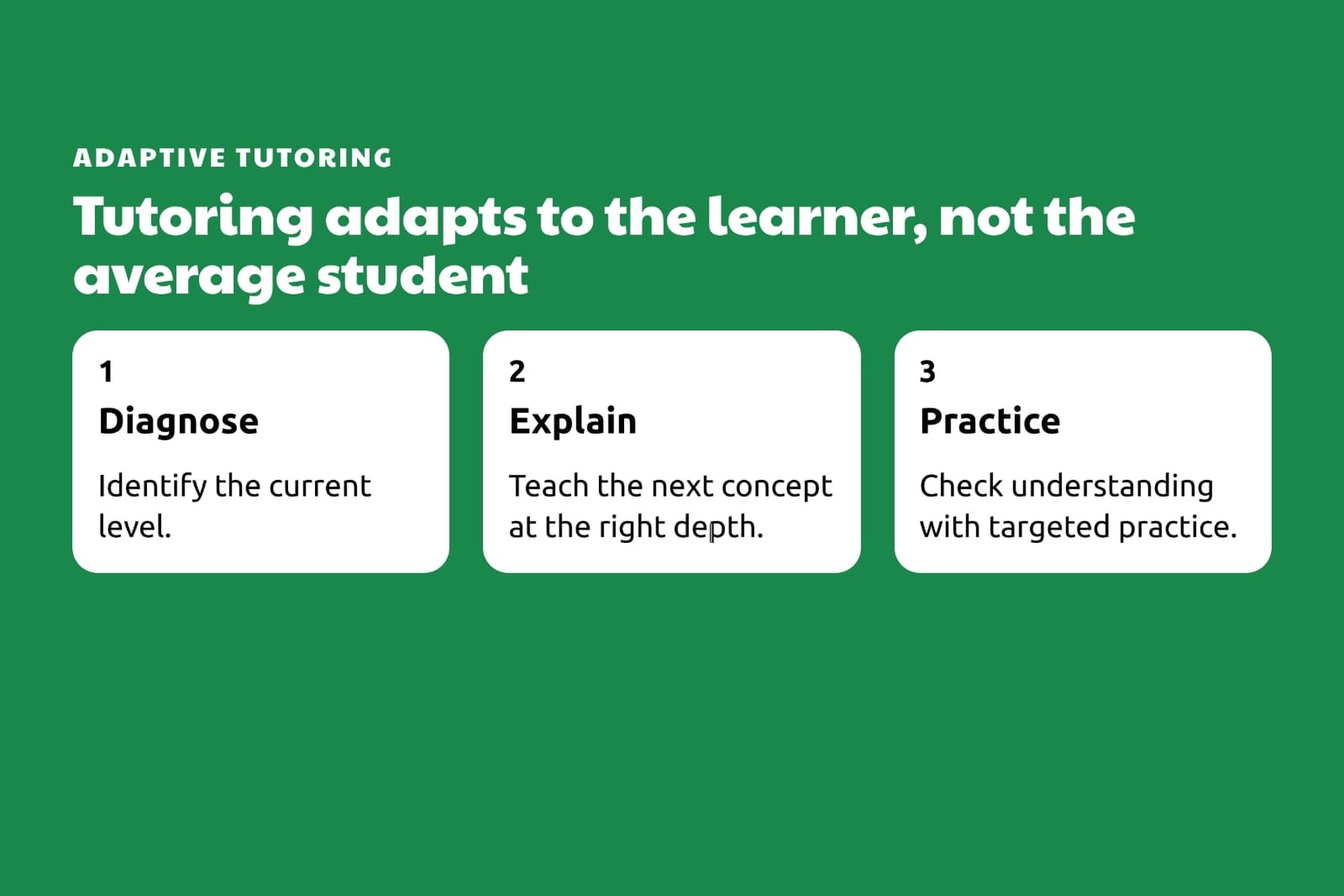
Tutoring adapts to the learner, not the average student: diagnose, explain the next concept, then practice.
-
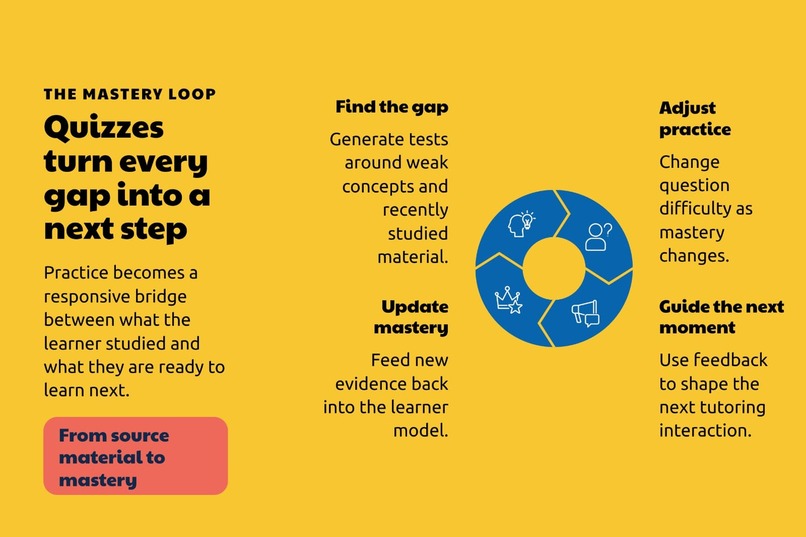
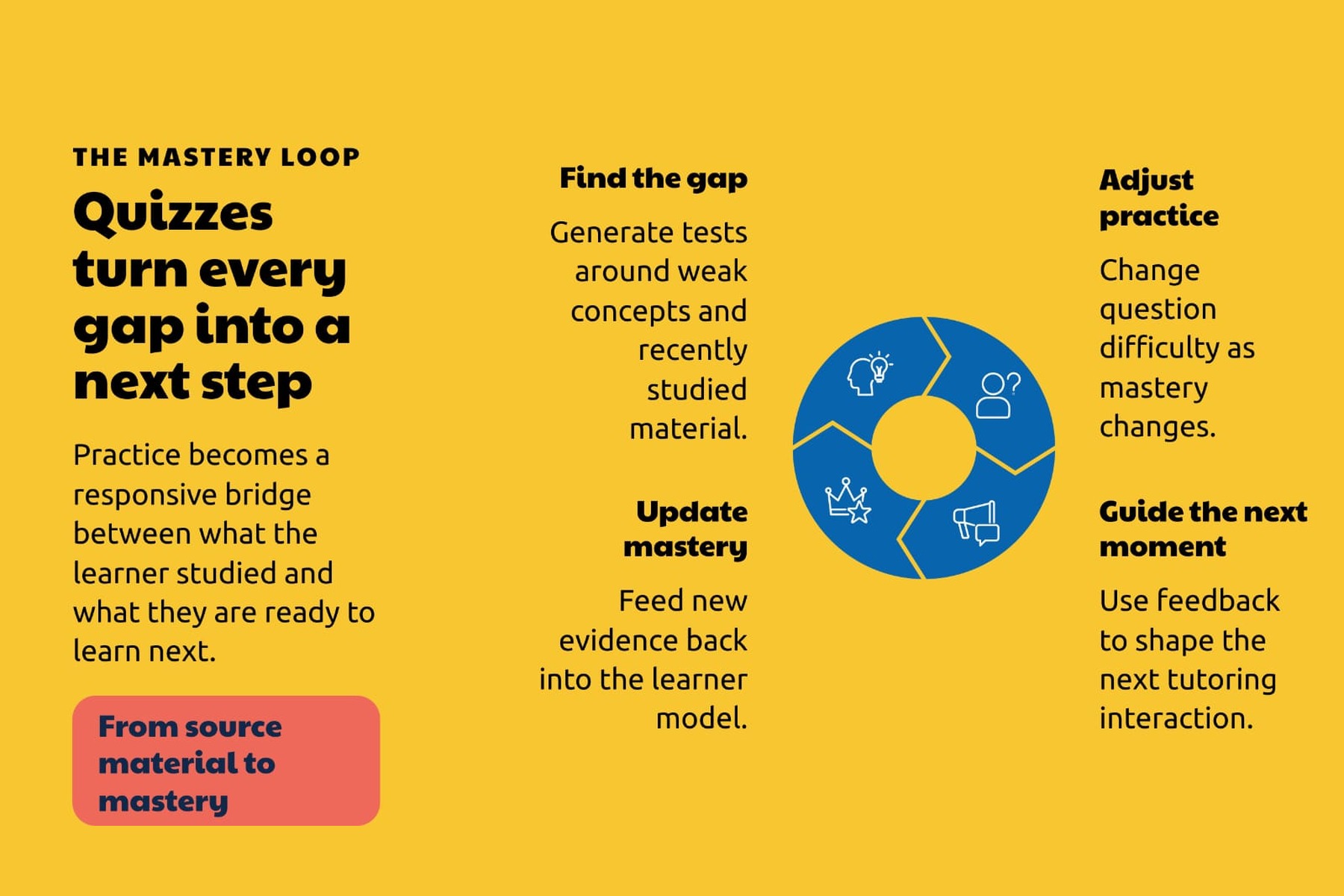
The mastery loop: find the gap, update mastery, adjust practice and guide the next step after every quiz.

Inspiration--> Students study from lecture videos, textbooks, and slides in different places, and general AI chatbots answer without pointing to the course material or knowing what the student already understands. We wanted a tutor that only speaks from the student's own sources and tracks what they actually know.
What it does --> Study-Companion-Prototype turns course material into one knowledge base where every unit keeps its origin (slide number, page, or video timestamp) and is tagged to topics linked by prerequisites.
Grounded tutor :- answers are cited excerpts that open the exact source location. Partly covered questions are flagged, and uncovered ones are declined. Adaptive quizzes :- a diagnostic quiz seeds new students, then multiple-choice and short-answer questions target weak topics. Each has cited feedback and no repeats. Learner model and dashboard :- per-topic mastery, a prerequisite flow map, a post-quiz report with weak topics and likely misconceptions.
How we built it--> Backend : Python with FastAPI, storing data in SQLite.
-Retrieval : SQLite FTS5 with BM25 keyword ranking and stemming. A coverage score decides whether to answer, flag, or decline. Quizzes : questions are generated from source sentences by blanking key terms, with wrong options drawn from other units. Learner model : Bayesian knowledge tracing updates each topic after every answer. Frontend : a plain HTML/JavaScript page served by the backend.
Challenges we ran into --> Deciding when to answer versus decline, which needed a weighted coverage threshold so rare unmatched words count against an answer.
Keeping citations pointed at exact locations across different source types. Generating quiz questions with verifiable answers and avoiding repeats. Parsing video and PDF sources was out of reach in the time available, so uploads are text only.
Accomplishments that we're proud of--> Every answer carries a citation, and off-topic questions are declined instead of guessed.
On a small test set, the correct source appeared in the top three results for all 7 questions, and all 4 off-topic questions were declined. A simulated student's average mastery rose from 0.30 to 0.99 over five sessions with no repeated questions. A working backend with passing tests, a web interface, a demo video, and a dashboard.
What we learned --> Grounding is mostly a retrieval-design problem: knowing when the material does not cover a question matters as much as finding the right passage. A simple knowledge-tracing model is enough to make quizzes feel adaptive. Our test set is small, so the metrics show the approach rather than a final benchmark.
What's next for Study-Companion-Prototype--2 --> Video transcription (Whisper) and PDF/slide parsing with figure understanding.
Embedding-based hybrid search. LLM-written answers restricted to cited sources, with second-model checks on quiz questions. Full RAGAS or Deep Eval evaluation. Study schedules, revision material, and Hindi and audio support.

Log in or sign up for Devpost to join the conversation.