-
-
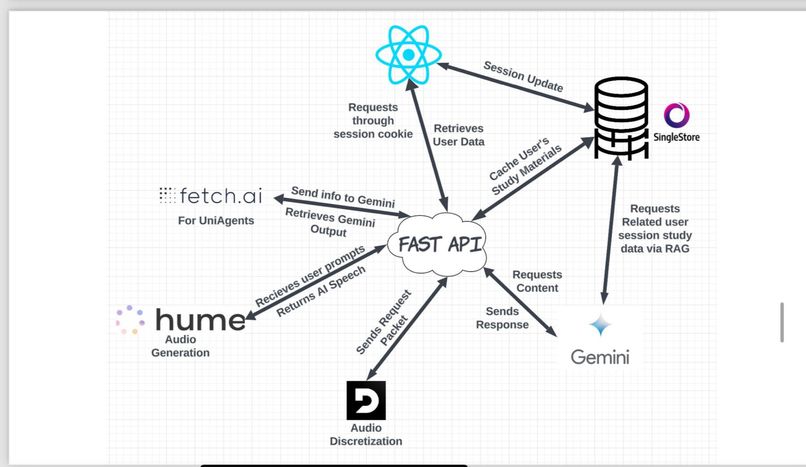
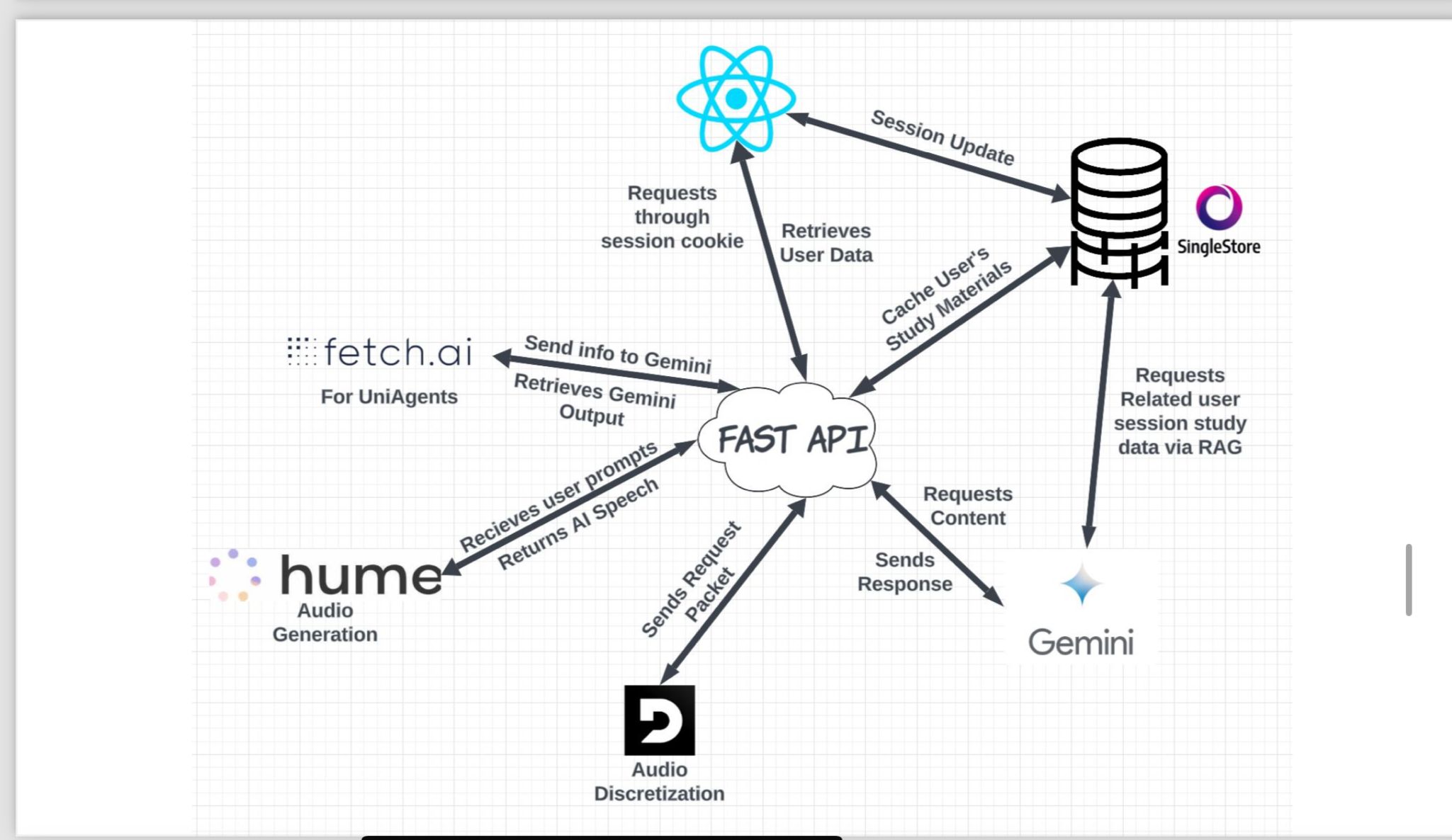
Working Schematics
-
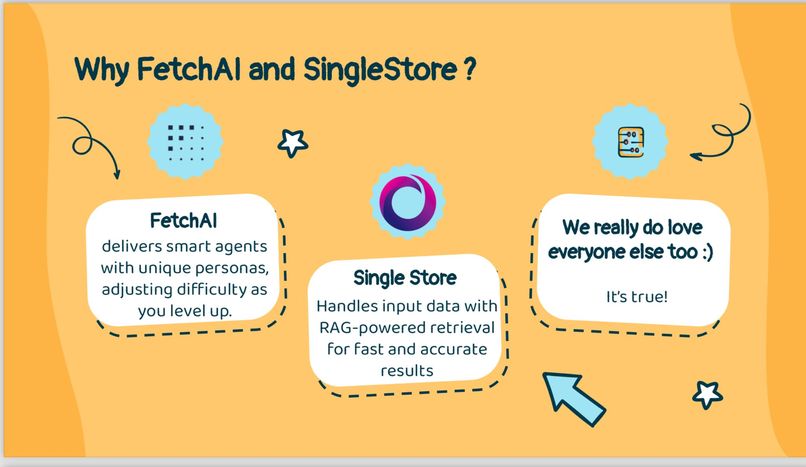
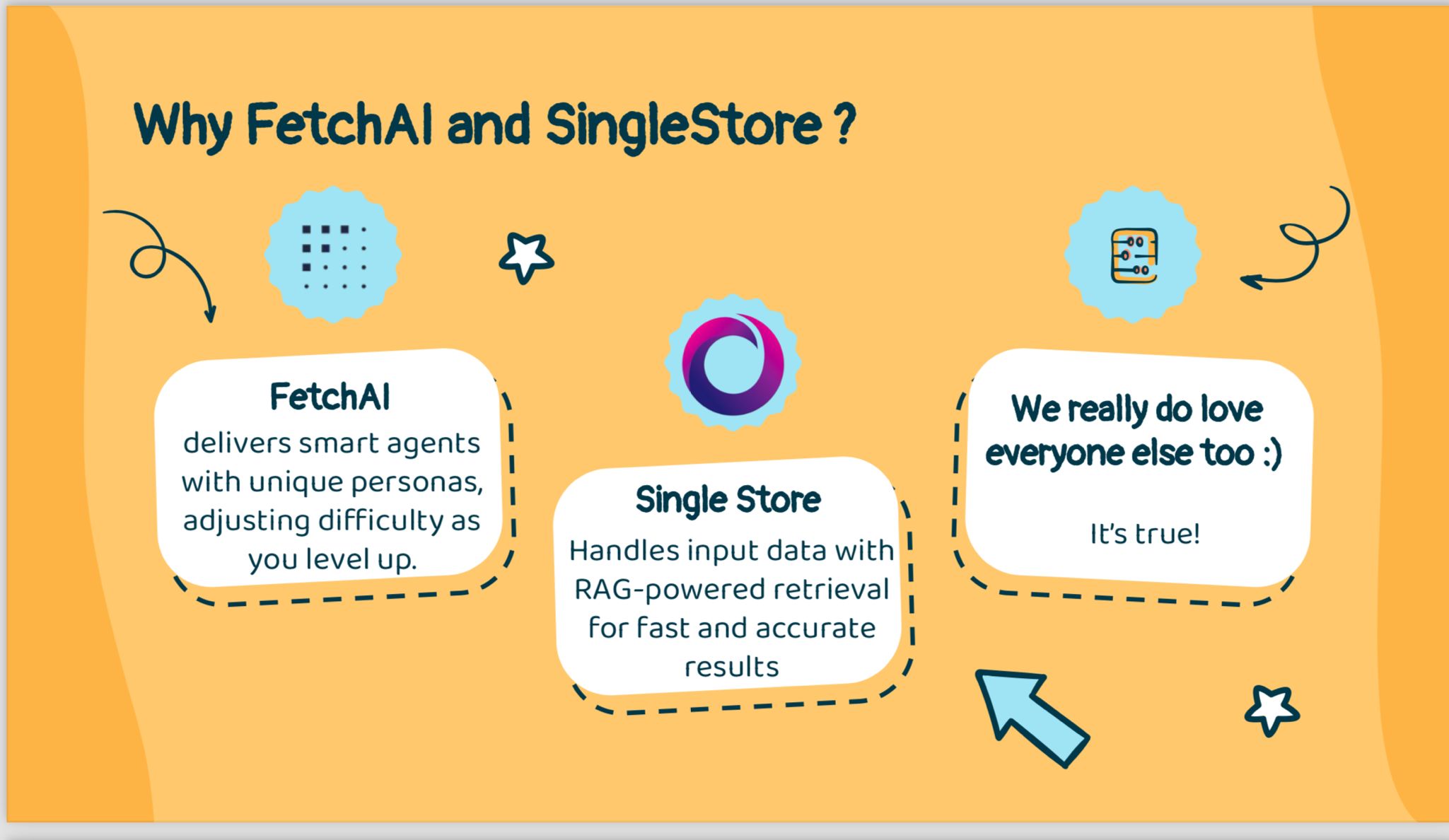
Tech Stack -1
-
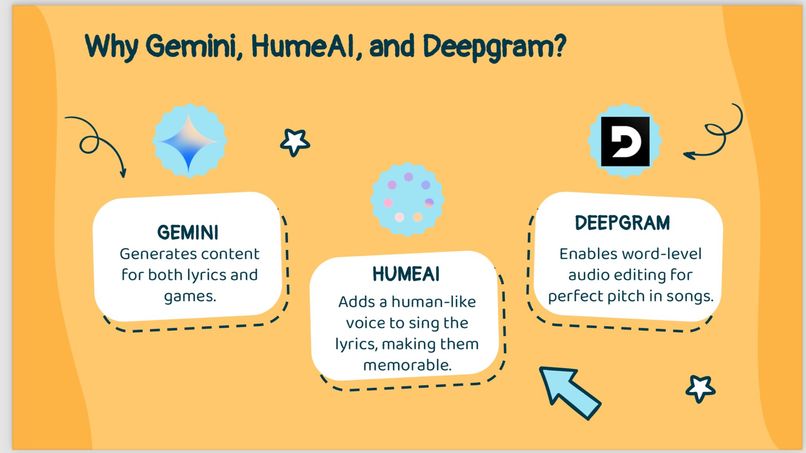
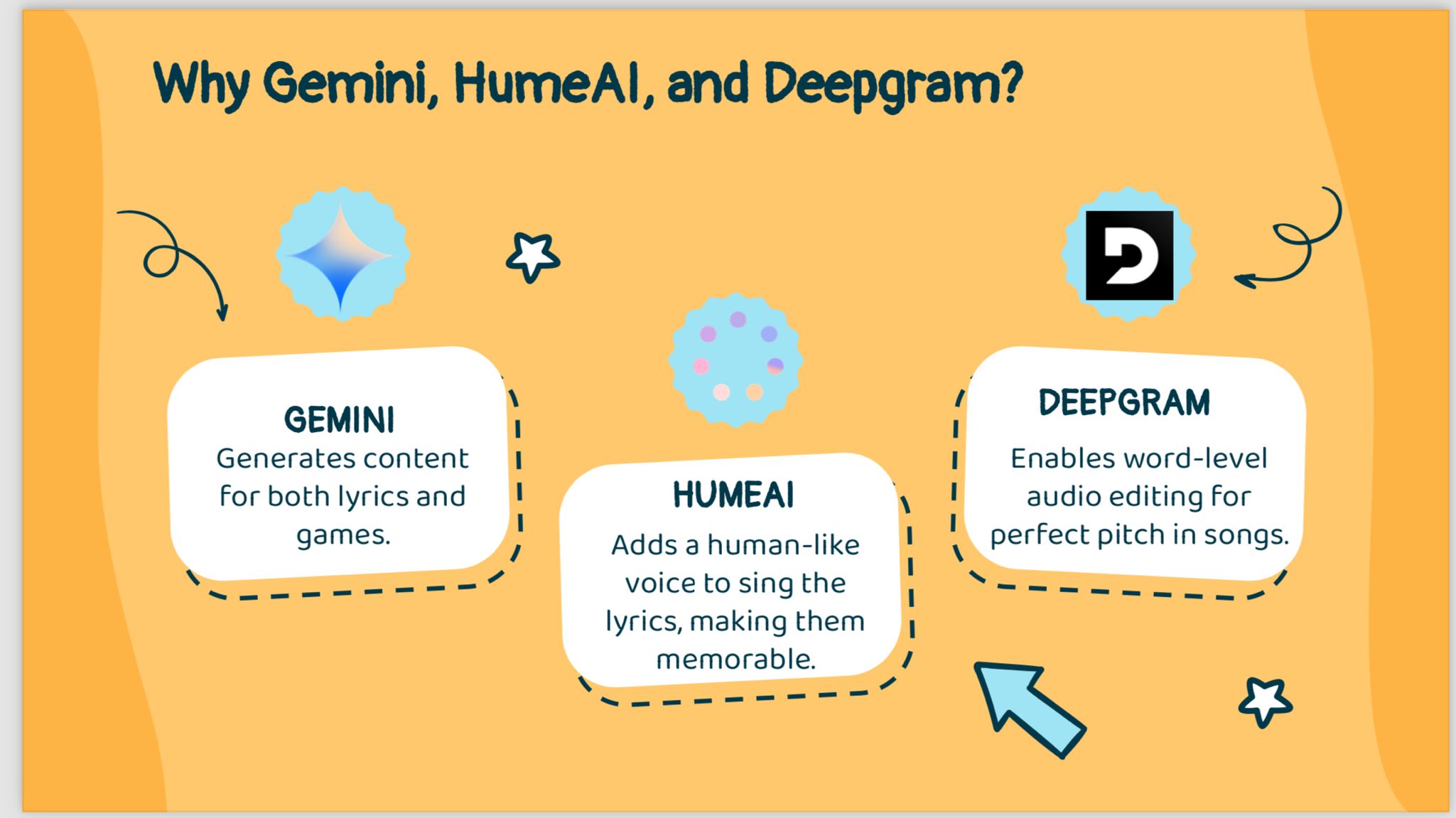
Tech Stack -2
-
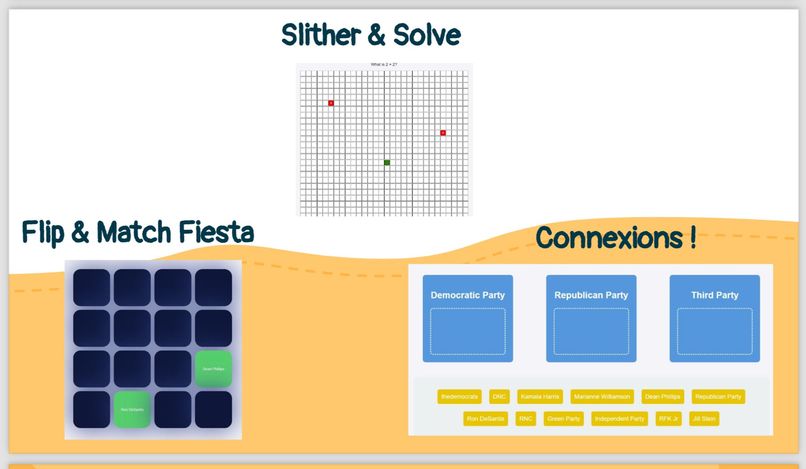
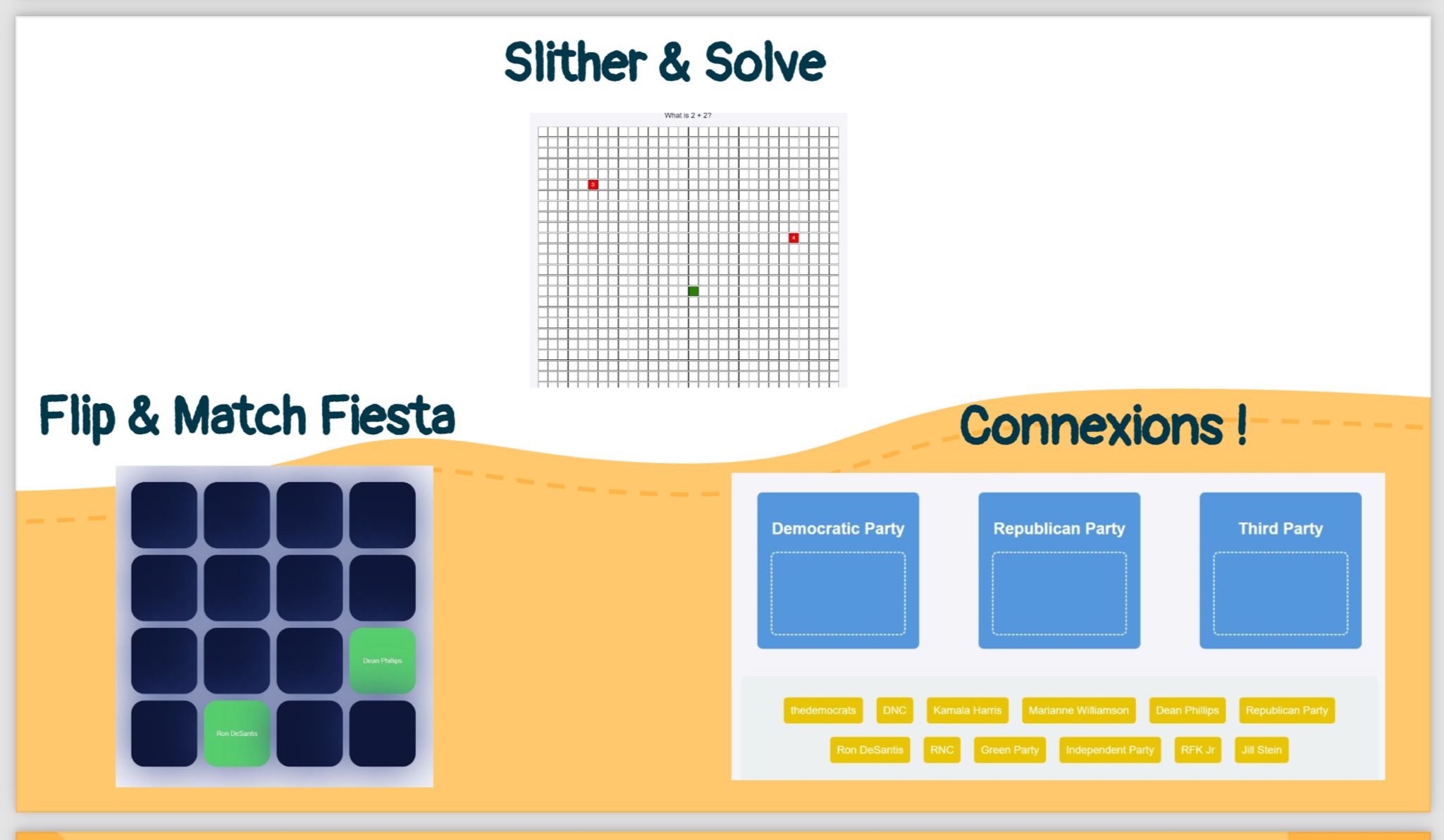
Games
Inspiration
The idea for Study Buddy was born out of a personal struggle that many students (including ourselves),professionals, and lifelong learners can relate to—how to make studying less of a chore and more of an engaging experience. Despite the fact that we love learning, we often find ourselves losing motivation with the monotonous routine of flipping through pages and highlighting notes. That's where the idea originated to make learning a fun and dynamic experience like listening to a song or playing a game
An app that could turn the tedious process of reviewing notes into something exciting - where a quick scan of a book could turn facts into trivia games, where a dry chapter of history could become a short podcast, and complex science terms could become a catchy song.
Study Buddy is a personalized AI study assistant for students, professionals, or anyone looking to turn study sessions into engaging, memorable experiences. It bridges the gap between traditional learning and modern technology, making education both fun and effective.
What it does
Study Buddy is an innovative educational app designed to revolutionize the way people learn by transforming traditional study materials into engaging, personalized experiences. The app uses real-time data from pictures or scans of textbooks, notes, or any reading material and converts them into interactive games, bite-sized podcasts, or even custom songs.
The process is simple: users scan or upload content, and Study Buddy analyzes the information to create tailored learning experiences. Whether it's turning a chapter of history into a trivia game, summarizing a biology lesson into a short podcast, or converting complex formulas into catchy songs, Study Buddy offers a unique and fun way to absorb knowledge.
How we built it
The Study Buddy app was built using an advanced and dynamic tech stack designed to deliver a highly personalized and engaging learning experience.
- It leverages Gemini to generate content for both game creation and song lyrics based on user-provided material, ensuring real-time adaptation to different learning topics.
-To make the experience even more immersive, HumeAI adds human-like voices to sing the generated lyrics.
-Deepgram enables word-level audio editing, ensuring perfect pitch and fluidity in the songs.
- For game mechanics, Fetch AI introduces smart agents with unique personas that adjust difficulty as users level up, creating an adaptive learning curve.
-On the backend, the app utilizes a RAG-powered retrieval system to handle input data efficiently, offering fast and accurate content generation.
-This is powered by SingleStore Database, ensuring rapid processing and seamless user interaction, making Study Buddy a powerful, interactive learning tool.
Challenges we ran into
The major challenge lies in creating highly personalized learning experiences. The app must accurately interpret user input, whether it's a scanned text or an image, and then convert it into engaging formats like games, podcasts, or songs. This requires robust natural language processing (NLP) capabilities, and ensuring the accuracy and relevancy of the content generated by Gemini or RAG-powered retrieval systems can be difficult, particularly with diverse and complex study materials.
Maintaining pitch-perfect songs with Deepgram and ensuring the game difficulty adjusts naturally with Fetch AI's smart agents adds further layers of complexity in fine-tuning.
Accomplishments that we're proud of
Building Study Buddy comes with a range of accomplishments that anyone involved in its development would be incredibly proud of. First and foremost is the creation of a cutting-edge tool that fundamentally reimagines how people learn by merging education with entertainment in an innovative way. Successfully developing algorithms that can analyze real-time data from text, images, or scanned content and convert them into interactive, user-friendly formats—such as games, podcasts, or songs—is a technical achievement in itself. Additionally, the app's ability to cater to different learning styles and preferences represents a major win for personalized education. The team would also take pride in the user impact, knowing that Study Buddy makes learning accessible, fun, and effective for students of all ages. Ultimately, the most fulfilling accomplishment would be empowering users to transform their studying experience from something tedious into an engaging journey, helping them retain knowledge in ways that suit them best.
What we learned
Building the Study Buddy app is a transformative learning experience, both from a technical and a personal perspective. On the technical side, we gained a deeper understanding of how to integrate complex machine learning algorithms to process real-time data, such as scanning text or images, and dynamically converting it into interactive formats like games, podcasts, or songs. The challenge of designing a platform that can adapt to diverse learning styles—visual and auditory teaches valuable lessons in user experience (UX) design, requiring a deep understanding of how different people interact with educational tools.
From a project management standpoint, working on Study Buddy involves navigating the collaboration between multiple disciplines, such as education, entertainment, and technology, which fosters teamwork and interdisciplinary communication skills. We learn how to balance innovation with practicality—ensuring the app remains both cutting-edge and user-friendly. Moreover, building an app that aims to improve education requires constant empathy and feedback from users, teaching the importance of user-centric design and iteration.
What's next for Study Buddy
The future plan for Study Buddy focuses on expanding its capabilities and improving user experience.
Augmented Reality (AR) Integration: Bring a new dimension to learning by incorporating AR. This could allow users to scan physical textbooks and get interactive 3D models or visualizations of complex concepts, making learning more immersive.
Collaborative Learning Features: Add multiplayer or peer-learning modes where users can collaborate or compete with friends in games, trivia challenges, or joint quizzes. This can introduce a social element to the learning experience, enhancing engagement.
Advanced Voice Customization: Further improve the HumeAI and Deepgram integration, allowing users to customize the voice singing their notes with more control over accents, tones, and expressions, or even choose from a broader range of celebrity voices or favorite artists.
Leaderboards and Competitions: Introduce global or regional leaderboards to foster a sense of competition among users, with rewards or recognition for top learners in different subjects or topics.


Log in or sign up for Devpost to join the conversation.