-
-
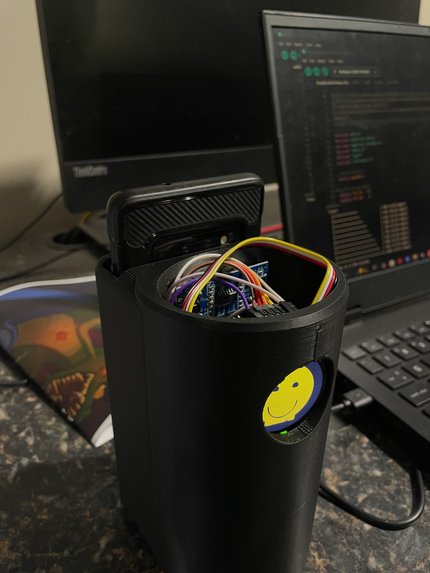
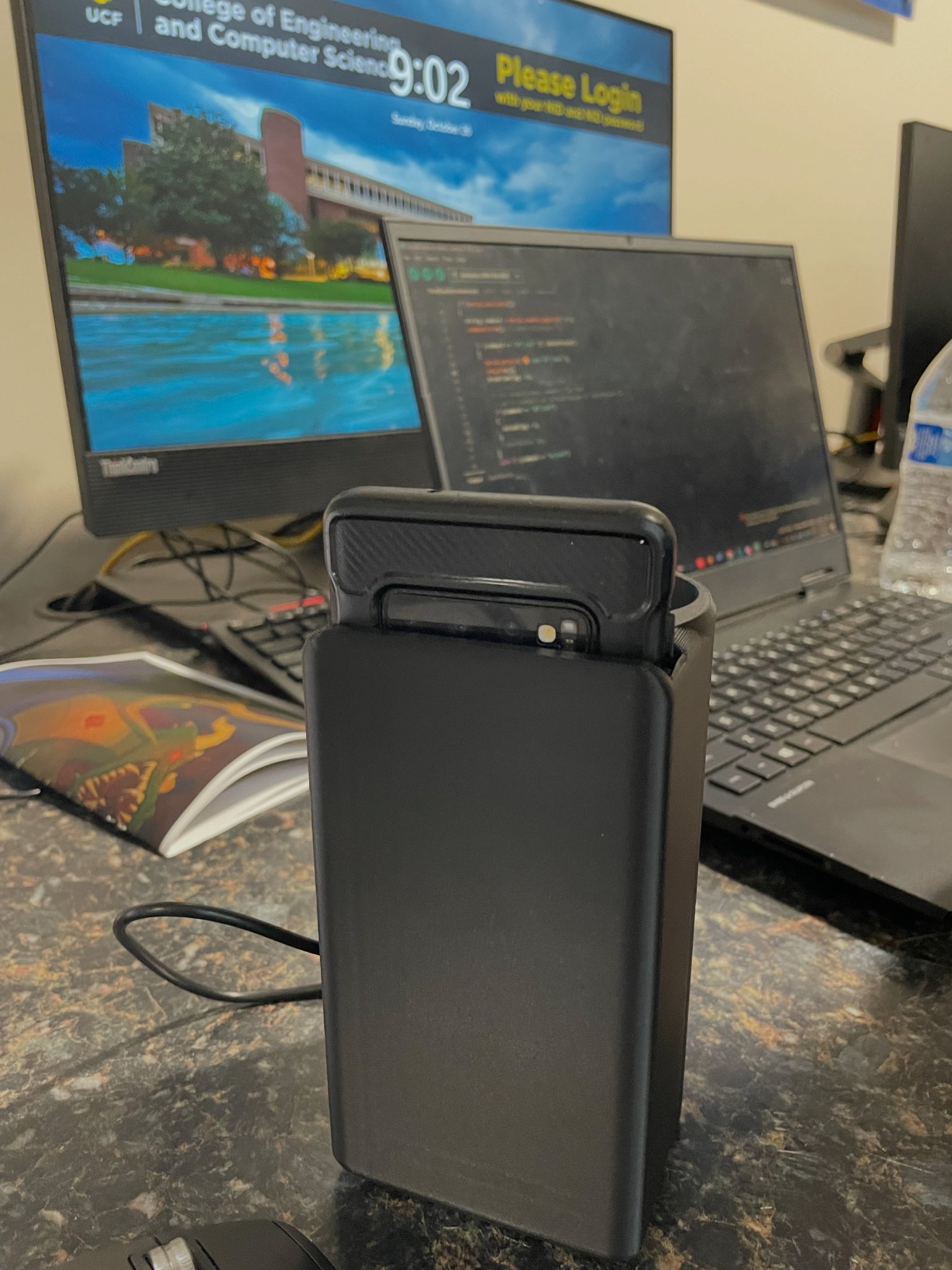
Front view
-
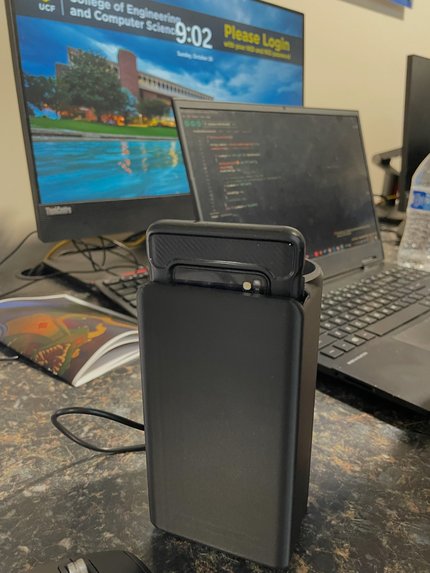
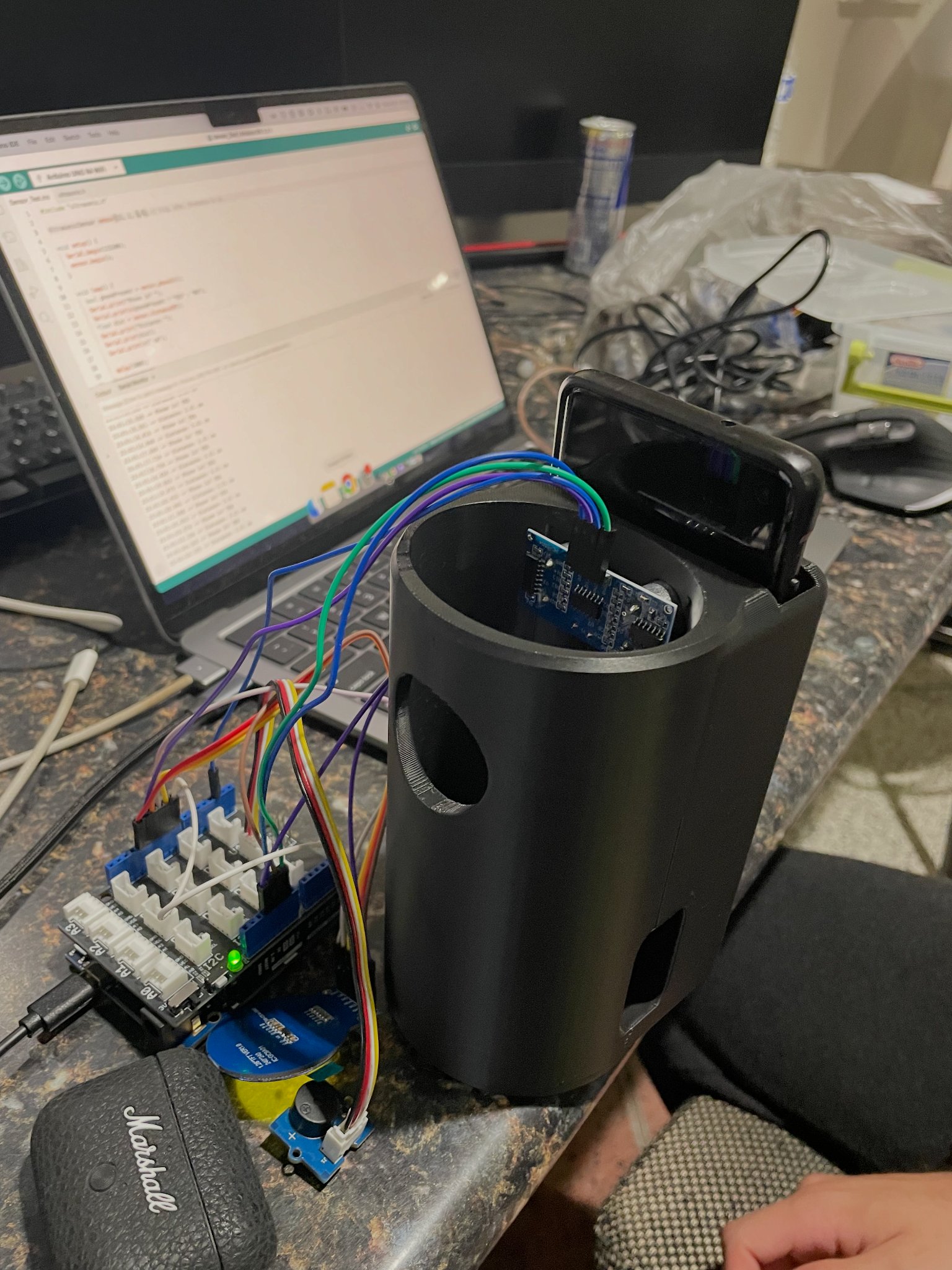
Back view
-
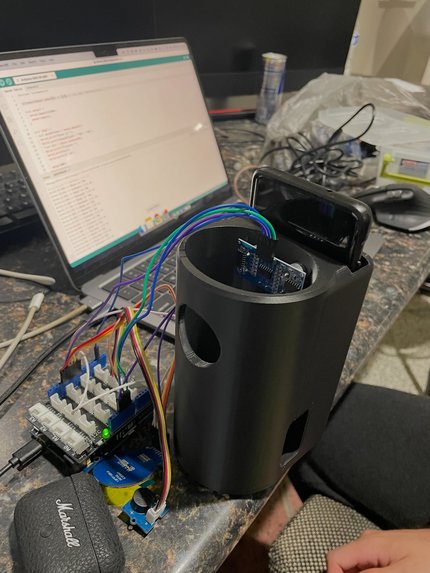
Assembly phase
-

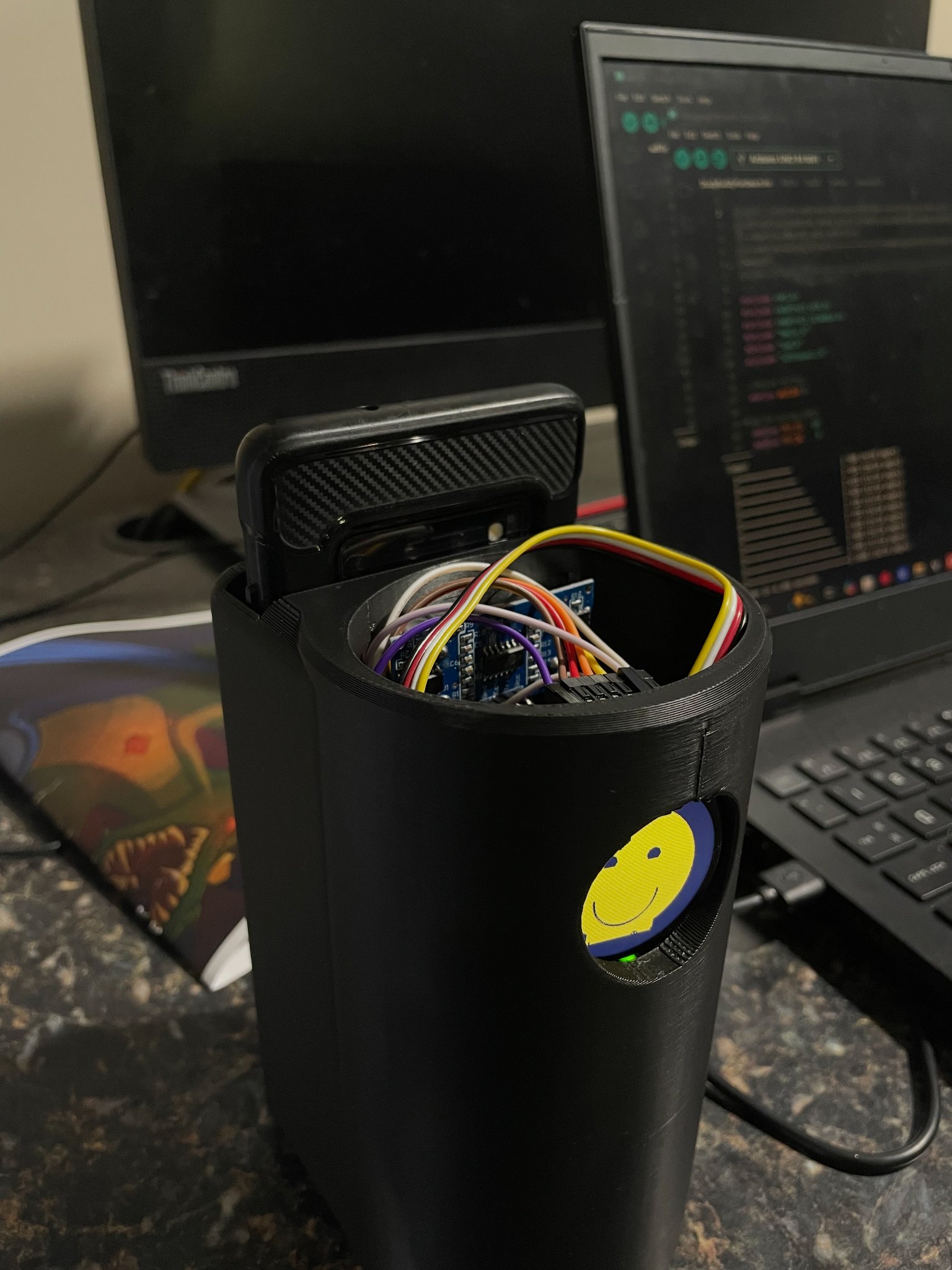
Smiley Face

Inspiration
A lot of Gen Zs struggle with deep focus and short attention span, due to the abundant availability and the dopamine hits that short-form contents bring. This constant cycle of notifications and "doomscrolling" makes it harder to engage in deep work or learning. Our team thinks of a solution to minimize digital distraction and restore healthy habit for your mind.
What it does
Study Buddy is comprised of two distinct segments in order to provide users with the best and widest-reaching experience. The first segment is a Google Chrome extension. This extension allows the user to submit a list of authorized websites for them to view and interact with. If the user visits a website/page that is not authorized, they receive a "friendly" notification each time they access it. Additionally, there are configurable timers for focus cycle (study and break time) for the user to adjust how much time they want to dedicate to each.
The second segment is the device, which has a section for holding the user's phone, as this one device (on average) distracts people the most from getting their work done. When turned on, the user's phone must be placed inside of the square compartment or else a loud (and annoying) sound with play until the phone is placed back into the compartment. Forcing the user to set their phone down to focus on their work while also not fully restricting them from accessing it.
How we built it
The software was built using the traditional HTML/CSS/JavaScript tech stack with an additional manifest.json file to allow it to be a Google Chrome extension. The integration with the Arduino R4 is done via the "bridge.py" file. This file accepts three variables that describe the state of the extension due to the user's actions. The "background.js" file sends these three variables it obtains to the python file for the hardware to respond to.
The device is built from an Arduino UNO R4, an Ultrasonic sensor, a Buzzer and a TFT 1.28" LSD Display. We program the Arduino so it reads data from sensor and and decide output - a buzz and a smiley or sad face. If phone is placed in the 3D-printed compartment during focus time, we have a smiley face. If not, we have a sad face and buzz is activated until you put your phone back in.
Challenges we ran into
- Wifi integration between the device and the Chrome Extension.
- Migration from ESP32-and-Arduino dual MCUs to only Arduino UNO R4.
- Fine-tune the distance reading function that has outlier measurements, which causes unexpected buzzes.
- Extension timer falling asleep during execution
Accomplishments that we're proud of
- A working hardware
- Integration between the software and hardware
What we learned
- How to collaborate effectively — transforming rough, verbal ideas into detailed schematics and structured system designs.
- The importance of researching microcontroller and peripheral specifications early on to make better hardware selection decisions.
- Workflow and process of integrating two different aspects of one system together (software and hardware)
What's next for The Study Buddy™
- 2 mode: Ultra focus mode and Normal mode. Ultra focus mode will alarm if users take the phone out, making sure they have to finish the number of cycles they set.
- The emergency shut off: This is designed for situations when users have to clock out in the middle of the section. This does not alarm and will give users choice to continue the section later.


Log in or sign up for Devpost to join the conversation.