Inspiration
The idea for Study Buddy came from a simple experience while I was travelling on a train. I was continuously facing network issues and could barely use the internet properly. That made me think about students who don't have reliable internet access in the first place.
Today, a lot of learning depends on having a good internet connection. Students with full access to online resources have a huge advantage over students living in areas where internet access is slow, expensive, or not available at all. We wanted to build something that could help reduce this gap.
That is where the idea of an offline-first AI study assistant came from.
What it does
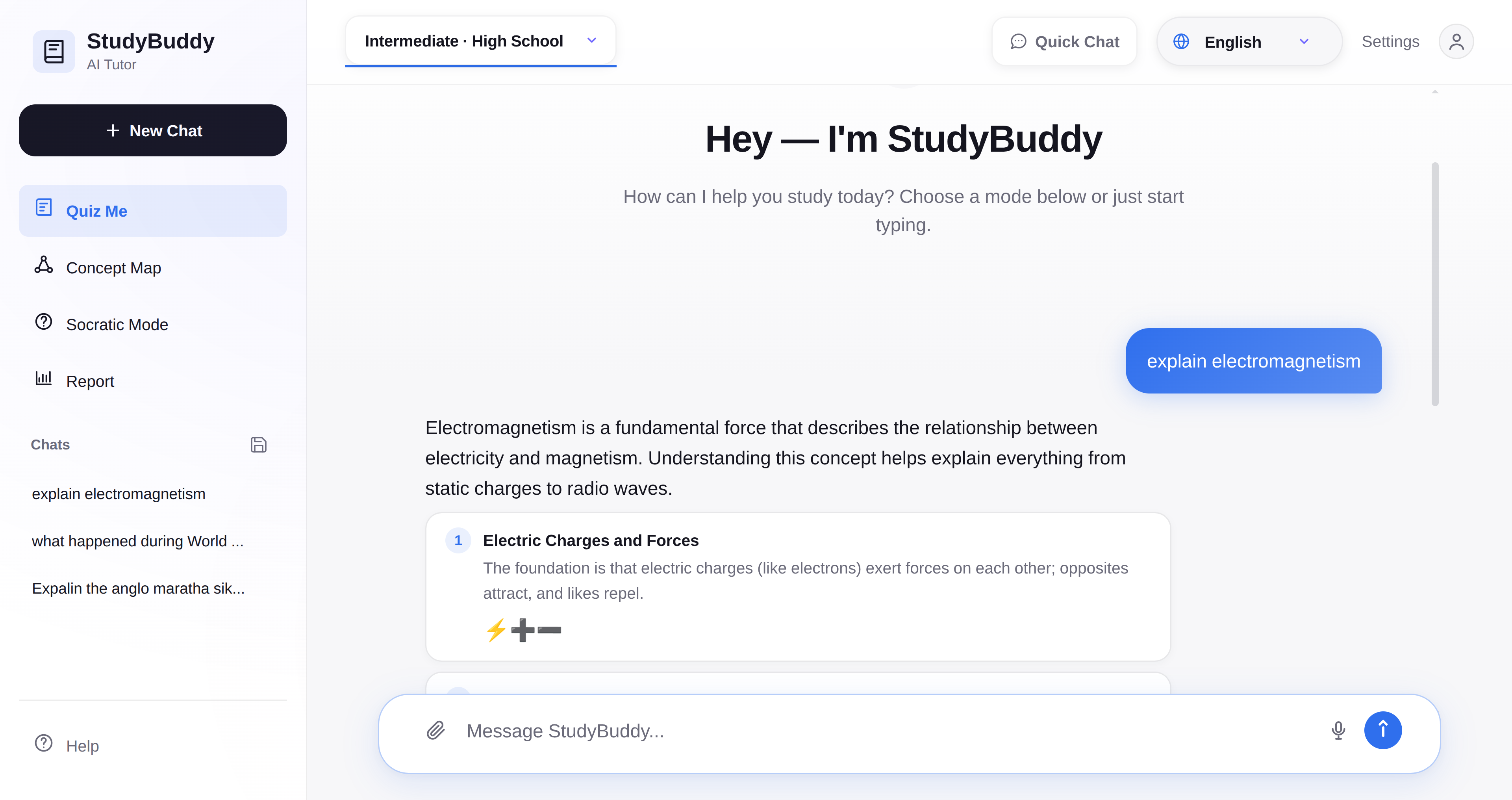
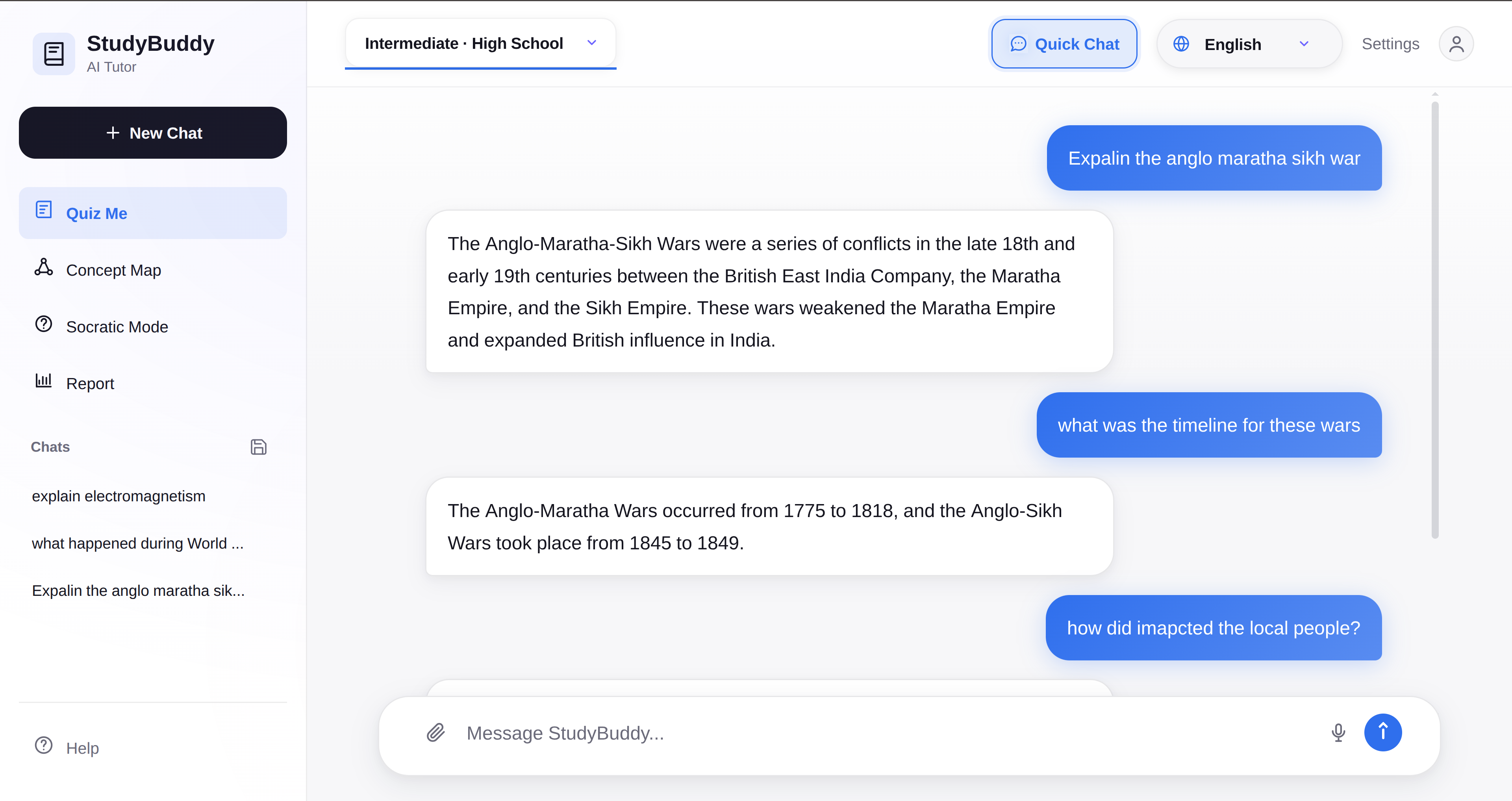
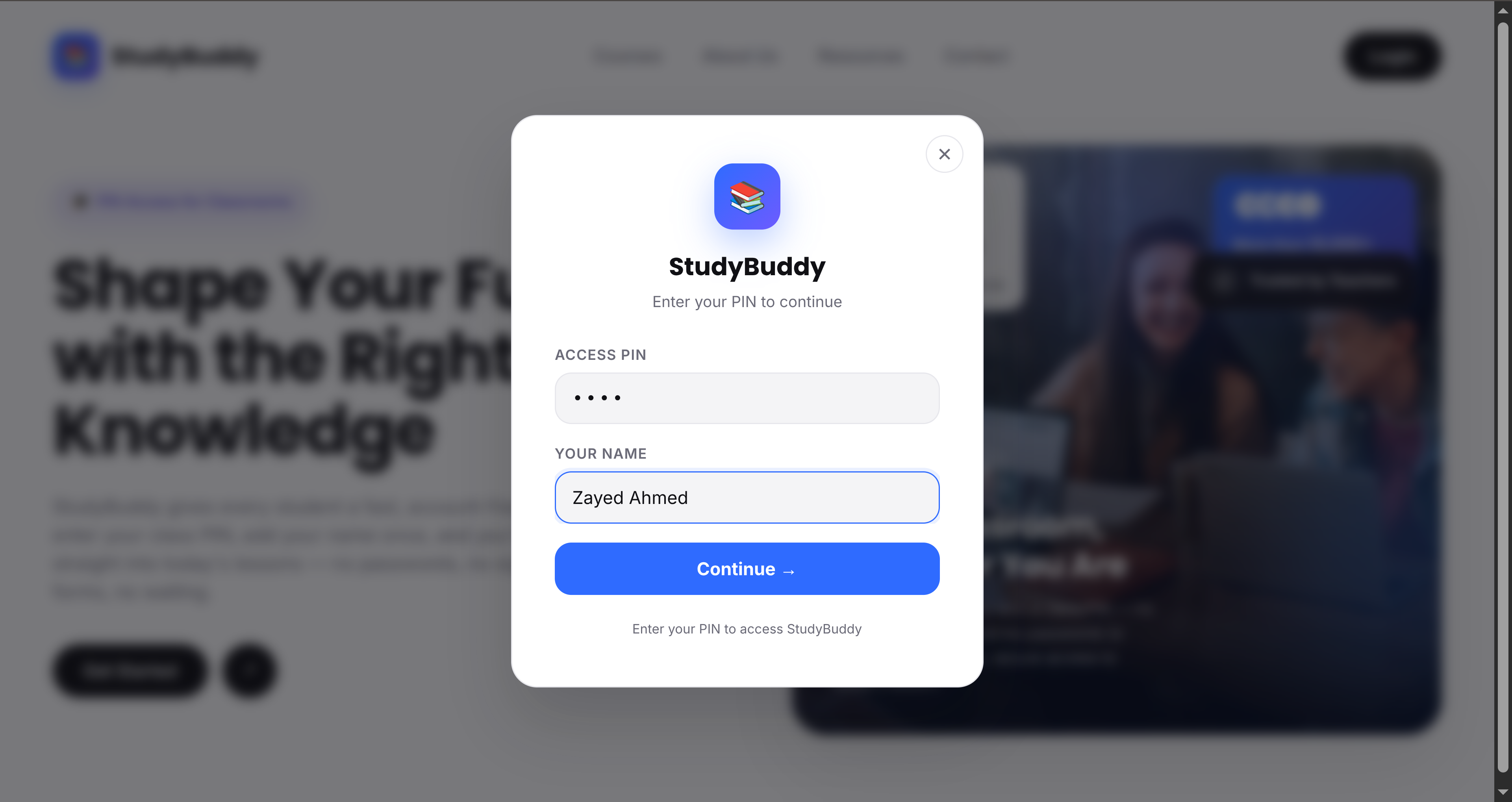
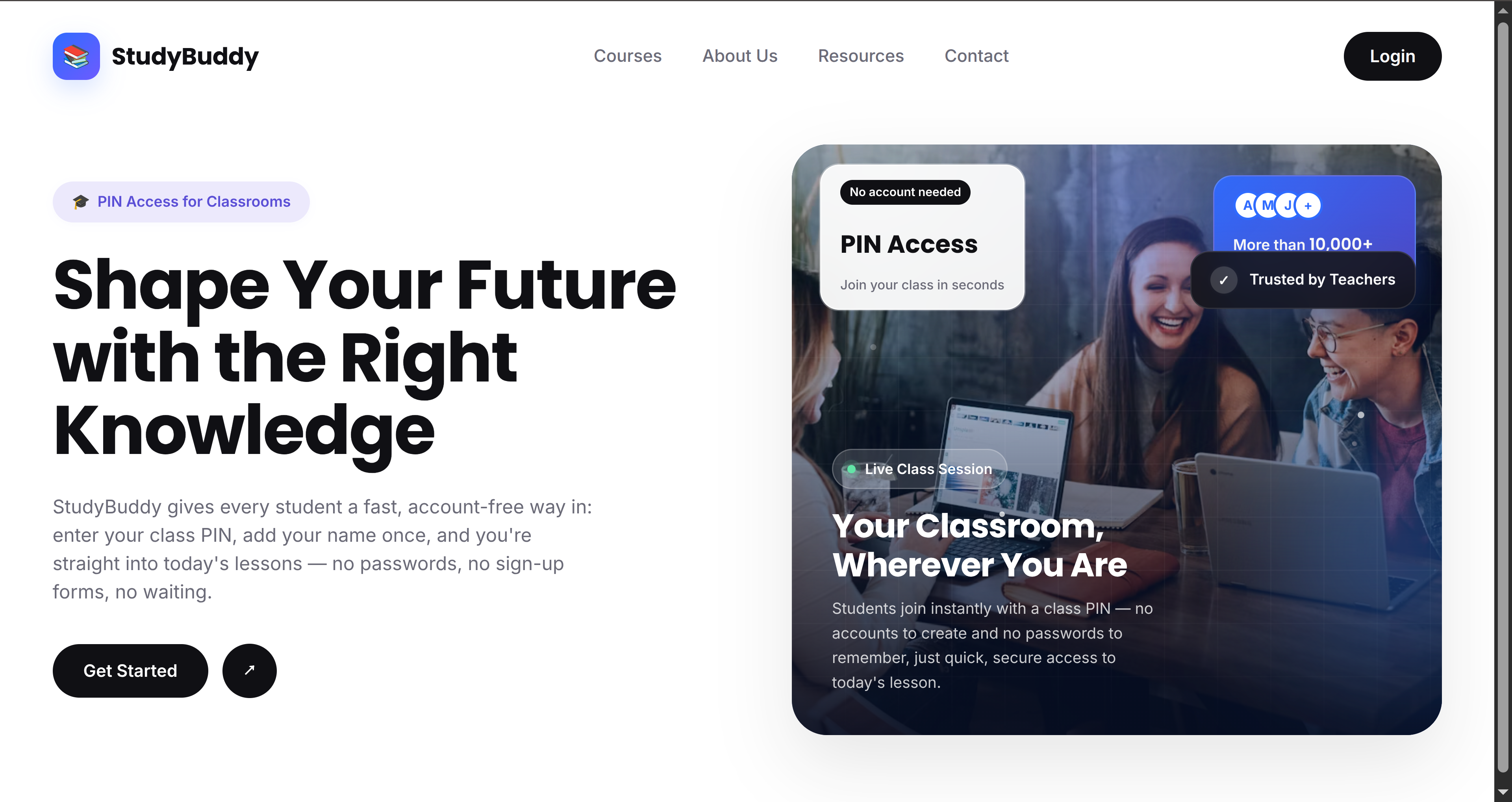
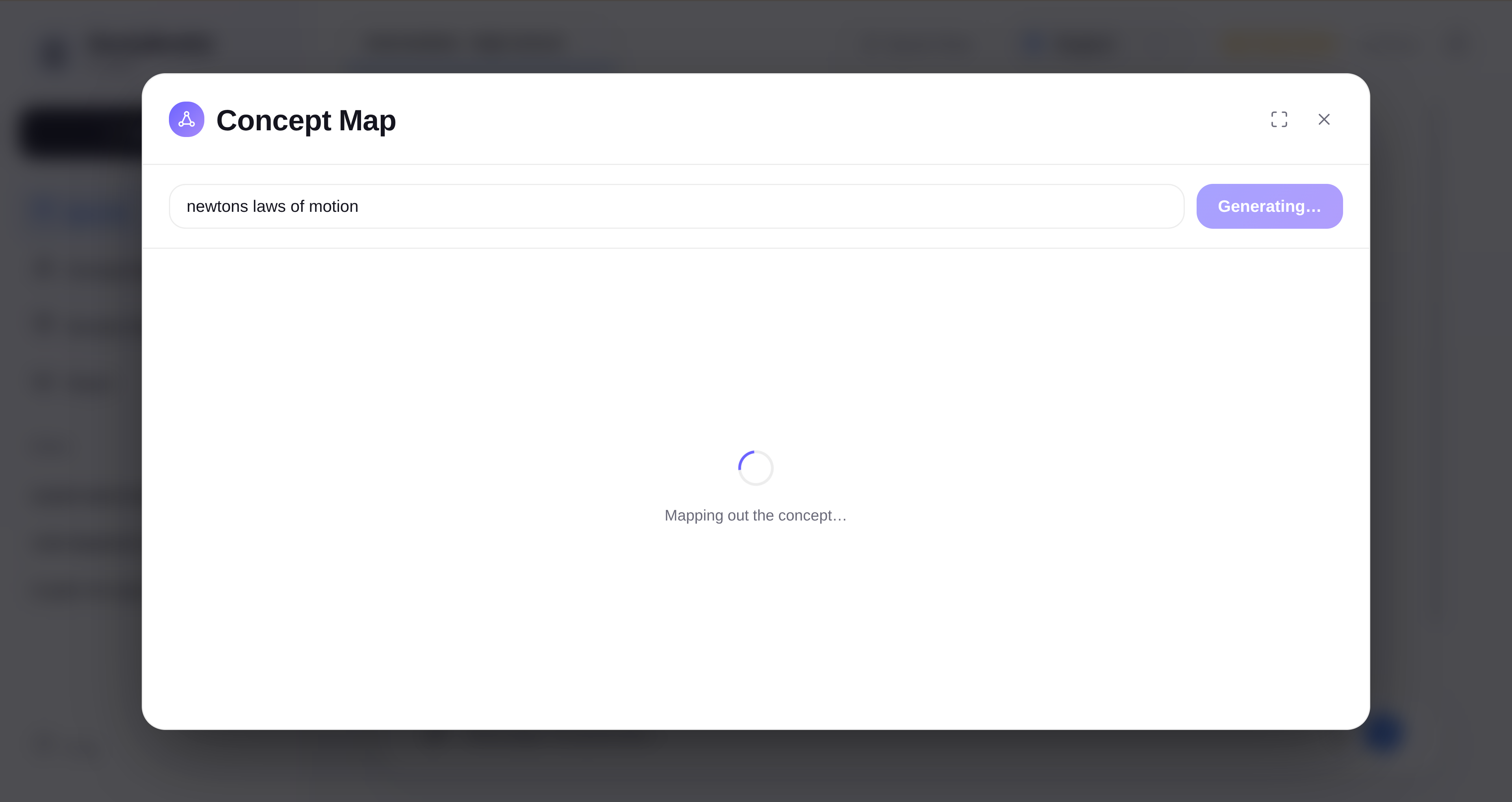
Study Buddy is an offline-first web app designed to help students learn even when they don't have a reliable internet connection.
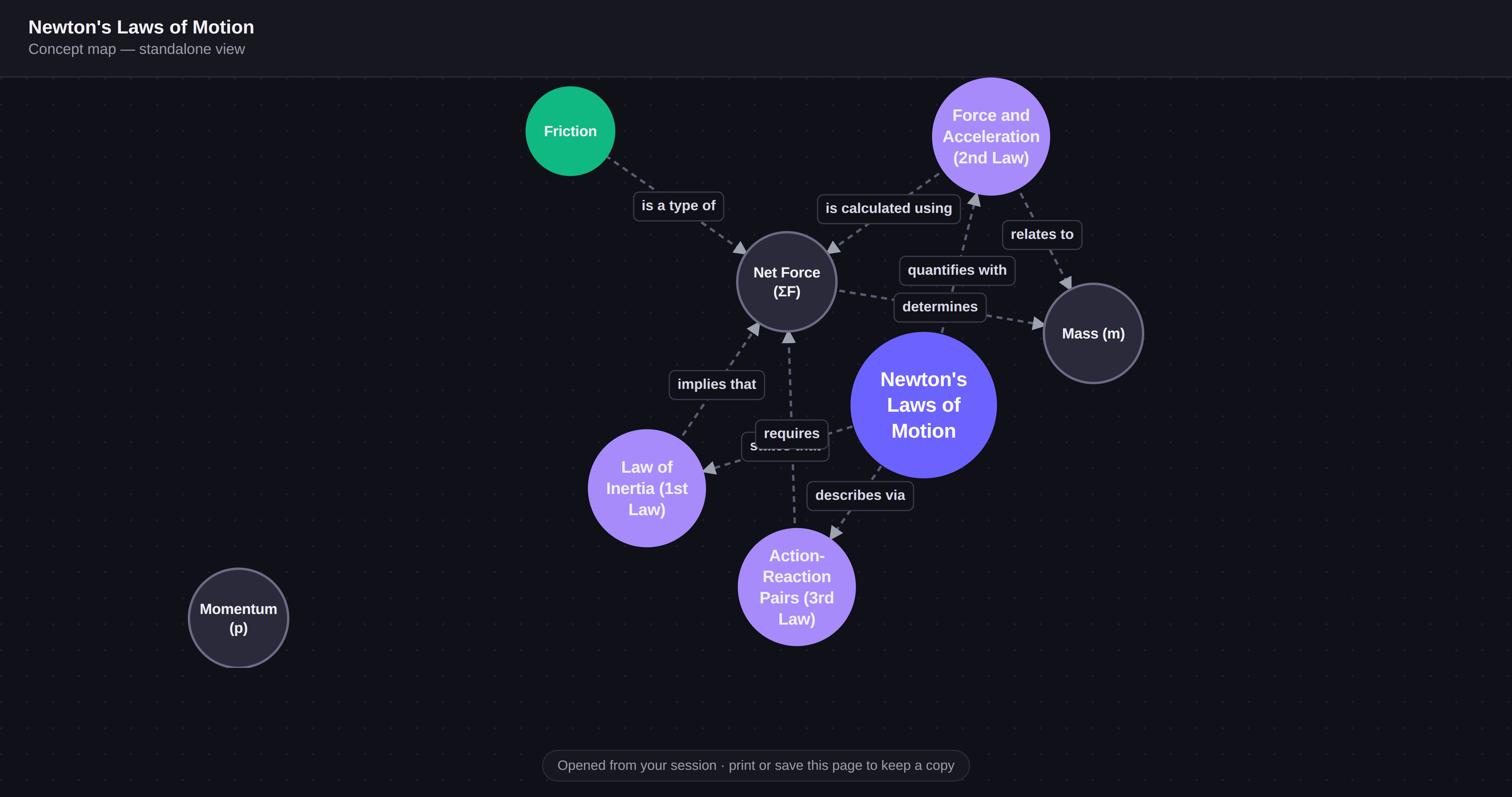
It provides AI-powered features like:
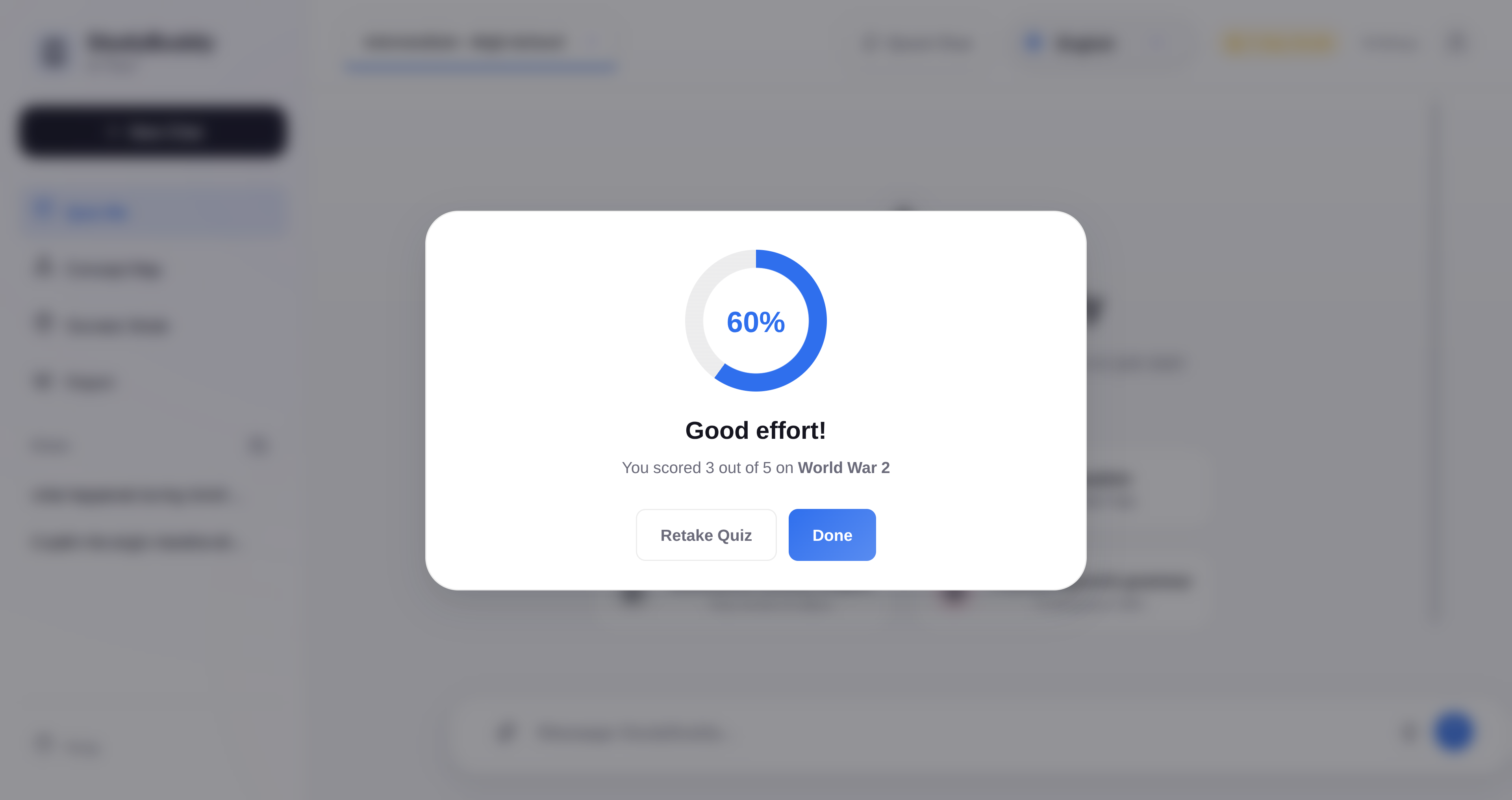
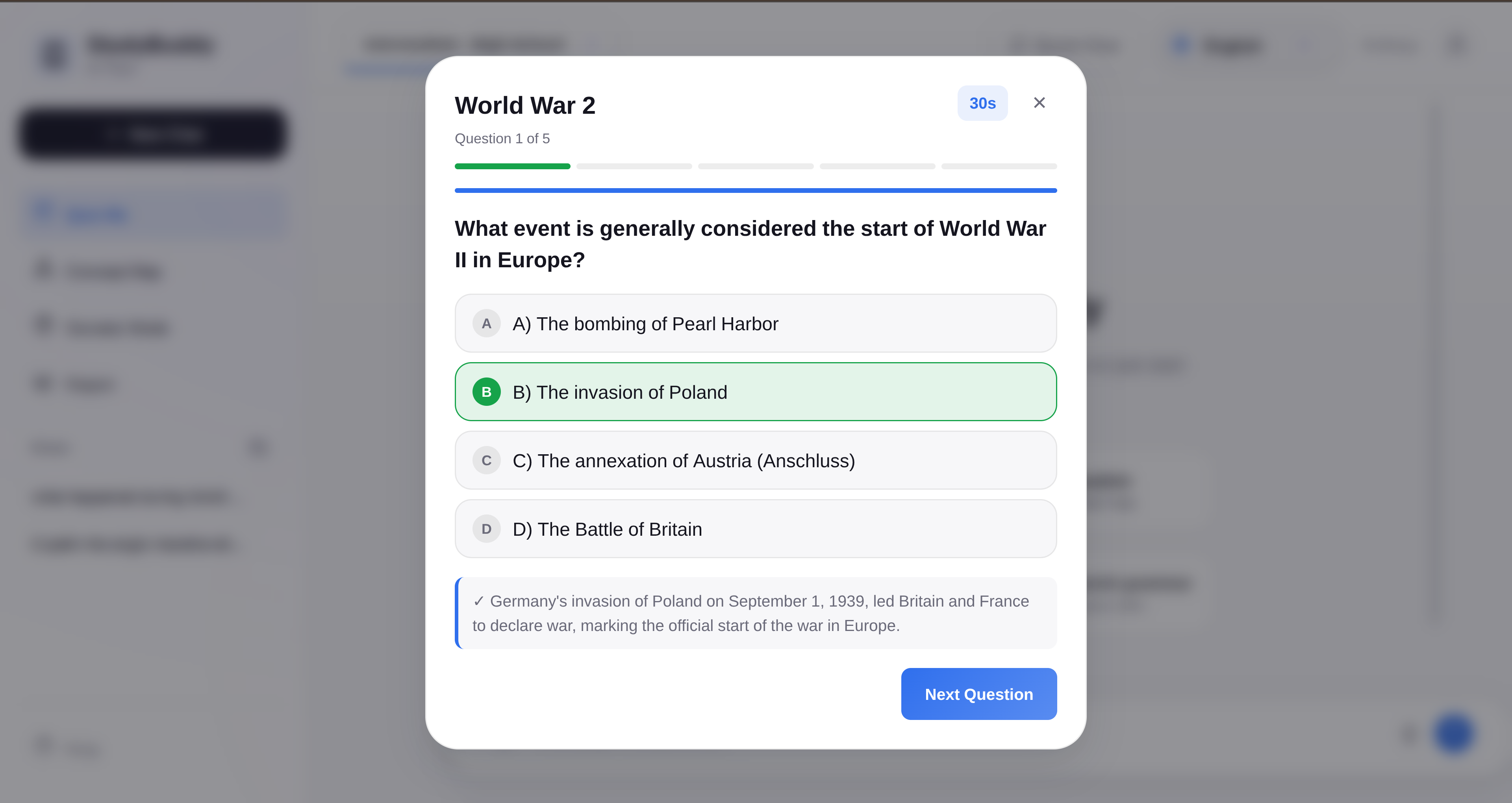
- AI tutoring and Socratic learning
- Quick Chat for asking questions
- Help with understanding difficult topics
- Different learning modes based on the student's needs
- Learning without depending on a constant internet connection
The main idea is simple:
Your learning should not stop just because your internet does.
How we built it
We built Study Buddy as an offline-first web application so that most of the important learning experience can work locally.
We use local AI models such as Gemma and Qwen, which means we don't have to depend completely on cloud-based AI APIs. This makes the application much more useful in places where internet connectivity is limited.
We also focused a lot on making the UI simple and easy to use because we wanted students to spend more time learning and less time figuring out how to use the application.
Challenges we ran into
The biggest challenge was making AI work locally while still keeping the application usable on normal hardware.
Running AI models locally is much more demanding than simply calling an online API. We had to think about model size, memory usage, response time, and how to make the experience feel smooth for the user.
Another challenge was building the different learning modes and making sure the AI behaves differently depending on what the student is trying to do. For example, a tutoring experience should not just give the answer immediately; it should help the student think and learn.
We also had to spend a lot of time fixing small UI and backend issues and making all the different parts of the application work together.
Accomplishments that we're proud of
The thing we are most proud of is that we built something with a purpose beyond just being another AI chatbot.
We were able to create an offline-first AI learning platform that can potentially help students who don't have the same access to the internet as everyone else.
We are also proud that we managed to run AI models locally and bring features like AI tutoring and quick question answering into the same application.
Most importantly, we are proud that we are working on something that could actually help people. Even if Study Buddy starts small, we believe the idea can make learning more accessible for students in remote and low-connectivity areas.
What we learned
We learned that building an AI application is not only about connecting a model to a frontend.
We learned a lot about running local models, handling AI responses, building different AI behaviors, and connecting the frontend and backend together.
We also learned something more important: access to technology cannot always be taken for granted.
While building this project, we started thinking more about the students who have to study with limited resources. That changed the way we looked at the problem and made us focus more on accessibility instead of just adding more AI features.
What's next for Study Buddy
We want to make Study Buddy more useful for students who have limited or no internet access.
Some things we want to work on next are:
- Better and faster local AI models
- More learning modes and subjects
- Better support for low-end devices
- More offline functionality
- Voice-based learning
- Better personalization for different students
- Support for more languages
- Tools for teachers and classrooms
Our long-term goal is to make Study Buddy a learning companion that a student can use anywhere, even when the internet is not available.
We don't want internet connectivity to decide how much a student can learn.

Log in or sign up for Devpost to join the conversation.