-
-
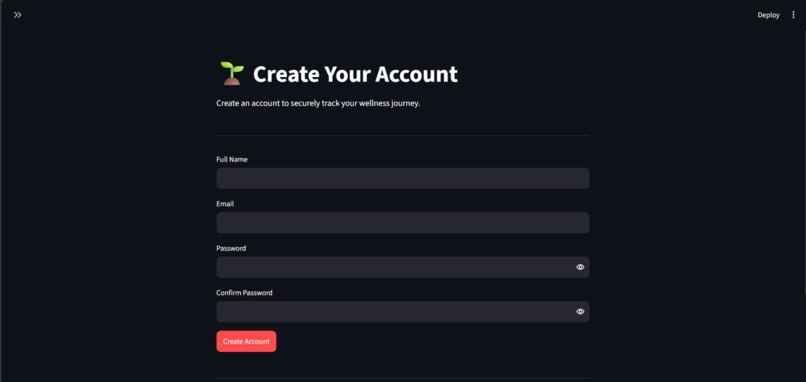
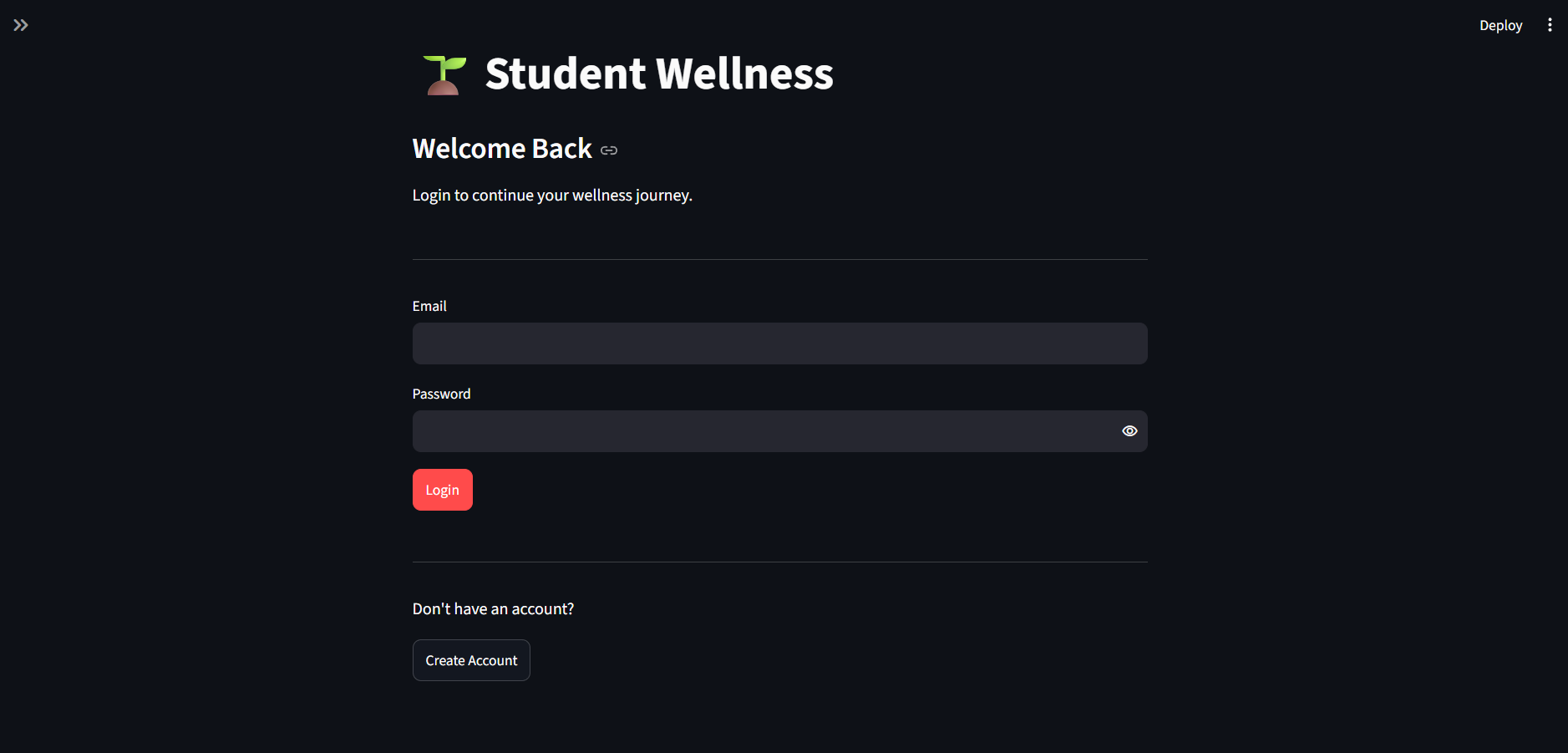
Create Account
-
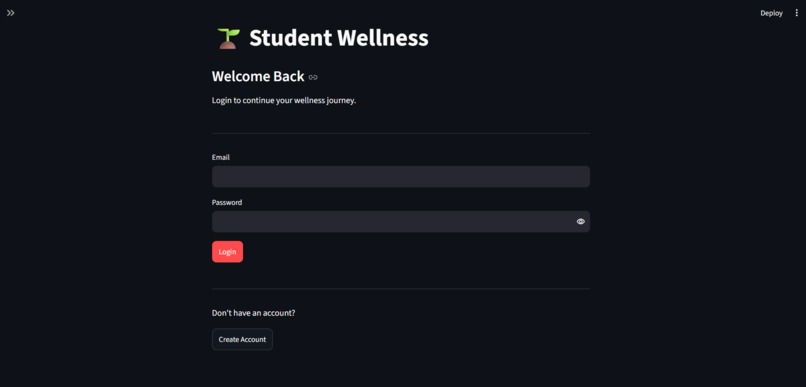
Login
-
-
-
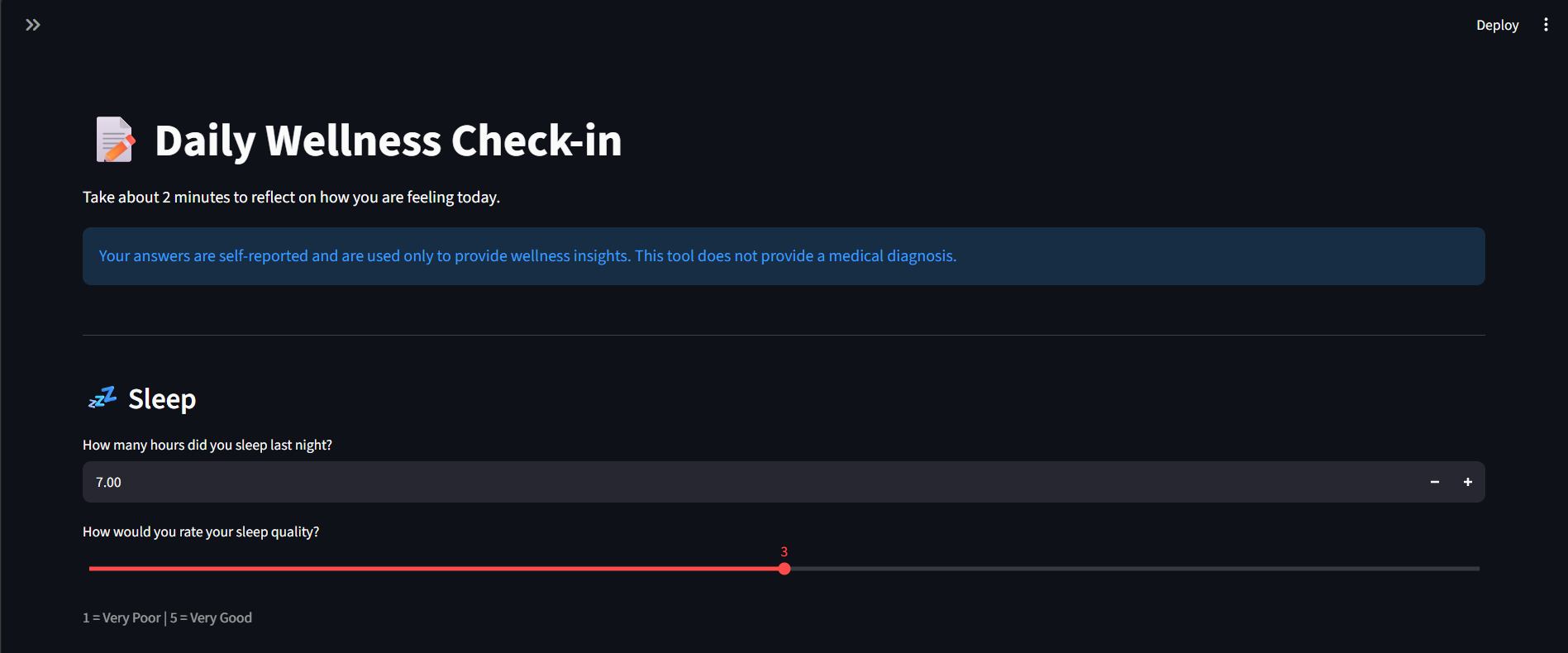
Check-in
-
-
-
-
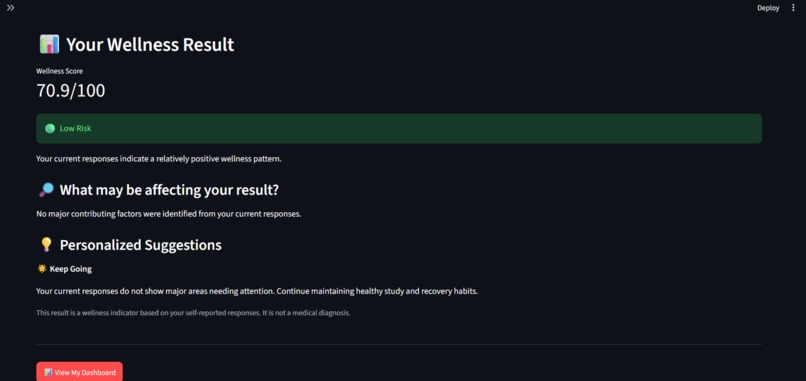
Analysis
-
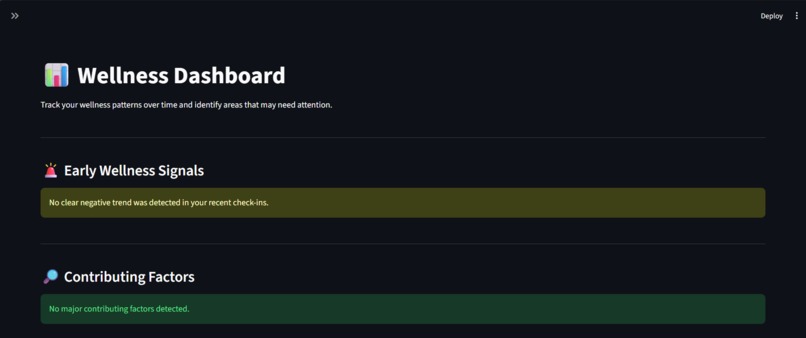
Dashboard
-
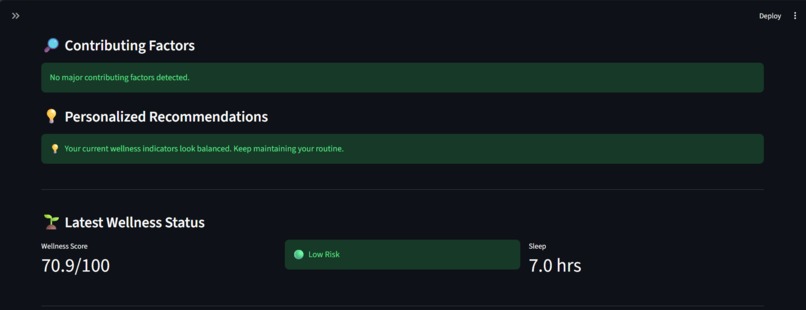
-
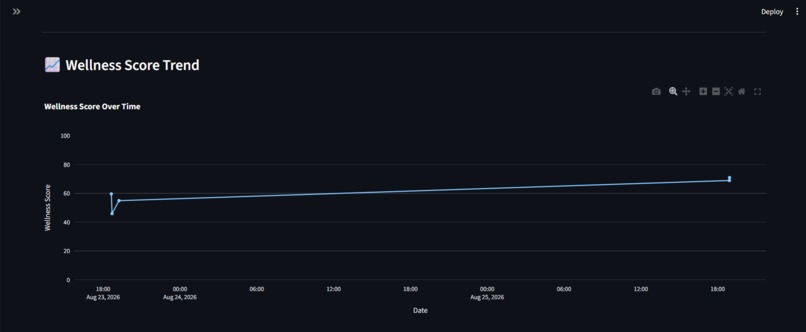
-
-
-
Inspiration
As students, we know how easy it is to get caught up in assignments, exams, deadlines, and everyday responsibilities. Sometimes we don't notice that we're sleeping less, feeling more stressed, getting mentally tired, or losing concentration until it starts affecting our daily life.
This inspired us to build Student Wellness. We wanted to create something simple that would encourage students to pause, check in with themselves, and understand whether their daily habits were forming unhealthy patterns.
What it does
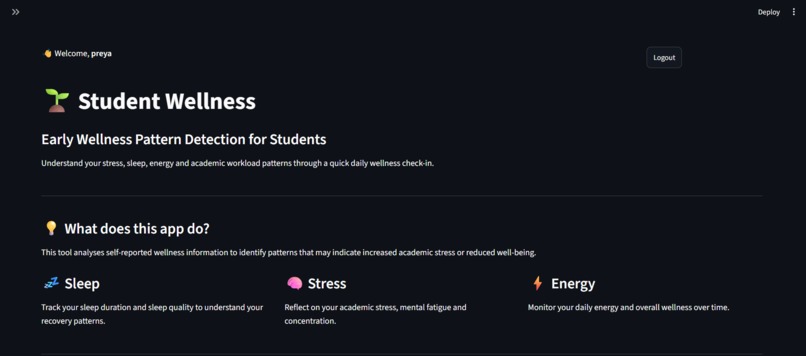
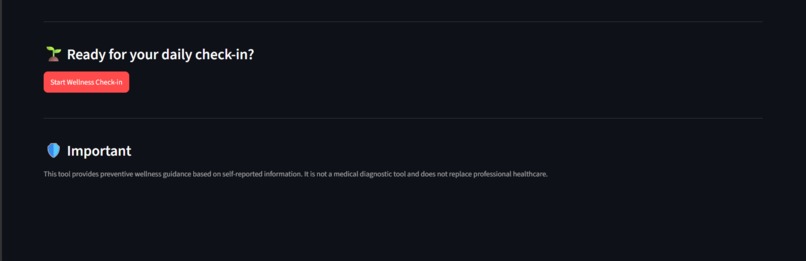
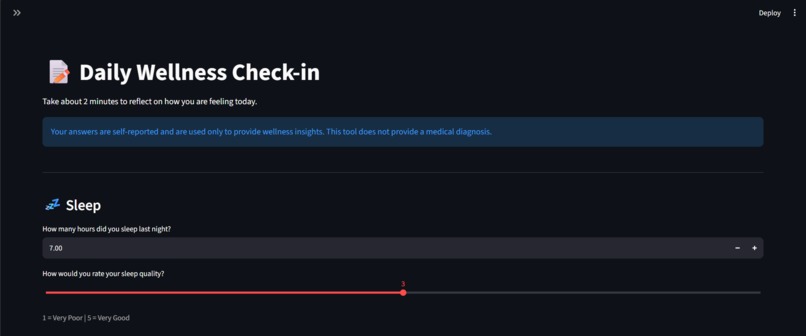
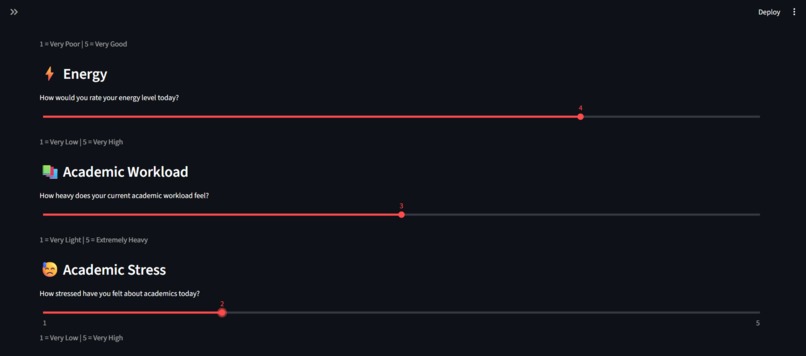
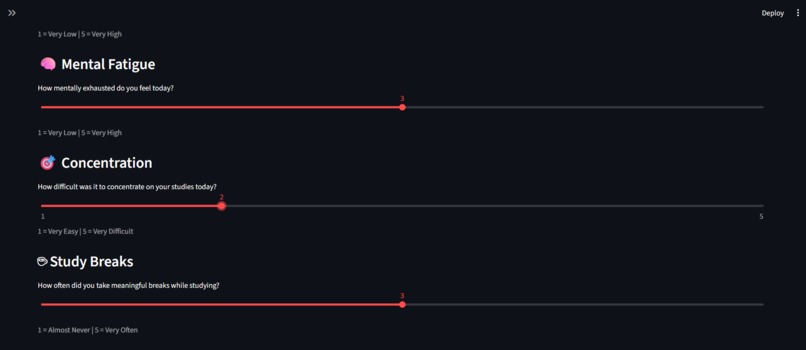
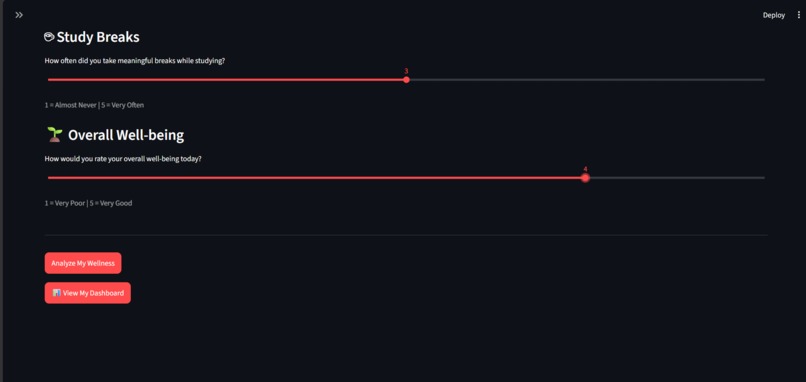
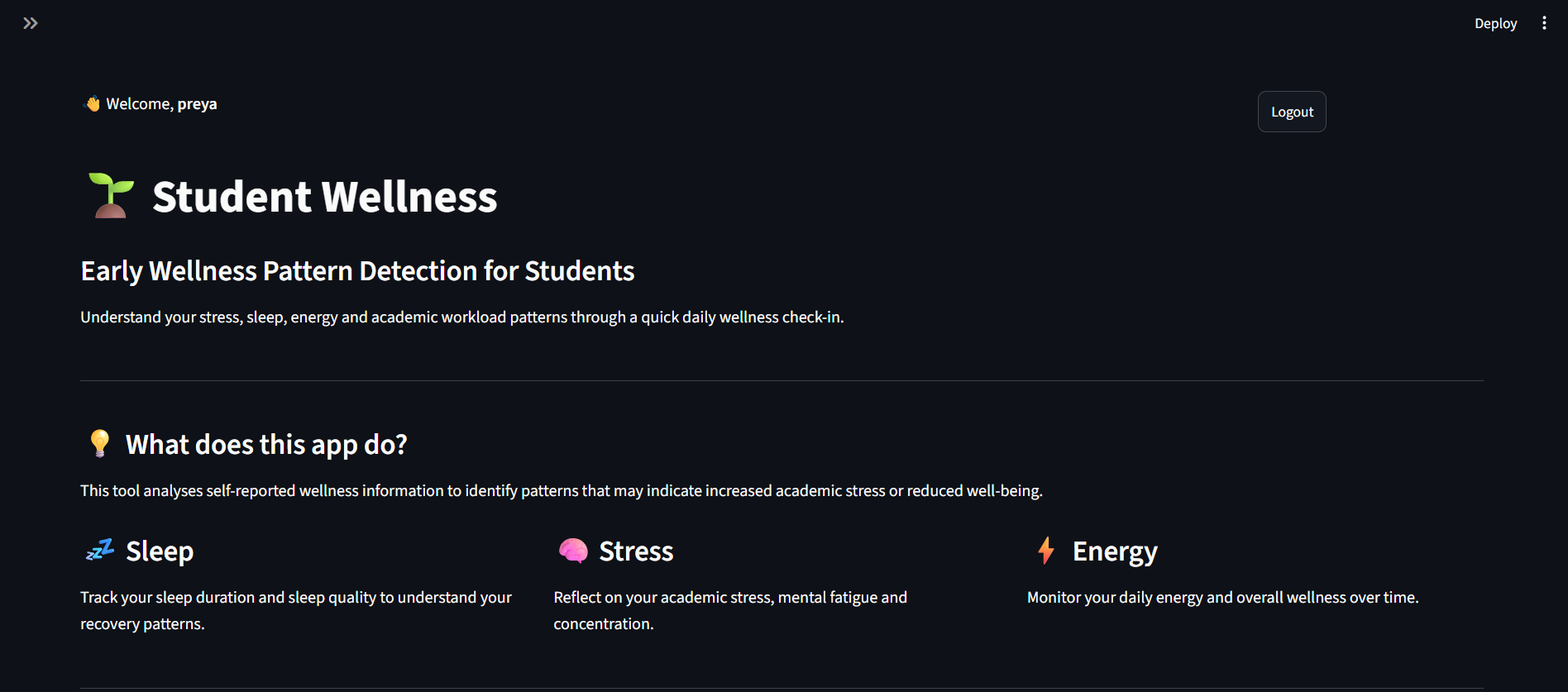
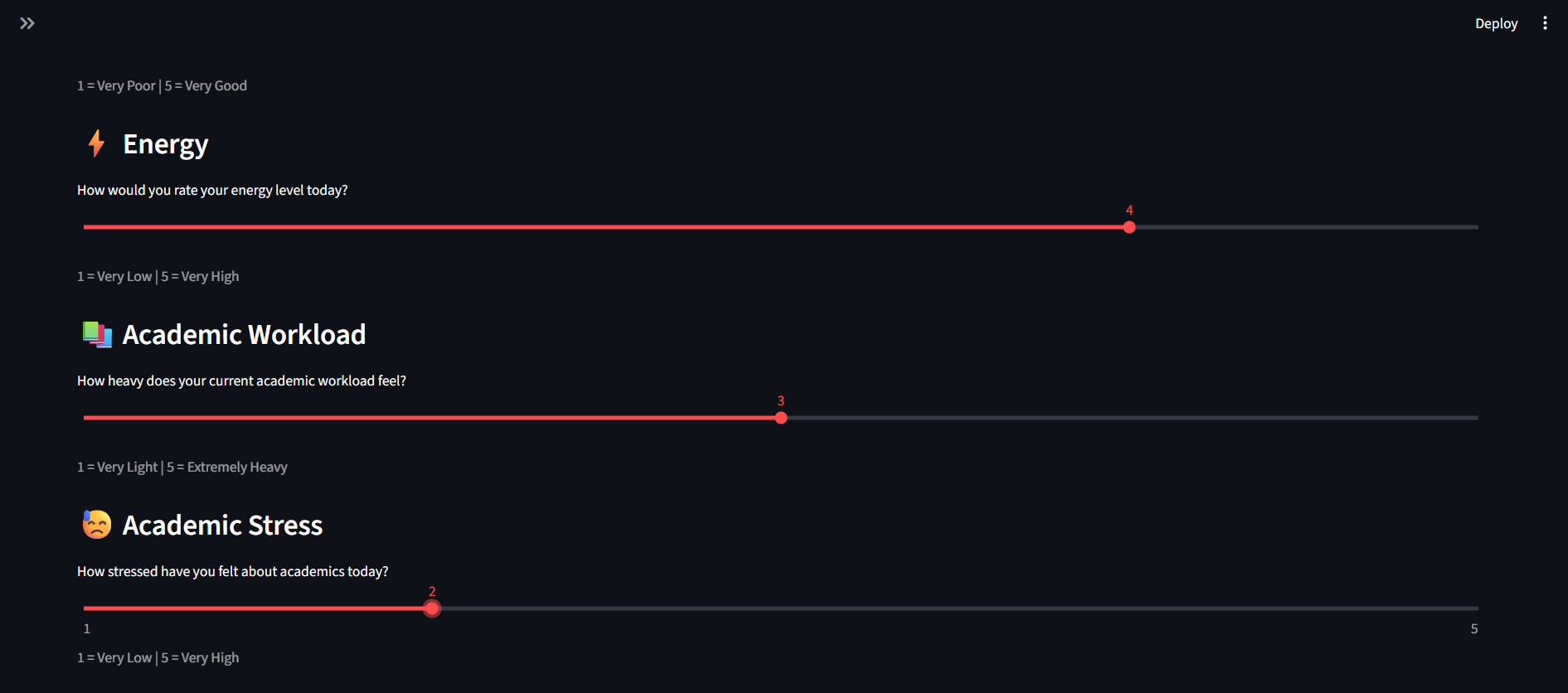
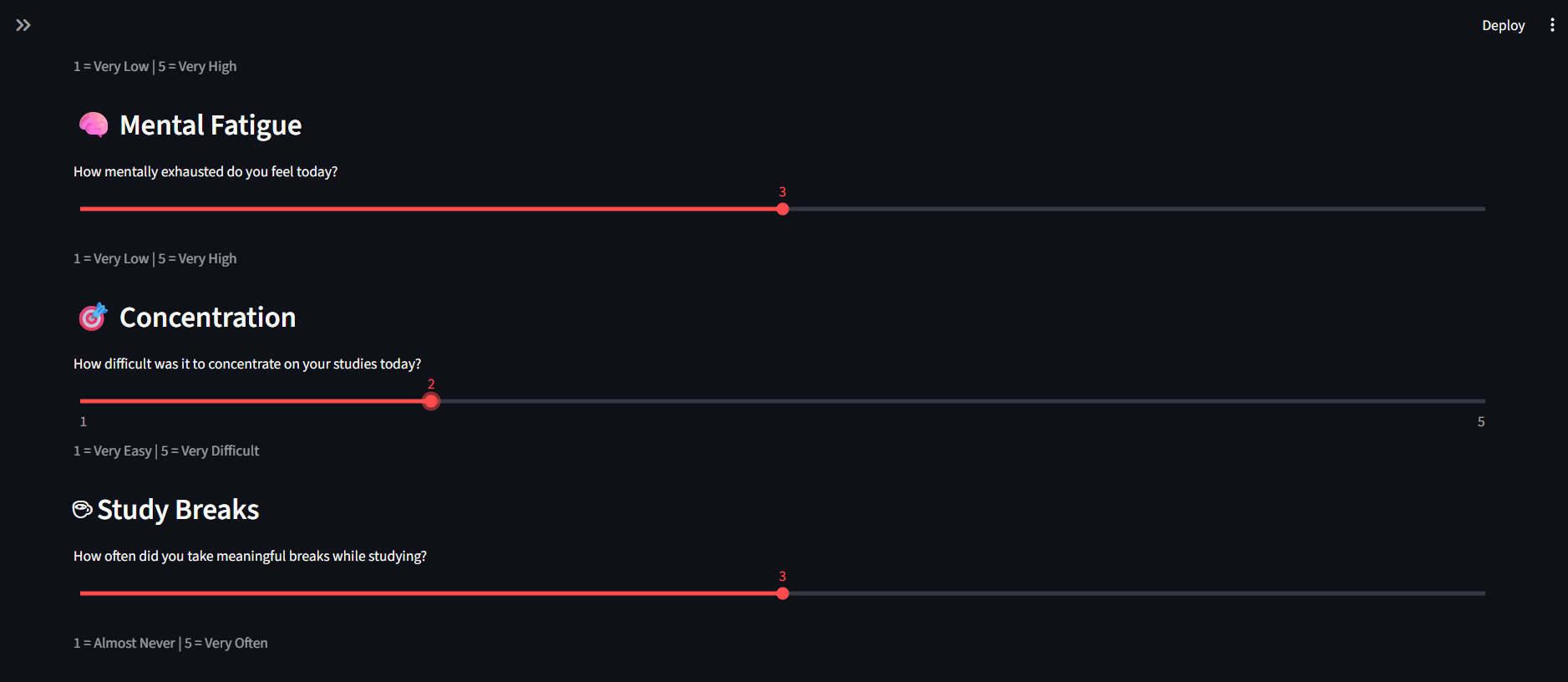
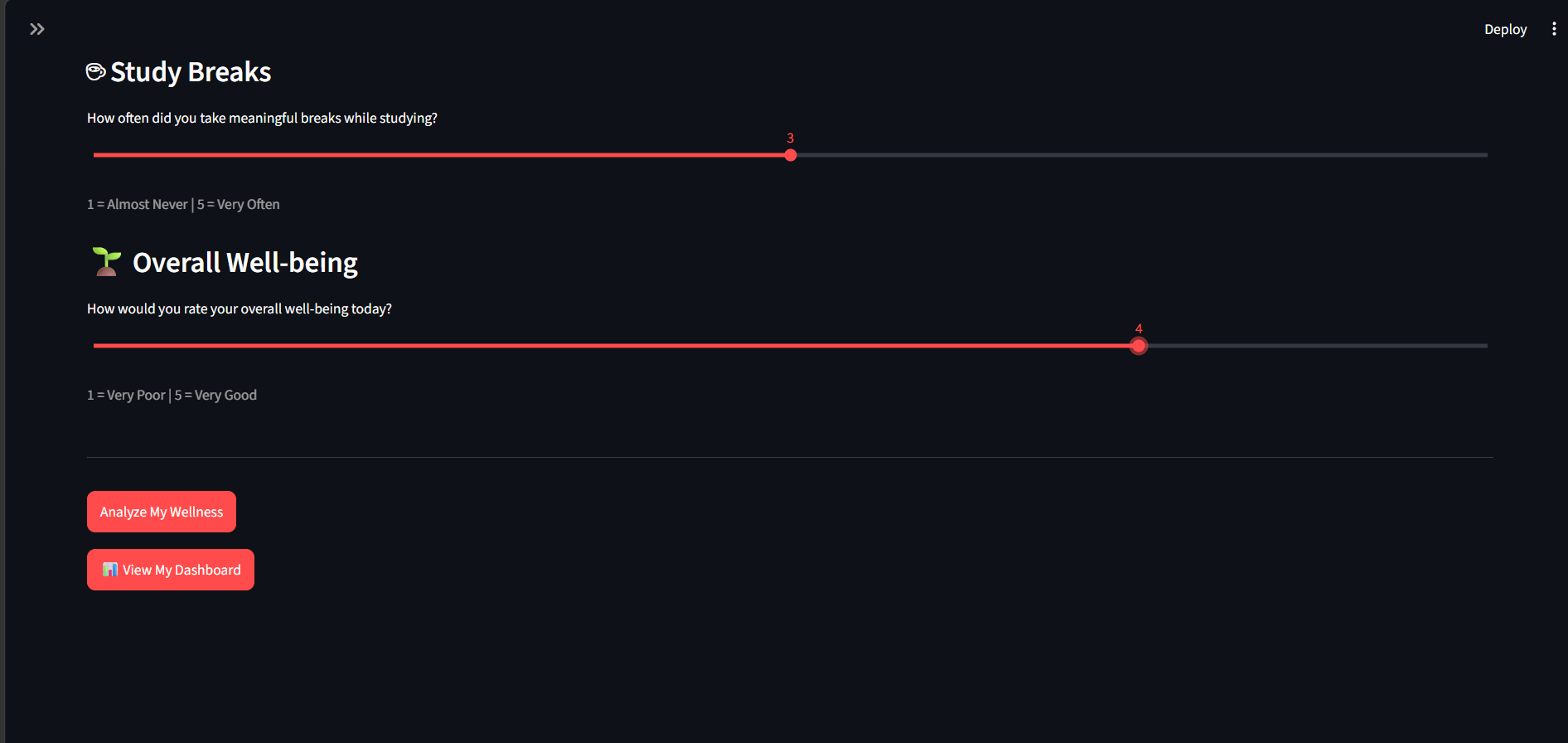
Student Wellness allows students to complete a quick daily wellness check-in based on factors such as:
- Sleep duration and quality
- Energy levels
- Academic workload
- Stress
- Mental fatigue
- Concentration
- Study breaks
- Overall well-being
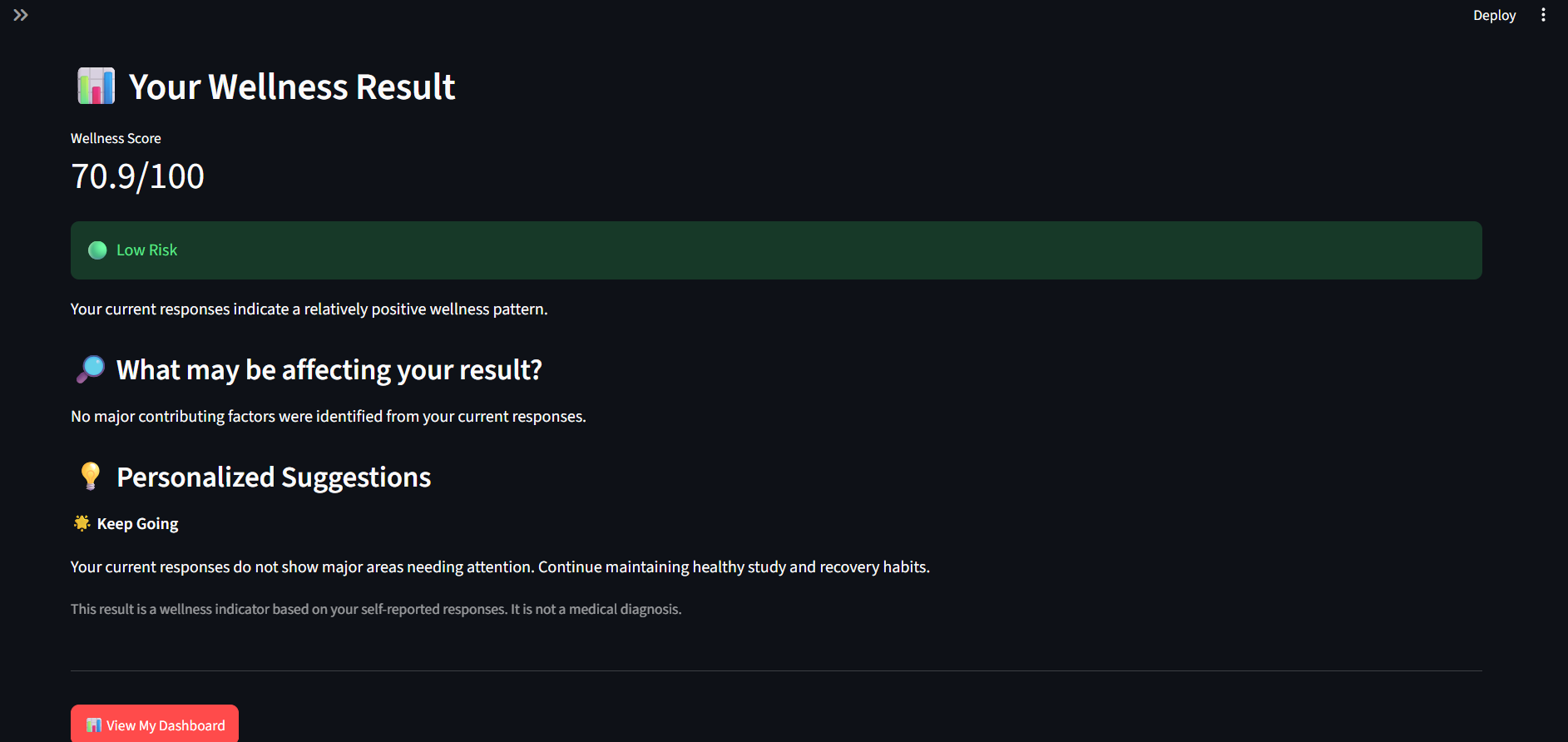
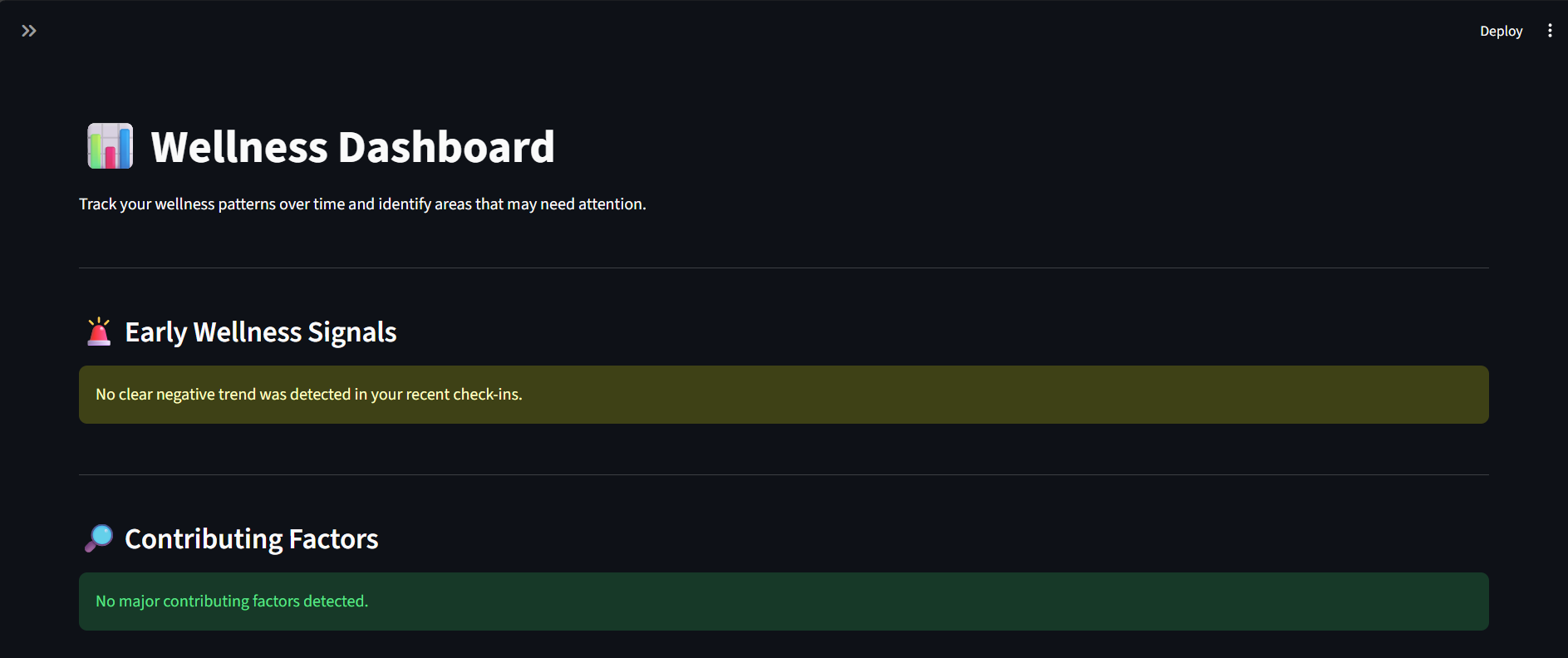
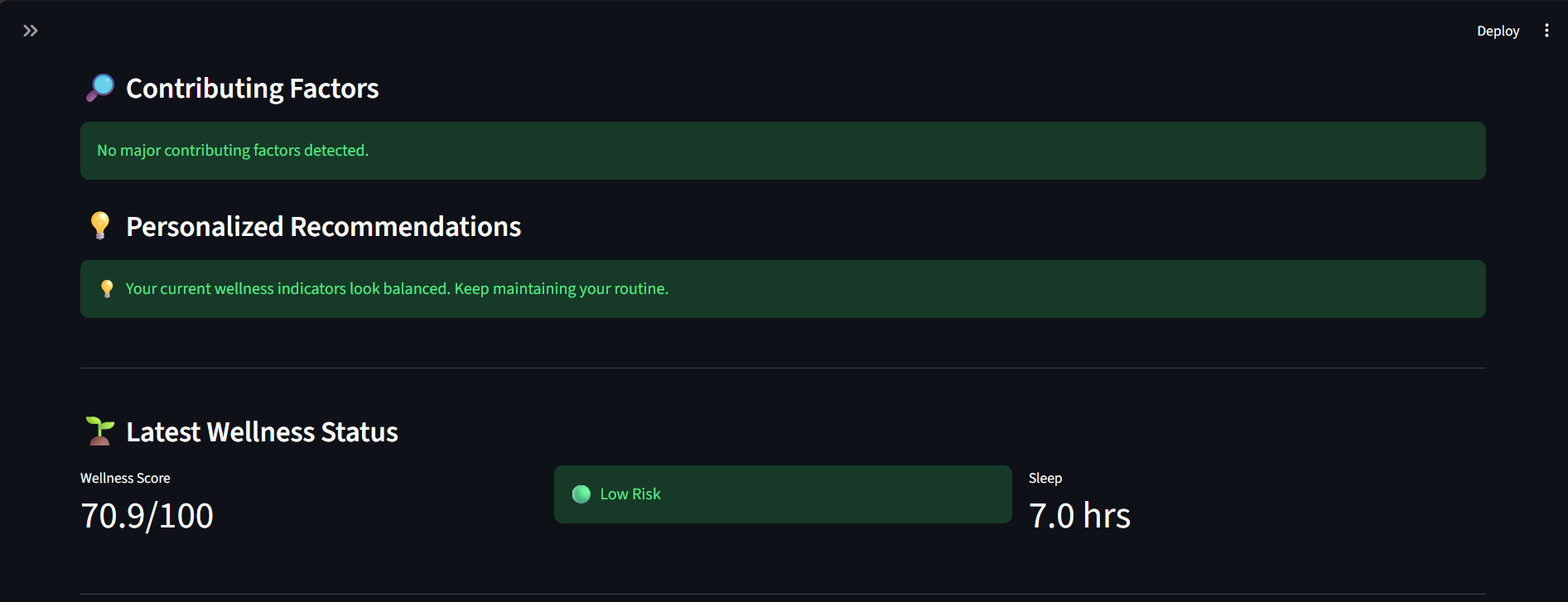
The system uses this information to generate a Wellness Score, identify a risk level, highlight contributing factors, and provide personalized recommendations.
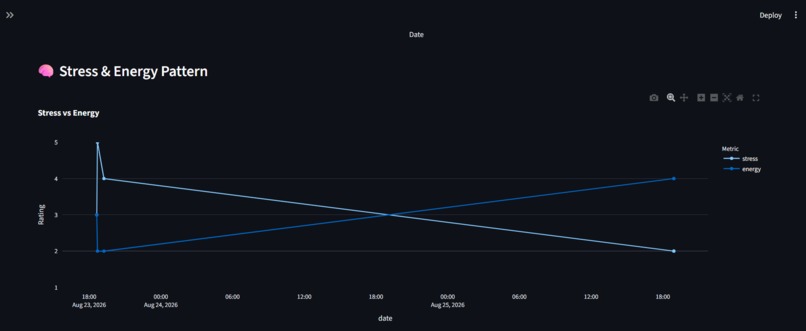
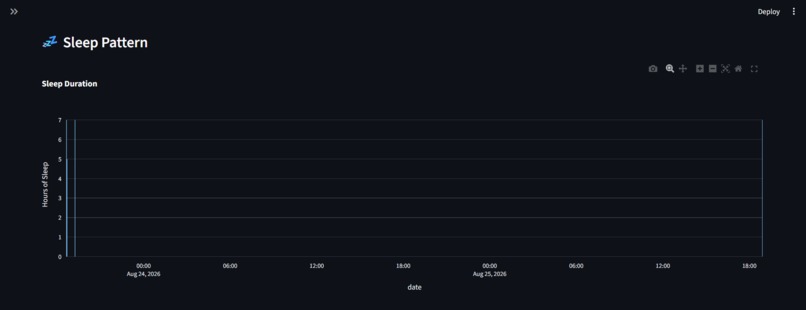
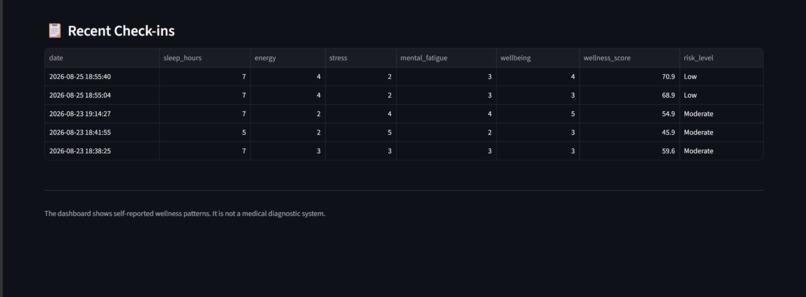
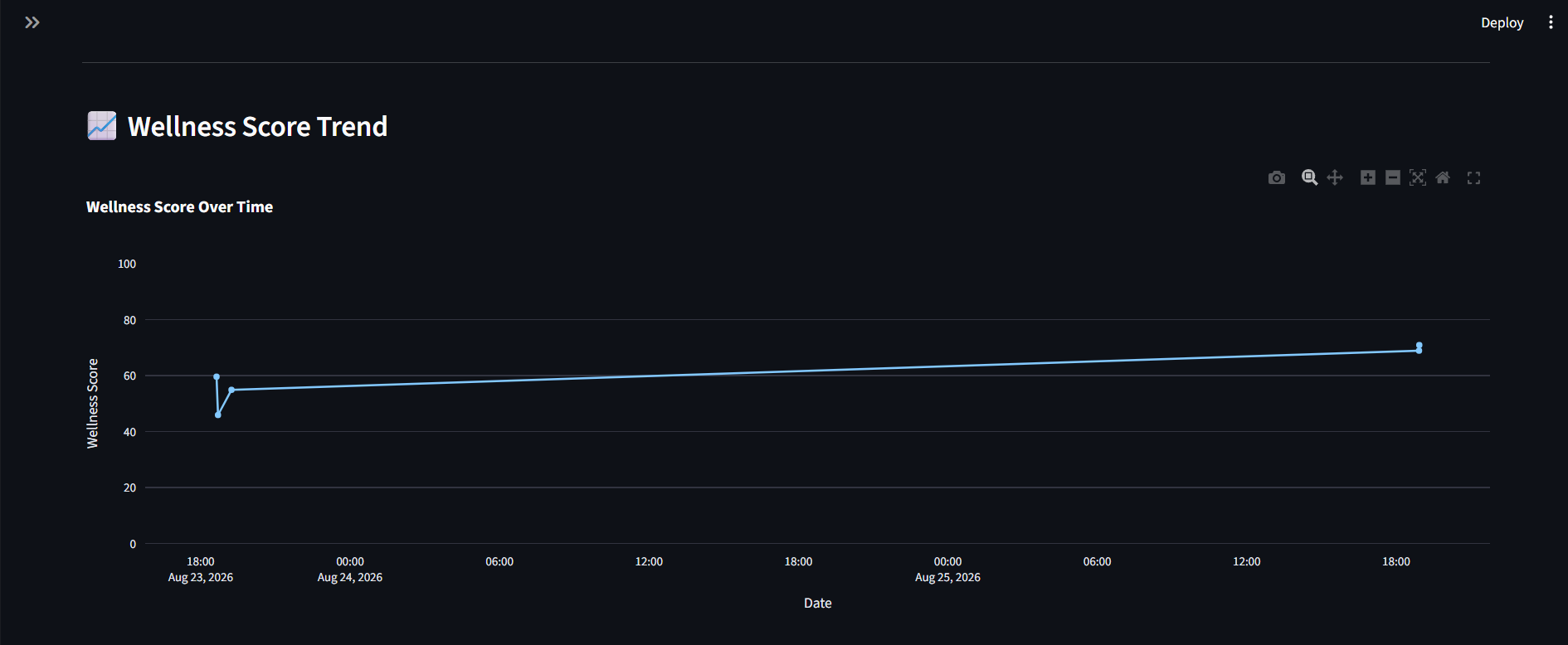
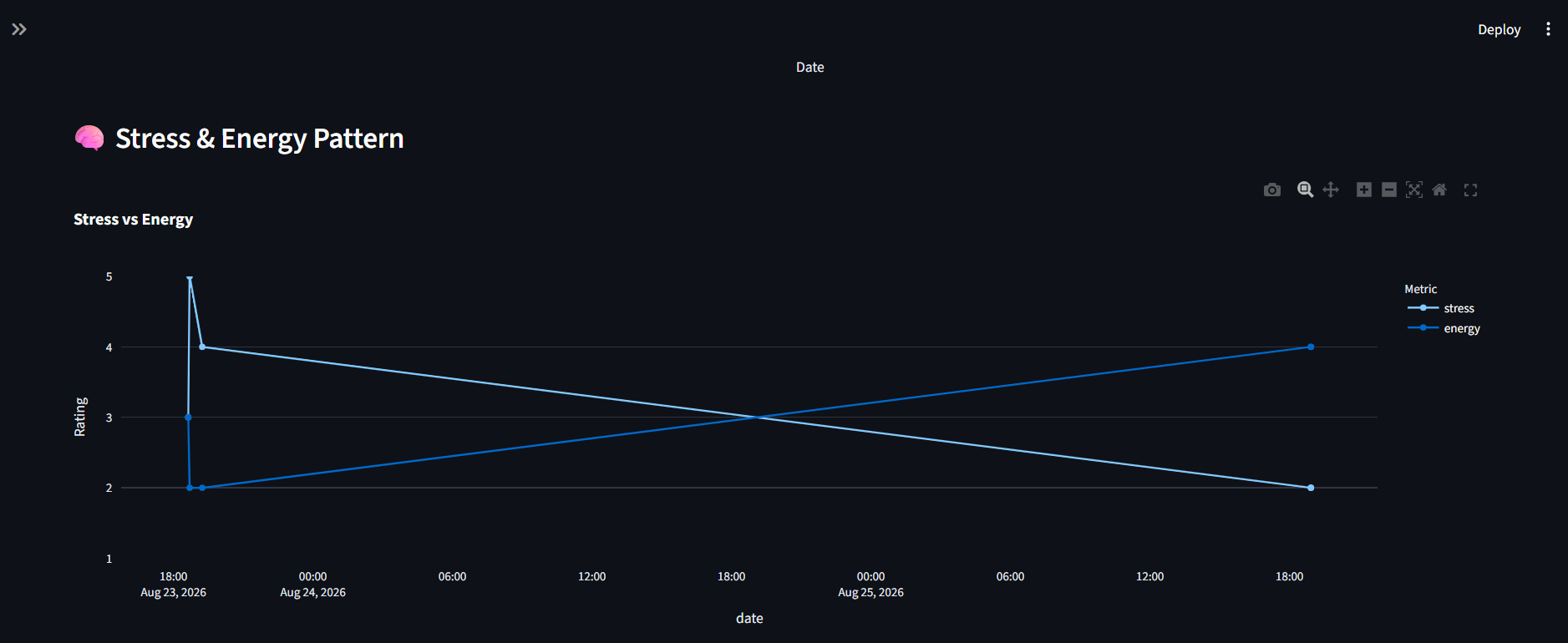
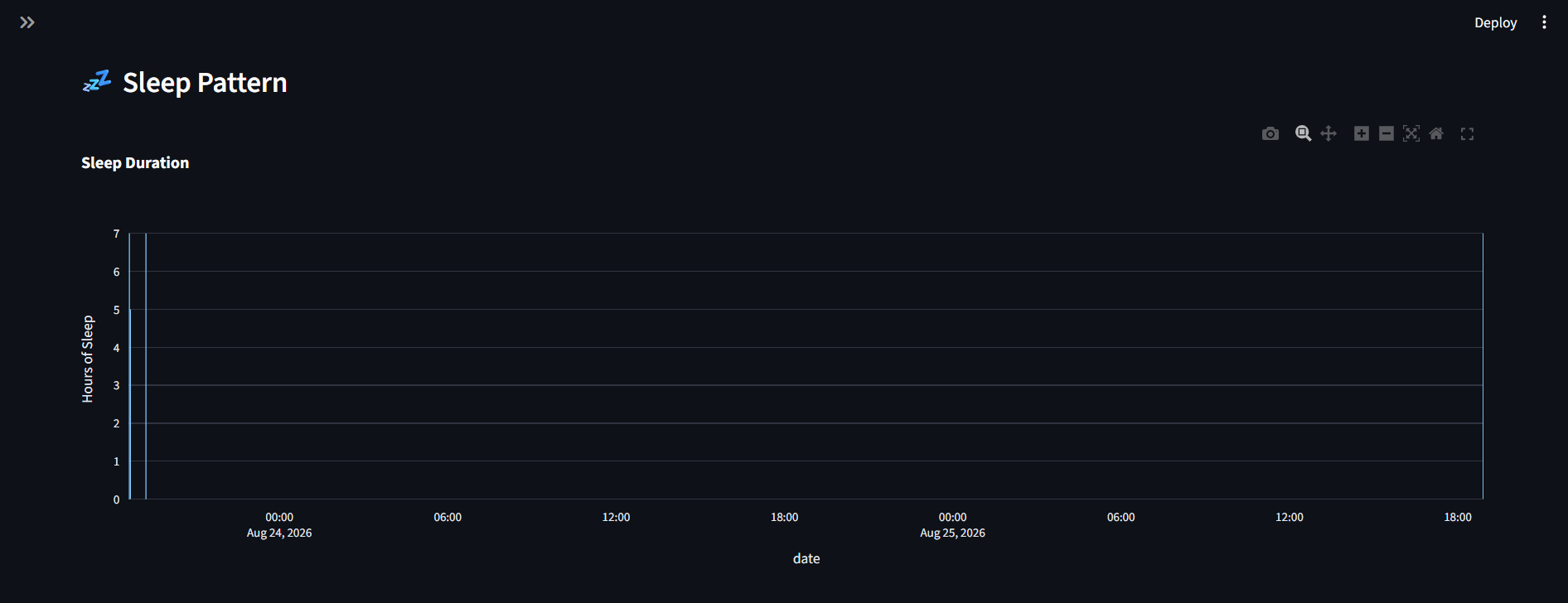
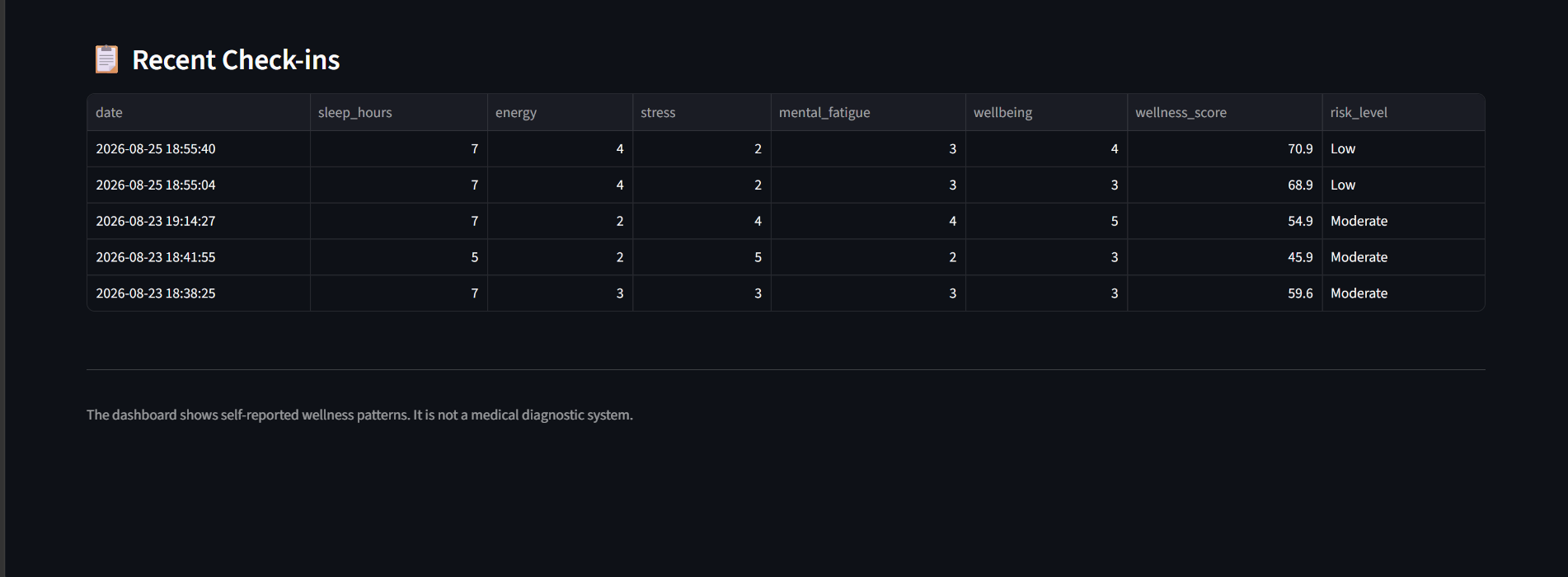
The dashboard also allows students to view their previous check-ins and understand how their wellness changes over time through trends and visualizations.
How we built it
We built Student Wellness using Python and Streamlit for the application, SQLite for storing user and wellness data, and Pandas and Plotly for data processing and visualizations.
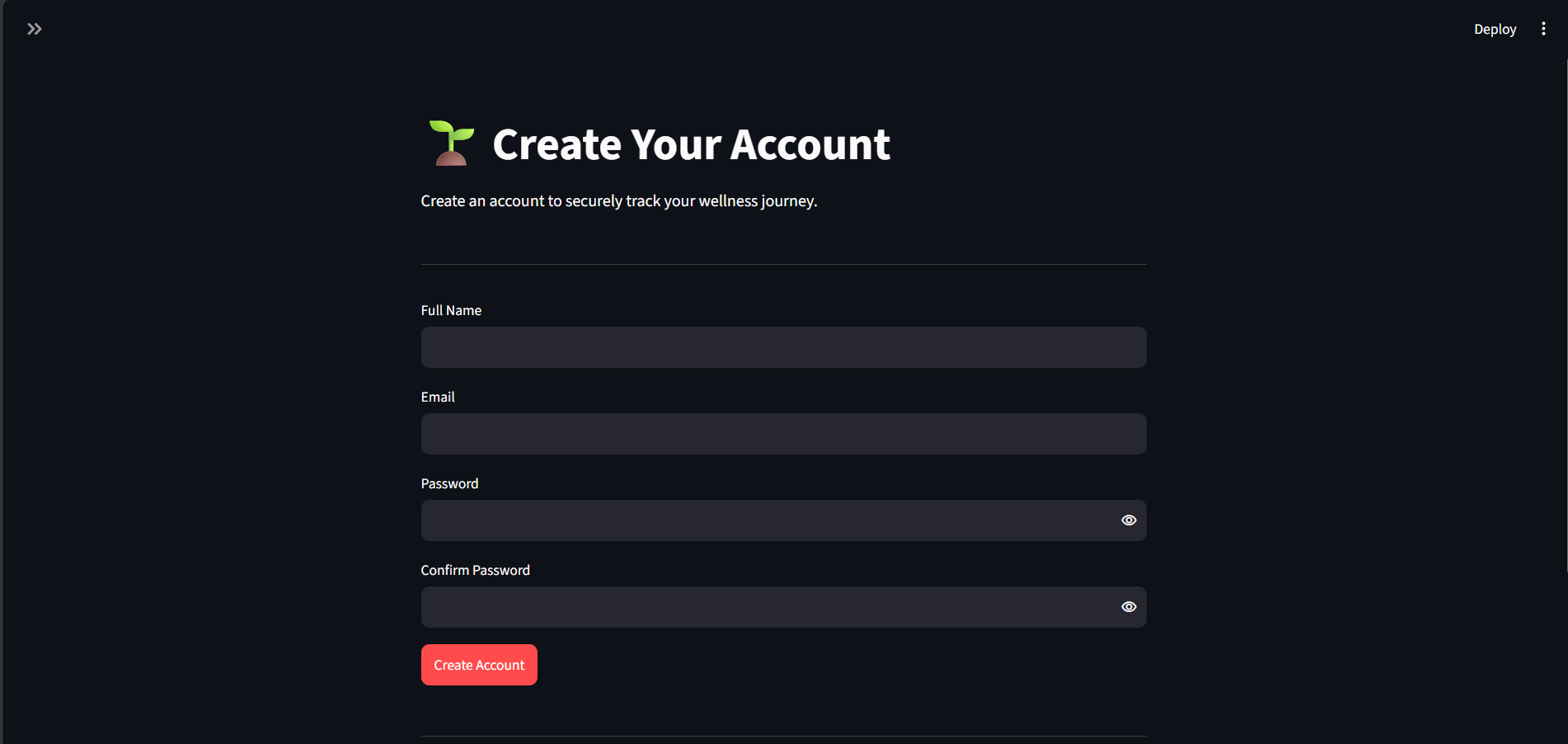
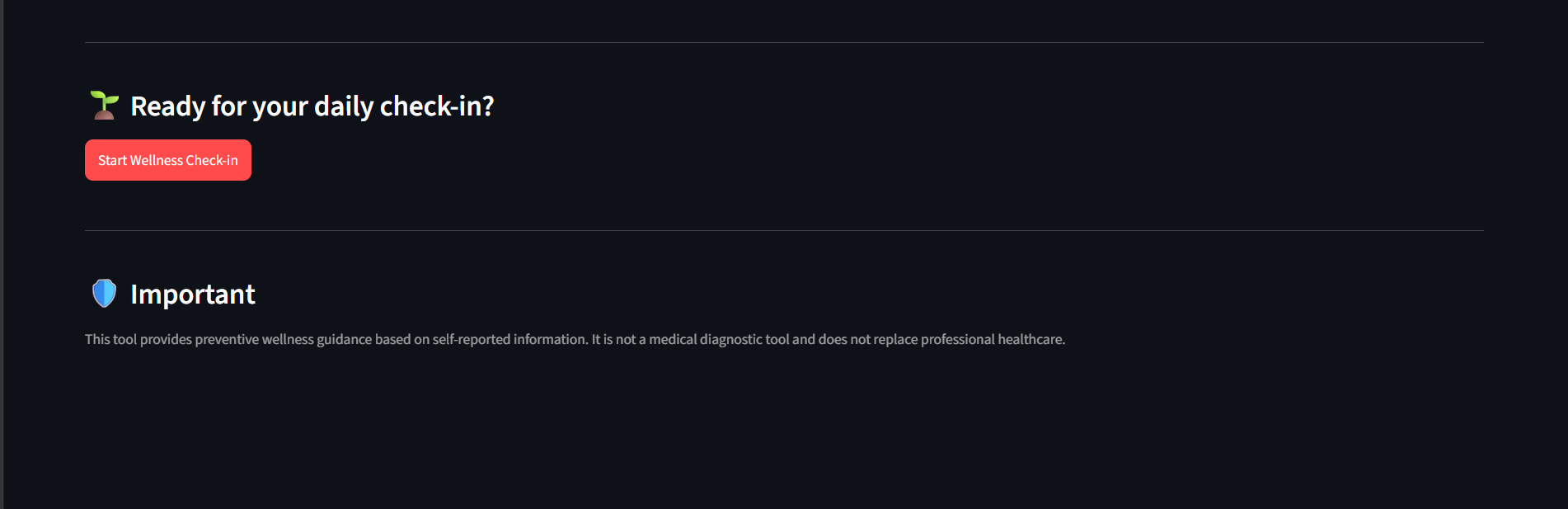
We created separate modules for authentication, wellness scoring, recommendations, and dashboard analysis. The application follows a simple flow: a student signs up, completes a daily check-in, receives wellness insights, and can return to the dashboard to track their progress.
Challenges we ran into
One of our biggest challenges was deciding how different factors should contribute to the overall Wellness Score. Sleep, stress, workload, energy, and mental fatigue all affect wellness differently, so we had to design a scoring approach that was simple enough to understand while still being meaningful.
We also faced challenges while implementing user authentication, storing user-specific records, connecting multiple Streamlit pages, and making sure the dashboard displayed useful information from previous check-ins.
Accomplishments that we're proud of
We are proud that we turned a simple idea into a working application that students can actually interact with.
We are especially proud of features like the Wellness Score and risk-level calculation, contributing-factor detection, personalized recommendations, trend visualization through the dashboard, and user-specific wellness history.
Most importantly, we are proud that the project focuses on early awareness rather than waiting until a student is already overwhelmed.
What we learned
This project taught us that building a useful application is about more than just writing code. We learned how to break a real-world problem into smaller technical components and connect them into one complete system.
We also gained practical experience with Streamlit, SQLite, data visualization, user authentication, Python modules.
Most importantly, we learned to think from the user's perspective and keep the application simple enough that someone would actually want to use it every day.
What's next for Student Wellness – Early Wellness Pattern Detection System
We want to make Student Wellness more intelligent and useful over time.
Some of our future plans include:
- AI-based wellness trend prediction
- More advanced early-warning pattern detection
- Personalized recommendations based on long-term patterns
- Wellness reminders and notifications
- Improved data visualization
- Anonymous, privacy-conscious wellness insights for institutions
- Cloud deployment so students can access their wellness data from anywhere
Our long-term vision is to help students recognize changes in their wellness before they turn into bigger problems, while keeping the system focused on awareness, privacy, and prevention.


Log in or sign up for Devpost to join the conversation.