Studenius — Study Smarter, Learn Better
Inspiration
Studying shouldn't feel like a constant battle between overwhelming notes, approaching deadlines, and trying to remember everything at once.
As a student, I've experienced how frustrating it can be to spend hours rereading materials, only to realize that I couldn't explain what I'd just studied. I wanted to build something that would make studying more active, personalized, and genuinely engaging.
That's where Studenius began.
Instead of creating another AI chatbot that simply answers questions, I wanted to build a learning companion that challenges students to think, practice, and understand what they're learning.
What It Does
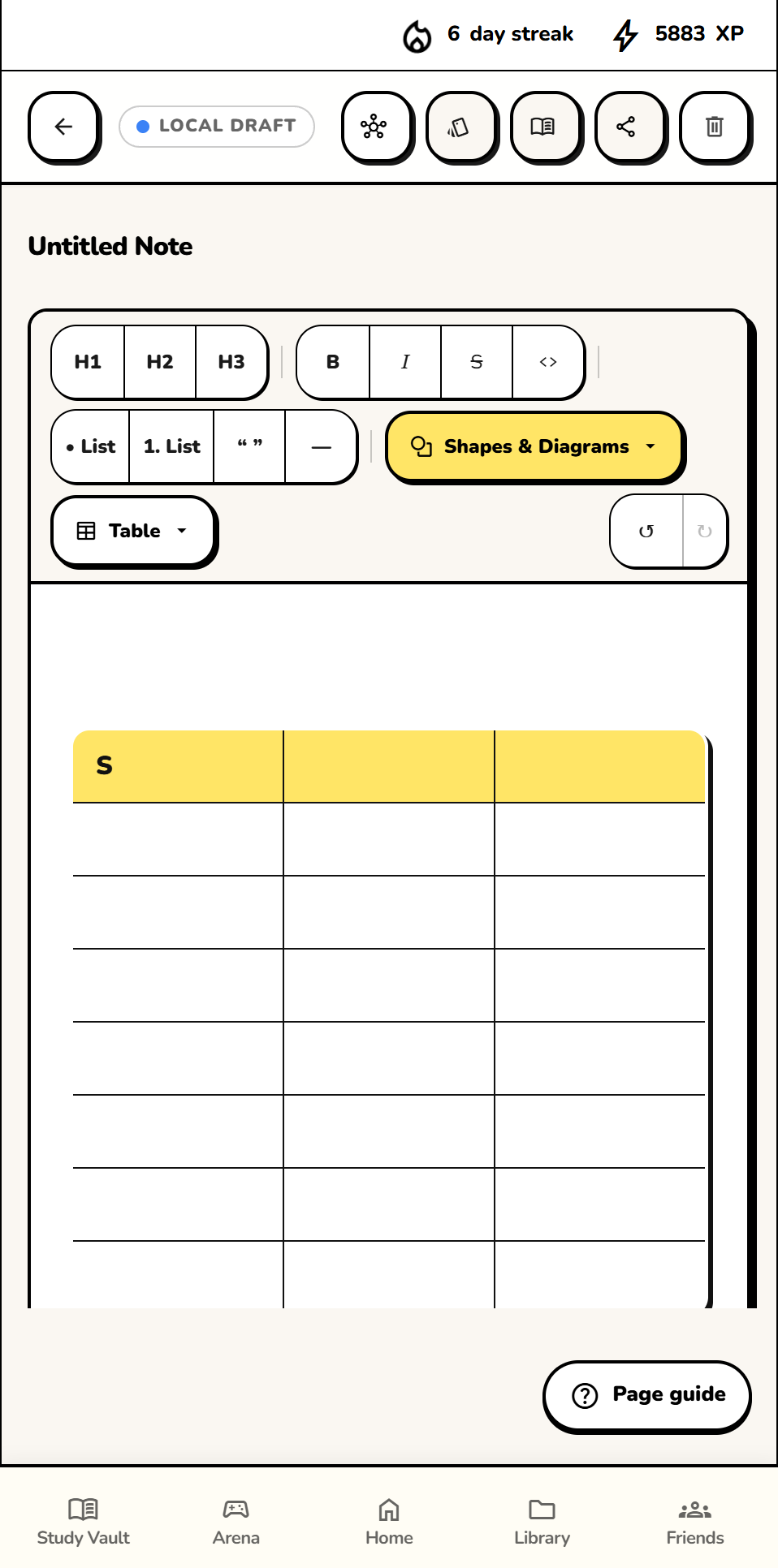
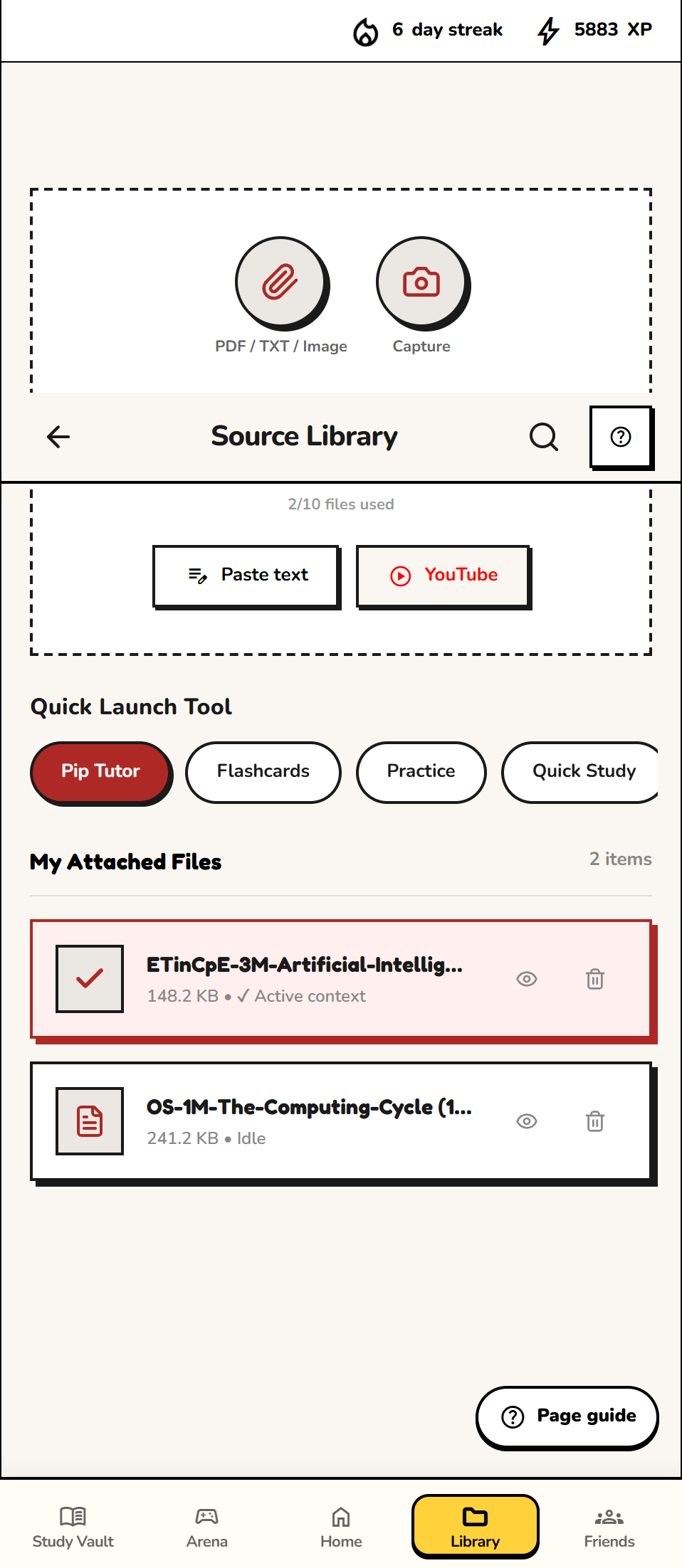
Studenius is an AI-powered, gamified learning platform that turns everyday study materials into interactive learning experiences.
Students can use their notes and documents to create personalized study sessions, practice difficult concepts, and identify areas that need more attention.
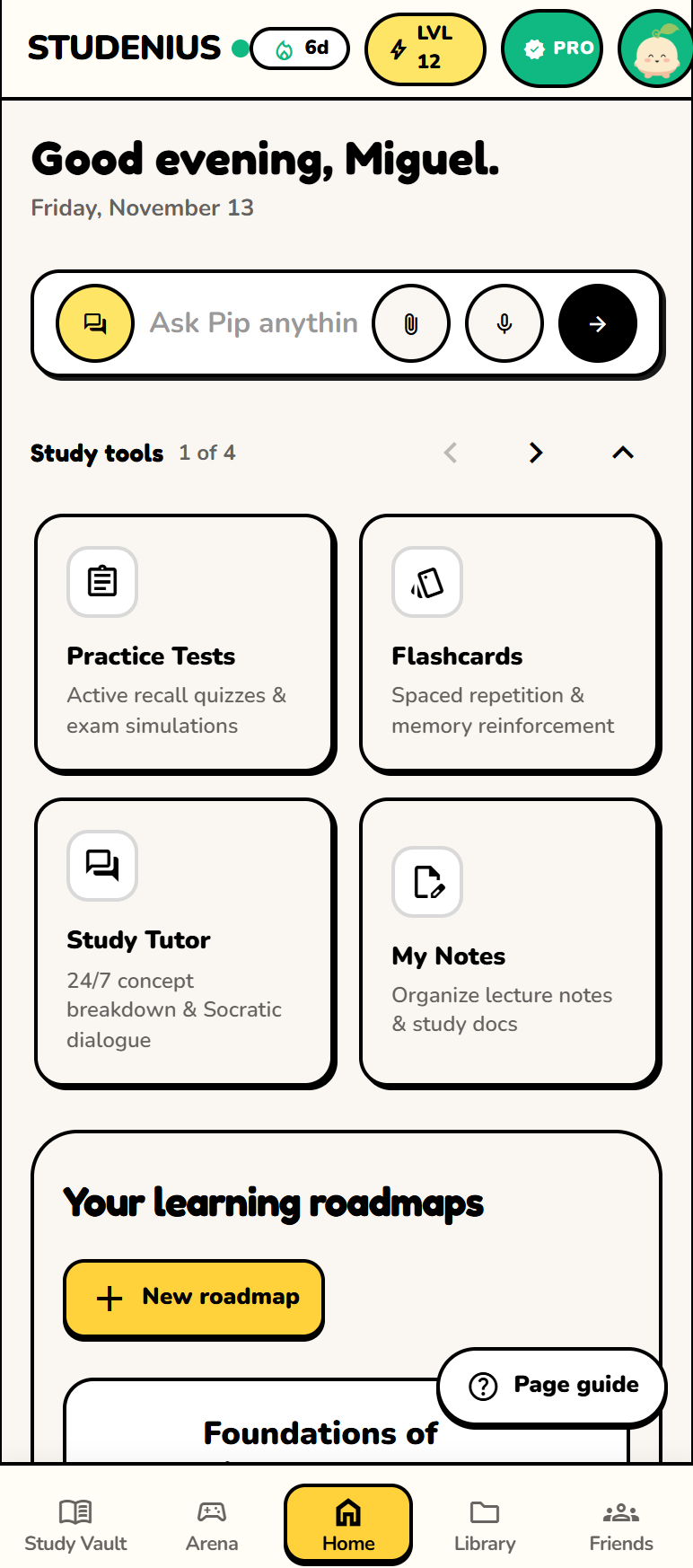
Some of its core features include:
- AI-Powered Quizzes: Generate practice questions from learning materials and reinforce concepts through active recall.
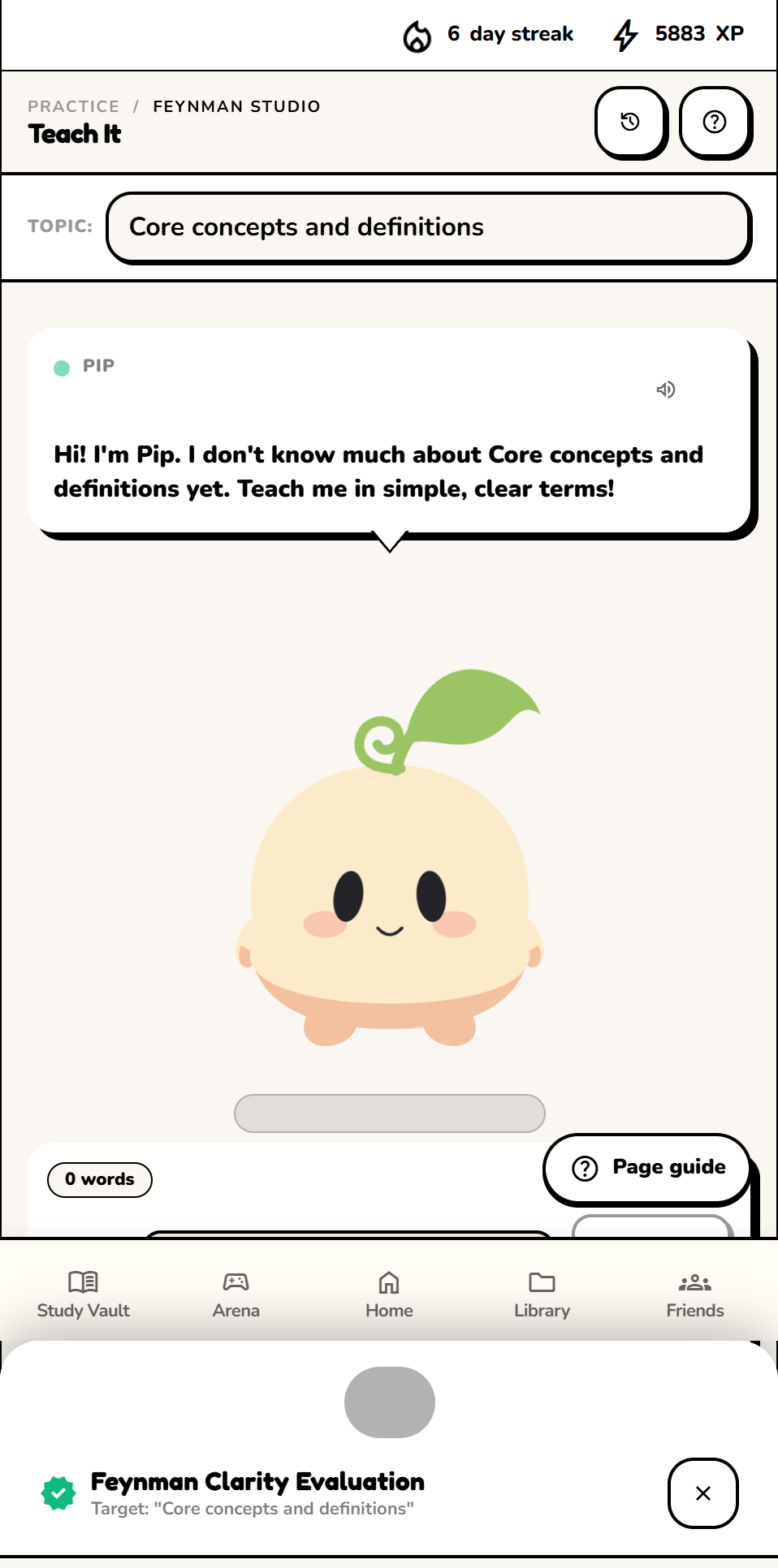
- Pip, the AI Study Companion: An interactive tutor designed to help students work through concepts rather than simply memorize answers.
- Adaptive Learning: Revisit challenging questions and receive additional explanations or hints.
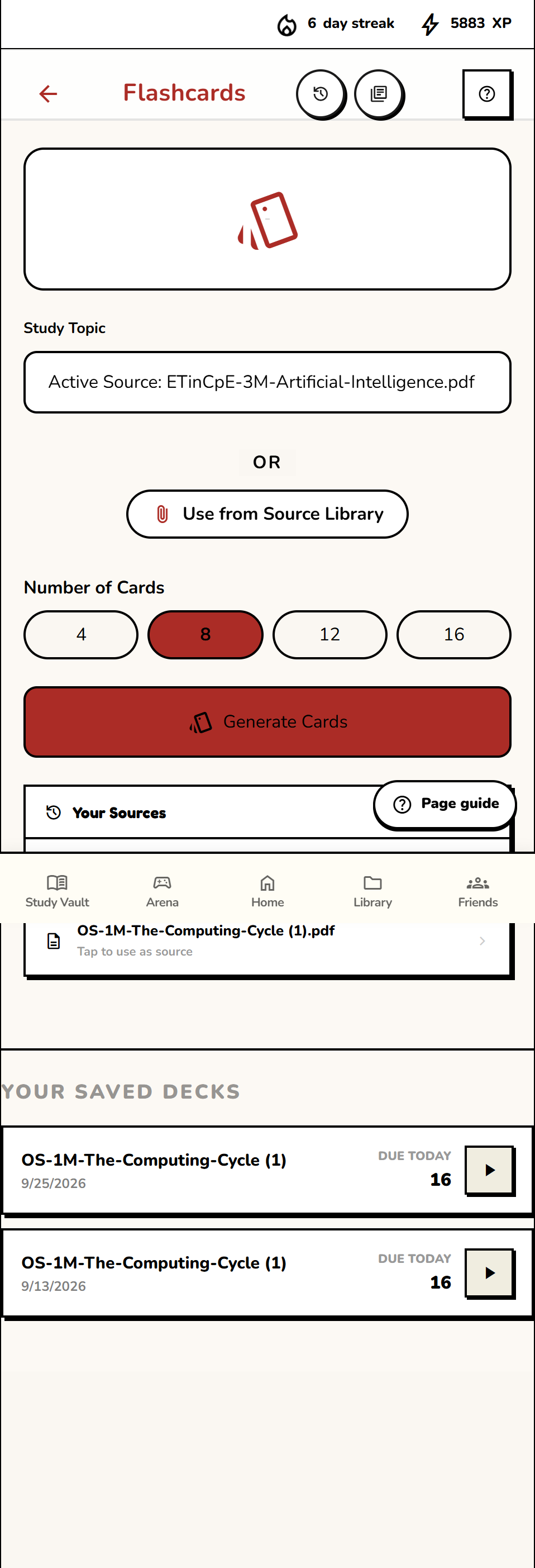
- Flashcards and Spaced Revision: Practice remembering information over time.
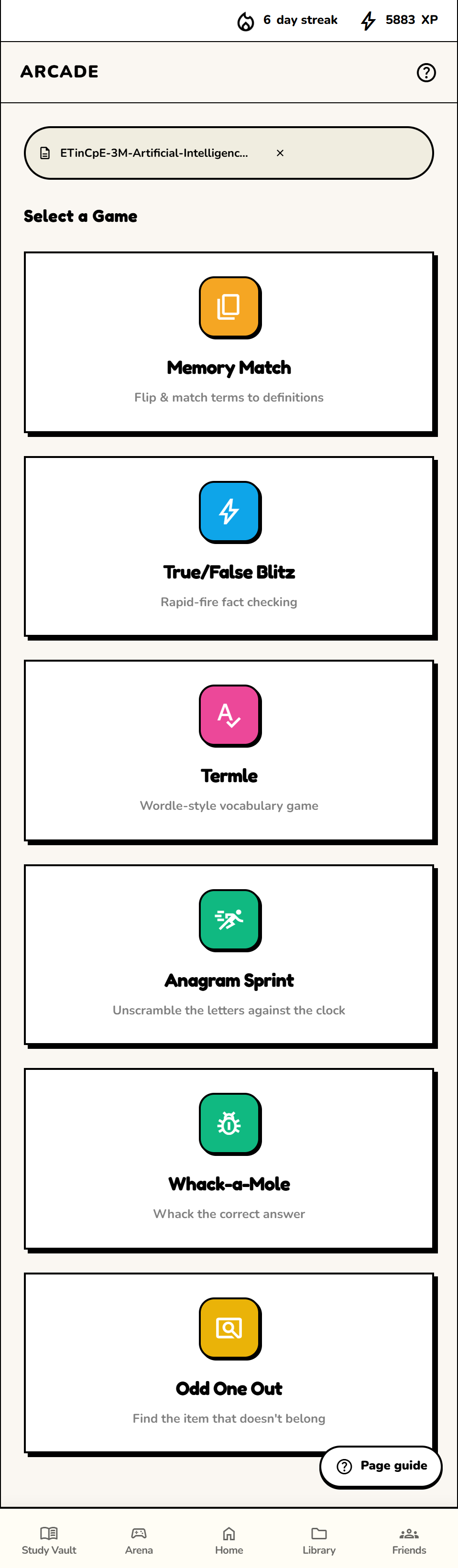
- Multiplayer Knowledge Arenas: Make studying more engaging through friendly academic competition.
- Campus Vault: A space for sharing and discovering educational resources.
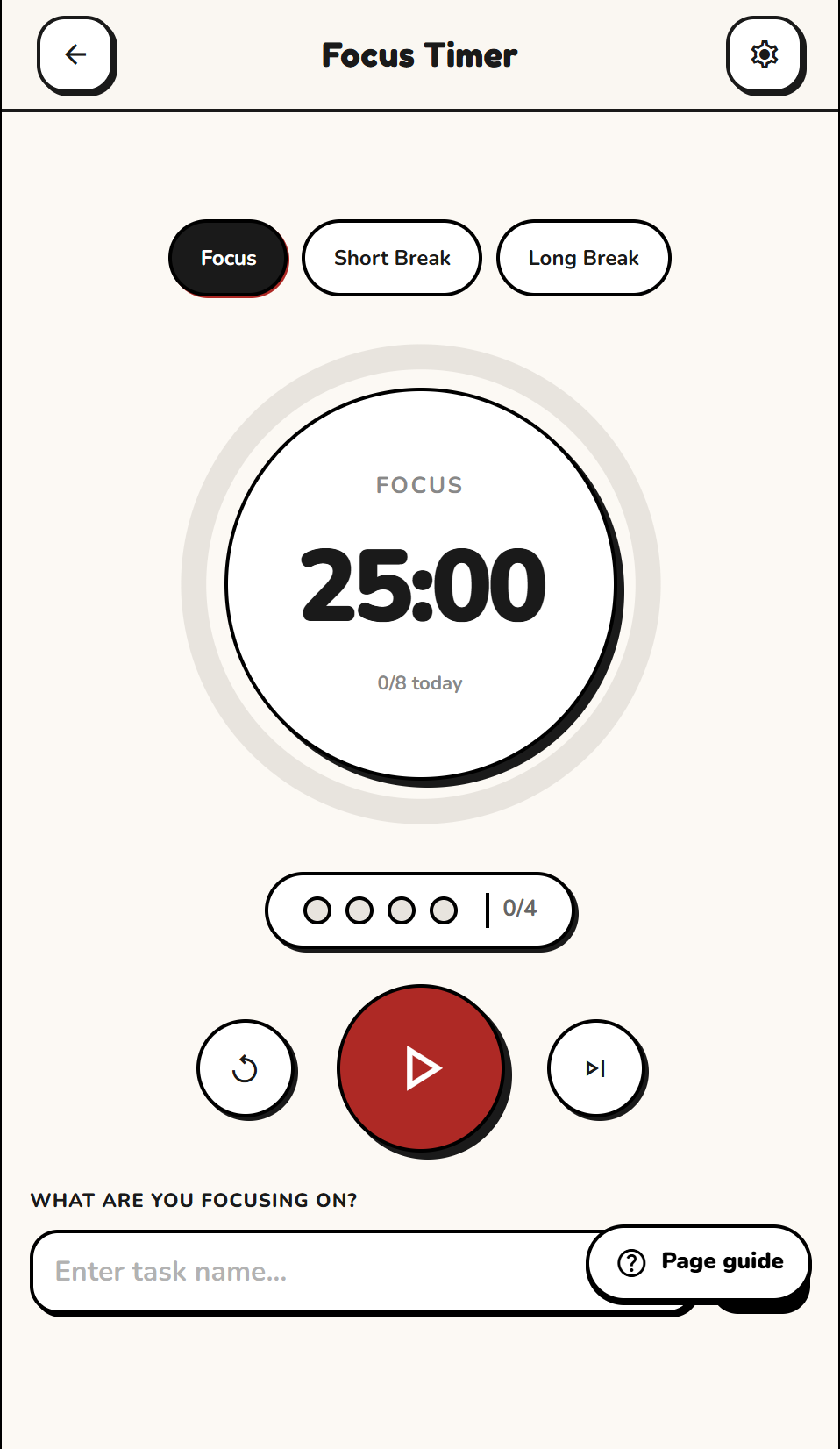
- Progress Tracking: Help students understand their learning activity and study habits.
The goal isn't just to make studying faster. It's to make the time students spend learning more meaningful.
How We Built It
Studenius was developed as a React and TypeScript application, using Vite for development and Tailwind CSS for its interface.
For authentication, user profiles, and persistent learning data, we incorporated Supabase.
The AI system uses integrations with language model providers, including NVIDIA Nemotron through Nebius Token Factory and NVIDIA NIM, alongside Groq-powered functionality.
These integrations support features such as question generation, explanations, and interactive learning sessions.
We also used Cloudflare Workers for backend functionality and React-based interactive components to make the learning experience more responsive and accessible.
Rather than approaching Studenius as a single AI feature, we designed it as a connected learning environment, combining study tools, progress systems, social learning, and monetization.
Integrating PayPal
Making useful educational technology sustainable is an important part of building Studenius.
The platform includes a free learning experience alongside Studenius Pro, an optional premium tier designed for students who want access to additional AI-powered capabilities.
We integrated PayPal as a checkout option within the upgrade interface, giving students an additional way to access paid features.
The current implementation includes:
- A PayPal payment option in the Studenius Pro interface.
- Checkout links for available subscription plans.
- A backend webhook endpoint designed to receive PayPal payment events.
- Database integration intended to support premium account activation.
The checkout interface and webhook foundation are implemented, while secure payment verification and reliable automatic subscription activation remain areas for further development.
Our longer-term goal is to make upgrading seamless while ensuring payment confirmation and account entitlements are handled securely.
Challenges We Faced
One of our biggest challenges was making the different parts of Studenius work together.
Generating AI questions is relatively straightforward. Building a learning experience around those questions is much harder.
We had to consider how students would navigate between studying, practicing, reviewing mistakes, and tracking their progress without feeling overwhelmed.
Another challenge was balancing AI capabilities with responsiveness. Different learning activities require different levels of reasoning, and a study tool needs to remain usable even when external AI services are slow or unavailable.
Integrating payments introduced an entirely different set of engineering considerations, particularly around payment event verification, matching transactions to user accounts, and ensuring that premium access is granted only after a legitimate payment.
These challenges helped us understand that building a complete product involves much more than connecting APIs.
What We Learned
Building Studenius reinforced an important lesson: good educational technology should help students learn, not simply produce answers for them.
We learned more about working with AI model APIs, database-backed applications, authentication, interactive frontend development, and payment integration.
We also gained a greater appreciation for the importance of accessibility, clear user experiences, and designing features around actual student needs.
Most importantly, we learned to think beyond the prototype and consider what it takes to build a useful, maintainable product.
What's Next?
Studenius is still evolving.
Our next priorities include completing the secure PayPal subscription lifecycle, improving AI-generated learning feedback, expanding adaptive revision, and refining the overall student experience.
We also want to make Studenius more accessible to students who have limited resources or cannot afford expensive tutoring services.
Ultimately, our vision is simple:
To make high-quality, personalized studying more accessible, engaging, and effective for every student.
Studenius isn't about replacing teachers or the effort required to learn. It's about giving students better tools to make that effort count.
Built With
- capacitor
- cloudflare-workers
- framer-motion
- groq
- javascript
- nebius-token-factory
- nvidia-nemotron
- nvidia-nim
- paypal
- react
- react-three-fiber
- supabase
- tailwind-css
- three.js
- typescript
- vite
- vitest
