
I have been working on this project for nearly a year now, and it began from a place of deep frustration with my own academic habits. Over the past couple of years, my attention span deteriorated significantly. Whenever exam season approached, trying to study a dense, hundred-slide lecture PDF felt almost impossible. My mind would wander, I would highlight sentences aimlessly, and when test day arrived, none of the information had actually stuck. Traditional flashcard apps felt dry and disconnected from my actual classes, while generic chatbots simply spoon-fed me direct answers, completely bypassing the cognitive effort required to learn. I knew I needed to build something that could actively anchor my focus and force my brain to retain information, but getting there proved to be a humbling journey.
For the first few months, I fell into every classic trap a solo developer can encounter. I obsessed over the landing page, spent weeks tweaking animations that did not matter, and ended up with a bloated, confusing abomination of a user interface. When I finally stepped back and compared what I had built to real applications people rely on every day, I had to confront an uncomfortable truth: what I had created was clunky, overwhelming, and completely failed to solve the problem I had set out to fix. It was a painful realization after months of effort, but it was the turning point I needed to scrap the vanity work and rebuild from scratch.
How I built it
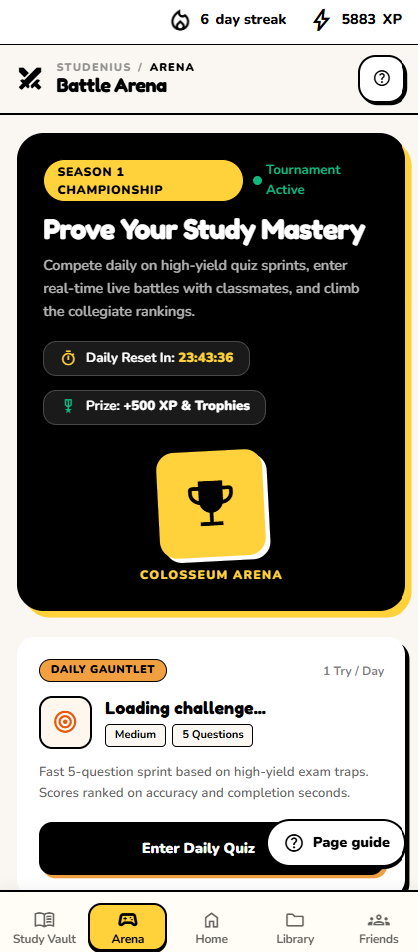
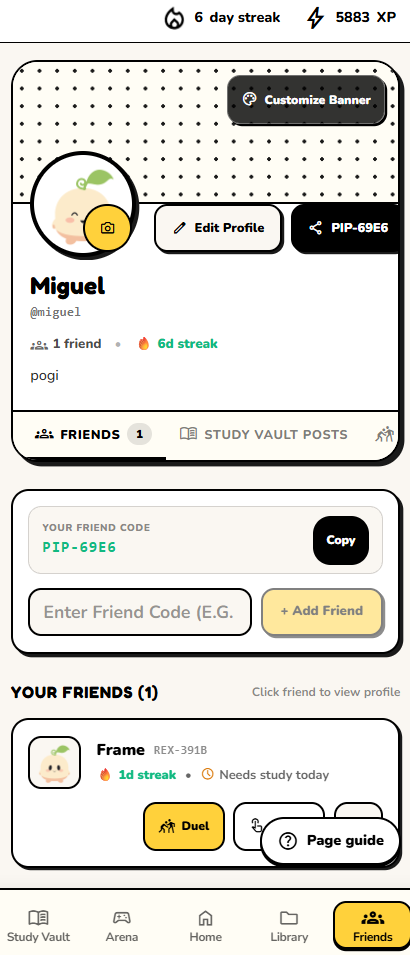
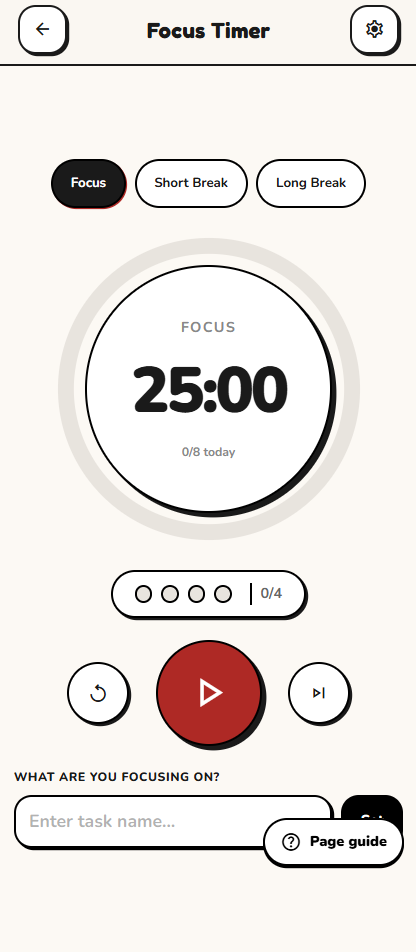
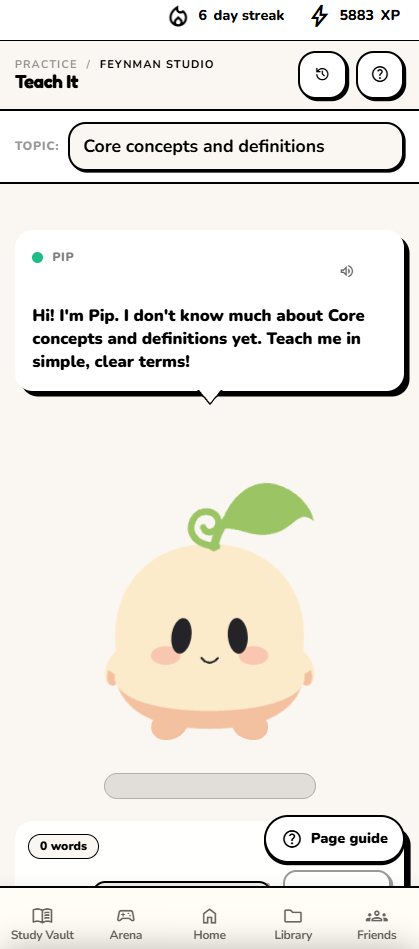
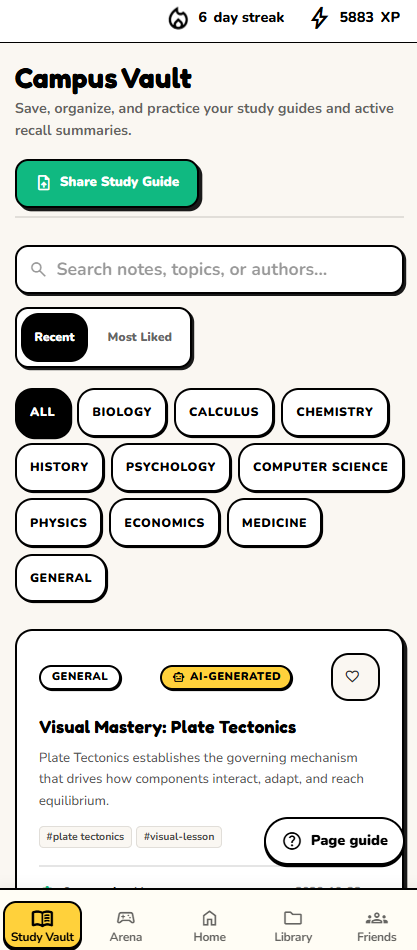
I tore down the original design and started over with a unified, distraction-free dashboard where a student can jump into studying without getting lost in menus. I ensured the entire experience was fully responsive on mobile so revision could happen anywhere, whether waiting for a bus or between classes. I introduced Pip, a small and supportive study companion designed to make academic preparation feel less isolating.
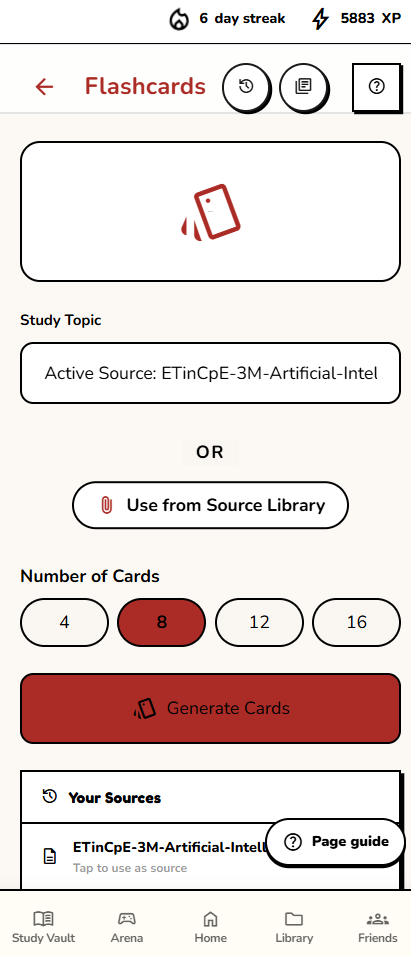
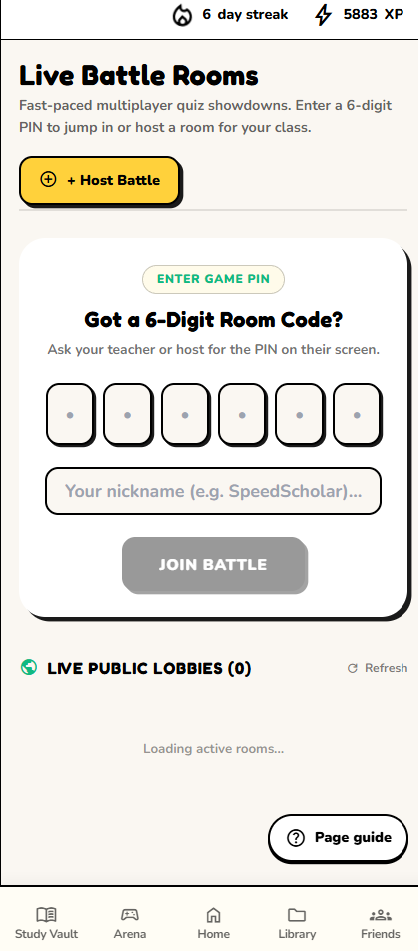
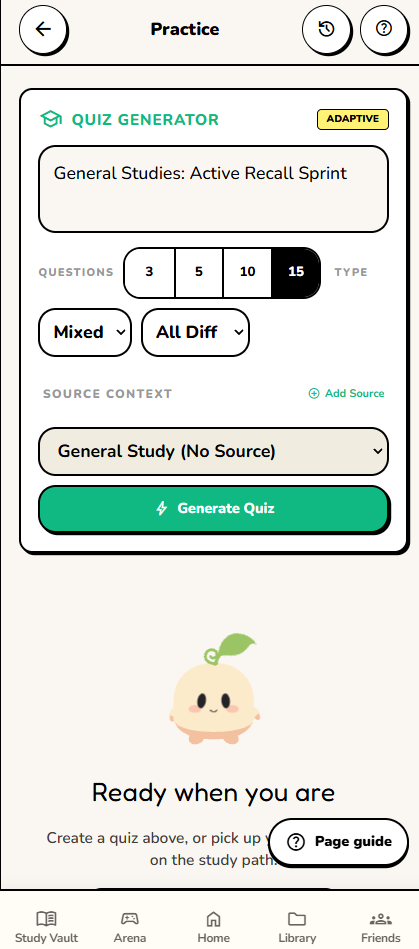
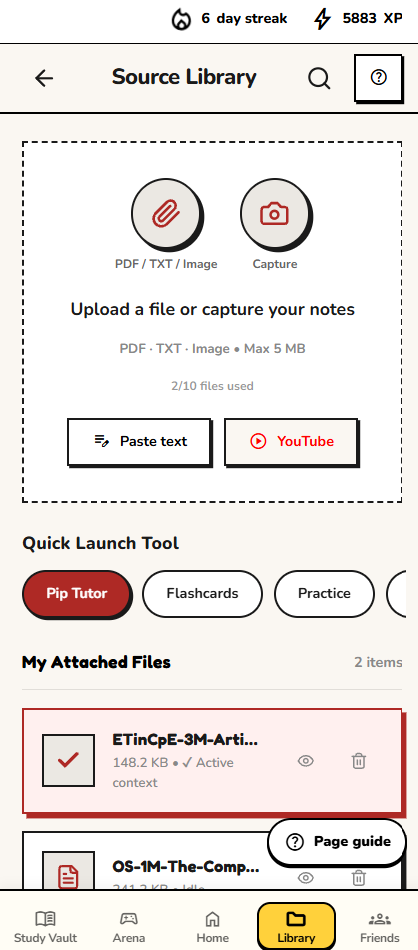
Instead of encouraging passive re-reading, I structured the platform around proven cognitive science techniques. Students drop in their course documents to generate active recall tests, take on rapid-fire arcade challenges to build quick retention against the clock, and enter a dedicated Feynman studio where they learn by explaining concepts back to Pip in their own words.
The technical backbone is engineered for speed and privacy. The frontend is built with React, Vite, and TypeScript, backed by Supabase for user synchronization. To power the intelligence, client requests are routed server-to-server through Cloudflare Pages Functions directly into NVIDIA NIM inference, running NVIDIA's Nemotron 3.5 Bolt on enterprise GPUs, with dual-failover to a 70-billion-parameter Nemotron model on Nebius Token Factory. This architecture allows the platform to analyze entire slide decks, extract high-yield concepts, and produce comprehensive multiple-choice exams with detailed distractor rationale in under four seconds, while keeping all API credentials securely encrypted on the backend.
Challenges we Faced
The earliest and most humbling obstacle was admitting that months of initial design work were ineffective. Redesigning for students with short attention spans required strict discipline to strip away visual clutter, eliminate unnecessary clicks, and ensure every essential tool was accessible within two taps on a mobile screen.
The next major hurdle was pedagogical. Most general-purpose language models are eager to give away direct solutions, which ruins the learning process. Training the system to act like a true Socratic tutor—grounding itself strictly in the student's uploaded slides, asking probing questions, and offering progressive analogies rather than spoiling answers—demanded rigorous prompt engineering and strict JSON schema validation.
Finally, integrating enterprise AI APIs into a browser environment presented significant security and cross-origin challenges. Because direct browser calls to specialized model endpoints are blocked by browser security policies and risk leaking private tokens, we engineered a dedicated serverless edge proxy that safely bridges client requests to NVIDIA and Nebius infrastructure.
What weve learned
This project taught me that complexity is the enemy of genuine learning. Students do not need dozens of confusing settings; they need a clean, immediate space to upload their notes and start testing their recall. I also learned that specialized reasoning models like NVIDIA's Nemotron family provide vastly superior discipline for structured educational outputs and distractor analysis compared to generic conversational bots.
Most importantly, Studenius transformed from an embarrassing, broken prototype into the very tool I now depend on every day to pass my university exams. For anyone who has ever felt like their own attention span is working against them, my hope is that Studenius proves studying does not have to be an exhausting battle—it simply requires the right system to bring focus back to life.
