-
-
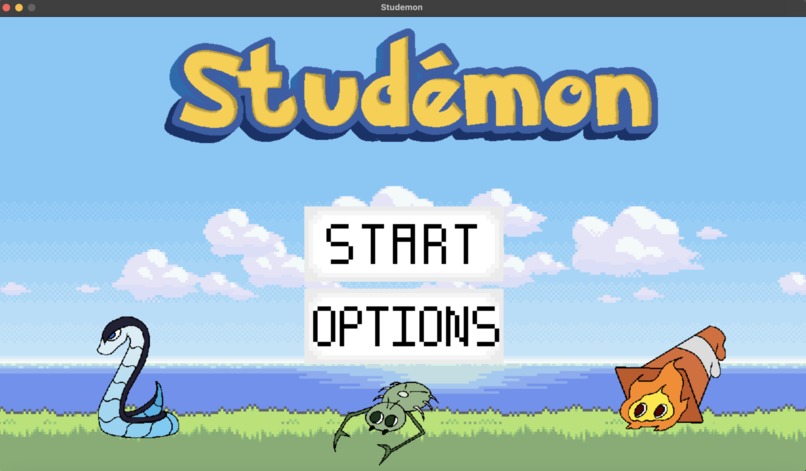
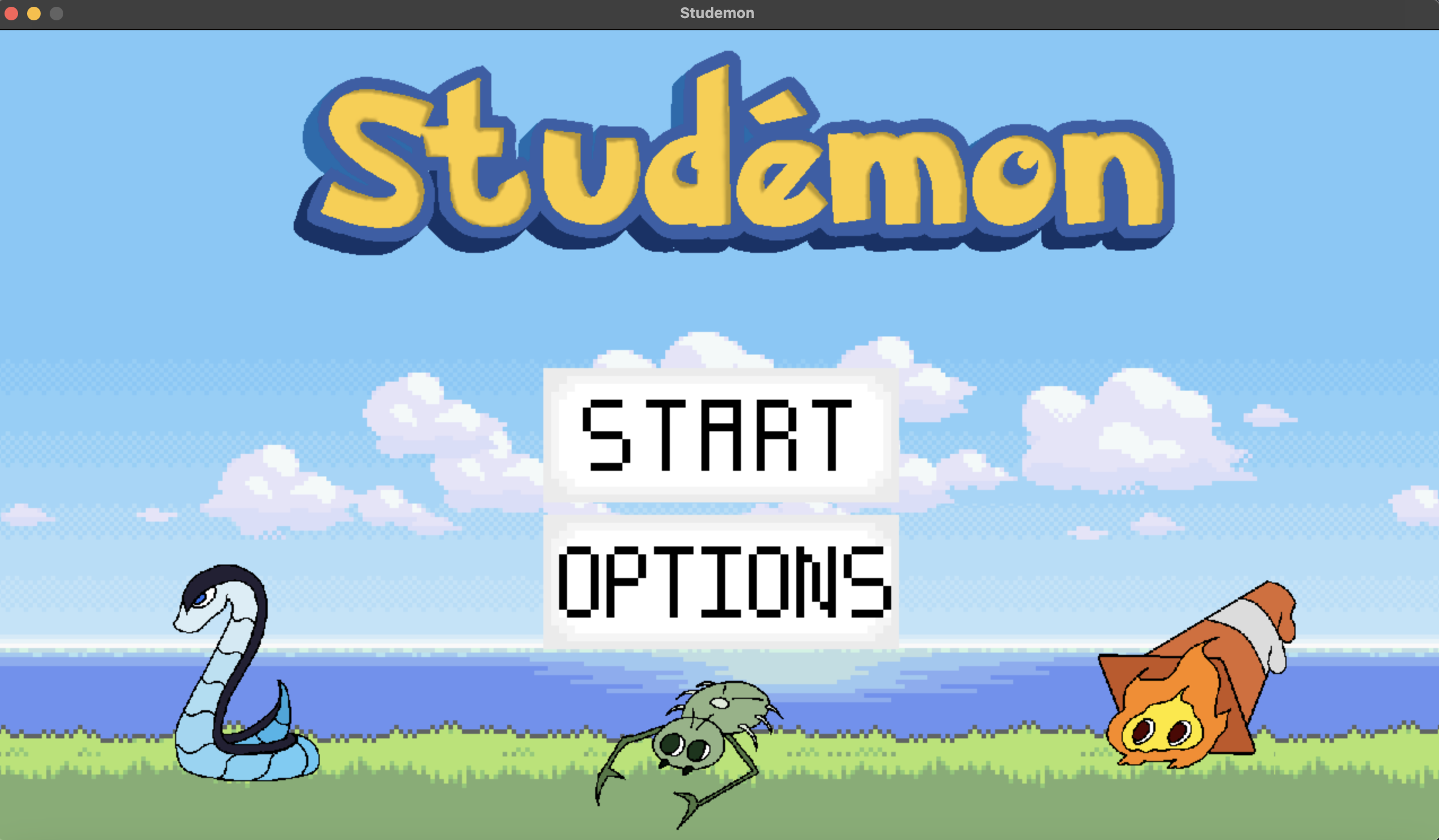
The title screen
-
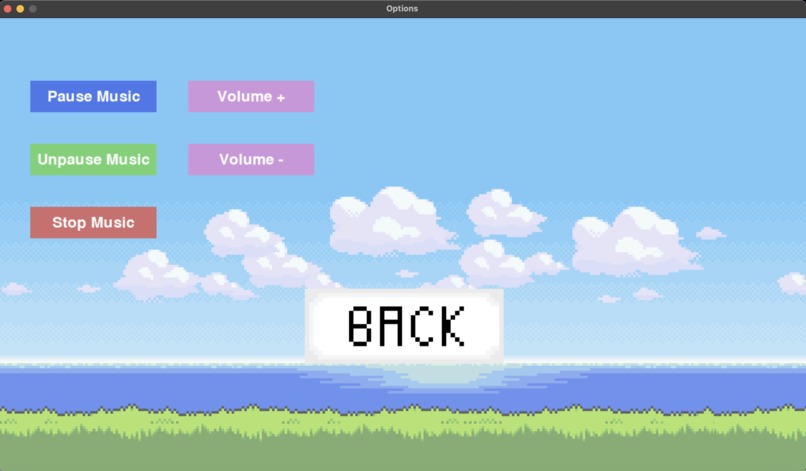
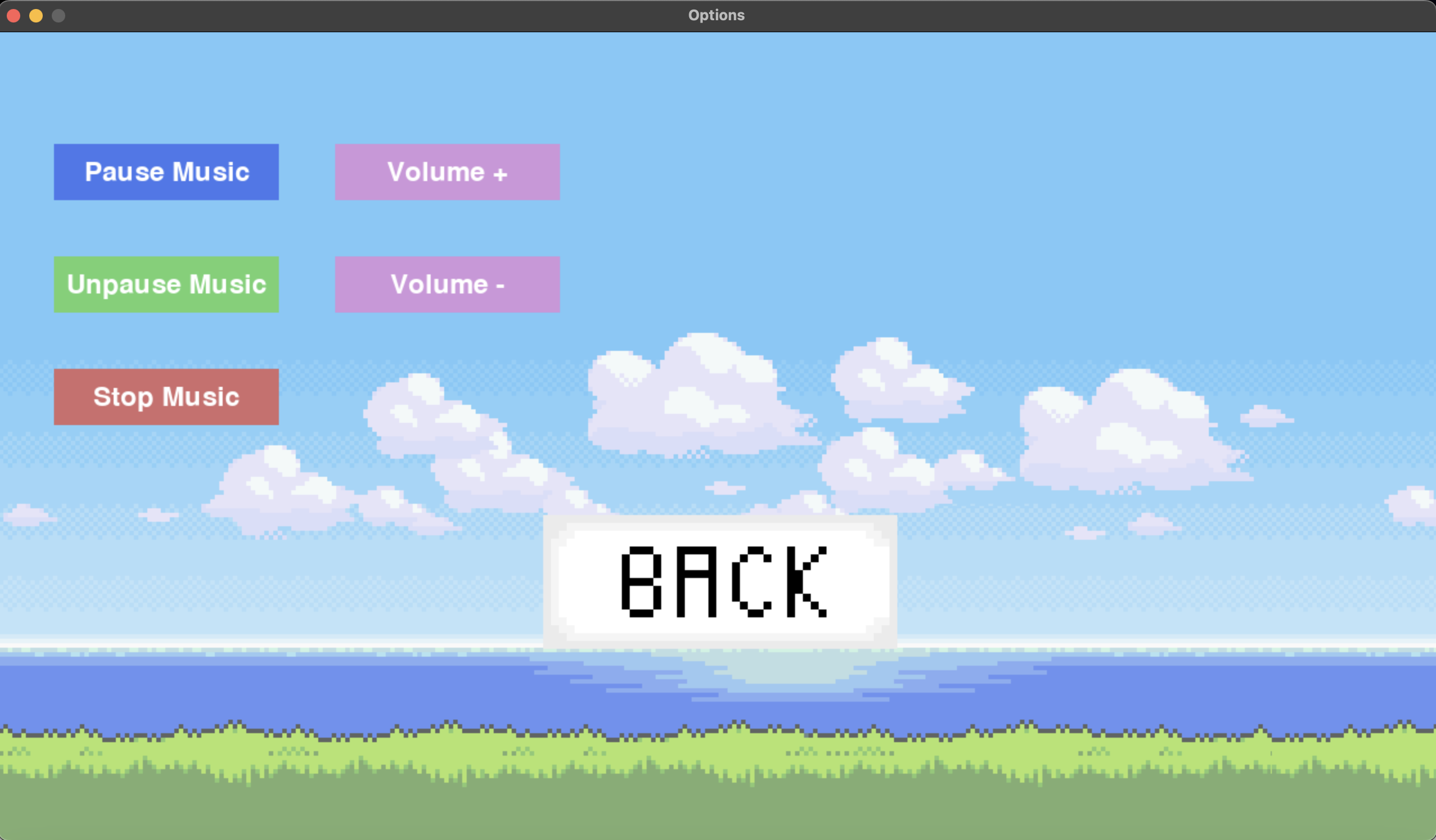
The options screen, with music controls
-
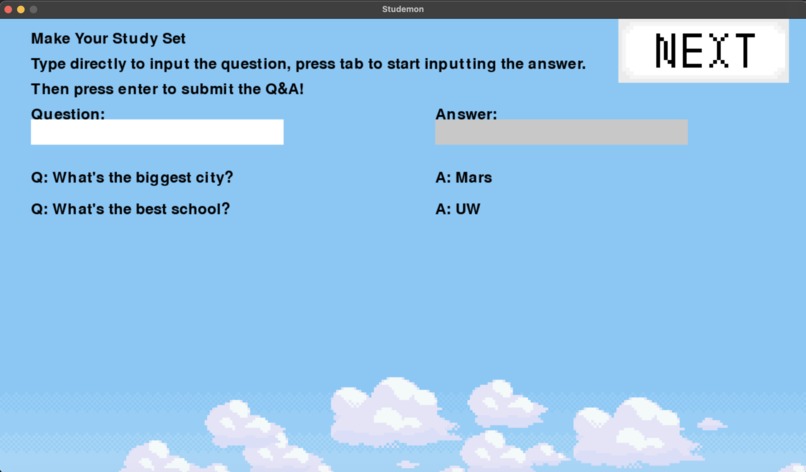
The Q&A study set screen
-
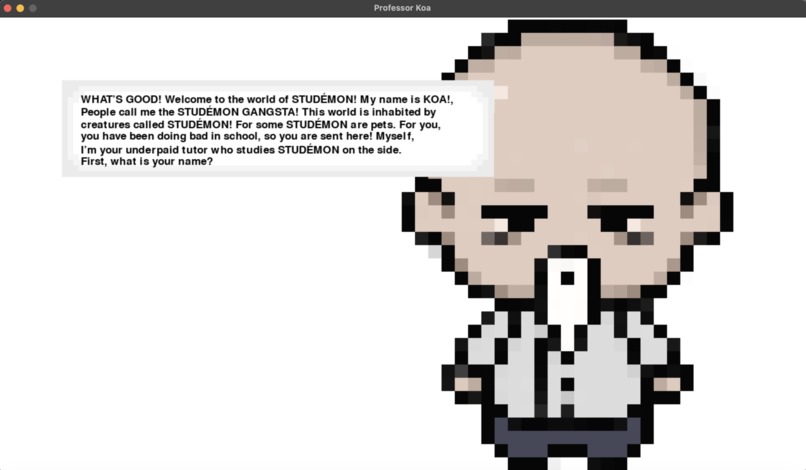
Meeting Professor Koa and game lore
-
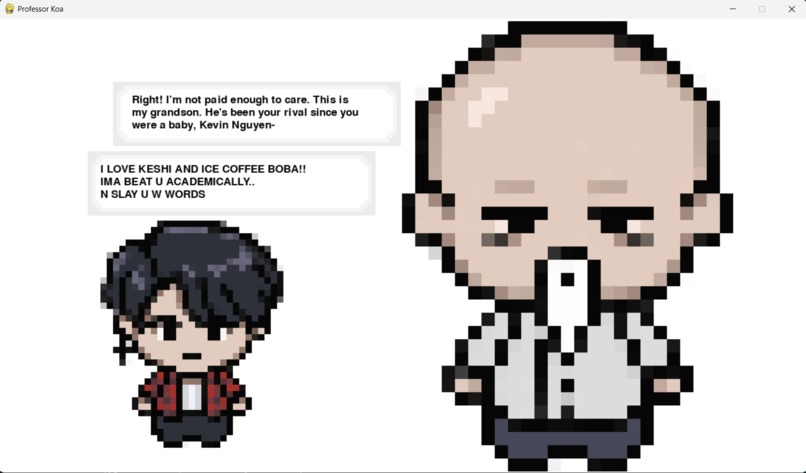
Meeting his grandson Kevin and more game lore
-
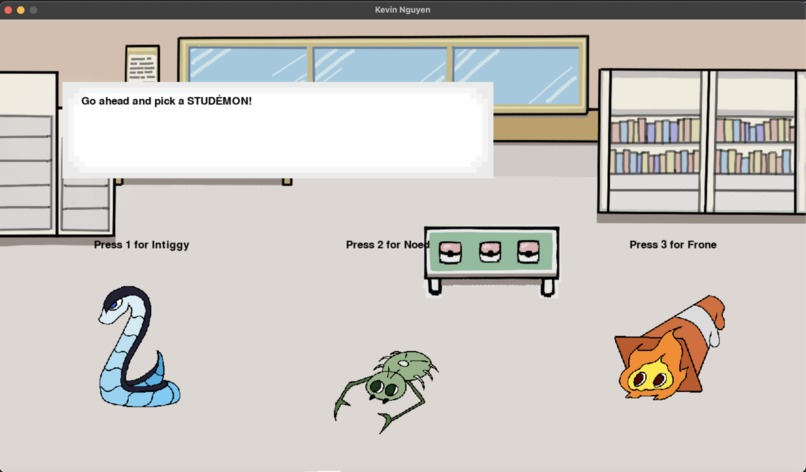
Choosing a starter Studémon
-
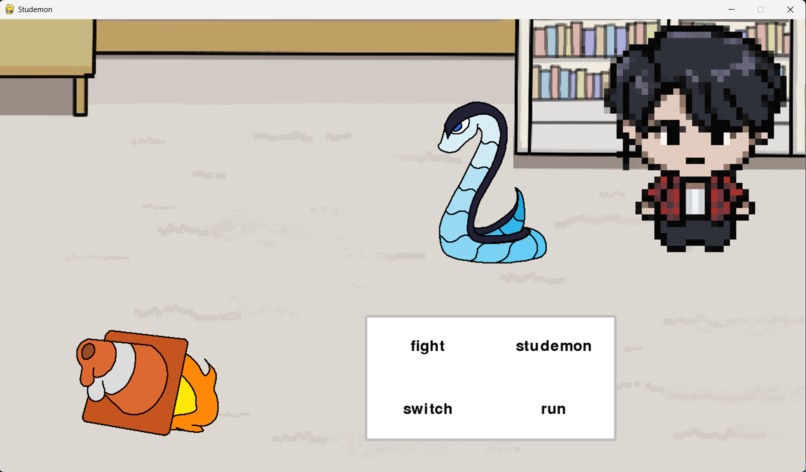
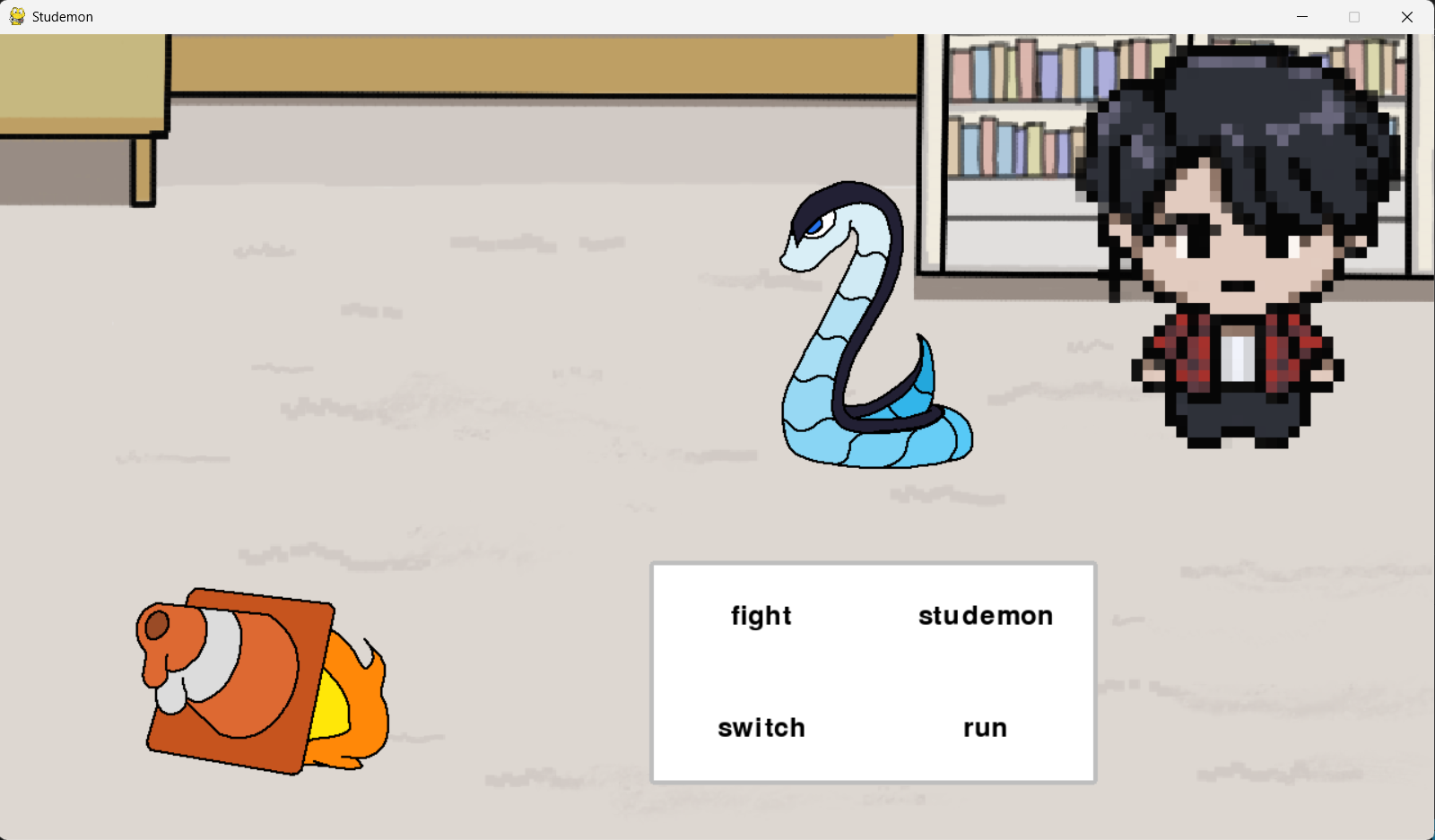
Battling Kevin for the first time
-
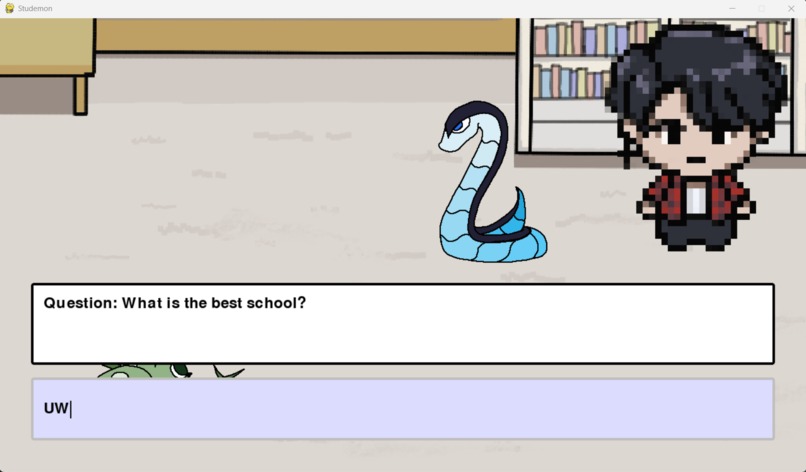
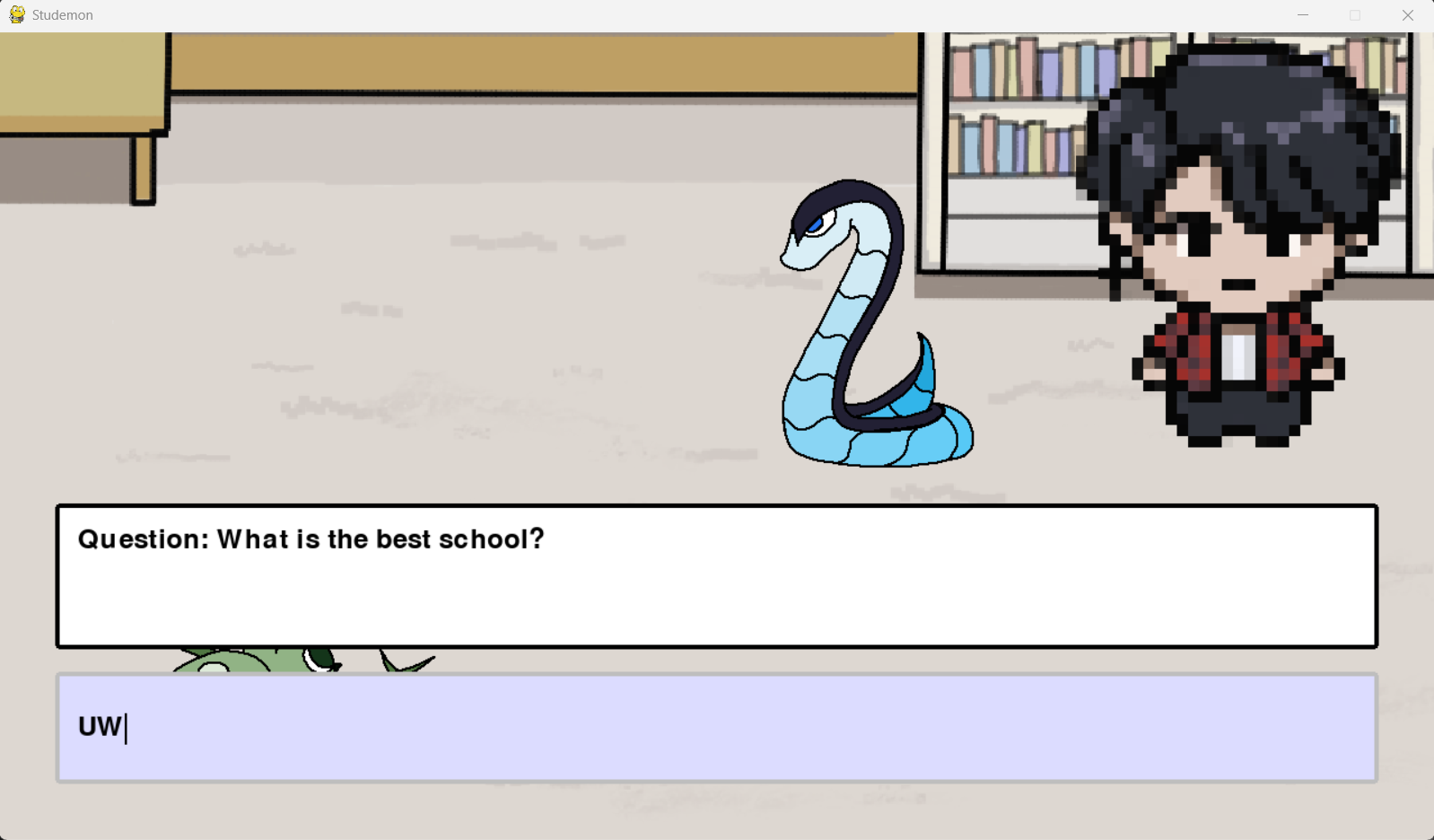
Inputting the correct answer to attack
-
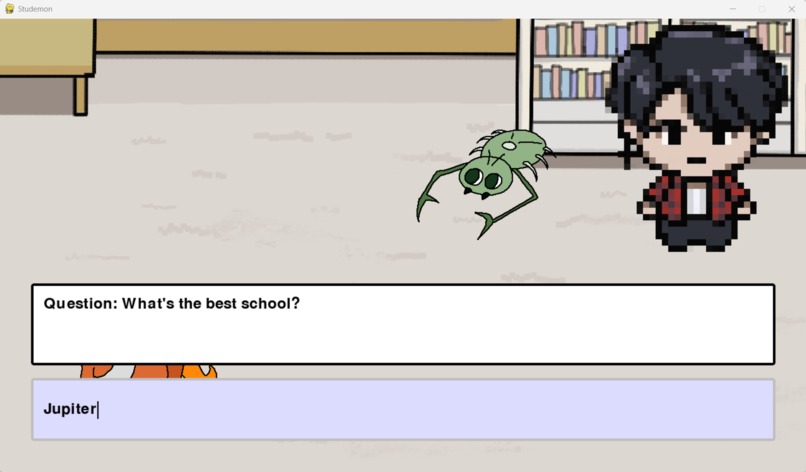
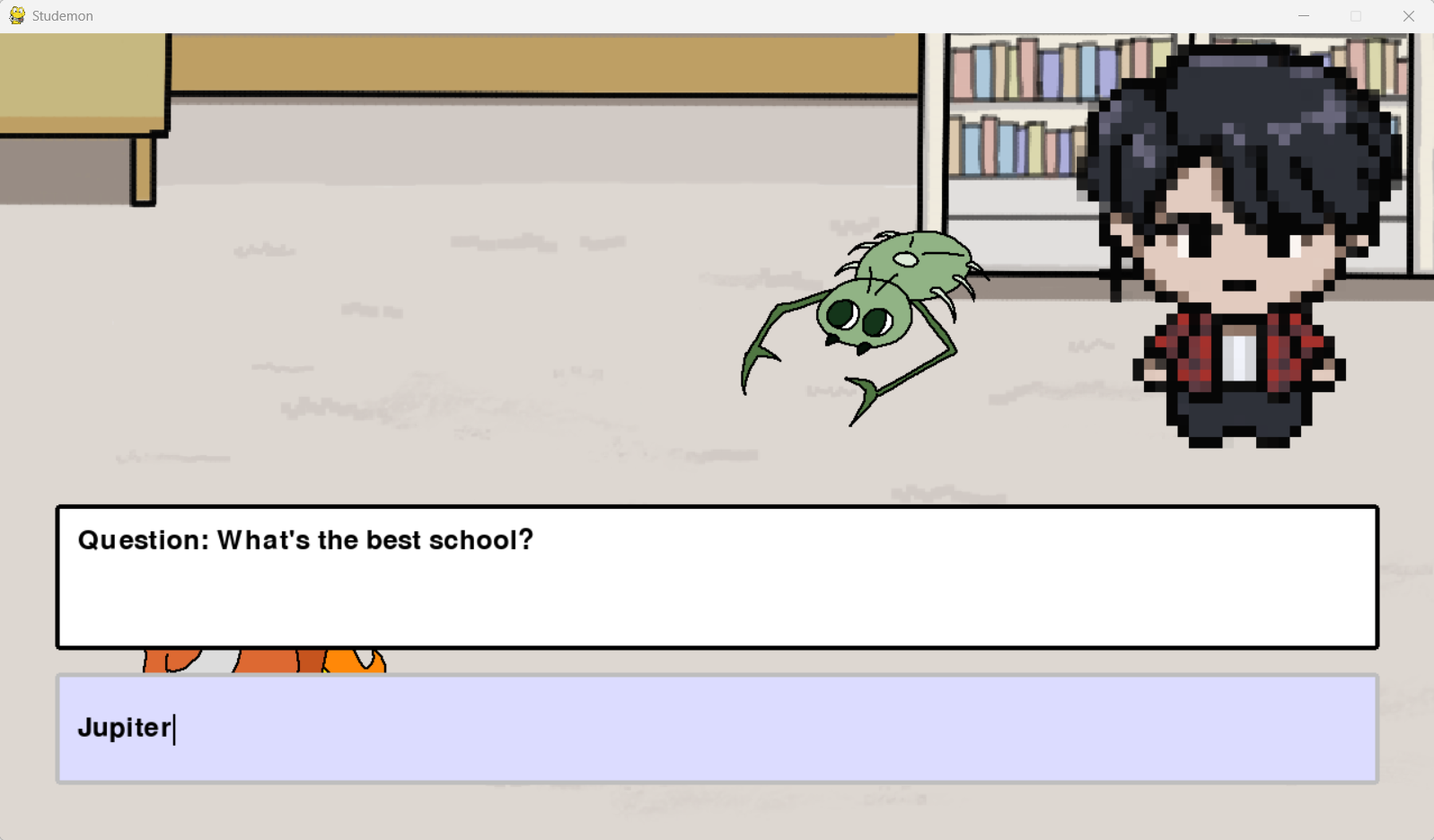
Inputting the wrong answer and failing to attack
-
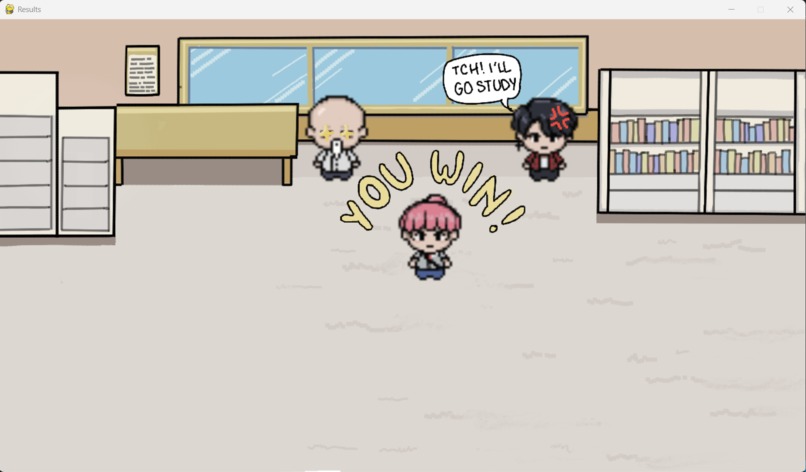
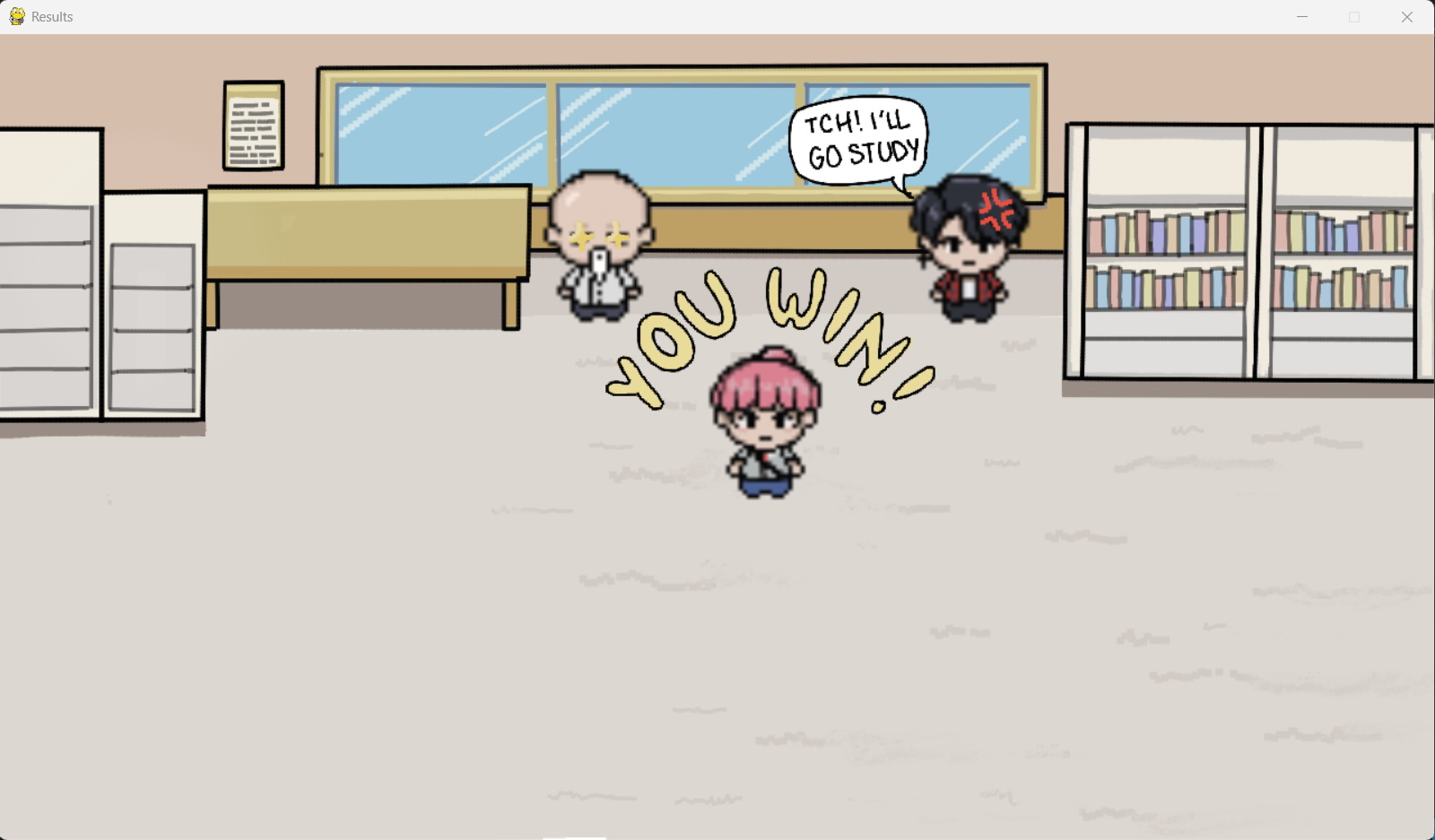
Winning the battle!
-
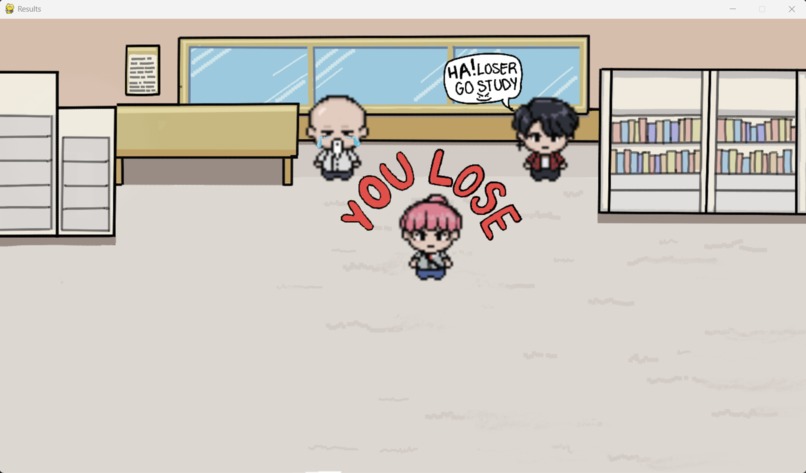
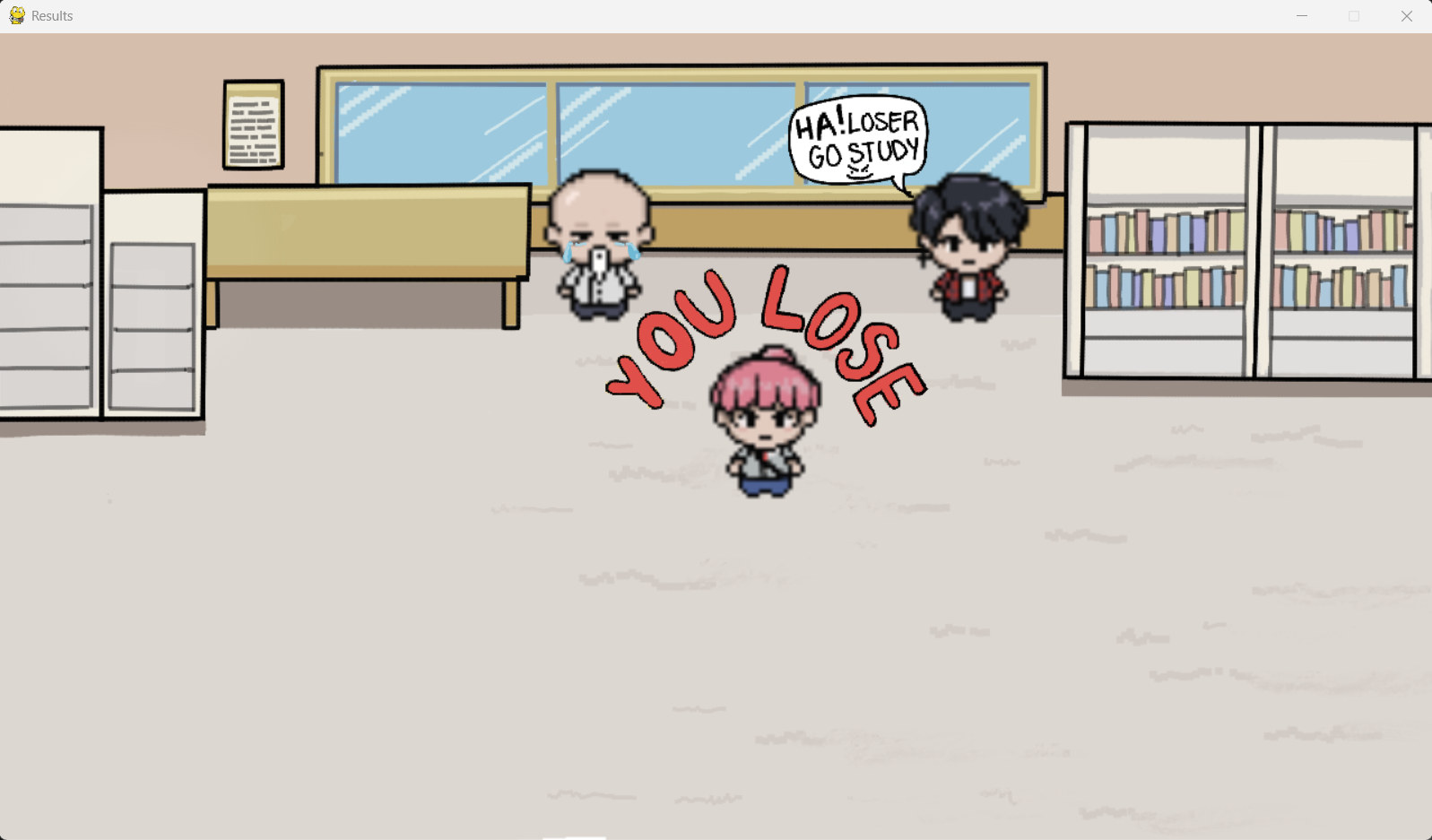
Losing the battle!


Inspiration
Pokémon is a staple game throughout many of our childhoods. This popular franchise has been one of our favorites and we wanted to utilize our passions to create something that can improve the study habits of other peers and kids/teens. Many younger students become gamers so naturally they will respond better to a learning challenge when we are able to "gamify" their experience.
What it does
This application is used as a study app for students who want to experience the feeling of playing a game while proactively working on learning topics for school through recollection. It acts like a study set that quizzes students and incorporates a fun challenge for young minds. The students will begin by inputting the questions and answers that they want to study during their session. They will then get to battle, catch, and explore the world of Studémon while being required to actively recall the answers to their selected questions in order for their Studémon to perform attack moves.
How we built it
We considered multiple technologies for building a game such as Unity or even Electron, but we ended up going with Pygame since we wanted to learn more Python syntax and Pygame is a staple library for building all types of games in the community (despite being a bit challenging to learn to work with). As for the art, we went with Procreate and Aseprite since we had experience using them and we wanted to go for a more pixelated look in order to capture the atmosphere and style of old Nintendo games.
Challenges we ran into
Creating the initial idea took time, but it was rewarding as we had a lot of ideas and got to brainstorm with very like-minded people. The learning curve for the documentation of Pygame was unexpectedly steep, causing a lot of us to run into issues when implementing functions, especially when making features such as the back button since we had to avoid circular imports. We found that following YouTube tutorials was effective in teaching us the basics, but not as efficient for a 24 hour hackathon due to lack of time. We made it work by working on different parts of the program, helping each other work on most of the functions, and taking turns implementing different features of the code. Furthermore, many corners and ideas were cut since the hackathon was shorter than the time needed to implement our numerous ambitious ideas.
Accomplishments that we're proud of
We're proud of the fact that we made something we're all interested in and really love how our final product turned out. All of us are interested in video games and to make a fun video game based on a well-enjoyed franchise with the added twist of inspiring other students to have more passion academically really aligned with our intentions and values. Our version control skills using Git were improved the most, as we haven't done many group projects before this and had to practice using those skills in person. Learning game development and design was also fun, but version control is learned much better in a project with other people since you don't just have to worry about your own merges and code, but make sure it works with other's code and parts as well. All of us having similar interests allowed us to collectively agree and brainstorm many ideas without conflict. We successfully went through the entire design project together and had a great time doing so, becoming closer friends through bonding over this. We drew various concept arts, designed many implementations, and combined it all into a working program. We were able to develop our skills programing skills even further while also having fun in the process.
What we learned
We learned a lot about Pygames through this experience, going from almost zero experience to learning to create an entire game together within the span of 24 hours. Though we are very happy with the result of the game we made, next time we think that we will go with a higher level game engine instead like Unity or Godot because of their enhanced functionality and ease of Object Oriented Programming. One of the main reasons we used Pygame was because it was easy to get started quickly with Python and some of us couldn't run Unity due to laptop limitations. Another factor is that Pygame allowed for us to all simultaneously work at once using GitHub and then push our changes and merge them onto the main branch one by one. A key thing we learned from this was how to communicate effectively with each other about when we were planning to push/pull and who was in charge of doing what and when. We all gathered to meet up in person for this event, so it was a huge team-bonding exercise of how to all discuss our ideas and consult each other for help when one of us hit a bug or technical issue with the program.
What's next for Studémon
Studémon has a vast variety of improvements to made. As passionate developers, we want to add many more features such as more more maps, Studémons, study sets, story telling aspects, and much more. We want to add more elements, different stats, as well as incorporate rare Studémons, Studédex, moves, natures, and ability to save/edit the study set. If given more time, we'd also draw more custom art and sprites, along with adding in animations to make the game flow better and more immersive for the player, allowing them to freely move around the world. We also hope to transition to a more efficient engine for our game as we agreed that Pygame was a good start, however, there is much more potential in Studémon that we would like to build upon on a better engine.


Log in or sign up for Devpost to join the conversation.