
StrikePilot has been under active development since April 2025, driven by an early conviction that businesses would move beyond generic AI copilots toward governed AI specialists with defined roles, permissions, tools, and accountability.
OpenAI Build Week became an opportunity to take that original vision further. During the challenge, we used Codex to audit and harden the production system, migrate the active intelligence layer to GPT-5.6 Terra, introduce configurable model routing and fallback controls, add tests, rotate exposed credentials, and prepare the project for public technical evaluation.
Inspiration
Small and growing companies often need specialized talent before they have the time, budget, or recruiting capacity to hire it. A new business may immediately need logistics coordination, customer support, quality management, HR, or administrative operations—but recruiting, onboarding, and training every profile can take months.
At the same time, most AI tools remain generic assistants. They can draft text, but they are not recruited for a defined role, trained on company rules, assigned to an authorized environment, or governed like an operational team member.
StrikePilot was created to close that gap: transform professional expertise into deployable AI specialists that businesses can recruit, govern, and activate in real operations.
What it does
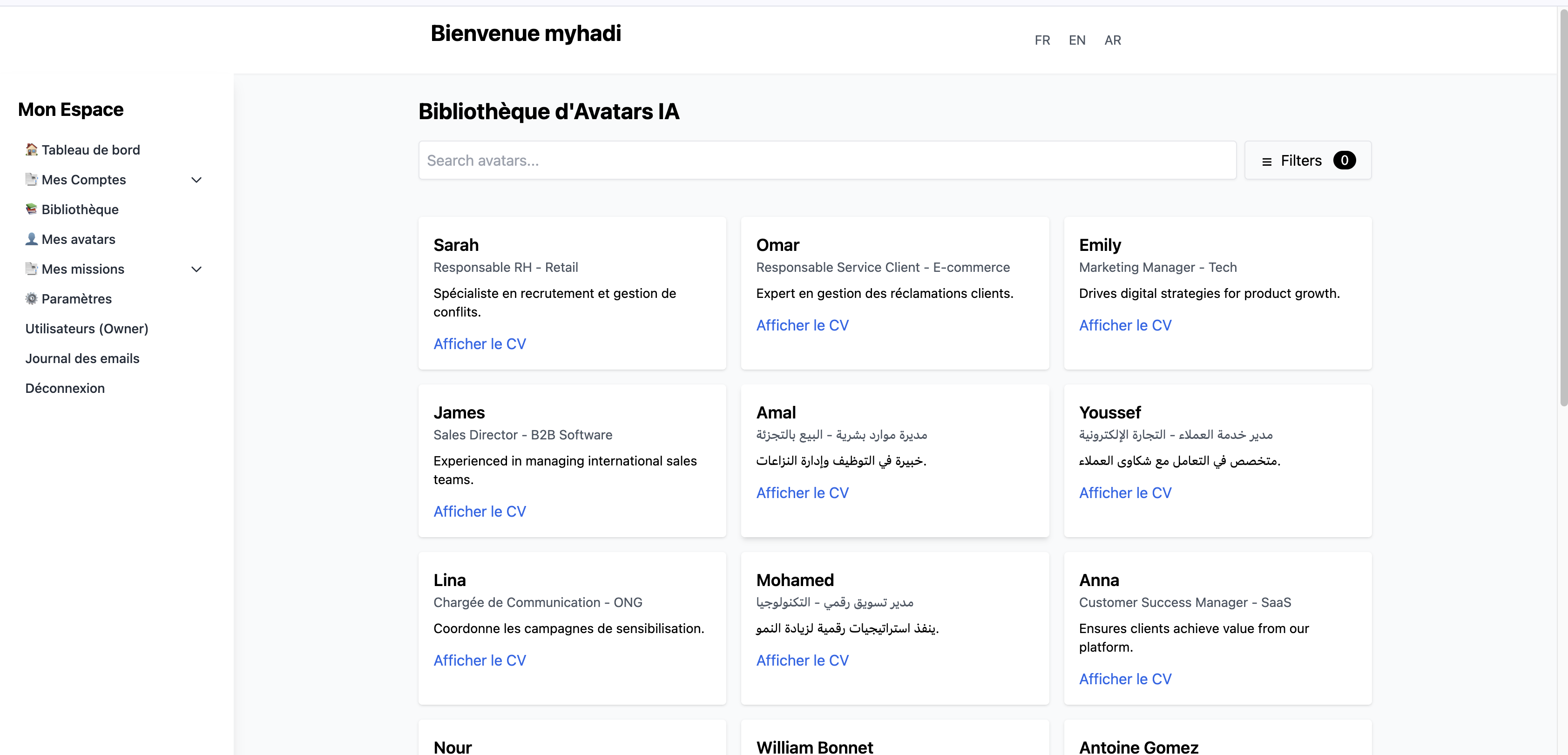
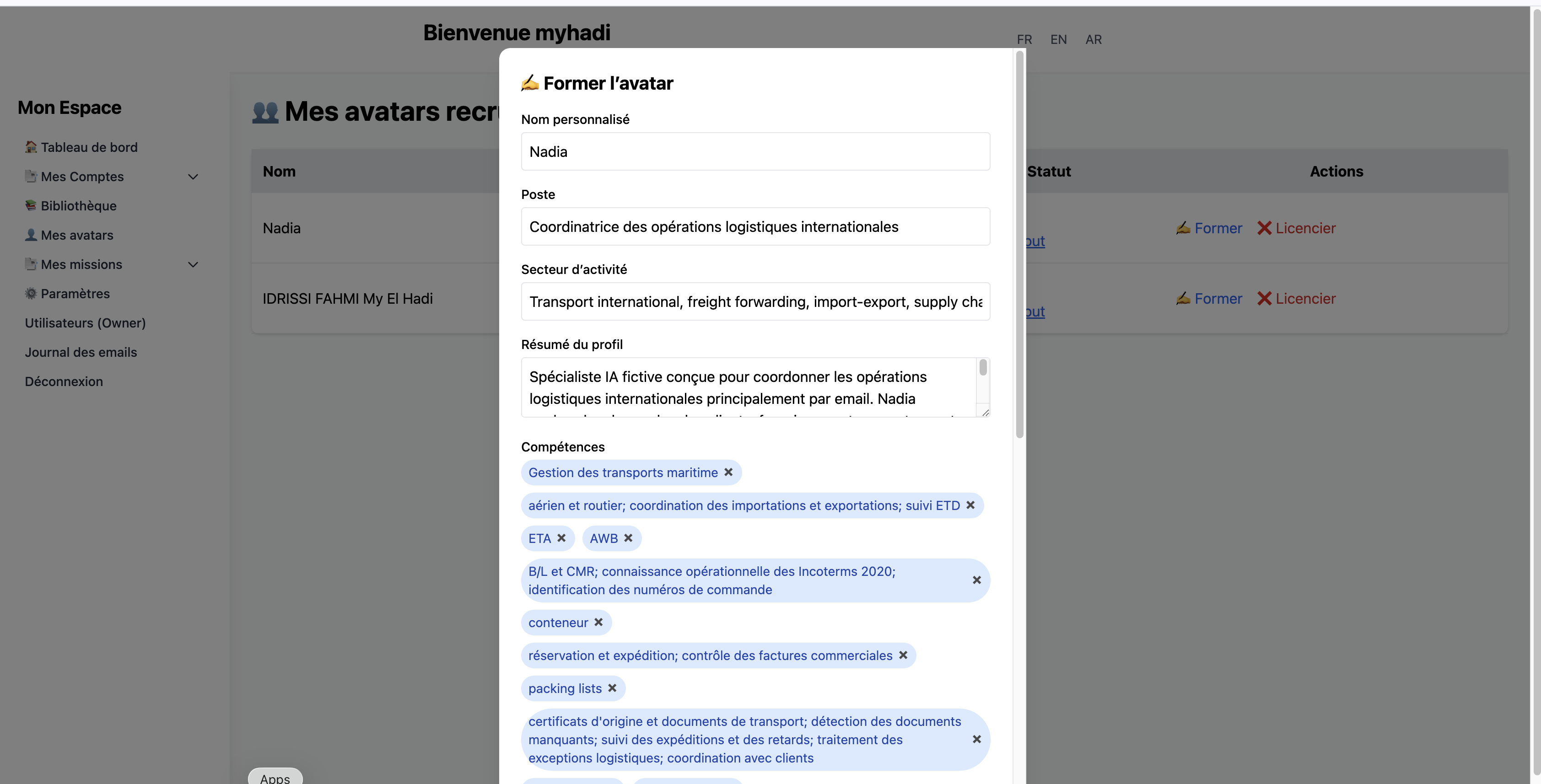
StrikePilot provides a library of professional AI specialists structured from documented skills, experience, languages, and areas of expertise.
A company can:
- Search for the expertise it needs.
- Review a specialist's professional profile.
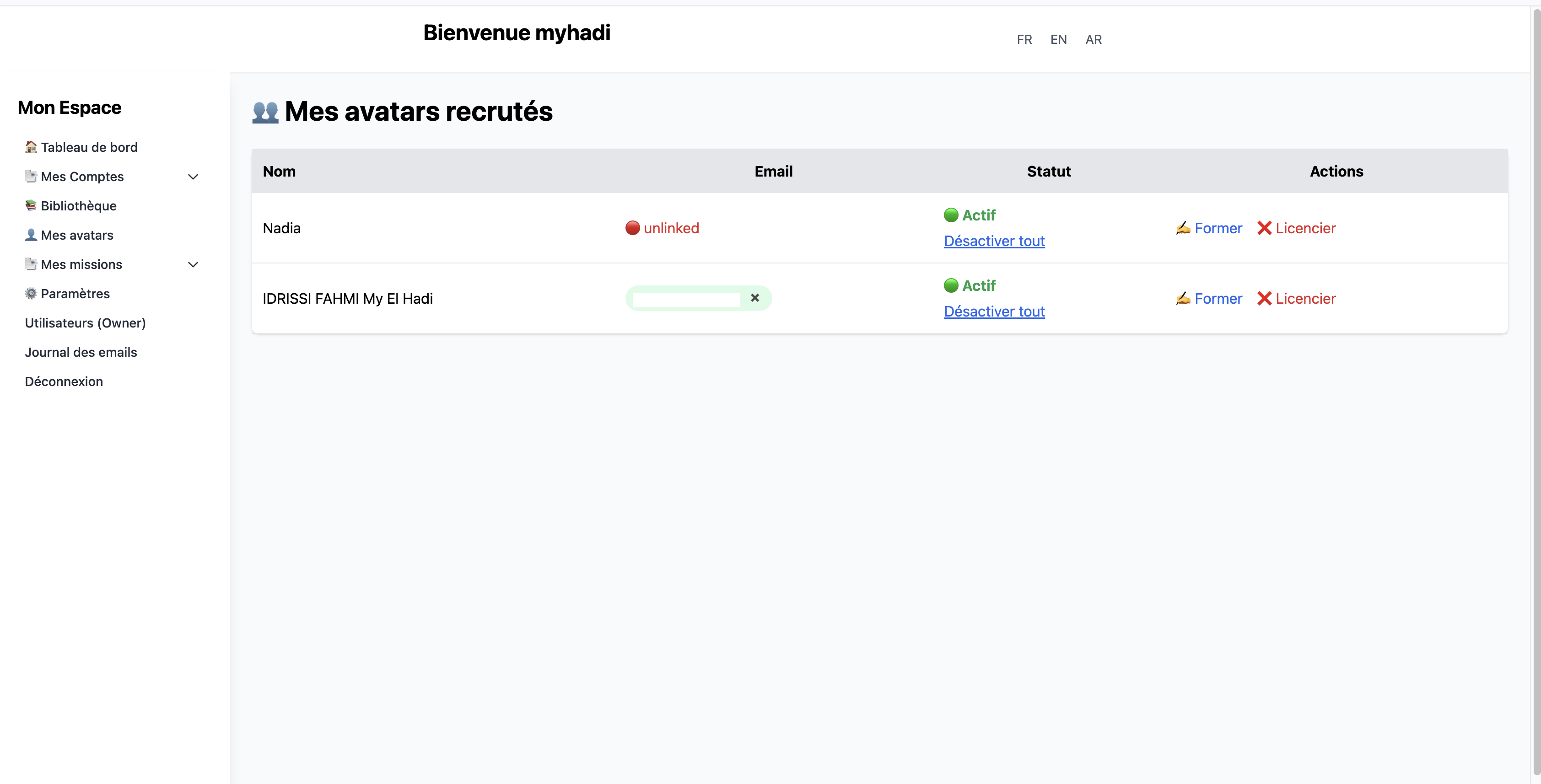
- Recruit and customize that specialist.
- Select relevant skills and working language.
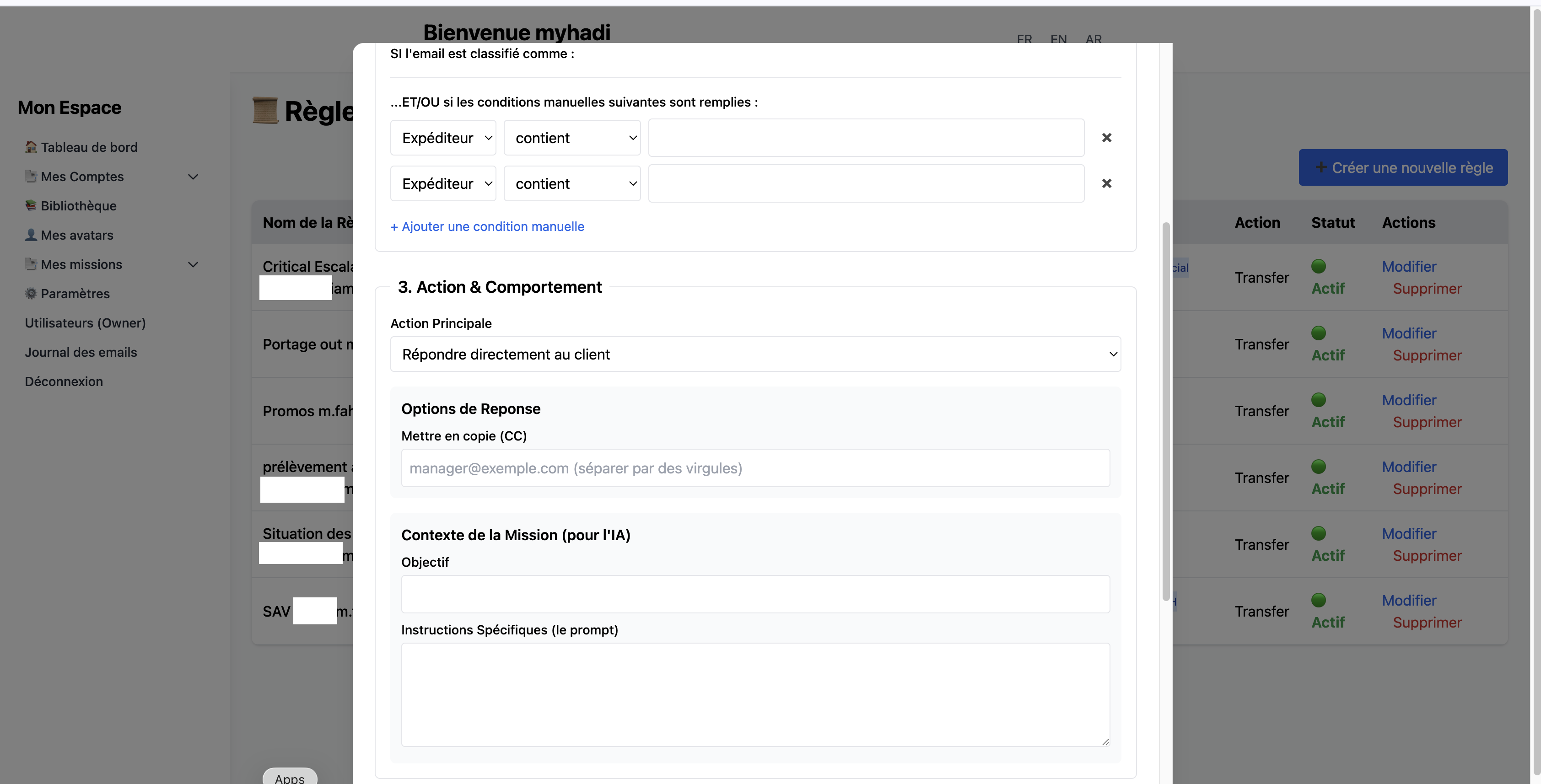
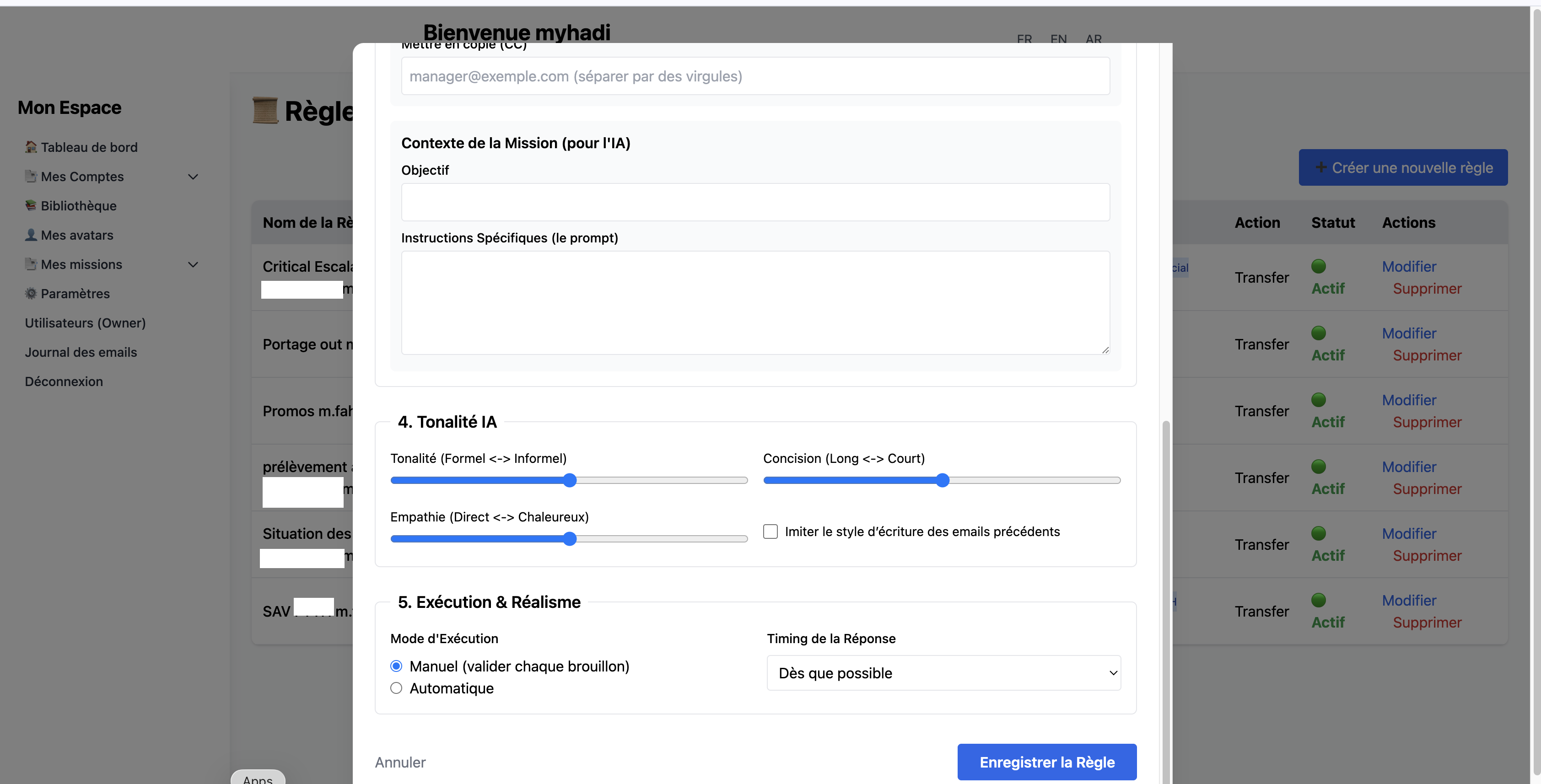
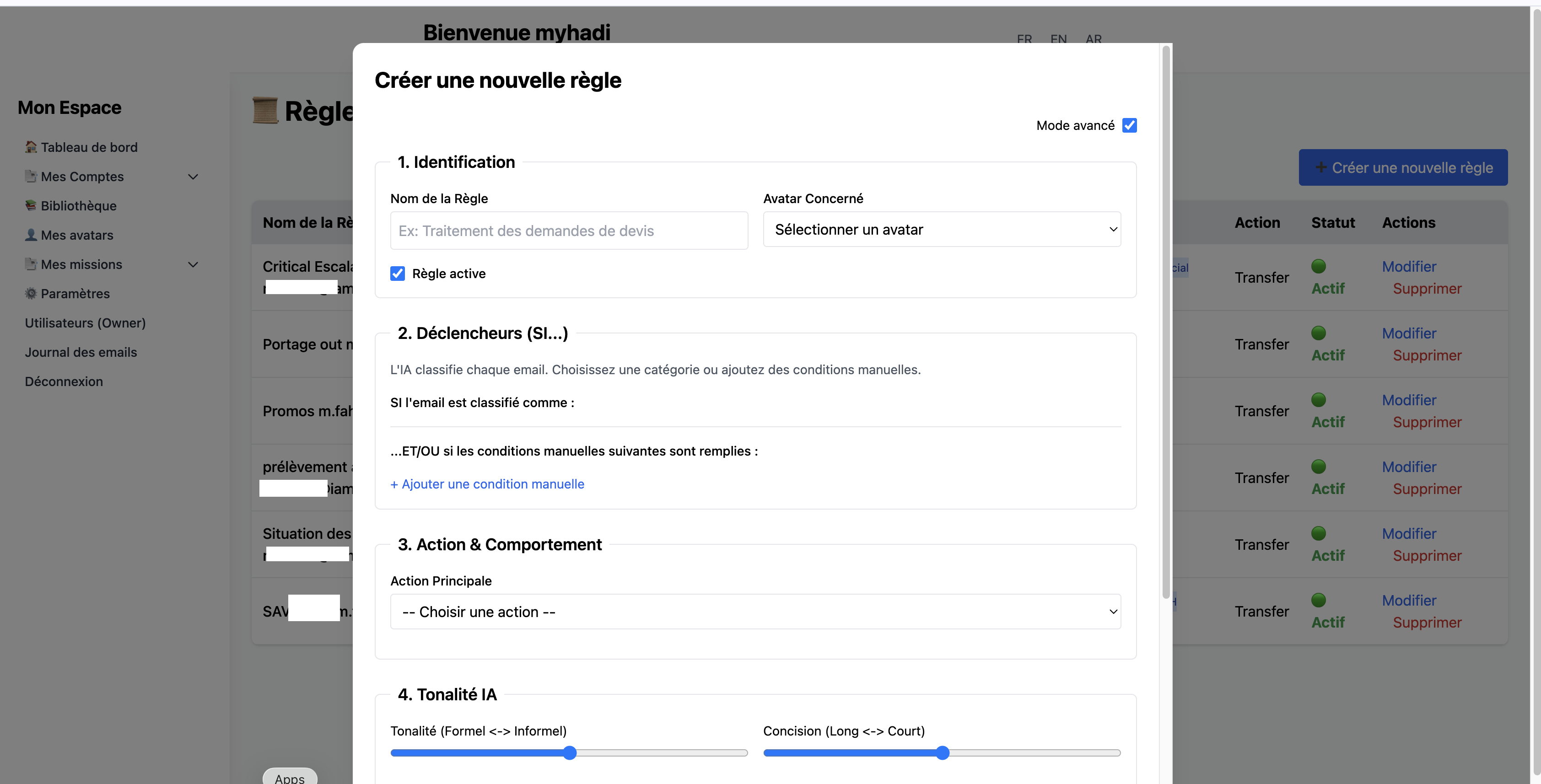
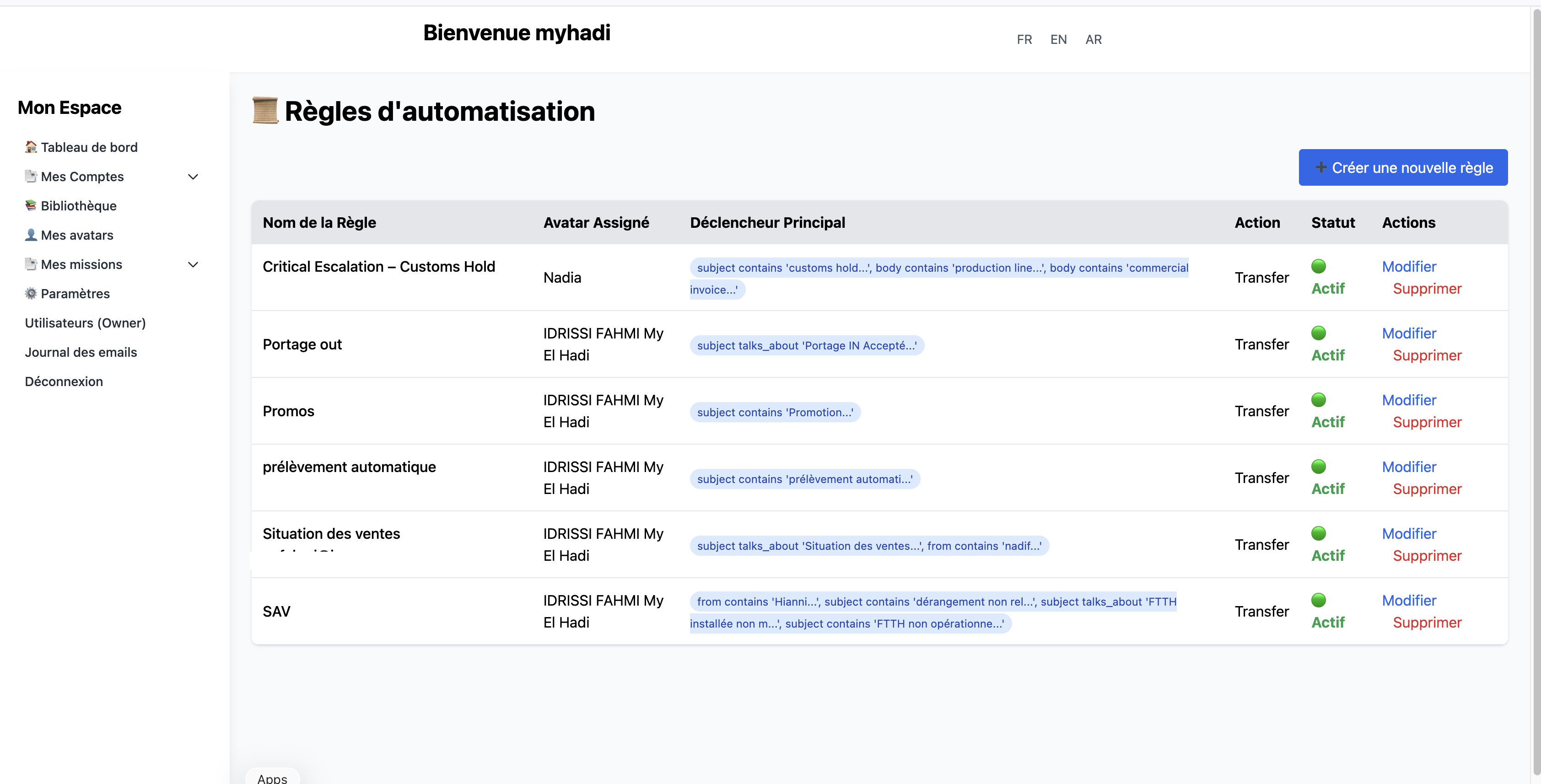
- Define missions, operational rules, permissions, and escalation limits.
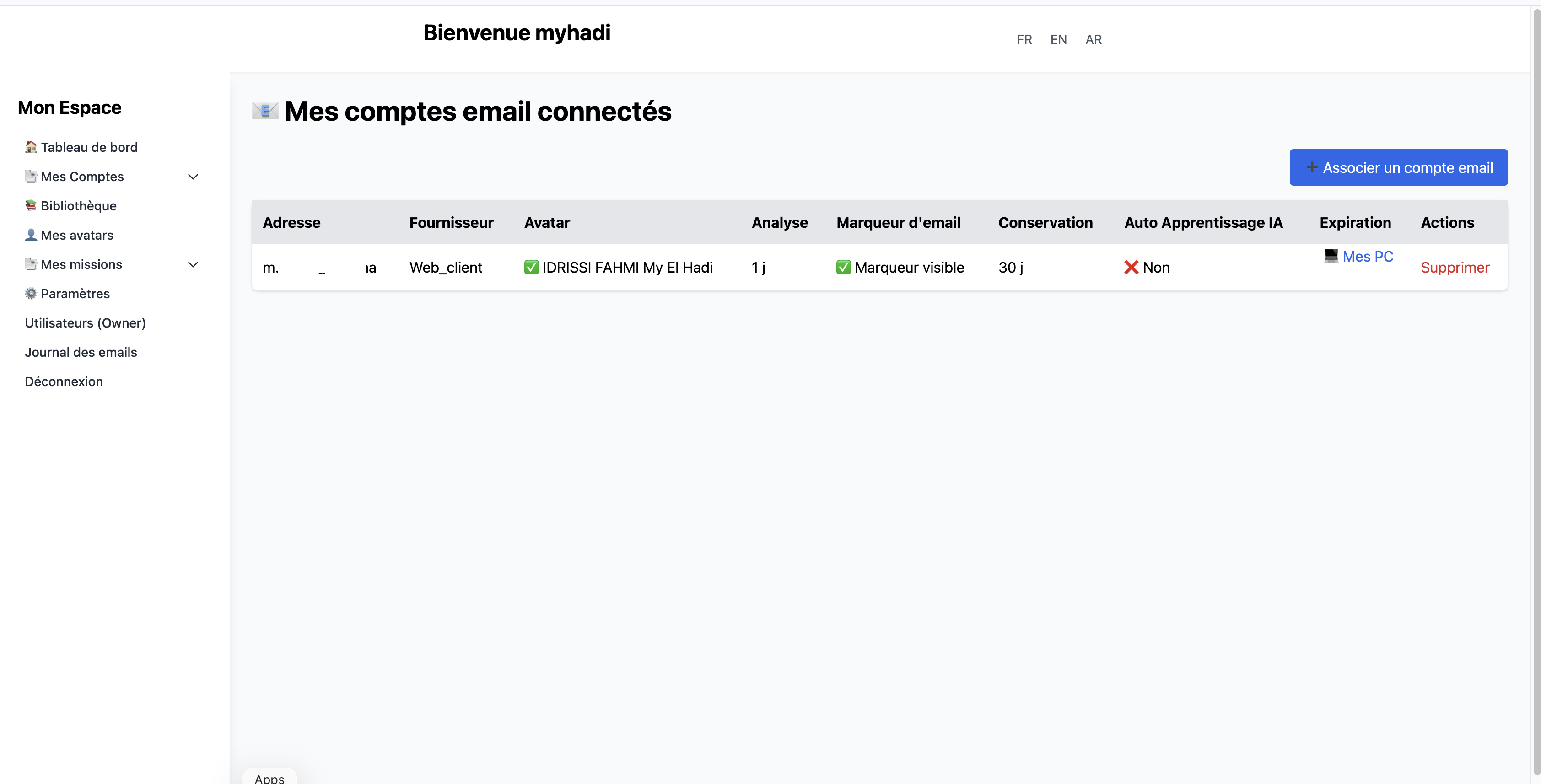
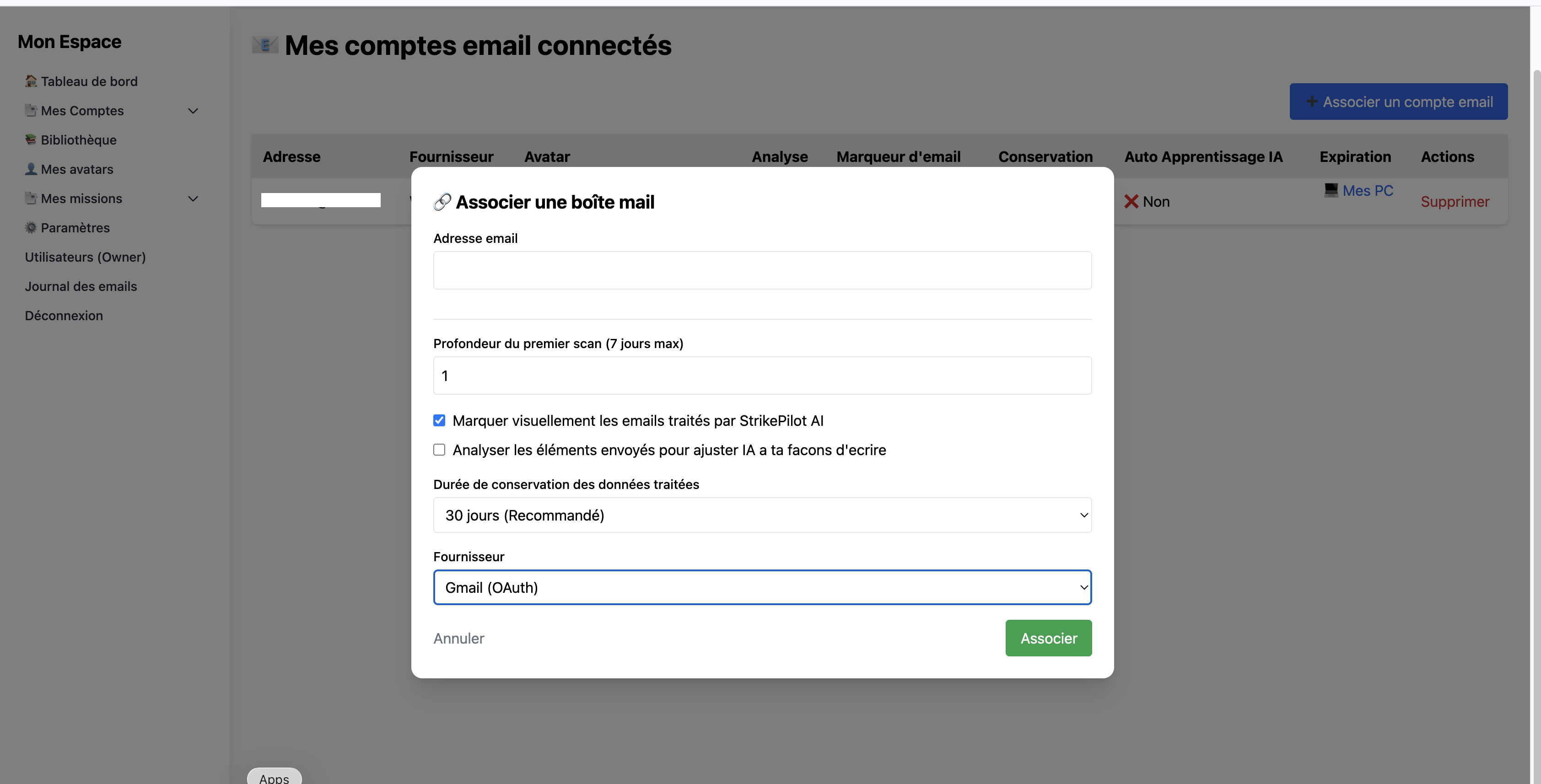
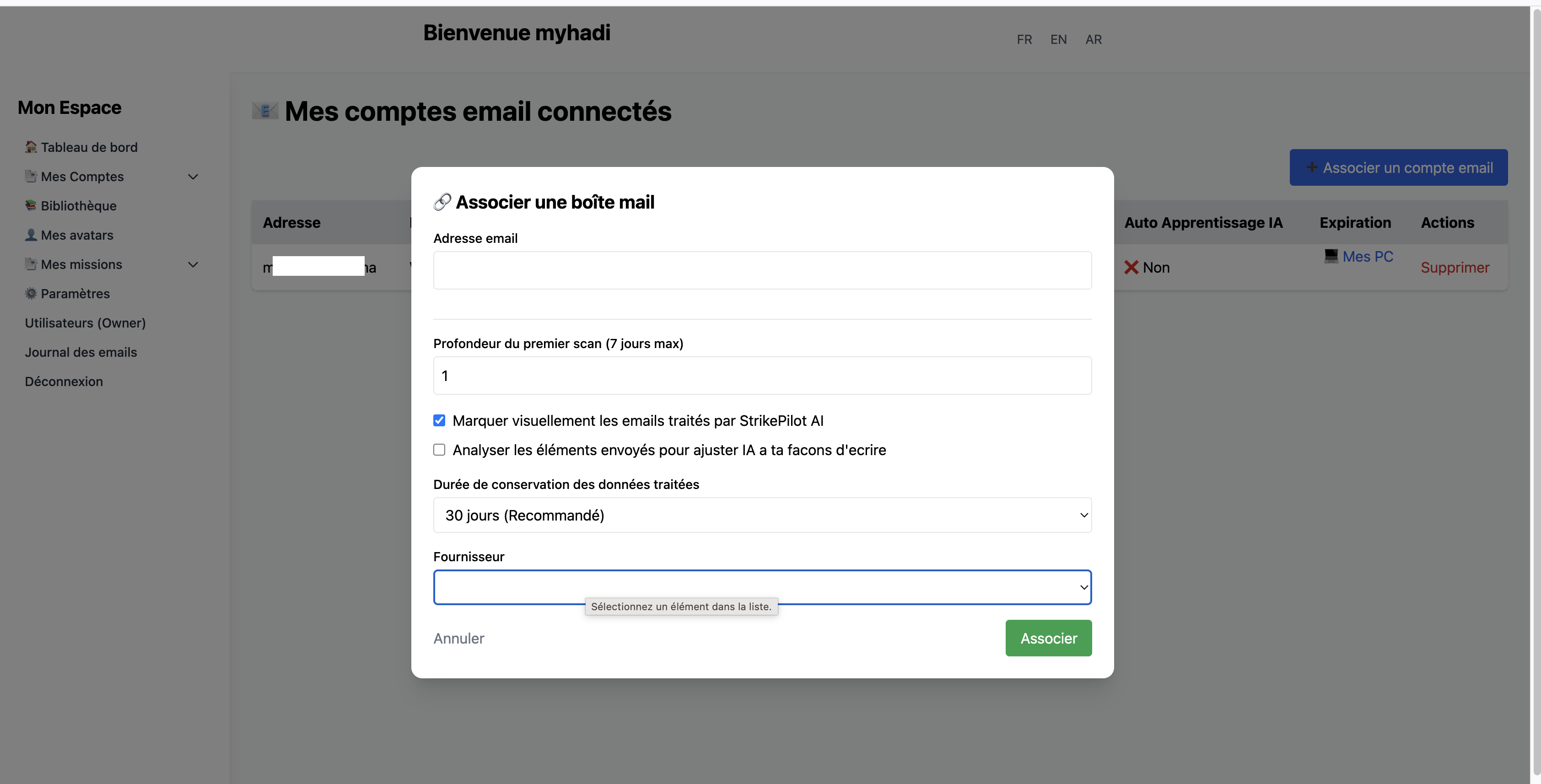
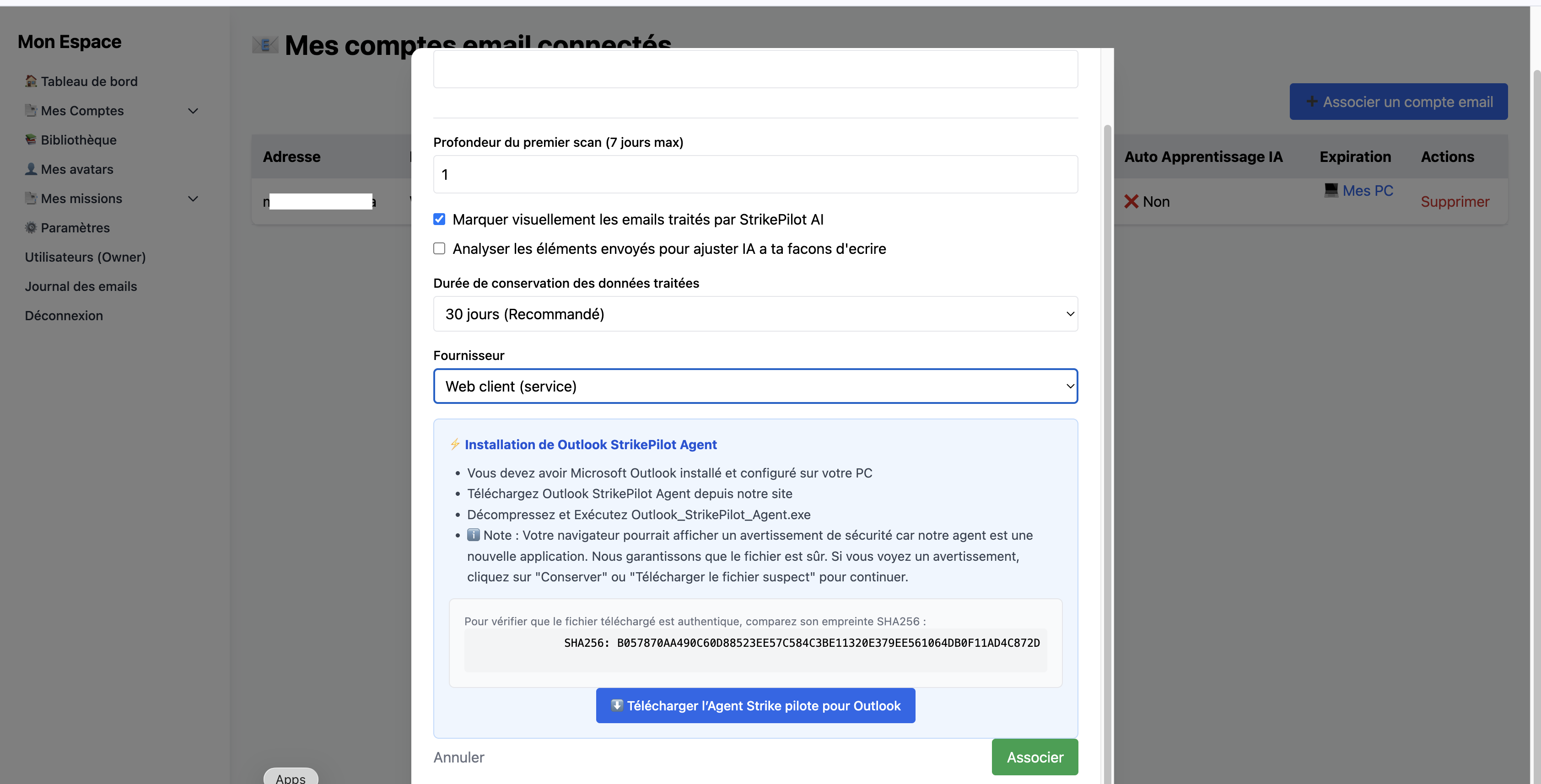
- Assign an approved email account and Windows computer.
- Deploy the specialist into real email operations.
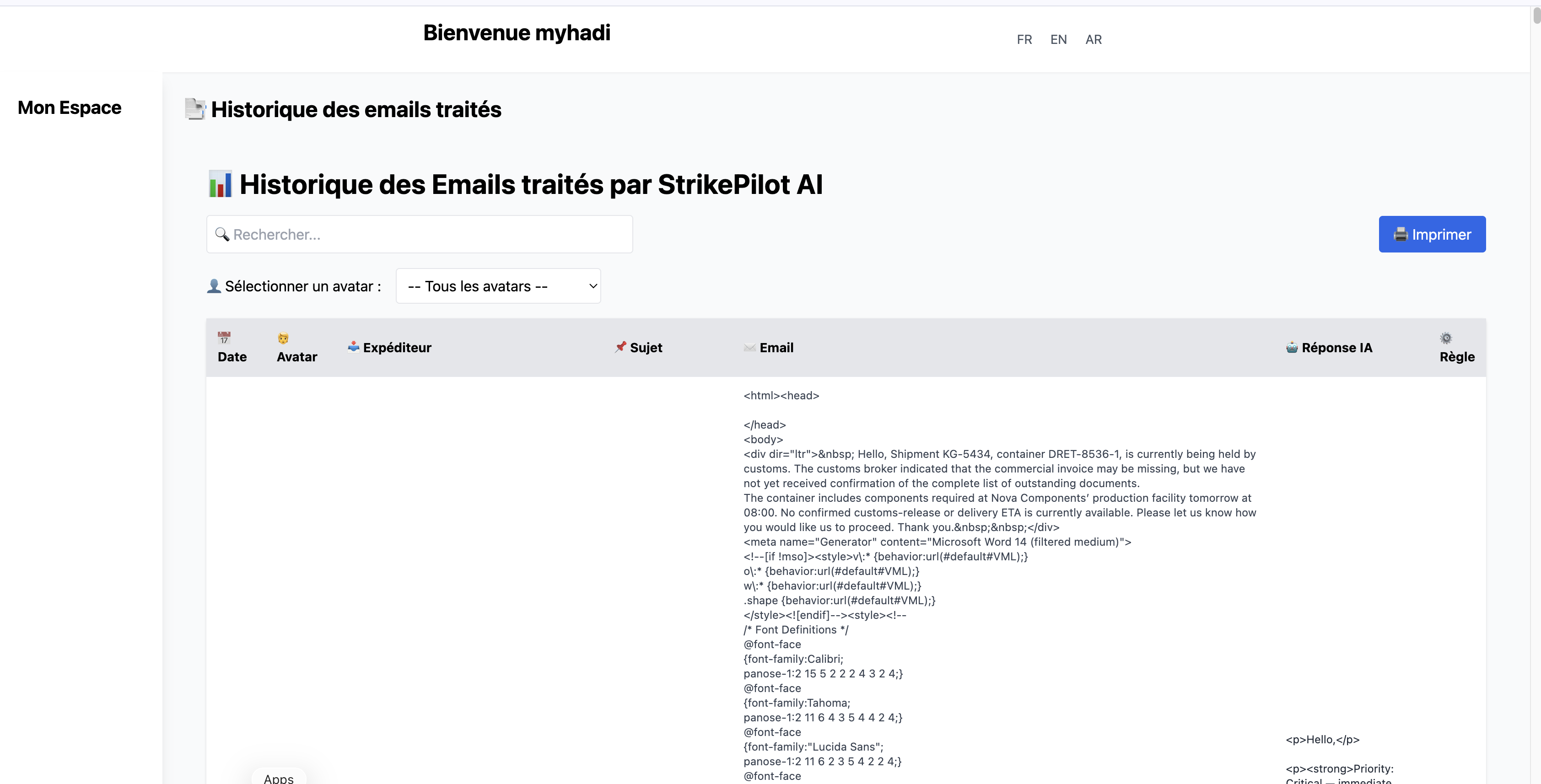
- Review every action through an audit journal.
Rules do not contain answers for the AI to copy. They define the mission, objective, permitted actions, and situations requiring human approval. Within those boundaries, GPT-5.6 interprets each new message dynamically and generates an appropriate operational response or transfer brief.
Demo scenario
Our demo follows Nadia, a senior international logistics coordinator with fifteen years of experience.
After recruiting and configuring Nadia, Atlas Logistics Operations assigns her an Outlook mailbox, an authorized Windows computer, and a general customs-escalation mission.
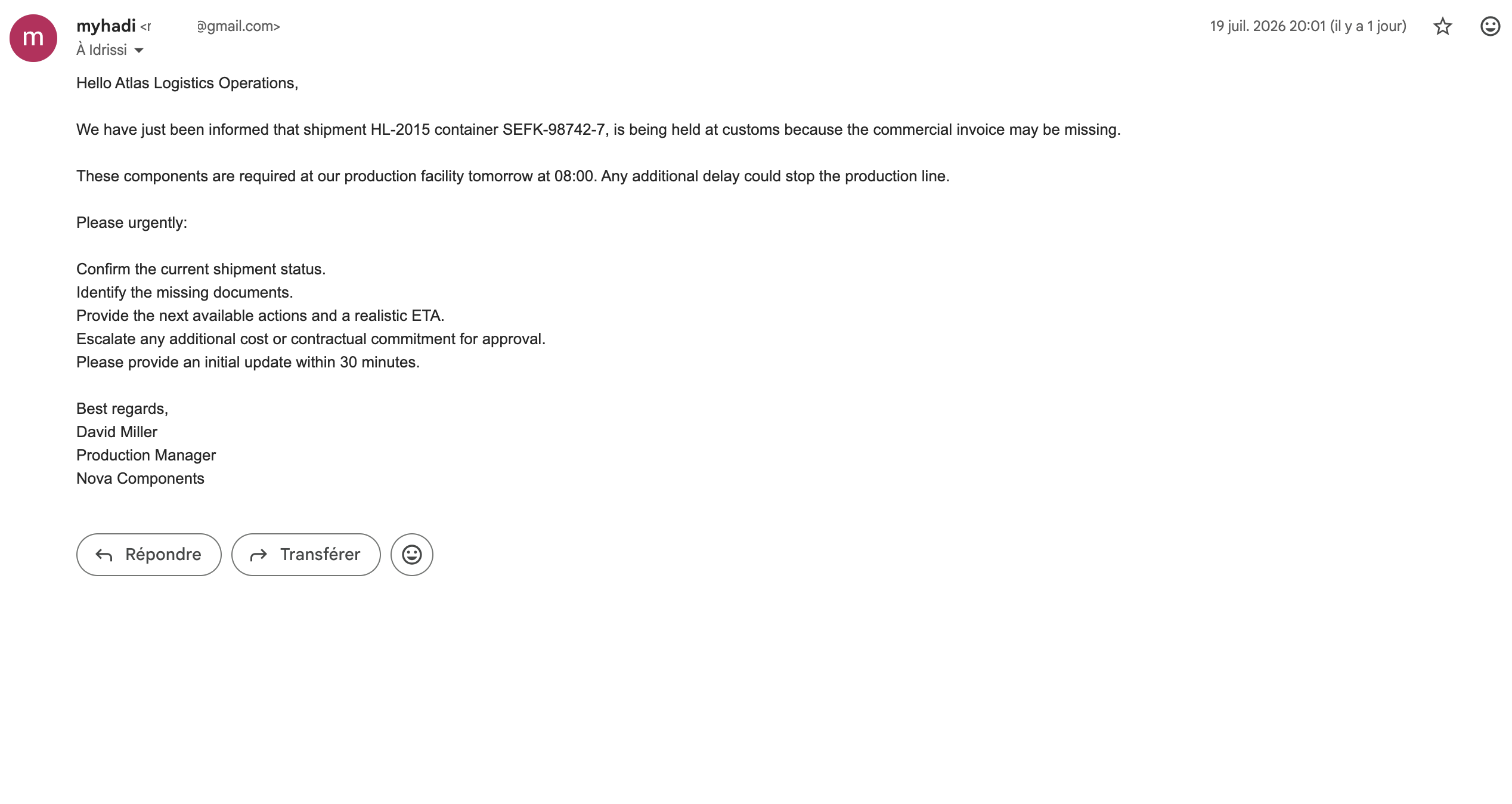
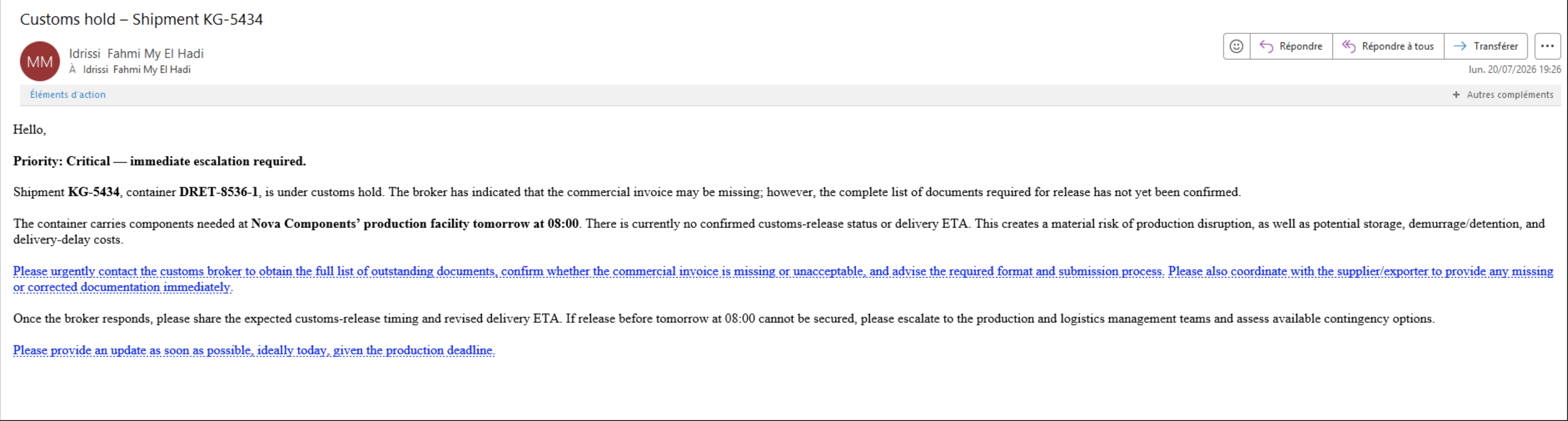
A previously unseen email reports a shipment blocked at customs. Without anyone touching the keyboard, Nadia identifies:
- Shipment
KG-5434 - Container
DRET-8536-1 - A potentially missing commercial invoice
- An unconfirmed customs-release status
- A production requirement for the following morning
- Risks involving delays, storage costs, and production disruption
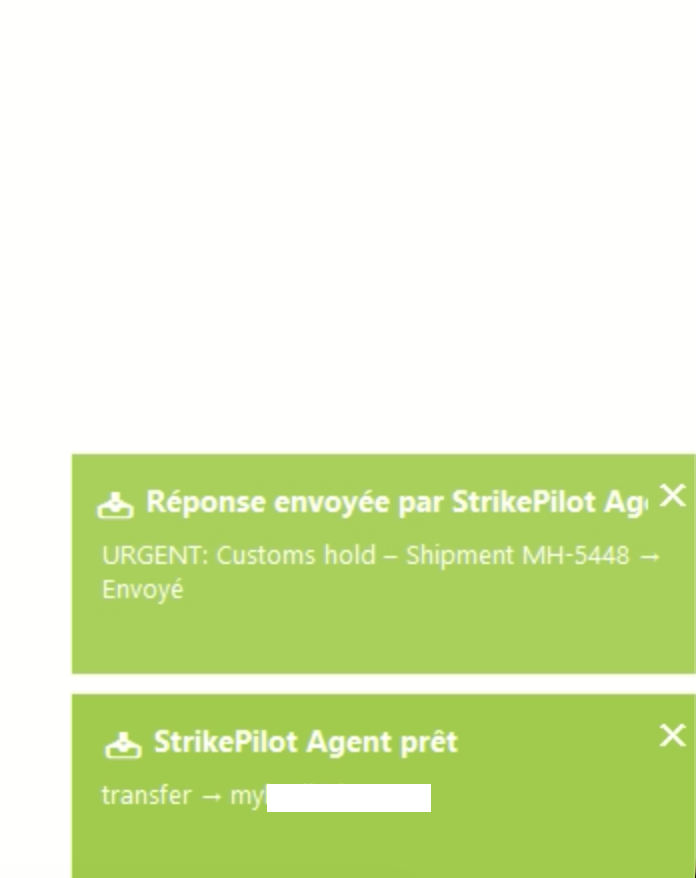
She evaluates the urgency, prepares a clear action plan, forwards the case to the authorized person, requests confirmed information and an updated ETA, and keeps financial or contractual commitments under human control.
None of those shipment references or operational details were hard-coded into the rule. They were extracted and reasoned about dynamically from the incoming email.
How we built it
StrikePilot uses a hybrid cloud-and-local architecture.
The web application handles specialist recruitment, training, mailbox configuration, business rules, permissions, and audit history. The backend runs with Flask and Gunicorn.
Incoming work is placed into an asynchronous Celery queue, with Redis acting as the broker. The rules engine first determines whether the message belongs to an authorized mission. GPT-5.6 Terra then receives the relevant specialist profile, professional skills, rule context, language, and email content.
GPT-5.6 is used for:
- Semantic understanding of incoming messages
- Dynamic information extraction
- Priority and context assessment
- Professional reply generation
- Contextual transfer summaries
- Combining multiple applicable instructions into one coherent result
A decision layer verifies the permitted action. The local Windows agent then works through Outlook on the approved computer, using the company's existing mailbox, network environment, and signature. Results are returned to StrikePilot and recorded for traceability.
The active GPT-5.6 Terra integration is configurable through environment variables, with GPT-4o retained as a controlled fallback.
How we used Codex
Codex was a core part of the Build Week engineering workflow.
We used Codex to inspect the production repository, trace the complete lifecycle of an email, and map exactly where the language model influenced matching, reply generation, and transfer actions.
Codex then helped us:
- Migrate the active AI workflows from GPT-4o to GPT-5.6 Terra.
- Centralize model configuration and add a single controlled fallback.
- Preserve existing production behavior and prompts.
- Add unit tests without making real email or API calls.
- Validate syntax, imports, services, queues, and production deployment.
- Audit exposed secrets and identify active versus legacy risks.
- Rotate the active API secret safely.
- Verify that the previous credential became unusable.
- Prepare the public README, architecture documentation, and MIT license.
- Review the final Git diff and scan the published commit for secrets.
Codex did not simply generate isolated code snippets. It acted as an engineering partner across audit, implementation, testing, deployment, security, documentation, and release validation.
Challenges we faced
The hardest challenge was connecting cloud intelligence with reliable execution inside a real Windows and Outlook environment.
We also needed to separate three responsibilities clearly:
- The AI understands the situation and proposes the appropriate content.
- The deterministic rules and decision engine define what is permitted.
- The local agent executes only within an approved environment.
Migrating the production AI layer also required caution because semantic topic matching can determine whether an email is processed or skipped. We therefore introduced model-specific configuration, fallback behavior, synthetic tests, and controlled production validation.
Security was another major challenge. During the final audit, Codex found legacy and active credentials embedded in tracked files. We moved active configuration into protected environment variables, rotated the server credential, verified that the old credential returned HTTP 401, and ensured no actionable secret remained in the published commit.
Accomplishments that we are proud of
- A complete recruit-to-deployment product experience
- Real Outlook execution through an authorized Windows agent
- Dynamic reasoning over previously unseen operational emails
- GPT-5.6 Terra running successfully in production
- Human approval boundaries for sensitive decisions
- Asynchronous and scalable task orchestration
- Full operational traceability
- Tested model fallback behavior
- A secured, documented, and reproducible public repository
- A working production deployment and end-to-end demonstration
What we learned
The strongest operational AI systems are not created by giving a model unlimited autonomy. They emerge from combining model intelligence with professional context, deterministic permissions, restricted tools, human escalation, and traceability.
We also learned that an AI specialist needs more than a prompt. It needs a role, skills, language, mission, environment, permissions, and accountability.
GPT-5.6 provided the contextual intelligence needed to interpret unfamiliar operational situations, while Codex made it possible to improve and validate the surrounding production system safely.
What's next
Next, we plan to add:
- More email and collaboration connectors
- Structured approval workflows for sensitive actions
- Role-based access control for larger organizations
- Reusable specialist and mission templates
- Evaluation datasets generated from anonymized expert corrections
- Performance and reliability dashboards
- Expanded multilingual support
- Secure distribution and automatic updates for the Windows agent
Our long-term goal is to make deploying governed AI expertise as simple as recruiting a team member.
StrikePilot: Recruit the future, today.
Built With
- celery
- codex
- css3
- flask
- gpt-5.6
- gunicorn
- html5
- javascript
- openai
- openrouter
- outlook
- pyinstaller
- python
- redis
- restapi
- sqlalchemy
- windows

Log in or sign up for Devpost to join the conversation.