-
-
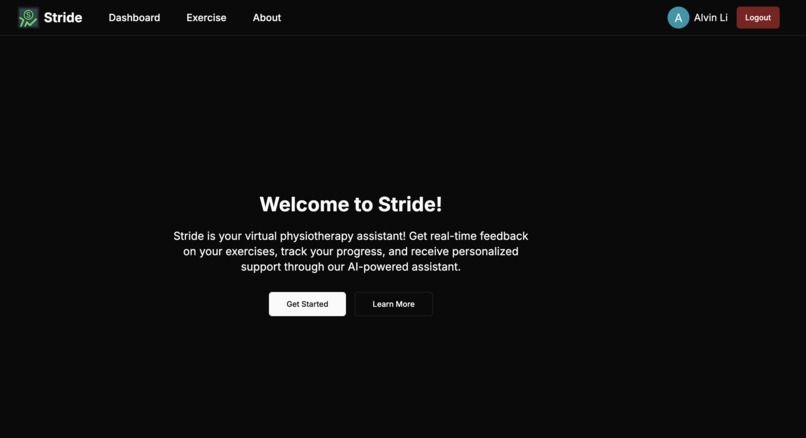
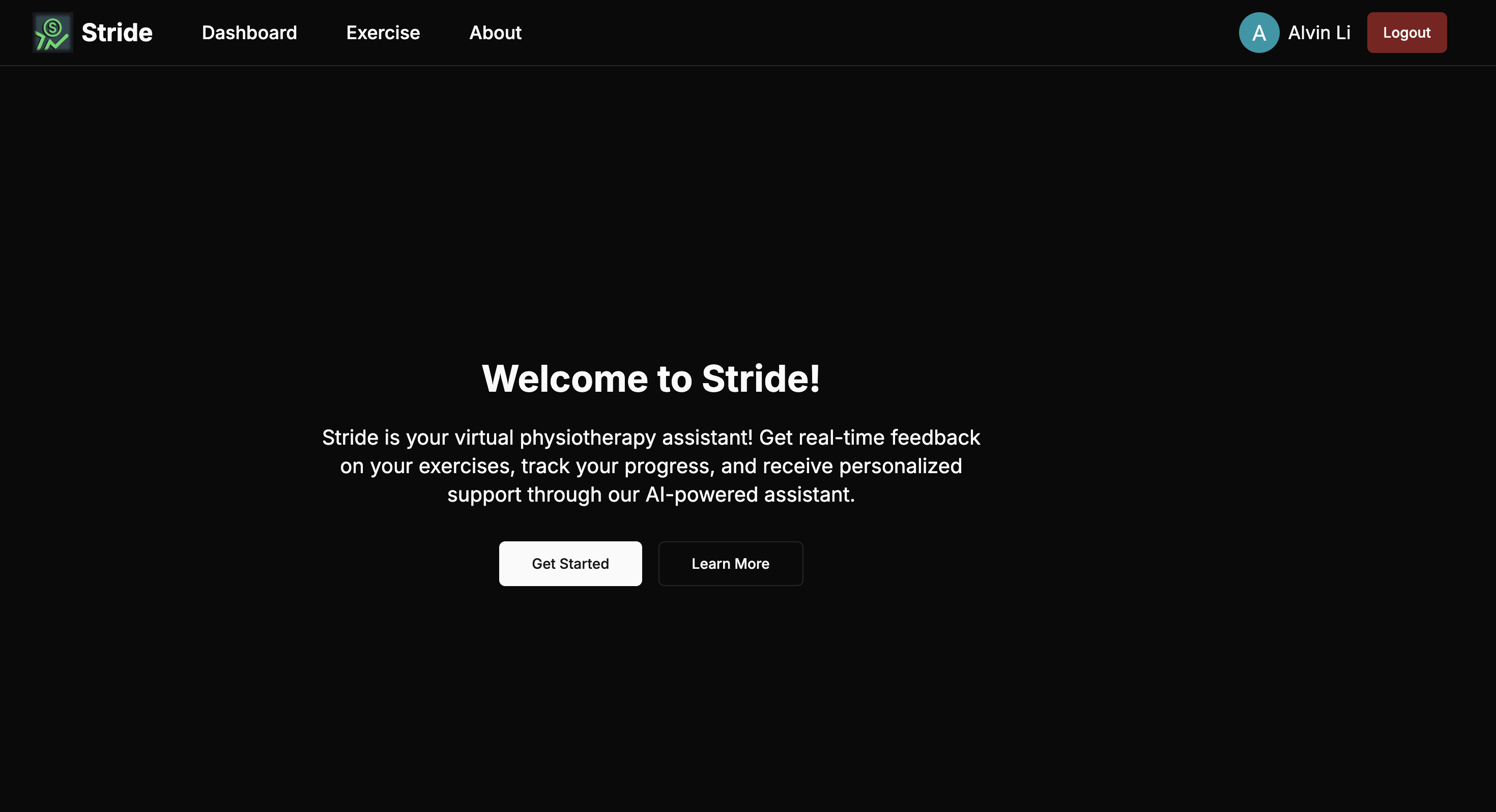
Homepage
-
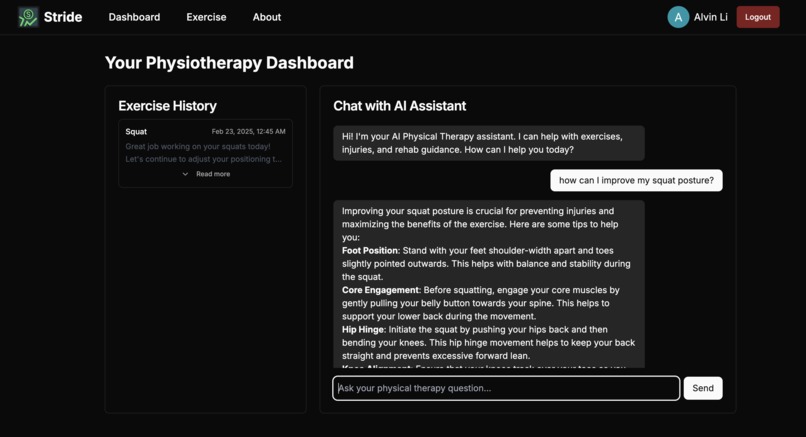
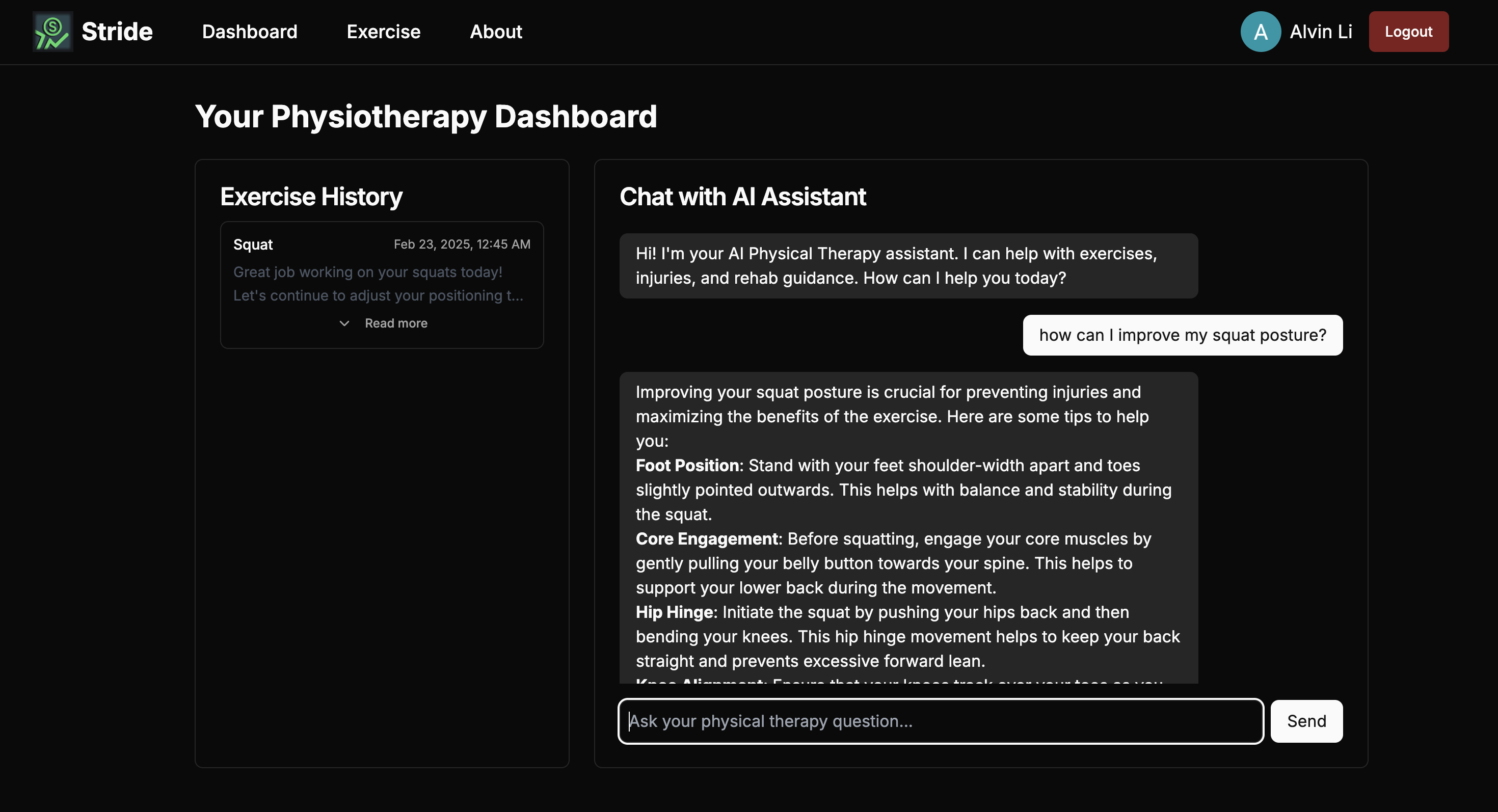
Dashboard
-
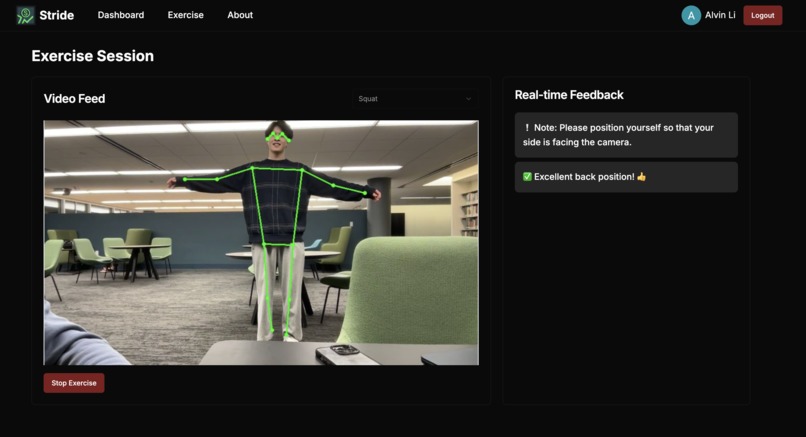
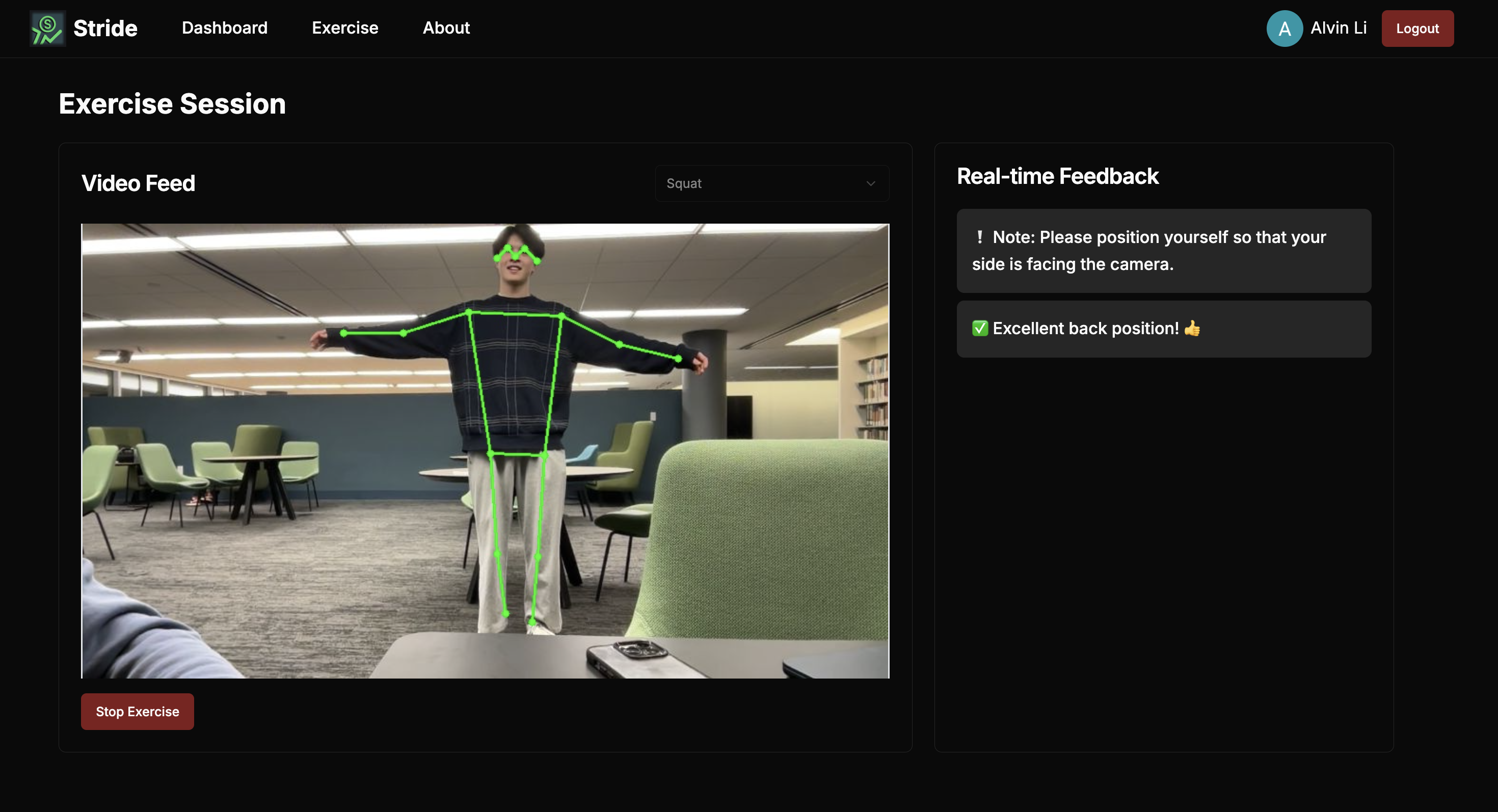
Exercise Feedback Screen
-
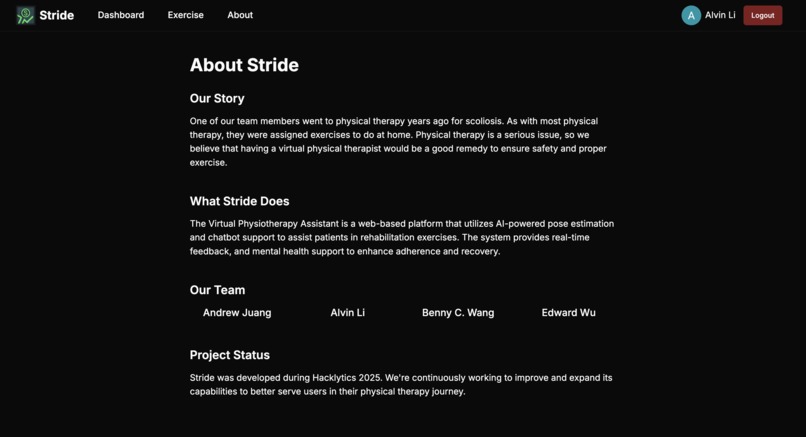
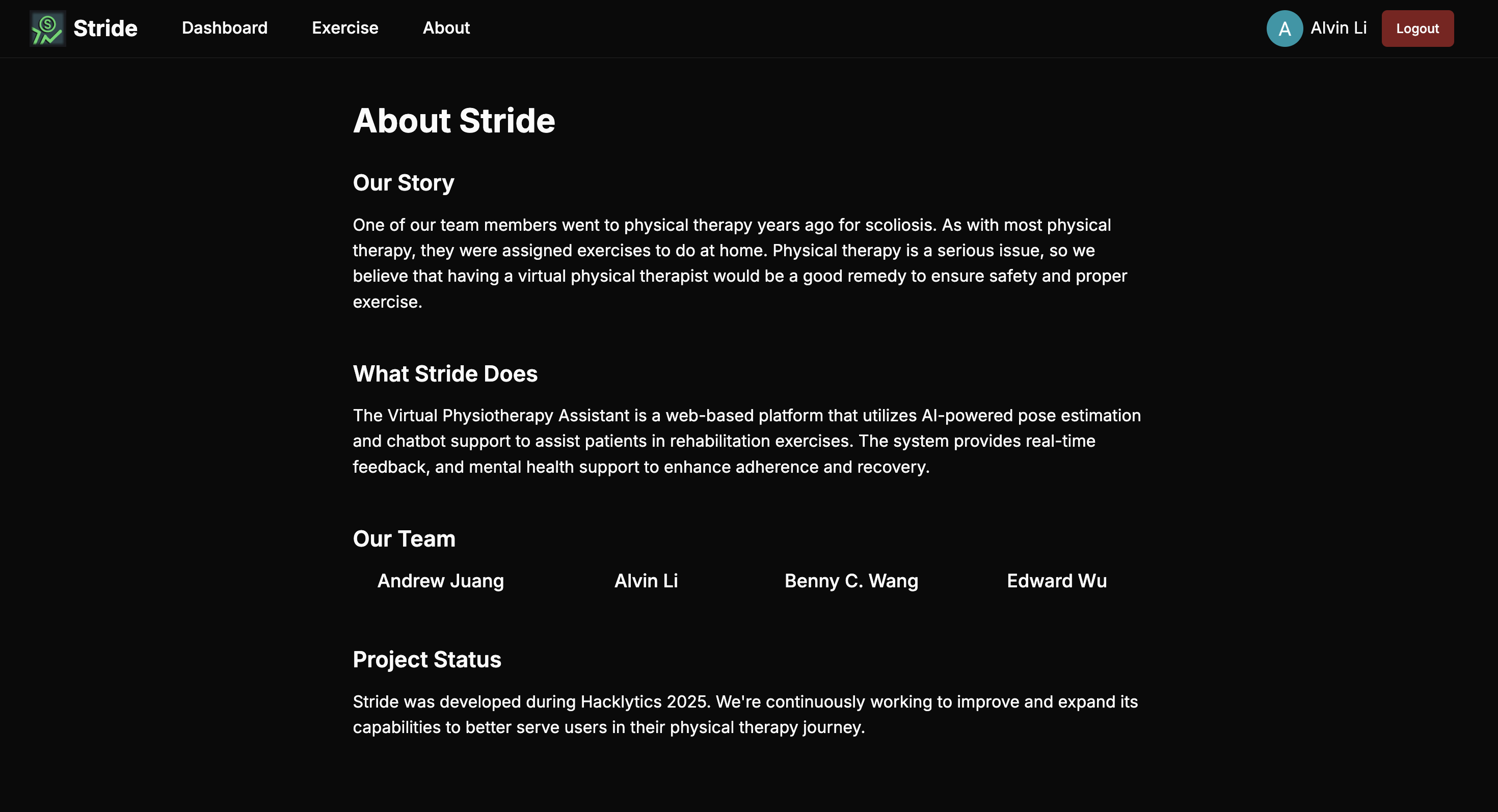
About Us Page
-
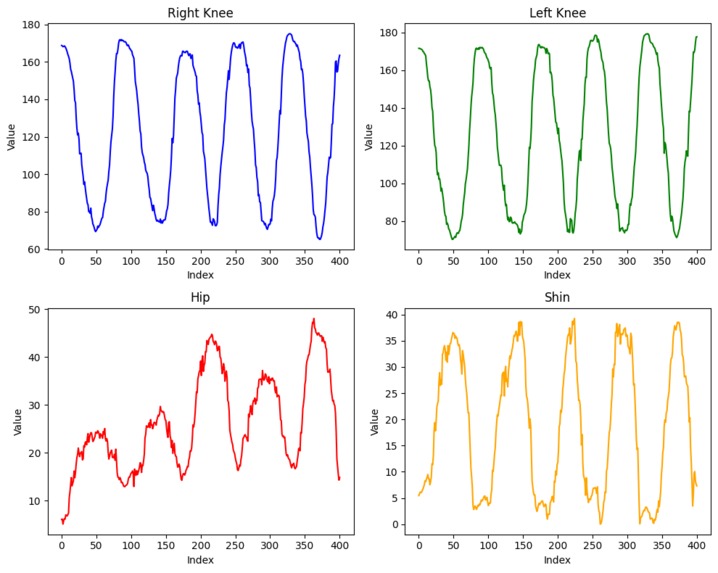
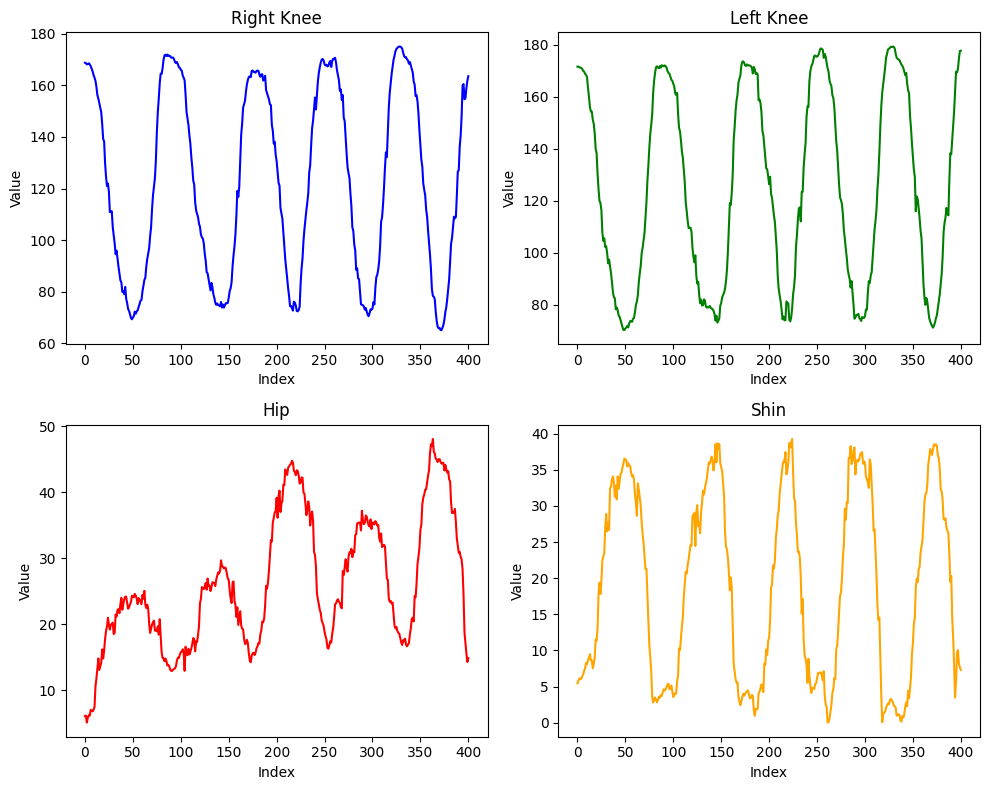
Sample Images of Our Data, Visualized
Problem Statement
Patients undergoing physiotherapy often lack real-time feedback on their exercise form. Without proper supervision, incorrect movements can lead to ineffective recovery or even injuries. Additionally, mental well-being plays a crucial role in rehabilitation, yet many physiotherapy solutions lack motivational support.
Access to physical therapy can also be challenging due to high costs, specialist shortages, and geographical barriers—especially in rural or underserved areas. Many patients struggle to stay consistent due to busy schedules or mobility issues, leading to suboptimal recovery. Current solutions often require in-person visits, which can be inconvenient and expensive, discouraging adherence to rehabilitation programs.
Inspiration
Our inspiration came from a team member’s personal experience with physical therapy and the struggle to maintain proper form without supervision. We realized that good technique is vital not just for rehab but for anyone striving for a healthier body. 💪
Whether recovering from an injury or perfecting an exercise, real-time feedback makes a huge difference in progress and injury prevention. We set out to bridge the gap between expert coaching and at-home training using AI-powered movement analysis.
What It Does
Our AI-powered exercise evaluation tool analyzes a user’s form in real-time via a live webcam feed. Leveraging YOLOv11, the system detects key body positions and compares them against proper technique standards.
As users perform an exercise, the model continuously evaluates their movement. If deviations occur, the system provides instant feedback, helping users adjust on the spot. 📢
Whether you’re a physical therapy patient recovering from an injury or a fitness enthusiast refining your workouts, our tool acts as a virtual coach—ensuring safe and effective movement every time.
How We Built It
We utilized YOLOv11 to analyze body movements, defining precise movement patterns and acceptable error margins for various exercises. Through structured movement analysis, our system assesses form accuracy and provides real-time, data-driven feedback. 📊
By combining cutting-edge computer vision with intelligent feedback mechanisms, our application helps users refine their technique—whether for injury recovery or fitness improvement.
Challenges We Faced
🏋️ Torso Mapping Issues
Incorrect mapping of the torso to the head, elbows, and shoulders caused misinterpretations of posture, especially during push-ups and planks. We refined our body part detection algorithm to improve accuracy for complex movements.
✍️ Documenting Feedback Effectively
Providing clear, actionable feedback was challenging. We structured our system’s guidance to be concise yet comprehensive, ensuring users easily understood necessary adjustments. Capturing subtle nuances like posture shifts and incorrect angles was crucial.
🔄 Early Rep Misinterpretation
At the start of an exercise, the system sometimes flagged incorrect form prematurely. To fix this, we refined our algorithm to differentiate between an initial setup phase and an actual form error, ensuring feedback triggered only when the exercise was fully underway.
Through continuous iteration and fine-tuning, we enhanced accuracy, making feedback more precise for a wider range of exercises.
Accomplishments We’re Proud Of
We’ve achieved several key milestones we’re excited about:
🔄 Solving Misinterpretation of Repetitions
We addressed the issue of premature feedback by creating a “zone” where the system doesn’t generate form feedback during the setup phase of an exercise. Feedback is only triggered once the user is fully engaged in the repetition, ensuring more accurate and helpful insights.
⚡ Real-Time Feedback for Diverse Exercises
Our system now provides accurate, real-time feedback for a wide range of exercises, including both physical therapy movements and strength training, by refining the body detection model for greater precision.
🎯 User-Centric Personalization
By using OpenAI to summarize feedback and tailor it to the user’s experience level, we’ve made the app intuitive and accessible for both beginners and advanced users, ensuring relevant feedback for all.
These accomplishments have significantly enhanced the tool’s functionality and user experience, and we’re proud of the progress we’ve made. 🚀
What’s Next for Stride
We plan to expand our tool’s capabilities by incorporating more physical therapy exercises and exercise variations, such as:
✅ Different core exercises (e.g., plank on hands vs. forearms) ✅ Various push-up styles (e.g., wide-grip, diamond, incline, decline) ✅ Rehabilitation-focused movements for injury recovery
By broadening our exercise library and refining our model, we aim to make Stride more inclusive and beneficial for users at all fitness and recovery levels. Our ultimate goal? AI-powered movement analysis that empowers users to recover, train, and improve with confidence. 🌟
Built With
- colab
- fastapi
- langchain
- next.js
- openai
- postgresql
- python
- sqlalchemy
- tailwind
- yolov11


Log in or sign up for Devpost to join the conversation.