-
-
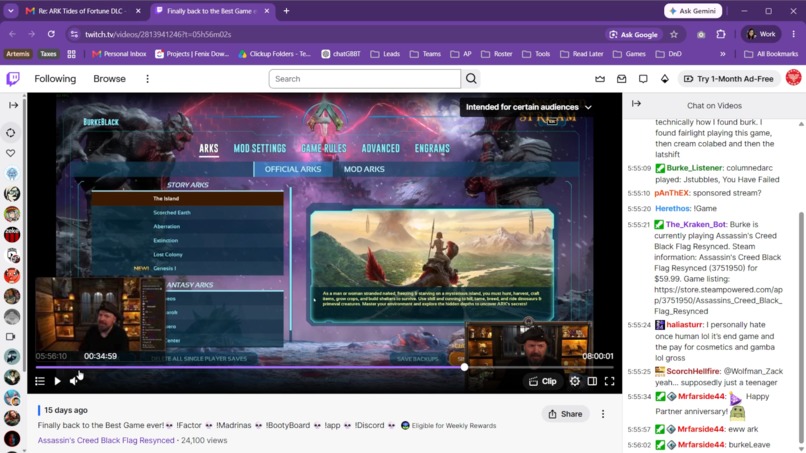
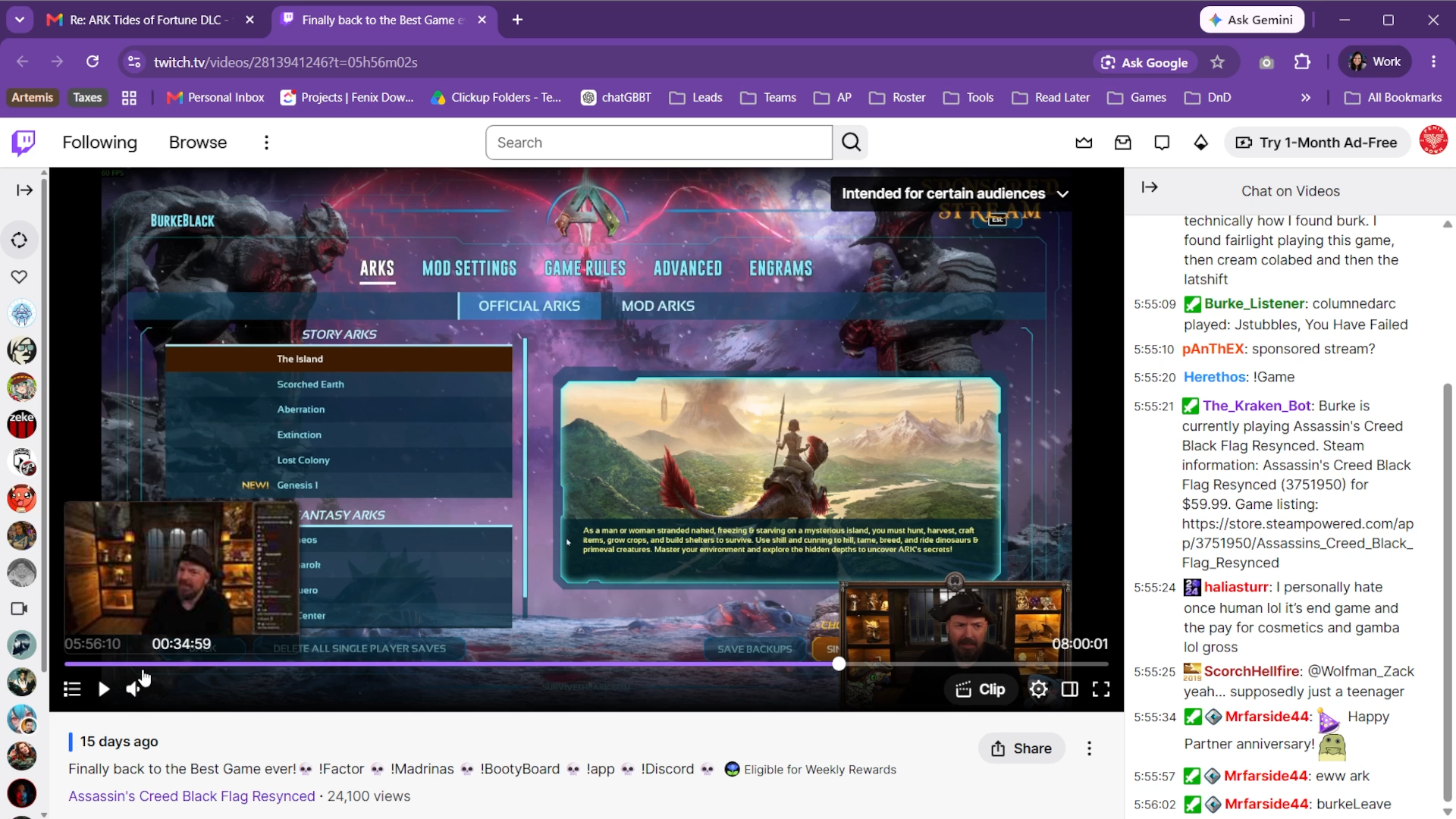
Scrubbing through an 8 hour VOD is hard.
-
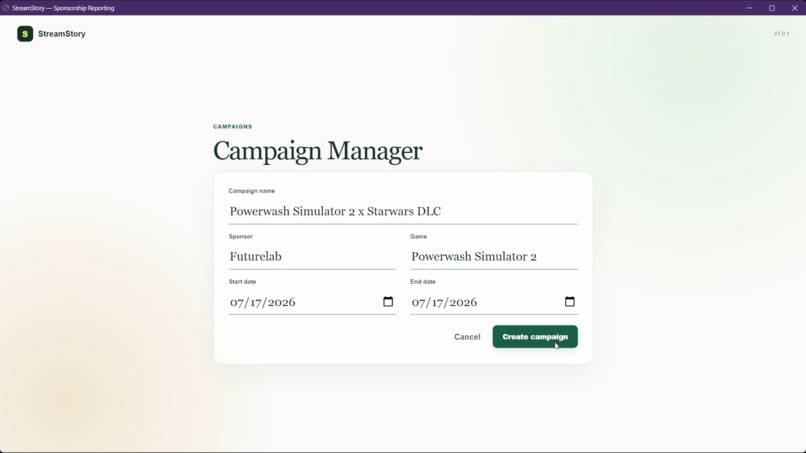
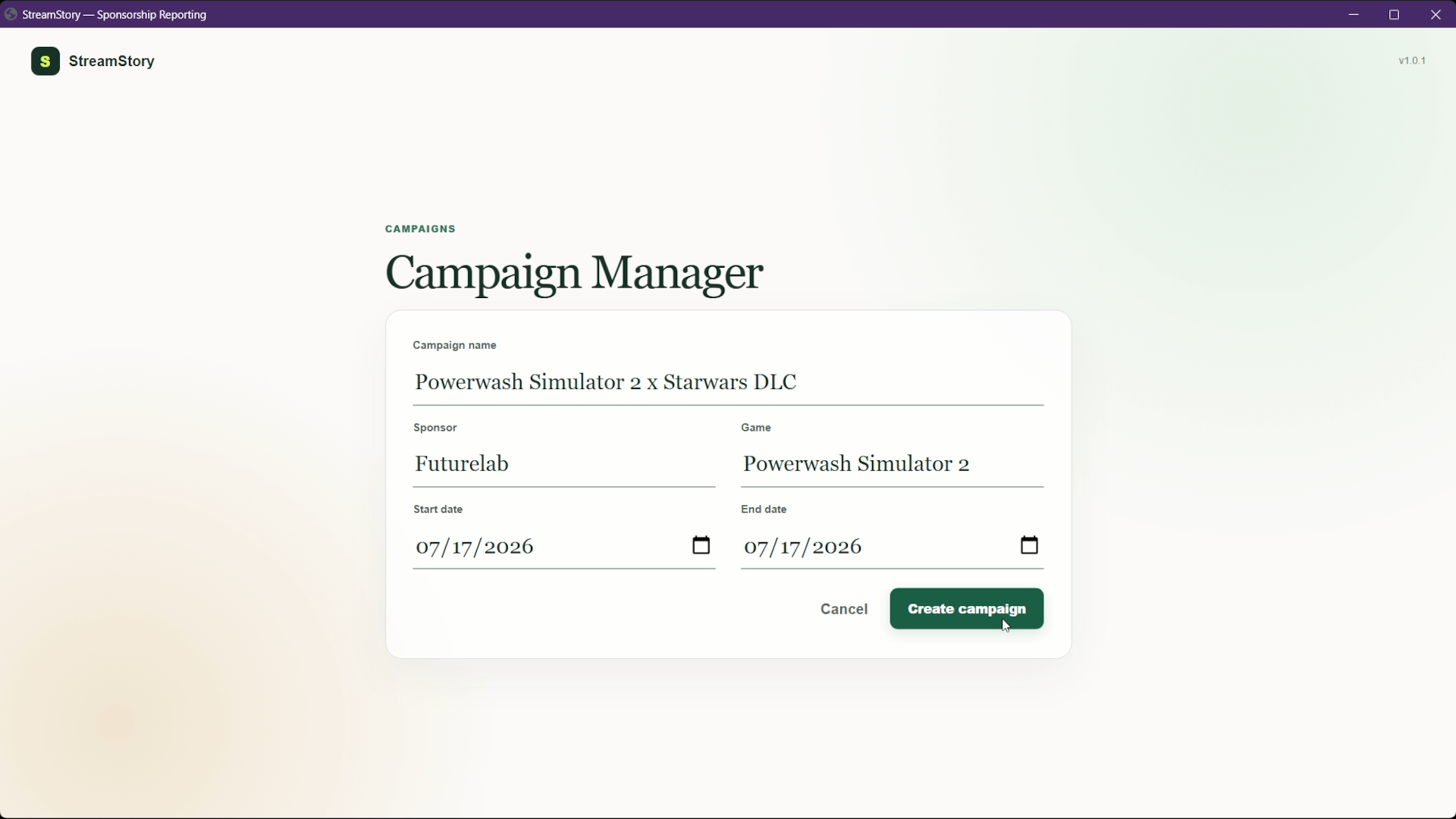
Campaign manager fixes this.
-
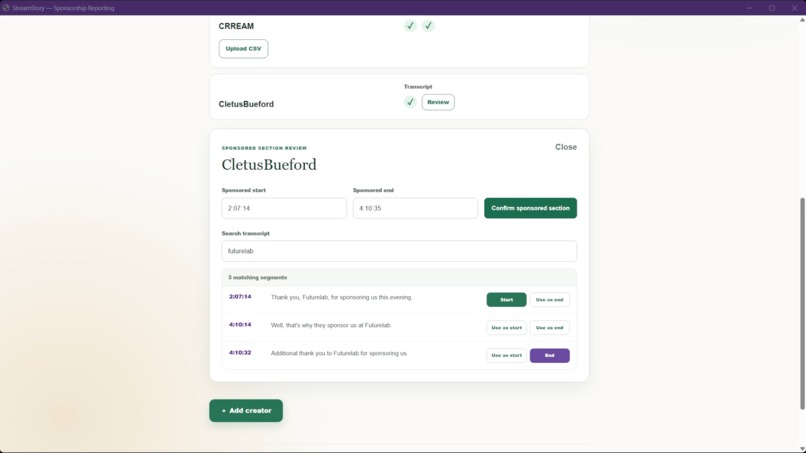
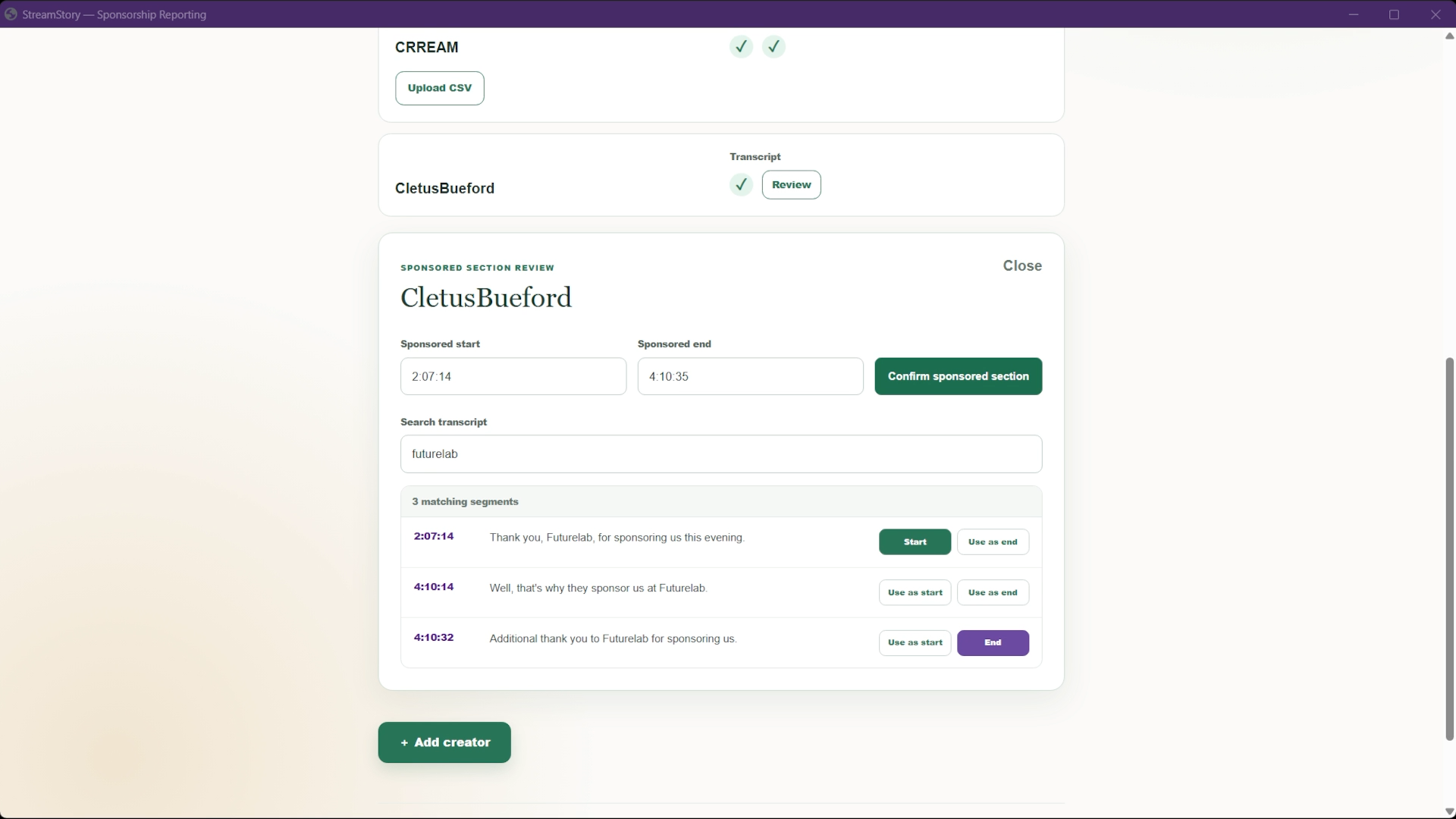
Creates a transcript, marks the sponsored segment.
-
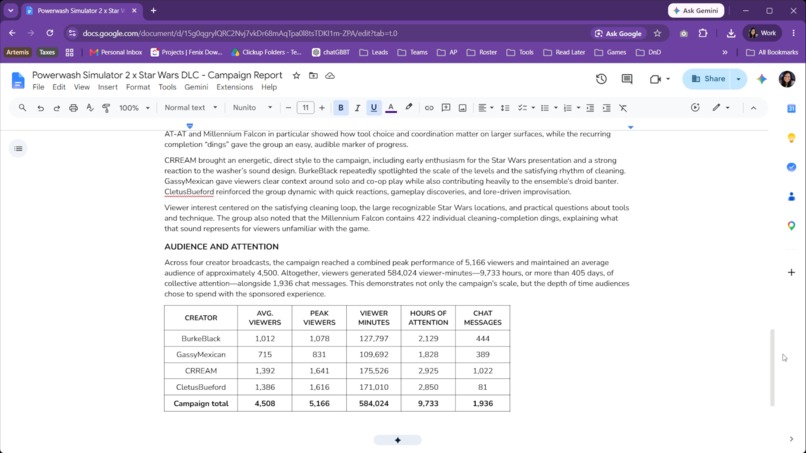
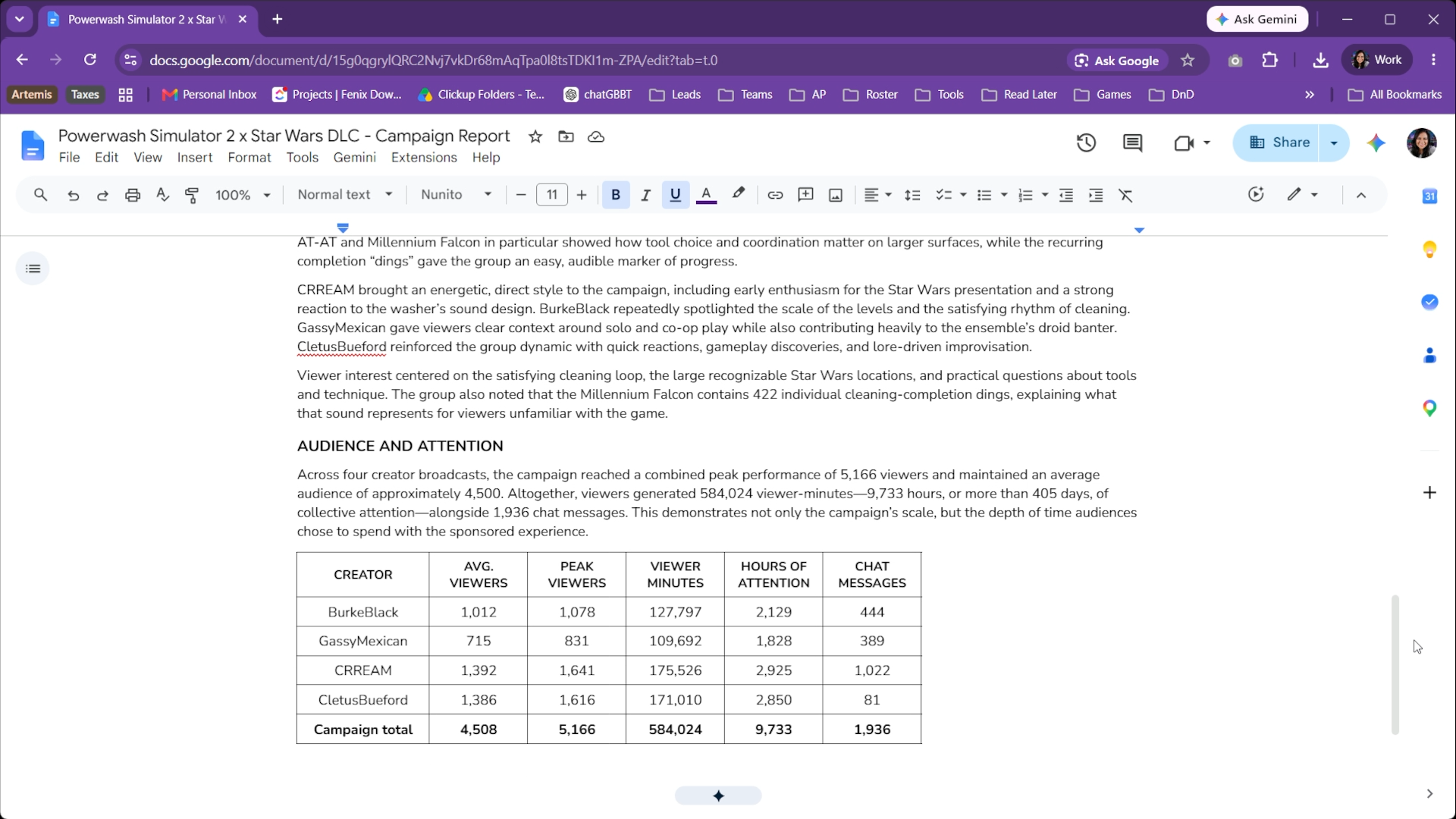
Outputs a campaign report with the story and analytics!
Inspiration
I run a talent agency for gaming livestream creators, and campaign reporting has always been frustrating. Our creators may stream for eight hours, while the sponsor disclosure we need lasts only 15 seconds. My team spends hours scrubbing through VODs, and the final report often becomes a few links and an analytics table.
I built StreamStory to save that time while giving sponsors a much better look at what our creators actually accomplished.
What it does
StreamStory turns Twitch VODs into creator-forward campaign reports. A talent manager creates a campaign, adds each creator’s VOD, and starts transcription. StreamStory downloads the audio, prepares it with FFmpeg, and uses faster-whisper locally on my GPU to create a timestamped transcript. Staff can search the transcript, confirm the sponsored section, upload Twitch analytics, and add multiple creators over several days. GPT-5.6 Terra then analyzes the transcripts and generates an editable Google Doc with:
- A campaign recap
- Timestamped Twitch moments
- Activation insights
- Creator and campaign analytics
How we built it
I built StreamStory inside Codex, treating it as my technical partner while directing the product with nine years of industry experience. Codex implemented and debugged the React interface, FastAPI backend, SQLite storage, transcription queue, OpenAI analysis, Google authentication, and Google Docs export. We iterated using real VODs, screenshots, terminal errors, transcripts, and campaign reports. GPT-5.6 Terra performs the final editorial synthesis using a reporting standard we developed through those tests.
Challenges we ran into
We worked through long VOD downloads, GPU queues, Windows permissions, CUDA errors, OAuth, Google Docs exports, job cancellation, and merge conflicts.
Accomplishments that we're proud of
We completed the full workflow using real multi-creator campaign data: Twitch VOD ingestion, local GPU transcription, human-reviewed sponsorship boundaries, segment-specific analytics, GPT-5.6 analysis, and an editable Google Doc. Most importantly, it replaces hours of manual scrubbing with a report that actually showcases the creators’ work.
What we learned
I am not a developer, so I learned everything from how frontends and backends communicate to how to initialize a Git repository, push to GitHub, collaborate with another developer, and resolve conflicting changes.
What's next for StreamStory
I want StreamStory to automatically find creator VODs with #ad or “sponsored” in the title and begin transcription. Staff could then assign those VODs to campaigns with checkboxes. I also want an internal report that identifies technical issues and coaching opportunities we can use to help our creators improve future sponsorships.

Log in or sign up for Devpost to join the conversation.