There is a similar problem in IT, when spam emails are sent out. The ISP eventually tracks down the IP address of the spammer and blocks it. The spammer simply gets a new IP address and starts all over.
The same can happen now with so many virtual PTN numbers and ways to get numbers. The telemarketers can manipulate them.
The solution is to automatically count the number of outgoing calls a line and/or subscriber is making per hour and flag or block them. For example, once 40 calls per hour is reached the future calls are blocked. A flag or counter tracks the outgoing calls and Resets the timer back to zero after one hour. No individual would need to make this many calls and businesses or people that do need to make that many can register their number in a "high call volume" database of trusted users to allow them to go over the limit. Kept completely confidential.
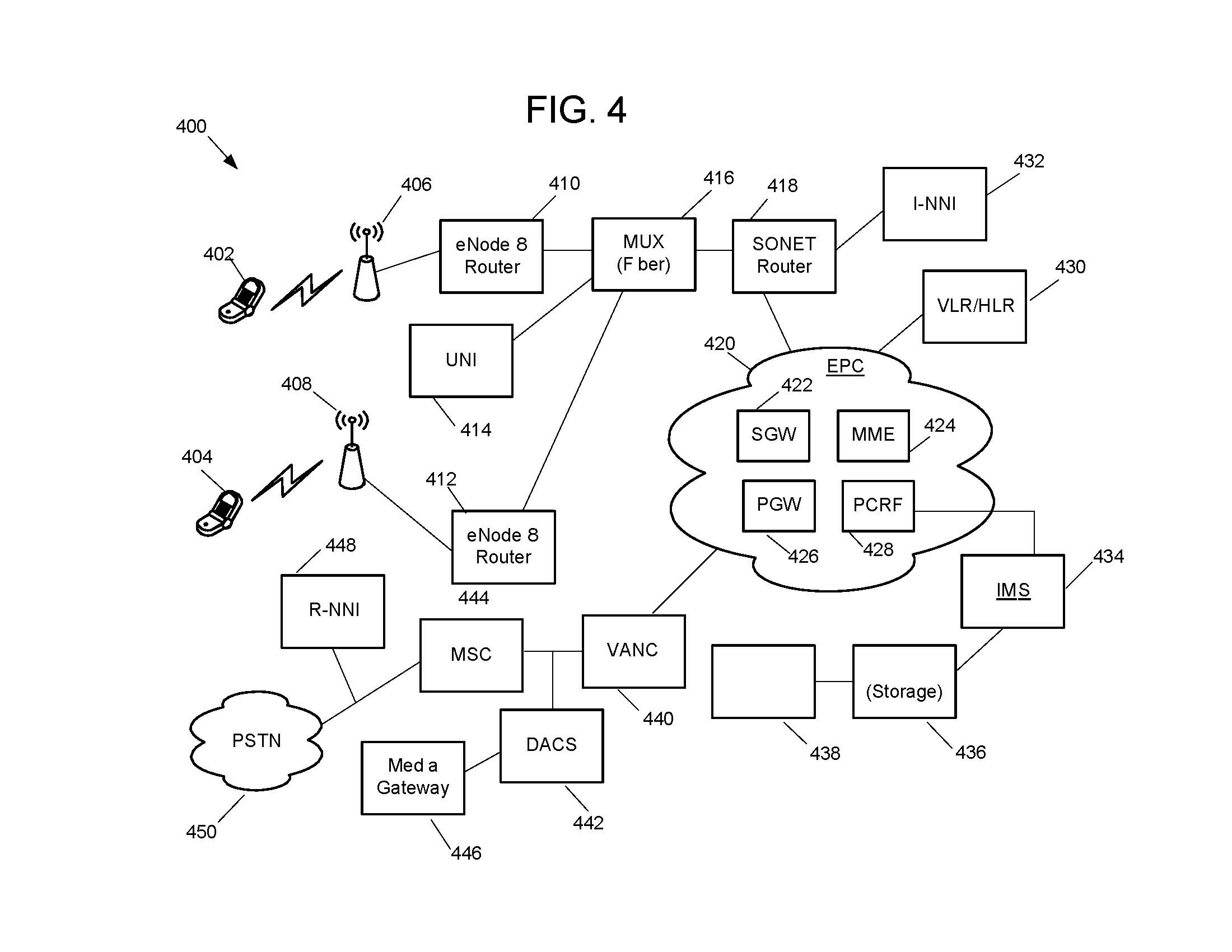
One way to do this, but not limited to would be to count the number of DIPs a calling number makes to its carriers STP signal transfer point or SIP database queries. When a number is called the carrier has to look up and see where the user is located in a database. Each carrier would be able to track the number that is placing the calls and lookups. If one number makes more than X (where x for example can equal 70 dips per hour) number of dips or number look ups in one hour, the trusted source list can be checked (reputation) The number could go to the FTC to make sure it is on a list of known marketers or known “high use” users. ). If not on the list then it would be flagged for review and it can be checked to see why it is making so many calls per hour. A company can file for a highly utilized number to enter into database. Telecom already uses many databases for Ported Numbers and International numbers, ect. When a business or person activates a number they can be asked if they are going to use this number for high use and if they abuse it they rights to “high use” numbers can be revoked. Even VOIP callers and 3rd party have to look up the destination number. Each “called number” has to be looked up to make an internal request to locate the “called number” (who it belongs to and where they are located); since this is done internally to the carrier or provider it would be very hard to alter. A field can be set to increment for each call, once the field value hits over 50 calls per hour it will alert or flag for validation. The number can be checked to see if it is authorized for sales calls. A group can then check the number to see if it is authorized or being misused. Fines can be issued to the people or companies misusing or abusing the number to pay for the services to stop this type of infraction. Most people or business do not make more than 50 calls in hour, if they do the calls will not be blocked just flagged for review or blocked from outgoing calls. If a number is flagged the user can simply be added to the database if they are valid users.
If one wanted to; once the threshold is crossed the number would be blocked from outgoing calls except 911, ect, Numbers that are Legal (political poles, ect) can register as a "high use" number in the database so they will not be blocked. If a number is blocked they can contact the FTC or other group that maintains the database to get it unblocked and added to the "high call" list. This would cause almost no inconvenience to the majority of individual users, some business would possibly have to make some concessions.
Also, another option is to add a secondary flag to allow a one time abuse of the calling rule in 24 hours time period...Lets say the flag was set to 20 calls per hour would signal a high call benchmark, then this would allow abuse to occur one time with in a set amount of hours or days. This would allow the high call volume set to a slightly lower number and allow for major events in peoples life. Then second time it crossed would make an automatic review of the abuse. Also, these numbers could be added to the trusted source list once verified.
This solution is for everyone and not only for cell phones. ...IT WILL WORK WITH LAND LINE,POTS LINES AND VOIP LINES. It does not discriminate on a person’s access to technology or their income level. This method does not interfere with privacy rights, rights of callers to have unlisted number and Another concern can be 'call waiting', what if the caller is on in a call and a second call comes in can other system handle this type of scenerio. This does not make a major alteration to people normally calling each other from the end user stand point. It can be regulated and funded by the FTC and by the carrier. Fines can re-coop some of the money and it will track how many illegal calls are placed.

Log in or sign up for Devpost to join the conversation.