-
-
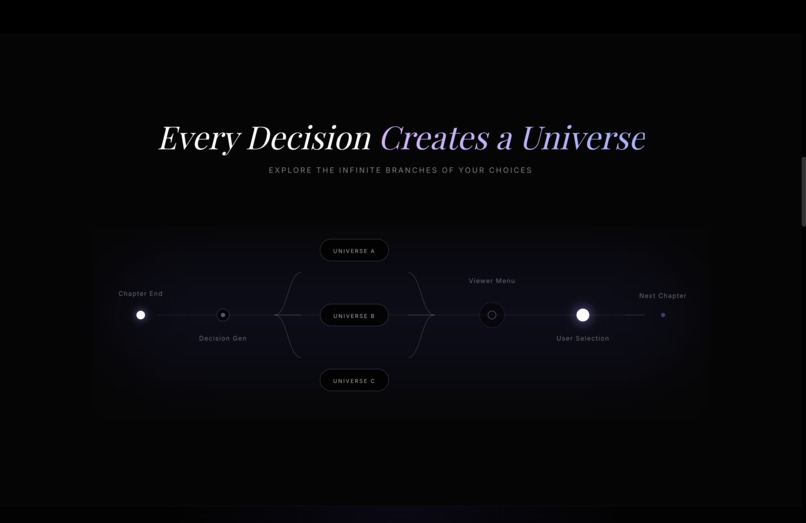
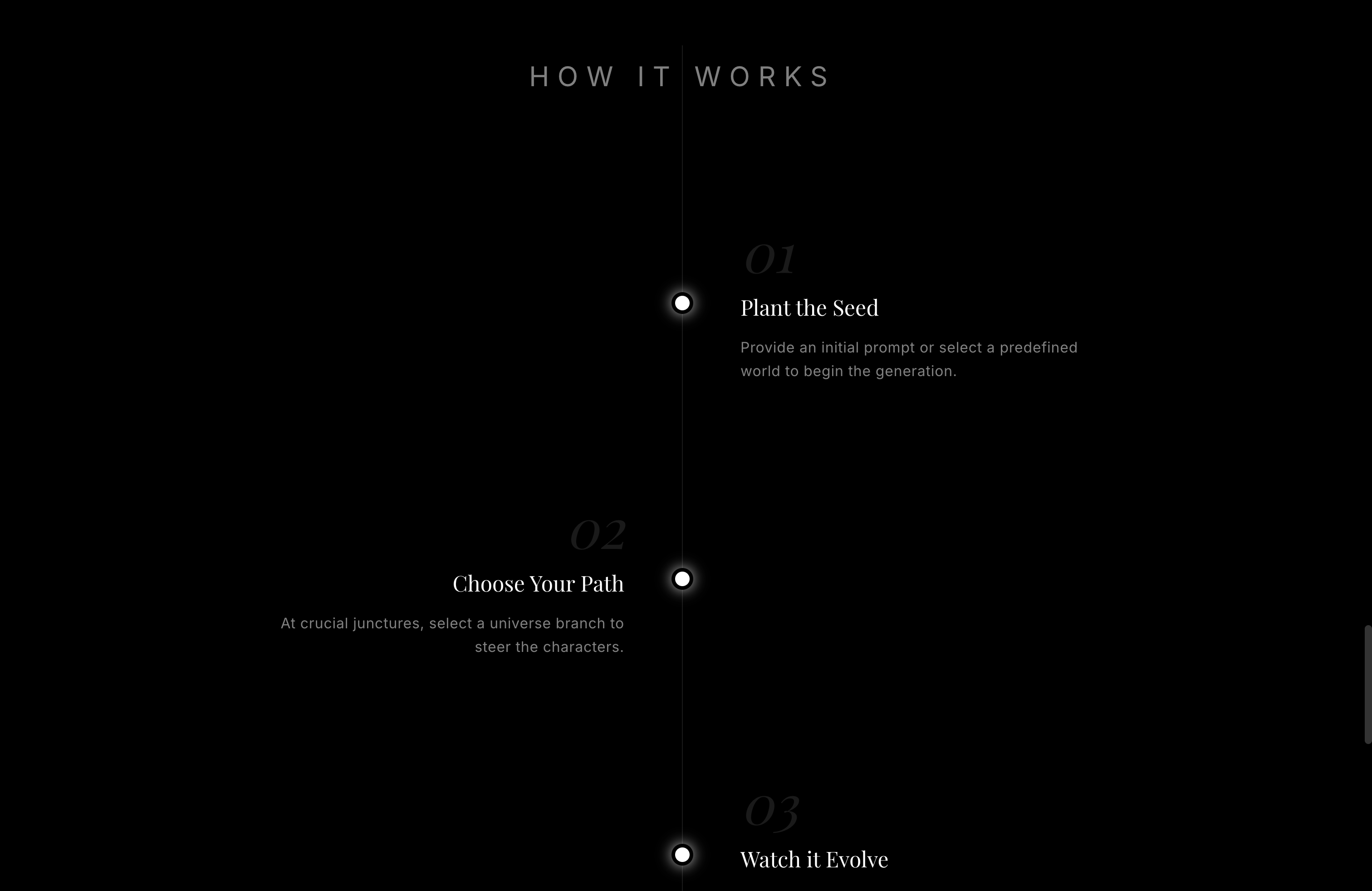
how the story line works
-
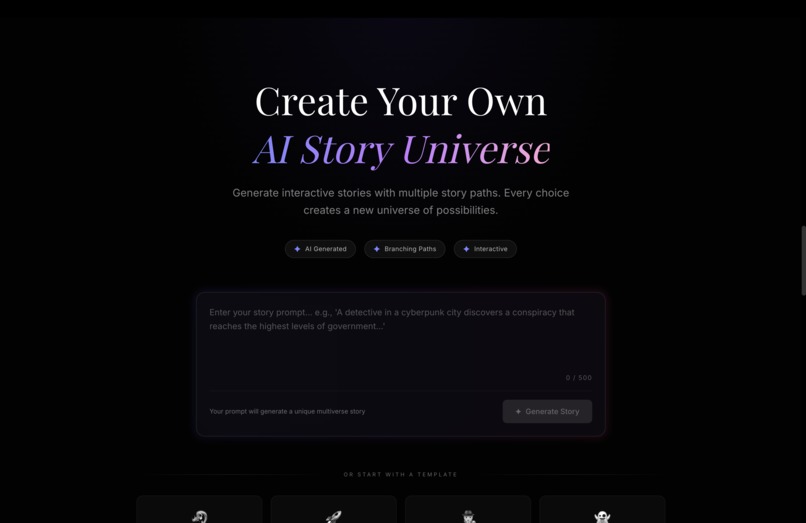
Some description about the story we need to build
-
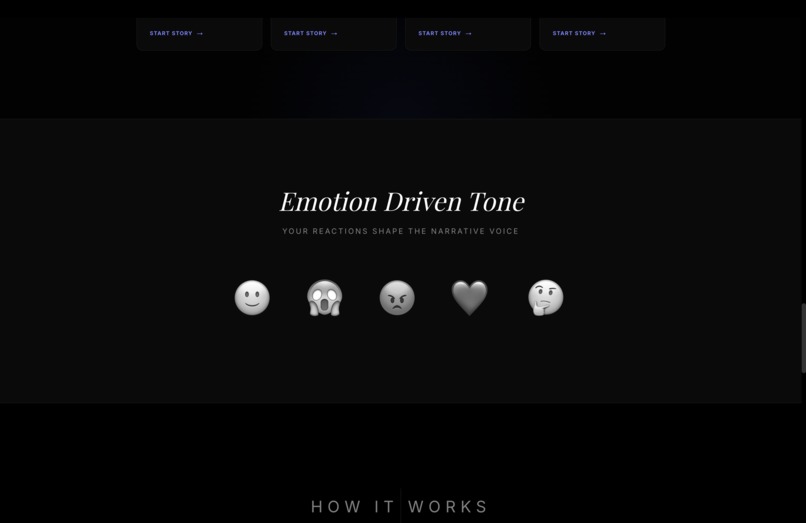
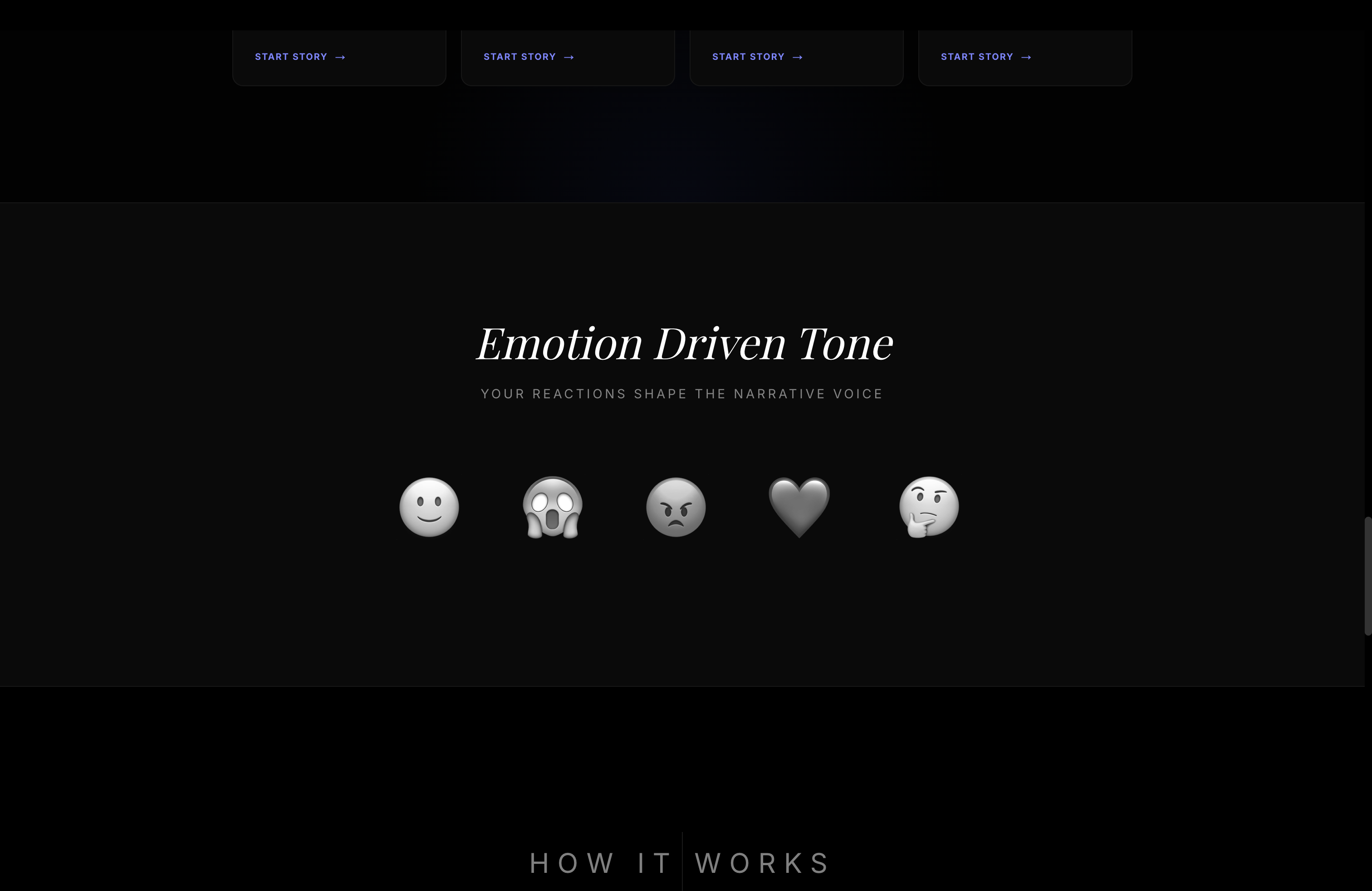
story line depends on your reactions
-
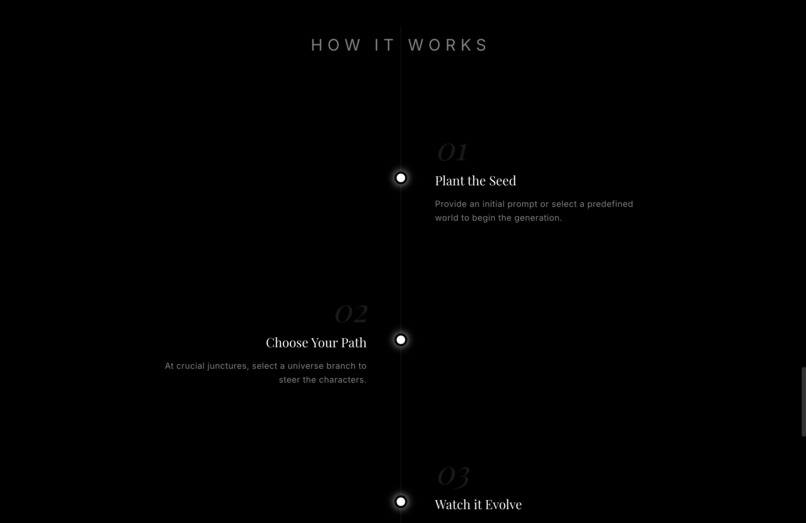
how this works (THE FLOW)
-
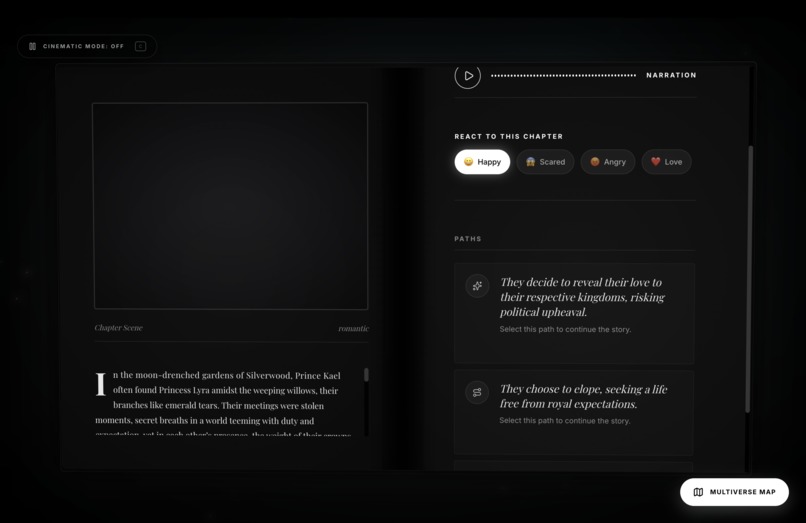
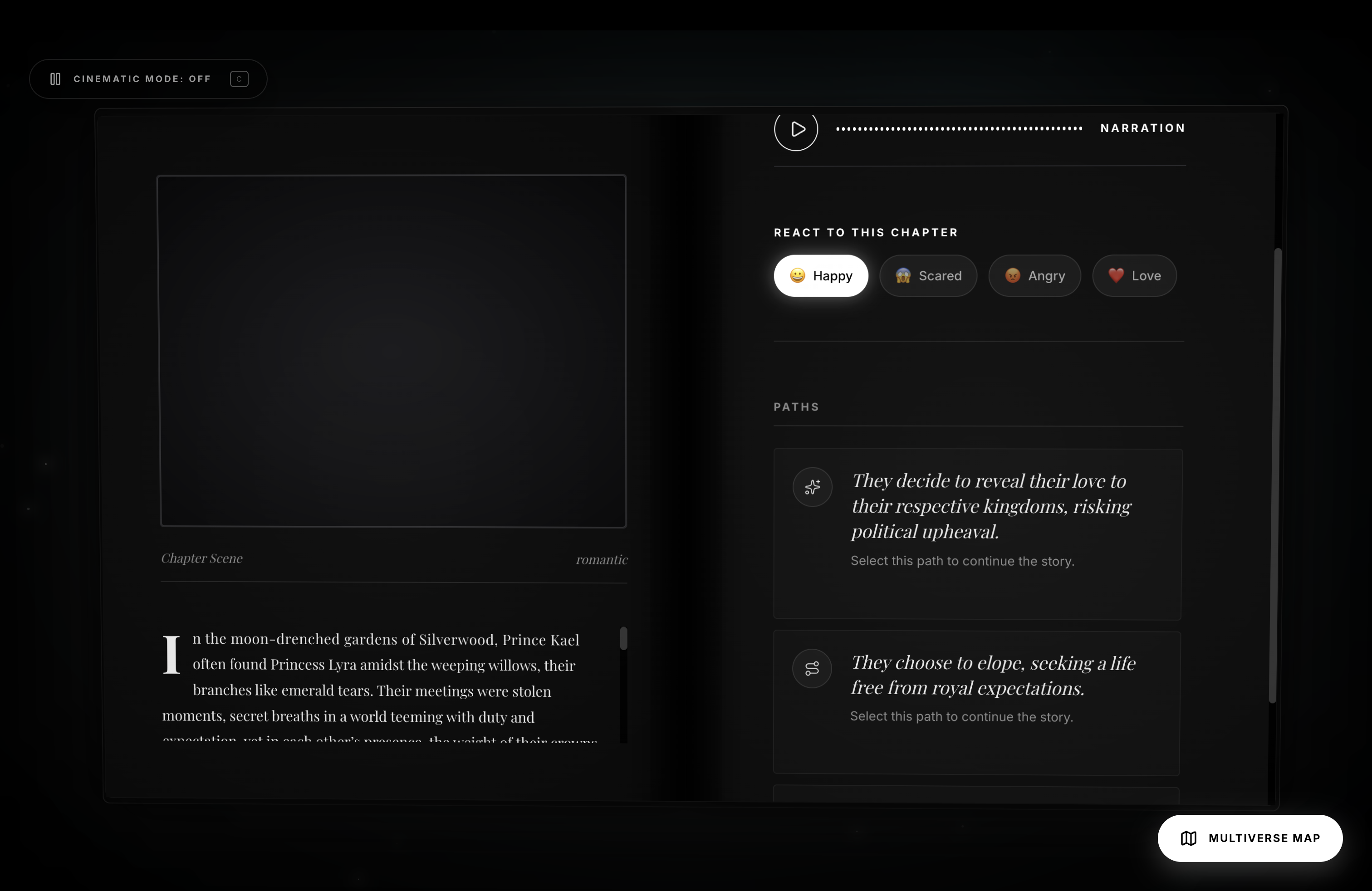
the main book in which story works as per your emotions also with the picture and narration
Inspiration
Storytelling has always been one of the most powerful ways humans share ideas and emotions. However, traditional stories are linear and fixed. With recent advances in generative AI, we asked a question: What if stories could evolve dynamically based on the reader’s choices? We wanted to build a platform where: • Stories are generated in real time • Users can explore multiple universes • Narratives include visuals, sound, and interaction This idea led to StoryVerse AI, an experiment in turning storytelling into an interactive cinematic experience powered by AI.
What it does
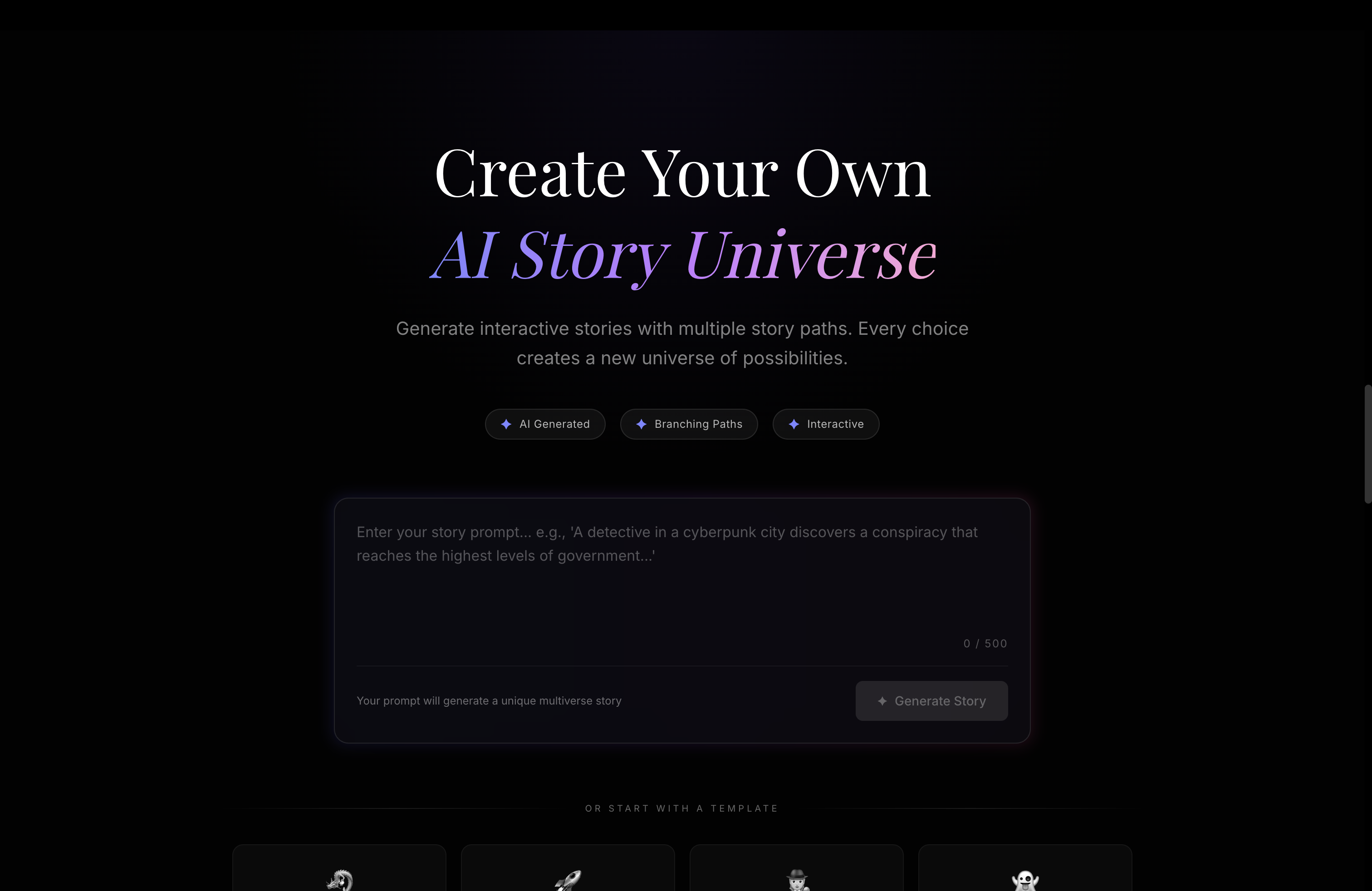
StoryVerse AI is an interactive storytelling platform that transforms simple prompts into immersive cinematic experiences. Instead of reading static stories, users explore a branching multiverse of narratives where each decision shapes the next chapter. The platform combines AI-generated text, images, narration, music, and interactive choices to create a storytelling experience that feels more like watching an AI-generated movie than reading a traditional book. Each story becomes a dynamic universe where users can explore different paths and see how their decisions affect the outcome.
How we built it
The project was built using modern web technologies and AI APIs to create a full multimedia storytelling engine. Frontend • Next.js for the application framework • React for UI components • React Flow to visualize the branching multiverse map • Custom cinematic UI animations such as • Typewriter story effect • Scene fade-ins • Cinematic loaders AI and Media Generation • Gemini for generating story chapters and branching choices • Image generation for visualizing scenes • Text-to-speech narration for storytelling • Dynamic background music based on scene mood
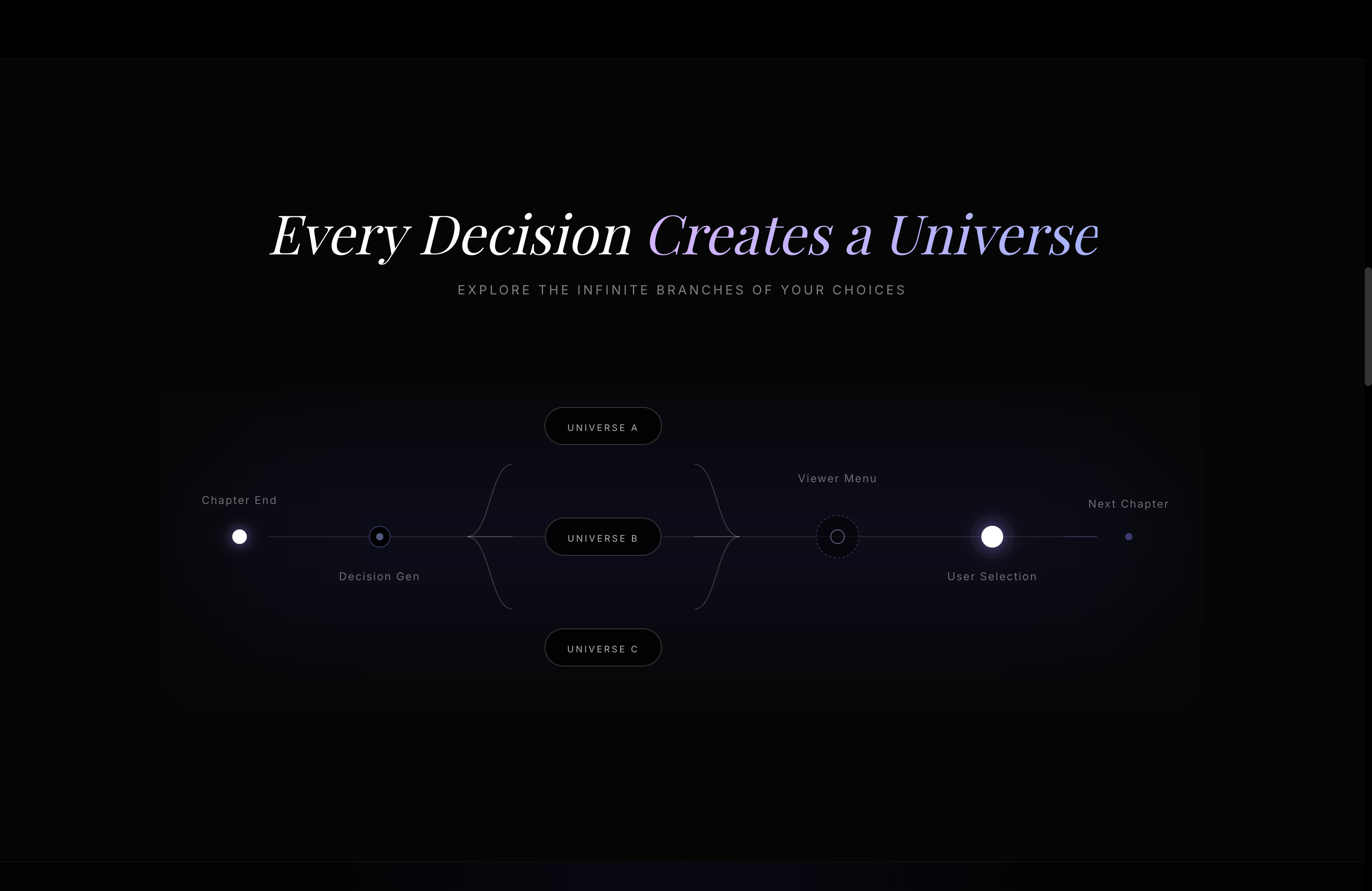
Core System Architecture The system follows a pipeline where a user prompt triggers a chain of AI-generated content: Prompt \rightarrow Story \rightarrow Scene\ Image \rightarrow Narration \rightarrow User Choices Each generated chapter becomes a node in a multiverse graph, allowing users to explore different narrative paths.
Challenges we ran into
🔹 Handling AI latency Generating stories, images, and narration can take time. To address this, we implemented the following: • cinematic loading states • request timeouts • retry mechanisms 🔹 Synchronizing multimedia content Ensuring that text, narration, music, and images load smoothly required careful orchestration. 🔹 Building a branching story structure Managing story history and rendering it visually in a graph required building a custom data structure to track narrative nodes.
Accomplishments that we're proud of
• Built StoryVerse AI, an interactive cinematic storytelling platform powered by Gemini. • Created a multiverse branching story map using React Flow that visually shows how user choices shape the story. • Integrated AI story generation, scene images, narration, and background music into one seamless experience. • Implemented Cinematic Story Mode where narration, music, and text automatically play like an interactive movie. • Added production-level error handling and retry systems to ensure the app remains stable even when AI APIs fail. • Successfully built and deployed the full project using Next.js within the hackathon timeline.
What we learned
Building StoryVerse AI taught us several important lessons: 1️⃣ AI is most powerful when combined with interaction Generative models become significantly more engaging when users can influence the output. 2️⃣ UX matters as much as AI Simple features like typewriter text, cinematic loaders, and music transitions greatly improve immersion. 3️⃣ Visualizing data improves storytelling Using a multiverse graph helped users understand how their choices affect the narrative structure.
What's next for StoryVerse AI
We see several exciting directions for expanding StoryVerse AI: • AI character voices • multiplayer storytelling • shared story links • persistent story worlds • collaborative storytelling sessions StoryVerse AI is an early step toward a future where stories are no longer static. Instead of consuming content passively, users will explore living narrative universes generated in real time.
Built With
- ai
- api
- gemini
- javascript
- next.js
- story
- typescript

Log in or sign up for Devpost to join the conversation.