Inspiration
With the development of AI and Machine Learning, the system is getting to be optimized a lot. The worlds logistic is getting better and faster nowadays. We believe that we could bring to own user the new experience to our customer about the ownership.
What it does
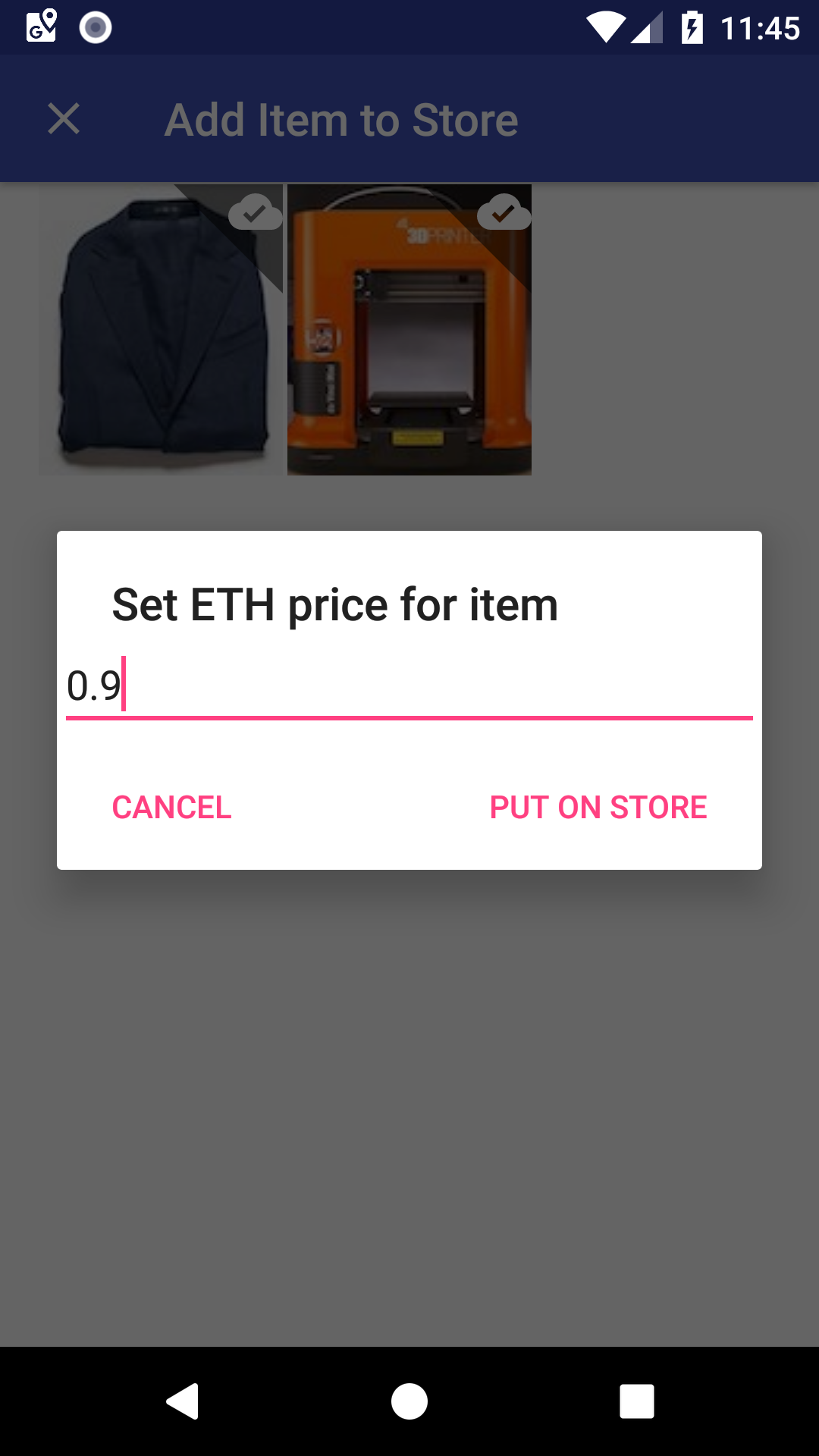
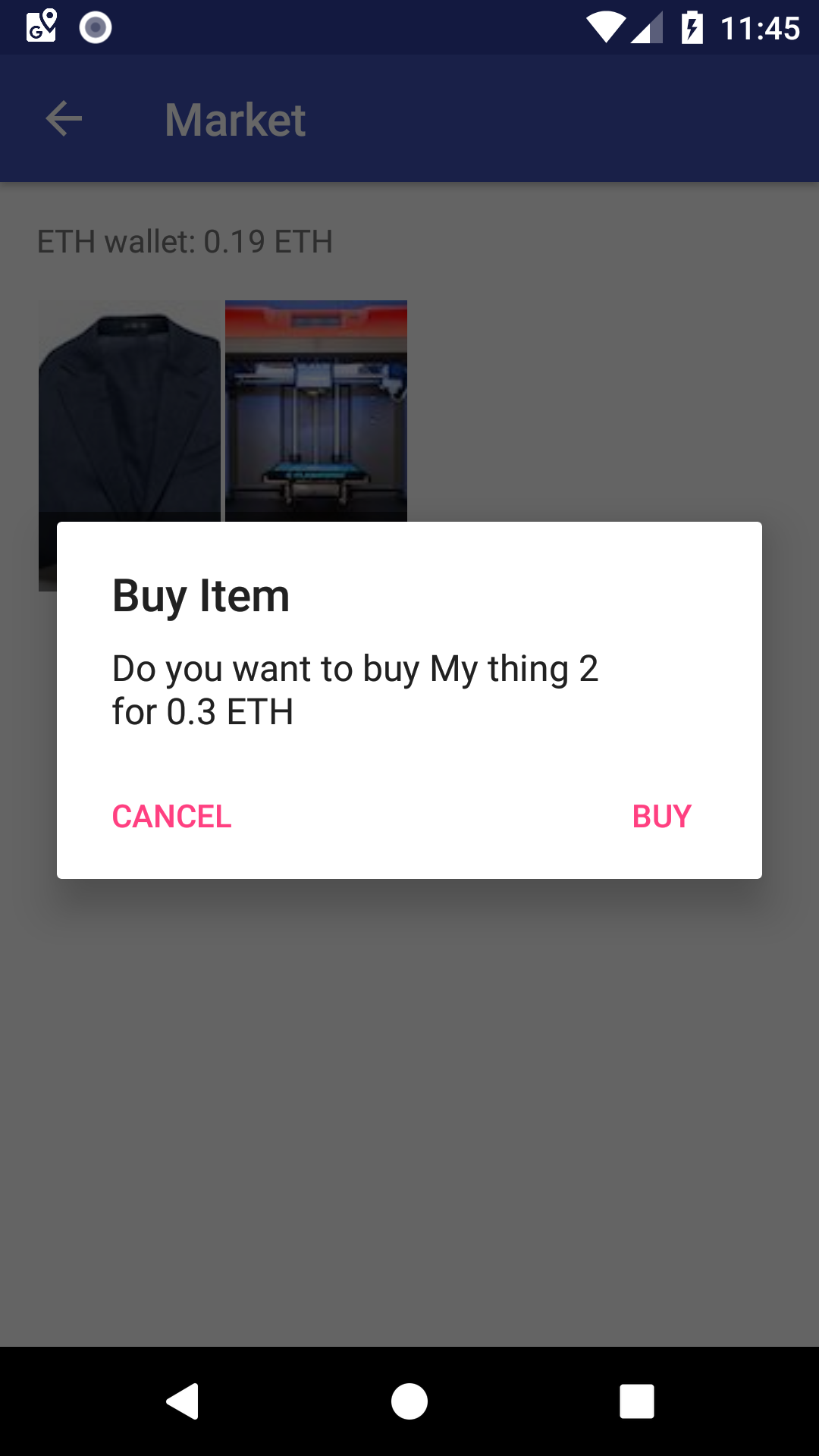
It provides the user the experience of storing their stuff in the warehouse and getting it as the Dropbox or Google Drive for storing file and sync file. The could put their stuff in our warehouse and bring with them anywhere. Beside we leverage the power of blockchain to create more benefits for our user by making a free and trust-less exchange market. By the mean of Ethereum, we could create the smart-contract for buying and selling the item that is being stored in the warehouse without implementing any complicated payment system. So we could focus on what we do the best is our logistic system
How we built it
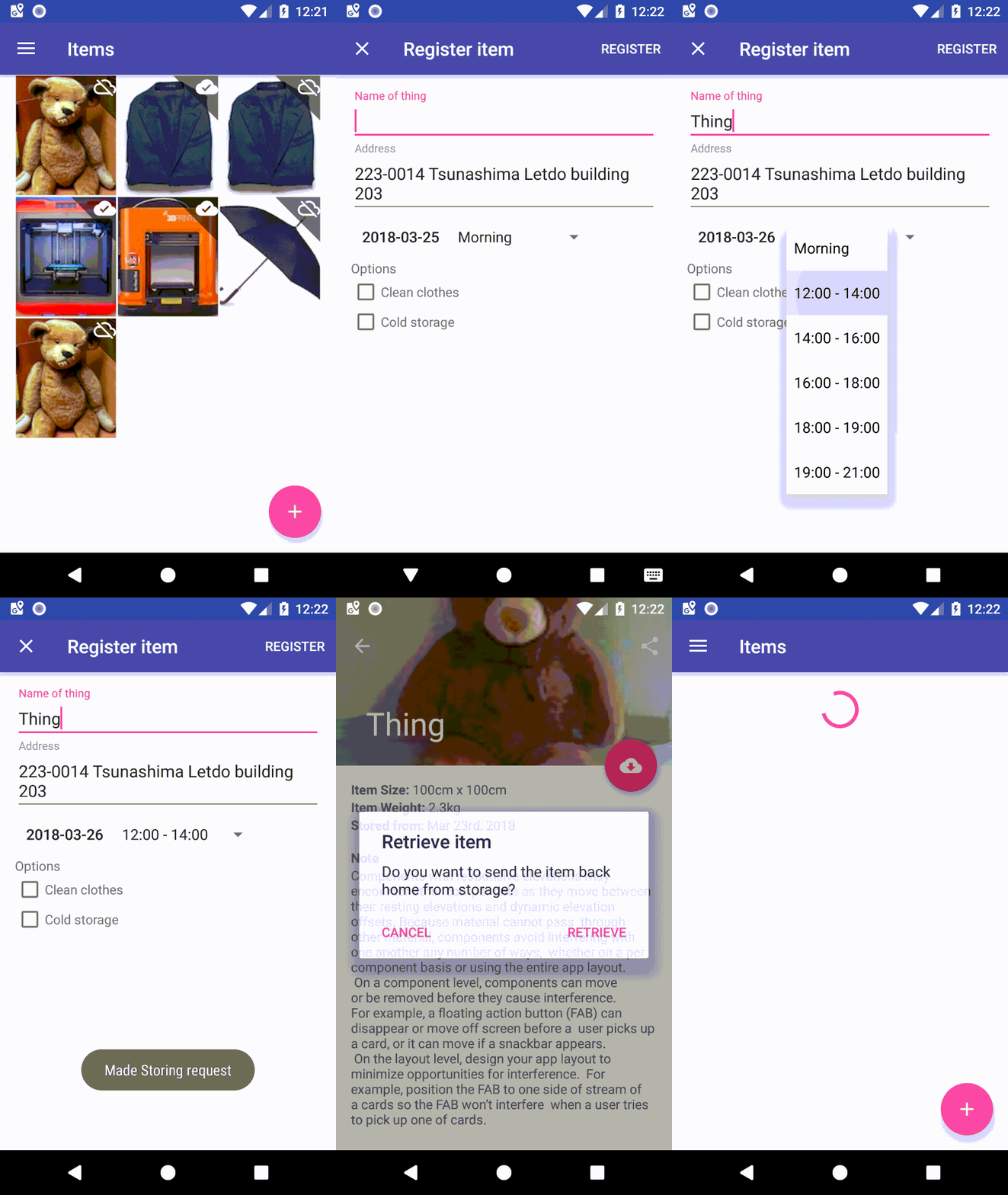
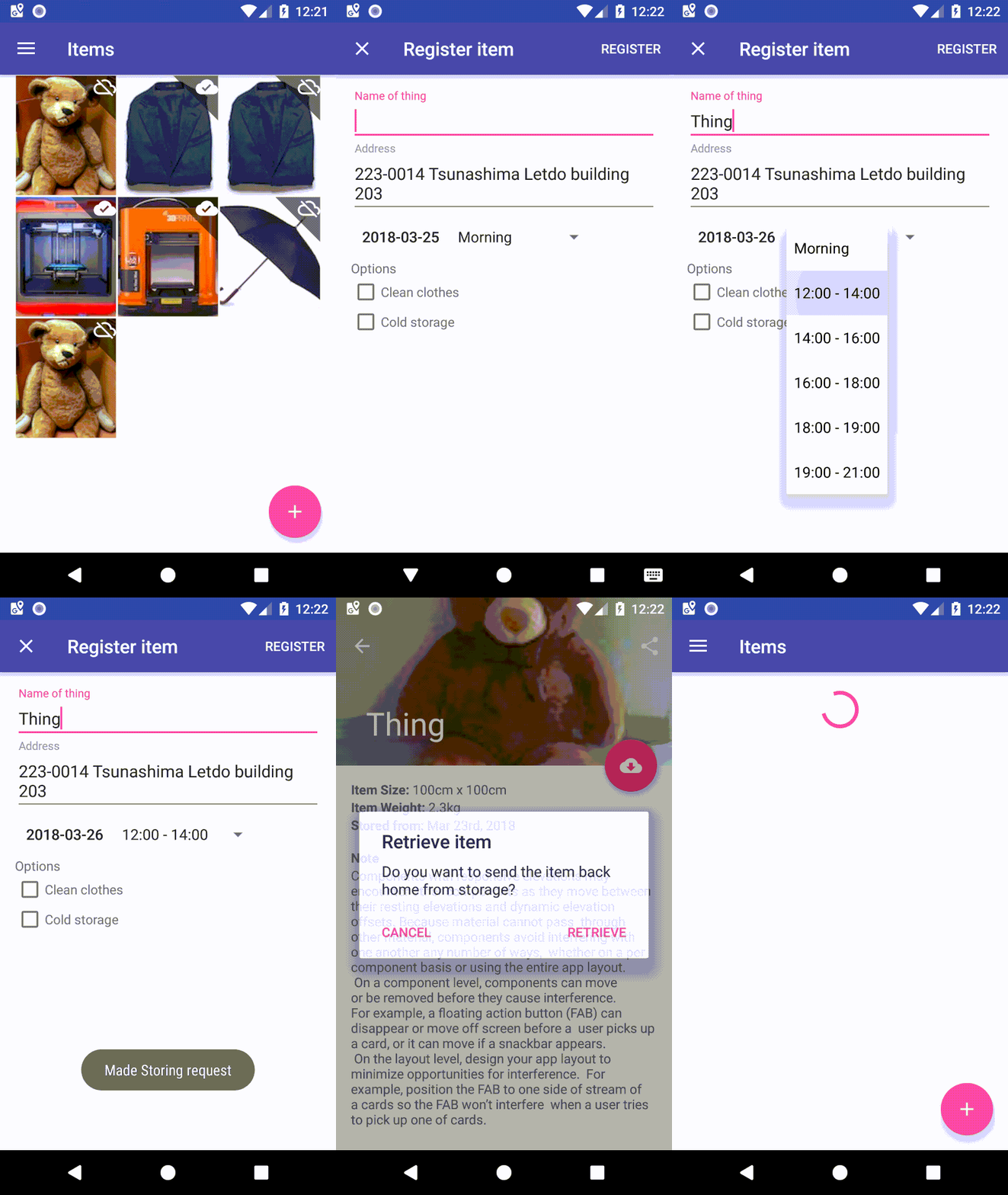
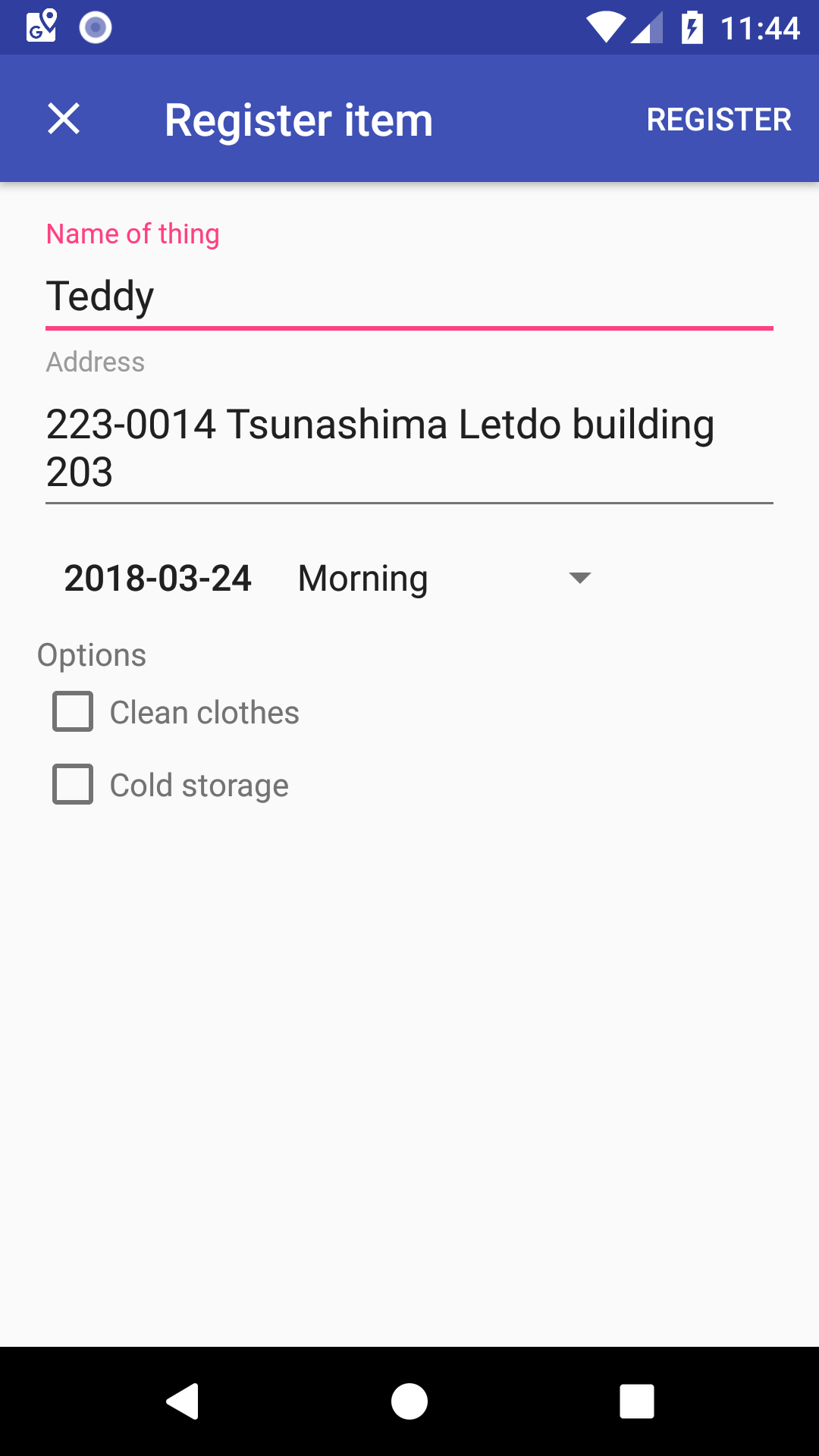
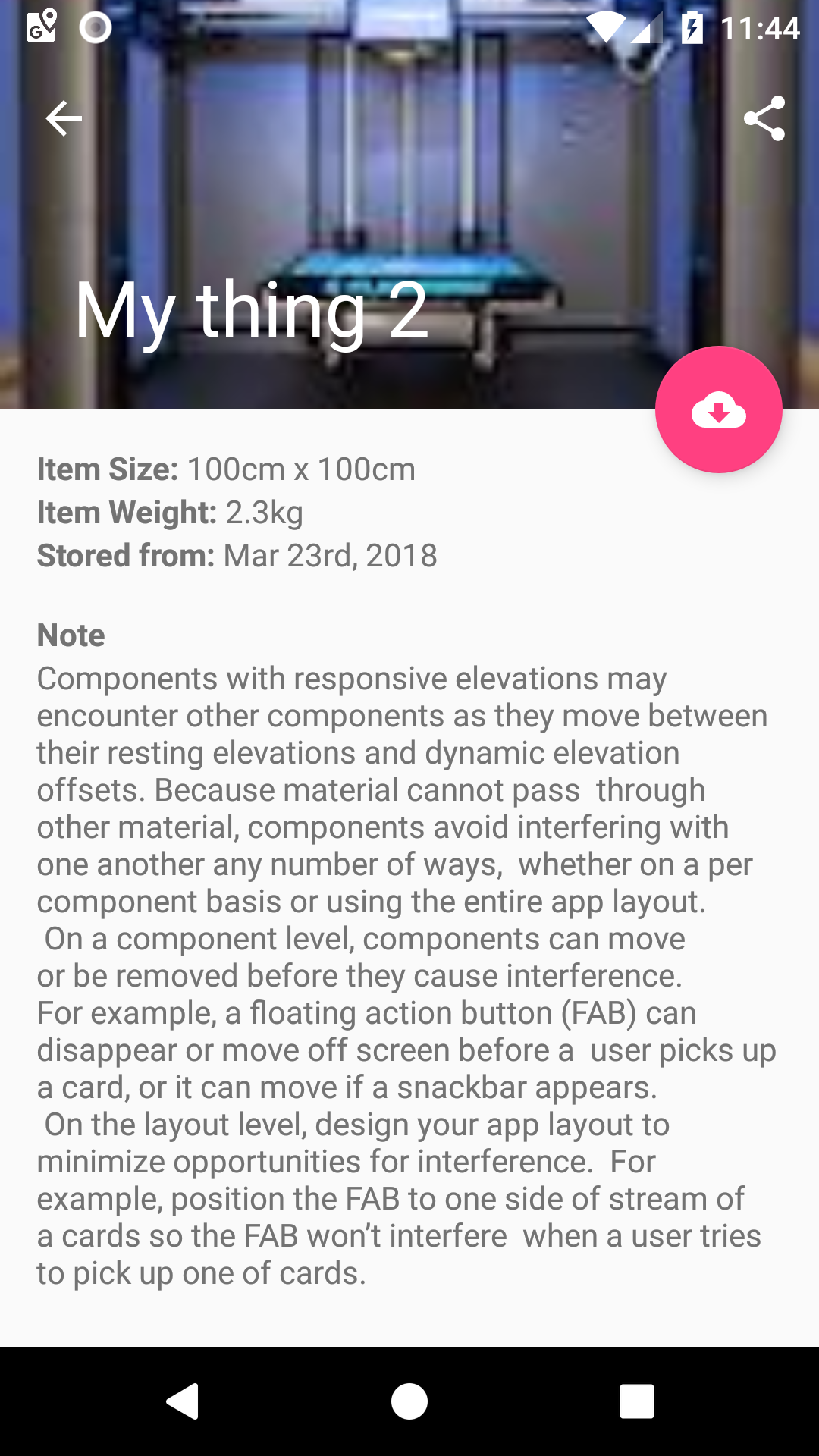
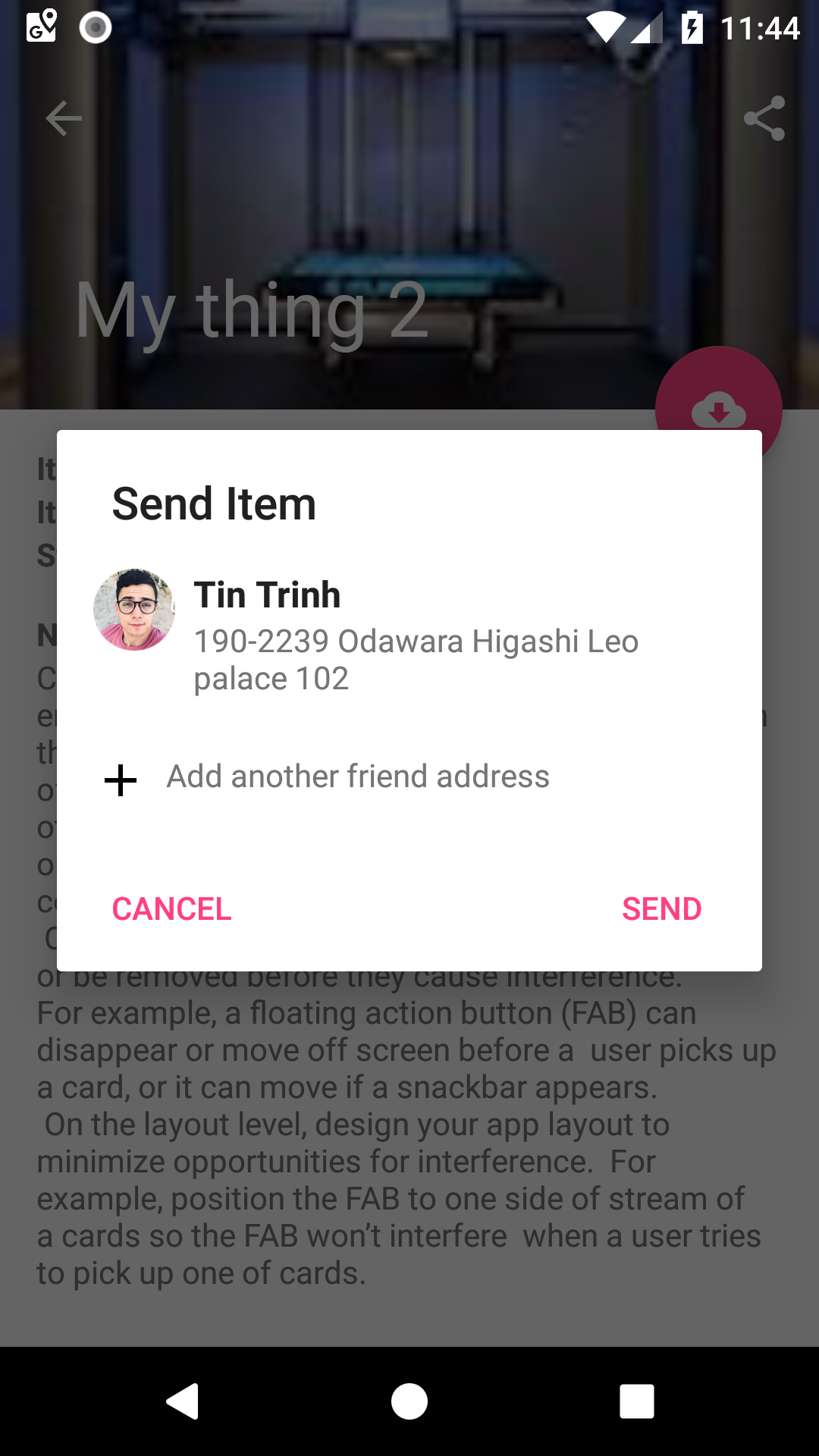
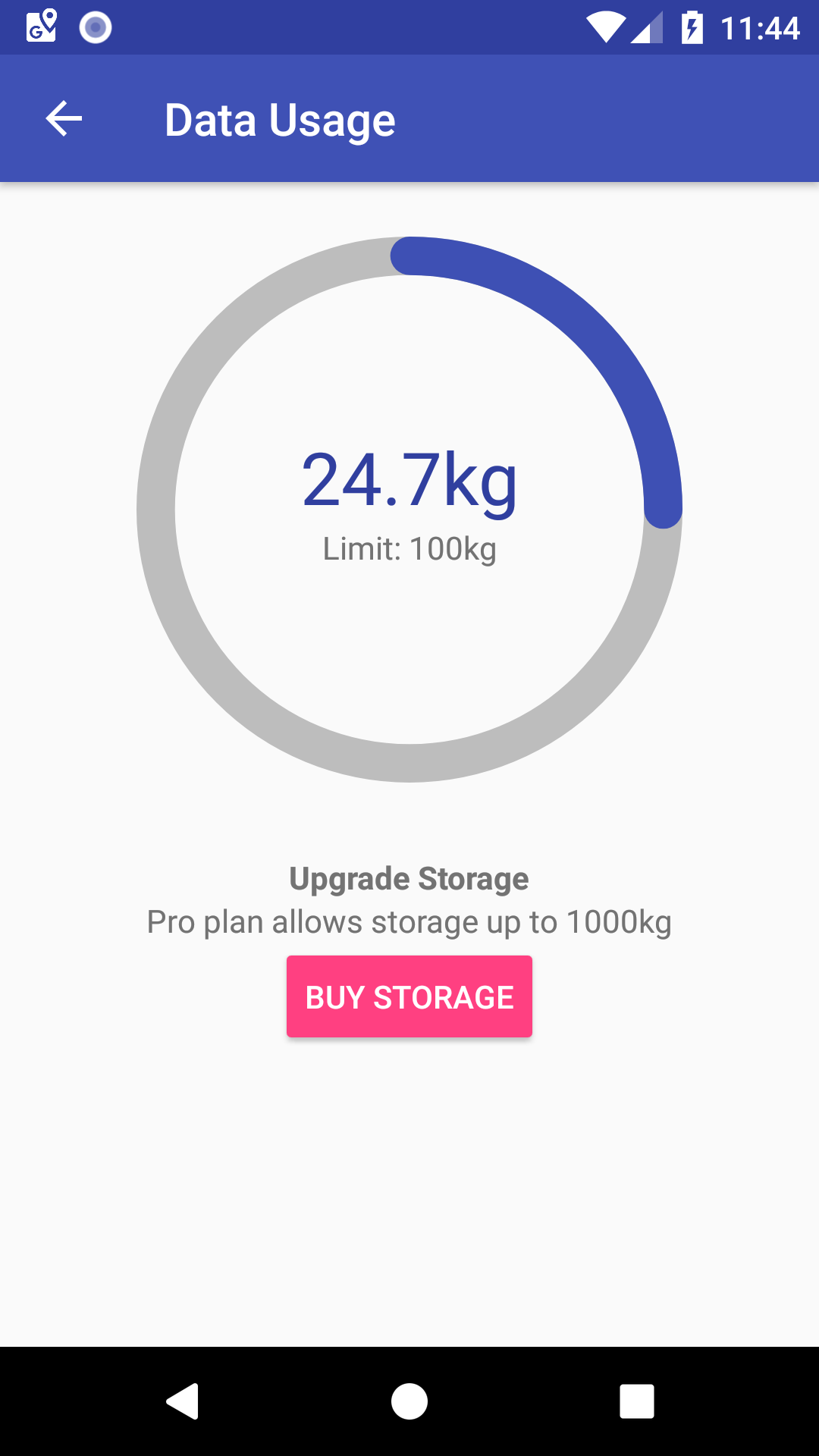
Our system includes three parts. Firstly, the Android application for end users, the users can store their things in our system and can view or retrieve it later. When the users store their thing in our system, it not only about logical but also about physical. We take advance of Terada system to help us on logistics.
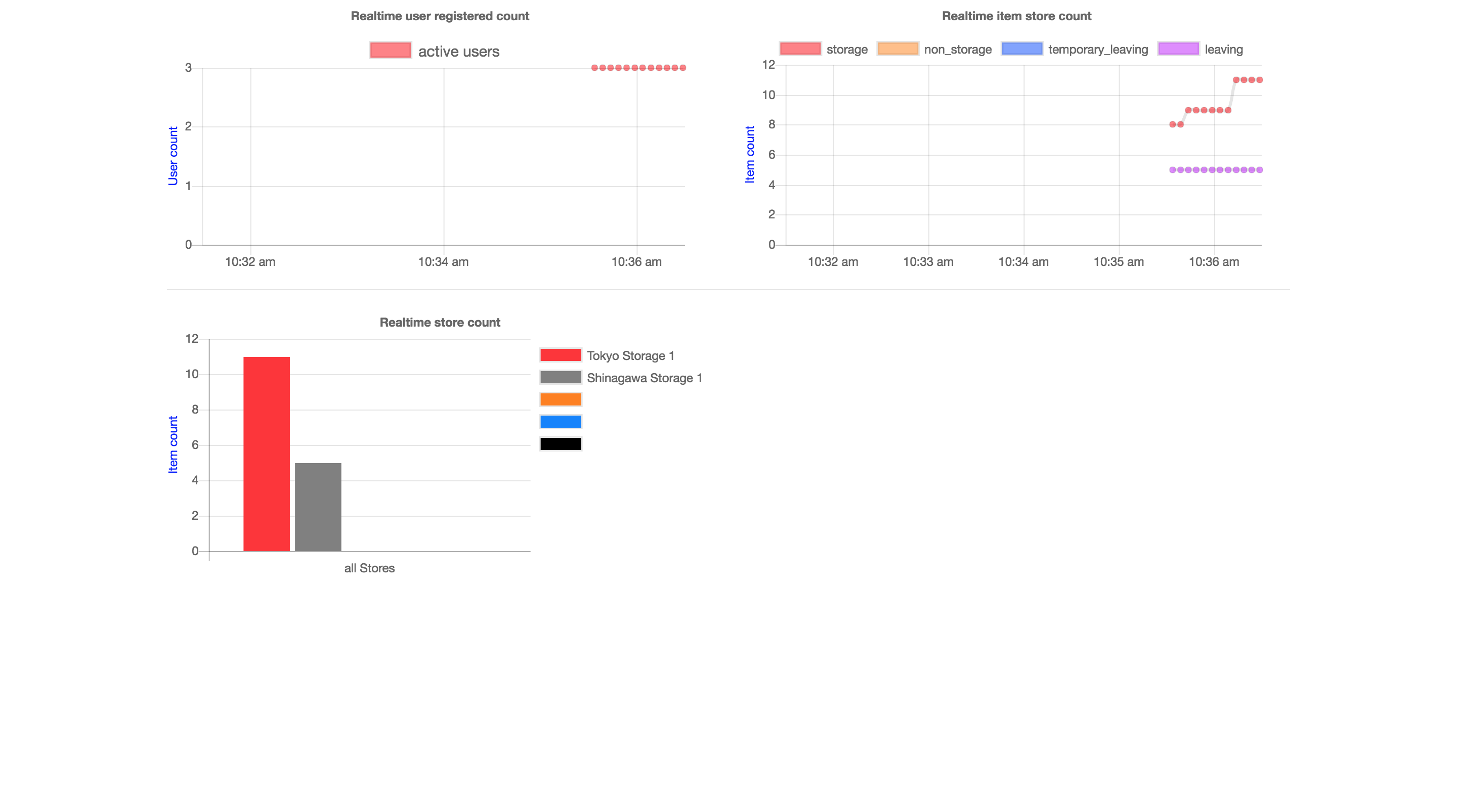
Secondly, we create the simple UI to reflect on changing of data - Real-time user registered count - Real-time item stored count - Real-time store existed count
Finally, we develop the smart contract for exchanging item on Terada system and create the supporting server to help android easier to use smart-contract.
Challenges we ran into
The smart-contract condition is very strict and with the lack of a lot of ability as a programming language, we feel it is very difficult to make a smart contract for the payment beside with the storage service that we are providing to the user. Because we want to make the system and the blockchain server independently exists as an implementation despite their relationship in business logic.
Accomplishments that we're proud of
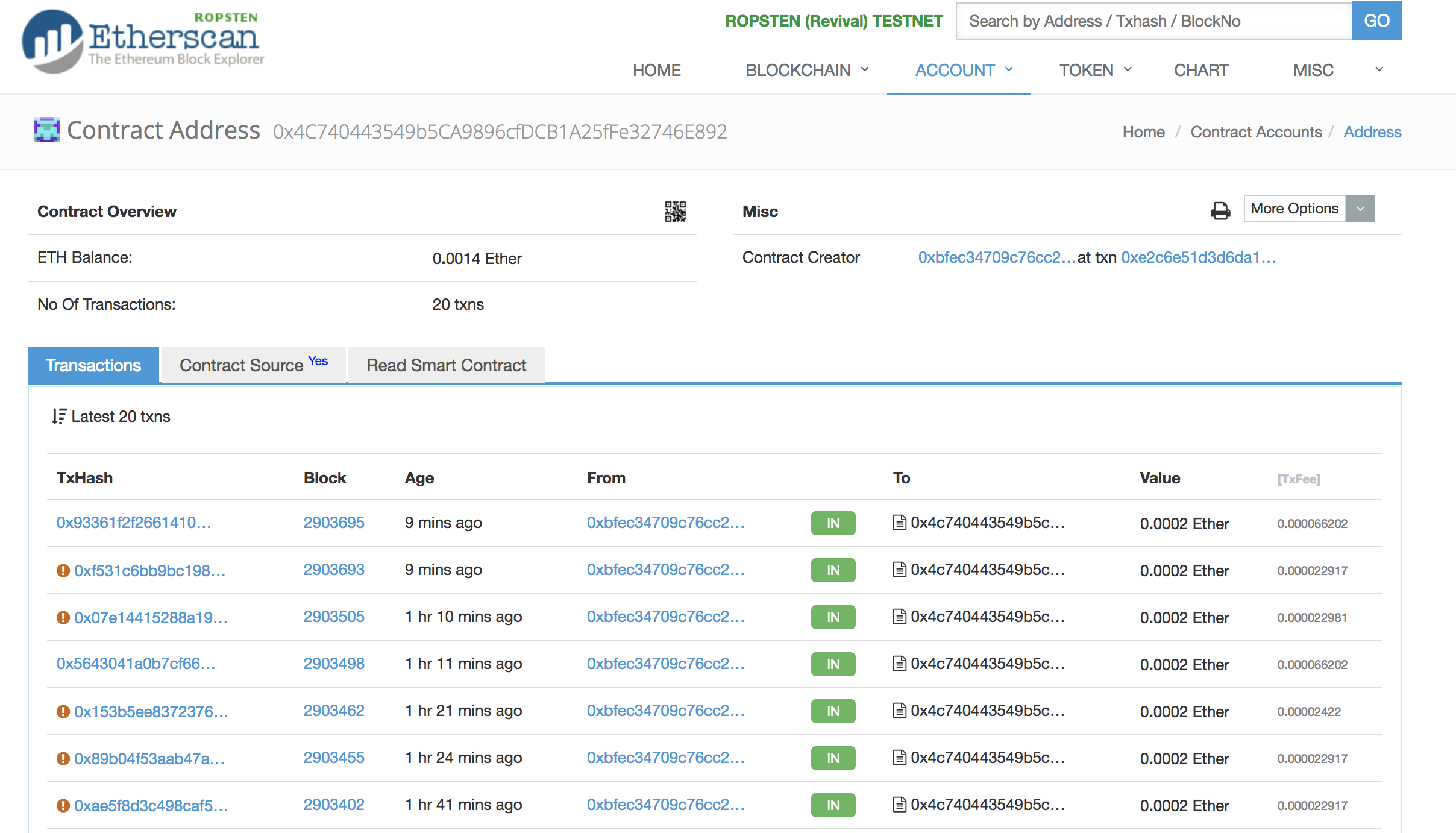
We have the working and good-looking Android application that could demo for the scenarios we would like to propose. We using good the Minikura API to making a serverless system for the hackathon. Finally, we accomplish the smart-contract with solidity language and the test net Sopstent and integrate it into our Android application for making a purchase.
What we learned
Logistic system We have to learn a lot about Solidity programming paradigm and Ethereum network.
That our durability is weak. After two days we are drained out.
What's next for Storage of Things
Finish the basic function for all the use case that we have decided.
After that, we will make the enterprise version of Storage of Things.
Built With
- android
- blockchain
- ethereum
- javascript
- kotlin
- node.js
- solidity


Log in or sign up for Devpost to join the conversation.