Inspiration
We wanted to create something that was fun but helpful. We started with an idea of creating an app that can help track mental health by monitoring app use and the content within an application. We discussed how a lot of deterrents are inherently negative and thought about ways we could change the narrative. This is how we came up with Stop It.
What it does
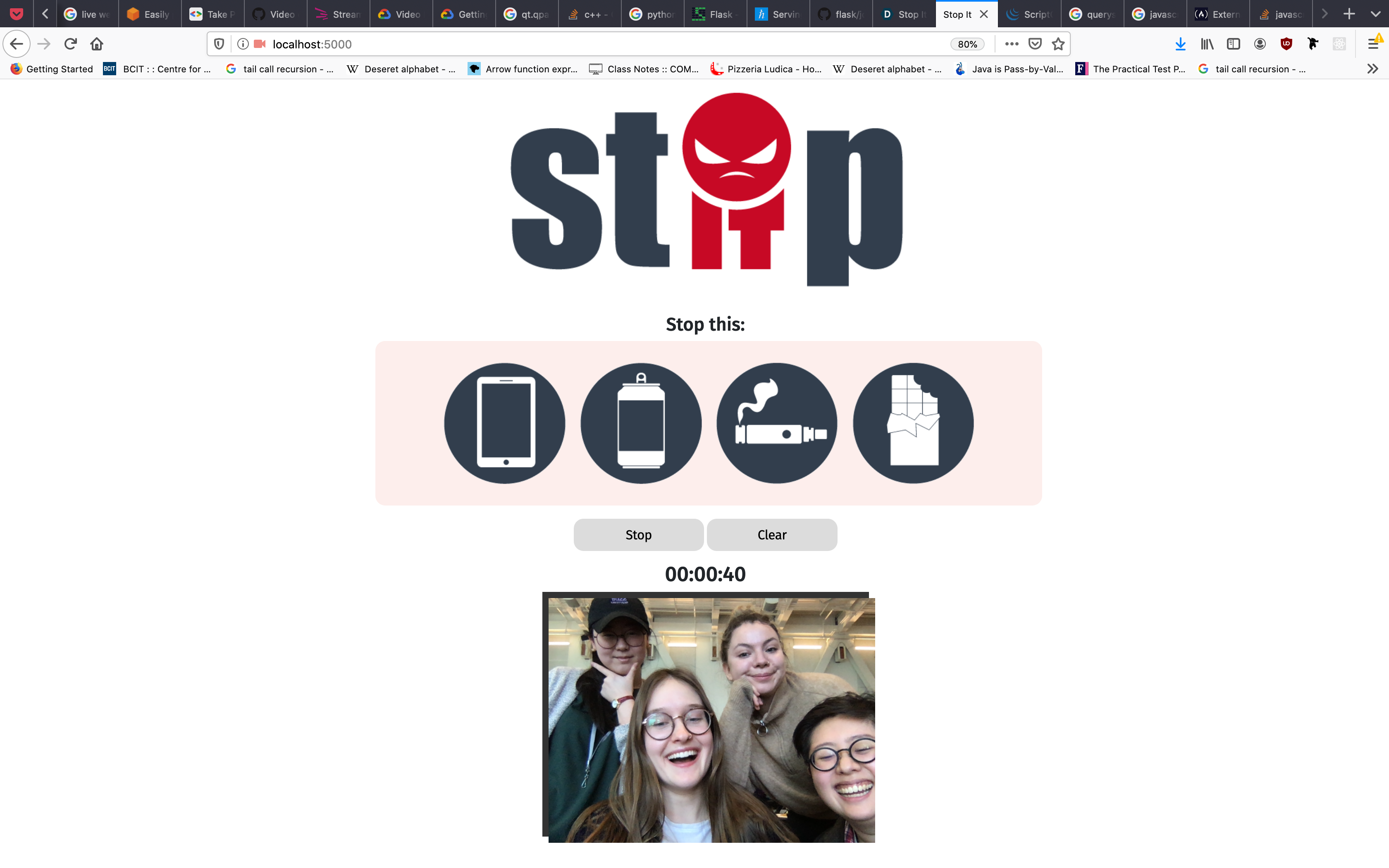
Stop it allows you to choose what habit you are trying to avoid. It it detects if you are engaging with this habit, it catapults a small paper ball at you as a reminder to STOP IT.
How we built it
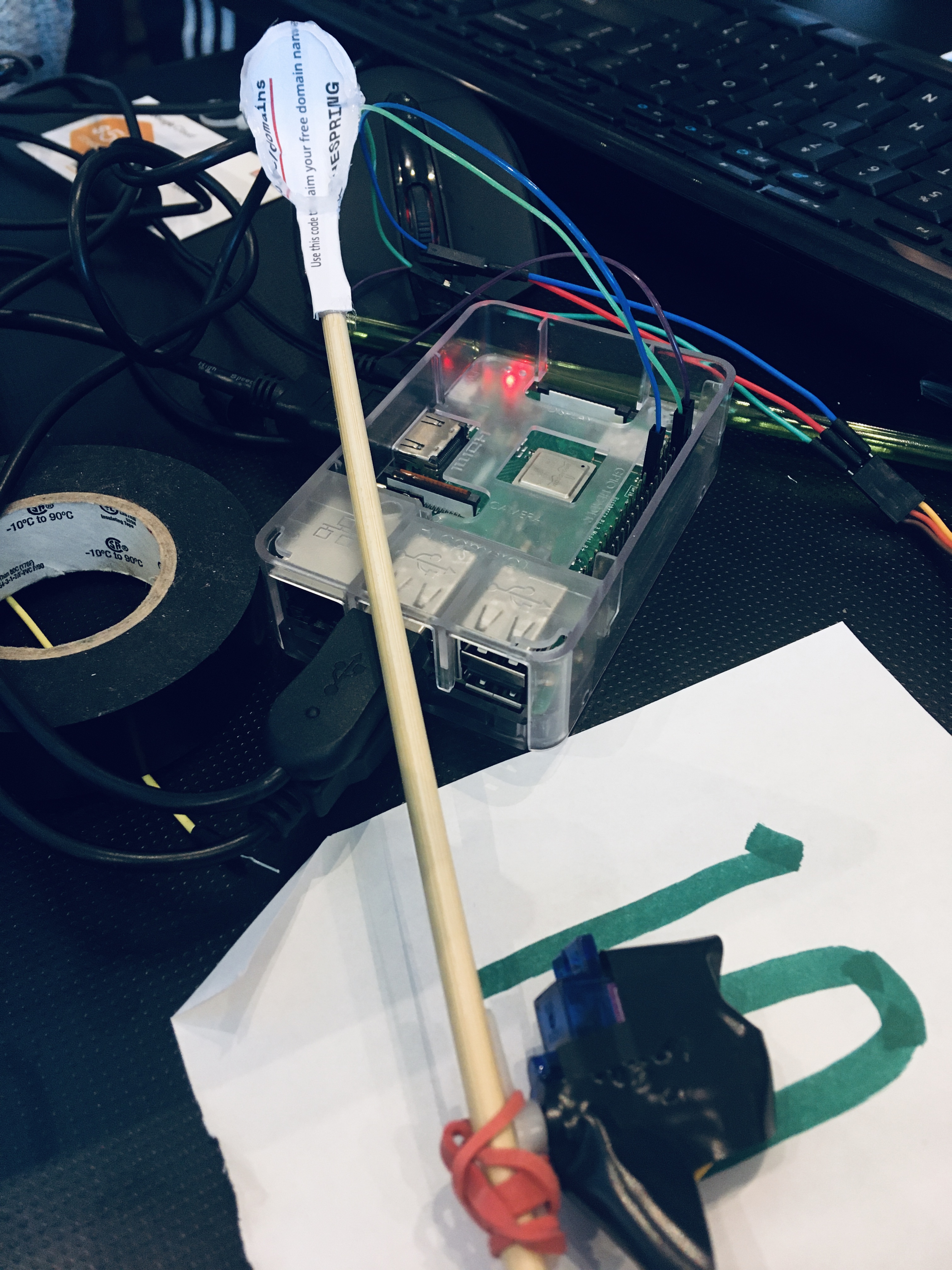
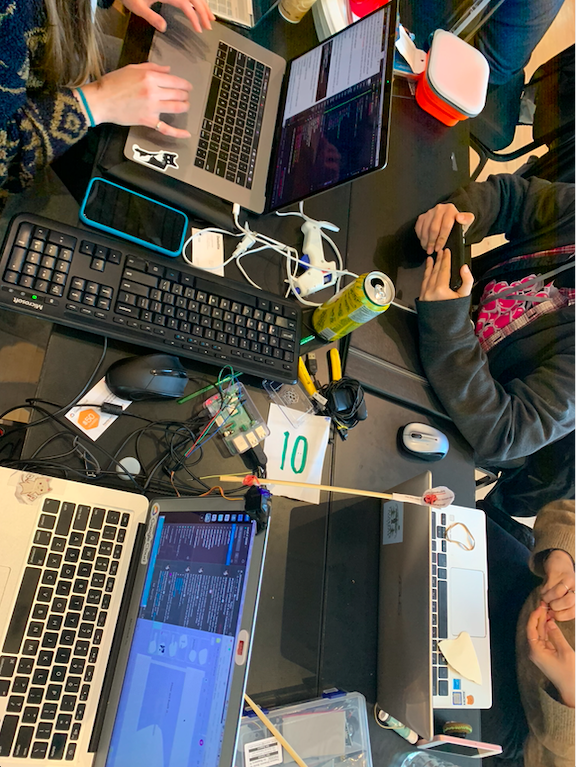
It started with a Raspberry Pi and a servo motor. We attached a chopstick to the motor and placed a spoon at the end of the chopstick. This would hold the ammunition (a paper ball) of our habit-breaking catapult. The raspberry pi was connected and programmed to move the motor in a throwing motion. We used Python and OpenCV to generate a code that connects to a computer's webcam and sends the video as images to Google's Vision AI. This would detect and return labels of objects captured on the webcam. If an object is a 'banned object', the code will tell the raspberry pi and trigger the loaded catapult.
Challenges we ran into
We spent a long time learning and implementing Django but ran into significant issues. After consideration about our project size and the time limitation, we decided to switch to Flask. We also had hardware challenges in the beginning since we were not anticipating incorporating Raspberry Pi into our project, and so had to rely on what was available at the hardware lab provided by the organizers. The
Accomplishments that we're proud of
We are proud of ourselves for getting out of our comfort zone and trying our hands at hardware to make something interactive, creative and entertaining. We challenged ourselves with crash courses on Django and Flask, and was not afraid to change course midway and pushed through.
What we learned
We learned about Google's Vision AI, and how to utilize it in a Python development with the help of OpenCV. We discovered that Django is more suitable for larger projects, especially for a team with no experience in it. From that, we also learned to be more thoughtful as we plan what languages to use at the beginning of the project, as we were already using Flask to interact with the Raspberry Pi, so it would have made more sense to use that from the beginning.
What's next for Stop It
We would like to incorporate Video AI to detect actions in addition to objects to more fully realize our vision. Stop It could also allow users to set up their own list of restricted objects and actions, and increase the number of loaded spoons.


Log in or sign up for Devpost to join the conversation.