-
-
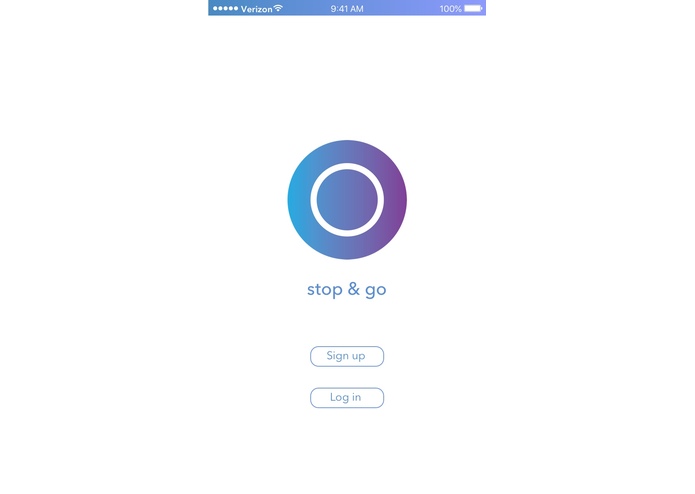
App Interface Login page
-
explanation ui 1
-
explanation ui 2
-
explanation ui 3
-
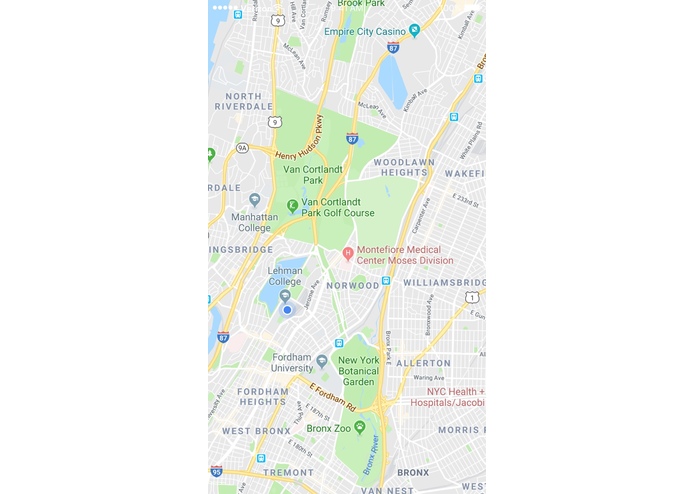
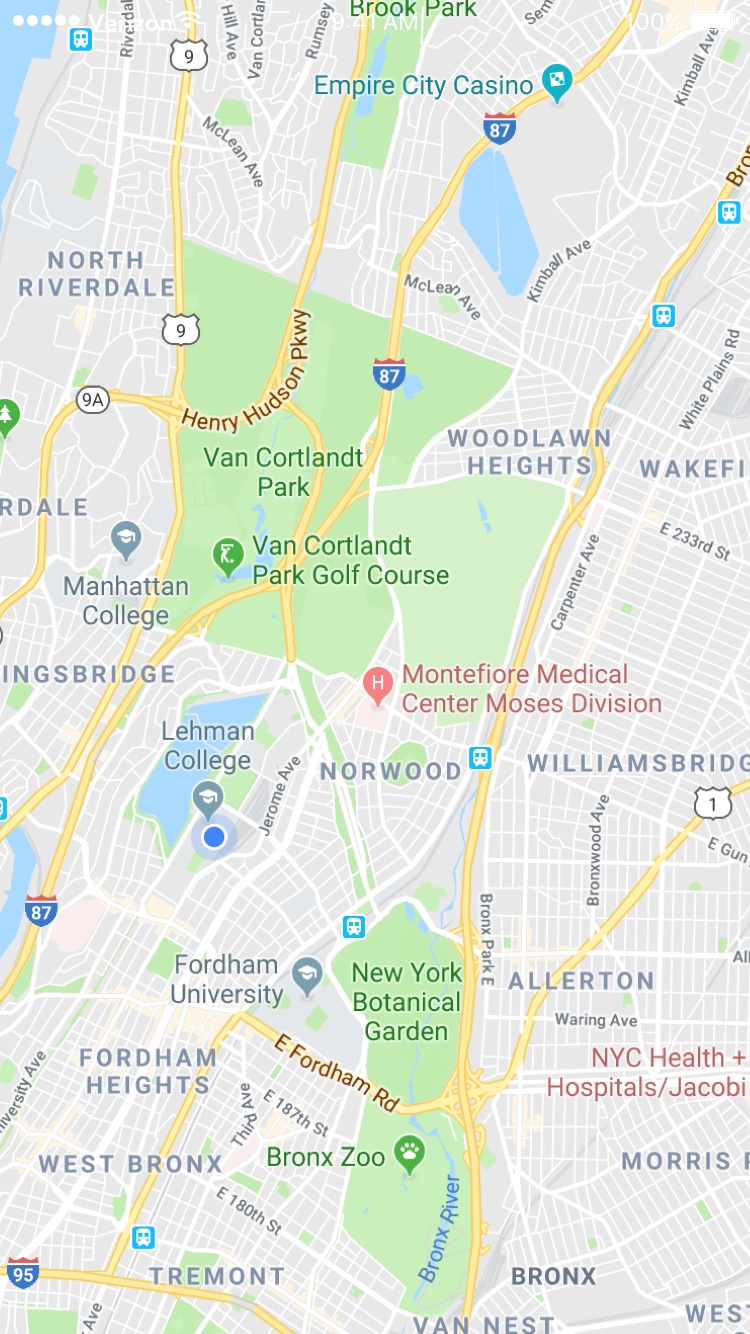
map ui
-
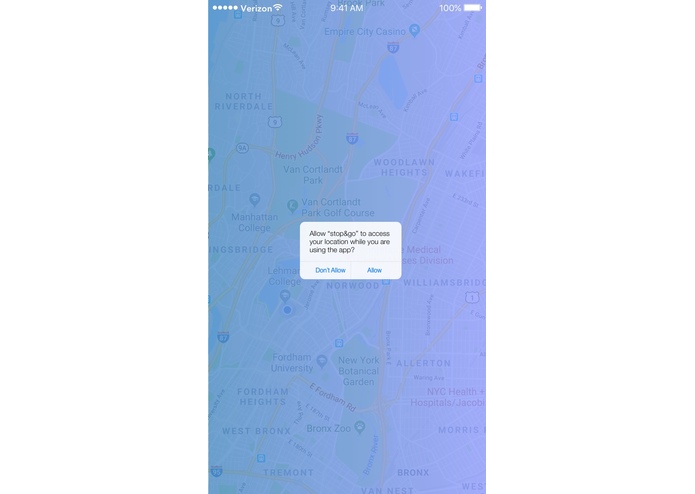
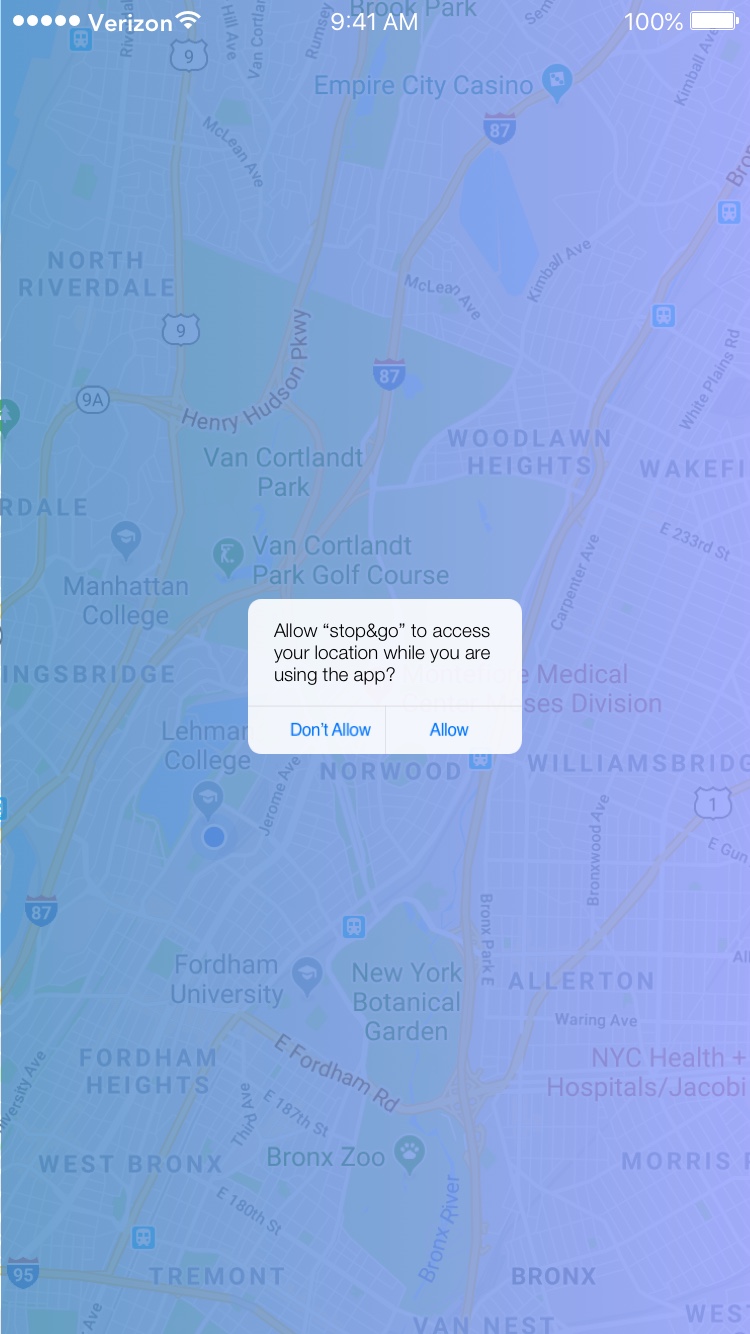
map permission ui
-
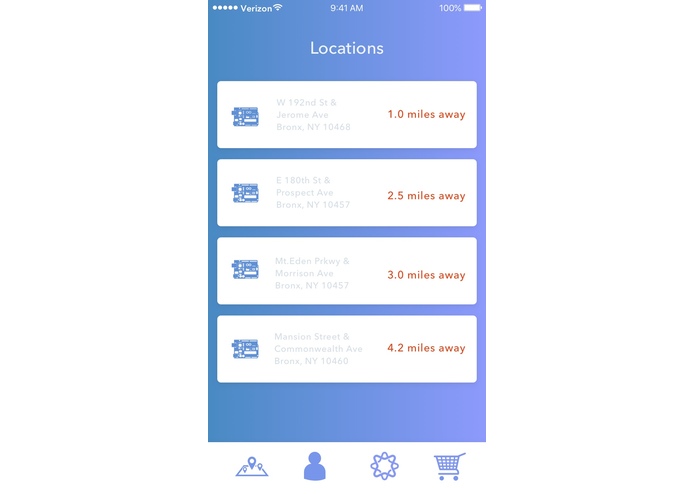
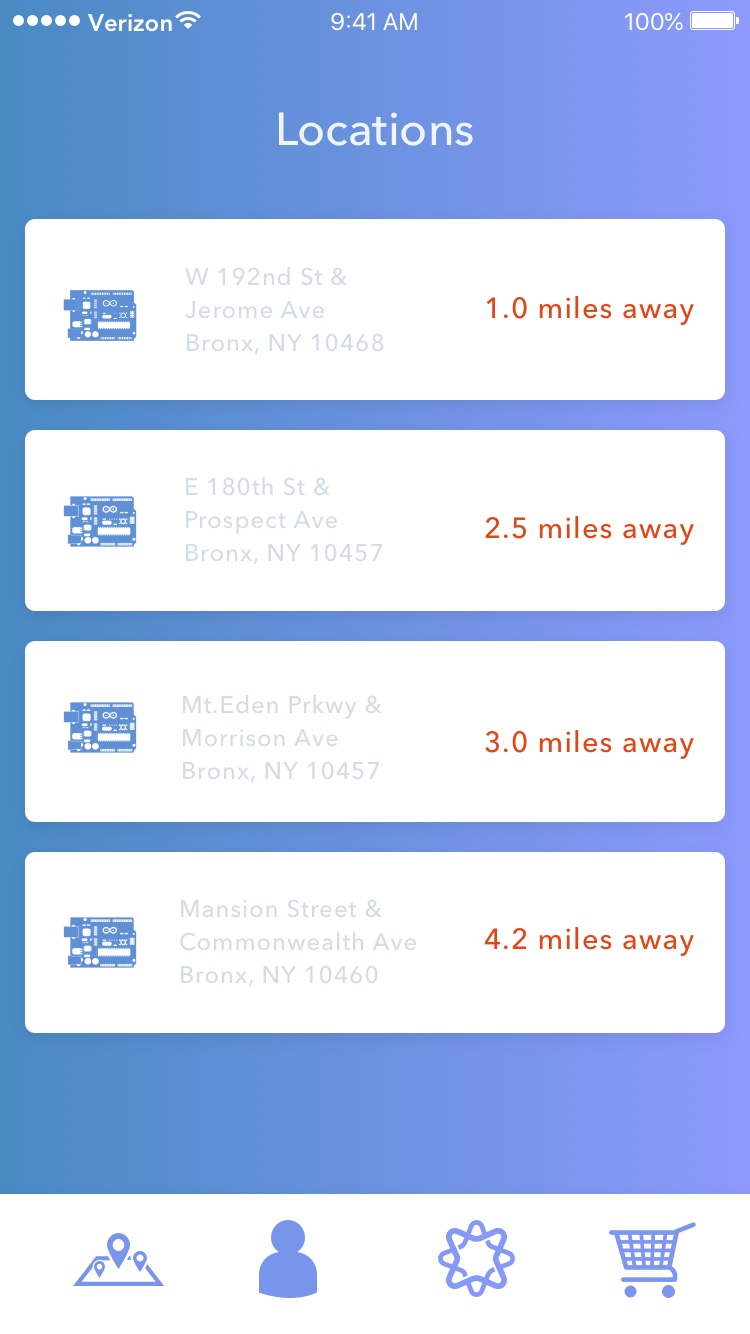
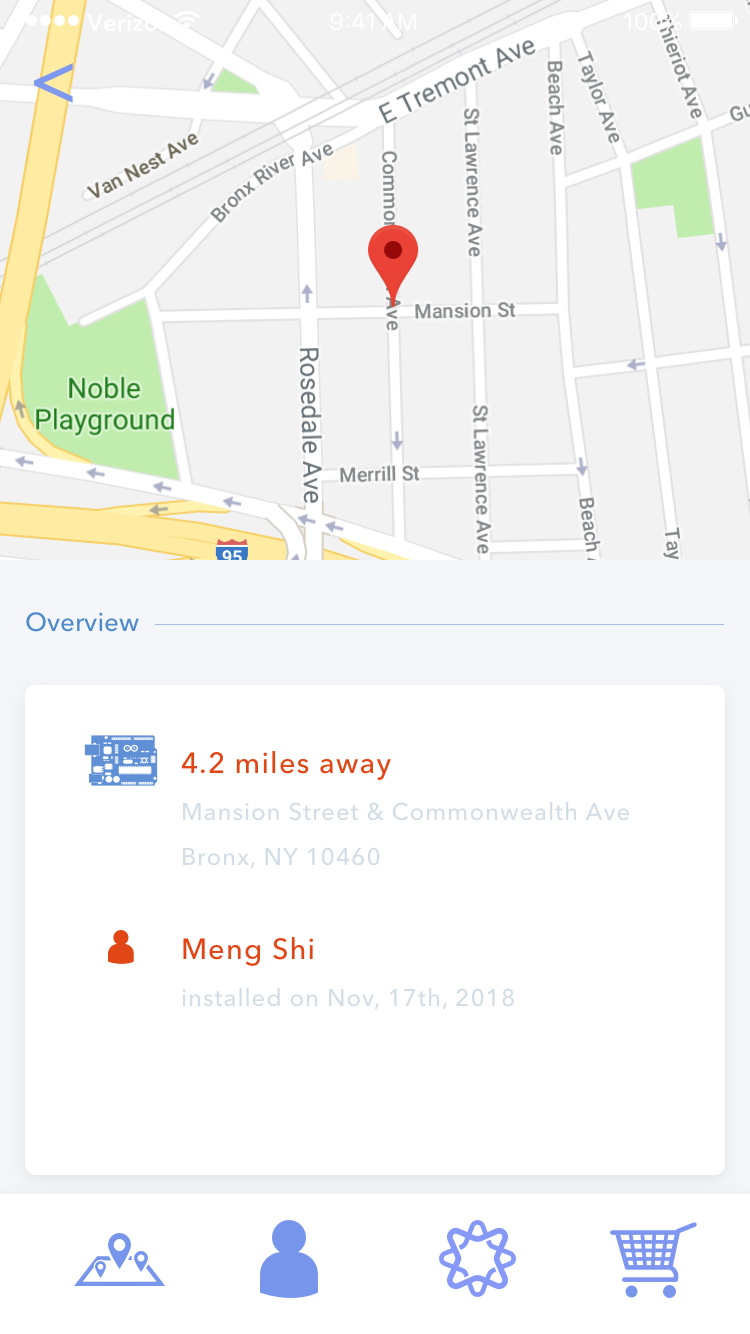
location ui 1
-
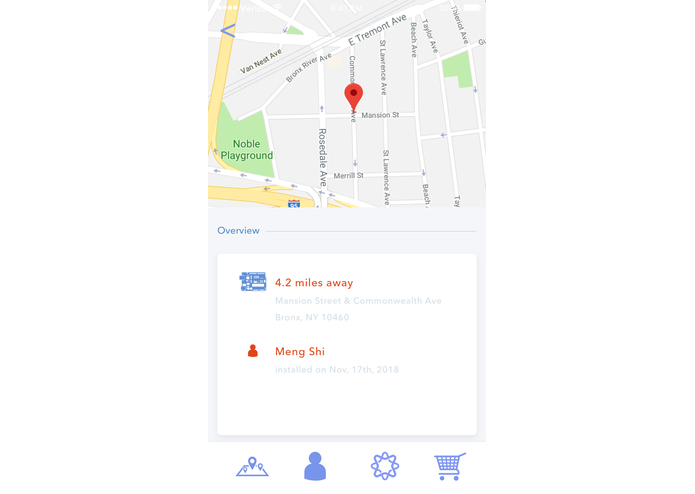
location ui 2
-
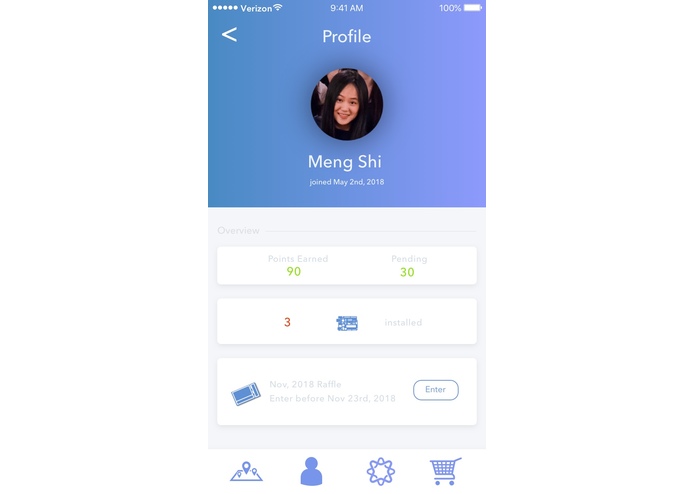
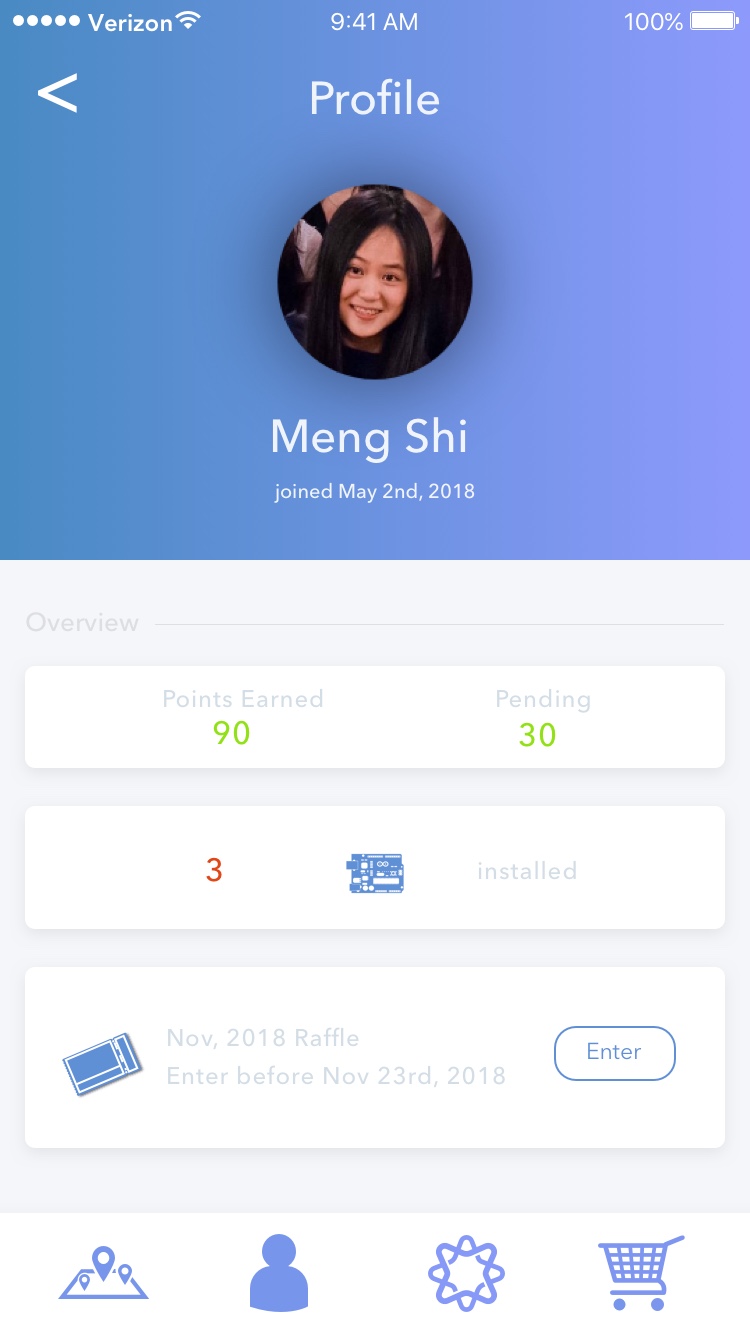
user account ui
-
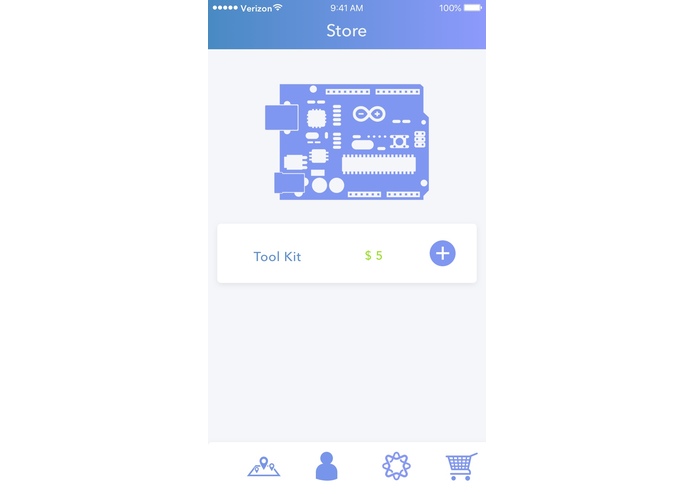
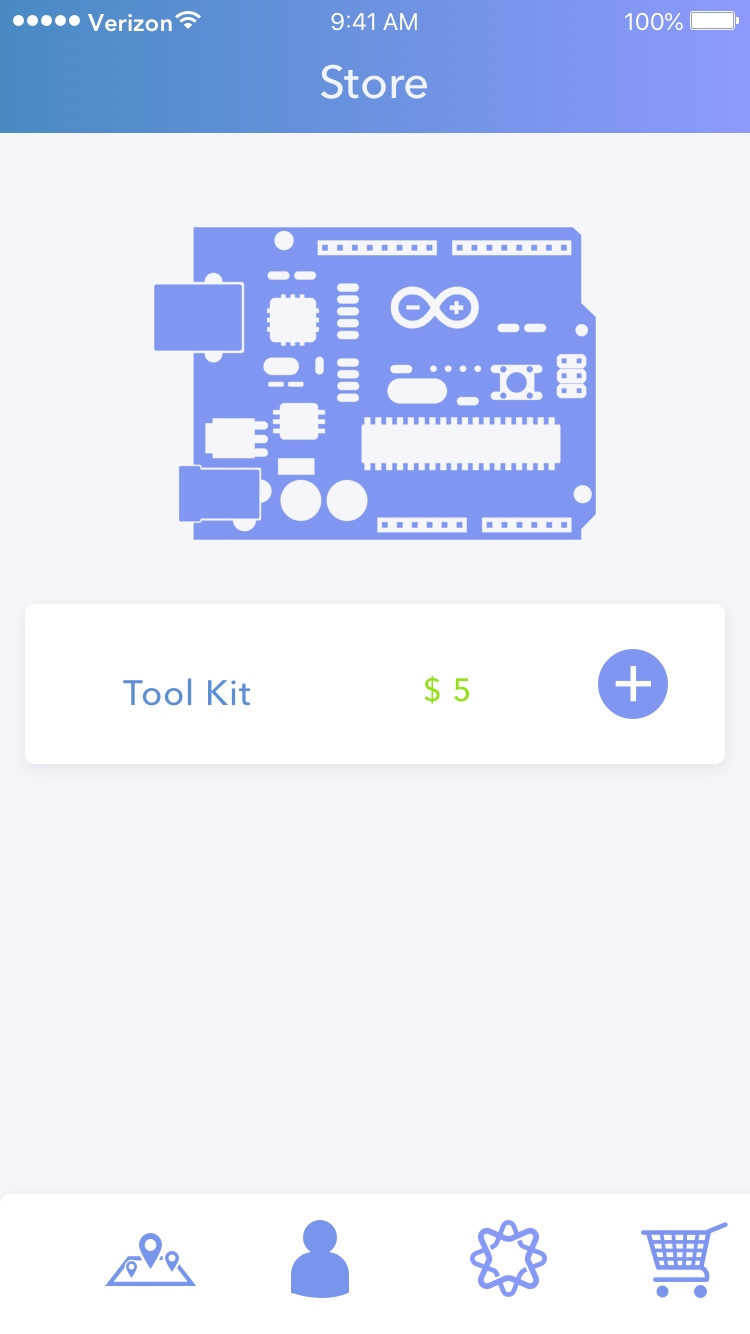
kit shop ui
-
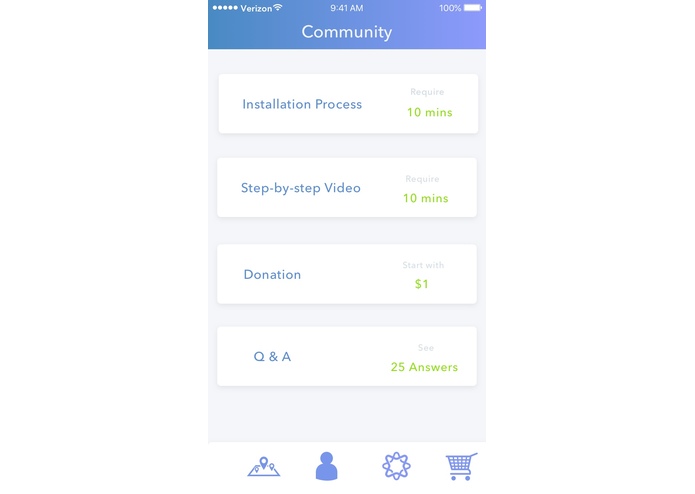
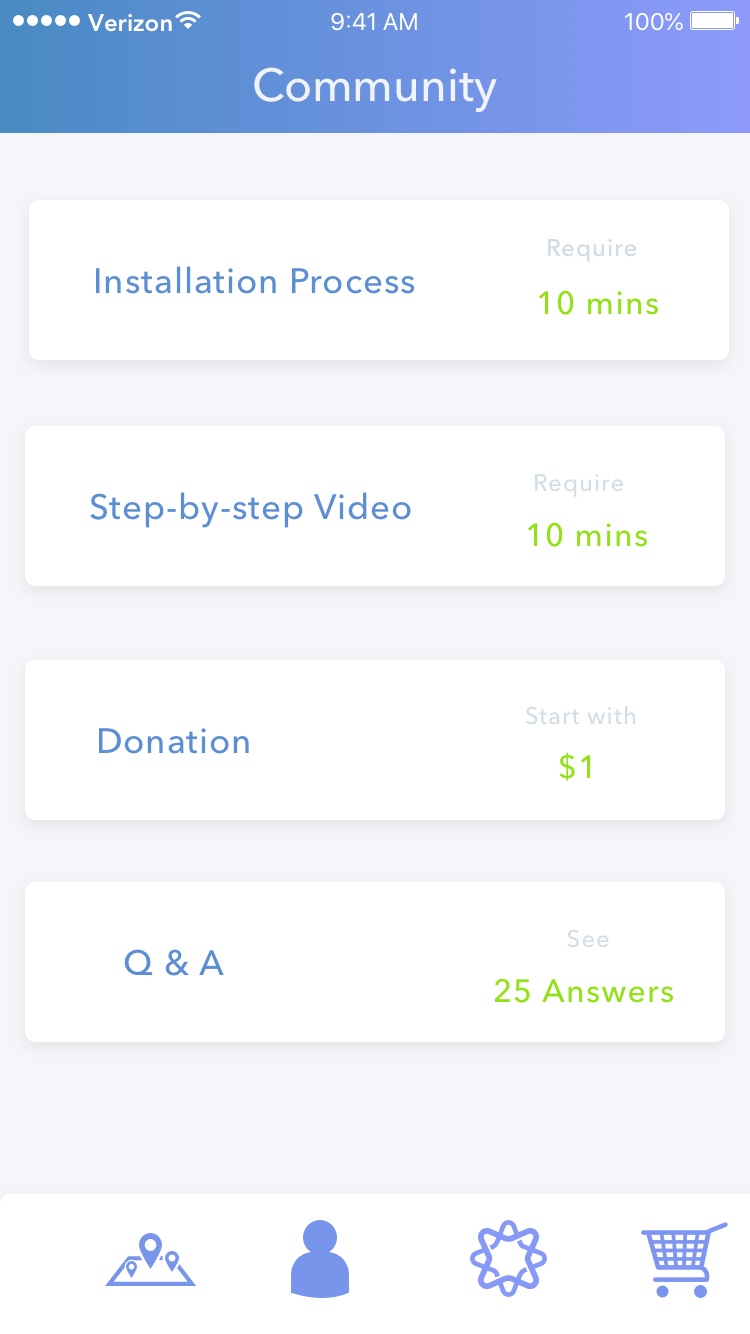
community/ resource ui
-
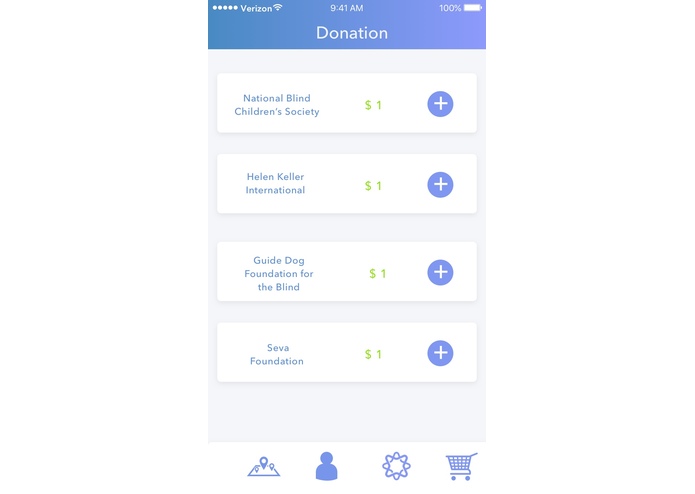
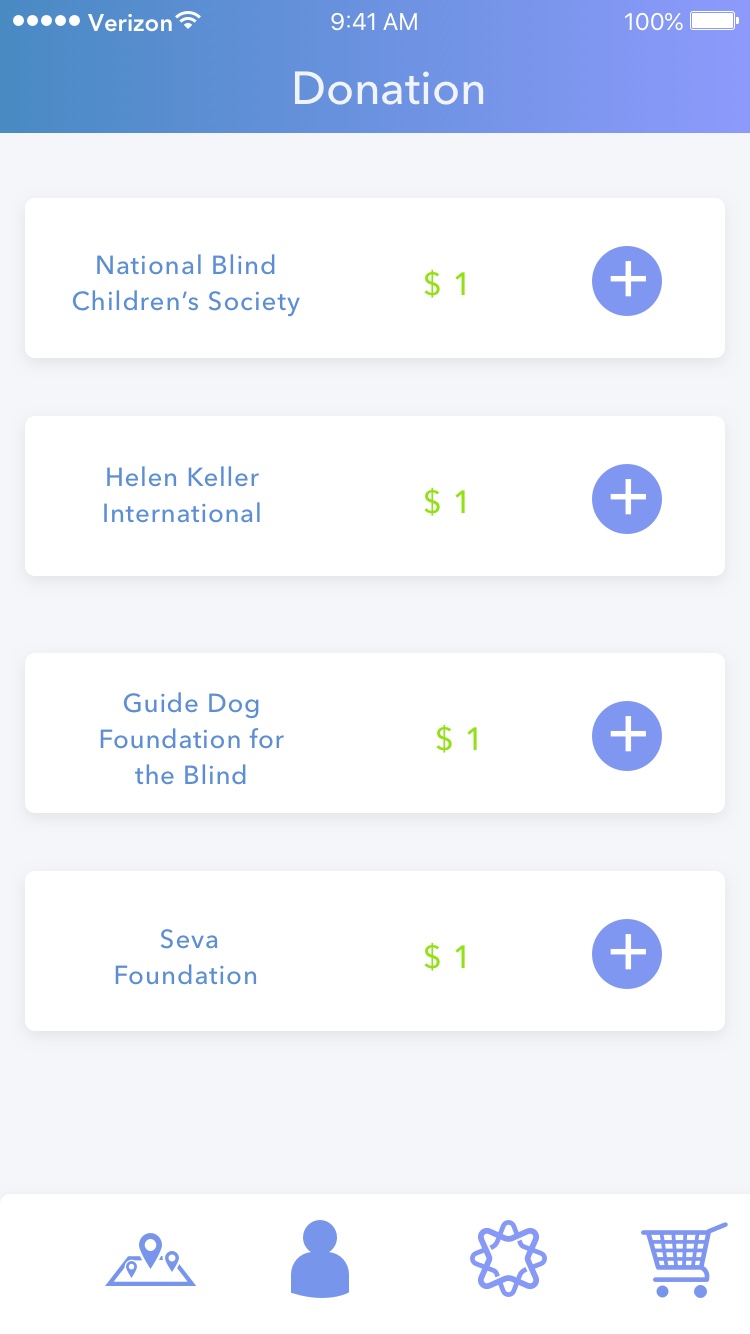
donation ui
Inspiration
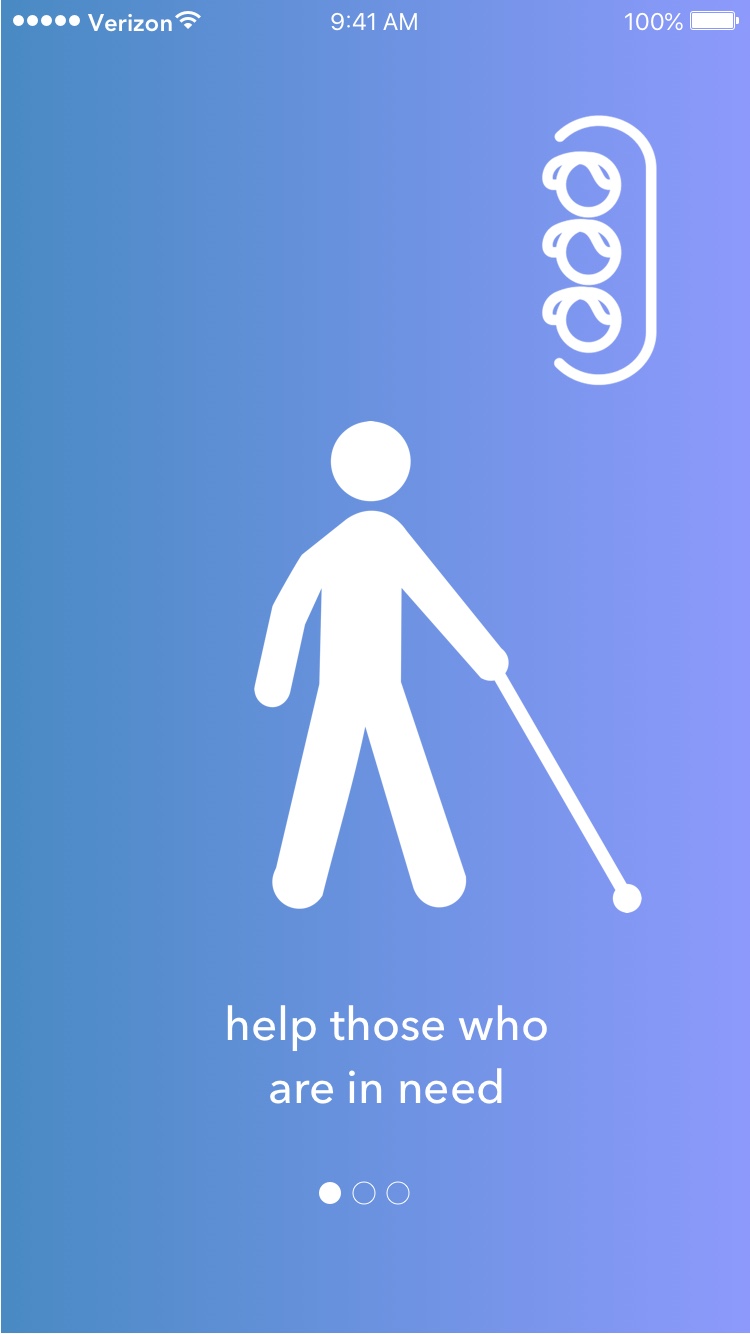
More than 3.4 million Americans 40 years and older are legally blind or visually impaired. By 2030, the number of blind and visually impaired people is predicted to double. Complex intersections present safety challenges for everyone, especially blind and visually impaired pedestrians. Although The New York City Department of Transportation (NYC DOT) installs Accessible Pedestrian Signals (APSs) to assist pedestrians who are blind or have low vision in crossing the street. The baseline estimated cost to furnish and install an APS unit on an existing pole is approximately $1,100. This cost is very expensive and not all streets have APSs installed in NYC. We want to make NYC a more accessible community to everyone.
What it does
The censor detects the color (red or not red) to help blind or visually impaired pedestrians to determine whether or not they should proceed walking or stop.
How we built it
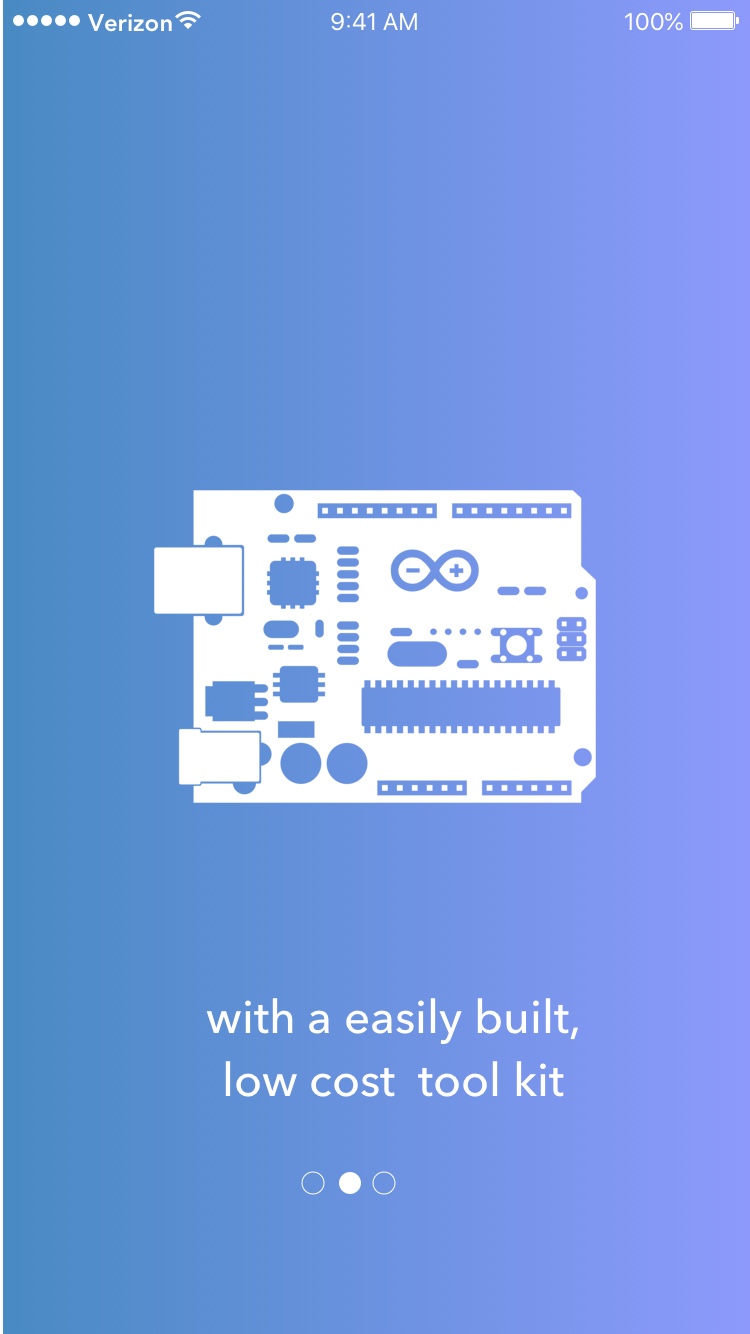
We built it with Arduino an open-source electronics platform. It uses sensors and uses the data it collects to determine if the blind or visually impaired person should cross the road or not.
Challenges we ran into
Wiring was a major problem because of scarcity of correct wires as well as limited parts
Accomplishments that we're proud of
The hardware its fully functional.
What we learned
We learned how to solder wires together.
What's next for stop & go
Our next step is use 3D printer to customize design a case to protect the hardware with proximity censor to check if any pedestrian is near by and is weather sensitive. In addition, the users can use a mobile application to order tool kit directly from the app, learn how to put tougher a functional kit, find out nearby signal lights with censor installed, earn points, enter raffles when they install a censor, and donate to vision related non-profit organizations. The app will connect people in the community to actively make the neighborhood more accessible.


Log in or sign up for Devpost to join the conversation.