-
-

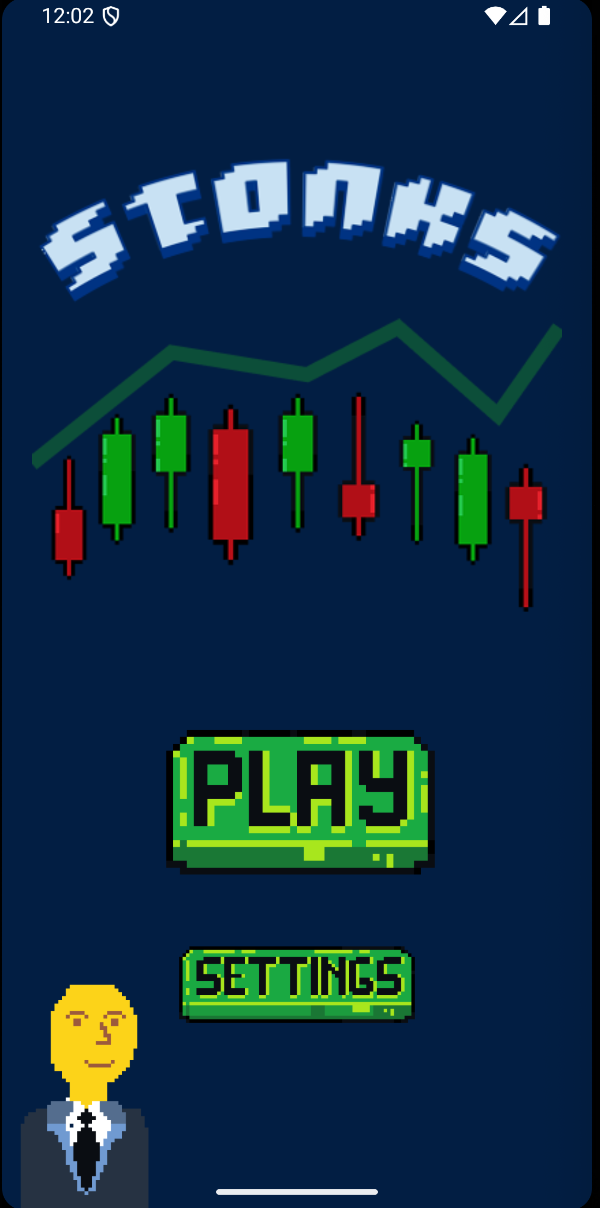
Stonks app persona
-
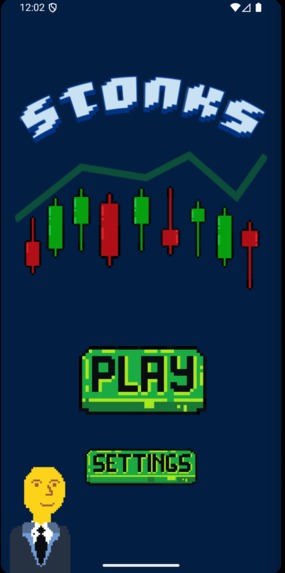
Home page
-
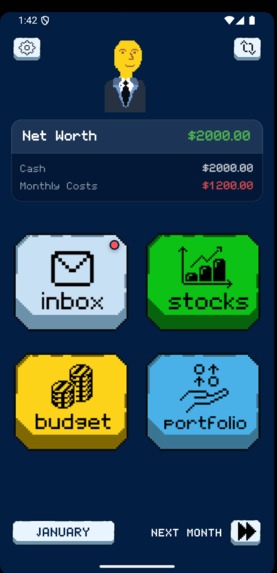
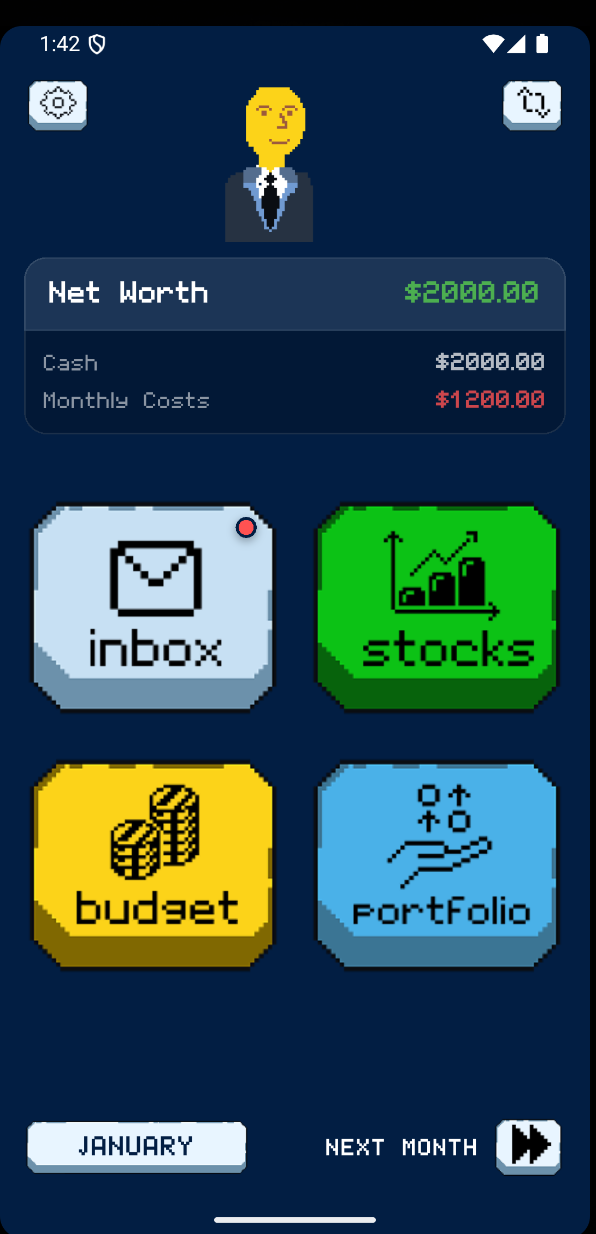
Dashboard
-
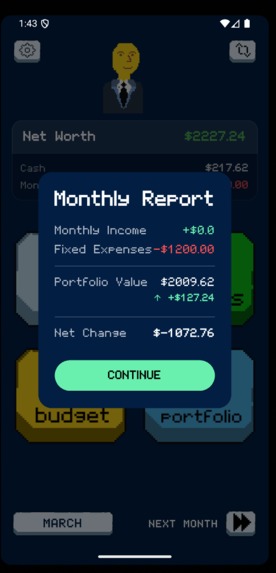
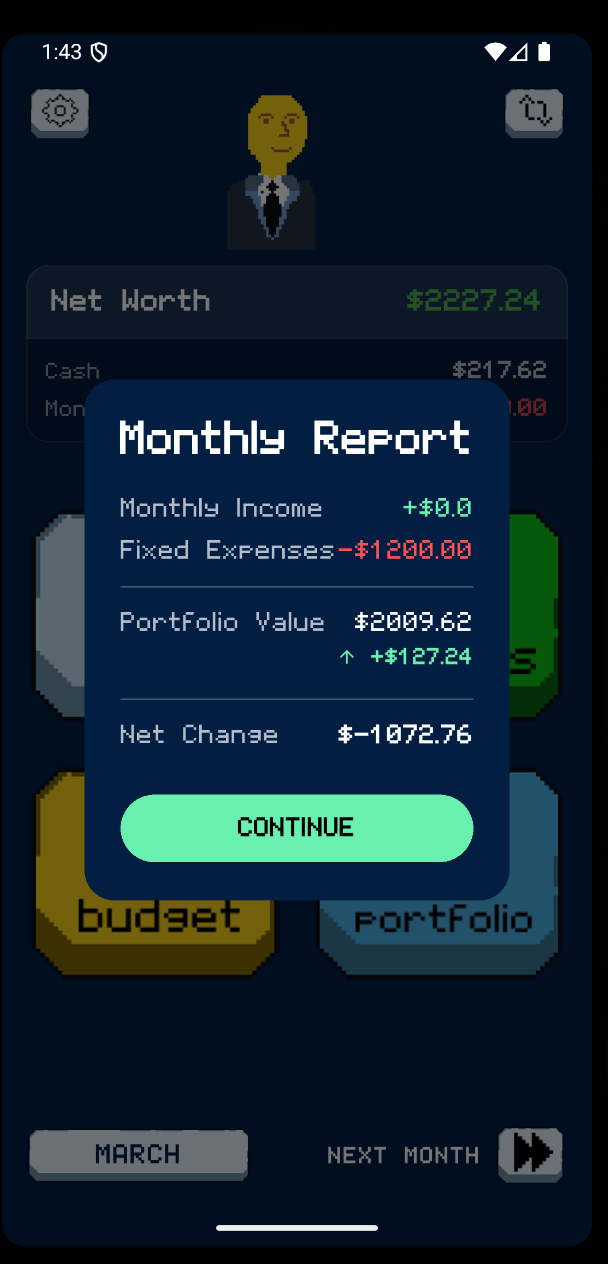
Monthly report
-
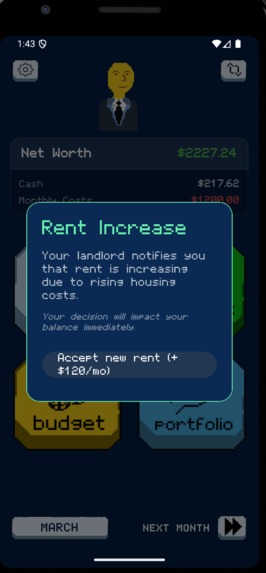
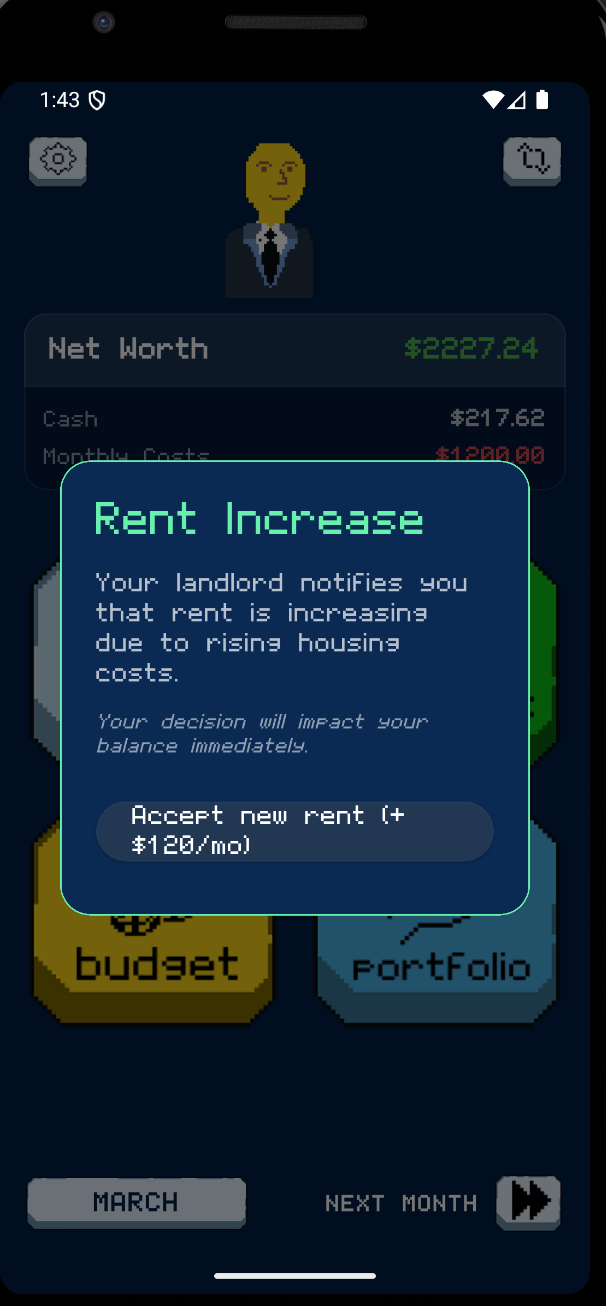
Random event
-
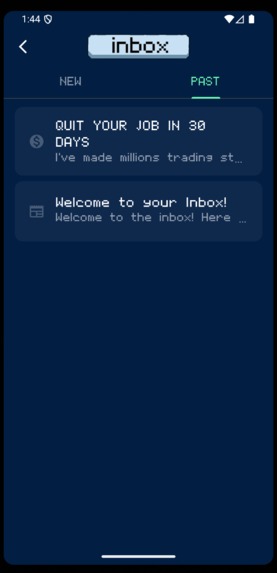
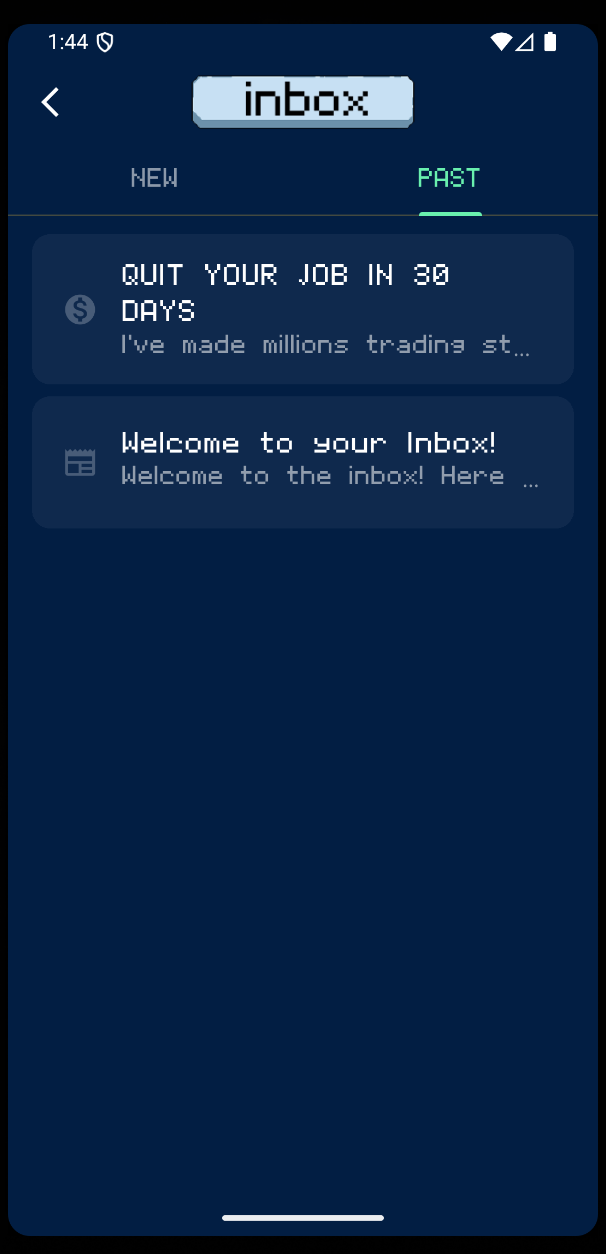
Inbox
-
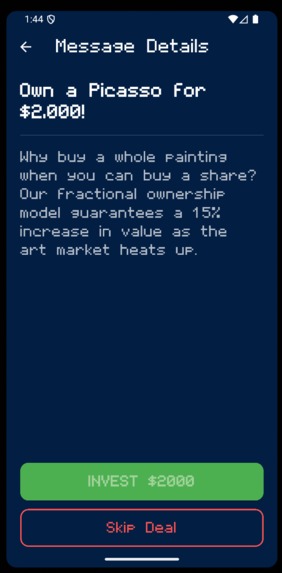
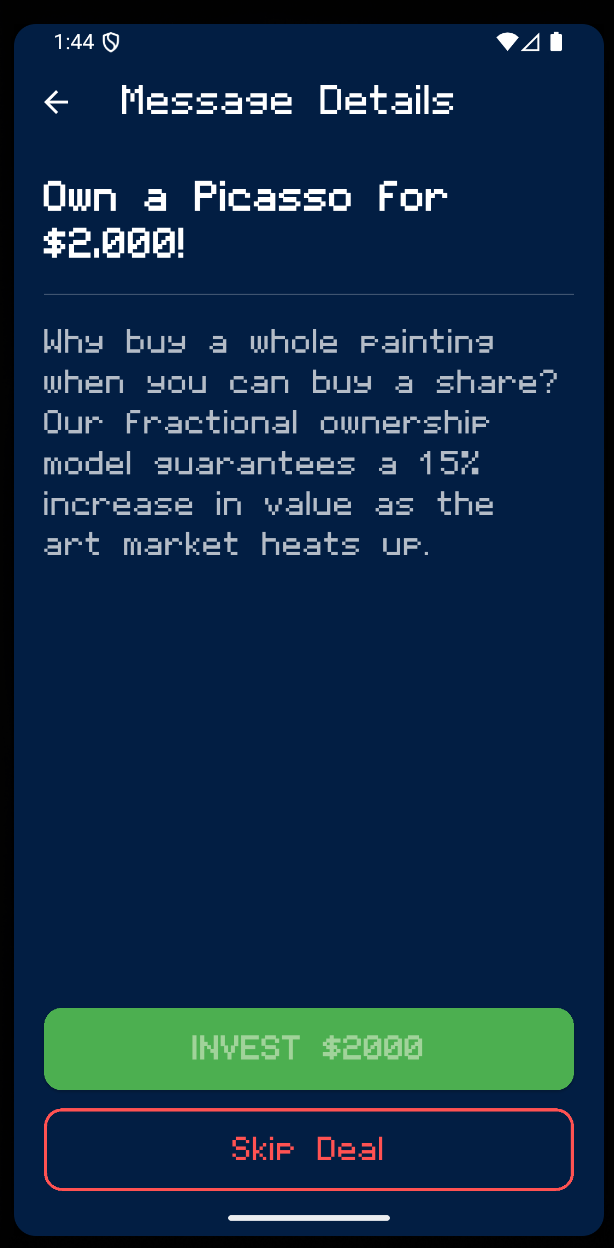
Scam email
-
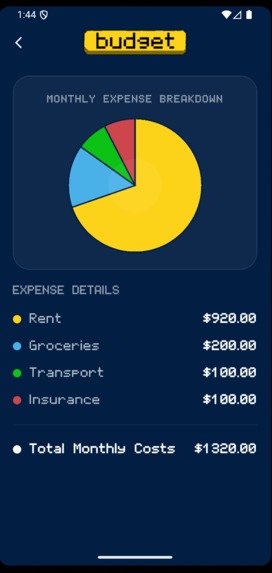
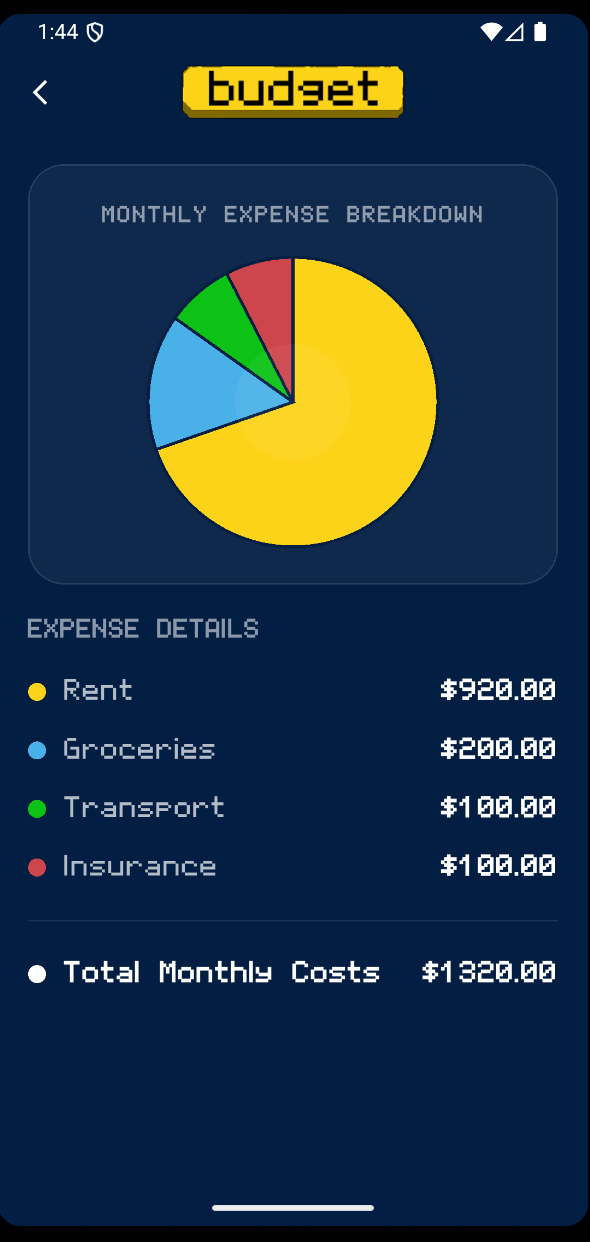
Budget page
-
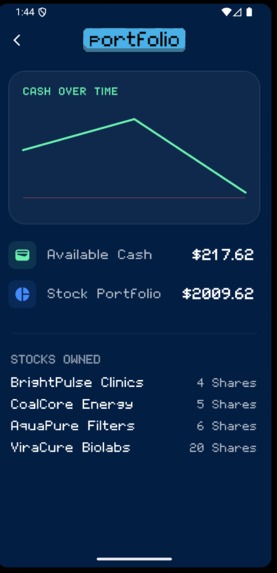
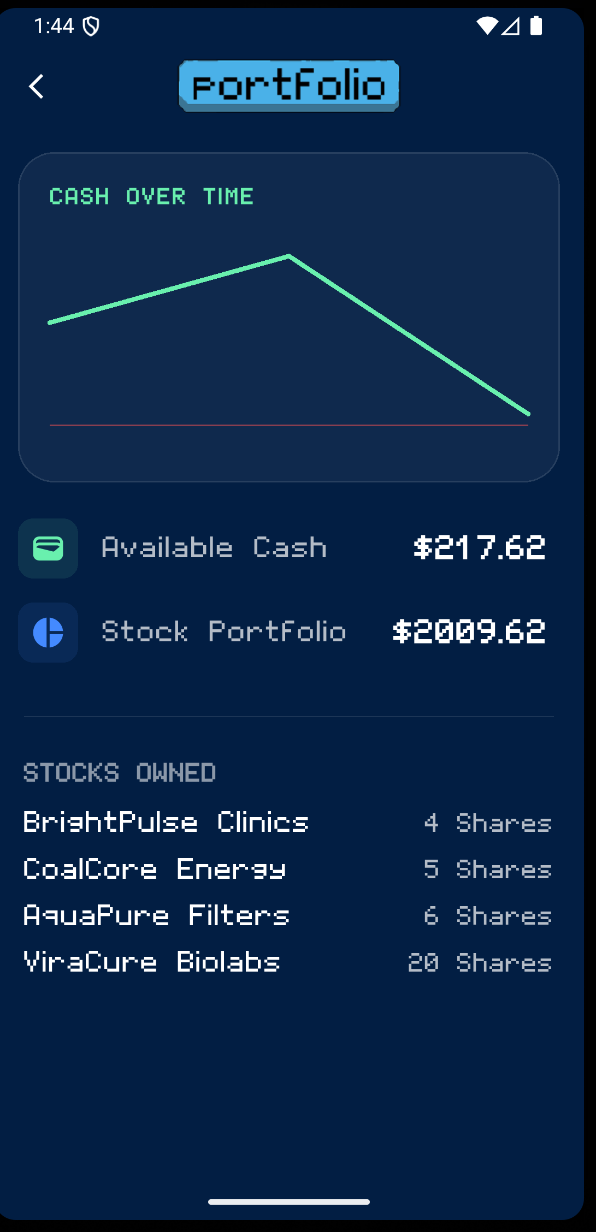
Portfolio Page
-
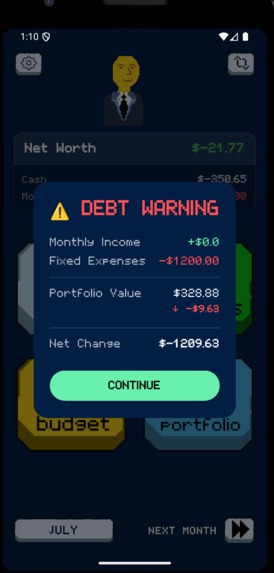
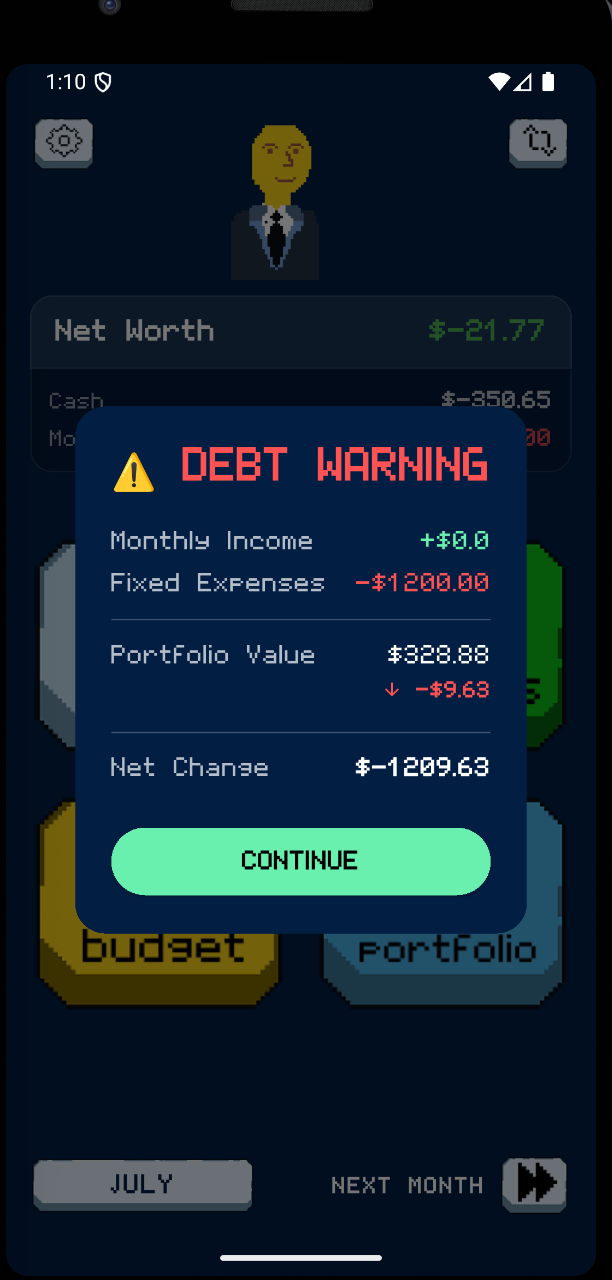
Debt warning end of game

Inspiration
Many teens are learning about investing from platforms like TikTok and YouTube. While these platforms can make finance feel accessible and exciting, the helpful information is often mixed with misleading or incomplete advice. Content that performs well in algorithms tends to highlight the exciting parts (fast money, day trading, big gains) while downplaying risks, long-term strategy, and responsible practices.
This can leave young people with unrealistic expectations about returns, little understanding of the relationship between risk and reward, and no guidance on researching companies or avoiding scams. We also saw this firsthand with younger siblings who wanted to invest small amounts of money expecting huge profits.
We wanted to create a way for young people to learn the “boring but important” parts of financial management in a way that is engaging rather than dull.
What It Does
Our project is a financial life simulation app where players manage money month by month.
On the dashboard, players can see net worth, available cash, and monthly expenses. They can access mail, the stock market, their portfolio, and their budget.
- Mail includes newsletters, global news, investment promotions, and scams players must evaluate.
- Stock Market shows companies, past performance, descriptions, and reports on growth and financial health. Company values change monthly with randomized movement influenced by risk level (low, medium, high) and global events.
- Portfolio tracks personal holdings and performance.
- Budget shows how income is split across categories like housing, food, transport, shopping, and savings.
Each month begins with random life events such as repairs, job updates, or major purchases. These can be positive or negative and require decisions. After allocating money, players receive a monthly summary and move to the next month.
The game promotes key principles: higher returns mean higher risk, long-term focus, budgeting, research before stock picking, dollar-cost averaging, time in the market over timing the market, and skepticism toward “too good to be true” offers.
How We Built It
We designed wireframes and UI assets using Figma and Pixilart. We created original content including scenarios, mock companies, events, and email storylines. The app was implemented using Flutter with an MVC architecture for the frontend and backend logic.
Challenges We Ran Into
Designing scam systems was difficult. We had to balance realism, clear warning signs, and fair but meaningful consequences for risky decisions.
Accomplishments We’re Proud Of
We created all graphics ourselves and are proud of the app’s visual design. We also built a working prototype with nearly all planned features in a very short time.
What We Learned
While building the project, many team members improved their own financial literacy, reinforcing how necessary and under-taught these concepts are.
What’s Next for Stonks
- Refine company valuation models by industry
- Add more advanced concepts like tax free accounts with contribution limits
- Create a leaderboard for comparing performance across playthroughs and with friends
Built With
- c++
- dart
- flutter
- javascript
- pixilart


Log in or sign up for Devpost to join the conversation.