-
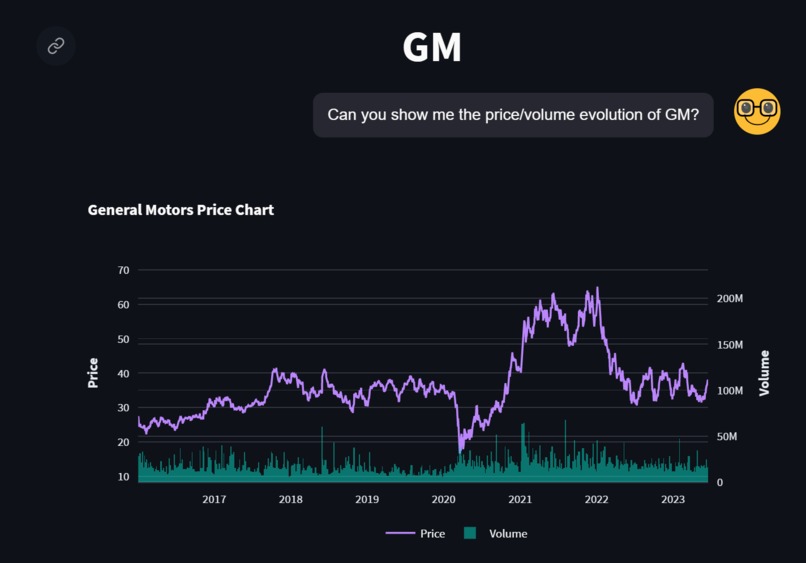
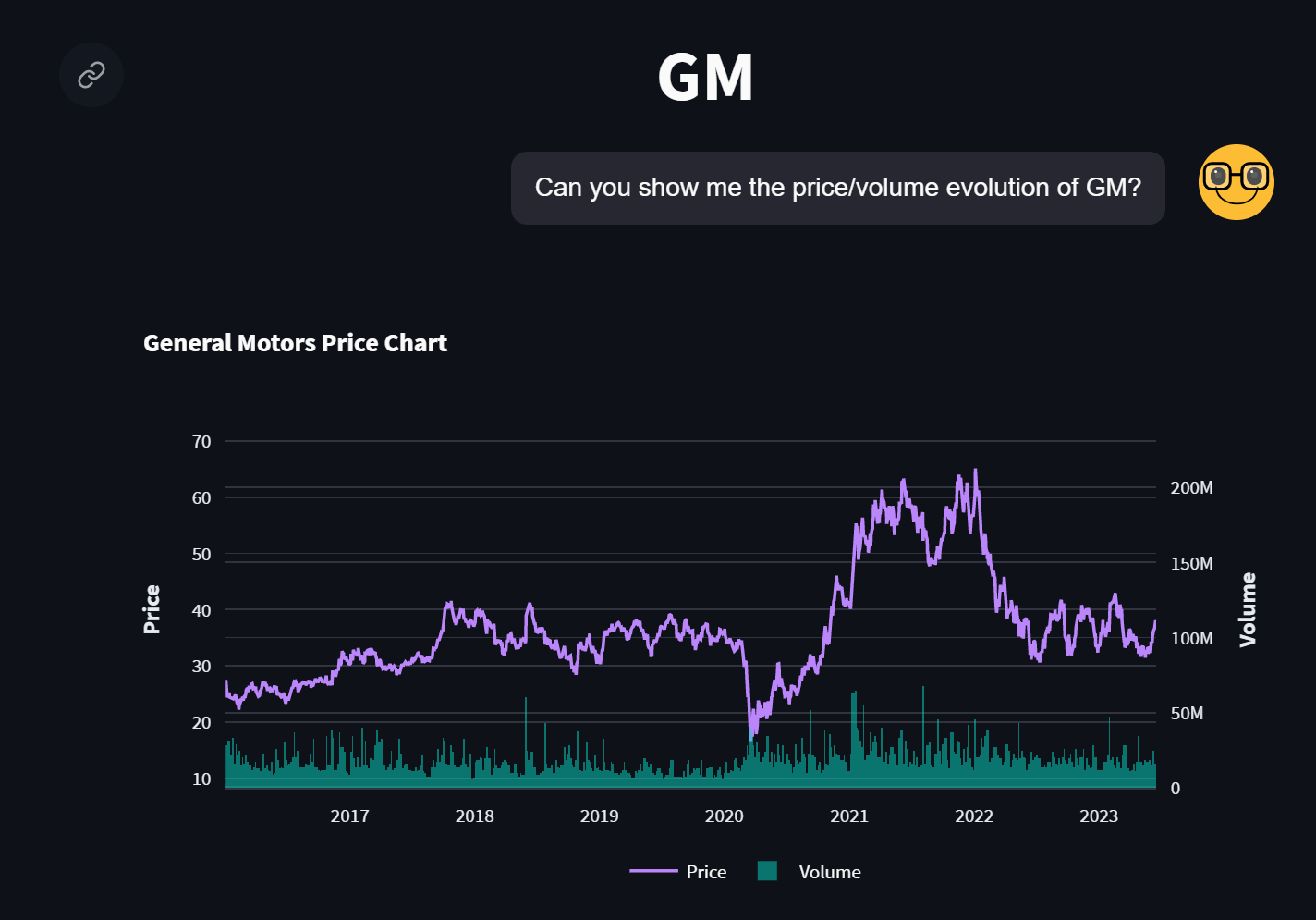
User Interface - show me the price/volume evolution?
-
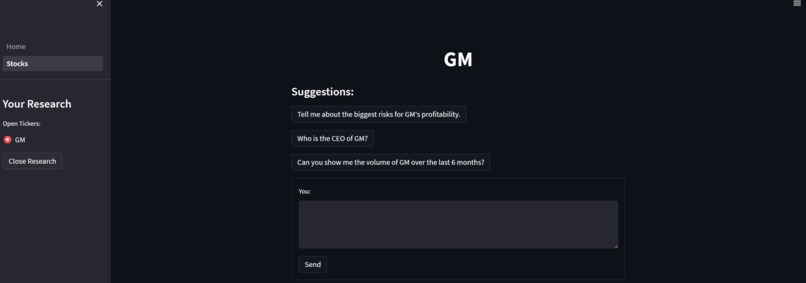
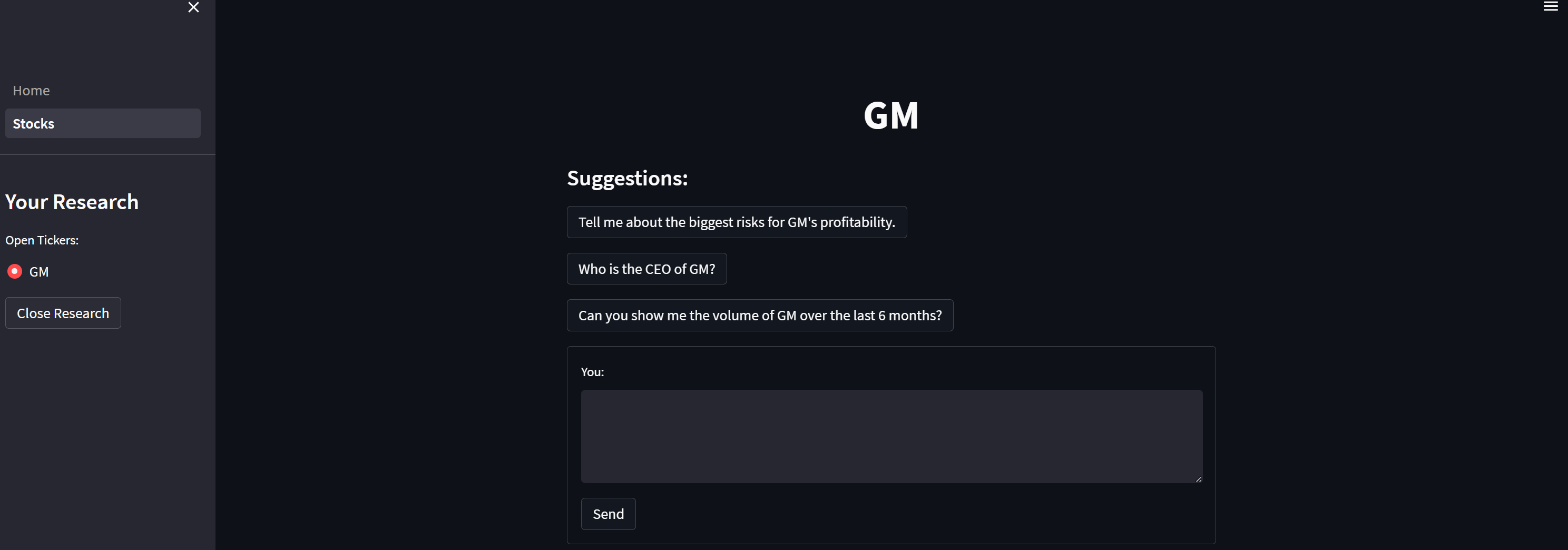
Landing Page - including suggested questions
-
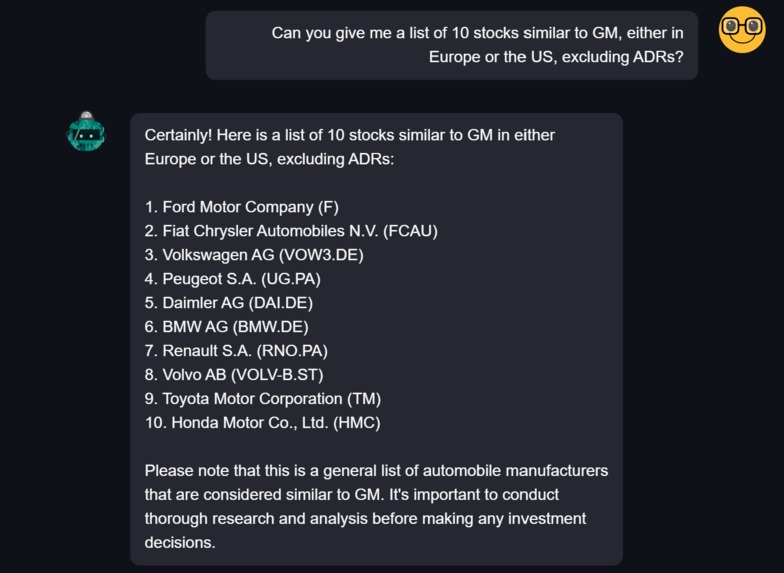
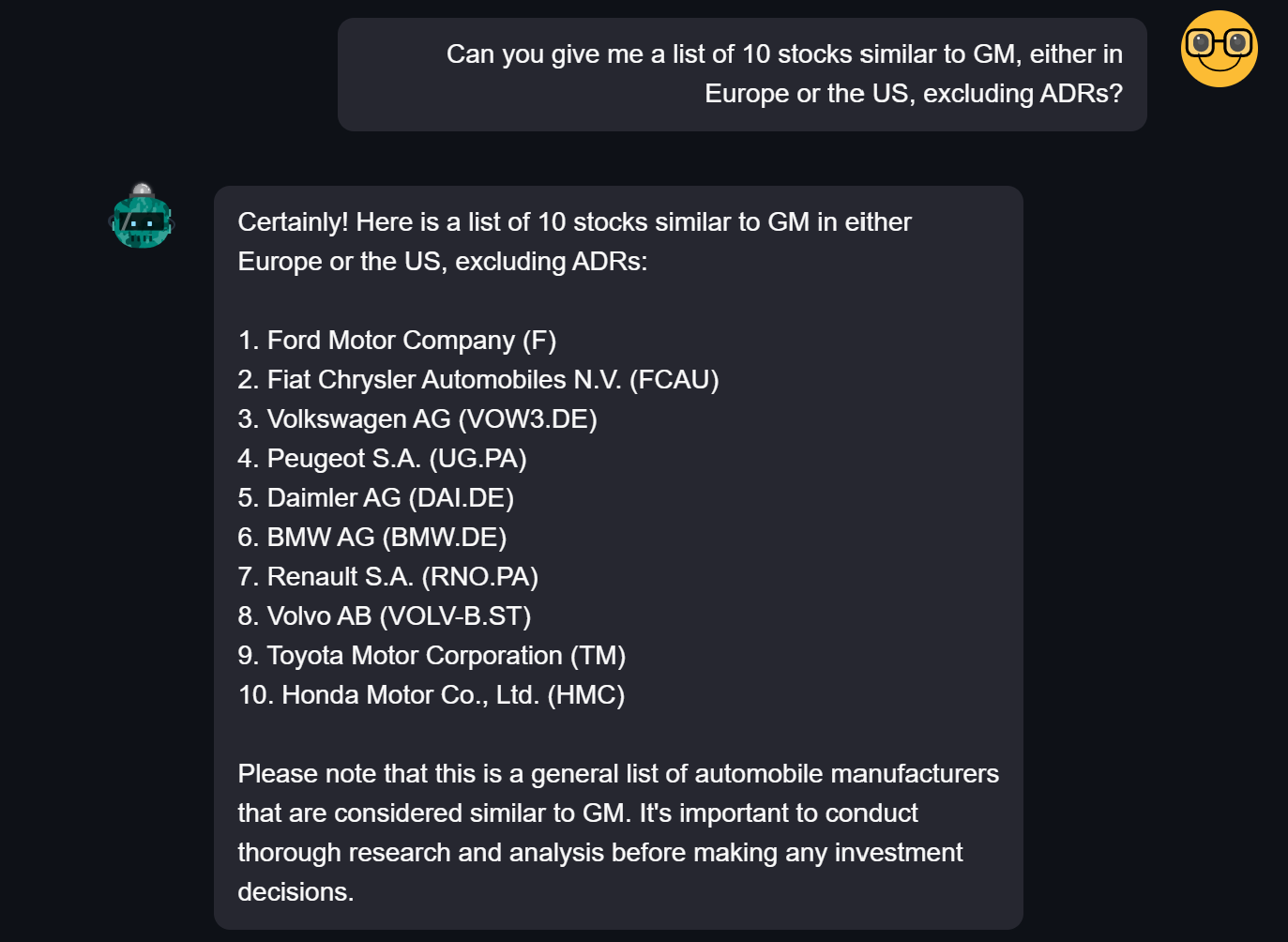
Cosine similarity for stock recommendations.
-
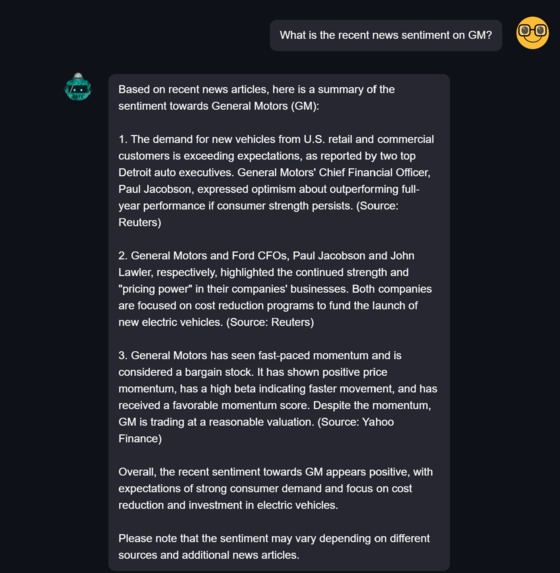
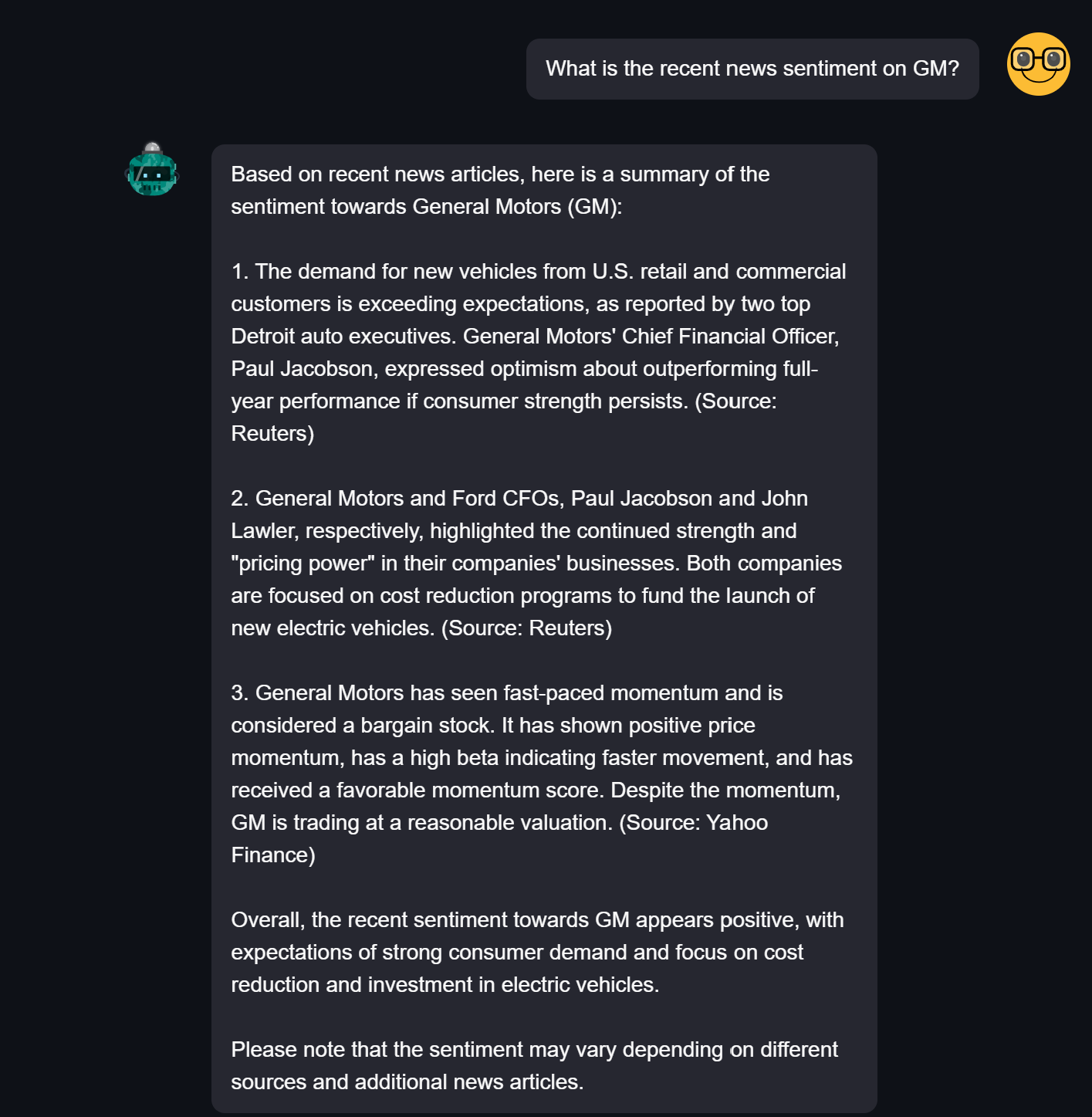
Ordered news feed with sentiment analysis
-
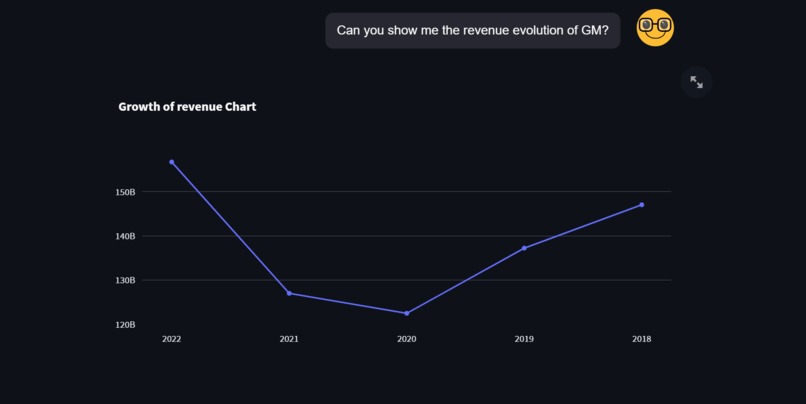
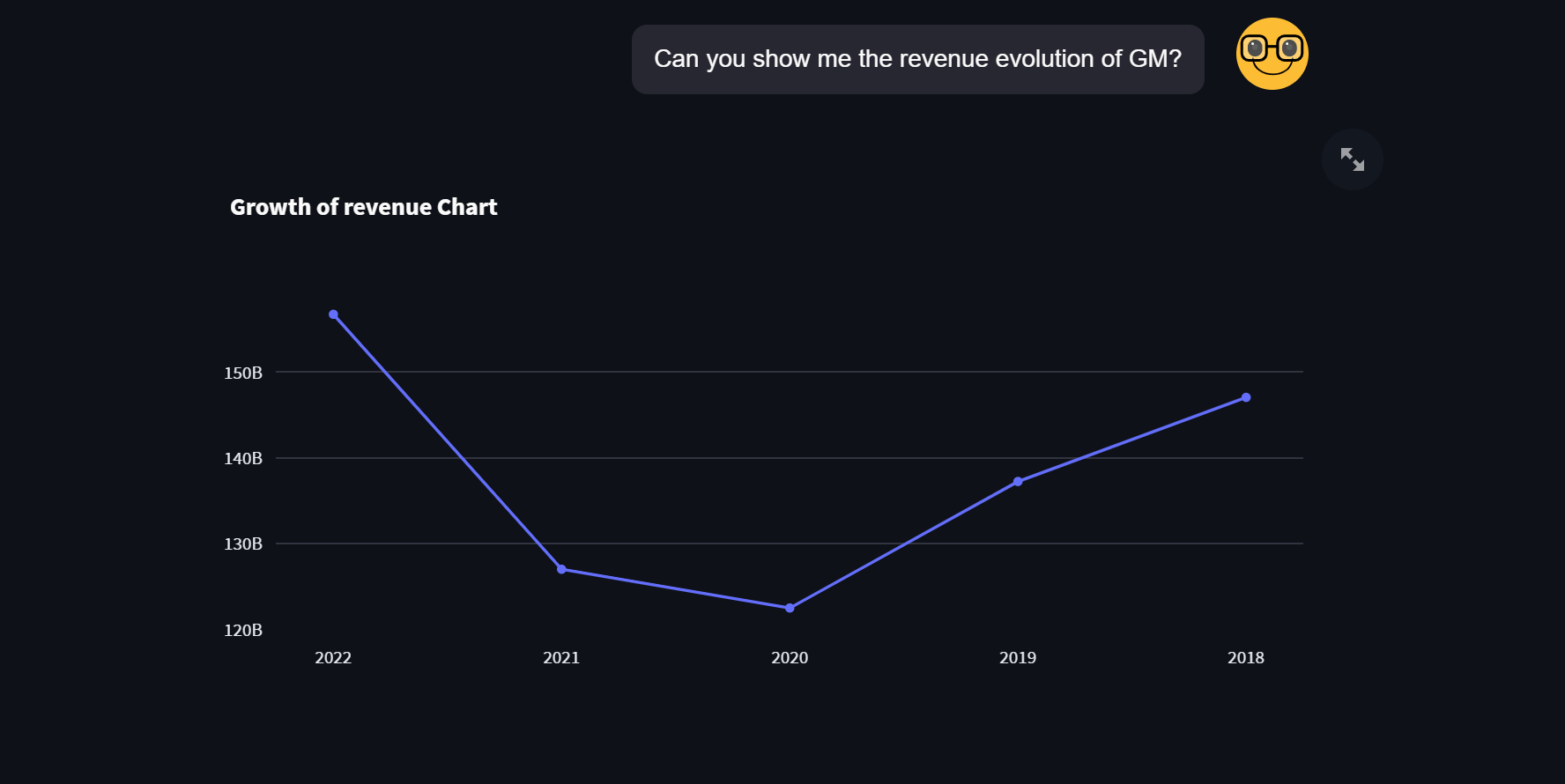
Revenue Insights from SEC filings
-
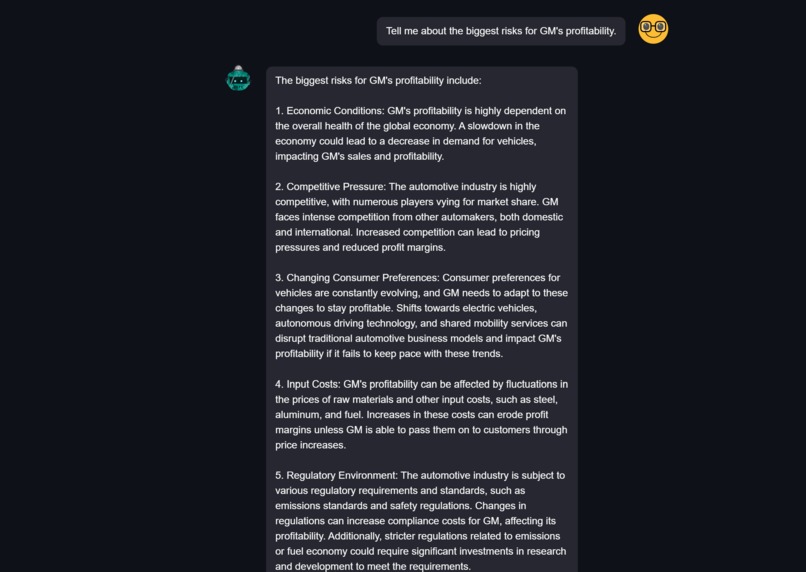
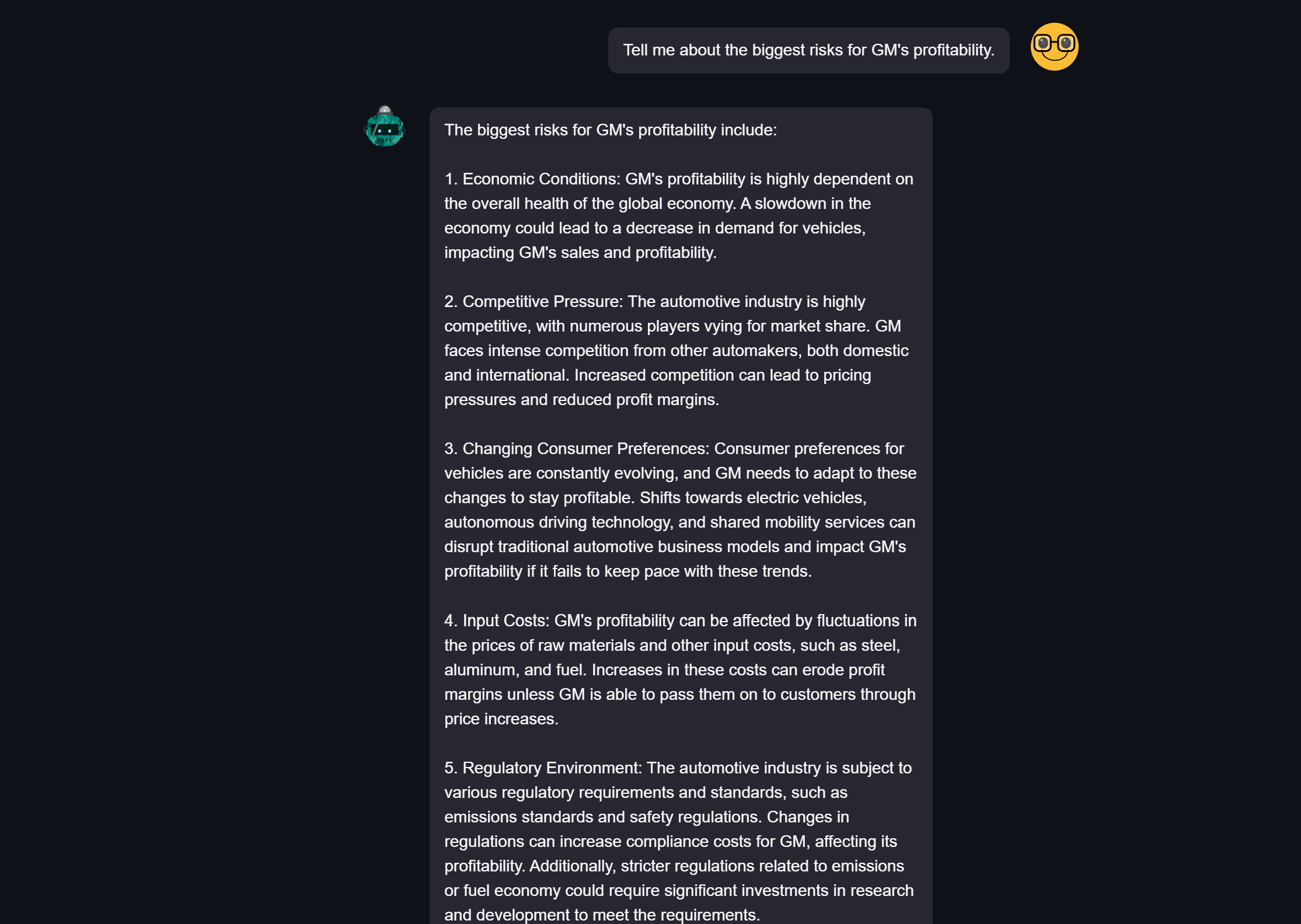
Risk Insights from SEC filings
Inspiration
As Financial Engineering students, we have experienced first-hand how quality data and insights are often gate kept behind large paywalls, only accessible for institutional investors. Furthermore, many important insights are hidden in dense documents such as SEC 10-Q and 10-K filings. With Stockly, we aim to democratise access to these insights.
What it does
By leveraging cutting-edge AI algorithms, Stockly aims to simplify the process of analyzing financial statements, understanding sentiment derived from financial news, and uncovering correlations that drive market movements. Our vision is to provide users with a single, intuitive app that delivers accurate, timely, and actionable insights, empowering them to make informed investment decisions and ultimately achieve financial success.
How we built it
We leveraged OpenAI's LLM models to provide an intuitive interface to otherwise complex data and documents. The function calling aspect of GPT allows us to build custom charts and models on demand.
Challenges we ran into
-Vector embedding to process large chunks of data without losing speed or information of the app.
-Processing image and graph data from reports and news.
Accomplishments that we're proud of
-Implementation of some quantitative finance tools such as correlation matrices of firm returns, sentiment analysis of news.
-Quick summary and comparison of complex financial reports, growth figures and news.
-Easy to use and interpretable UI.
What we learned
-The OpenAI API has incredible functionality and through the workshops this weekend, we gained exposure to some of the incredible vector embedding features and databases offered by firms like PineCone and LangChain. We used LangChain to solve the challenge of processing large amounts of data (>10 annual reports of a total of 200000 words at once) through openAI's api without losing speed.
-One of the biggest issues in finance is data cleaning and gathering. We learned that with some simple python data cleaners combined with LLM, we can summarise complex documents quickly. Our product takes the first step towards solving this problem in finance - by sizing down complex annual reports, news feeds and time series.
What's next for Stockly
Within our degree, we are developing and replicating many advanced quant models. A big step for Stockly would be to integrate these models into the application to provide retail investors with intuitive recommendations based on the latest financial research.
.
Built With
- langchain
- openai
- python
- streamlit


Log in or sign up for Devpost to join the conversation.