-
-
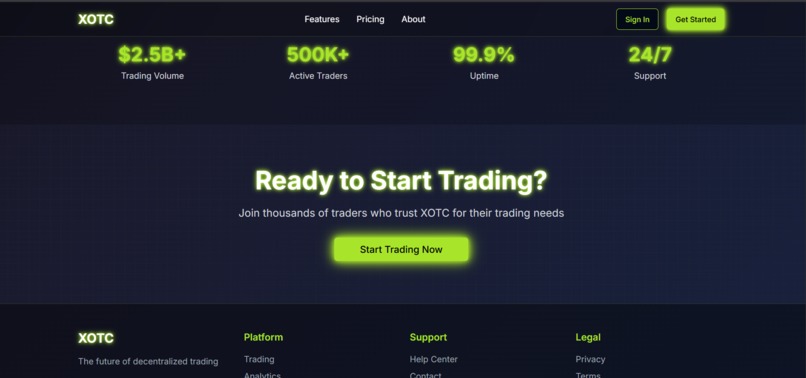
start trading
-
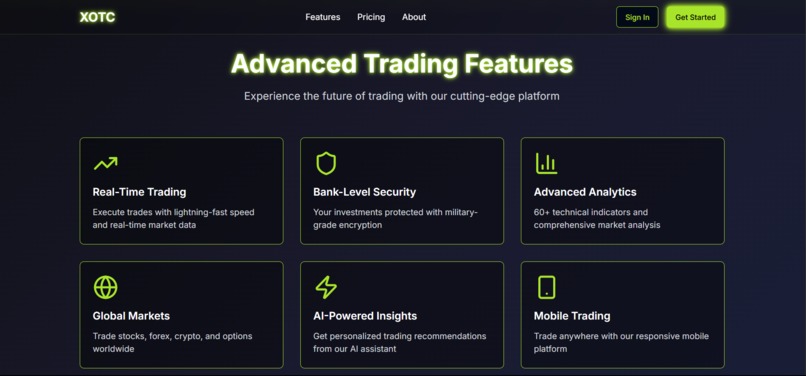
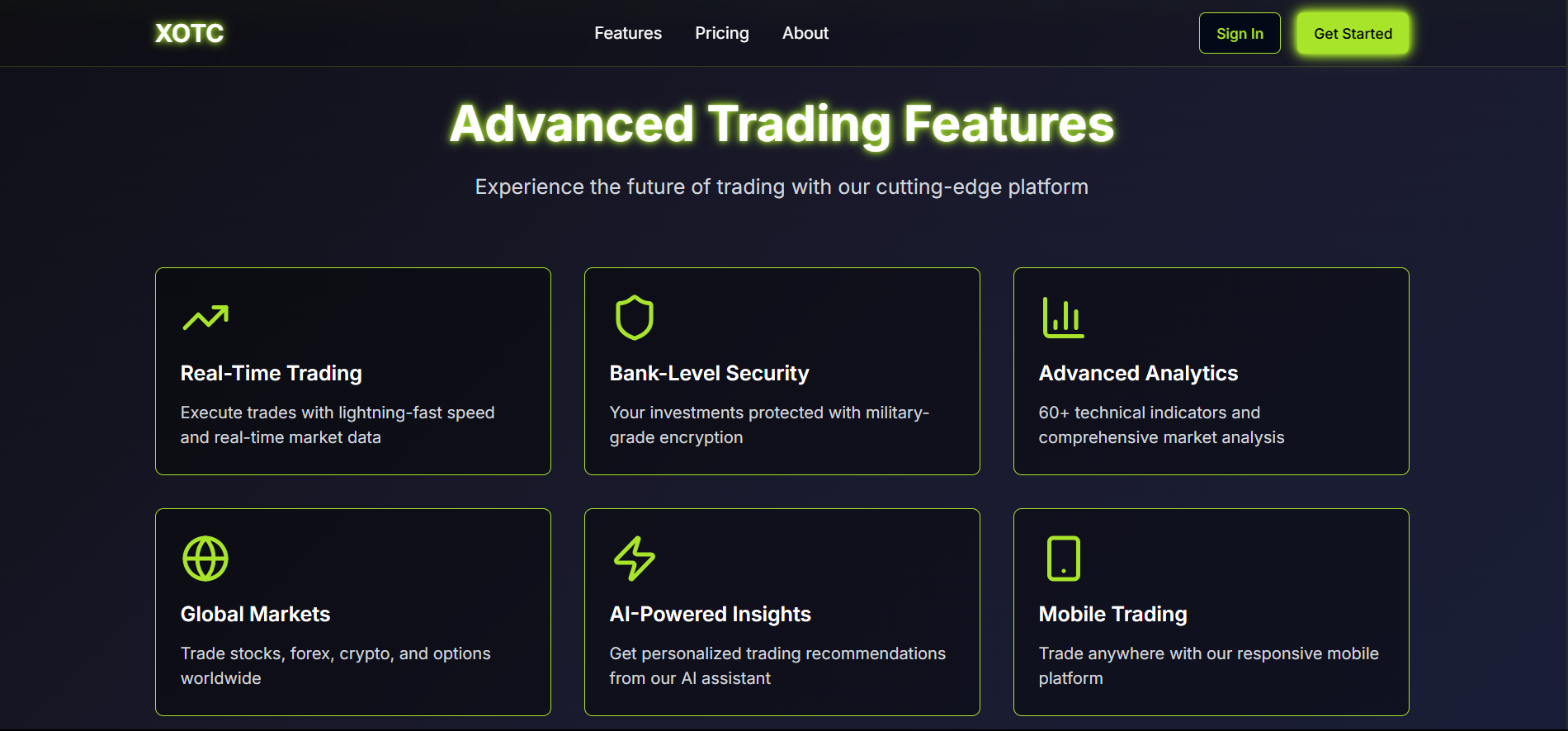
features
-
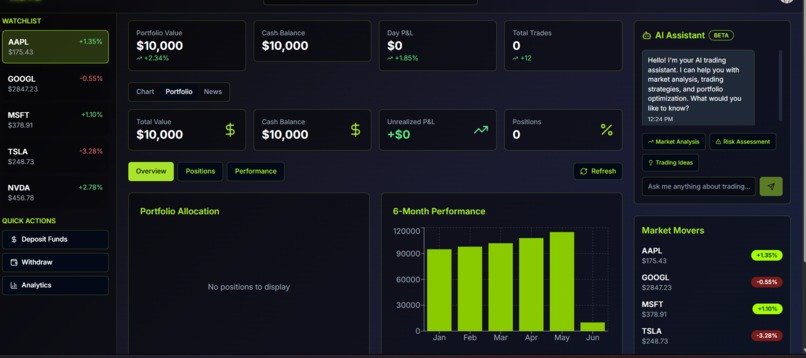
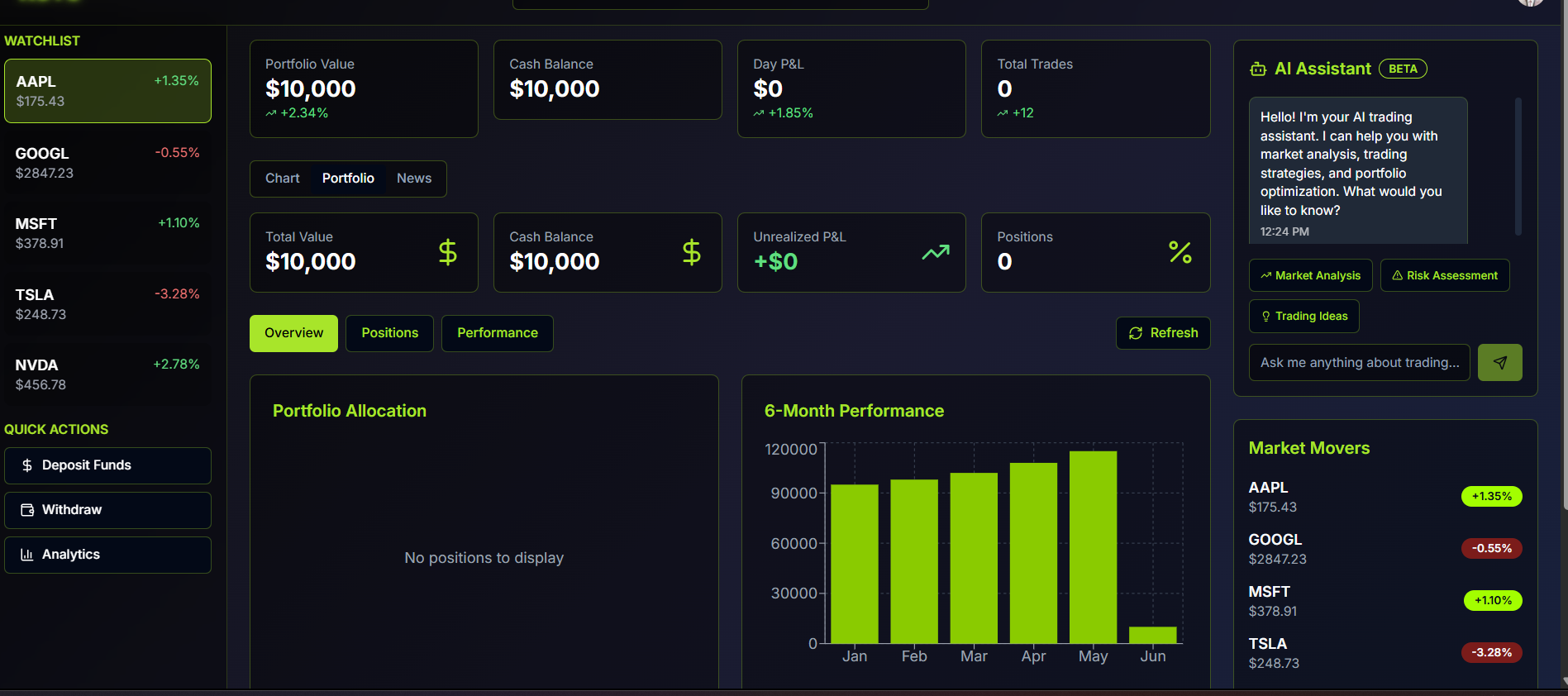
portfolio
-
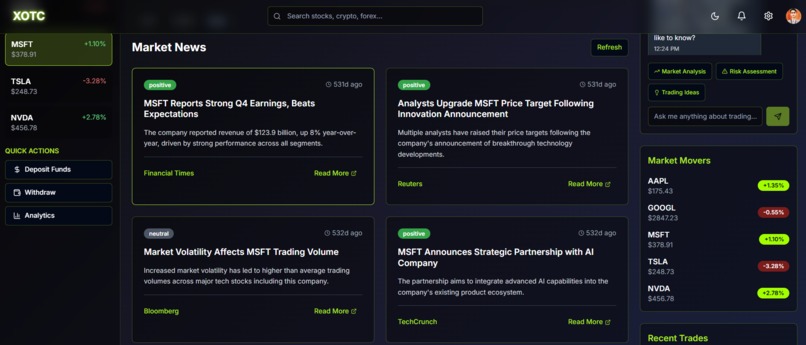
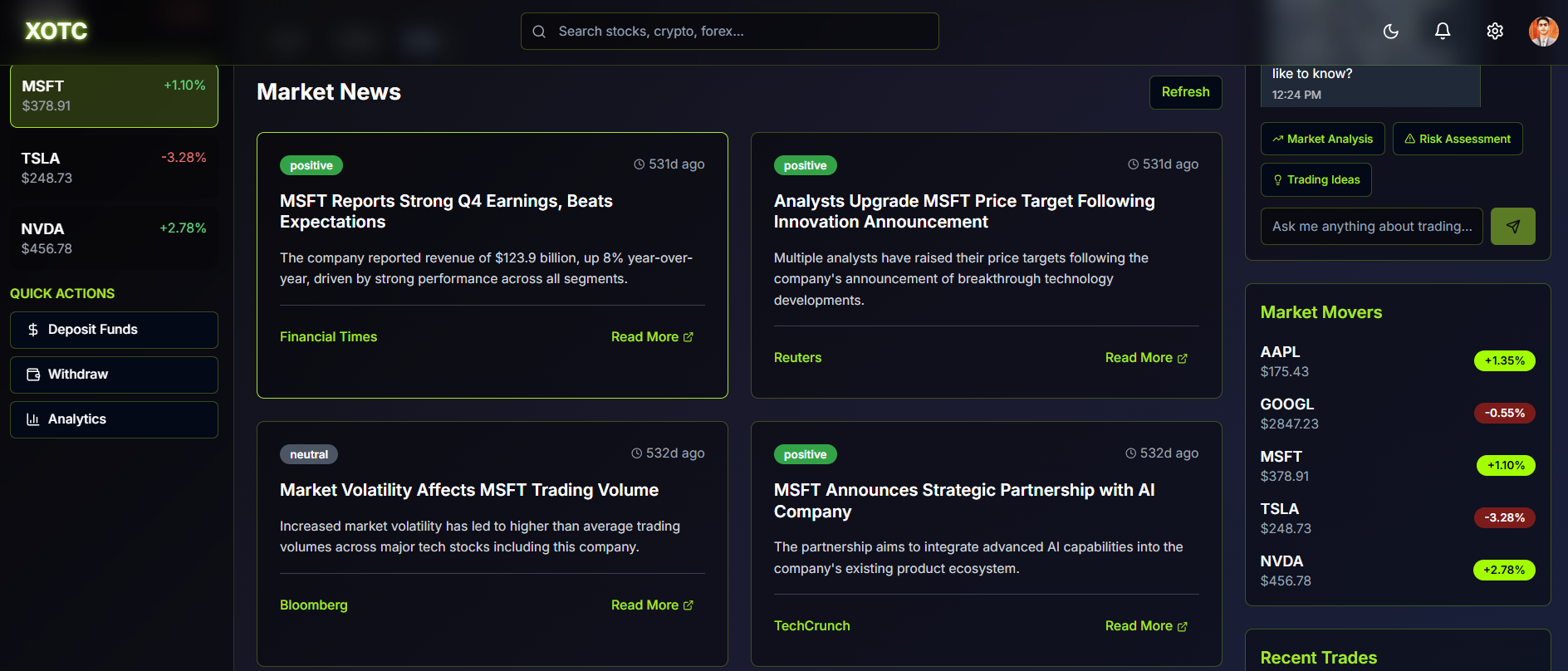
market news
-
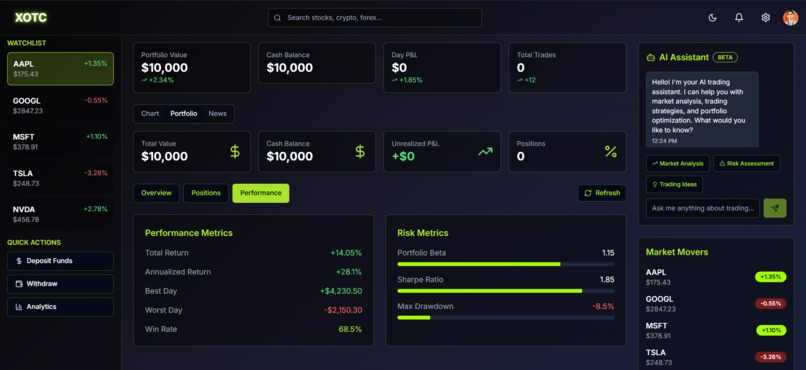
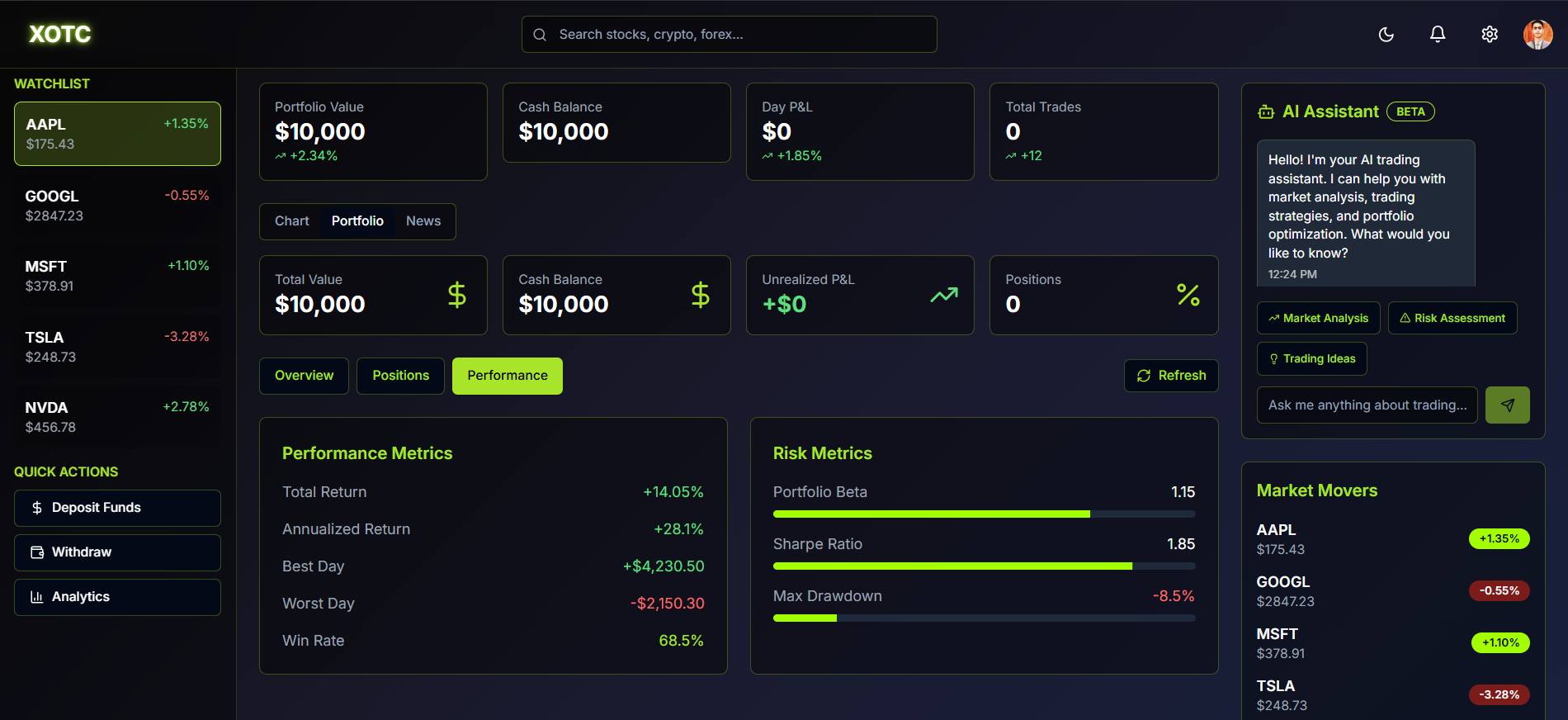
performance
-
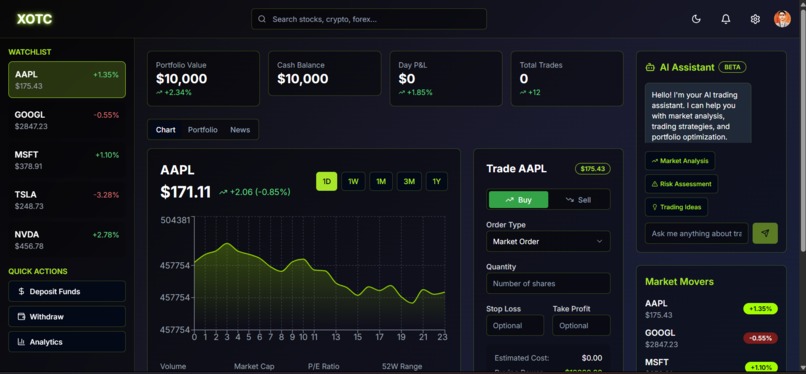
dashboard
-
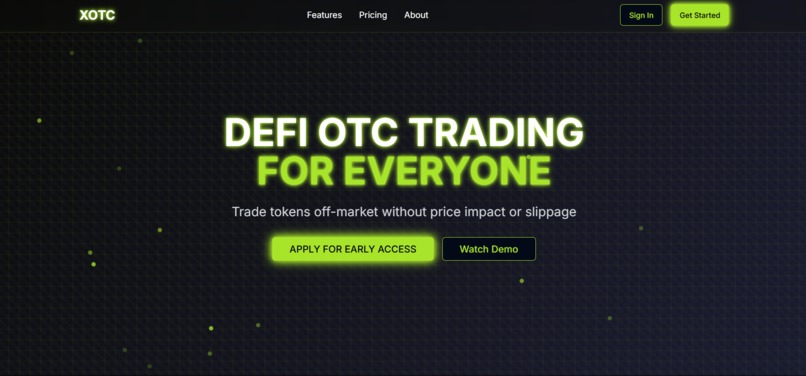
landing page
Inspiration
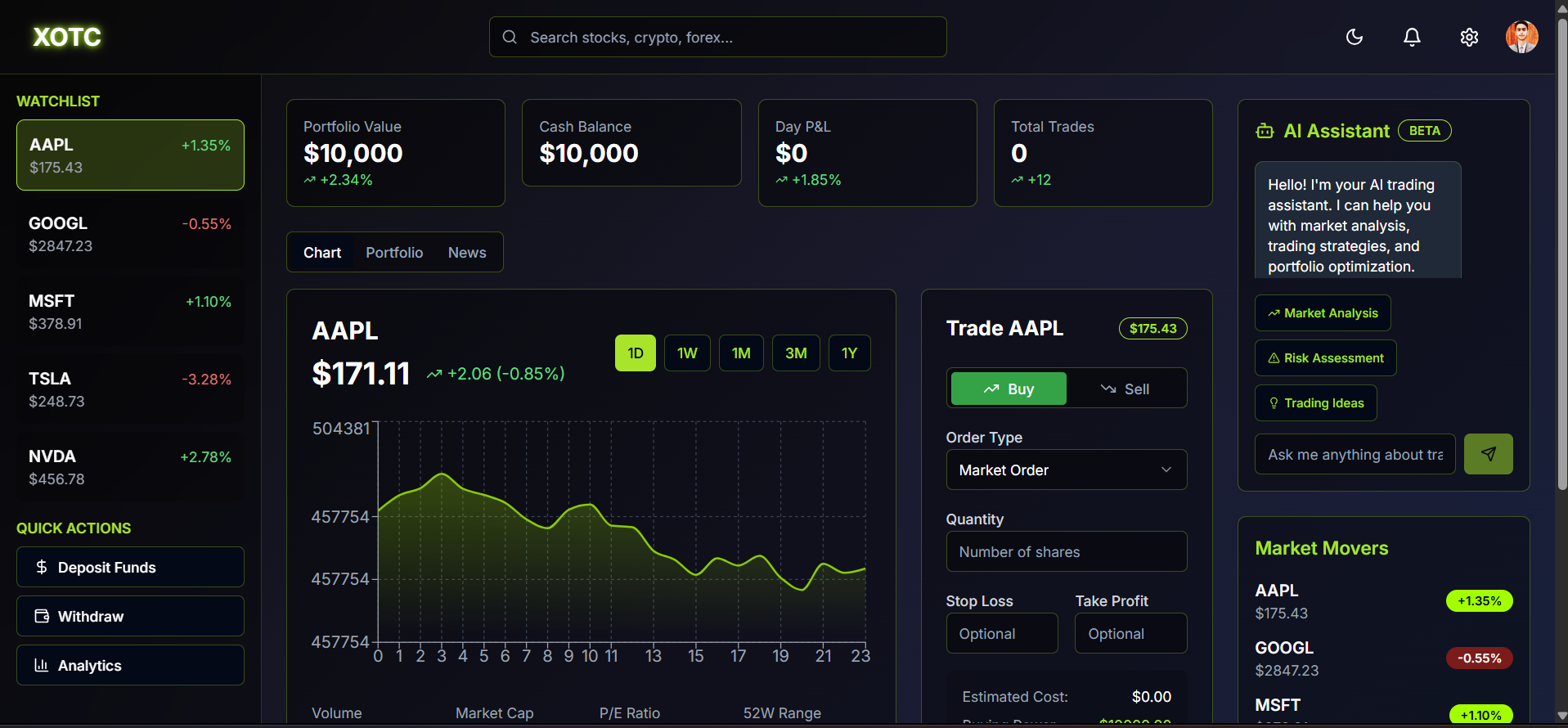
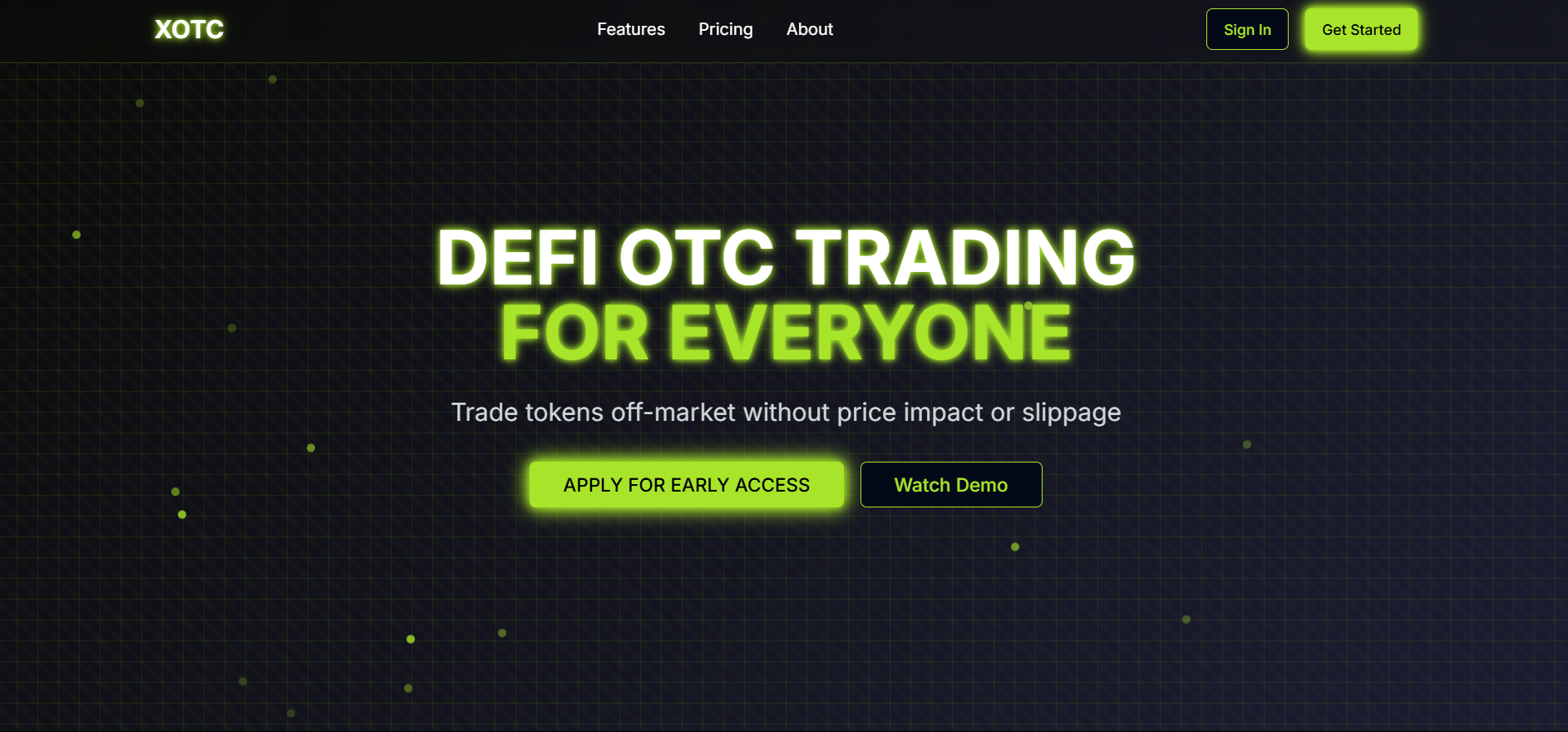
I've always been curious about the stock market—not just the numbers, but the psychology, the patterns, and how technology can help make sense of it all. The idea for this project came from wanting to explore how artificial intelligence could be used to understand stock trends and provide useful insights, especially for beginners who are interested but hesitant to invest real money. This led me to build something that not only predicts stock prices using AI but also gives users a way to simulate trading with virtual money, allowing them to learn and experiment without taking any financial risk.
What it does
Preprocess stock data using tools like MinMaxScaler
Build and train an LSTM (Long Short-Term Memory) neural network to predict stock prices
Use the Alpha Vantage API to fetch real-time stock market data
Serve machine learning predictions through a Flask API
Create an interactive frontend with React to visualize charts and predictions
Build a simple virtual trading system that allows users to "buy" or "sell" based on predictions
I also learned a lot about handling API rate limits, debugging inconsistent data responses, and designing a user-friendly interface that makes complex predictions easy to understand.
How we built it
The backend of the project is built using Flask and TensorFlow. It loads a trained LSTM model and uses it to predict the next day's stock price based on the last 60 days of closing prices. The model was trained on historical stock data and is designed to generalize to different stock symbols.
On the frontend, I used React to create a clean and responsive user interface. It fetches prediction results from the backend and displays them using graphs and summary cards. Users can input a stock symbol, view predictions, and track simulated "buy" and "sell" actions in a virtual portfolio.
The Alpha Vantage API provides the real-time data needed for predictions. I also included logic to handle prediction confidence, based on price volatility and recent trends, to give users a sense of how reliable a prediction might be.
Challenges we ran into
One was dealing with API rate limits. Alpha Vantage restricts the number of calls you can make per minute and per day, so I had to design the system carefully to avoid unnecessary requests and handle errors gracefully when the limit was reached.
Another challenge was getting the model to produce useful and reliable predictions. Stock data is noisy and unpredictable, so I had to spend time tuning the model and experimenting with different preprocessing techniques to improve performance.
Lastly, building a smooth user experience was more involved than I expected. Managing live data, updating charts in real-time, and ensuring the frontend felt responsive took a lot of iteration and testing.
Accomplishments that we're proud of
One of the biggest accomplishments was successfully integrating real-time stock data with an AI model that could make meaningful predictions. Building a working full-stack application—from the backend model to a responsive frontend UI—was a rewarding challenge.
We’re especially proud of the virtual trading system we created. It allows users to simulate buying and selling stocks based on predictions, helping them learn how markets work without risking real money. The project also maintains high code clarity, clean architecture, and a user-friendly design, making it scalable for future additions.
Another proud moment was seeing accurate predictions for major stocks like Apple and Tesla, even when market conditions changed.
What we learned
We learned a lot about real-time data handling, time series forecasting, and how deep learning models like LSTM can be used to predict future values based on past trends. We also got hands-on experience with:
Managing and preprocessing stock market data
Overcoming API limitations and handling failed requests gracefully
Deploying ML models in a live environment
Communicating backend predictions to a dynamic frontend
Designing a clean, intuitive UI for users of all technical levels
Most importantly, we learned how to connect AI with user needs by building something practical, educational, and engaging.
What's next for Stock-Trader
User accounts and login systems so users can save their portfolios
Performance tracking dashboards to see gains, losses, and portfolio value over time
News integration and sentiment analysis to show how headlines impact predictions
Multiple prediction models for comparison and transparency
Deployment to the cloud so it’s accessible anytime, anywhere
The ultimate goal is to turn Stock-Trader into a learning platform for anyone interested in the stock market, from complete beginners to seasoned investors who want to test strategies using AI.

Log in or sign up for Devpost to join the conversation.