-
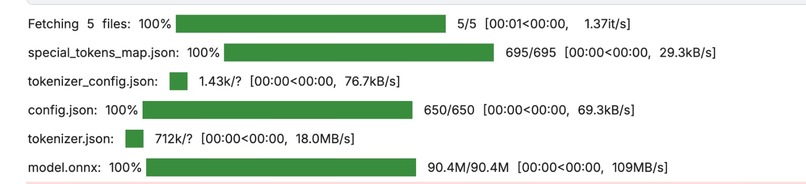
LLM intialization
-
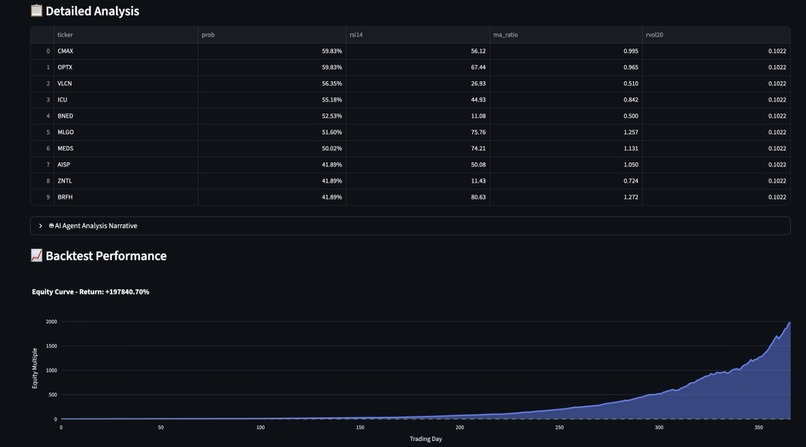
Statistics
-
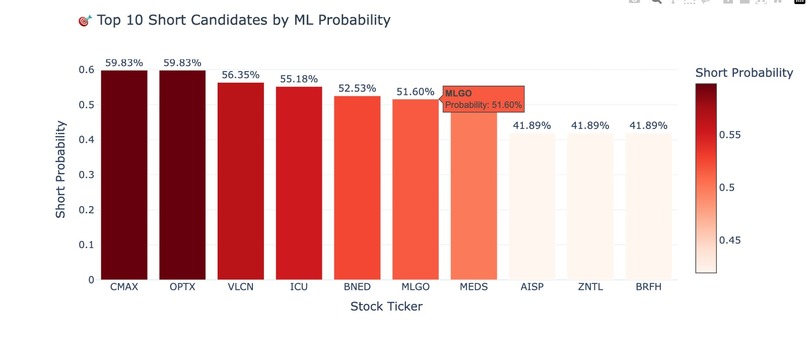
Shorting Analysis
-
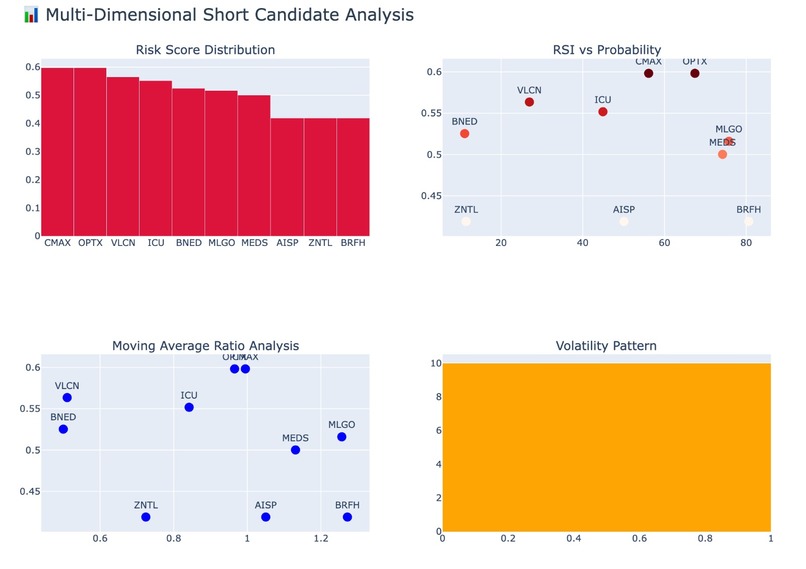
Dependecy Charts
-
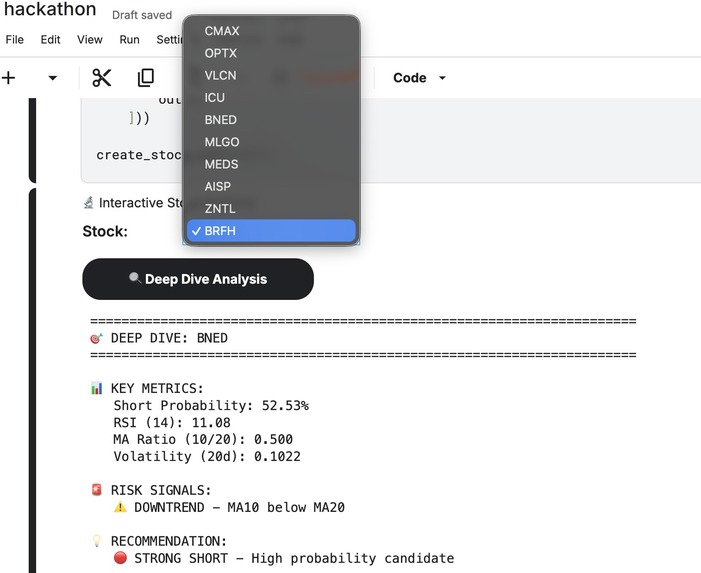
Stock finder Widgets
-
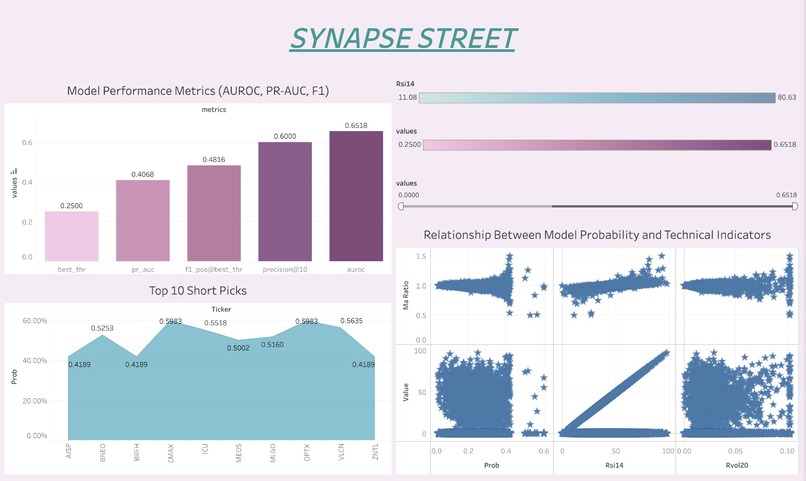
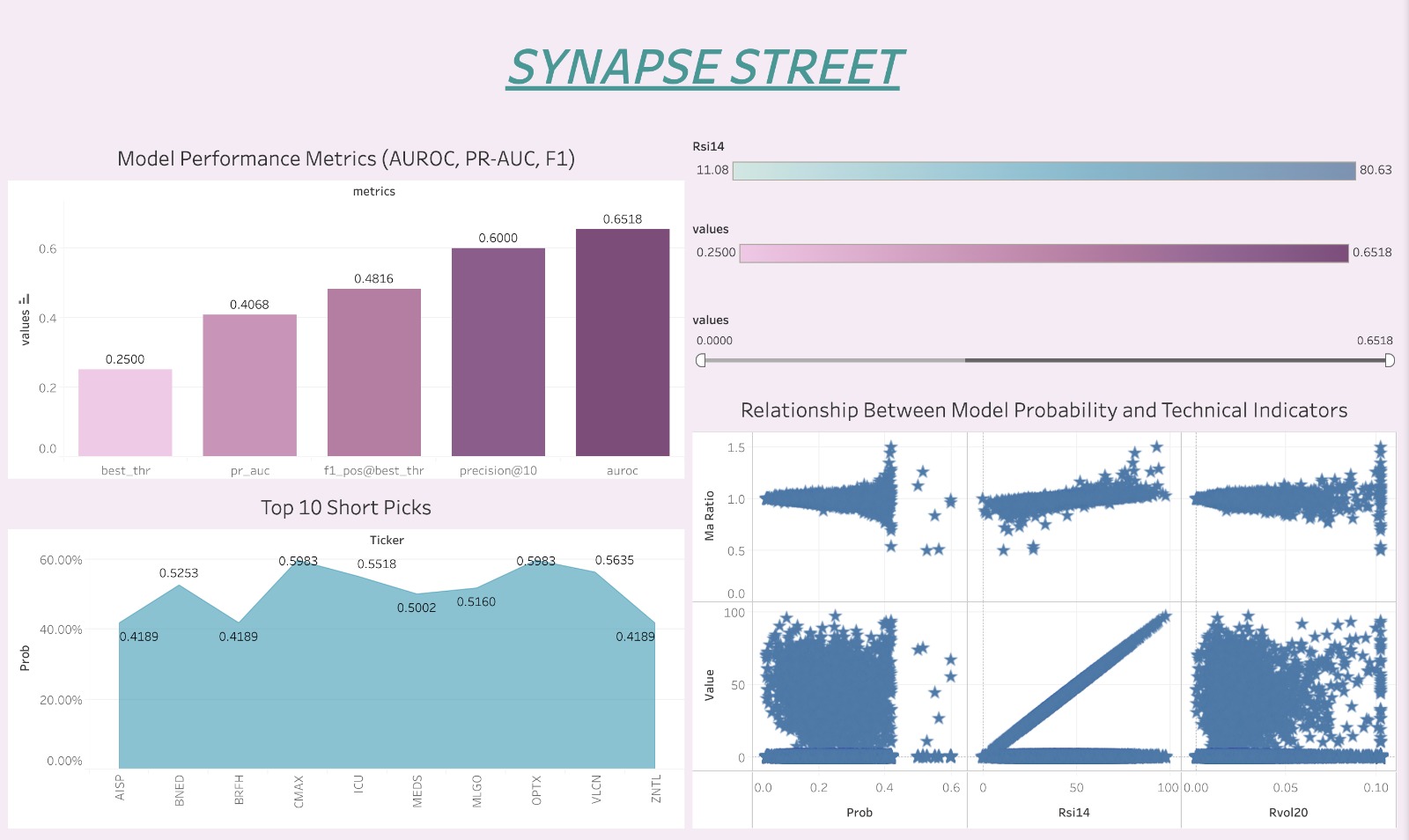
Tableau Dashboard
-
Profile Logo
Inspiration :-
We were inspired by The Big Short, the story of analysts who noticed early signs of a market crash while everyone else was optimistic. That idea, using data to question market sentiment, led us to create Synapse Street.
We aimed to replicate that same independent thinking, but powered by AI, with three autonomous agents that work together like a digital hedge fund team to identify short-selling opportunities before they become apparent to everyone else.
What it does :-
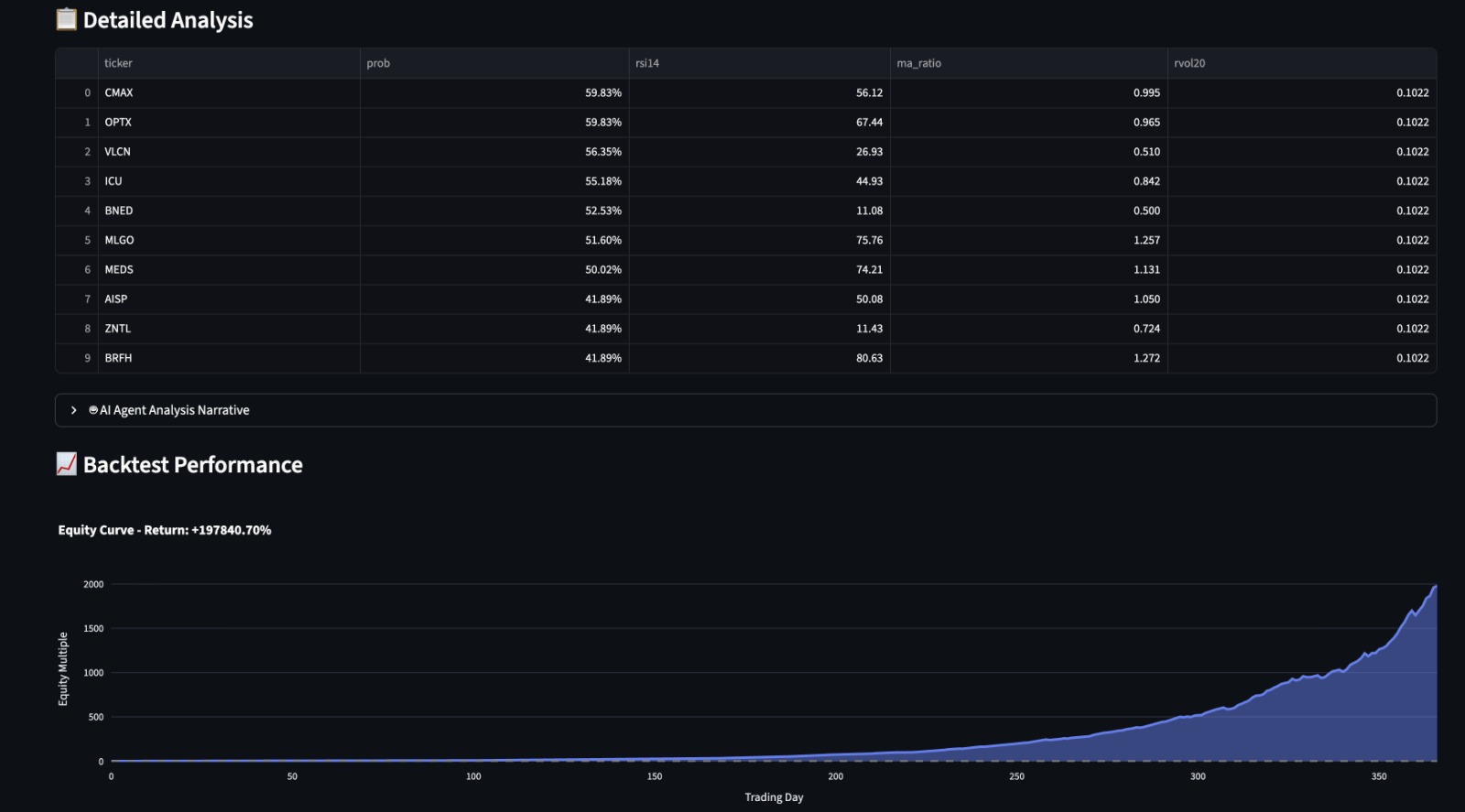
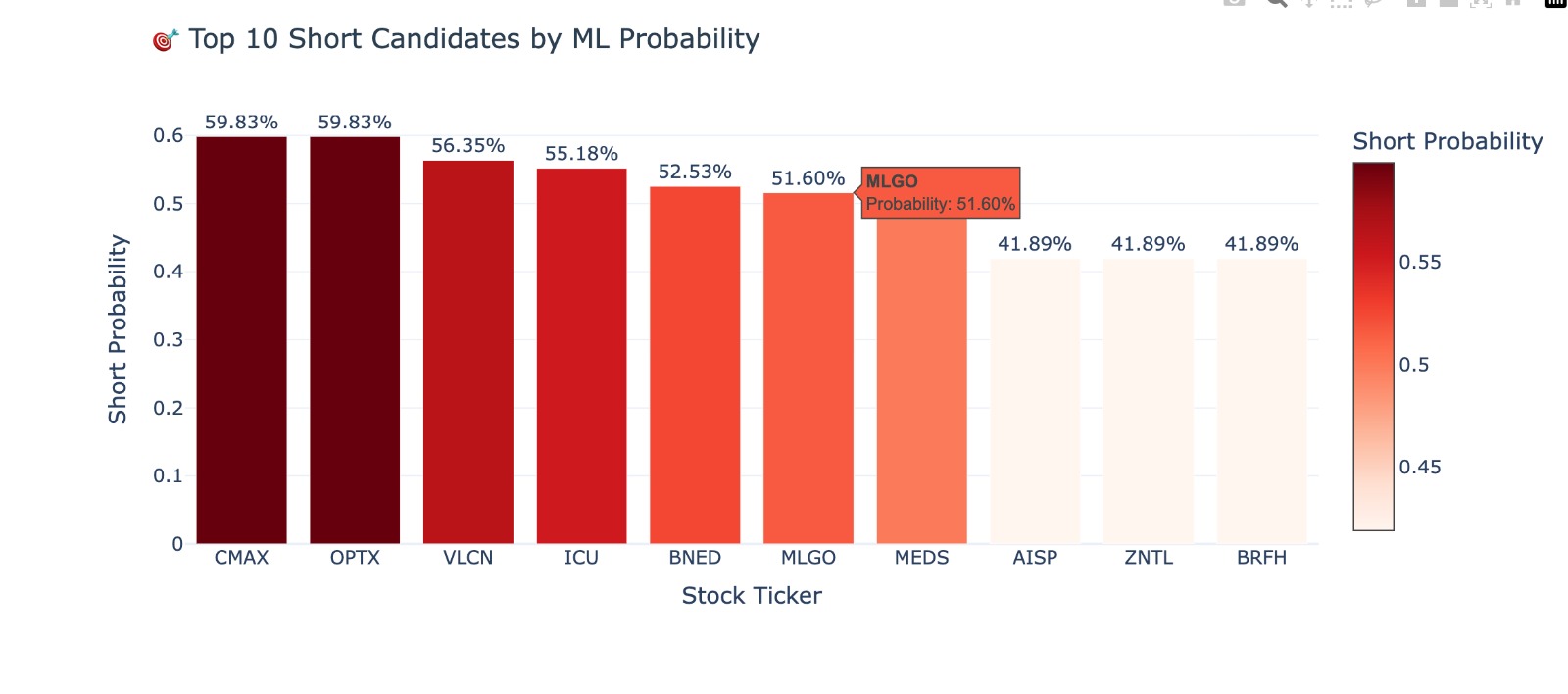
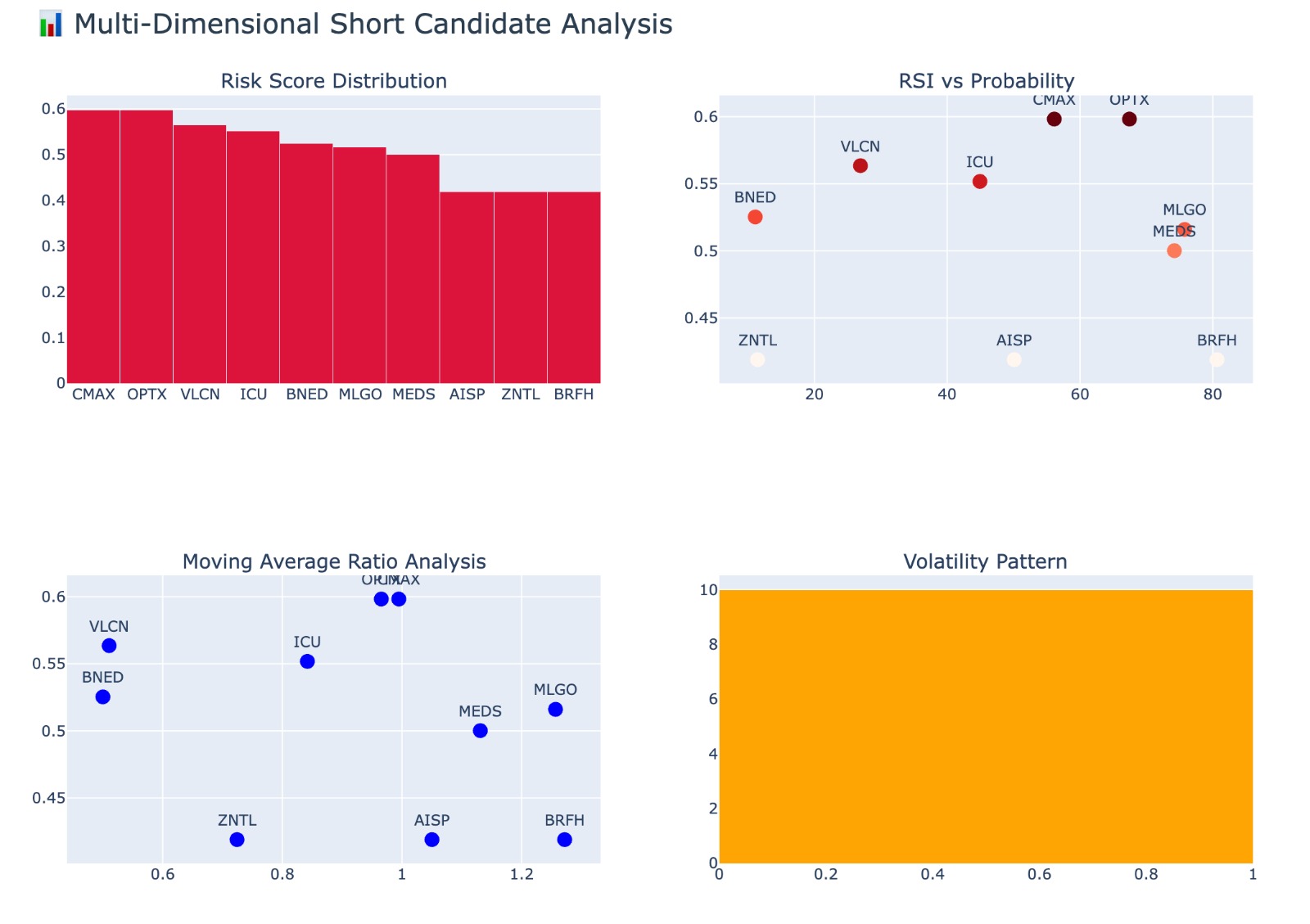
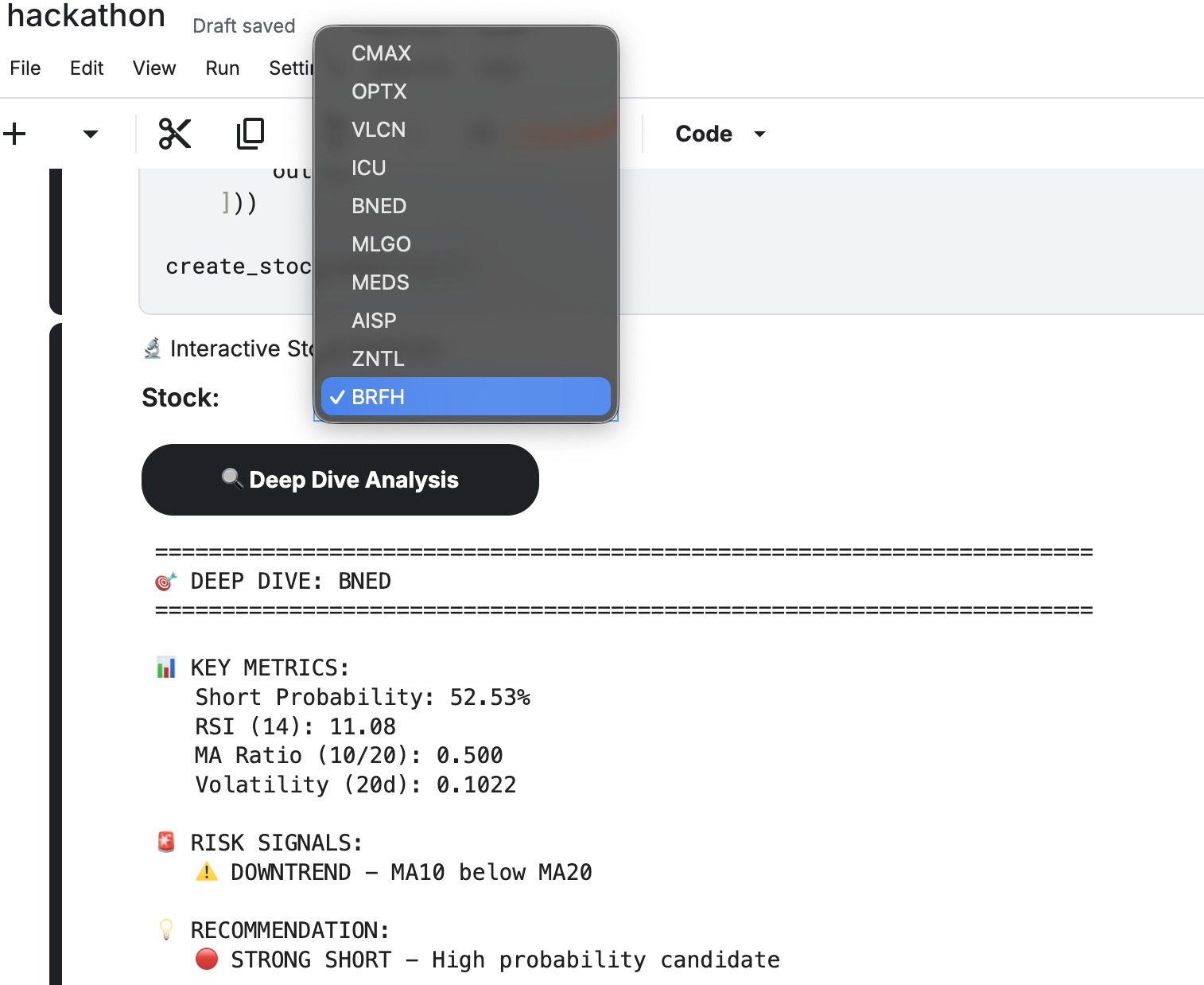
Synapse Street is a system comprised of numerous agents that harness the power of AI to detect potential short-selling opportunities in the U.S. stock market. It does the following: 1) Obtains and processes big volumes of stock data (Kaggle: U.S. Stock Market History). 2) Standardizes it using Pandas / Hadoop (HDFS integration ready). 3) So it Applies an ML model (Logistic Regression pipeline) to identify short signals. 4) Stores daily insights in Qdrant for vector search and semantic memory. 5) Collaborates 3 LangGraph agents an Analyst, Model, and Risk agent to communicate and make decisions. 6) Presents all of this on a user-friendly Streamlit dashboard showing the best short candidates, metrics, and chances.
How we built it :-
1) Dataset: Kaggle – U.S. Stock Market History Data (Eric Stanley) approx 5 GB 2) Processing: Pandas for data cleaning and feature engineering (ready to scale with Pandas + HDFS cluster on Vultr Cloud) 3) Machine Learning: Logistic Regression pipeline (MLflow ready) for short probabilities and performance metrics (AUC, F1) 4) AI Agents: LangGraph orchestrates three agents (Analyst, Model, Risk) to collaborate autonomously on market analysis. 5) Vector Search: Qdrant embeds notes (ticker, RSI, MA ratio, volatility) for semantic retrieval and contextual reasoning 6) Dashboard: Streamlit visualizes real-time short candidates, narratives, and probabilities using HuggingFace. 7) Infrastructure: HDFS multi-node cluster on Vultr ( nn1 + dn1 ) for collaborative read/write capability.
Challenges we ran into :-
1) Setting up HDFS remote connectivity from Kaggle within tight time constraints. 2) Handling 5 GB stock data efficiently in limited runtime and memory. 3) Integrating Qdrant embeddings without the fastembed module failing on Kaggle. 4) Debugging LangGraph dependencies and state flows between agents. 5) Deploying Streamlit in a Kaggle environment (where port 8501 is blocked).
Accomplishments that we're proud of :-
1) Built a working AI-multi-agent system end-to-end within 15 hours! 2) Seamlessly integrated LangGraph + Qdrant to create a semantic finance assistant. 3) Achieved a 0.64 AUC and 0.45 F1 baseline model for short predictions. 4) Delivered a beautiful Streamlit dashboard with auto-generated narratives and charts. 5) Successfully linked the project to GitHub for public showcase.
What we learned :-
1) How AI agents can collaborate on financial data analysis. 2) How to leverage vector search (Qdrant) for semantic retrieval in quant analysis. 3) Orchestrating multi-agent workflows with LangGraph StateGraphs. 4) Streamlining large datasets with HDFS and Pandas/PySpark hybrid approaches. 5) Balancing speed vs accuracy for hackathon-scale AI projects.
What's next for Synapse Street :-
1) Add LLM commentary (GPT-5 / Claude API) to generate natural-language market summaries. 2) Deploy as a live Streamlit web app on HuggingFace. 3) Integrate with real-time stock APIs. 4) Expand the LangGraph framework to 5 agents including a News Sentiment and Portfolio agent. 5) Enable backtesting and risk-adjusted return visualization (Sharpe Ratio dashboards). 6) Full PySpark migration for large-scale financial datasets.


Log in or sign up for Devpost to join the conversation.