Inspiration
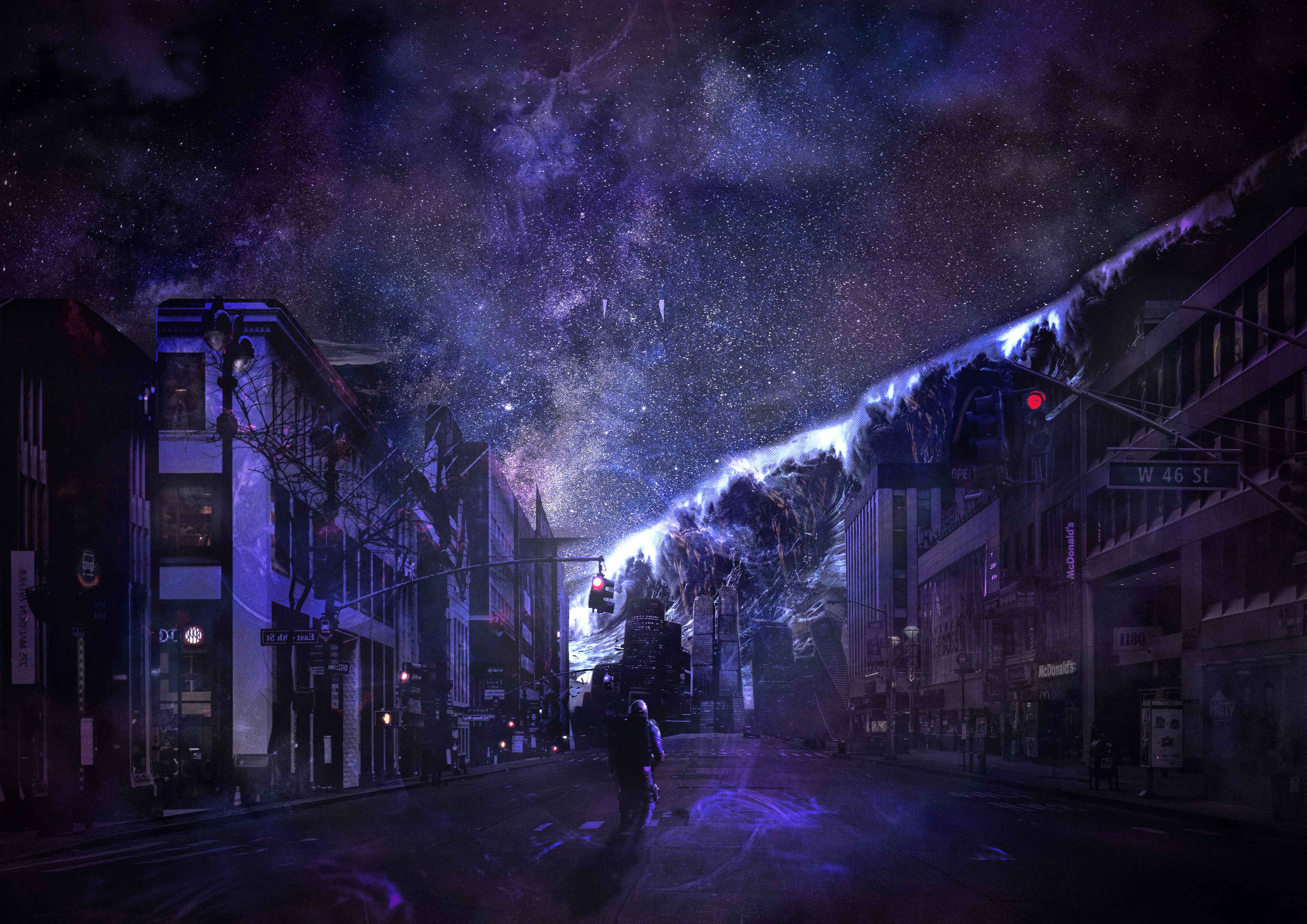
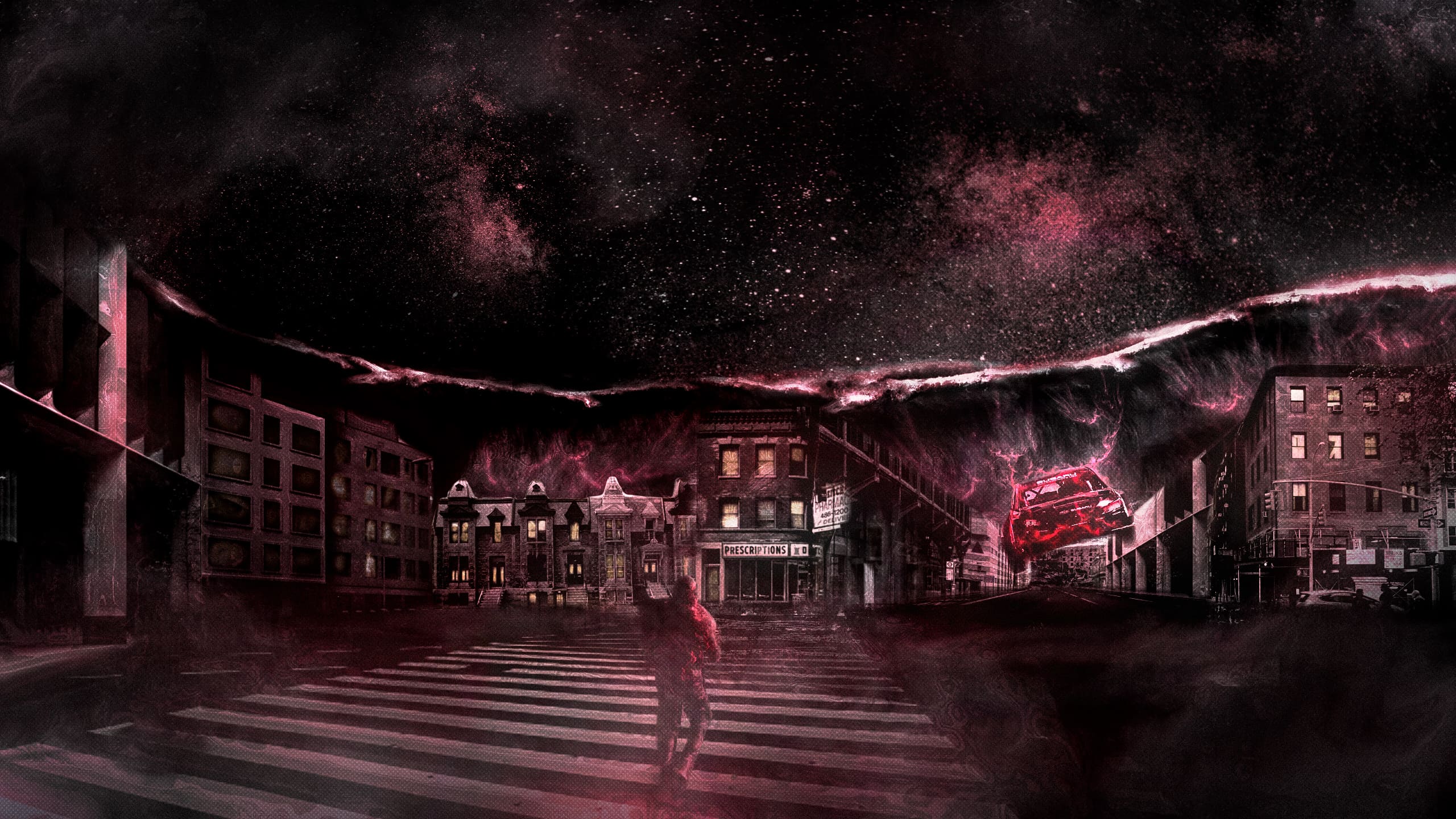
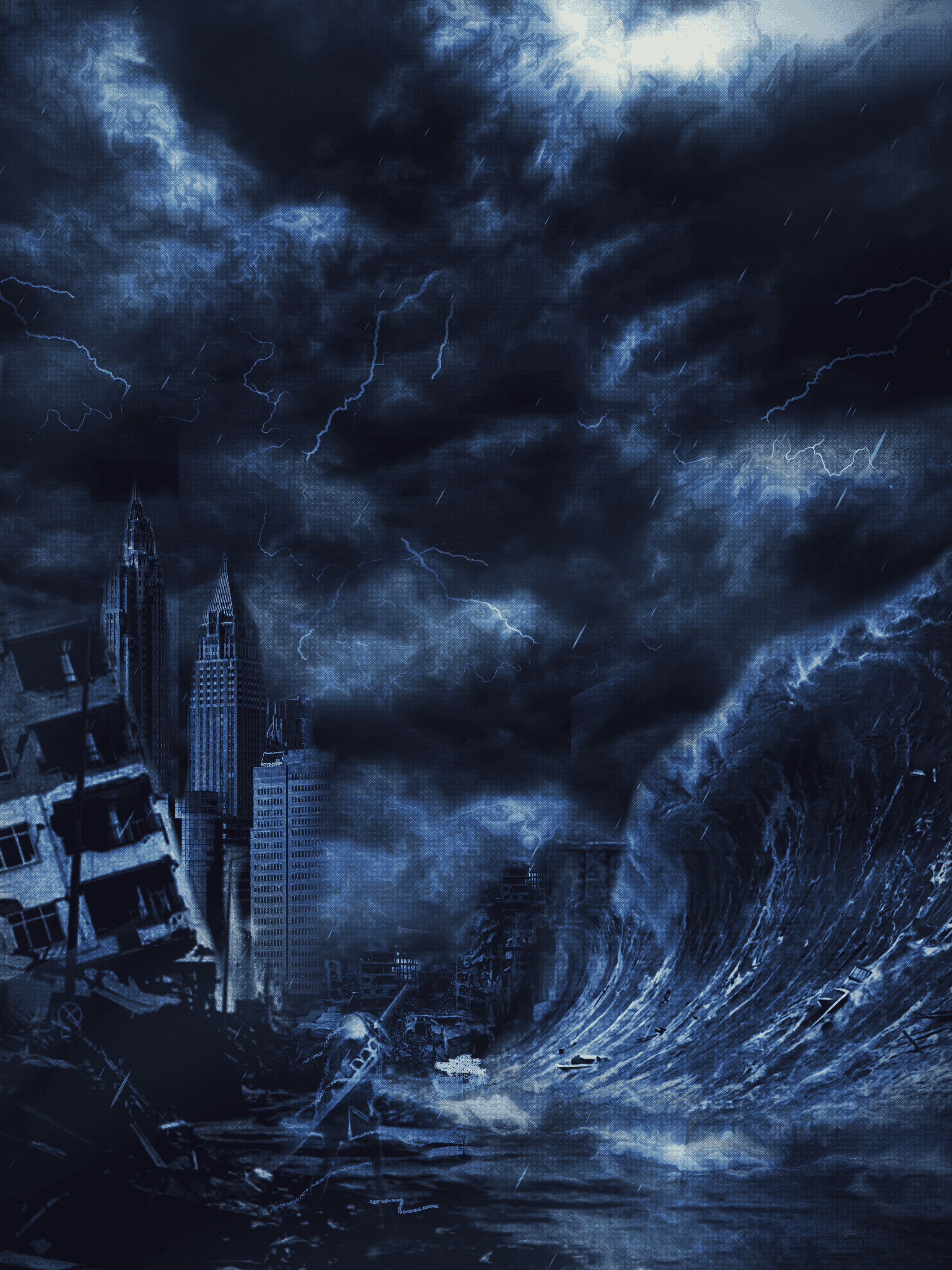
It started with one question: what if movement was the thing you had to ration? Every survival game charges you for health, stamina, ammo. None of them charge you for walking. That always felt like a gap. Movement is the first thing a player does in almost any game, and it's always free. We wanted to know what happens when it isn't. The setting followed naturally. A coastal city frozen at the exact instant a tsunami hit it. The wave hanging mid-break above the rooftops. Cars floating. Ash suspended in the air. Everything stopped at the last second before the end, and you're the only thing still moving through it, spending the only resource keeping you alive just to cross the street. We were also thinking about what makes short-session games actually feel meaningful. Games like Hades and Slay the Spire proved that a run lasting ten minutes can carry real weight if the design is tight enough. We wanted Stillwater to sit in that space for something you pick up for one run on a commute and end up playing for an hour without meaning to.
What It Does
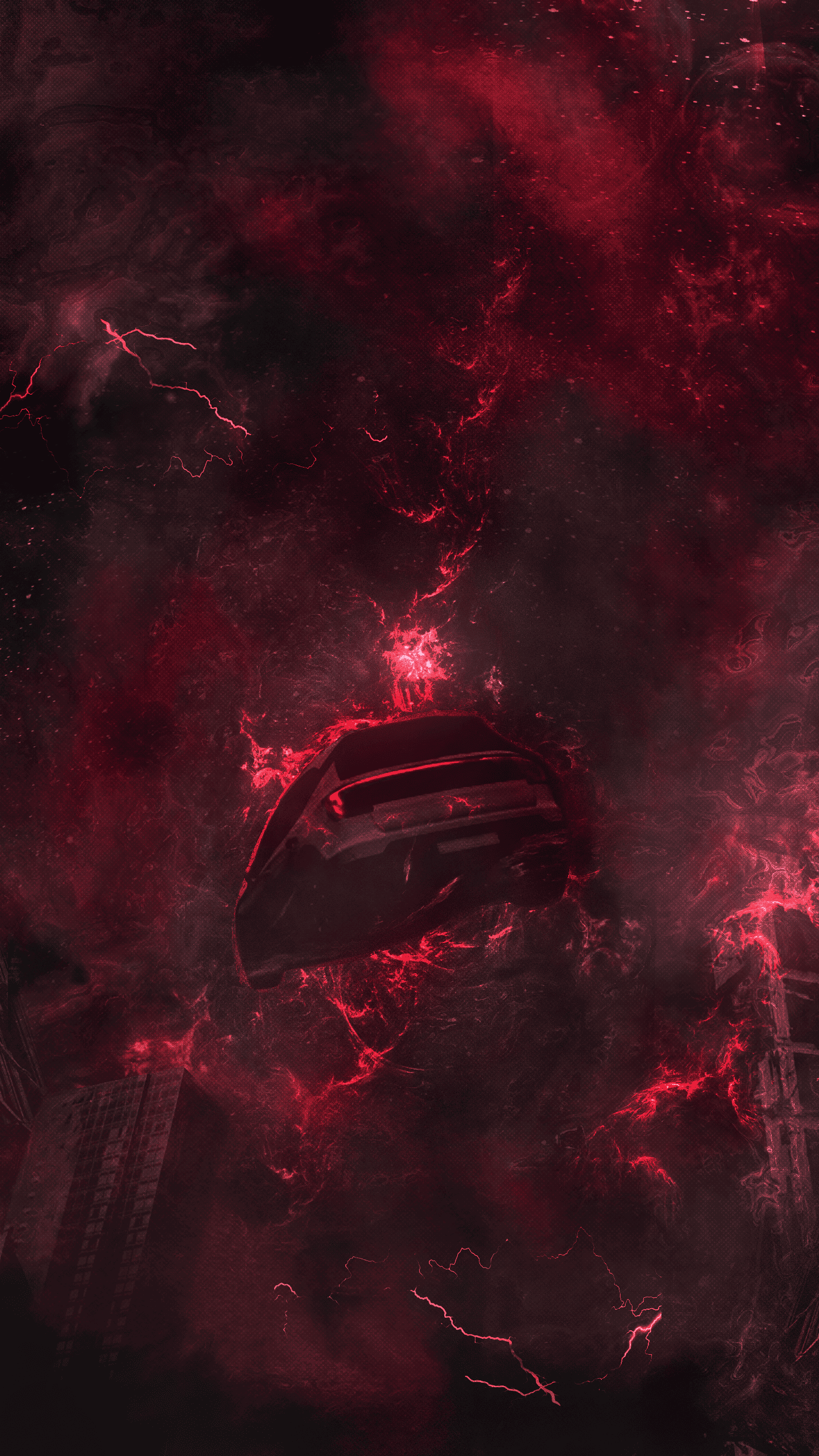
Stillwater is set inside a coastal city frozen at the exact instant a tsunami hit it. Everything stopped at the last second before the end.
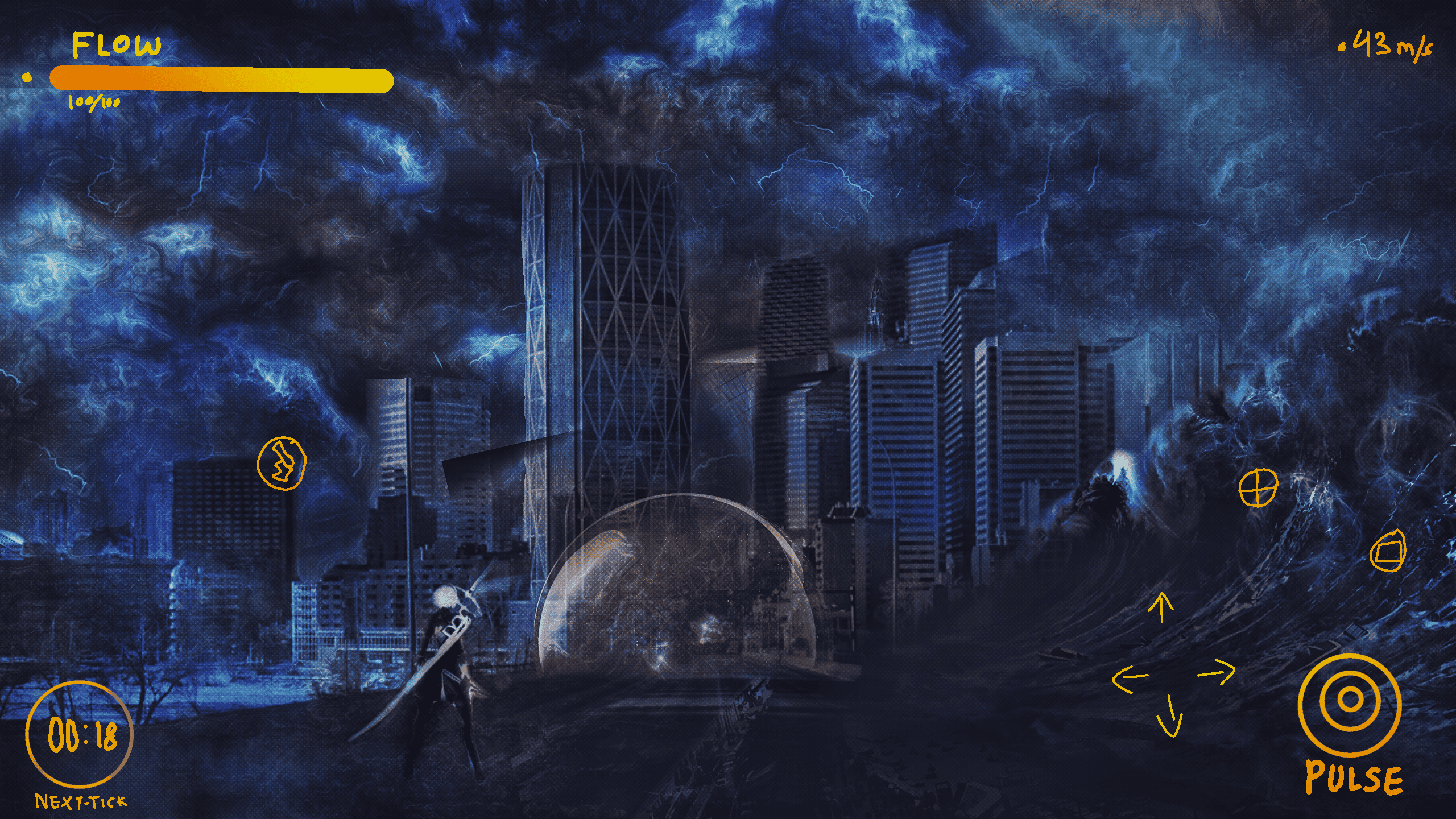
- Your only resource is Flow. Every step drains it. Run out and you freeze permanently, one more statue in a city already full of them.
- You scavenge floating objects for materials and Resonance. Different objects drop different materials: Ice Shards from frozen water, Frozen Metal from vehicles and debris, Ash Glass from fire that hardened mid-burn.
- Bring materials to a Forge Point near each Live Pocket to craft run consumables. Two Ice Shards give you a burst of Flow. Metal and Ice make a temporary Anchor. Ash Glass and Ice give you a free scan. Resonance drops alongside materials and feeds your permanent upgrades.
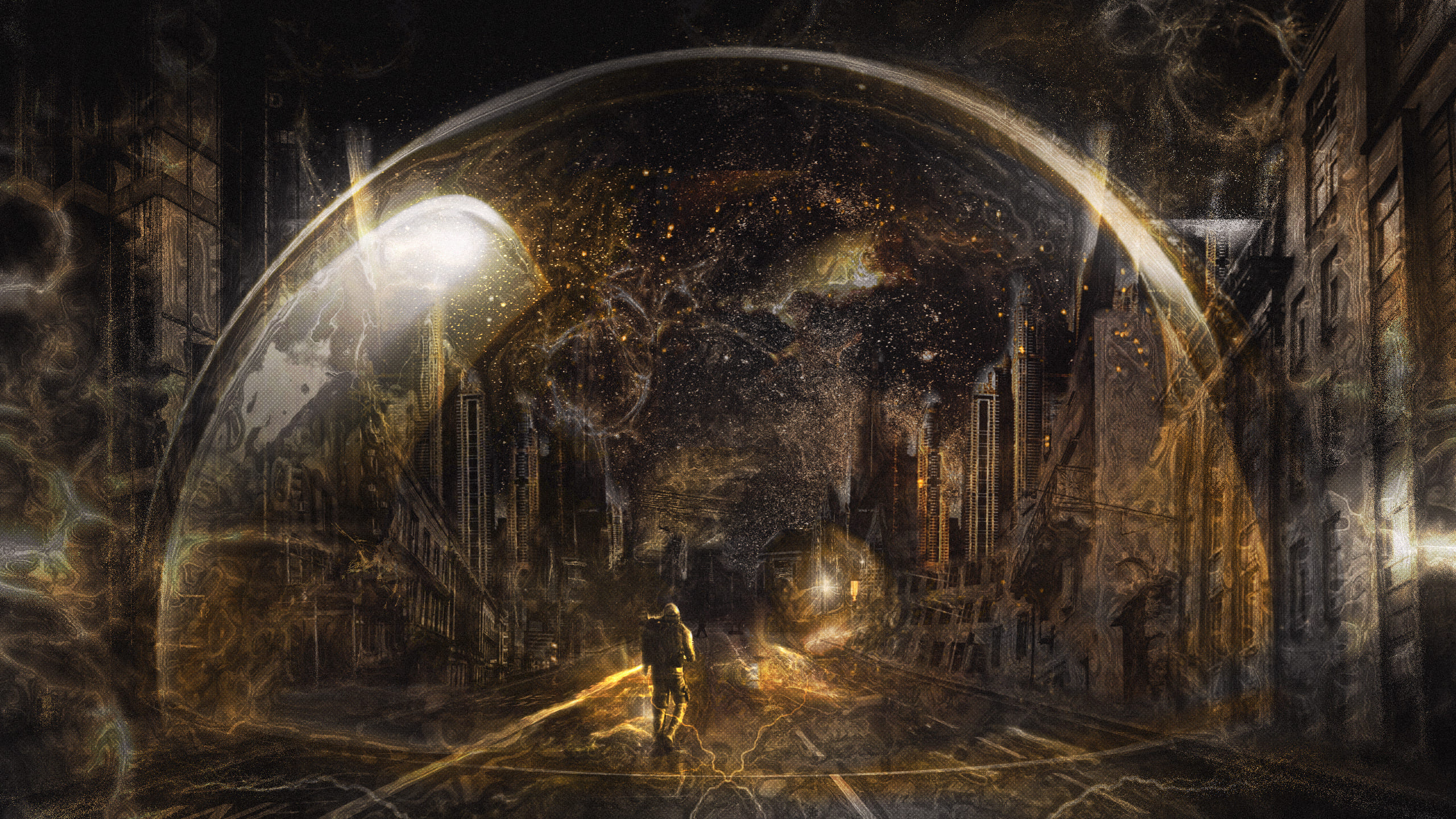
- The only way to restore Flow is a Live Pocket, a small bubble where time never froze and the disaster is still happening. You step in, refill fast, and get out before it kills you. The safest fuel is in the most dangerous room.
- Periodically the world Ticks. The city jolts forward for a split second then stops again. Hazards wake briefly. The longer you stay out, the more violent and frequent those jolts become. A route that was safe on the way out can be gone on the way back.
- Seven story beats are hidden across the city inside Live Pockets, each one pulling you deeper toward the epicenter. Several unlock real abilities.
- The final beat puts a genuine choice in front of you: resume time and let the wave finish what it started, or hold the freeze forever and remain the only thing moving in a city that will never wake up.
How we built it
Four phases, each one ending with something we could put in front of a real player and watch.
- Phase 1 was movement only. One district, one Flow meter, refill pockets. The only question: does spending Flow to move feel like a decision, or just walking?
- Phase 2 added the economy. Scavenging, Resonance, banking, upgrades. Does the loop pull a second run?
- Phase 3 added pressure. The Tick clock, ambient drain, waking hazards, the Anchor choice. Does it actually get tense?
- Phase 4 added the pull. Mystery beats, the opening sequence, the post-run screen. Do players come back for a second session, not just a second run? If something didn't serve the Flow mechanic directly at each stage, it got cut. That discipline is what kept the design from sprawling.
Challenges we ran into
- Making movement feel costly without feeling unfair was the hardest problem. The Flow reserve, cost per metre, and refill rate all affect each other. Change one number and everything shifts.
- The Tick escalation had the same character. Four phases had to feel like a natural rising arc, not a wall. Getting the intervals and drain values right took longer than almost anything else.
- Fitting crafting into the loop without breaking the Flow tension was trickier than expected. Tying the Forge Point to locations near Live Pockets solved it. Getting there already costs Flow, so the decision carries real weight.
- Building for mobile and VR at the same time meant two completely different inputs with the same tension required from both. You have to find the underlying principle first and express it differently on each platform, not design for one and port to the other.
Accomplishments that we're proud of
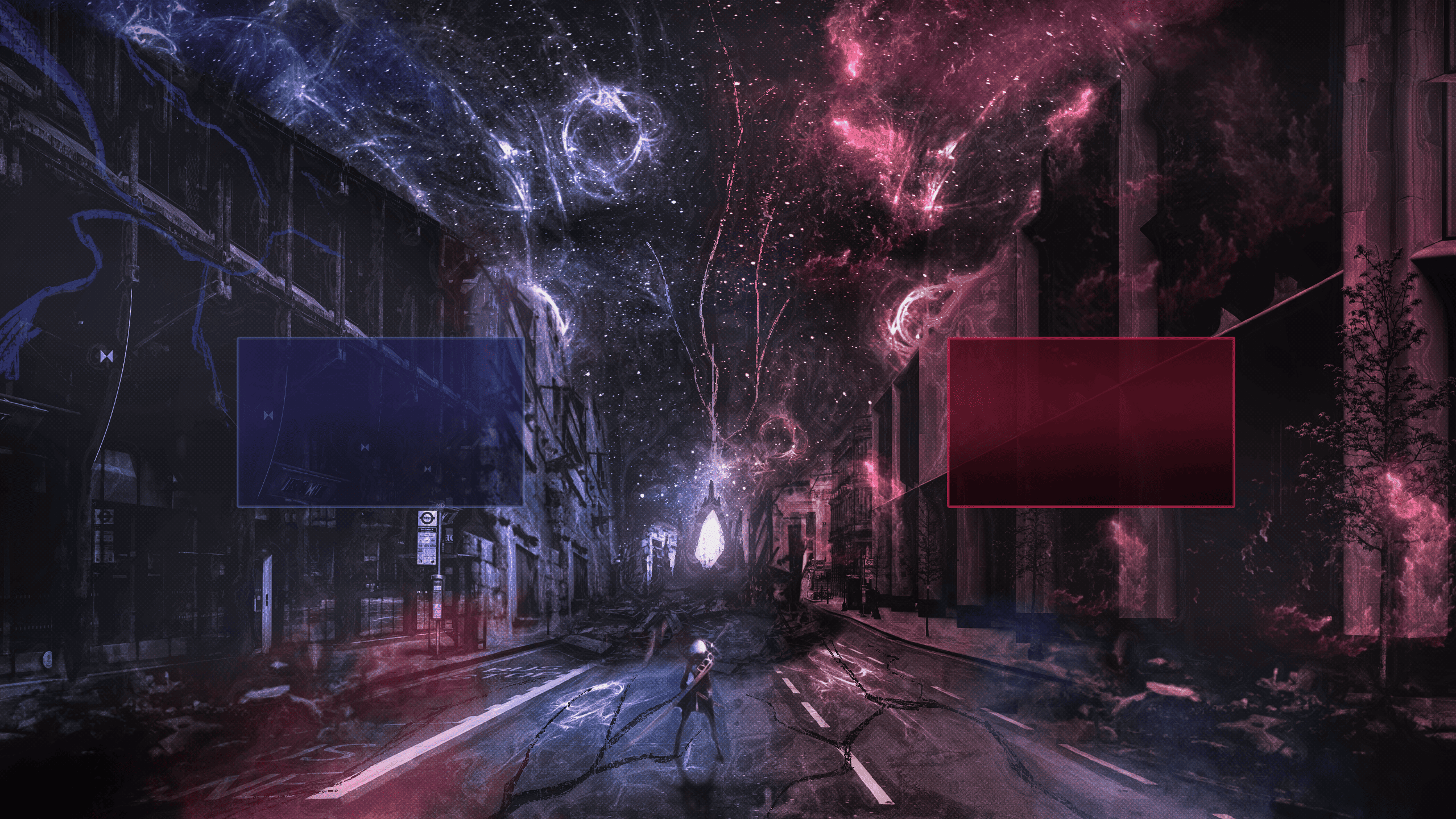
Players start planning their routes within the first two minutes without a single tutorial prompt. That was the thing we were least sure about going in. It ended up being the thing that landed most consistently. The three-colour palette, cold blue-grey for the frozen world, amber for the player and safe zones, alarm red only when a hazard wakes works exactly as intended. Players read the screen by temperature before they read a single number.
What we learned
One strong idea, followed through without compromise, is worth more than ten half-built ones. Restraint in visual design isn't a limitation. Draining almost all the colour from the world made every use of colour mean something. The amber glow of the player hits differently when everything around it is cold and still. Systemic tuning, where every number depends on every other number cannot be rushed. The Flow economy only works because all its values were found together, not individually.
What's next for Stillwater
Persistent Anchors that carry across runs and grow your safe territory permanently. More districts, each one with a new way the frozen world can kill you. The full seven-beat mystery with the complete ending. Anchor co-op, where two players share one frozen world and one Flow pool. An endless escalating mode for players who want to keep pushing after the story is done.
Built With
- game-design


Log in or sign up for Devpost to join the conversation.