-
-
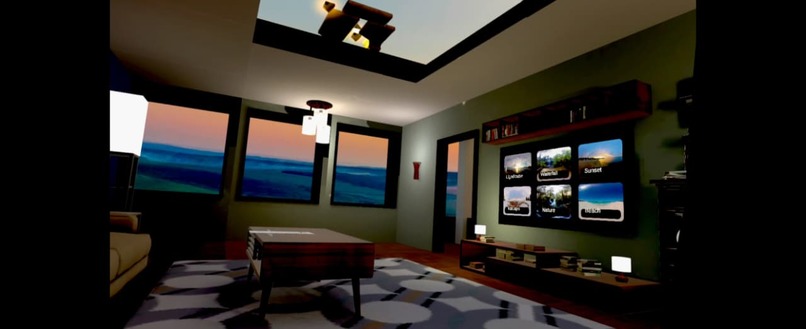
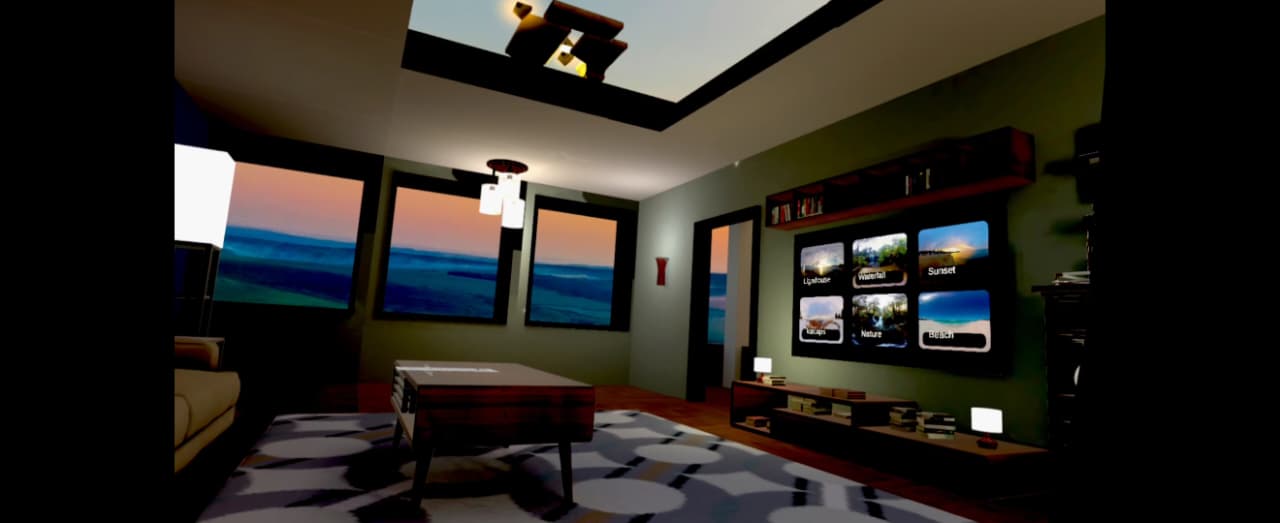
Main lobby
-

Meditation
-
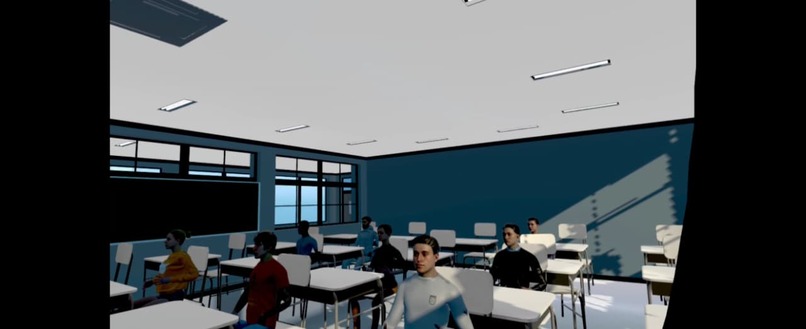
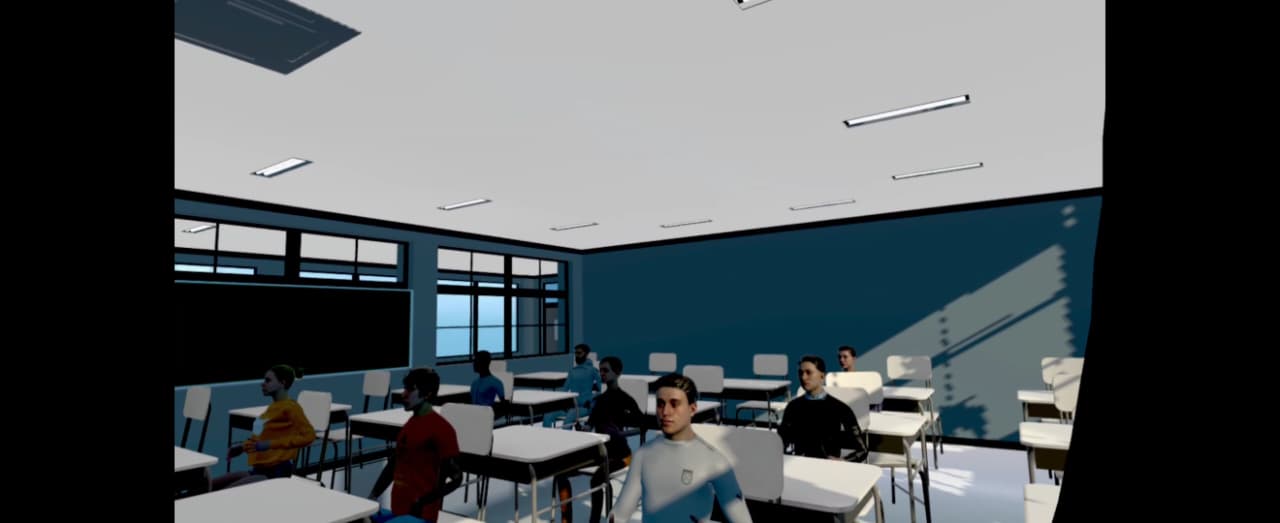
Virtual Calssroom
-
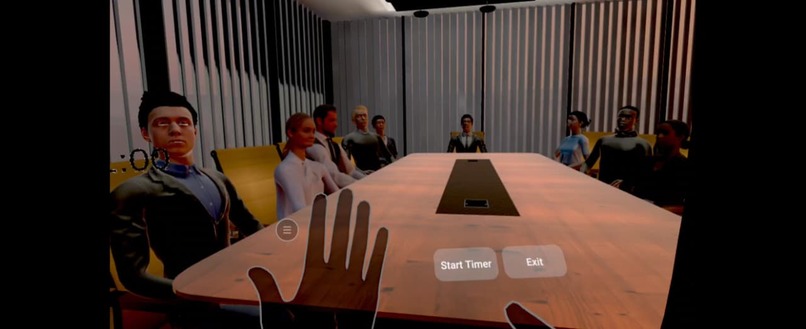
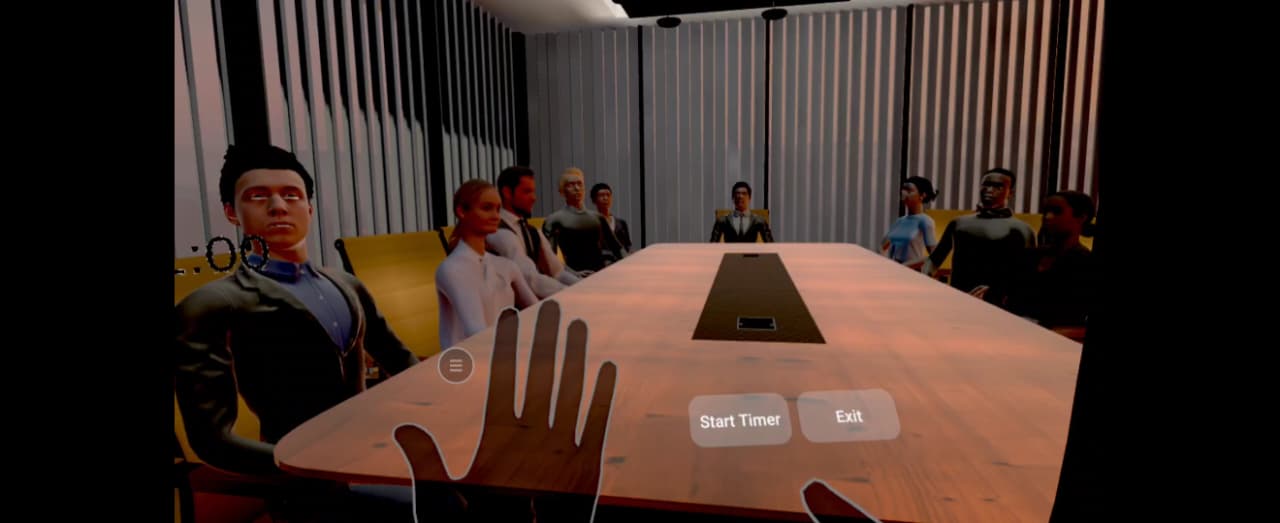
Virtual Meeting

Still Space — About the Project
Inspiration
Mental health struggles often exist quietly — beneath deadlines, expectations, and constant digital noise. During conversations with peers and through personal observation, we noticed a recurring pattern: many people need support but hesitate to seek it due to stigma, lack of access, or fear of judgment.
At the same time, virtual reality stood out to us as a medium uniquely capable of creating presence — the feeling of being somewhere else entirely. This led to a simple but powerful question:
What if stepping into mental health support felt as natural as stepping out of the noise?
That question became the foundation of Still Space.
What We Built
Still Space is a VR-based mental wellness platform designed to provide a calm, private, and judgment-free environment for meditation and therapy-like experiences.
The core idea is to use immersive virtual environments — such as tranquil lakes, forests, and minimal safe spaces — to help users disconnect from stressors and reconnect with themselves. Instead of focusing on clinical complexity, Still Space emphasizes presence, stillness, and accessibility.
Key features include:
- Immersive calming environments
- Guided meditation and breathing sessions
- Avatar-based interaction for therapy-like experiences
- A design philosophy that prioritizes emotional safety and simplicity
How We Built It
The project was built by combining:
- VR development tools to create immersive environments
- Thoughtful UX and visual design, inspired by nature and minimalism
- A metaphor-driven narrative approach to align the experience emotionally with the user
Rather than overwhelming users with options, we focused on reducing cognitive load. Every visual element, interaction, and transition was designed to slow the user down.
From a technical standpoint, we treated VR not as a gimmick, but as a medium for intentional presence. In simple terms, the goal was to maximize calm while minimizing friction:
$$\text{User Calm} \propto \frac{\text{Immersion} \times \text{Simplicity}}{\text{Cognitive Load}}$$
Challenges We Faced
One of the biggest challenges was balancing technology with empathy. Mental health is a sensitive domain, and it was important that Still Space did not feel clinical, invasive, or overwhelming.
Other challenges included:
- Designing visuals that felt calming rather than stimulating
- Ensuring VR elements enhanced comfort instead of causing sensory overload
- Translating an abstract concept like stillness into a concrete user experience
- Communicating emotional impact clearly within a limited hackathon timeframe
Each challenge forced us to simplify further — which ultimately strengthened the project.
What We Learned
This project taught us that impactful solutions don’t always come from adding more features — they often come from removing noise.
We learned:
- How immersive technology can be used for emotional well-being, not just entertainment
- The importance of design restraint in mental health products
- How storytelling and metaphor can strengthen technical solutions
- That accessibility and emotional safety are as important as innovation
Conclusion
Still Space is not meant to replace professional therapy. Instead, it acts as a gentle first step — a place where users can pause, breathe, and experience stillness without fear or pressure.
In a noisy world, we believe calm should be accessible.
Still Space — Step out of the noise.


Log in or sign up for Devpost to join the conversation.