StillEarth: An AI-Powered Environmental Simulator
Inspiration
The "StillEarth" project emerged from a critical need to address the gap in hands-on environmental education. Recent studies have highlighted a significant disparity in access to practical environmental learning experiences. For instance, a 2021 survey revealed that only about 30% of U.S. public schools had dedicated gardens, composting, or other experiential environmental programs. Moreover, the most effective programs were often concentrated in higher-income, urban areas with external support, underscoring a clear inequity in resources and opportunities for environmental education.
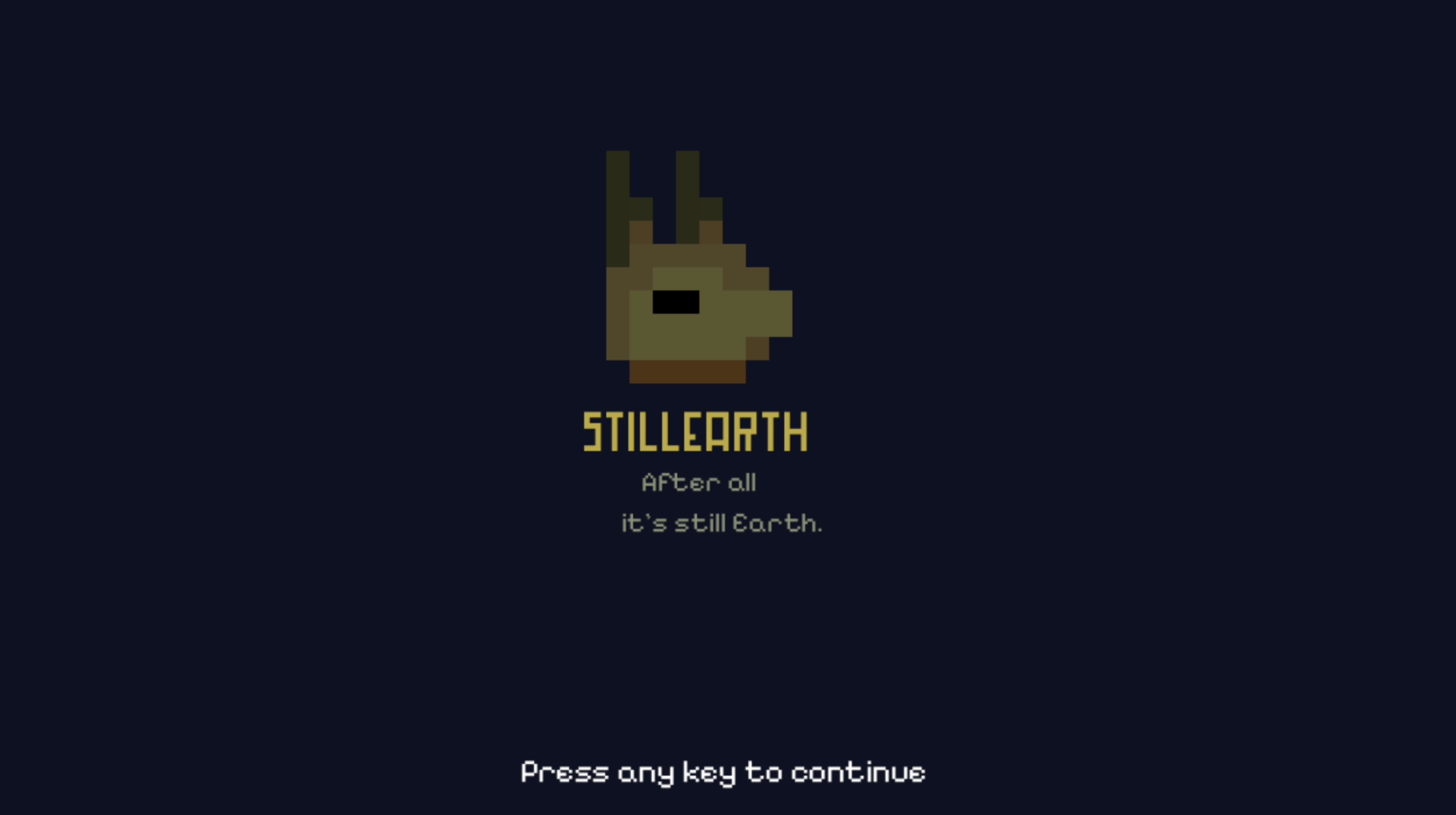
As developers passionate about both technology and environmental conservation, I saw an opportunity to bridge this educational gap, further envisioning a forest simulator where players embody a bunny navigating the challenges of a changing ecosystem. This concept not only engages children with environmental issues in a relatable and interactive way but also provides a scalable solution to the lack of hands-on environmental education in many schools.
What I Learned
Our journey in developing StillEarth has been incredibly enlightening:
Environmental Science: In making this game, I gained a deep understanding of forest ecosystems and the intricate ways climate change affects them, enabling myself to create a realistic and educational game environment.
AI and Natural Language Processing: Implementing NPC interactions using advanced language models and sentence embeddings revealed the immense potential of AI in creating dynamic, responsive game characters that can educate and engage.
Vector Databases: Utilizing TiDB for vector search operations, in turn, taught me about the efficiency of vector databases in handling complex queries and semantic search, crucial for creating a responsive game environment.
Game Design for Education: In making StillEarth this taught the balance of educational content with engaging gameplay mechanics, a challenge that pushed creative thinking about game design principles in an educational context.
How StillEarth Was Built
StillEarth's core NPC interaction system is built using Python, leveraging several key technologies:
Sentence Transformers: Used to generate embeddings for dialogue text, allowing for semantic understanding of player inputs.
TiDB: Our vector database for efficient storage and retrieval of dialogue embeddings, enabling fast similarity searches for contextually relevant responses.
AI Language Model: Integrated to generate dynamic, context-aware responses for our NPCs, ensuring engaging and educational interactions.
MySQL Connector: Facilitates seamless interaction between our application and the TiDB database.
NumPy: Employed for efficient numerical operations, particularly in handling embeddings.
Our NPC class encapsulates these technologies, providing methods for generating and storing dialogue embeddings, performing vector searches, processing player input, and managing NPC actions and item interactions.
Challenges I Faced
Educational Balance: Creating a game that is both educational and entertaining required careful balancing of realistic environmental scenarios with engaging gameplay mechanics.
Performance Optimization: Ensuring smooth gameplay while handling complex AI and database operations in real-time demanded careful optimization of our code and database queries.
Environmental Accuracy: This was entirely strived to ensure that the environmental information and scenarios in the game were scientifically accurate yet accessible to young players, necessitating extensive research and expert consultation.
Ethical Considerations: Designing an AI system that provided accurate information about environmental issues without being overly pessimistic or alarmist was crucial for maintaining the educational integrity of our game.
Technical Integration: Combining various technologies like sentence transformers, TiDB, and our chosen language model into a cohesive system presented numerous integration challenges.
Impact and Future Directions
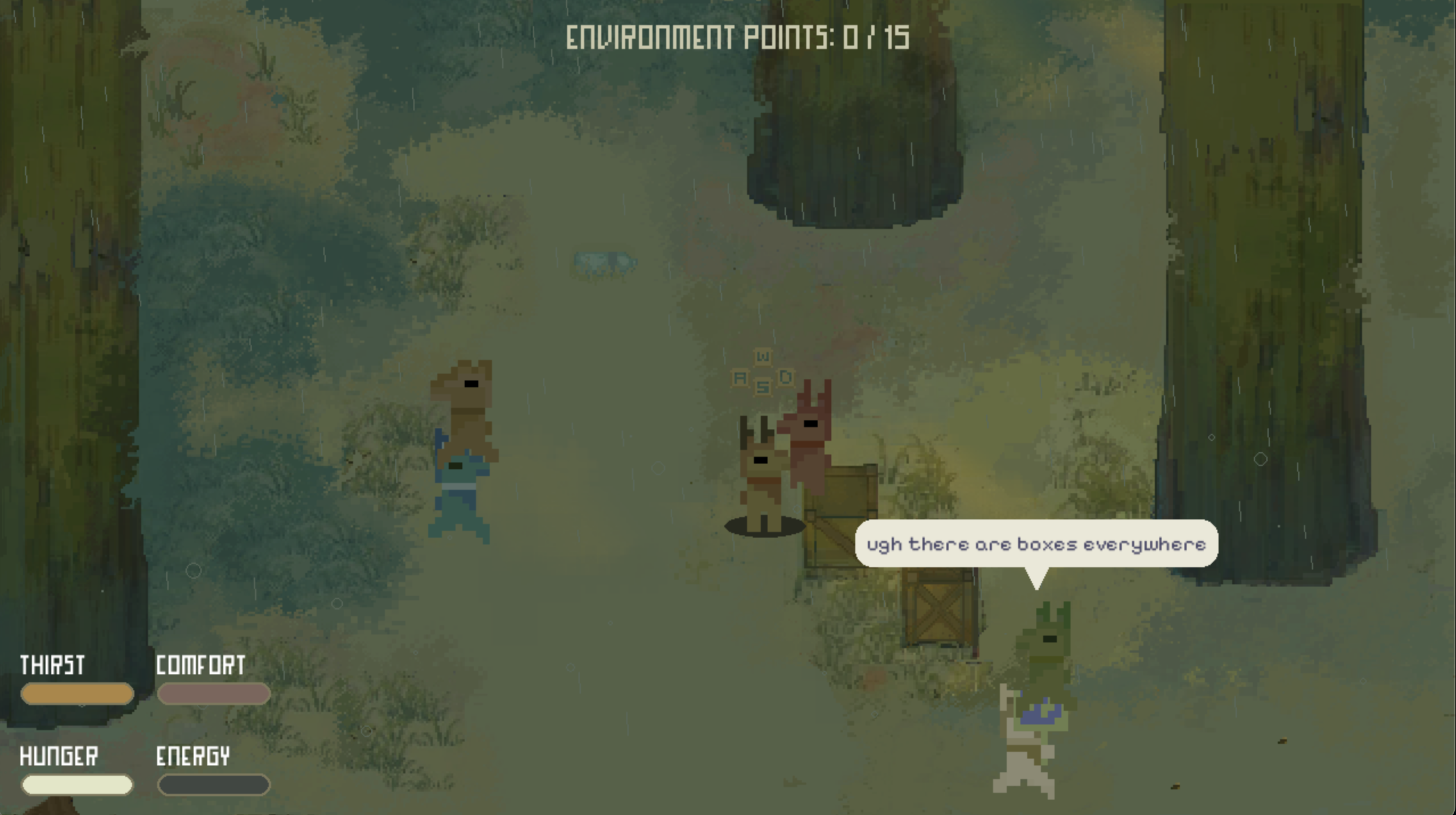
StillEarth is more than just a game; it's a tool for education, empathy, and environmental action. By placing players in the role of a forest-dwelling bunny, we create a personal connection to the environment that we hope will inspire real-world change. The game challenges players to balance their character's needs—HUNGER, THIRST, COMFORT, and ENERGY—while making decisions that positively impact their virtual environment, aiming to achieve a maximum of 15 environmental points.
This approach not only entertains but educates, demonstrating how thoughtful choices can protect and preserve the environment. By incorporating real-world challenges into the gameplay, StillEarth aims to inspire children to adopt eco-friendly habits and understand the importance of environmental stewardship in their daily lives.


Log in or sign up for Devpost to join the conversation.