-
-
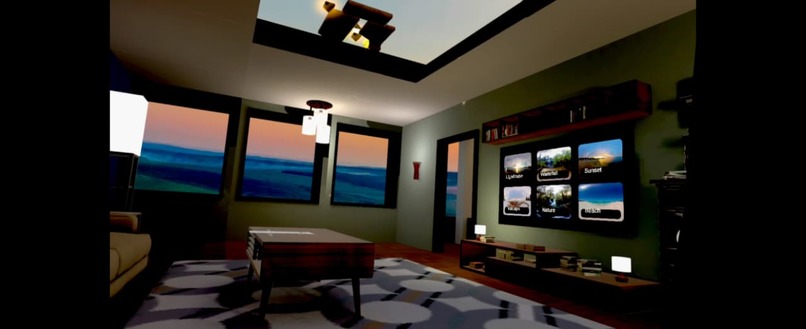
Main Lobby
-
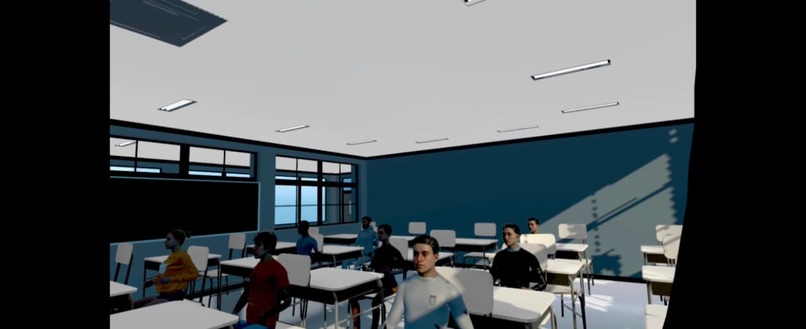
Virtual Classroom
-

Meditating
-
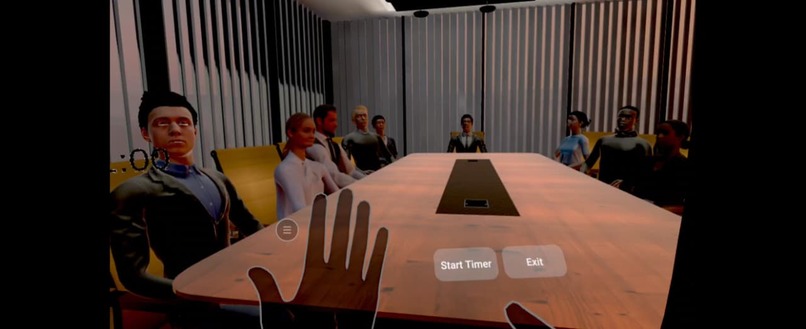
Virtual Meeting
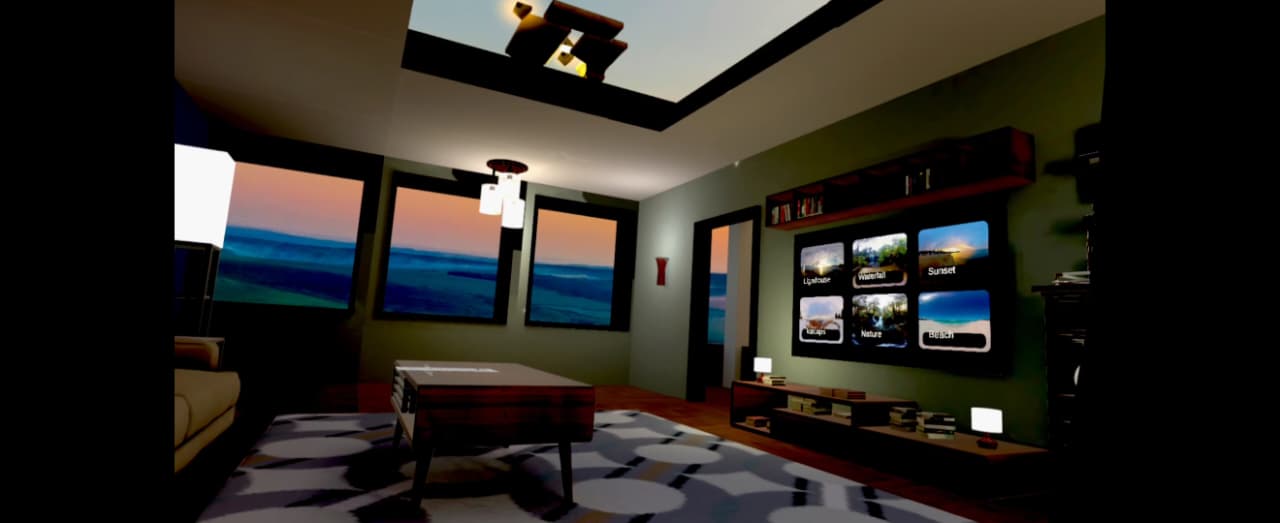
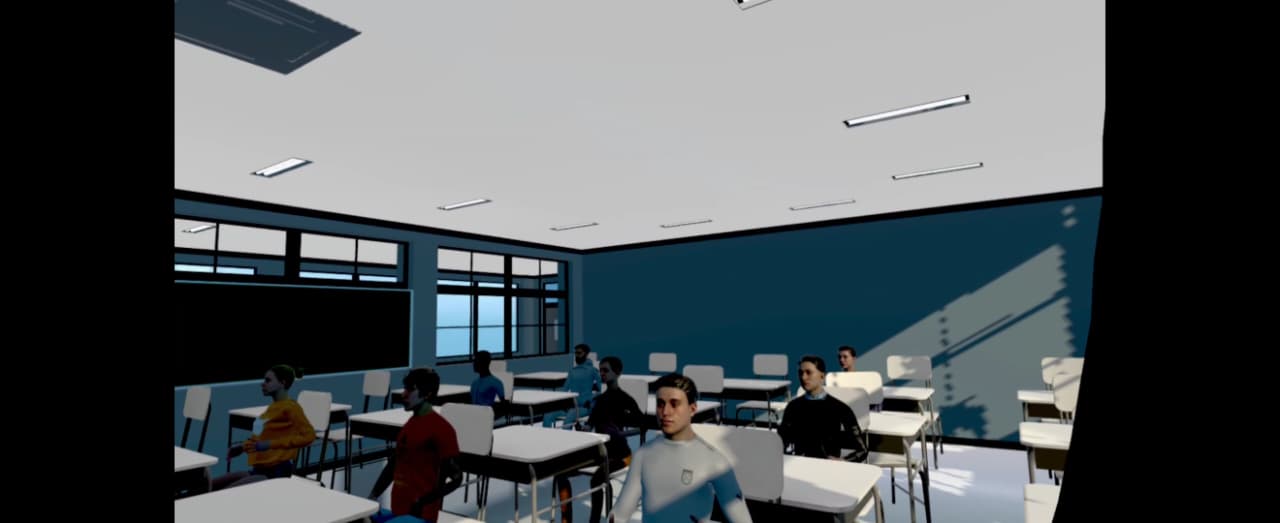

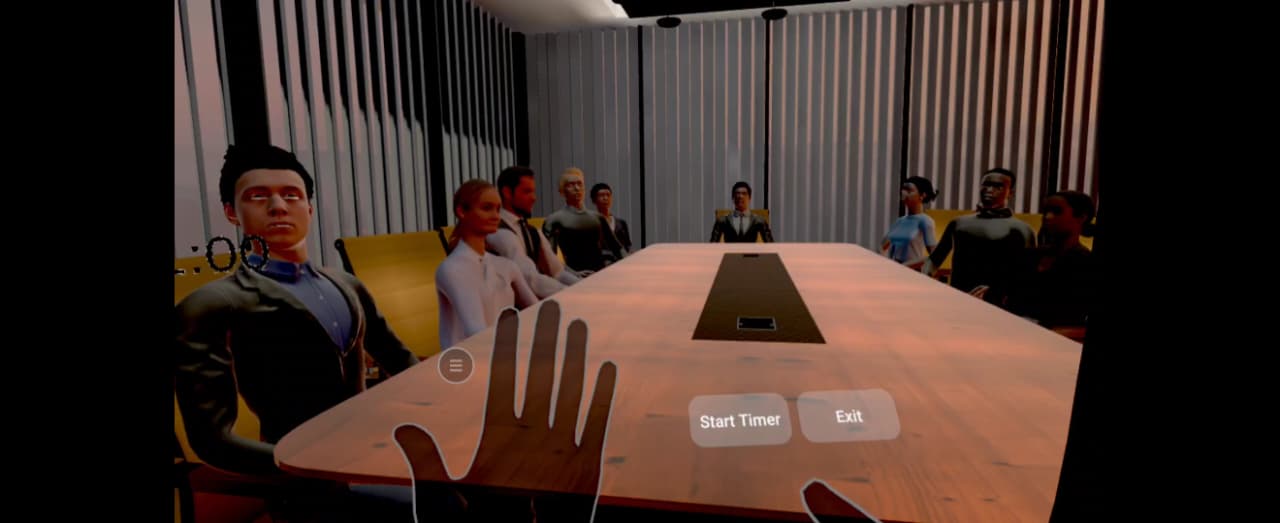
StillSpace 🧠🌿
Step out of the noise.
Inspiration
Mental health challenges often exist in the quiet gaps between deadlines, digital noise, and social expectations. While traditional therapy is vital, many individuals find it difficult to access due to high costs, social stigma, or the intimidating nature of "seeking help."
At the Maximally Vibe-a-thon, we wanted to explore the concept of presence—the unique ability of VR to make a user feel entirely elsewhere. We asked: What if mental health support didn't feel like a clinical appointment, but like stepping out of the noise and into a sanctuary? StillSpace was built to bridge the gap between digital stress and emotional relief.
What it does
StillSpace is an immersive VR wellness platform that provides a private, judgment-free environment to recalibrate.
- Immersive Sanctuaries: Transports users to nature-inspired environments designed to reduce sensory overload.
- Guided Regulation: Interactive breathing exercises and meditation modules that help ground the user.
- Vibe-First Design: Unlike traditional games that demand reactions, StillSpace focuses on minimalism—encouraging users to slow down rather than speed up.
- Safe Exploration: A supportive "third space" where users can disconnect from external stressors and reconnect with their internal state.
How we built it
We focused on building a "vibe-consistent" stack that prioritized comfort and performance:
- Engine: Unity3D (2022 LTS) for its robust VR support.
- Platform: Targeted for Meta Quest using the Meta All-in-One SDK.
- Assets: Custom 3D environments modeled in Blender and animated via Mixamo.
- Logic: Developed in C#, focusing on a lightweight interaction system to keep the UI unobtrusive.
- Audio: Utilized Unity Audio DSP to create spatialized, ambient soundscapes that deepen the immersion.
- Optimization: Aimed for a rock-solid 90+ FPS to ensure the vibe wasn't ruined by motion sickness.
Challenges we ran into
- The Paradox of Immersion: Finding the line between "detailed enough to be immersive" and "simple enough to be calming." Over-designing can lead to sensory overload.
- Visualizing Stillness: It was a creative challenge to represent abstract concepts like "stillness" or "emotional relief" through shaders and interactive elements.
- Technical Constraints: Balancing high-fidelity nature visuals with the performance limitations of mobile VR hardware.
Accomplishments that we're proud of
- Achieving "True Presence": Creating a digital environment where the transition from "reality" to "VR" feels like a physical sigh of relief.
- Minimalist UX: We successfully removed the "clutter" of traditional gaming—no scores, no timers, just existence.
- Performance: Maintaining high frame rates despite the dense environmental assets, ensuring a smooth, nauseous-free experience.
What we learned
- Restraint is a Feature: In wellness tech, a lack of features is often a strength. Calm is not the absence of interaction, but the absence of pressure.
- Empathetic Engineering: Design decisions—from the color of the sky to the speed of a guided breath—must be made with the user's emotional safety as the primary metric.
- Remixing the Vibe: We learned how to take standard VR mechanics and "remix" them into something therapeutic rather than competitive.
What's next for StillSpace
- AI-Adaptive Environments: Integrating AI to subtly adjust lighting, sound, and weather based on the user’s movement or inferred stress levels.
- Companion Mobile App: A space for users to track their reflections and progress after they take the headset off.
- Biometric Feedback: Integrating with wearables to provide real-time visual feedback within the VR space (e.g., the environment glowing as your heart rate lowers).
- Multi-Platform Expansion: Bringing the StillSpace vibe to AR and other VR headsets.


Log in or sign up for Devpost to join the conversation.