-
-
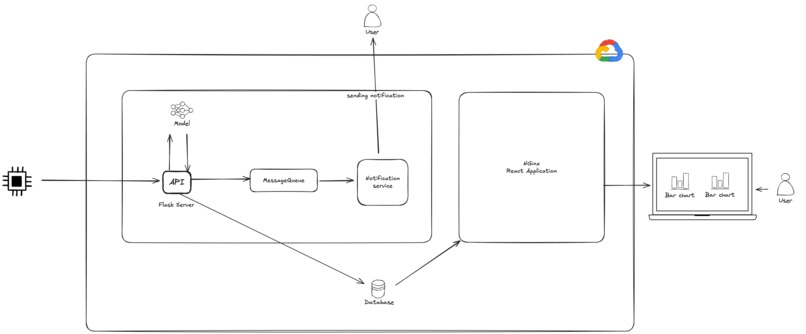
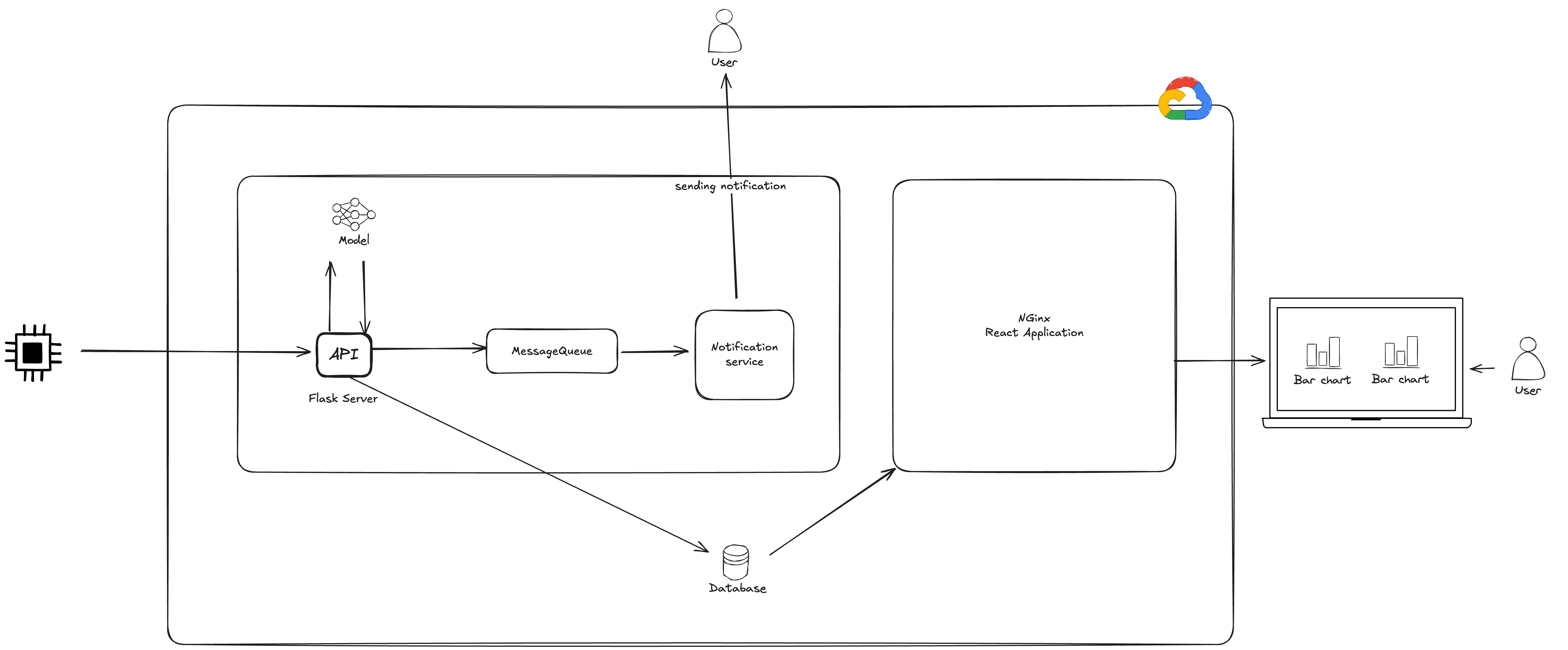
System Architecture
RippleEffect: HydrateSense
🌟 Inspiration
Our project was driven by the critical need for energy optimization and conservation in oil production systems. We chose this challenge at HackUTD because:
- It addresses real-world energy efficiency challenges in oil production
- It aligned well with our team's expertise and could be reasonably accomplished within the hackathon's time constraints
- It offered an opportunity to work with real-time data and create immediate impact
🎯 What it does
Hydrate Detection is a system designed to detect hydrate formation in oil well gas injection systems. The system monitors:
- Current gas injection volume
- Target gas injection volume
- Valve open percentage
When hydrate formation is detected, the system alerts operators via email, allowing for swift action to prevent production losses and potential well shutdowns.
🛠 How we built it
With our two-person team, we leveraged each member's strengths through clear division of responsibilities:
Software Engineering Component:
- Implemented real-time data streaming using WebSockets
- Set up RabbitMQ for message queuing
- Developed a scalable system architecture
- Created data polling mechanisms
Data Science Component:
- Implemented real-time data cleaning pipelines
- Created hydrate detection algorithms
- Built predictive models for hydrate formation
🎓 What we learned
Our team gained valuable experience across multiple domains:
Energy Sector Knowledge
- Deep understanding of oil extraction processes using natural gas injection
- Insights into energy efficiency optimization in oil production
Data Science Skills
- Hands-on experience with real-time time series analysis
- Development of streaming data cleaning pipelines
- Creation of anomaly detection systems
Software Engineering
- WebSocket implementation for real-time data handling
- Message queue system setup and management
- System design for scalability
- Data polling optimization techniques
Development Process
- Improved LLM prompting techniques for problem-solving
- Enhanced collaboration in a small team setting
- Real-time system integration practices
💪 Challenges we faced
Software Engineering Challenges
- Complex setup and configuration of RabbitMQ
- Integration of multiple system components
- Ensuring reliable real-time data transmission
- Implementing efficient data polling mechanisms
Data Science Challenges
- Interpreting complex problem requirements
- Developing appropriate data cleaning strategies for streamed data
- Creating accurate hydrate detection algorithms
- Building reliable predictive models with limited training data
🚀 Accomplishments that we're proud of
- Successfully implemented a real-time hydrate detection system
- Created an efficient team workflow despite being a small team
- Developed a scalable architecture that can handle multiple wells
- Built a system that addresses a real-world energy efficiency challenge
📚 What's next for Hydrate Detection System
- Enhance predictive capabilities using machine learning
- Expand monitoring capabilities to handle more wells simultaneously
- Implement advanced alerting mechanisms
- Develop mobile application for on-the-go monitoring
- Add more sophisticated data visualization tools
🛠 Built With
- Python
- pandas
- Flask
- React.js
- RabbitMQ - WebSockets

Log in or sign up for Devpost to join the conversation.