-
-
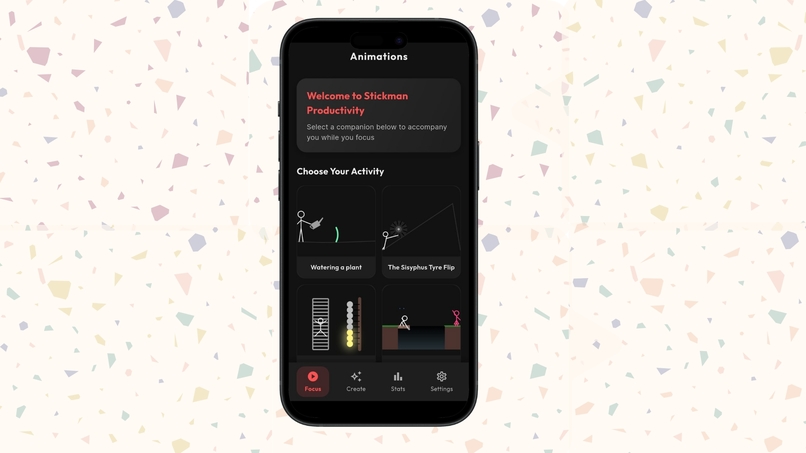
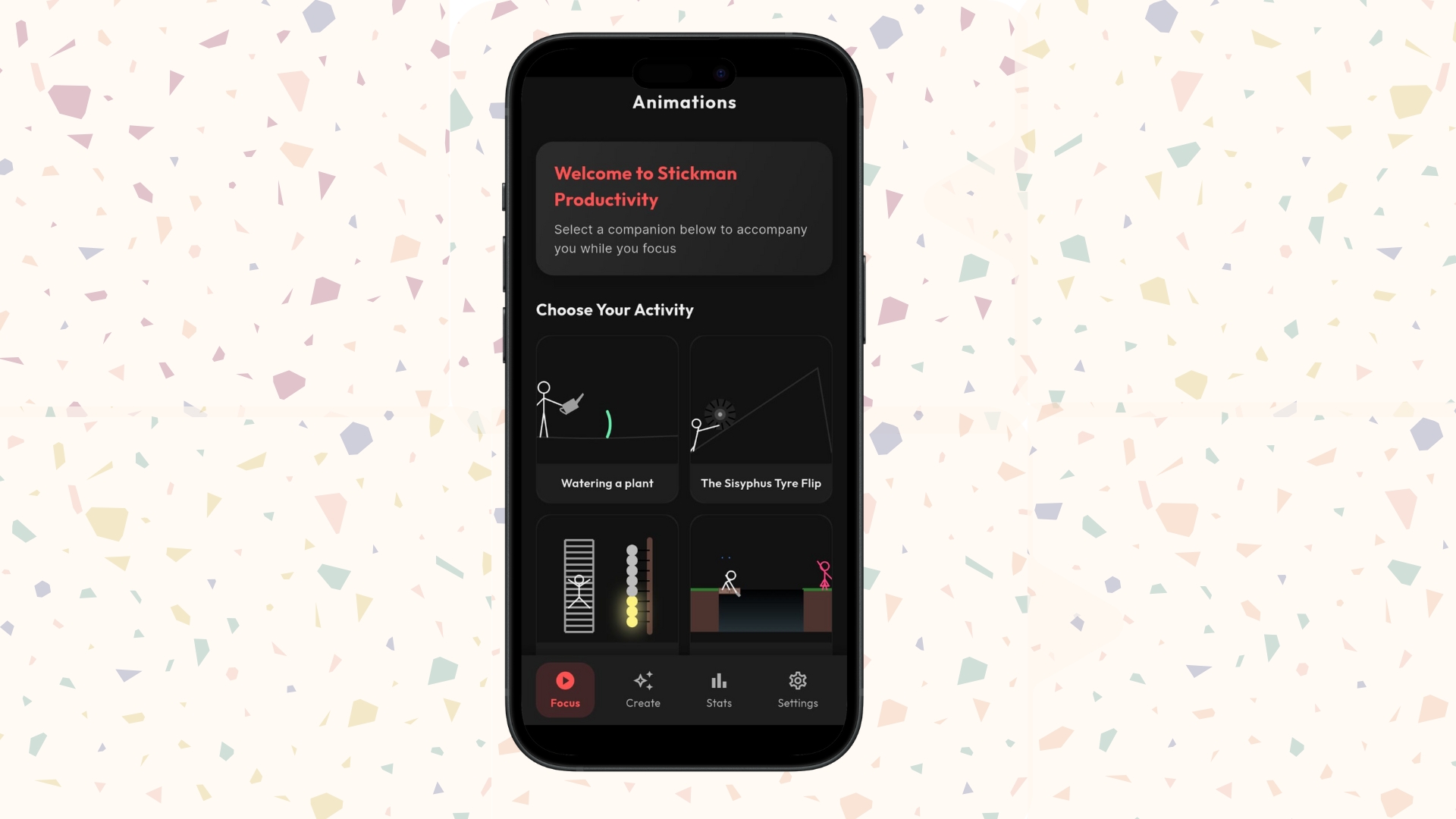
Home Page
-
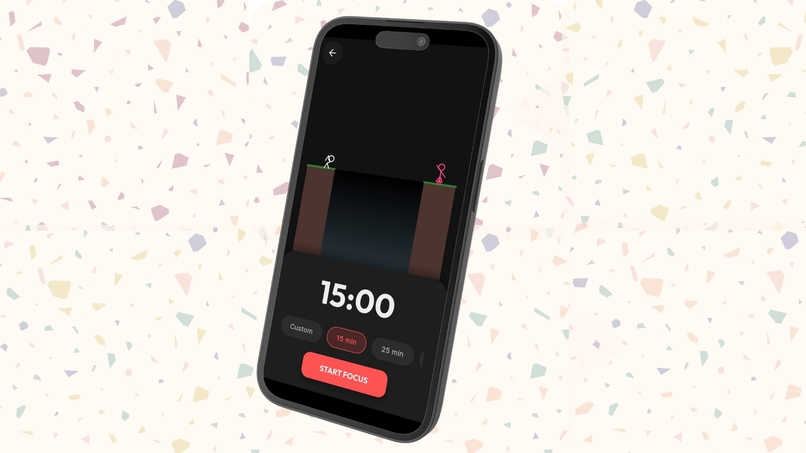
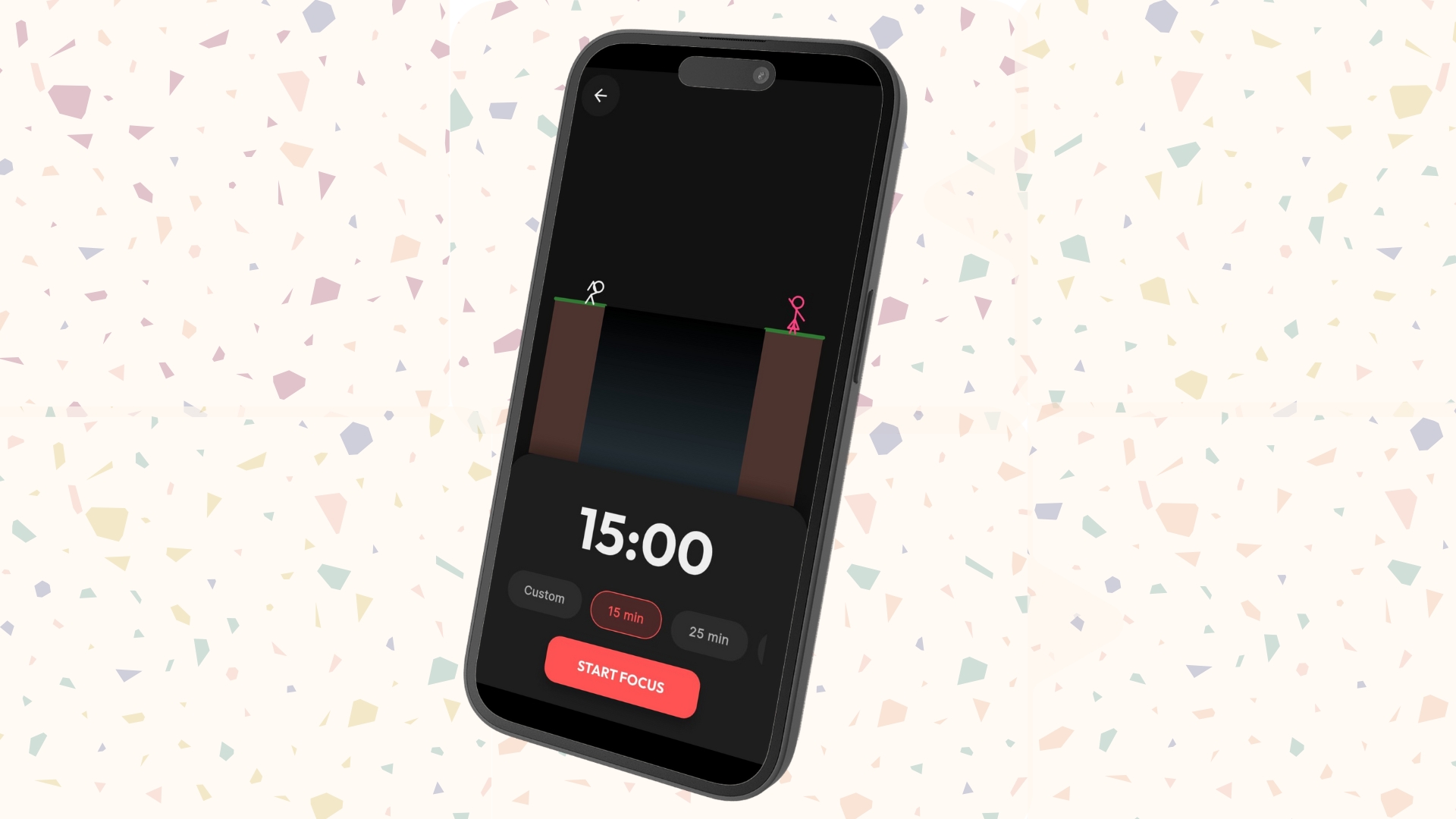
Timer with Animation
-
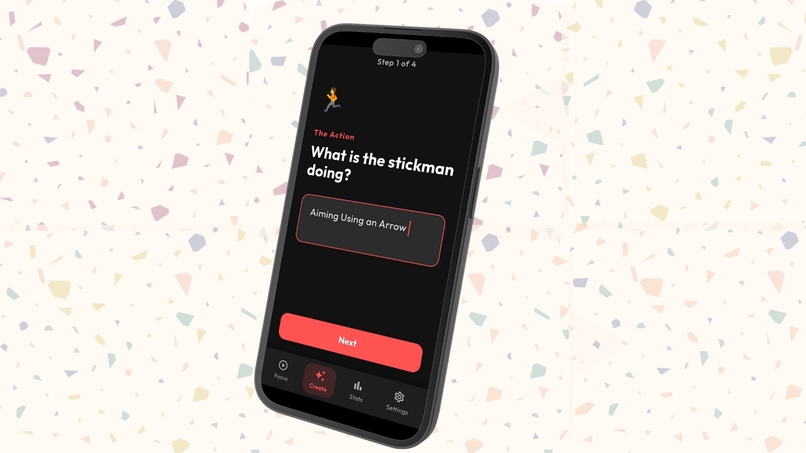
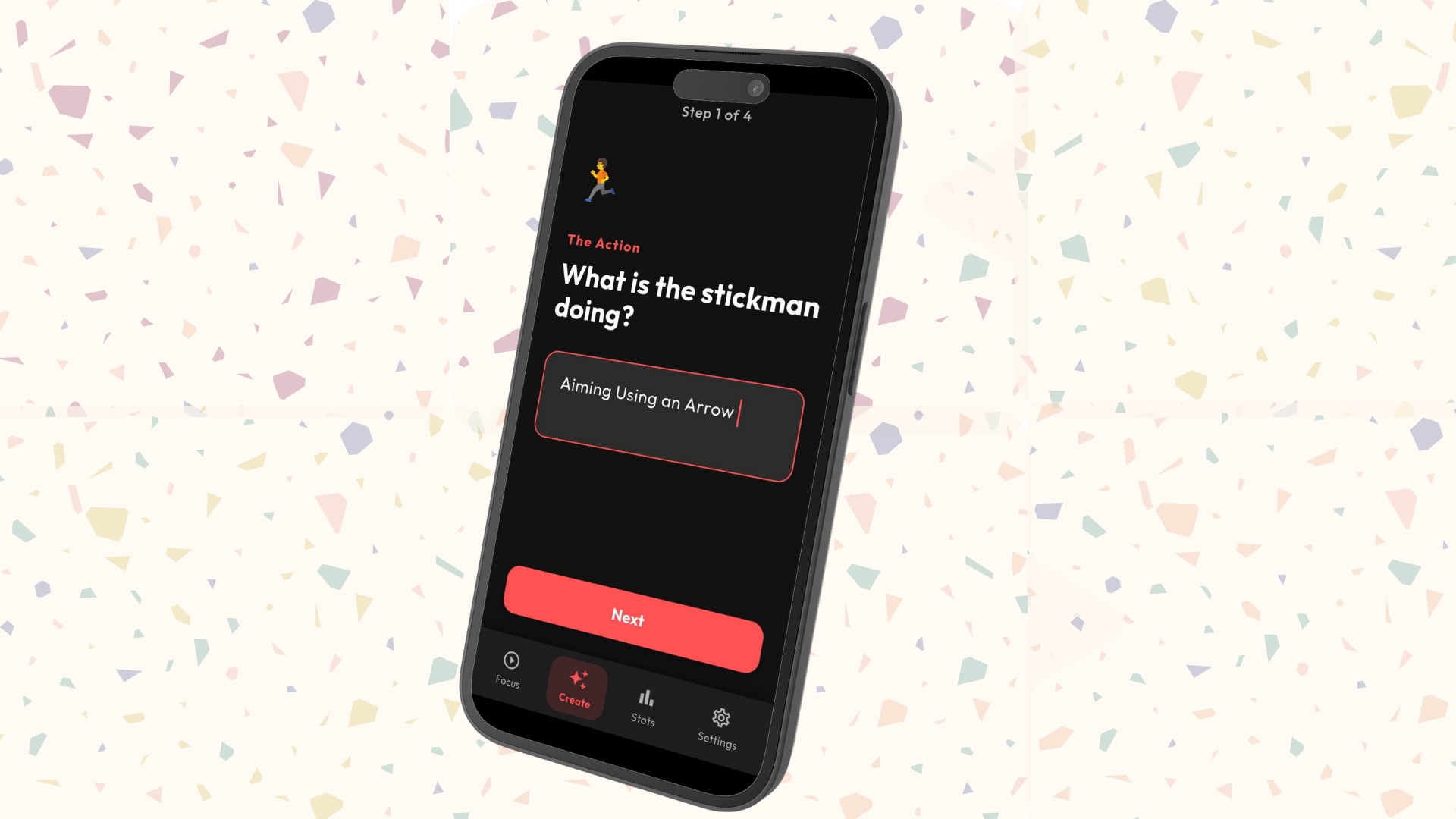
Create Your Own Animation
-
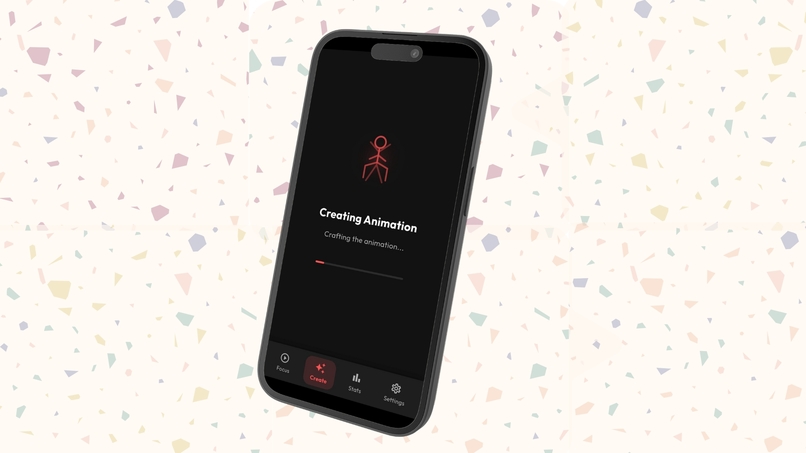
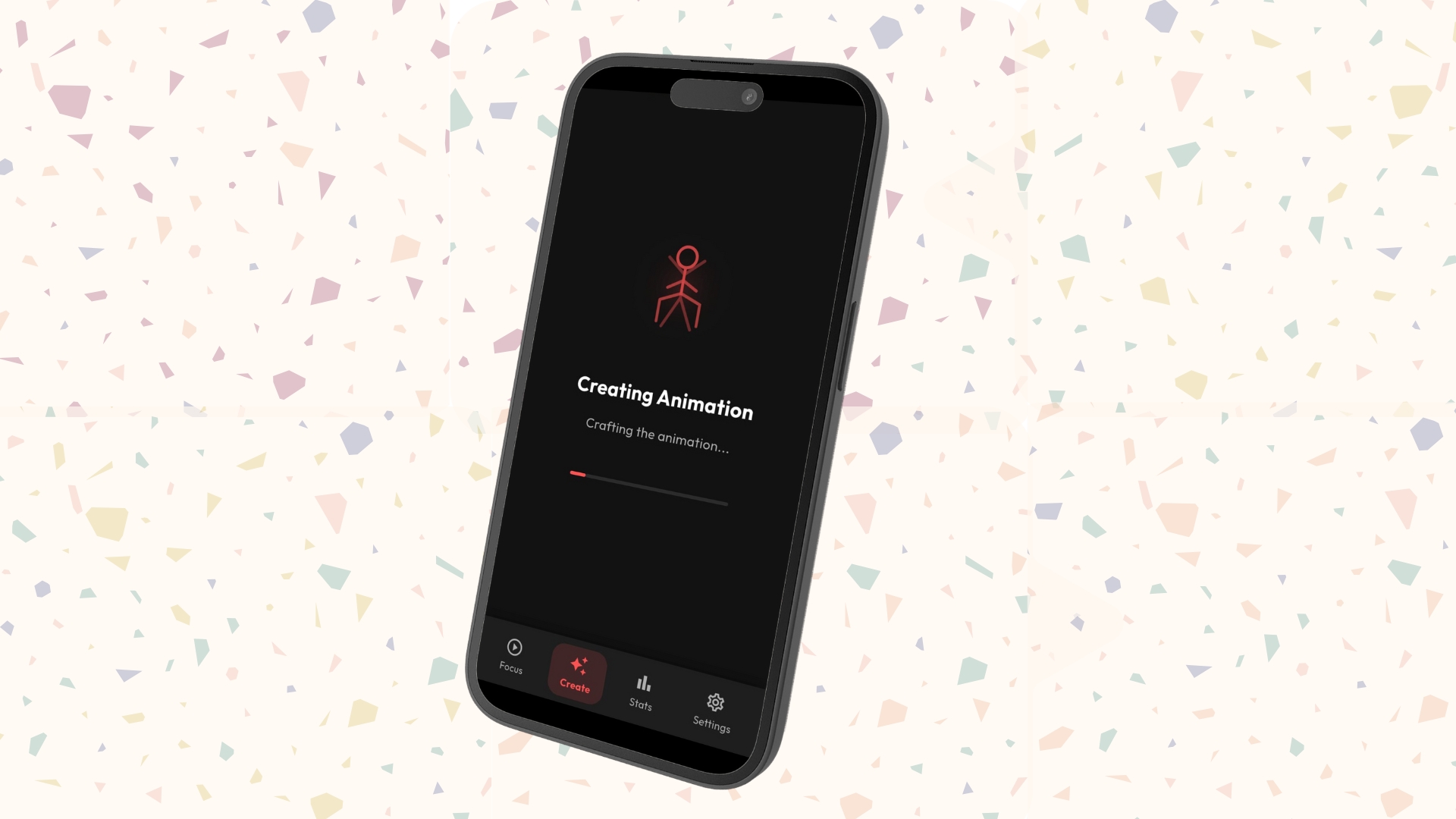
Loading Page
-
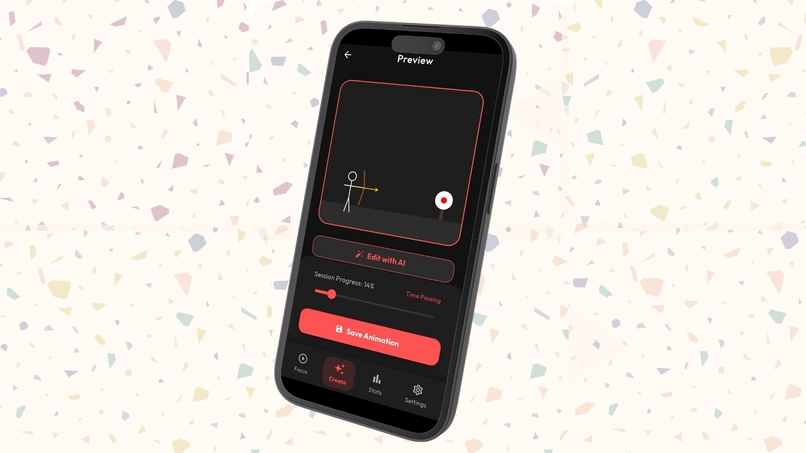
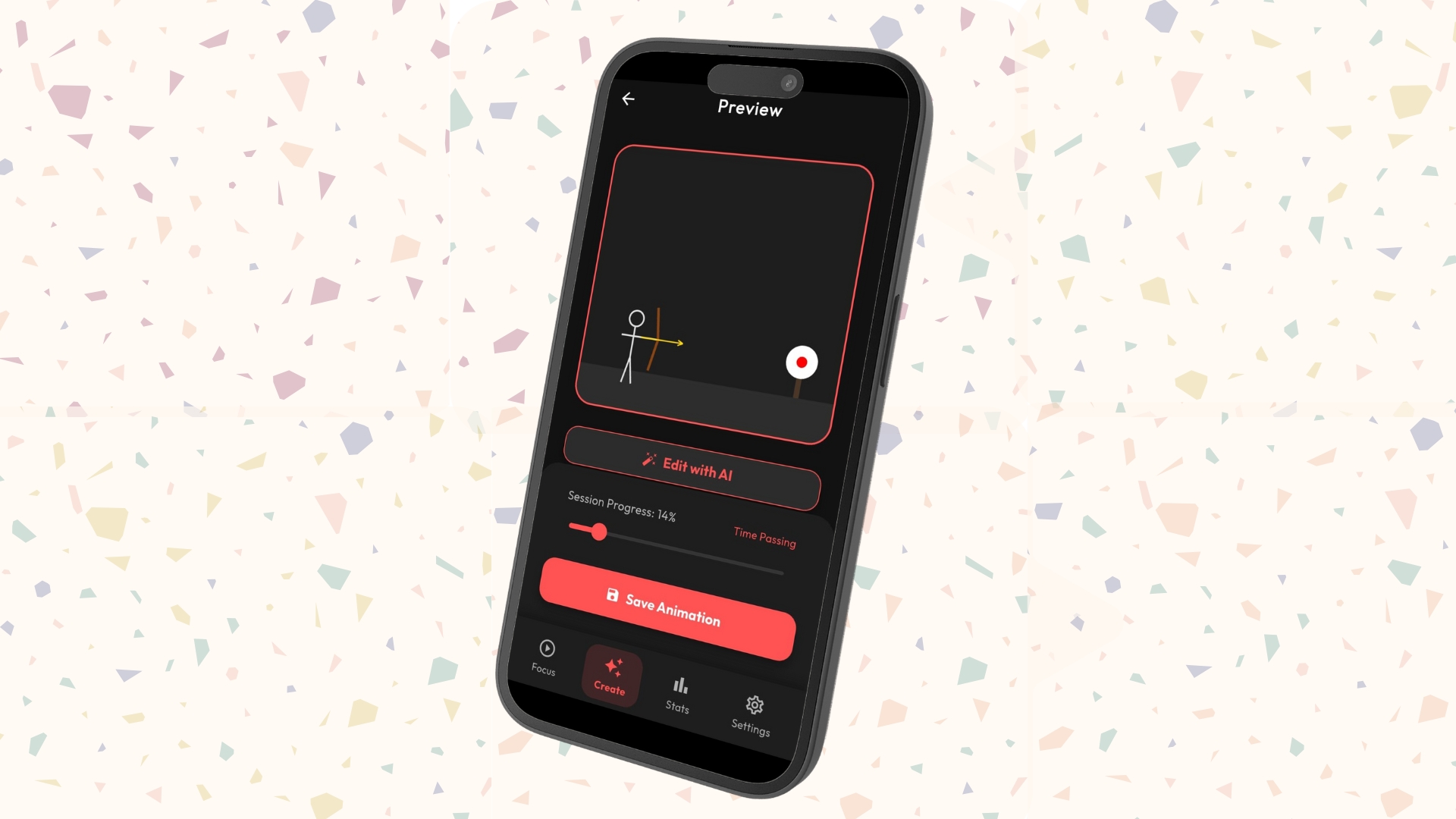
Generated Animation
-
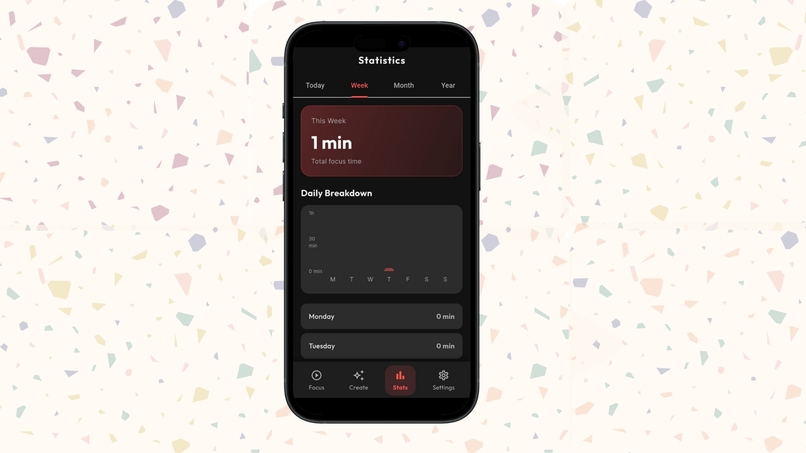
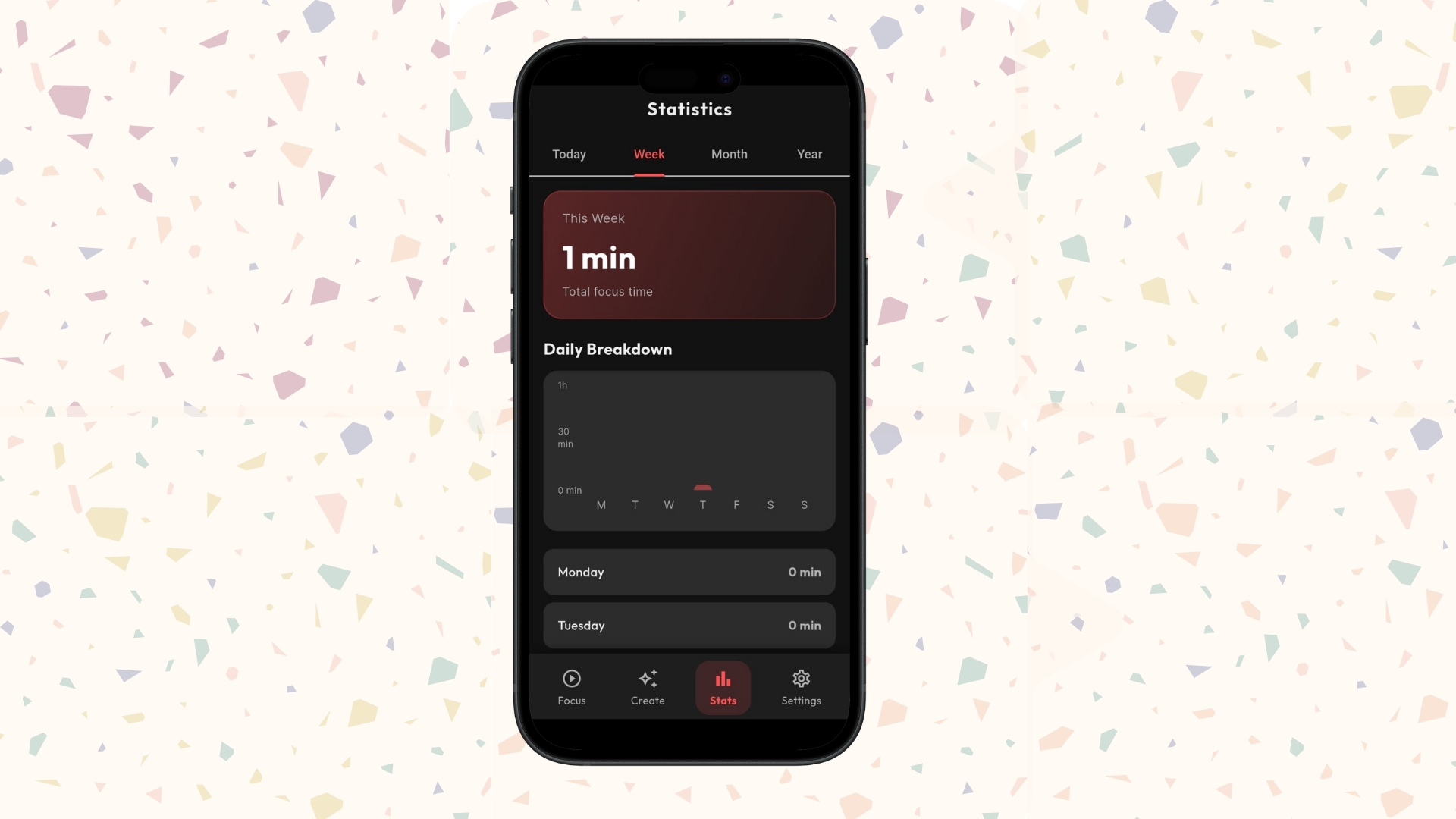
Stats Page
What is Stickman Focus
Stickman Focus is a Pomodoro-style focus timer that uses Google Gemini 3 to generate unique, animated vector graphics based on natural language descriptions. Instead of staring at a boring countdown, users watch personalized animations, a stickman building a wall, a candle melting, or a plant growing all synced to their focus session progress.
Inspiration
Traditional focus timers rely on numbers, charts, and pressure. I wanted to explore whether focus could be encouraged visually instead, by turning time into something calm, symbolic, and emotionally engaging rather than stressful. Unlike existing focus apps with some preset animations, Stickman Focus allows users to generate their own personalized animations, giving them agency over how focus and progress are visually represented.
What it does
Stickman Focus lets users describe a scene or activity in natural language, which Gemini 3 converts into a structured stickman animation. When a focus session starts, the app renders this animation and updates it continuously based on elapsed time, triggering progress-based movements and transitions. Users can refine or regenerate animations using AI, allowing each focus session to be paired with a custom, evolving visual.
How I built it
I built the app using Flutter for cross-platform UI and custom animation rendering. Gemini 3 functions as a procedural animation engine by converting structured prompts into deterministic JSON that explicitly defines vector geometry such as circles, lines, and basic shapes, along with their positions, scales, and relationships. Each shape is animated using mathematically defined motion patterns and time-based parameters, which are interpreted by the rendering engine to draw and update the scene frame by frame as the focus session progresses.
Gemini 3 Features Used
1. User Text to Vector Animation Logic: Gemini 3 interprets human language and converts it into structured animation instructions. It generates normalized JSON defining vector shapes (lines, circles, rectangles), spatial relationships, animation sequences, timing curves, and transitions. This allows complex stickman animations to be built programmatically without manual design work.
2. Context Preserving Animation Editing: Users can refine animations iteratively using follow-up prompts like “make the movement smoother” or “change a specific position”. Gemini 3 understands the existing animation structure and applies precise changes without breaking previous elements, demonstrating strong contextual reasoning over nested animation data.
More Technical Documentation is provided in the zip folder attached to the judges.
Challenges I ran into
Designing prompts that produced consistent, renderable animations was challenging. I had to carefully constrain Gemini’s output to structured JSON and handle cases like partial responses, safety limits, and refinement of the already generated animations without overwriting the entire animations.
Accomplishments that I'm proud of
I am really happy that I was able to design a system that uses Gemini 3 as a structured animation compiler beyond text generation. Supporting iterative animation refinement while maintaining continuity and time based progression was a major milestone.
What I learned
I learned how to design AI-driven systems where model output must be precise, predictable, and safe to consume by real-time rendering pipelines.
What's next for Stickman Focus
Next, I plan to add an animation sharing feature that allows users to share and reuse animations created by others, enabling community driven creativity within the app. I also plan to expand the animation system beyond mostly linear, shape-based objects to support richer and more complex motion patterns.

Log in or sign up for Devpost to join the conversation.