Inspiration
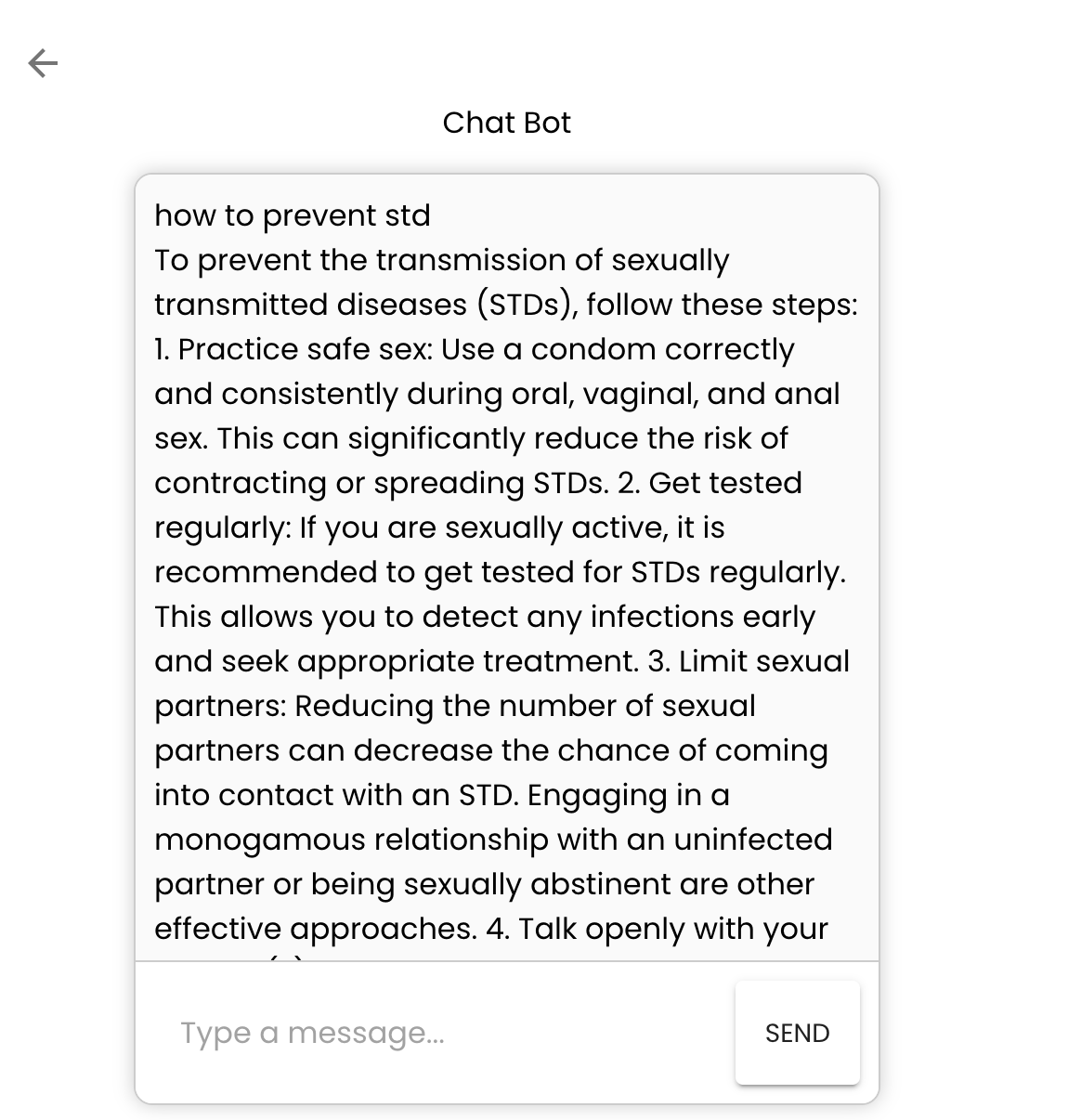
Getting a STI shouldn't be anything to be embarrassed about, but due to lack of information online or discourse among partners, getting an STI can be super easy. And as more and more members of the younger generations come into age, it is important to address concerns and issues through mediums that they know and understand best which is through some sort of web application, online media, or mobile app. I wanted to make a web application where everything that users may want to find is all in one place making it easier to get informed, get tested, and view data.
What it does
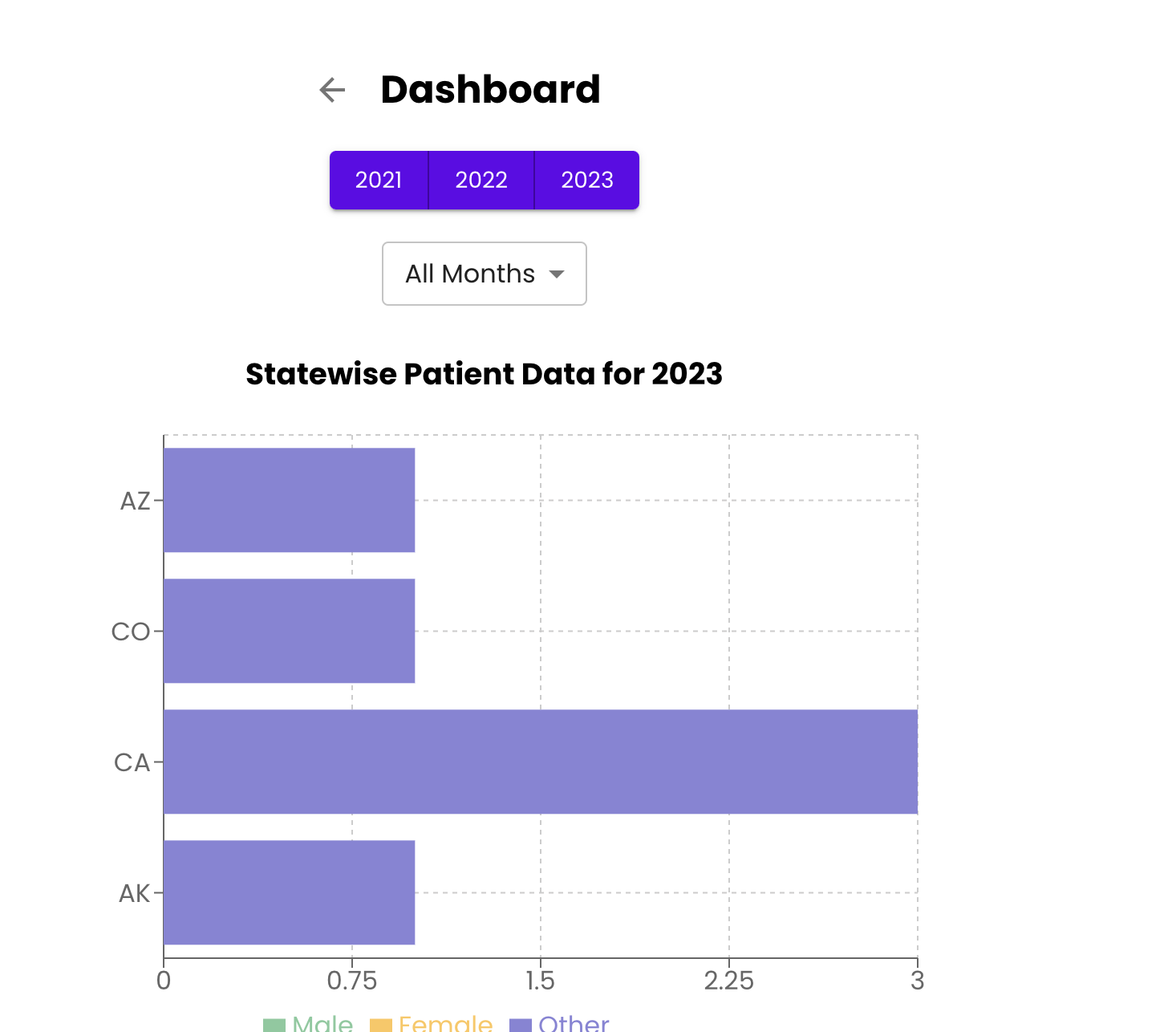
The web application helps track users health data that is anonymized, no personal identifying information is collected. This information along with other databases can be connected to show better data visualizations. There are prompts for users if upon check-in more than 3 symptoms are selected, which may indicate that they could be infected with a STI. Additionally, ordering tests sends users to a discreet online order site (used by the state of Oregon as well), so they can get easier access to testing without fear or embarrassment.
How we built it
The bulk of the application is created using the MERN stack which uses MongoDB as the database to store the information, express to connect the front end to the back end, react and node.js as the main components to configure the front end website. Some usage of chat-gpt was also used to guide some development process in the code.
Challenges we ran into
Some of the challenges I ran into where connecting the back end to the front end and trying to correctly deploy the code.
Accomplishments that we're proud of
Making a working web application.
What we learned
I definitely learned a lot within the short period of time and am glad to work out developing through the MERN stack.
What's next for STI Web App
Adding functionality to connect to health professionals and make more data visualizations of users to see, as well as cleaning up some of the UI.

Log in or sign up for Devpost to join the conversation.