-
-
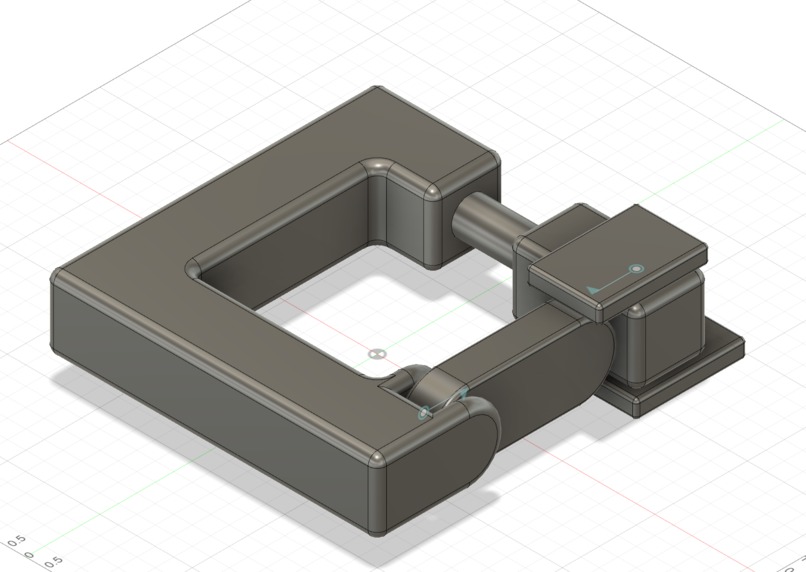
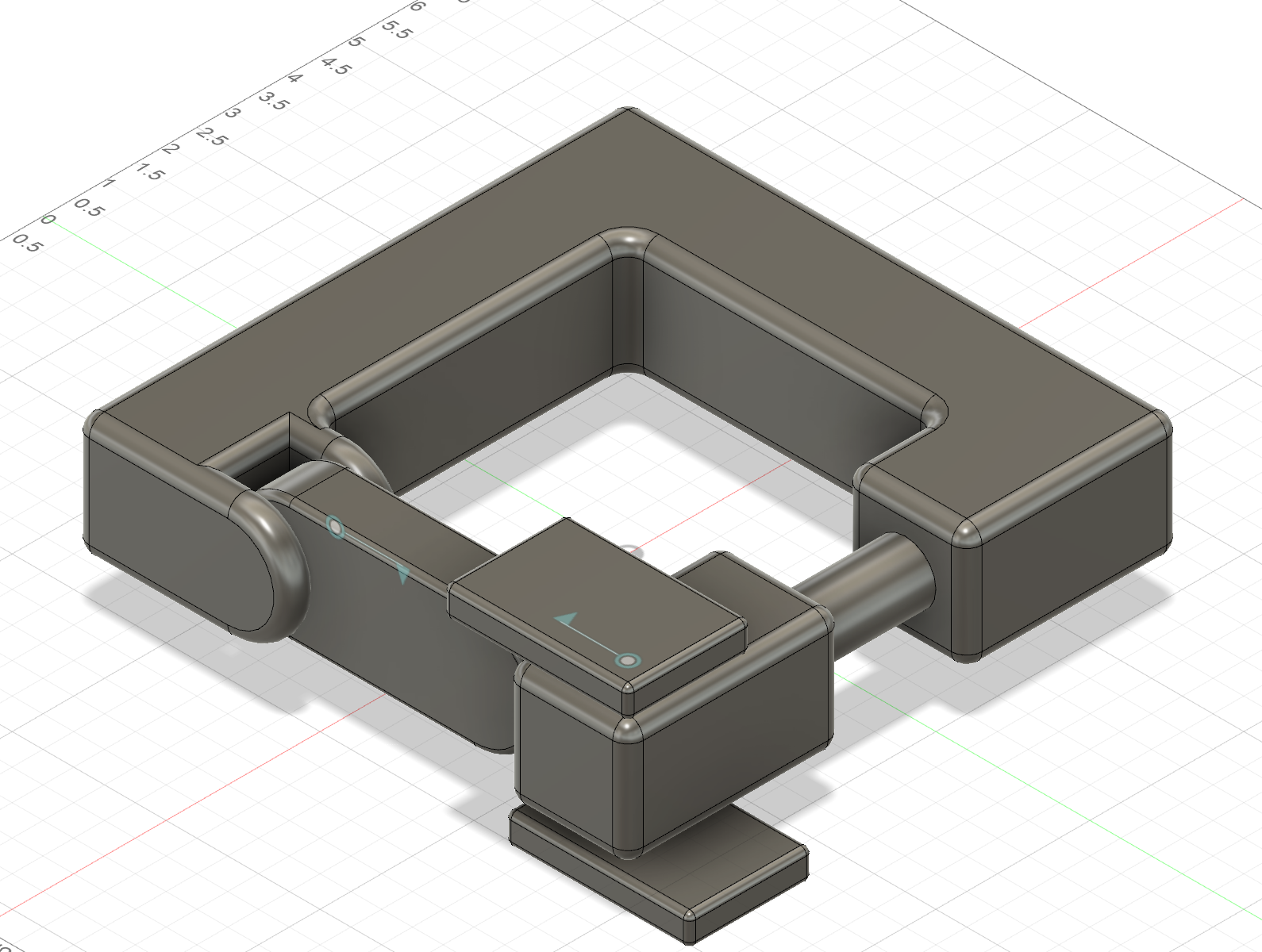
Front right view
-
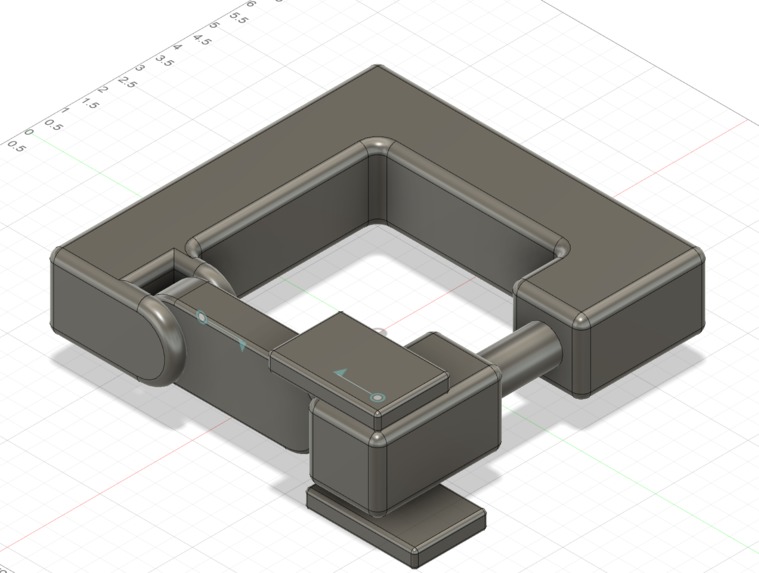
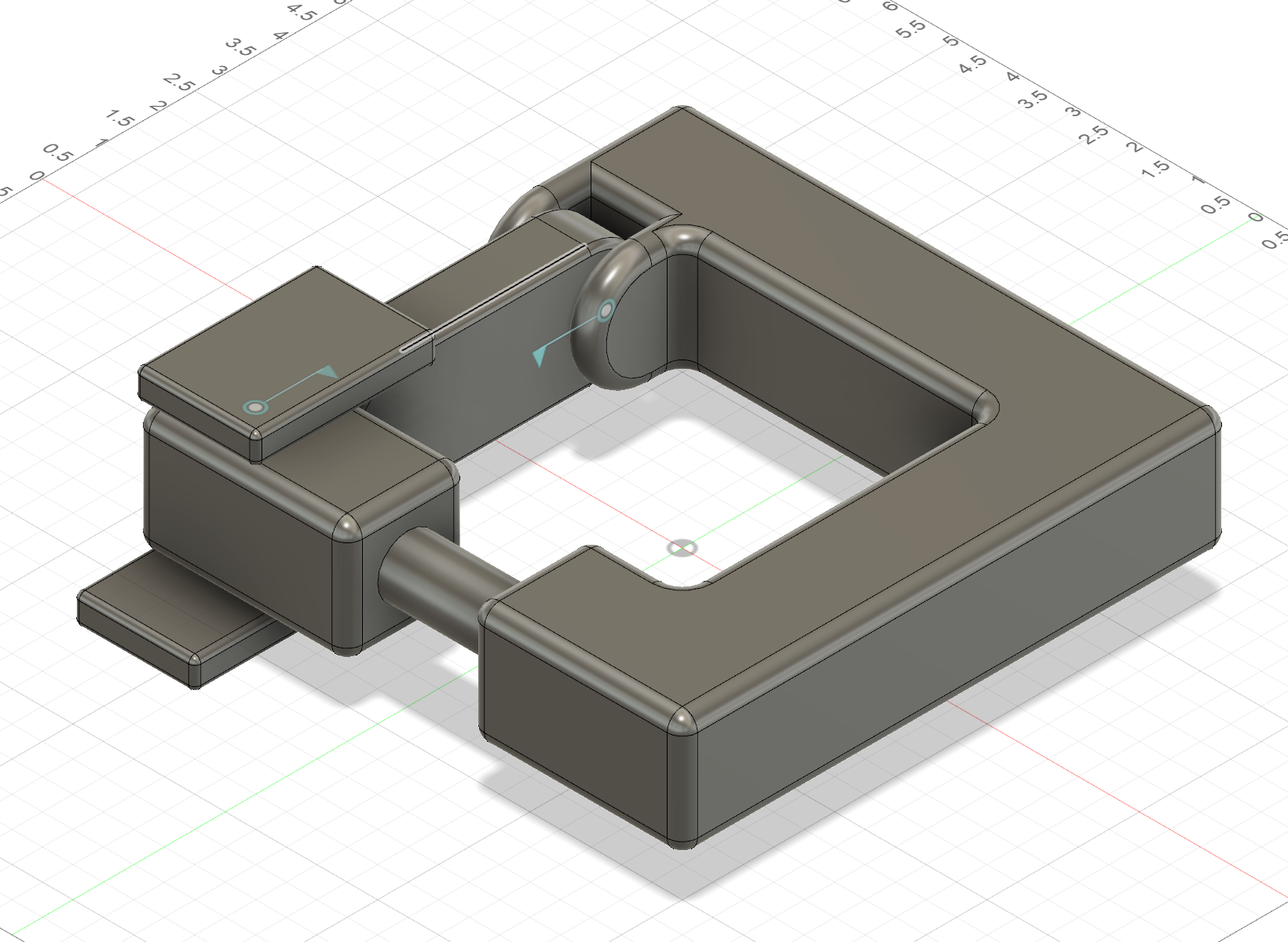
Right back view
-
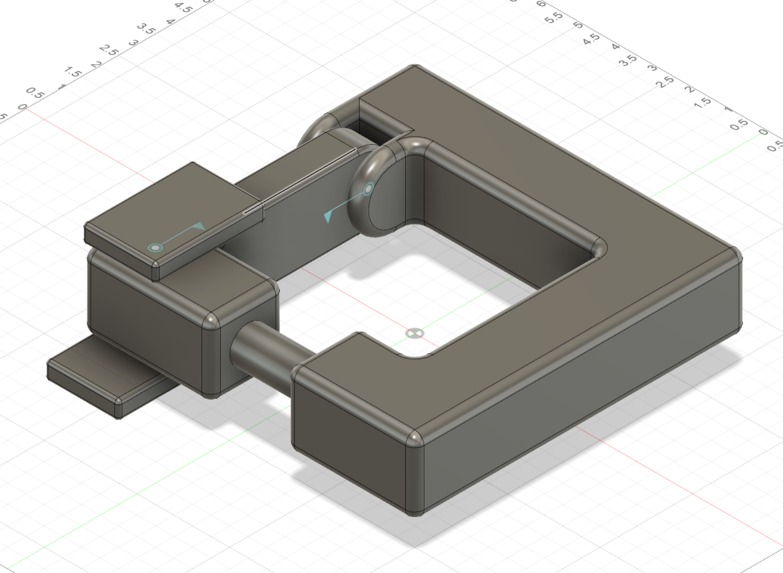
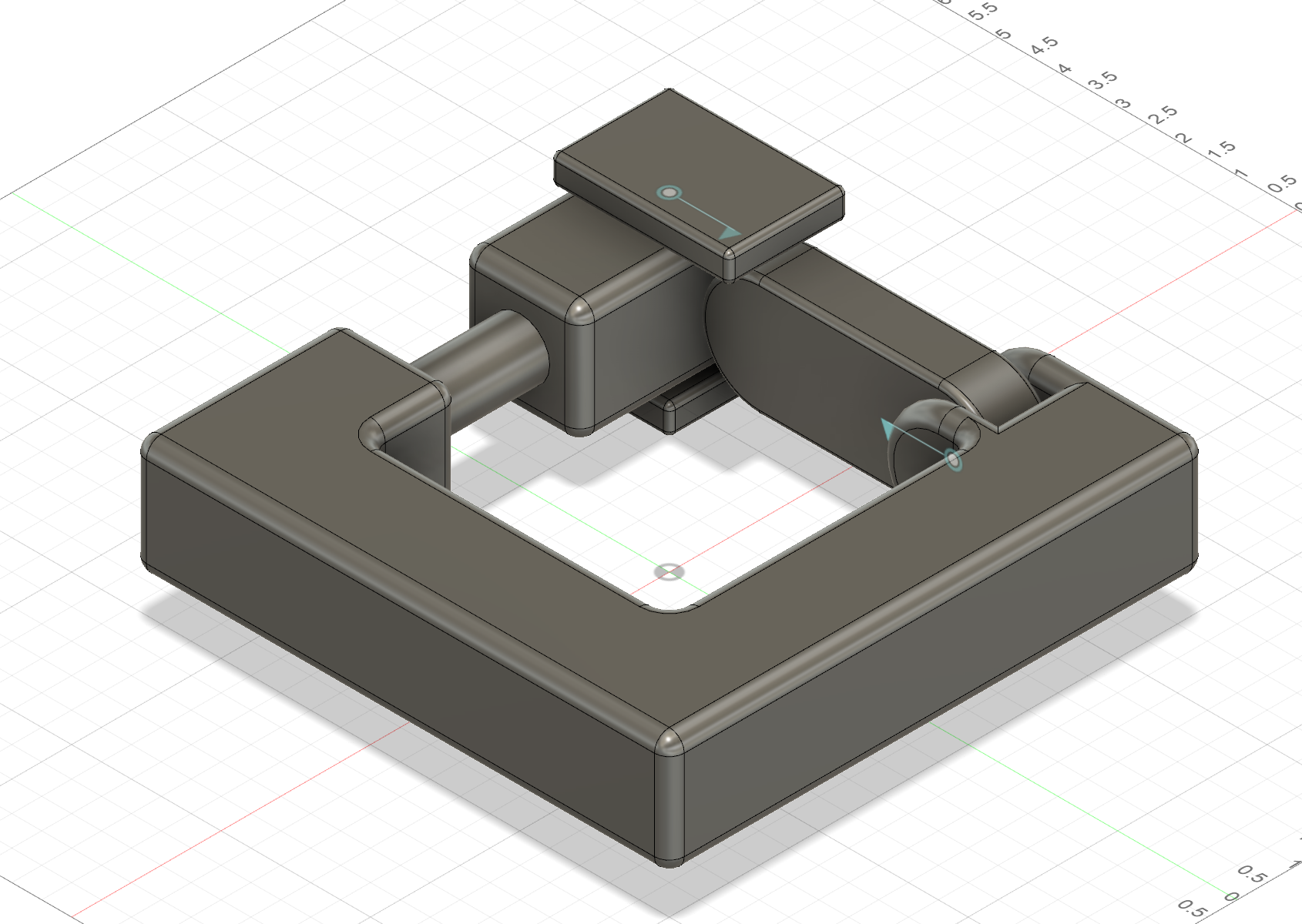
Back left view
-
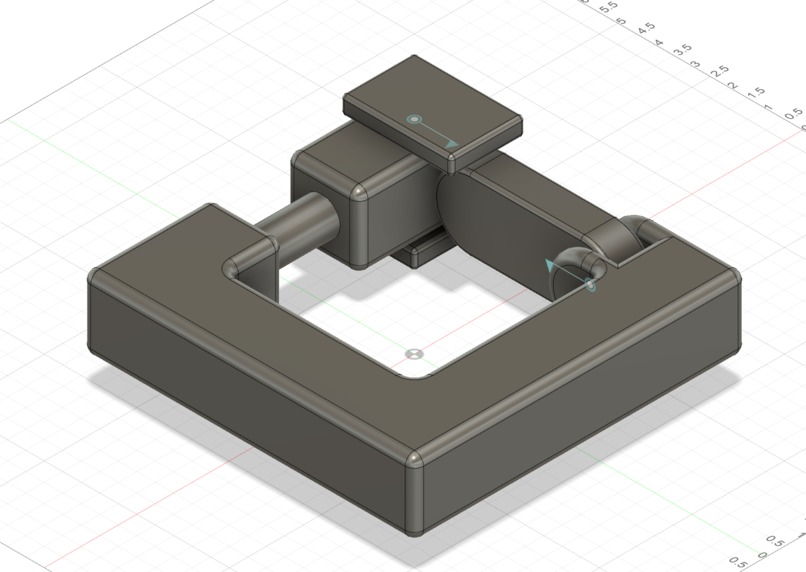
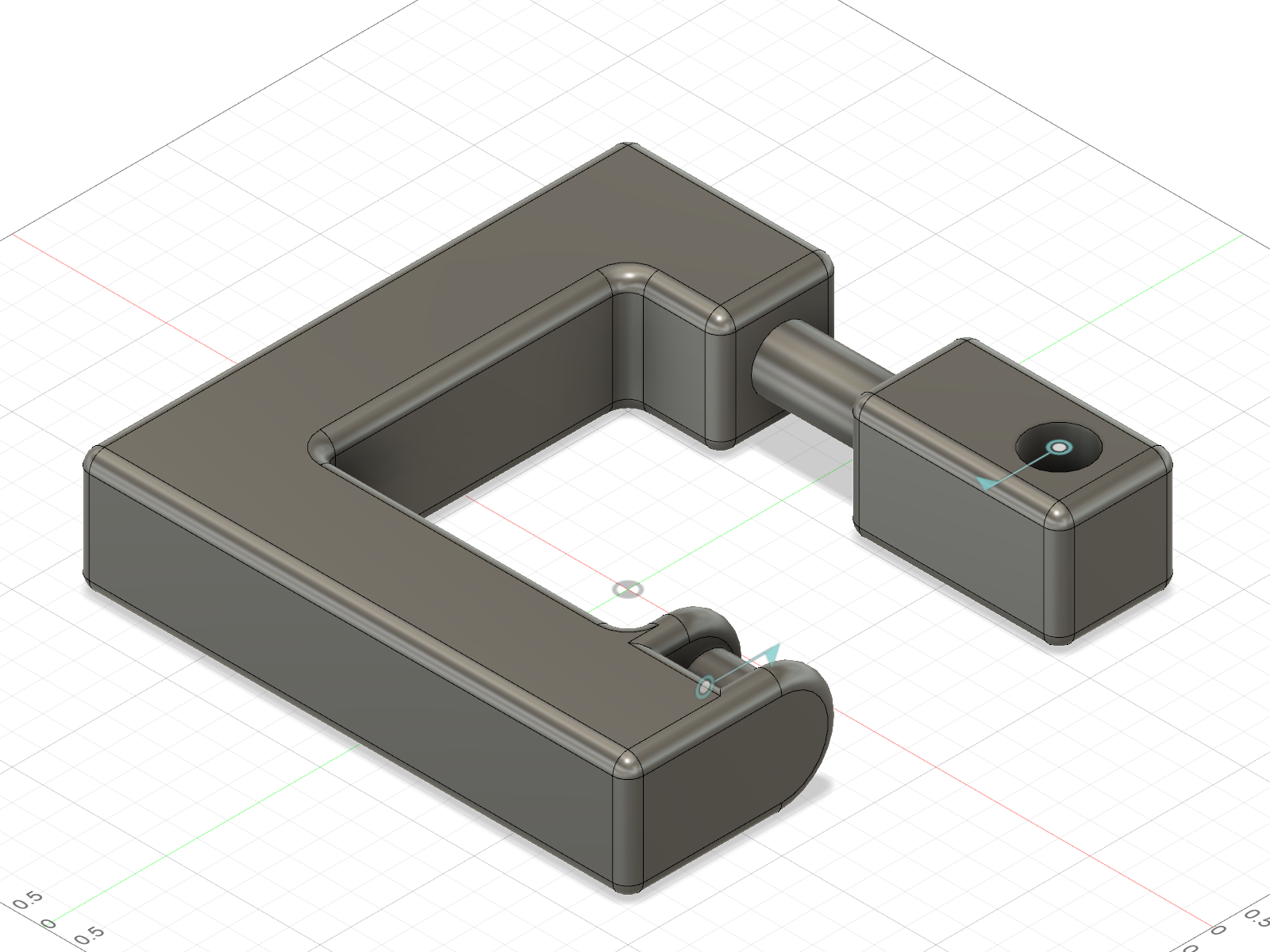
Left front view
-
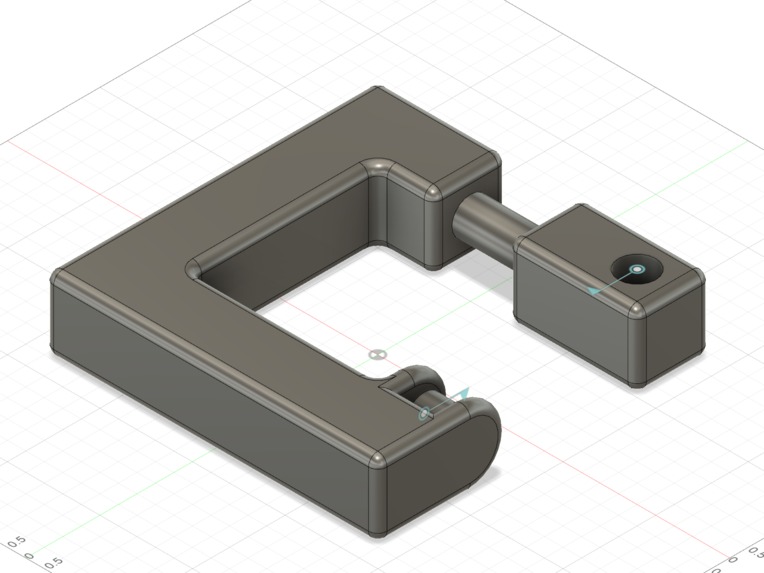
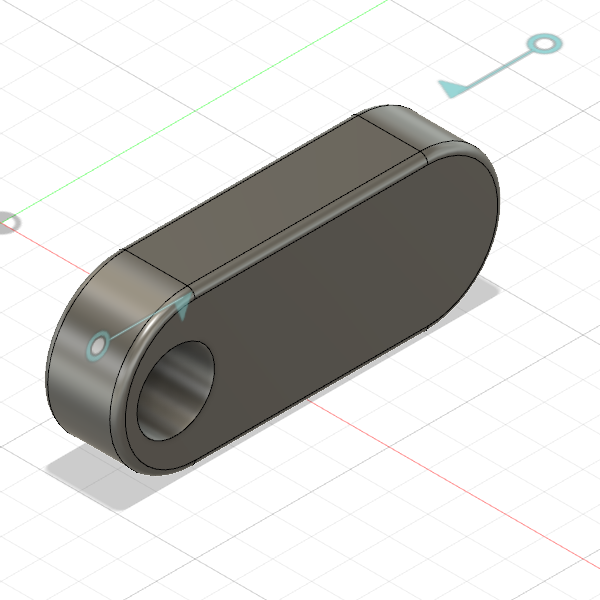
C-shaped frame with hinge and hooking tube
-
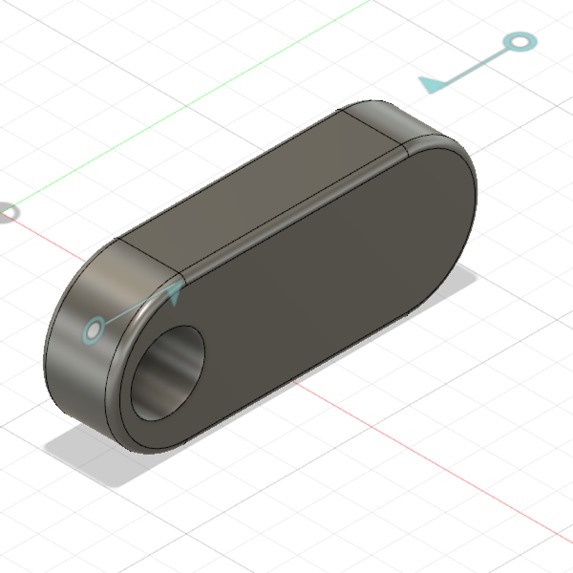
Spring loaded lever
-
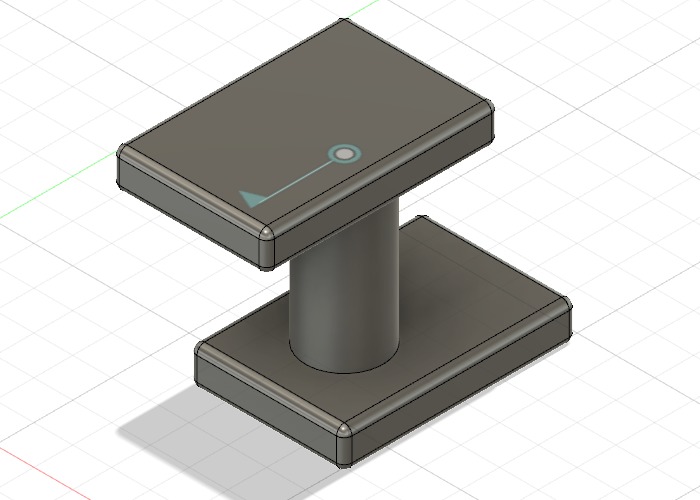
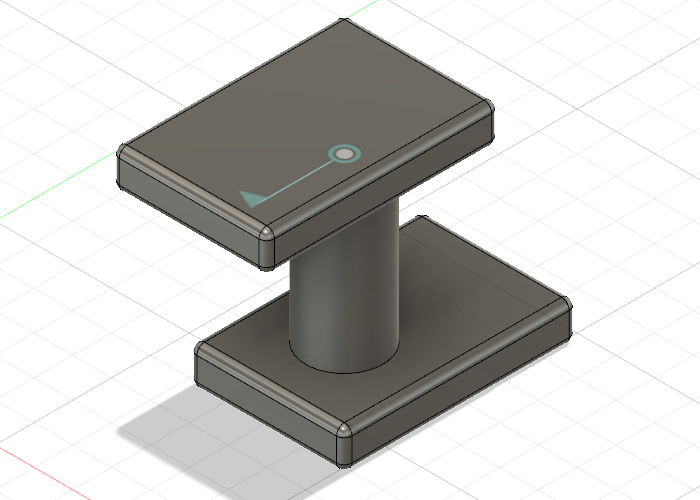
Directional switch powered by servo inside
Problem addressed and how solution improves first responder safety
Right off the bat, our team noticed that out of the 65,650 annual US fireground injuries experienced by firefighters, 22% of them came from falling, jumping, tripping or slipping (NFPA, 2024). Upon further researching this matter, we recognized that firefighter deaths are commonly caused by falling off ladders (CDC, 2011; CDC, 2012; CDC, 2000). We immediately realized this was a major safety issue, and we set out to find a way to better protect firefighters on ladders.
To battle elevated fires, firefighters must climb to the height where they can do their job most effectively. This does not always mean that they climb all the way up the ladder. In many cases, firefighters must stay high up on the ladder for long shifts at a time. In order to maintain their balance and secure themselves on the ladder, firefighters usually implement two different techniques: leg locks and safety harnesses. While these precautions are true and tested, they are inefficient and take up too much valuable time that could be better spent firefighting. Safety harnesses must be fully put on and strapped in before climbing up, and leg locks are usually unnecessarily painful and difficult to the point where they hurt firefighters more than they help.
Our product provides a uniquely innovative and mechanical solution to this core safety issue. The Stepwise is a device that can be attached from firefighters’ belts to the side rails of ladders, which ultimately holds them steady and prevents them from falling. If a firefighter slips, the mechanism hits the next rung down and locks in place, stopping any significant fall. Simply put, firefighters are able to climb up and down freely, but if they lose their grip or footing, the Stepwise steps in and instantly catches them from failing. Our design significantly reduces the time spent setting up harnesses and eliminates harmful leg locks. The Stepwise improves the effectiveness, efficiency, and most importantly, the safety of firefighters.
Target users and their needs
Our target users are firefighters climbing up ladders to extinguish fires high off the ground, and potentially the general public for personal safety use. Firefighters need a strong and secure mechanism to keep themselves in place when fighting fires on a ladder, and they need to be sure and secure with their position in order to completely direct their attention towards the task at hand: putting out the fire. We could also target any industry professional who needs to be on a ladder for an extended period of time, including construction workers, agricultural workers, technicians, and electricians. The Stepwise applies equally to these users because they also need to be protected from ladder falls while on the job.
Technical design features and how they meet user requirements
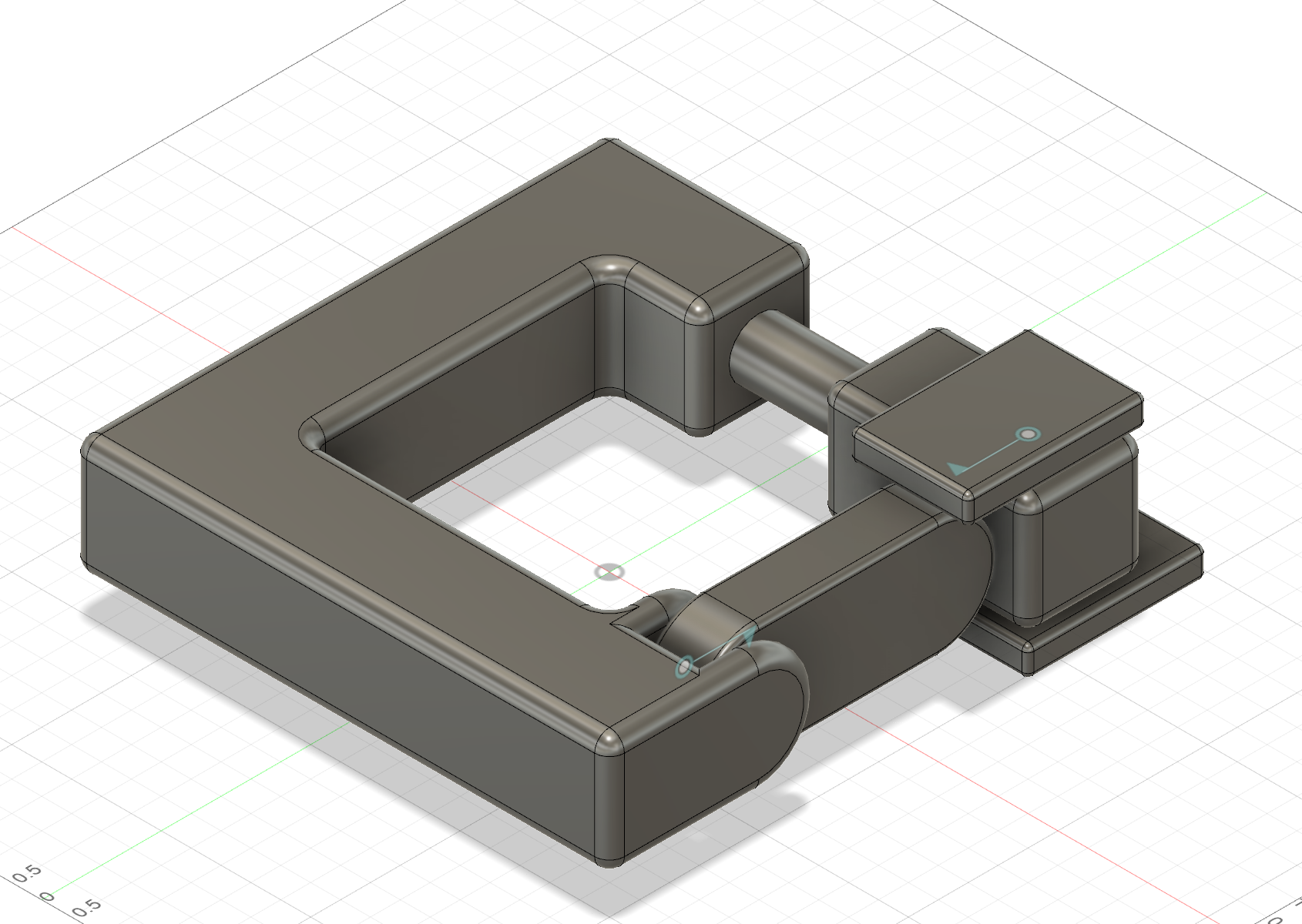
The Stepwise consists of three main components: a C-shaped frame with a hinge protruding from one end and a tube for the firefighter’s belt carabiner to hook onto, a spring loaded lever, and a directional switch that restricts the lever from going up or down depending on if the firefighter is climbing up or down. The entire mechanism is essentially a step-up system for a ladder, one step at a time, hence the name Stepwise. The frame of the Stepwise is designed to fit around a standard firefighting ladder side rail, from 3 to 5 inches thick, and it starts on one side just above the first rung.
When a firefighter is climbing up, he or she first attaches their loose belt carabiner to the cylindrical hooking receptacle of the frame. This allows them to create a rigid connection between their body and the Stepwise on the ladder. The directional switch is flipped in the upward position as well, meaning that it restricts upward movement of the lever. As the firefighter moves up, he or she brings the Stepwise along with them, and as the lever hits each rung, there is a downward force and moment that rotates the lever, allowing Stepwise to “climb” past the rung, and then it snaps back to its original horizontal orientation due to the spring loading within it. This step-up system continues until the firefighter needs to stay at the same height, at which point the Stepwise lever locks in place against the rung, ensuring that if the firefighter slips, they will not fall all the way, but they will instead be quickly caught by the Stepwise. If the firefighter happens to slip while climbing, the Stepwise will fall until the next rung down and then lock in place there, because of the spring mechanism returning to horizontal.
When a firefighter is climbing down, he or she only needs to press the button, near the carabiner attached to their belt, to flip the direction of the switch to the downward position. This activates the servo within the directional switch and turns it 180˚, restricting downward movement of the lever, and the opposite procedure applies now. Each time the Stepwise hits a rung, the lever turns up and allows it to “climb down” successively, while still maintaining the safety of the firefighter on the ladder. After the firefighter climbs off the ladder, he or she leaves the Stepwise right above the bottom rung, therefore resetting it for the next use.
Major iterations and design inspirations
We first decided to base our design on how seatbelts work. The fact that rapid jolts prevent passengers from flying through is similar to how our ratchet system prevents users from falling if they slipped off a ladder. The first iteration of our design was very rough and simply a mockup of our sketches, with a very rudimentary C-shaped frame, and a hinge system that had contact interference with the other side. To fix this, we curved out the lever design, added the hooking tube, implemented the directional switch, and finally filleted out all the sharp corners and edges.
Walkthrough on how the solution is used in real scenarios
After watching POV videos of firefighters working on fire scenes, we noticed that although some directly went for the fire, others went up different ladders to tackle the fire from higher attack angles.. We also noticed that there were no safety precautions for these firefighters on ladders, especially for taller buildings. When buildings catch fire, debris can fall, smoke can make it hard to see, and it can be extremely dangerous for firefighters at high elevations. Instead of using the ladder leg lock technique, which causes major stress and strain to firefighters’ legs, firefighters can instead clip hooks onto the Stepwise. Here is a walkthrough on how the Stepwise is used in real scenarios:
There is a fire on a tall building, and firefighters need ladders to reach the best height to put it out. Fortunately, their ladders are equipped with the Stepwise.
- The firefighter attaches their loose belt carabiner to the hooking tube of the Stepwise, checking that the directional switch is flipped upwards
- The firefighter climbs up the ladder, bringing the Stepwise along with them, as the lever opens and closes down upon hitting each rung
- When the firefighter has reached the desired height, the Stepwise firmly locks in place above the closest rung, securing the firefighter to that position in case of a slip
- After finishing work at that height, the firefighter presses the directional switch button on their belt carabiner, flipping it downwards and letting them climb down
- The firefighter climbs down the ladder, bringing the Stepwise along with them, as the lever opens and closes up upon hitting each rung.
Real-world feasibility, manufacturability, and materials used
Our product is feasible in the real-world because it will be made out of titanium, a durable, strong, lightweight, and heat-resistant metal that can support the heavy loads needed by the Stepwise and withstand the extreme temperatures and pressures on a fire scene. To manufacture our product, we will cast each main component (hinge, lever, directional switch) individually out of titanium and assemble the secondary components (spring, servo motor, button, circuitry, carabiner) afterwards.
Future improvements and next steps
As for future improvements and next steps for the Stepwise, the first course of action would be to scale the dimensions so that it fits all standardized ladder sizes. This would allow the Stepwise to be adopted throughout fire departments all over the nation, with the goal of preventing as many firefighter injuries or deaths from falls off ladders. Another possible path would be to incorporate different attachments to firefighting ladders that are similar in nature and purpose to the Stepwise. Lastly, we could also implement the Stepwise into search & rescue teams as well, demonstrating its potential for a variety of first responders beyond just firefighters.

Log in or sign up for Devpost to join the conversation.