-
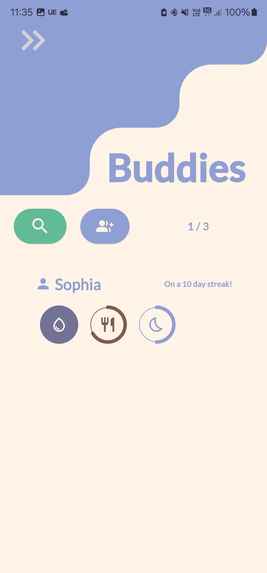
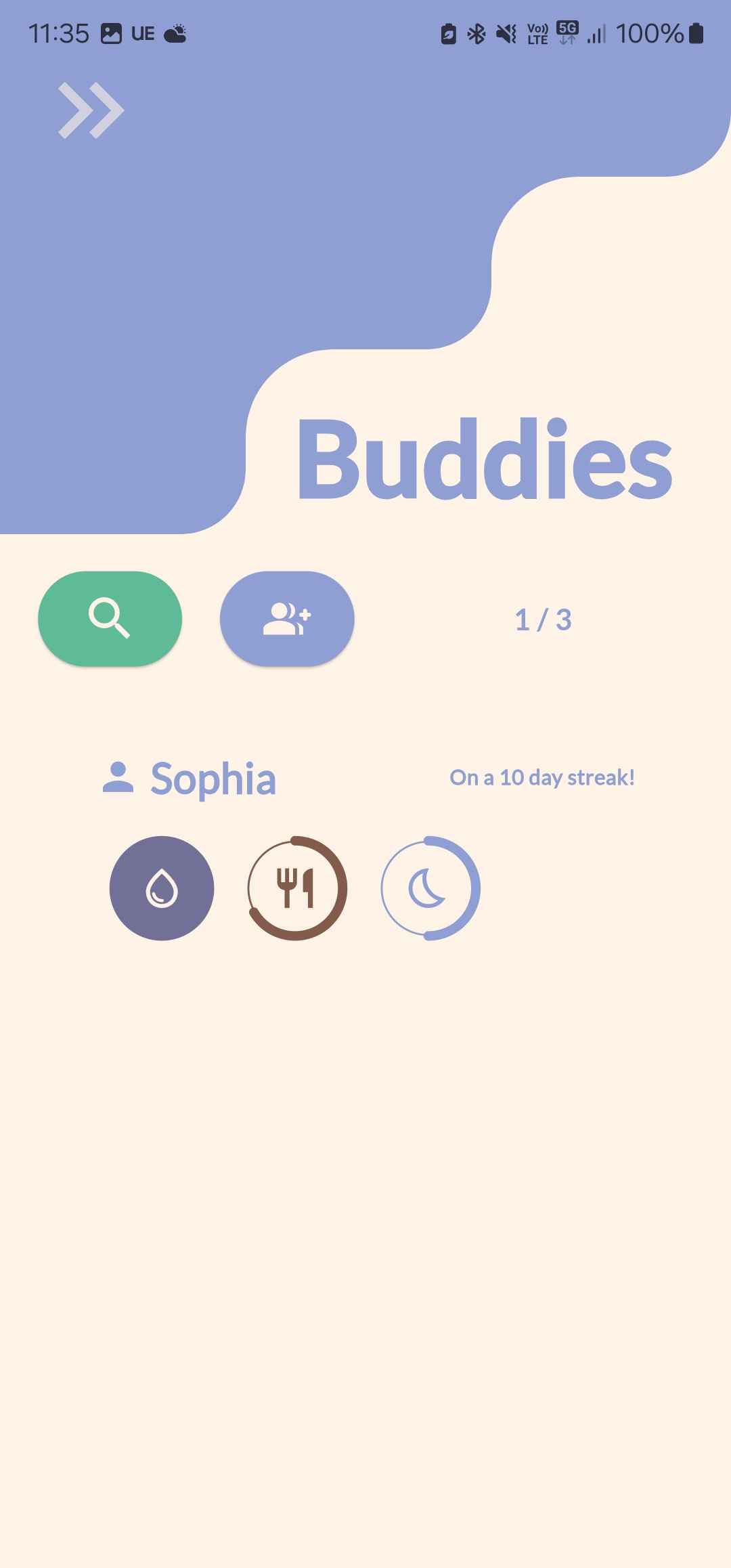
The buddy screen after you've added a buddy
-
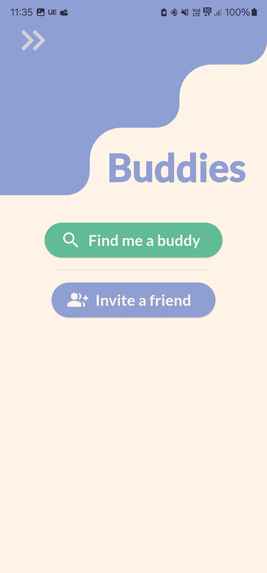
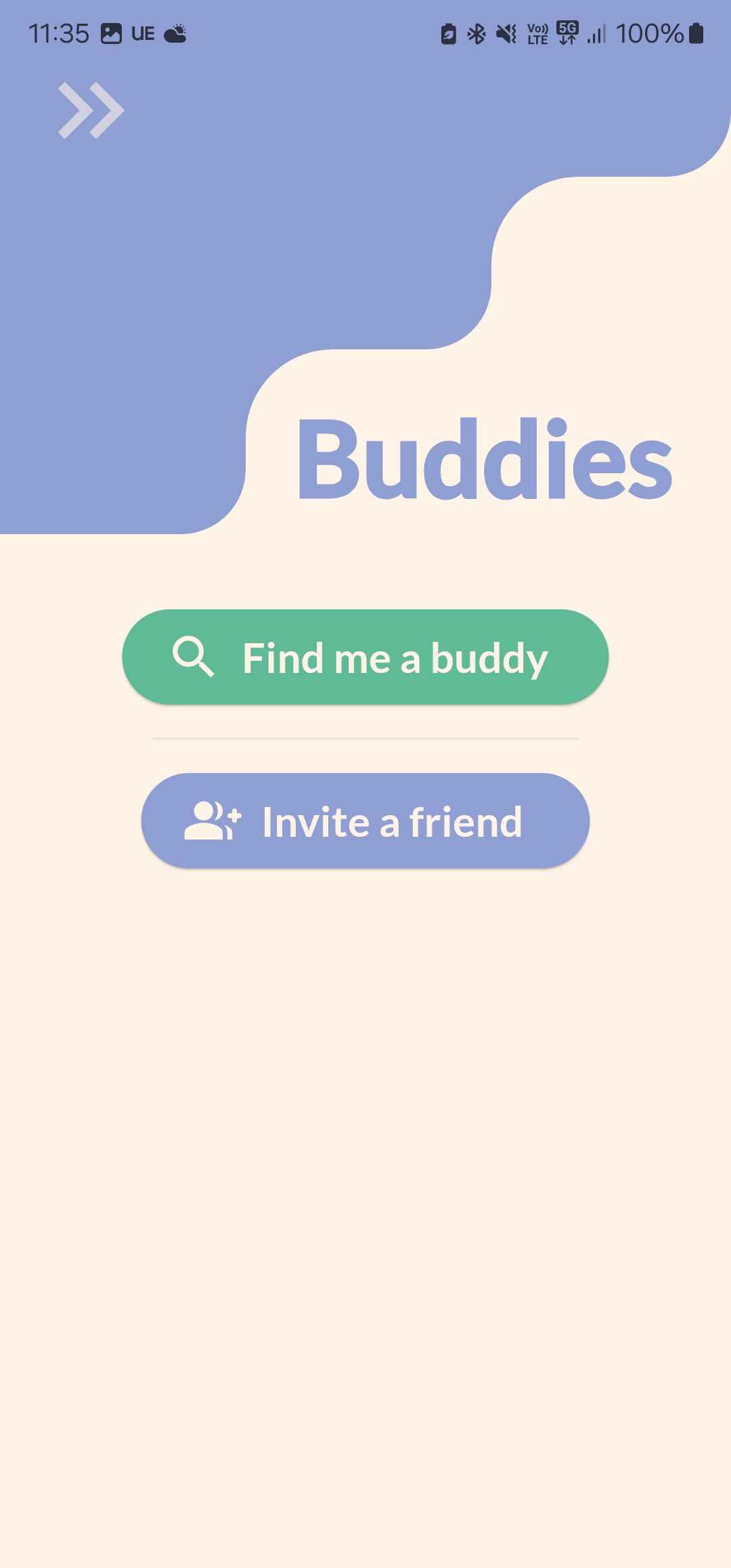
The buddy screen with no buddies
-
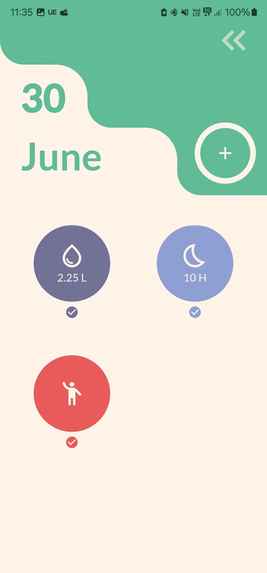
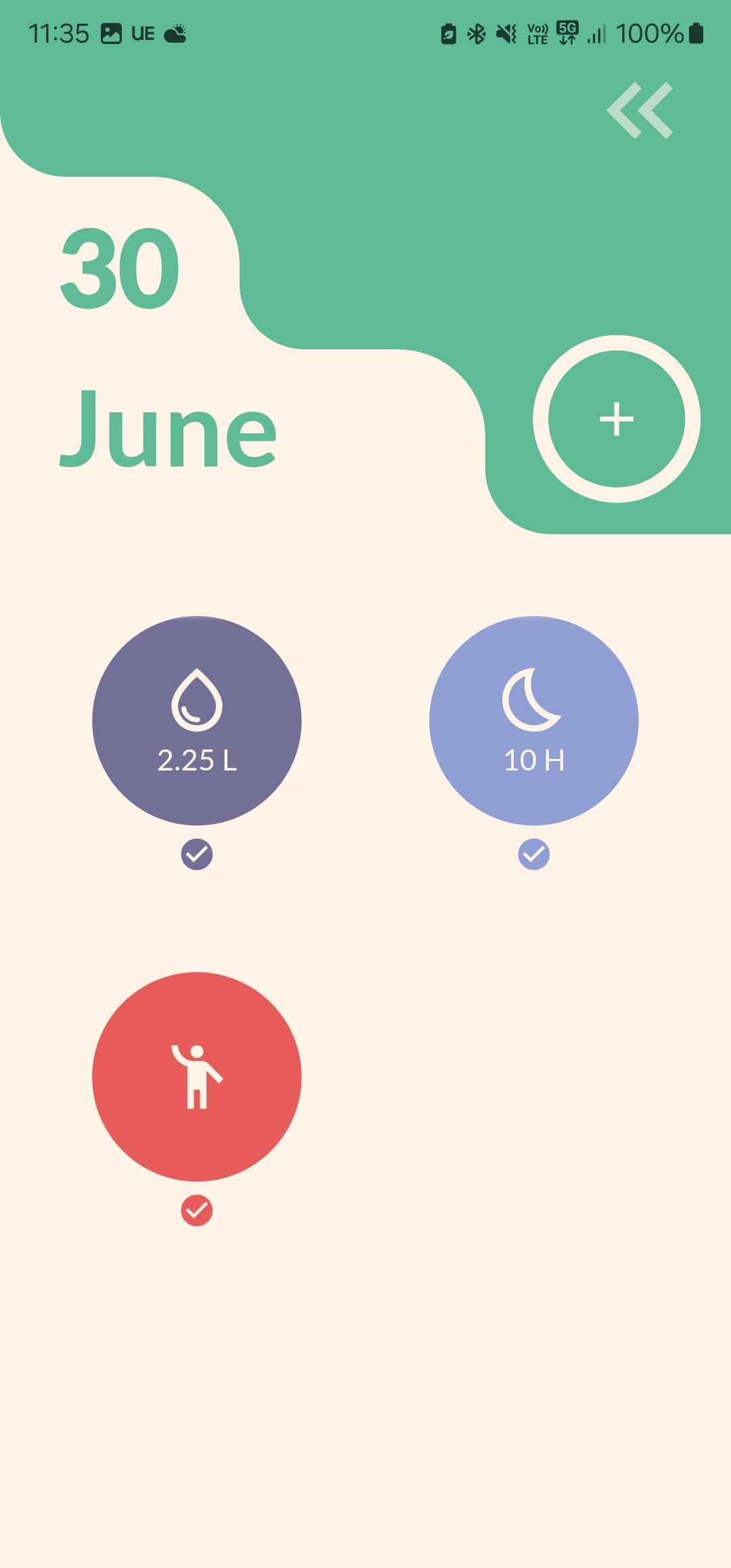
All steps completed for the day
-
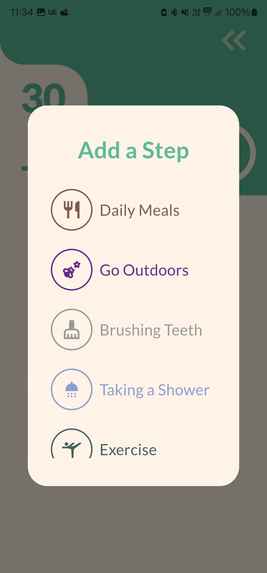
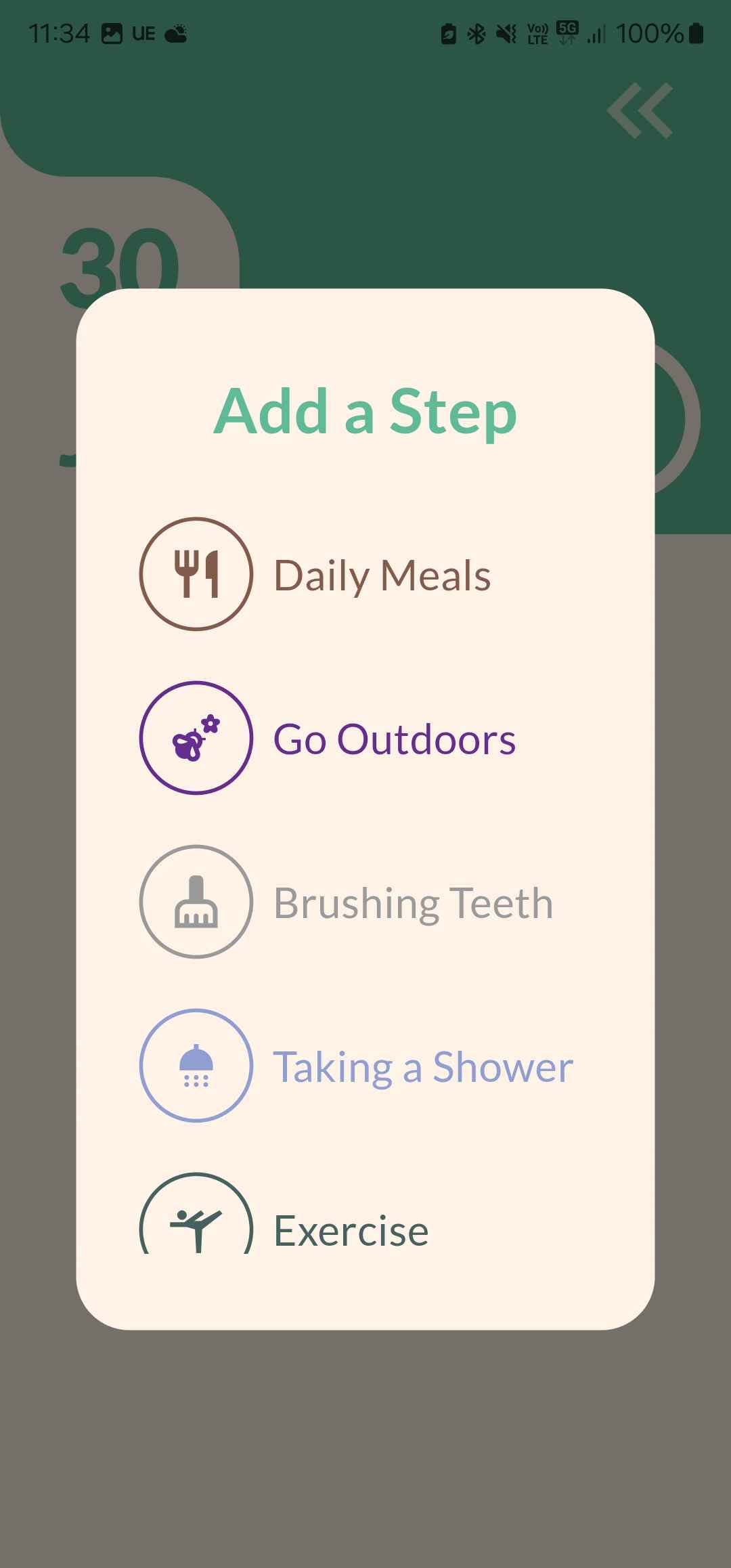
Add a step screen
-
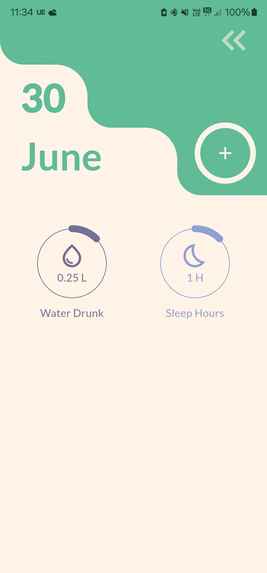
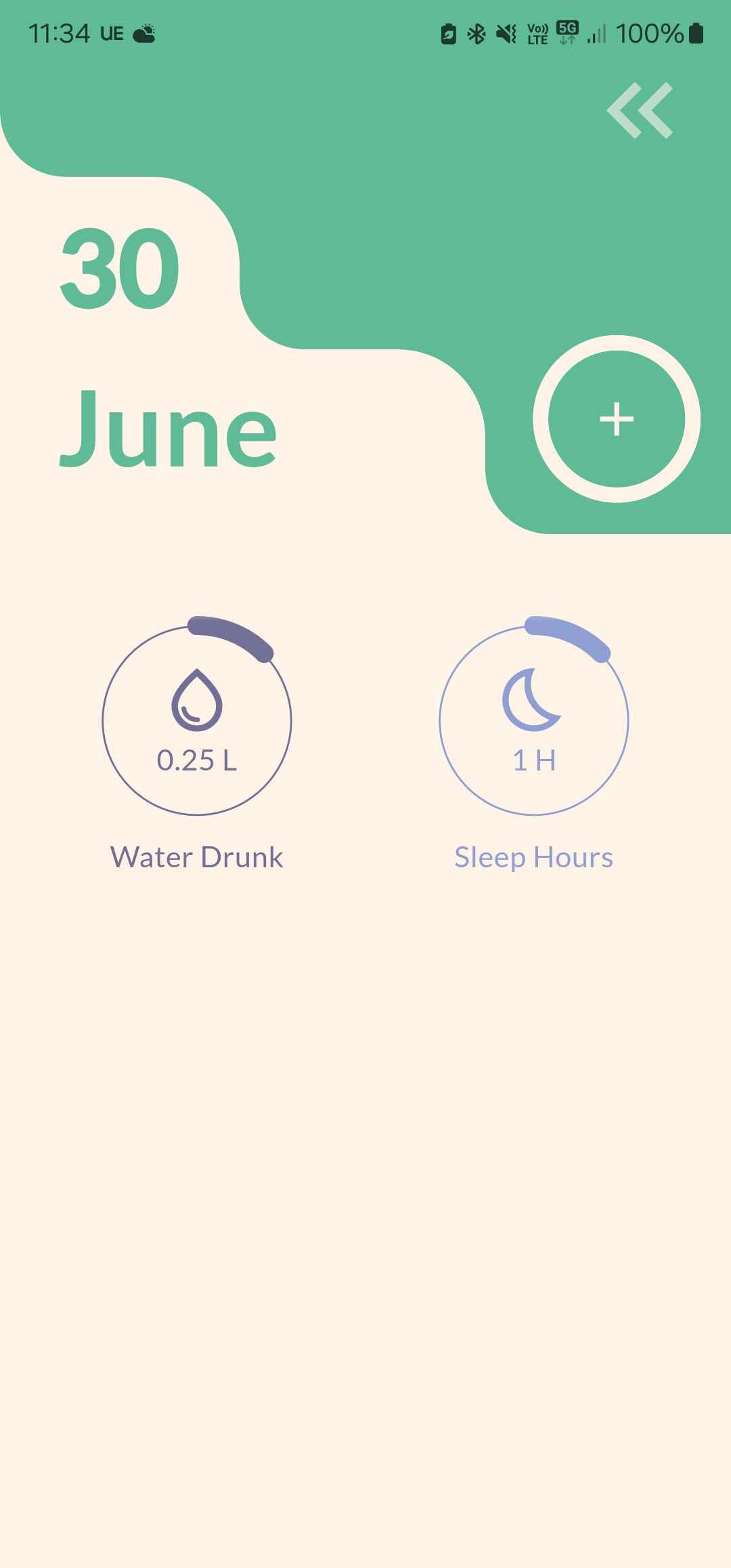
Unfinished steps
Inspiration
We were inspired by pre existing habit forming apps, like finch, which added the classic mobile formula of 'gamification' elements to self improvement. However, we felt that the novelty of such apps ware off soon and that engagement through flashing animations or complex gamified mechanics were distracting.
By incorporating a social element, our app could increase engagement while keeping a minimal aesthetic
How we built it
The entire user interface and backend logic is a Flutter application written in Dart. We did not feel the need to implement a very scalable backend for the purposes of a prototype.
All visual assets used were either created by the team in Figma or are native to Flutter. Sounds are creative commons audio files downloaded from https://pixabay.com/sound-effects and don't require attribution
What it does
Step allows users to create daily habits, 'steps', which they can mark they progress throughout the day with just the push of a button. Users can also search for local 'buddies' in the same area who have the same steps. Buddies can see each others progress with their daily steps and help each other keep up with their goals by sending 'encouragements', predefined encouraging messages.
Challenges we ran into
A challenge we ran into was that health apps were saturated by apps that needed a lot of pre-made content, professionals or physical health trackers. It's really difficult to innovate in the field with a standalone application and we ended up choosing a habit tracker with a focus on community. Another challenge was that only 1 of us had experience with the front-end framework that we used so the rest of us had to learn the framework on the fly.
Accomplishments that we're proud of
We built a fully functional prototype in 1 day. Our codebase is really organised and we kept our commit structures clean, so everything is easily locatable and states are clear. Most of our team members had to learn an entire framework in an unfamiliar language in a day, and we smashed that goal. I feel like that was something that is really difficult to achieve and we did!
What we learned
It is possible to create prototypes really fast if we set our minds to it and the goal is clear. Learning new things isn't as difficult as we thought and that we can innovate in spaces that are seemingly saturated with the same content.
What's next for Step
We've got a couple ideas for our next Steps. Mainly, we want to provide more statistics and insights; we want to show helpful feedback on how you can improve based on your trends and habits.
Built With
- dart
- flutter


Log in or sign up for Devpost to join the conversation.