-
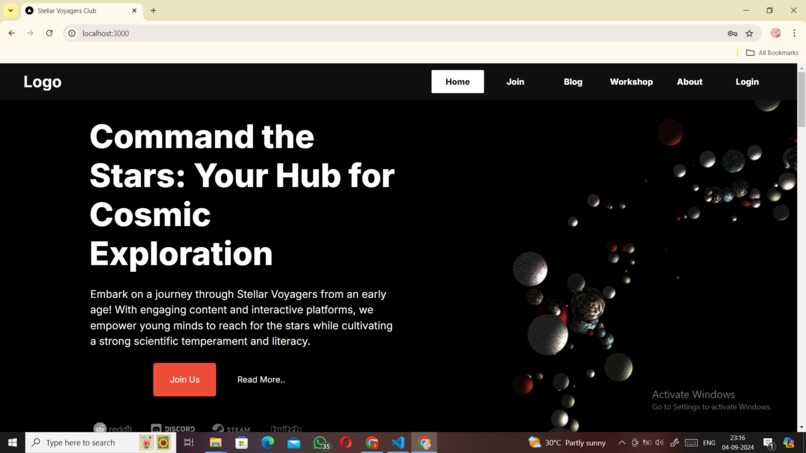
Dashboard
-
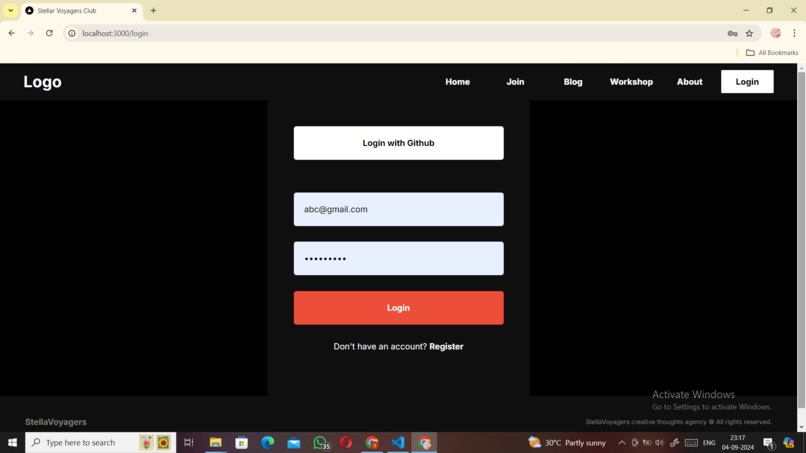
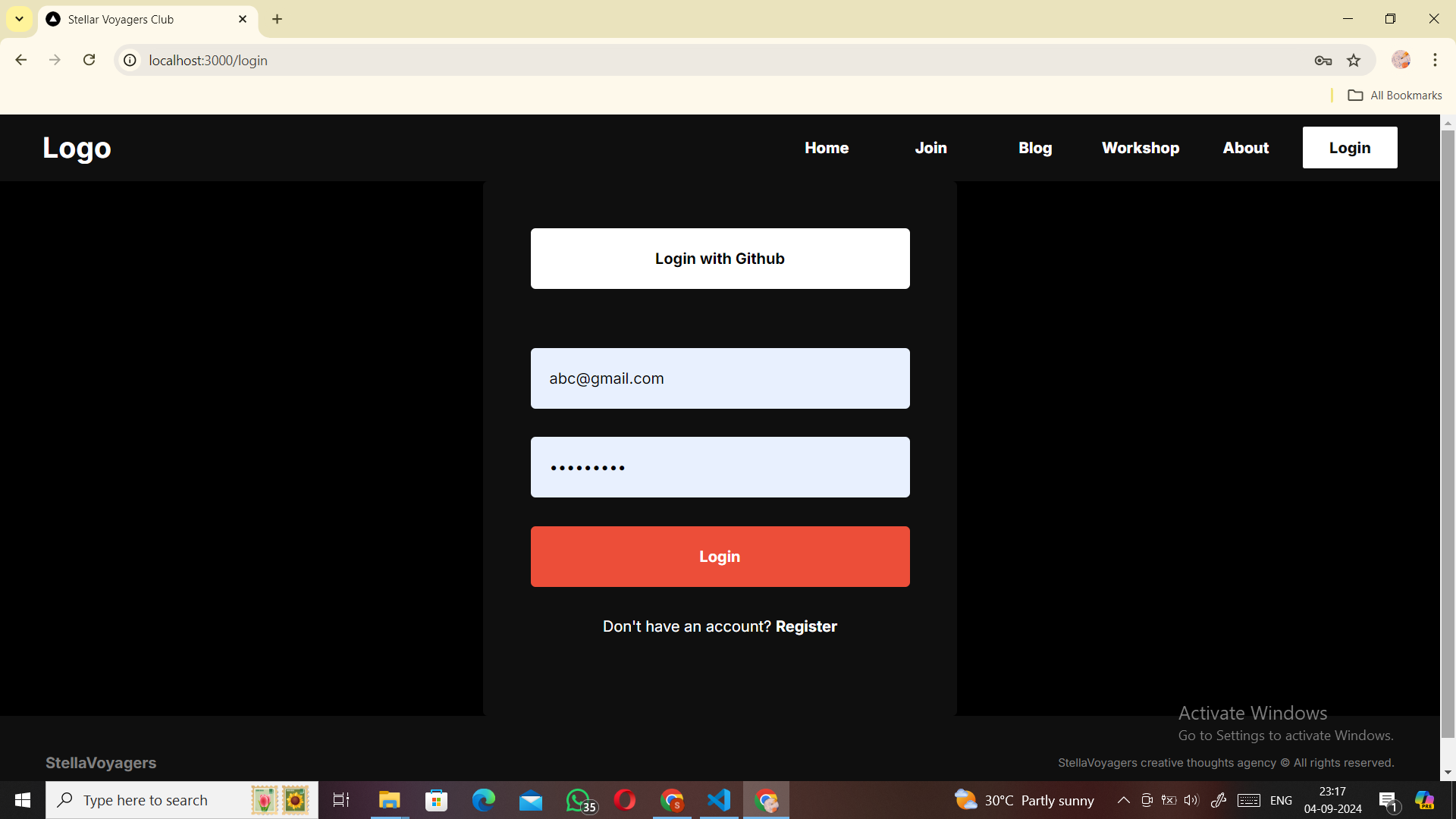
Login Page
-
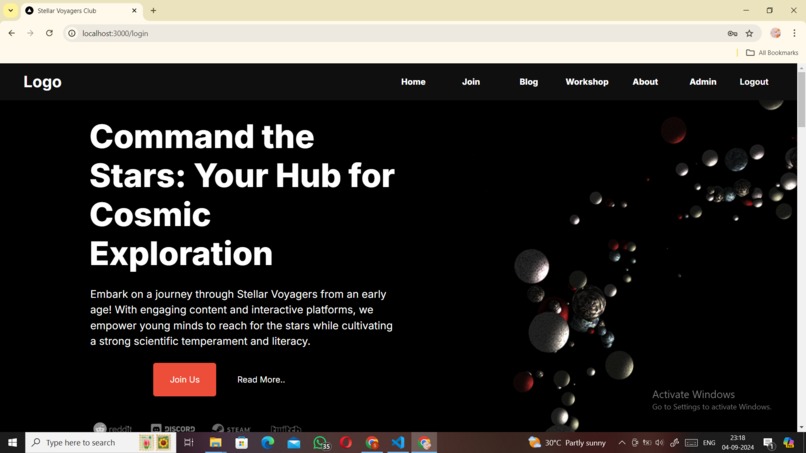
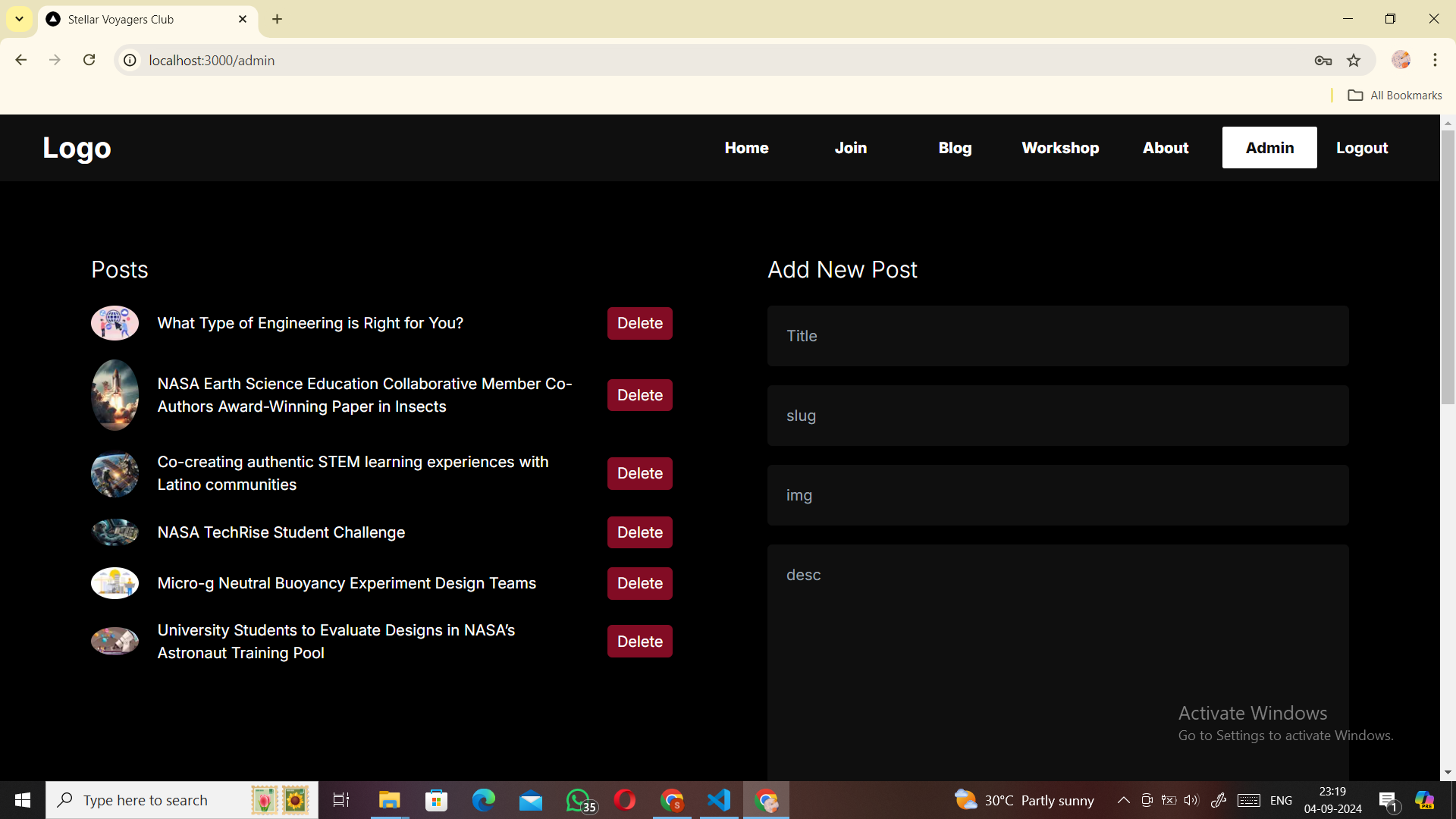
Admin Dashboard
-
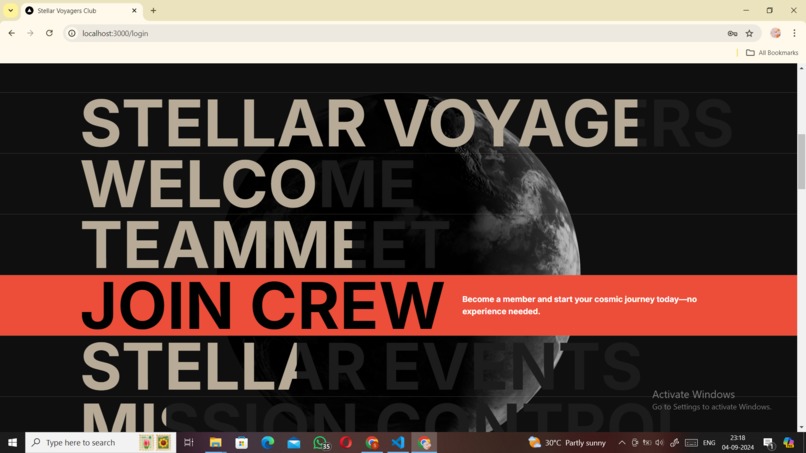
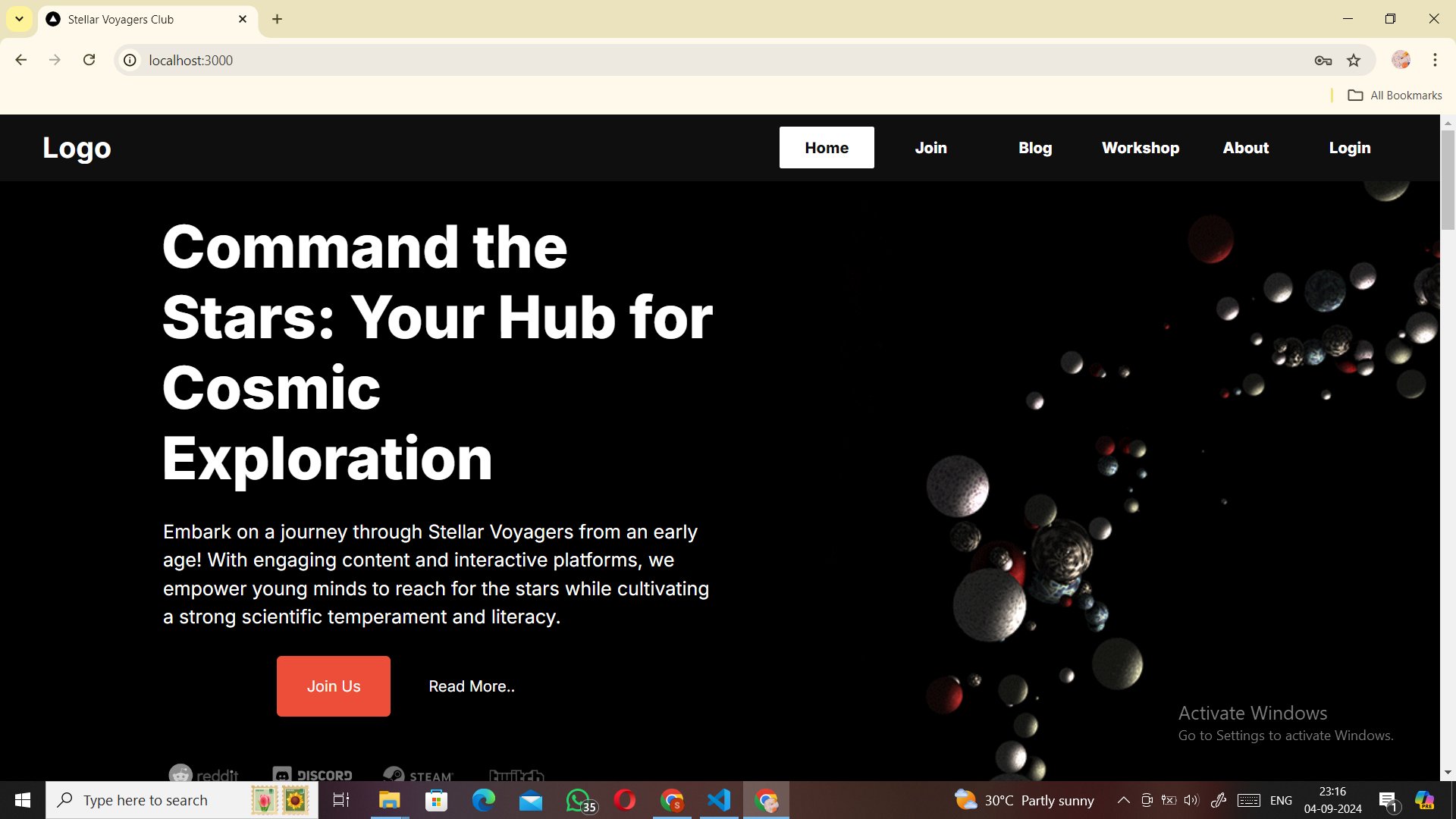
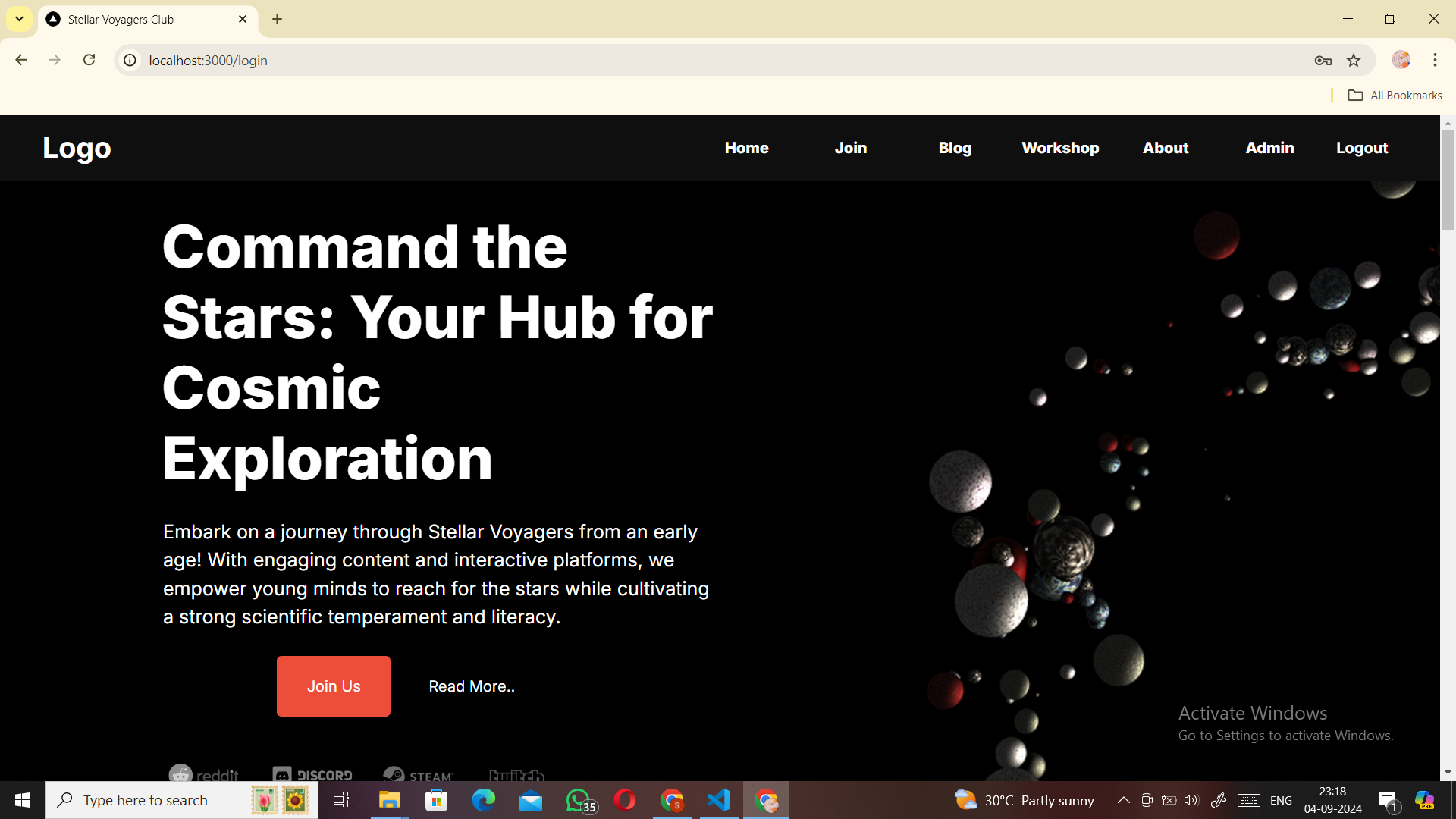
Hero Section
-
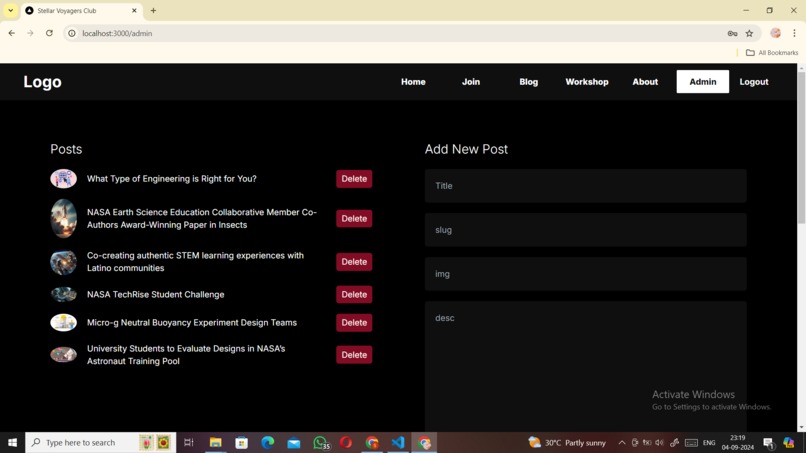
Admin Post Create Page
-
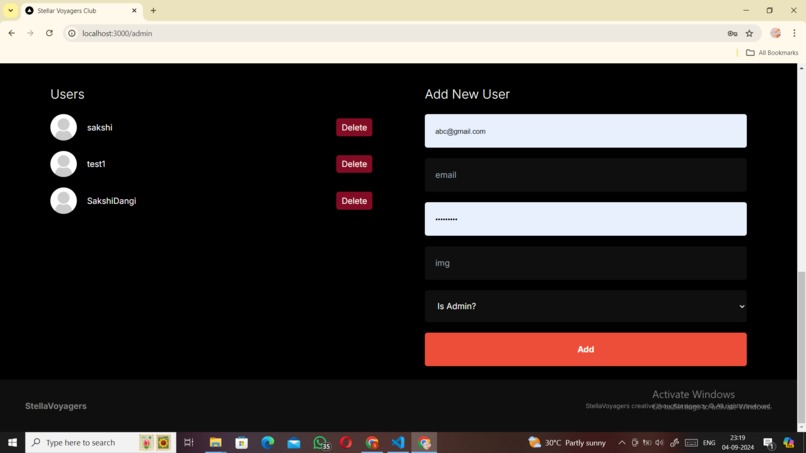
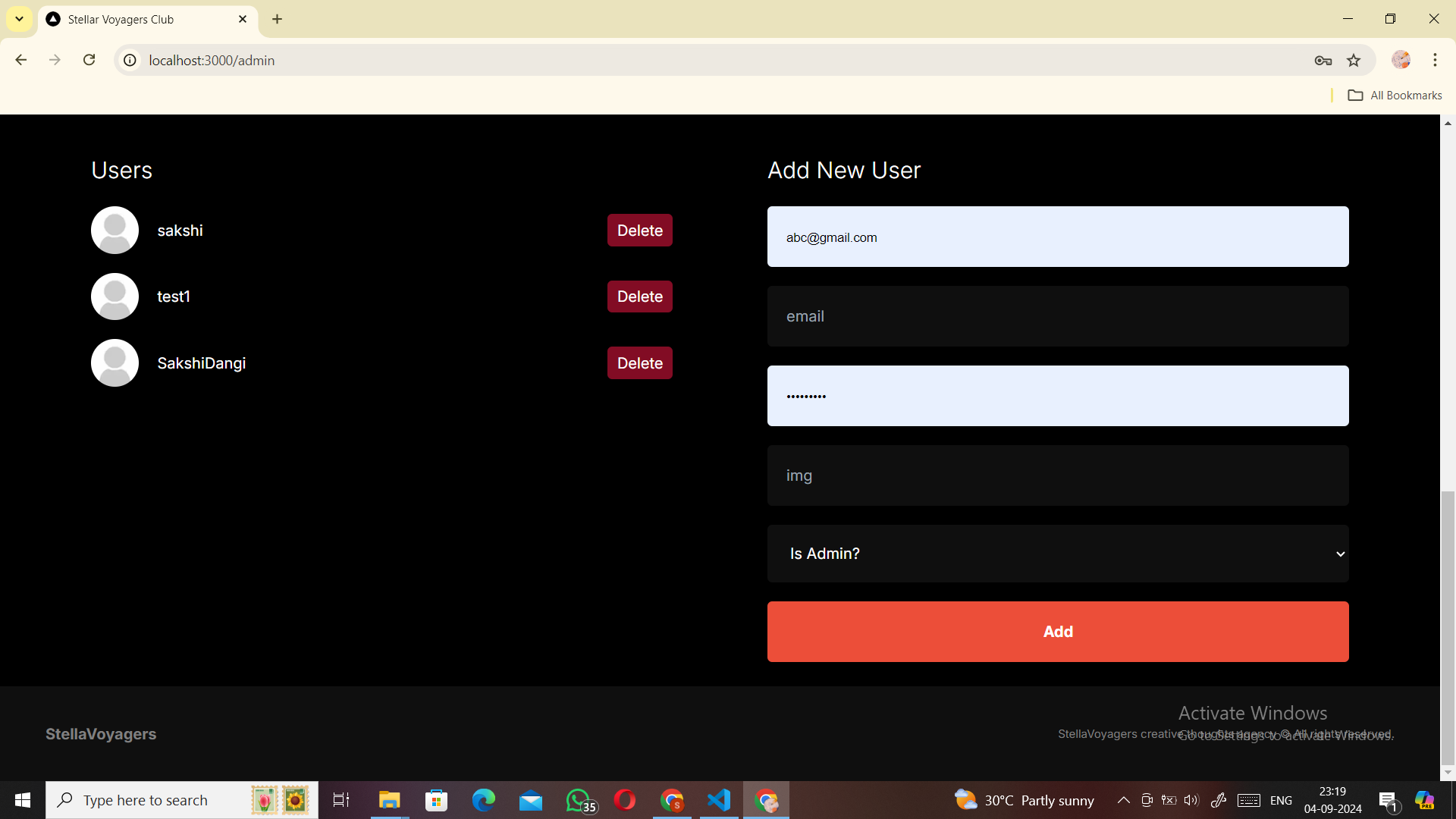
Admin User Add (Provide Team Member or Admin Access) Page
-
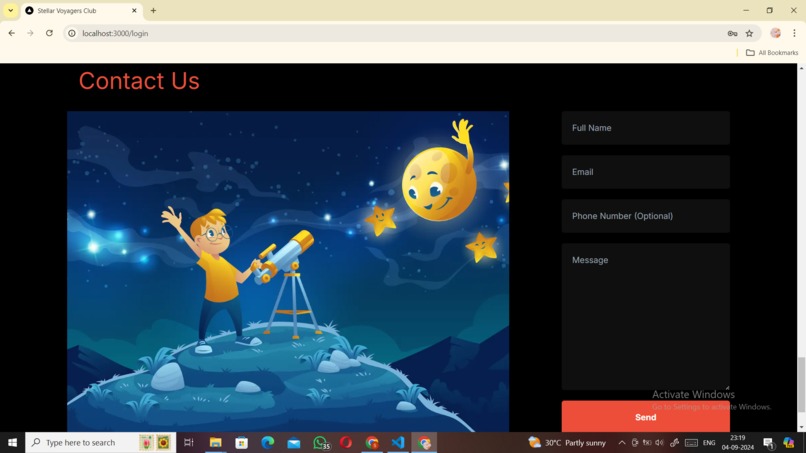
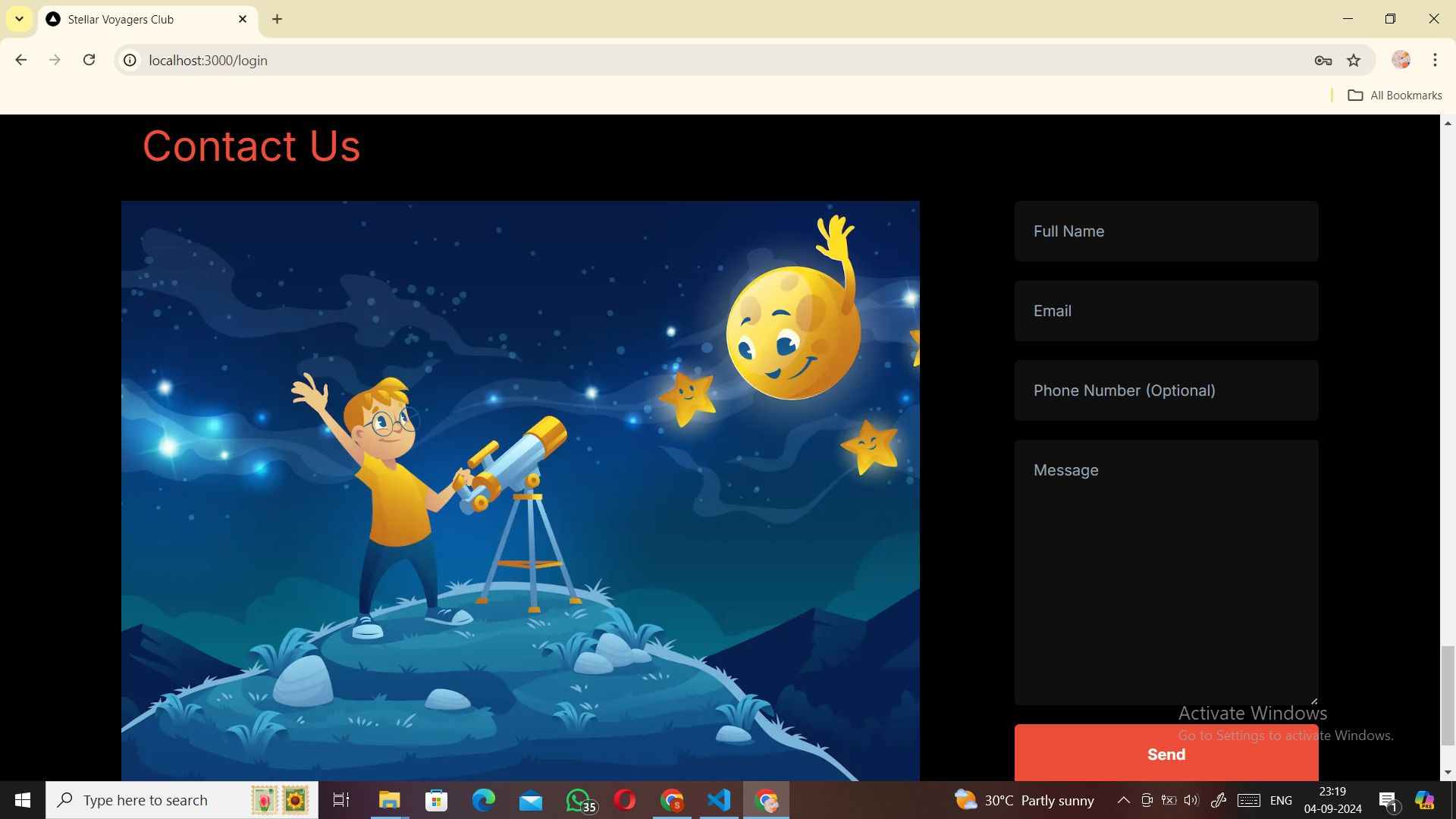
Contact Page
-
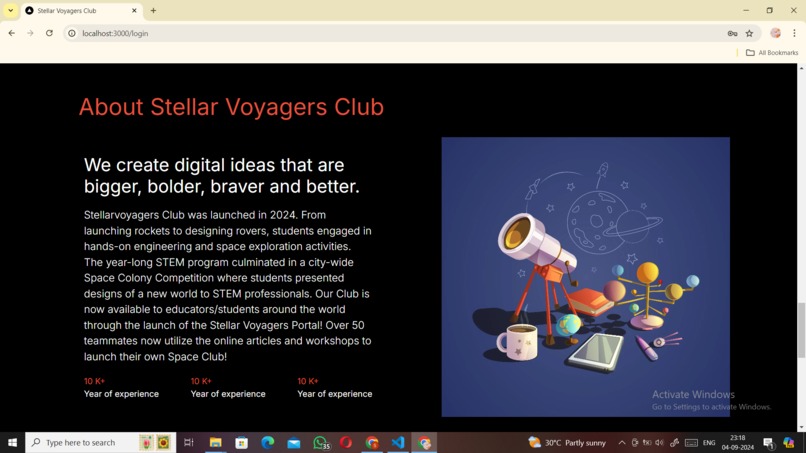
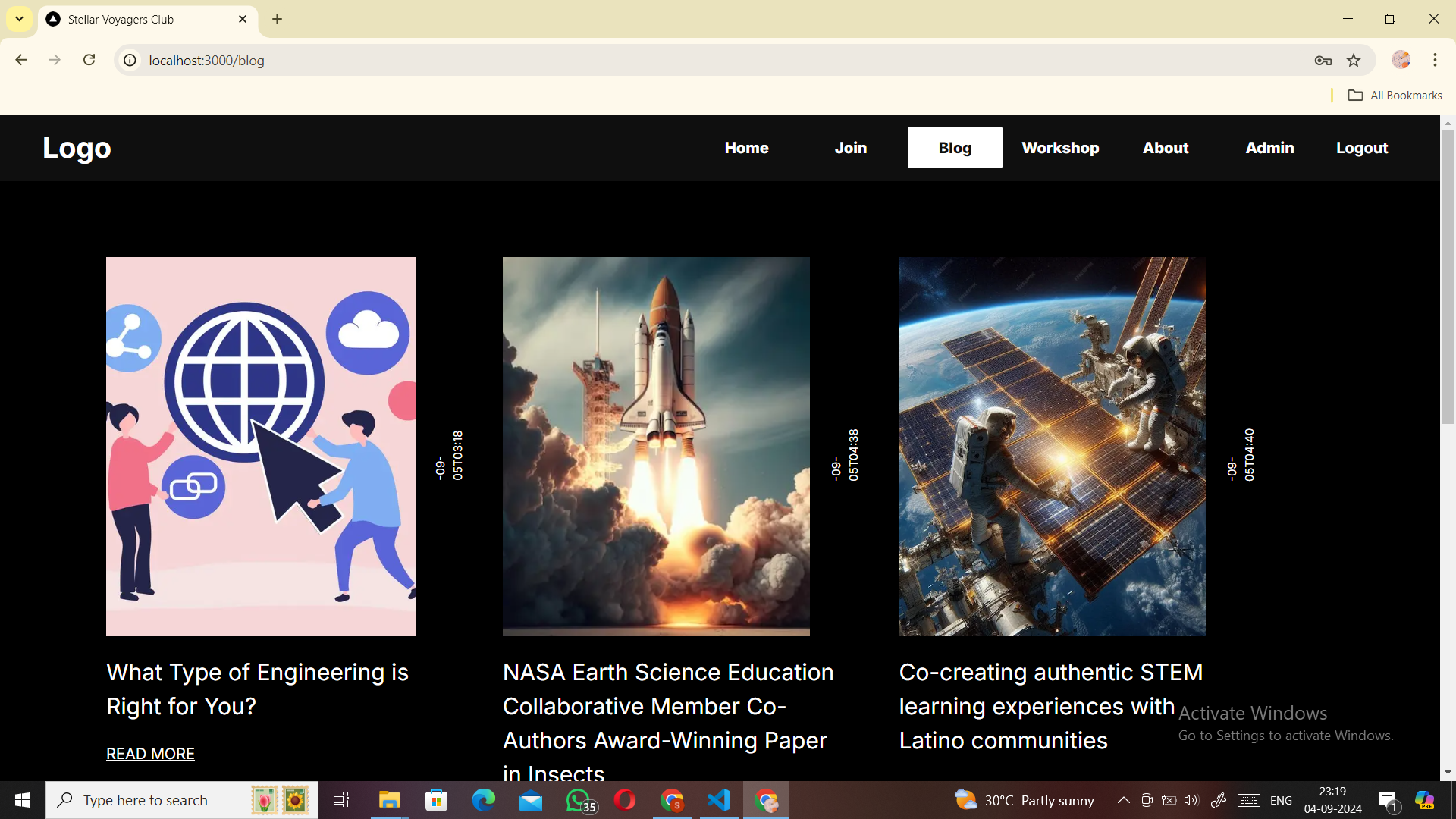
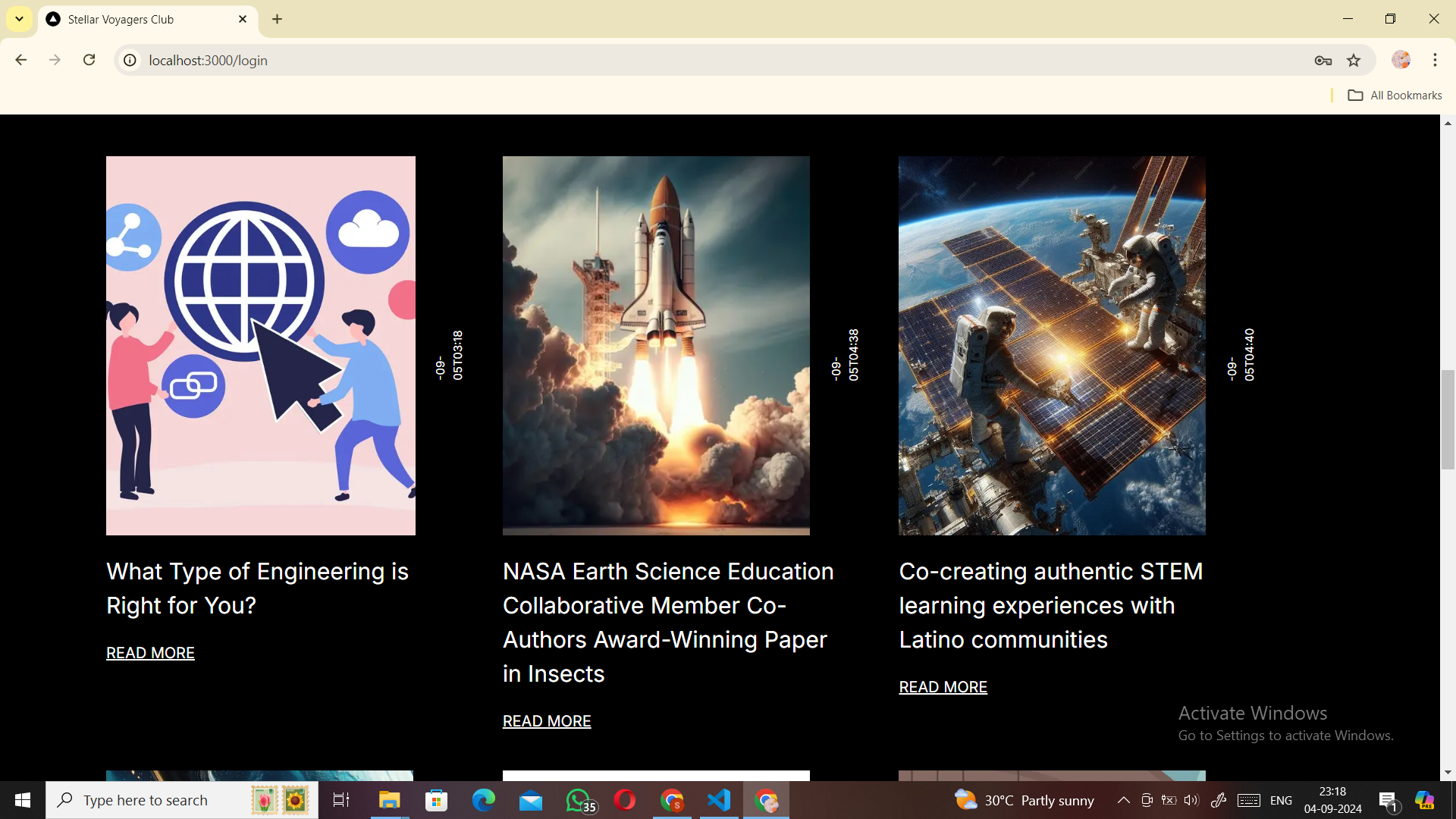
Blog Page
-
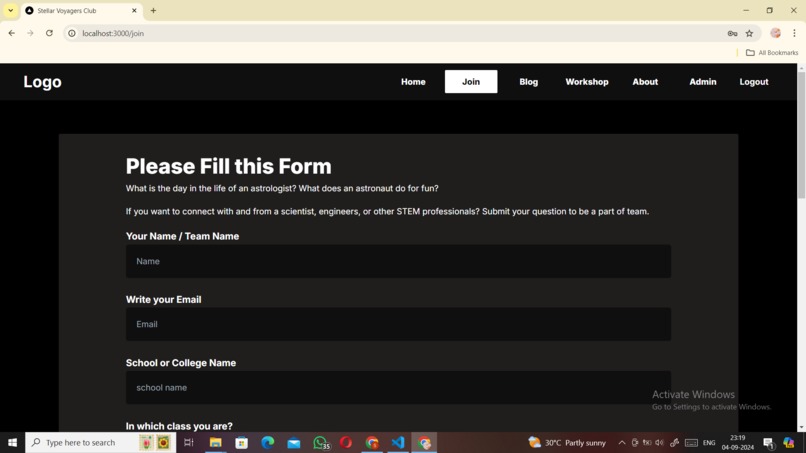
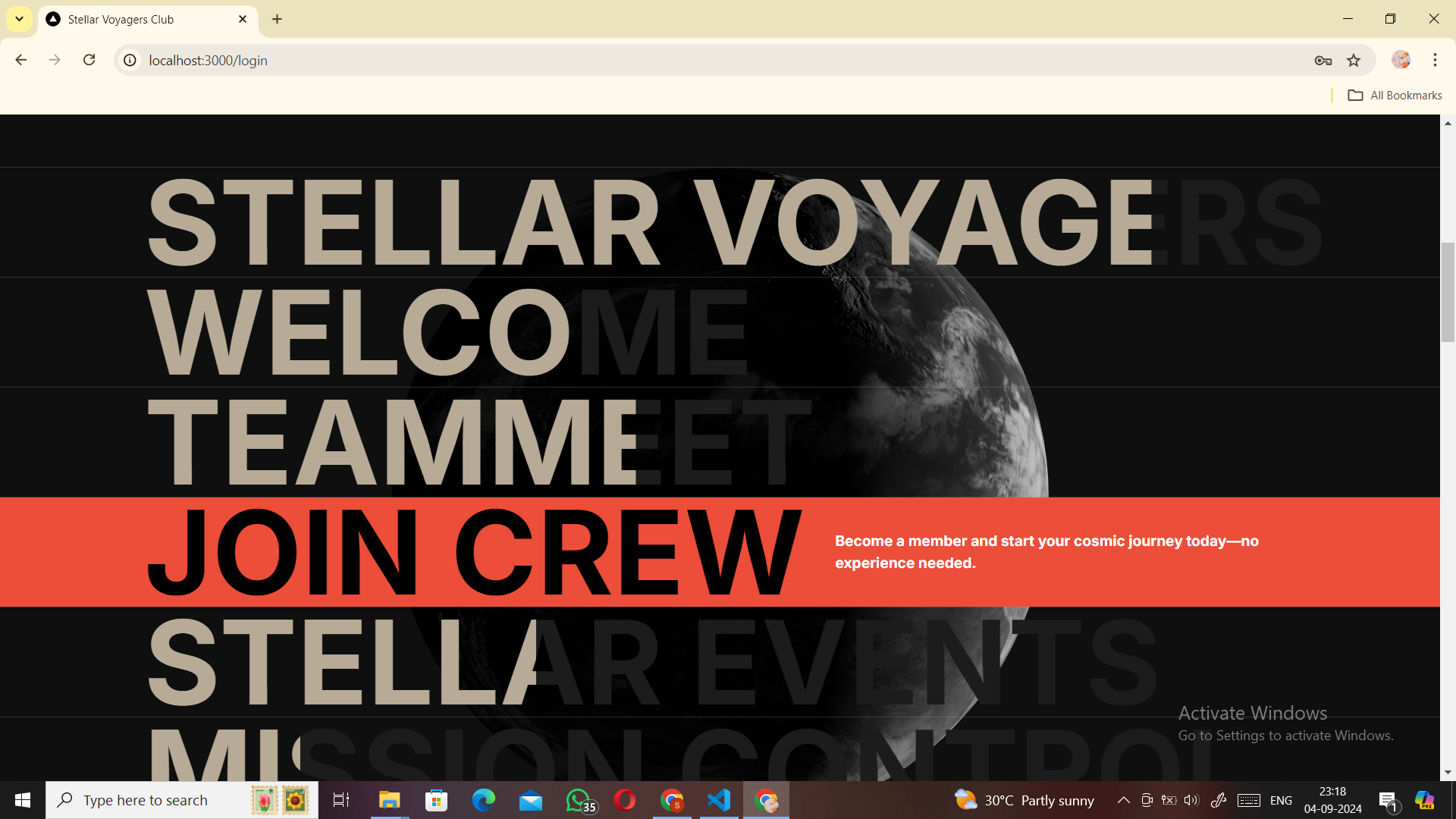
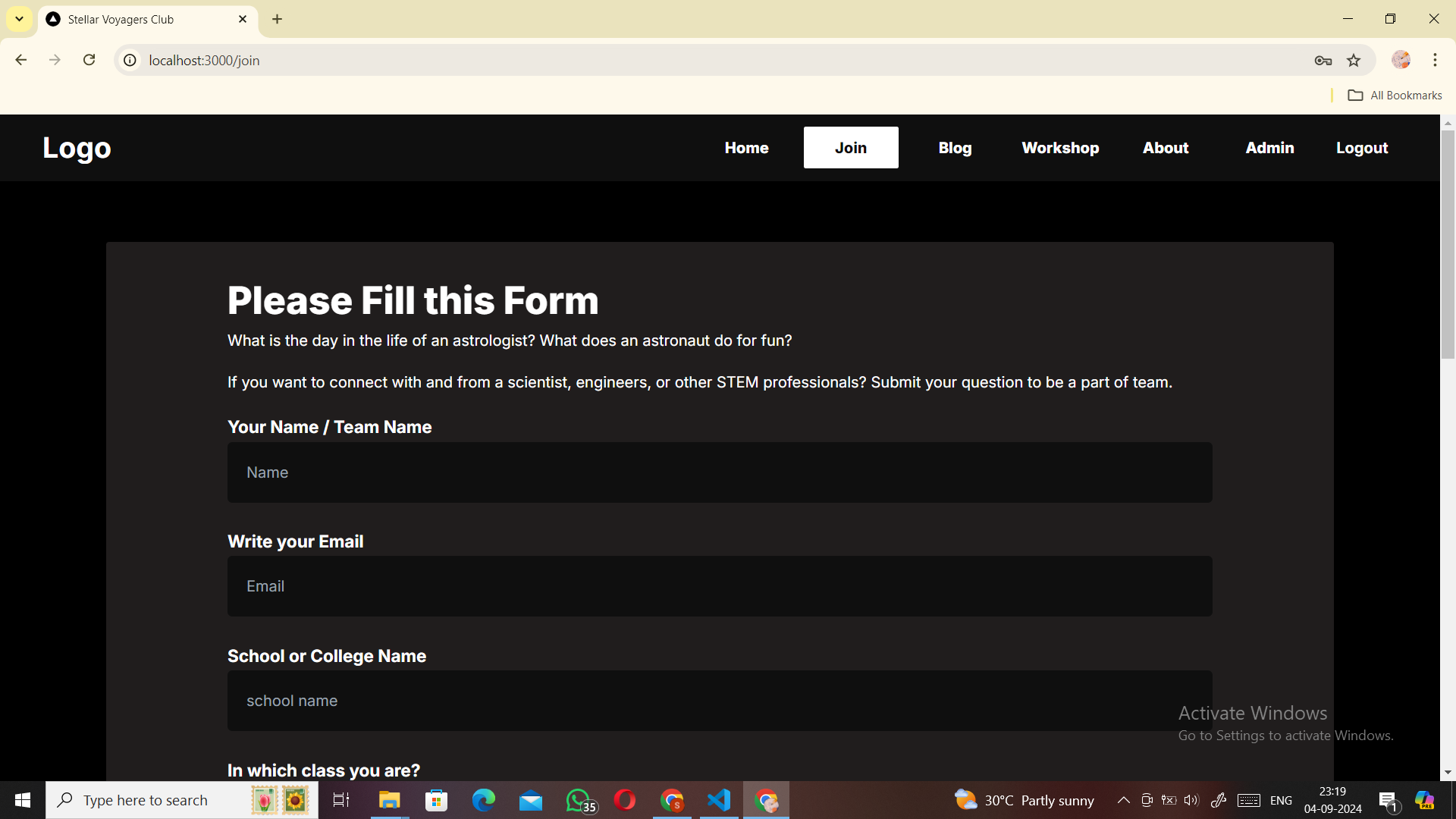
Join Us Page
-
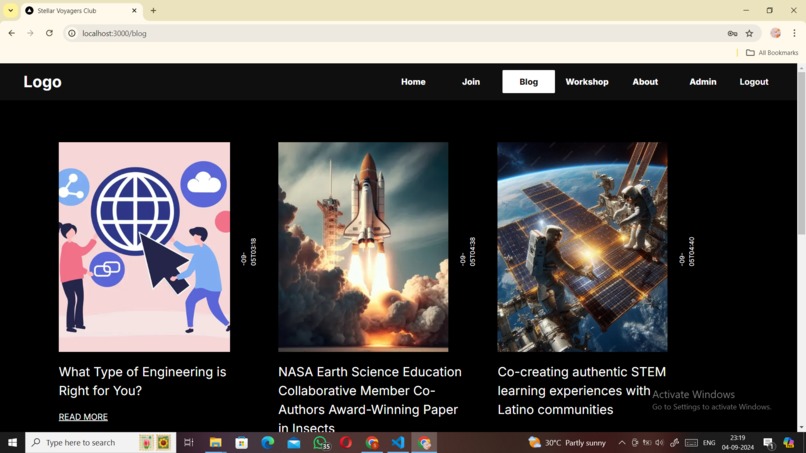
Blog Page
-
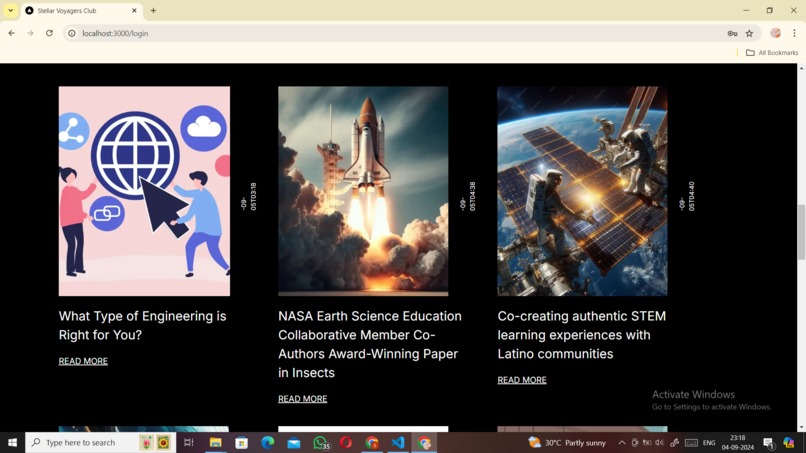
Dashboard Blog Page
Inspiration
As a high schooler, I’ve always been fascinated by the mysteries of space and the endless possibilities it holds. Staller Voyagers was born from a desire to bring together students who share this passion. Our goal is to explore the universe, learn from each other, and inspire the next generation of space enthusiasts.
What it does
Our application serves as the digital hub for Staller Voyagers, a high school space club. Through the app, users can explore the cosmos with features like:
Home: Access the latest announcements, upcoming events, and highlights.
Login/Signup: Easily create an account or sign in to access personalized content. We can able to view posts only when we are login.
Admin: Only admin can have the access to create blog, delete blog, add new members, delete members or give access to Admin Page access.
Join: Become a member and connect with fellow space enthusiasts.
Blog: Stay updated with the latest space news, articles, and club activities.
Workshop: Participate in hands-on space-related projects and activities.
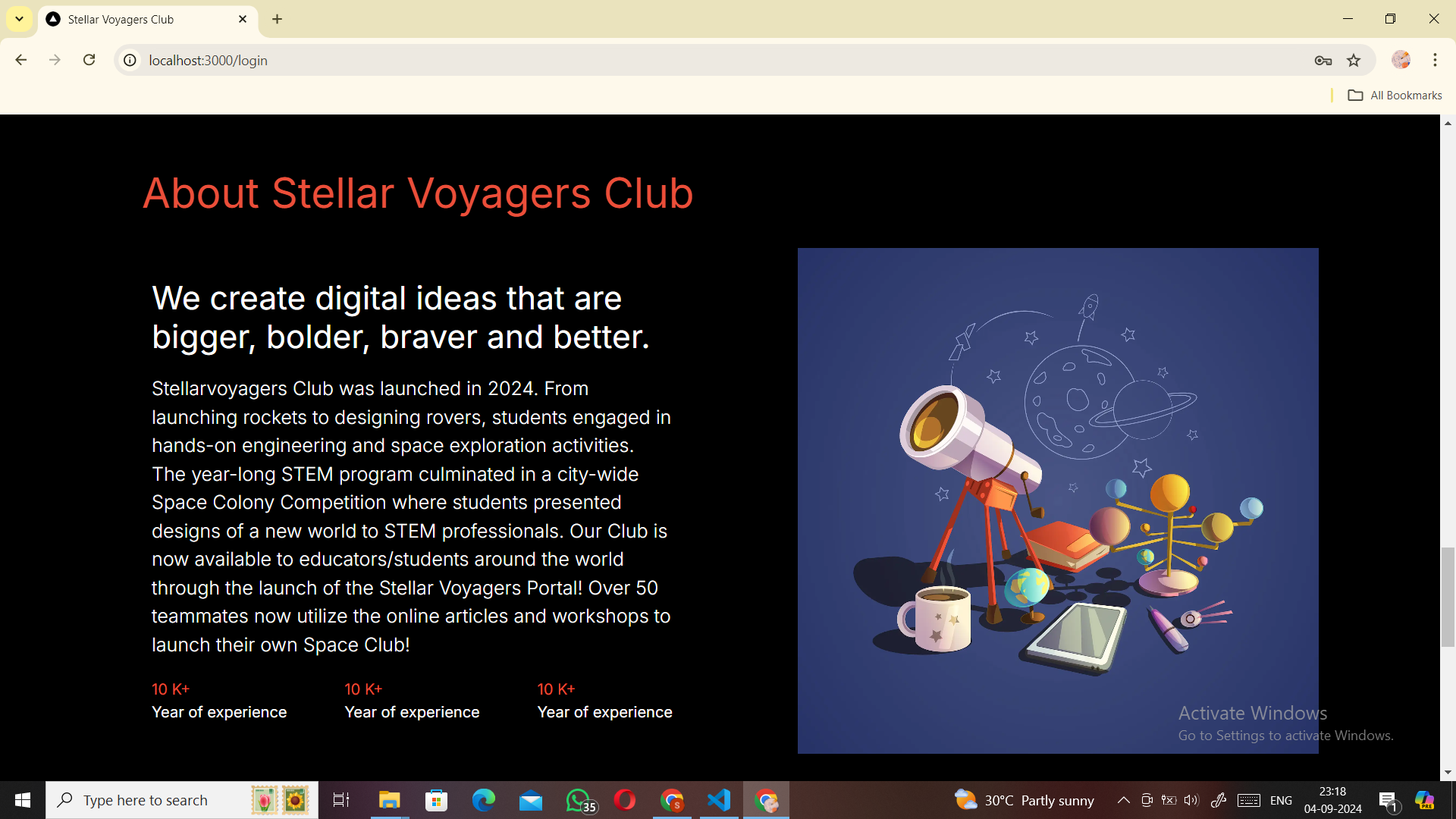
About: Learn more about our mission, vision, and team.
Contact: Get in touch with us for any questions or to collaborate.
How we built it
I build Staller Voyagers application using following tech-stack:
Next.js:
Utilized for its server-side rendering (SSR) and static site generation (SSG) features. Ensures fast load times, improved SEO, and a smooth user experience. Simplifies routing and API integration, making it easier to build dynamic pages.
Tailwind CSS:
Implemented for its utility-first approach to styling. Allows for rapid development of responsive and visually appealing UI components. Ensures a consistent design language across the application with minimal custom CSS.
MongoDB:
Serves as the primary database, storing user data, blog posts, events, and workshop details. Chosen for its flexibility in handling unstructured data and scalability for future growth.
Mongoose:
Used as an ORM to simplify interactions with MongoDB. Provides schema validation and a straightforward API for database operations.
Next-Auth:
Integrated for user authentication, supporting multiple sign-in options. Ensures secure handling of user sessions and credentials with seamless integration into Next.js.
BcryptJs:
Employed for encrypting user passwords, adding an additional layer of security. Ensures that user data is protected against unauthorized access.
Three.js & React Three Fiber:
Integrated to create interactive 3D visualizations, enhancing the space-themed experience. Enables complex 3D scenes to be rendered efficiently within the React environment, bringing an immersive element to the application.
Challenges we ran into
I faced challenges integrating Three.js for smooth 3D visuals and ensuring secure authentication with Next-Auth and bcrypt. Managing a flexible, efficient database with Mongoose and designing a responsive interface using Tailwind CSS required careful planning. Overcoming the learning curve of these advanced tools was both challenging and rewarding.
Accomplishments that we're proud of
Successfully integrated Three.js and React Three Fiber to create engaging 3D visuals. Developed a secure, user-friendly authentication system using Next-Auth and bcrypt. Designed a responsive, consistent interface with Tailwind CSS. Implemented an efficient database schema with Mongoose and MongoDB Overcame the learning curve of advanced web technologies.
What we learned
Advanced Web Technologies: Gained proficiency in Next.js, Three.js, and Tailwind CSS, enhancing our development skills. Security Practices: Learned best practices for secure user authentication and data protection using Next-Auth and bcrypt. Database Management: Gained experience in designing and managing flexible schemas with Mongoose and MongoDB. Responsive Design: Developed skills in creating responsive, visually appealing designs that work across all devices.
What's next for Stellar Voyagers
Personalized Learning: Utilize AI to offer personalized content and recommendations based on user interests and activity, enhancing the learning experience. AI-Powered Simulations: Develop advanced space simulations and virtual experiences using AI, providing users with interactive and immersive educational tools. Chatbots and Virtual Assistants: Implement AI-driven chatbots to assist users with questions, guide them through the platform, and provide real-time support. Predictive Analytics: Use AI to analyze user engagement and behavior, enabling us to predict trends and tailor content and features to better meet user needs. Automated Content Creation: Leverage AI to generate and curate space-related content, such as news summaries, articles, and educational materials, keeping the platform dynamic and up-to-date. Enhanced Visualization: Integrate AI to enhance 3D visualizations and simulations, creating more realistic and detailed space models and scenarios.


Log in or sign up for Devpost to join the conversation.