-
-
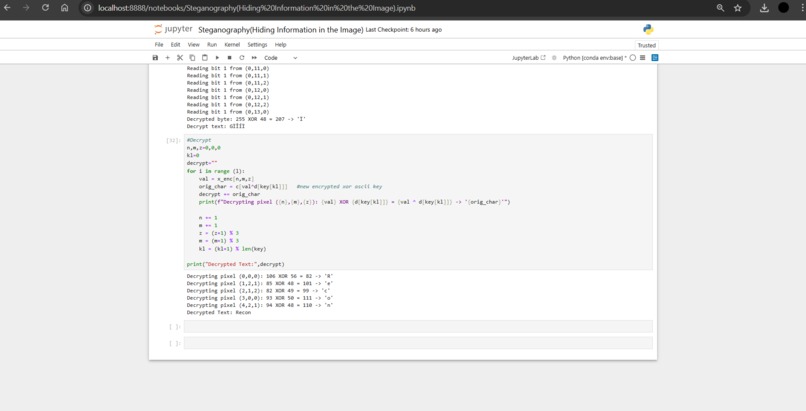
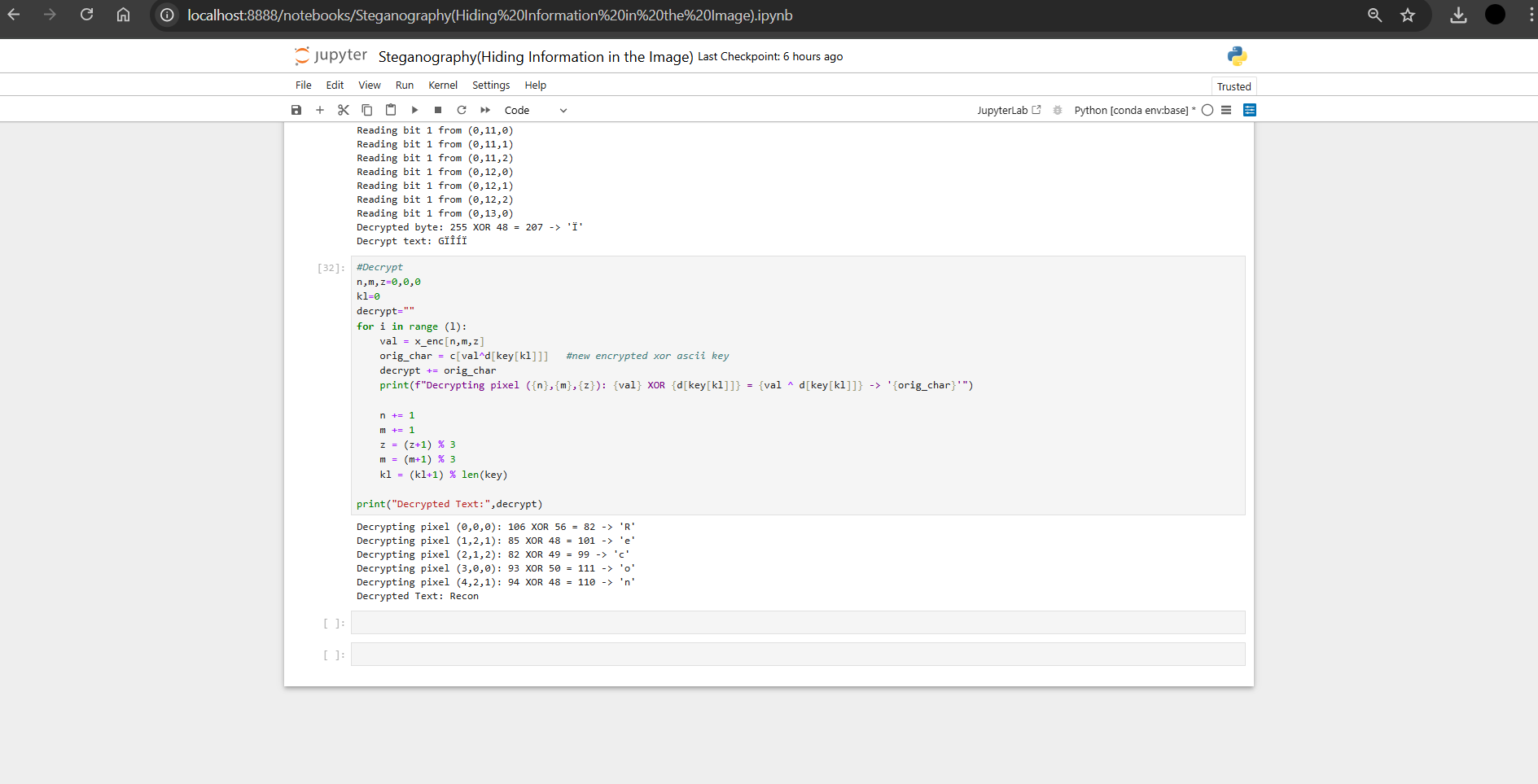
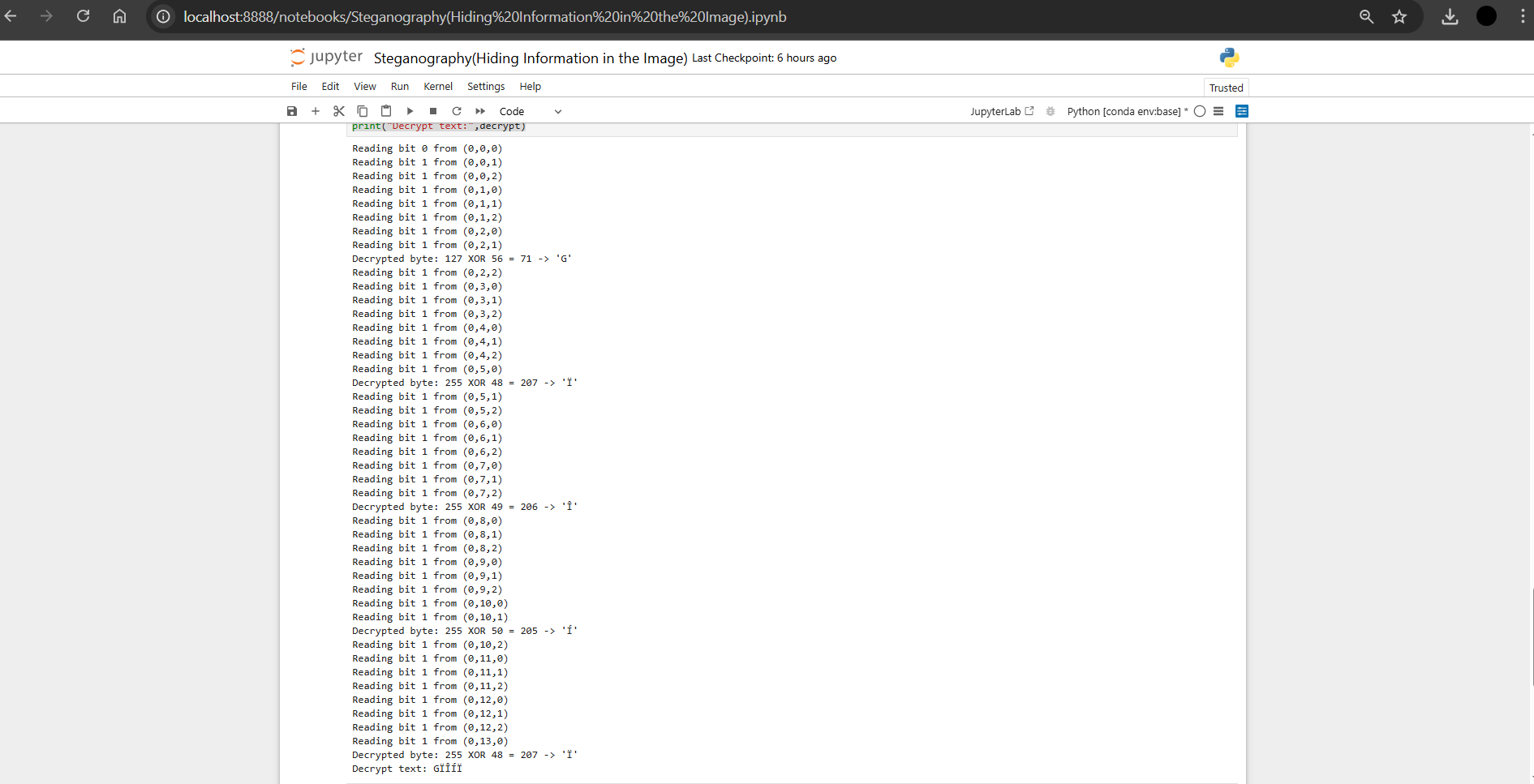
final output
-
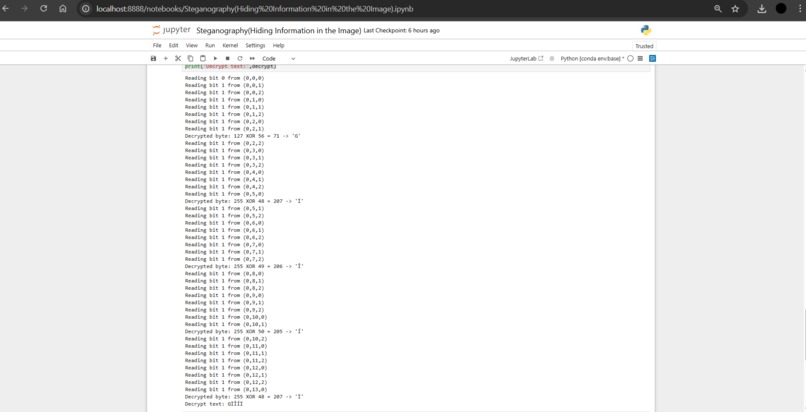
Decryption USING LSB
-
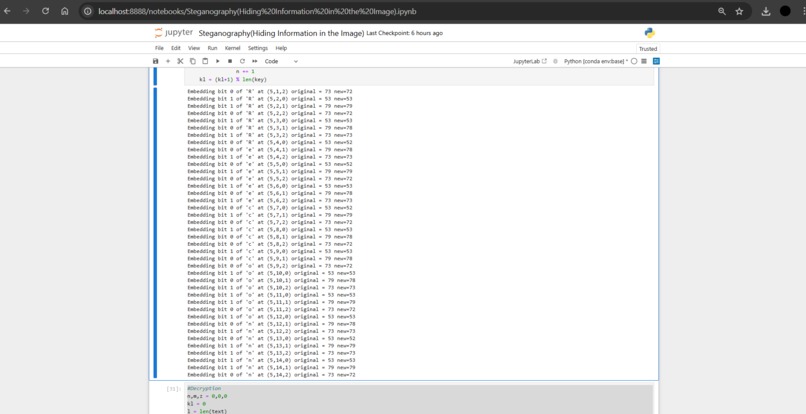
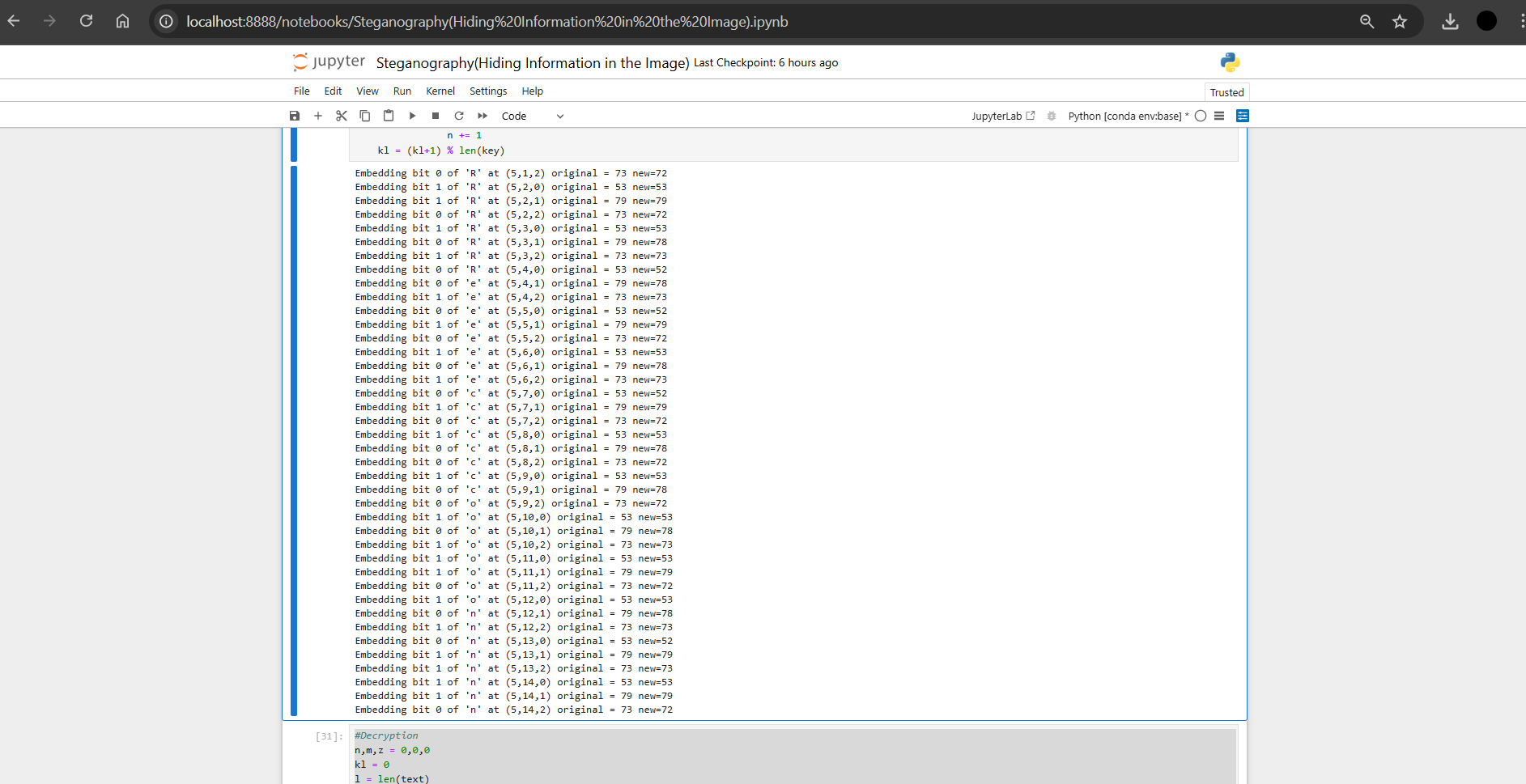
Encrypt and embed using LSB
-
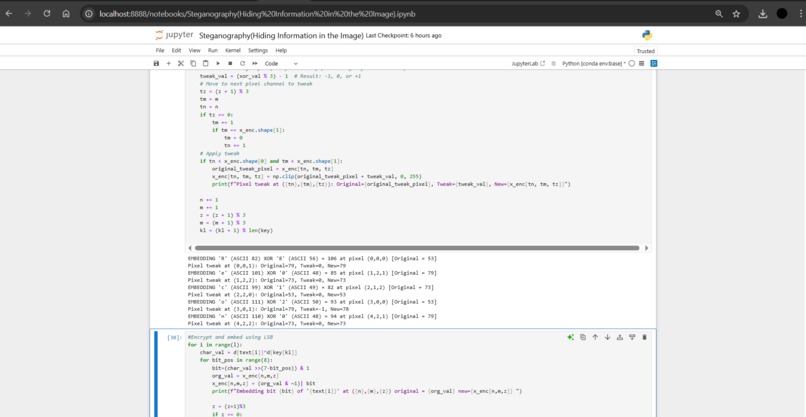
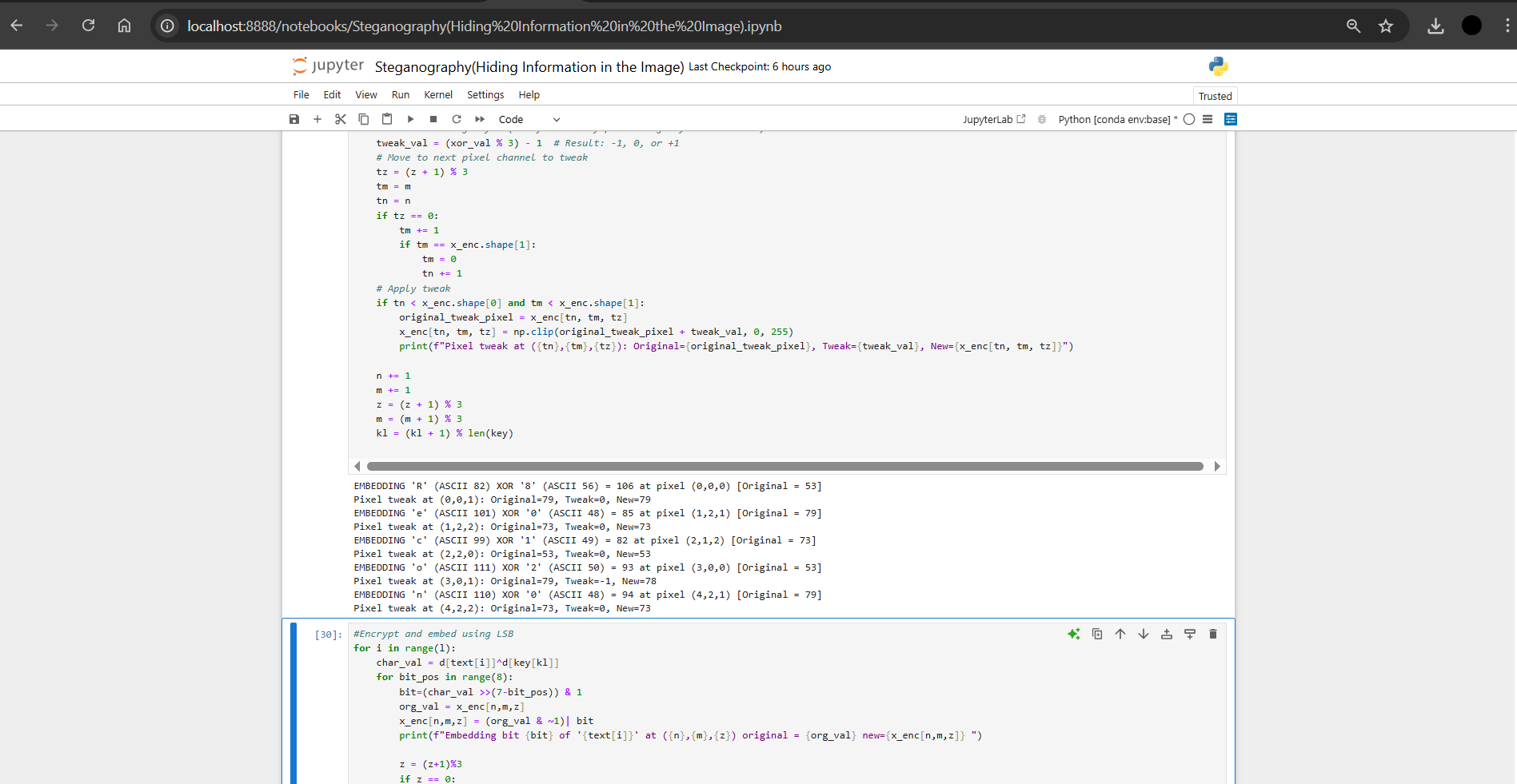
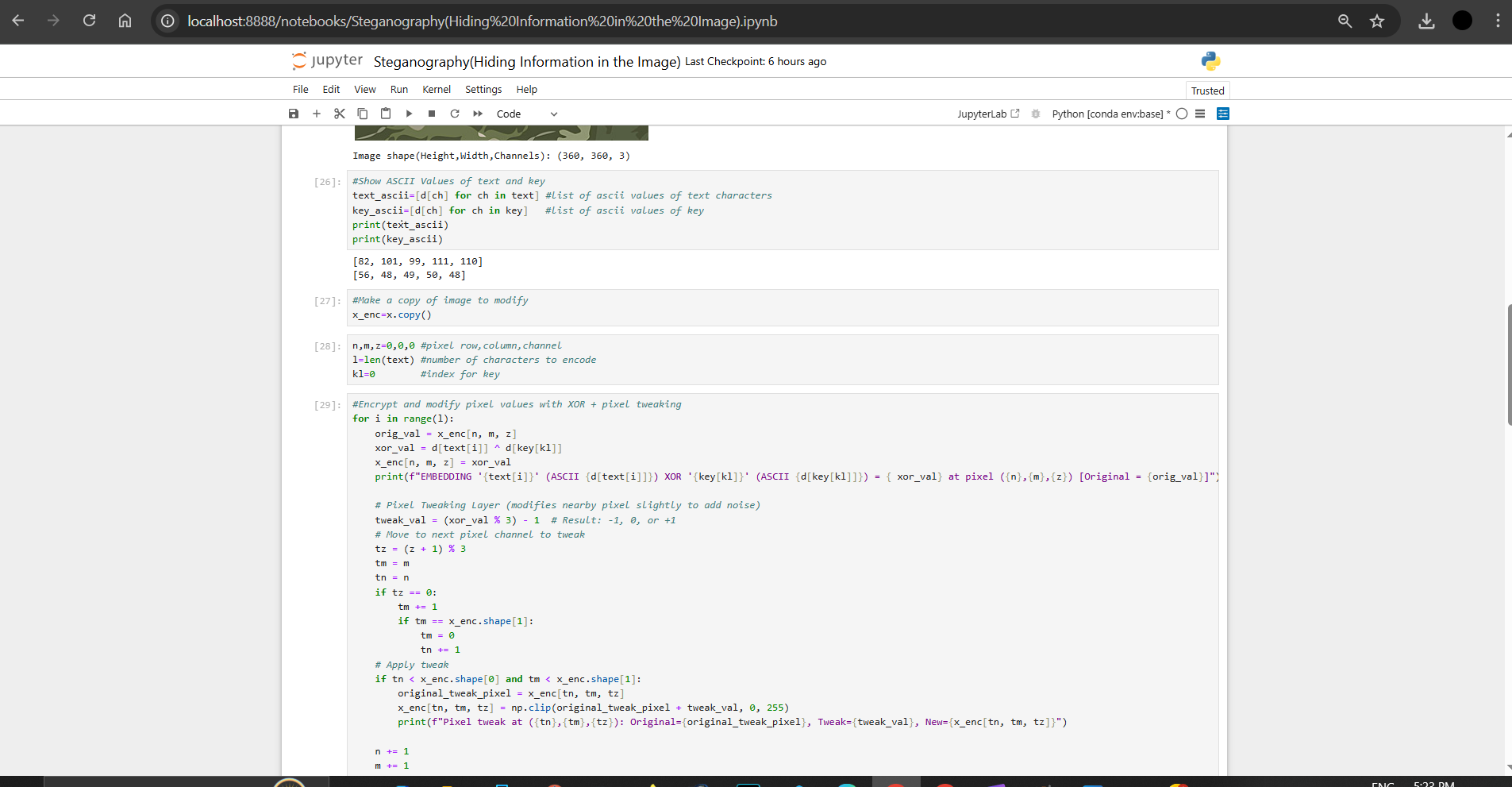
Encrypt and modify pixel values with XOR + pixel tweaking
-
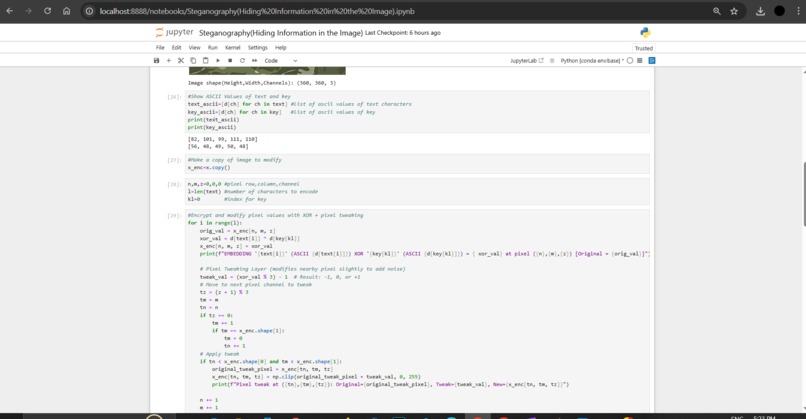
Show ASCII Values of text and key
-
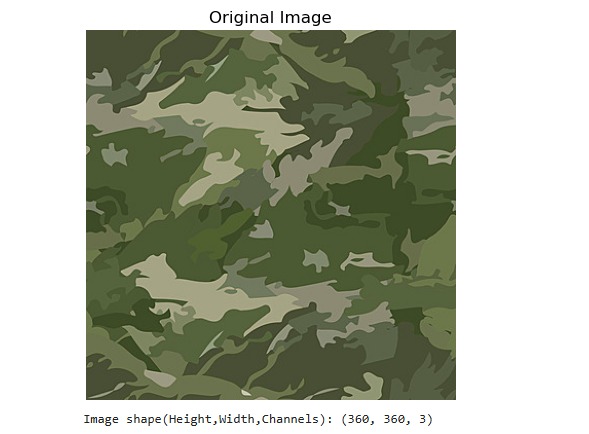
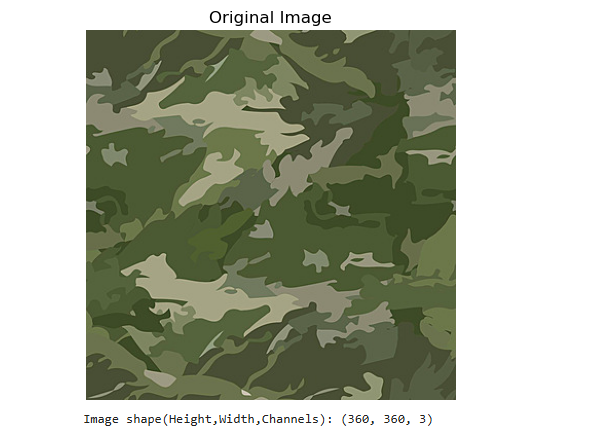
load image
-
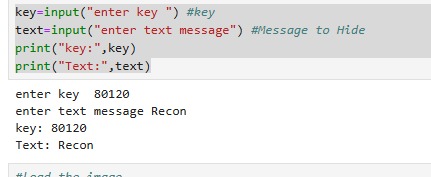
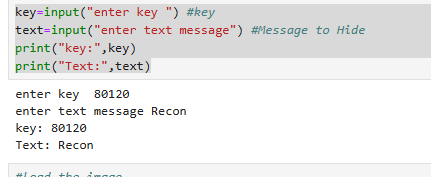
insert key and message
Inspiration:
With the increasing risks of cyber surveillance and data interception, merely encrypting a message isn't always enough. While encryption protects content, it doesn't hide the existence of the message—which can itself raise suspicion. This led me to explore steganography: the art of hiding information in plain sight. My goal was to develop a hybrid system that combines the strengths of encryption and data hiding, offering a deeper layer of privacy.
How I Built It:
The project was developed using Python 3.7+, with support from the following libraries: OpenCV ** – for image processing and I/O **NumPy – for efficient array and pixel-level manipulation Matplotlib – to visualize image changes Built-in string and os libraries – for ASCII operations and file handling
Core Steps:
Preprocessing: User inputs a secret message and a key. Encryption: Text is encrypted using a repeating-key XOR cipher. Binary Conversion: The encrypted text is converted to binary form. LSB Embedding: Binary data is embedded into the image’s Least Significant Bits (LSB). Pixel Tweaking: Slight modifications like ±1 are applied to nearby pixels to resist detection by steganalysis tools. *Decoding Process: * On extraction, the process is reversed using the correct key to recover the original message.
What I Learned
Throughout this project, I gained hands-on experience in: Implementing a hybrid cryptographic-steganographic pipeline Understanding and applying XOR logic for lightweight encryption Working with raw pixel data and manipulating image matrices Dealing with real-world trade-offs between security and image fidelity Ensuring lossless extraction of the hidden message, even after image processing
I also deepened my understanding of how subtle changes in pixel data can be leveraged for covert communication.
Challenges Faced
Image Distortion: When tweaking pixel values, preserving image quality was a challenge. I had to develop a method to apply noise in a way that was invisible to the human eye, yet effective at adding obfuscation. Bit Overflow & Image Size Limits: Managing message size relative to image capacity required checking bounds to avoid corruption. Security Balance: XOR is lightweight but not very secure if misused. Balancing performance and protection required careful key handling.
Future Improvements
-Replace XOR with AES encryption for stronger security. -Add support for compression-resilient formats (e.g., JPEG with embedded markers). -Build a GUI for easier user interaction. -Extend the project to support audio and video steganography. -Implement AI-based pixel placement optimization to improve stealth.

Log in or sign up for Devpost to join the conversation.