-
-
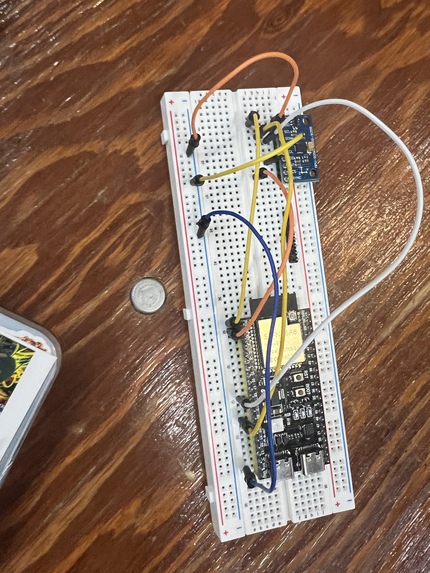
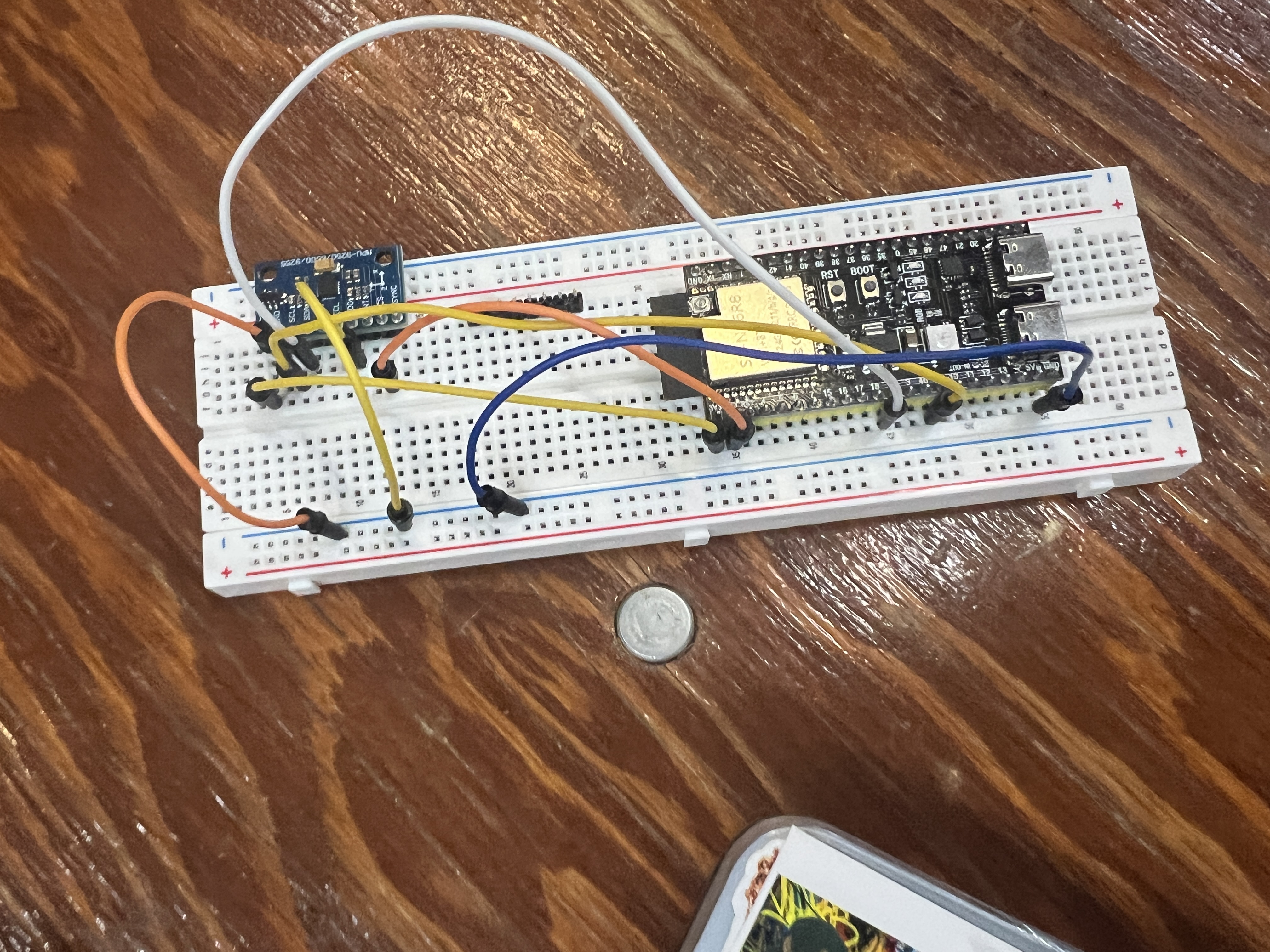
MPU 9250 Sensor - for movement tracking
-
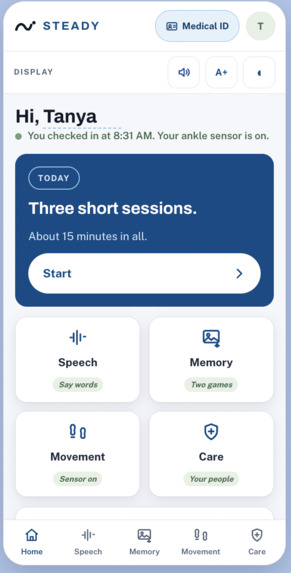
Steady App Interface
-
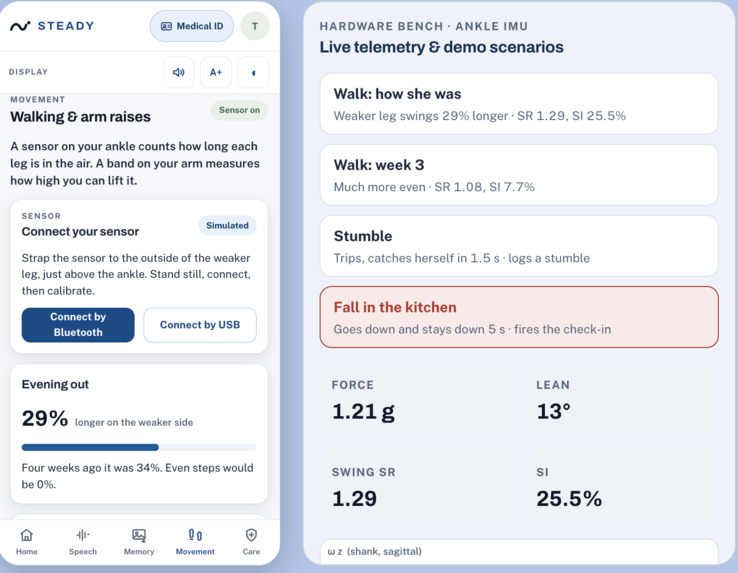
Steady App Interface
Inspiration
1 in 4 adults will have a stroke in their lifetime. Recovery shouldn’t happen alone.
We often think of surviving a stroke as the finish line. For survivors and their families, it is the beginning of a different challenge: finding words again, remembering familiar faces, trusting their balance, and coordinating care after leaving the hospital.
We wanted to build for the moments between appointments, when recovery becomes a patient’s everyday responsibility.
Meet Tanya, our fictional demonstration patient: 34 years old, 11 weeks after a stroke. Her speech therapist sees her words, her physiotherapist sees her walking, and her family sees how she feels. But nobody sees the whole picture.
Steady brings those pieces, and those people, together.
What it does
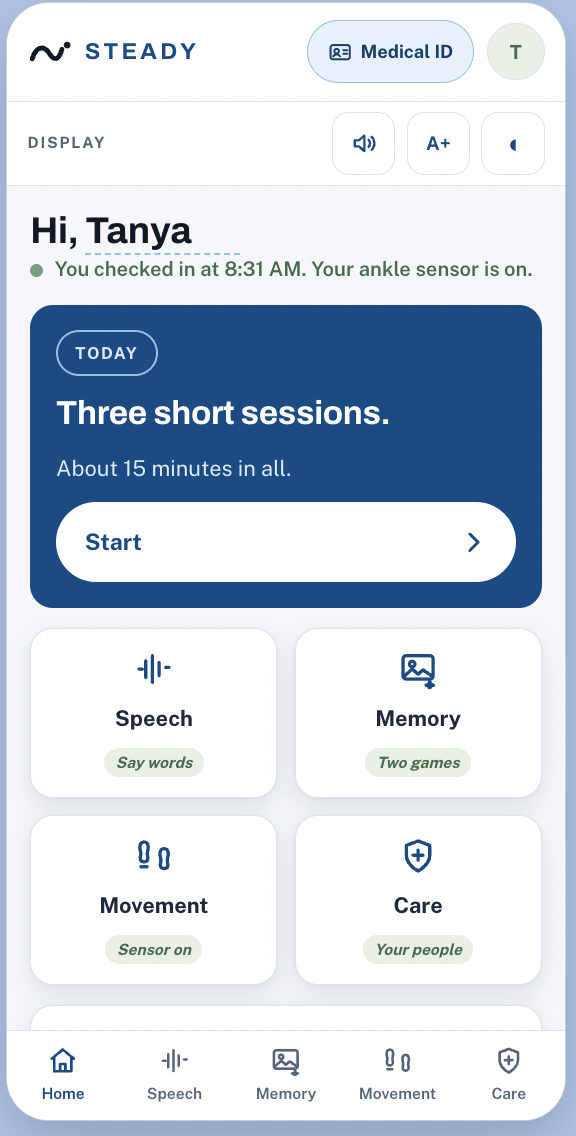
Steady combines a wearable motion sensor, a phone-first recovery app, and AI-assisted communication across four connected modules:
Speech: finding your words Patients see a picture, hear the word if needed, and say it aloud. ElevenLabs Scribe transcribes the attempt, and Steady gives clear feedback: Correct or Not quite, alongside what it heard. A calm voice coach makes practice feel less intimidating.
Memory: remembering your people Instead of unfamiliar faces in a generic brain game, patients practise recognising their own family photos and recalling everyday words. A name they struggle with can become a speech-practice card, connecting memory and language.
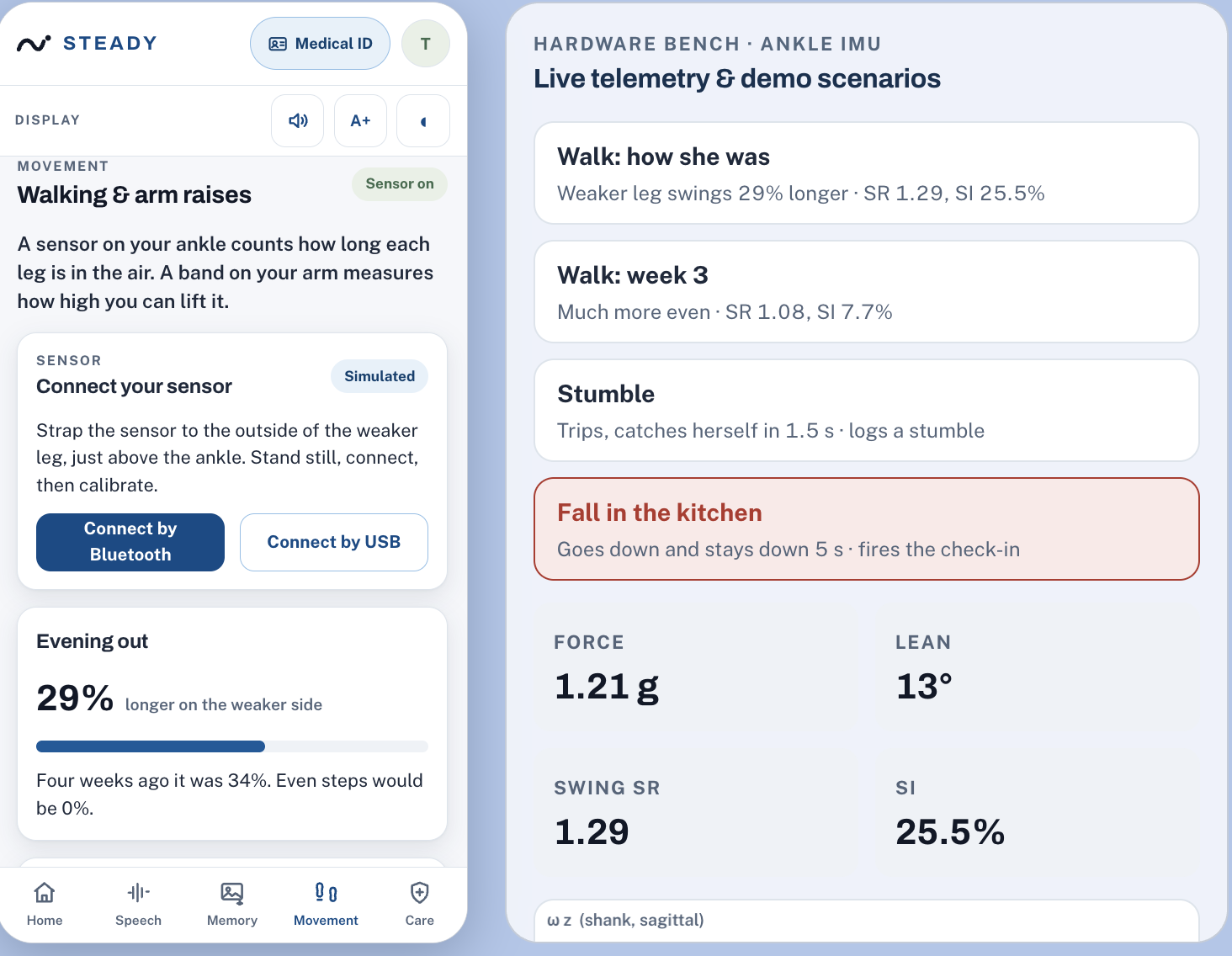
Movement: making each step visible An ESP32-S3 and MPU-6050 wearable IMU streams motion data over Bluetooth. Steady tracks steps, cadence, leg swing and stride-time variation, with left/right comparison when two sensors are connected. An arm-raise mode tracks repetitions and target angles.
A possible-fall check-in asks “Are you OK?” and gives the patient time to cancel an escalation. This is a prototype safety feature, not a certified emergency-response system.
How we built it
Care: “Your people” Patients can prepare a PDF summary and raw CSV measurements for their care team. Claude Haiku 4.5 turns the report’s measurements into two drafts: concise factual bullets for clinicians and a plain-language update for family.
Not another chatbot: a wearable IMU feeds real-world movement into a care-team report, with AI helping people understand and share it.
Hardware: Arduino firmware on an ESP32-S3 reads a six-axis MPU-6050 IMU and sends stride, arm-raise and possible-fall events through a Bluetooth Low Energy UART service. App: HTML, CSS and JavaScript power the phone interface, with Web Bluetooth and Web Serial connecting compatible devices. Live relay: Mana and Firebase Realtime Database relay the connected station’s sensor stream to other phones, including iPhones that cannot directly use Web Bluetooth. Speech: ElevenLabs provides speech-to-text and the voice coach. Claude: the Anthropic Messages API receives structured report measurements and drafts clinician and family summaries. Reports: jsPDF generates the PDF, while CSV preserves the underlying measurements. The phone’s share sheet lets the user choose where to send them.
Challenges we faced
Making hardware work across phones. Bluetooth support differs between browsers. We built a relay so a compatible laptop or Android device can connect the sensor while other phones display its stream.
Separating speech recognition from speech correctness. Microphone volume cannot tell us whether someone said the right word. We changed the flow to transcribe first, then compare the recognized words, and show the transcript so mistakes are visible.
Making AI useful without treating it as a clinician. We limited Claude’s role to drafting communication from supplied measurements, rather than diagnosing or recommending treatment.
Connecting four modules without overwhelming the patient. We focused on short tasks, familiar photos, readable controls and clear feedback rather than another complicated health dashboard. AI outages: a 14-second timeout falls back to template text so report generation can continue. Misheard speech: Steady displays what it recognized and allows another attempt. Silence is not treated as a wrong answer. This is word-practice feedback, not a clinical pronunciation assessment.
False or missed fall alerts: the check-in allows cancellation, but sensor position, disconnection and thresholds can affect detection. It must not replace a medical alert device.
Demo versus measured data: demonstration history is labelled separately from sensor measurements. Clinical decisions: summaries are drafts for review. A qualified clinician remains responsible for interpretation and treatment.
Accomplishments that we're proud of
We connected embedded hardware, live sensor visualization, speech practice, personalized memory activities and shareable reports in one prototype.
We also integrated Claude into a concrete workflow: the same measurements, explained differently for the people who need them.
What we learned
The most useful AI interaction is not always a conversation. Sometimes it is a clear summary that helps a family member understand, or helps a clinician begin a better conversation.
We also learned that accessibility includes tone and dignity. Feedback should be understandable and encouraging without pretending an unsuccessful attempt was correct.
What's next for Steady
Our next steps are real-device testing, feedback from stroke survivors and caregivers, and collaboration with physical and speech therapists.
We want to validate sensor placement and thresholds, improve speech recognition across different voices and impairments, and build appropriate privacy and access controls before using real patient information.
Steady is a hackathon prototype, not a medical device. Our ambition is simple: help recovery happen at home without making anyone do it alone.


Log in or sign up for Devpost to join the conversation.