-
-
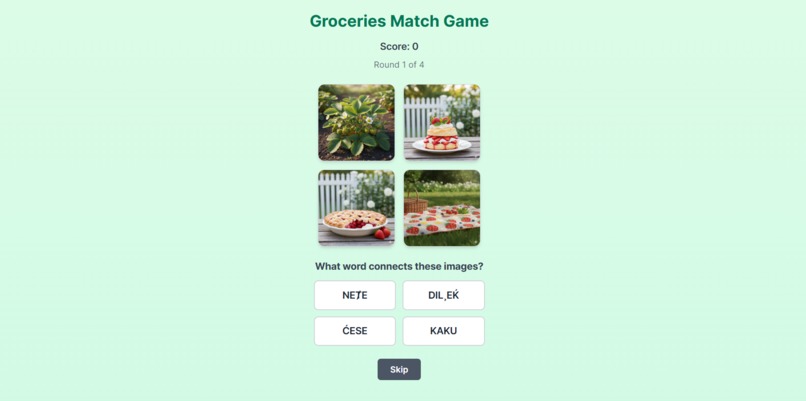
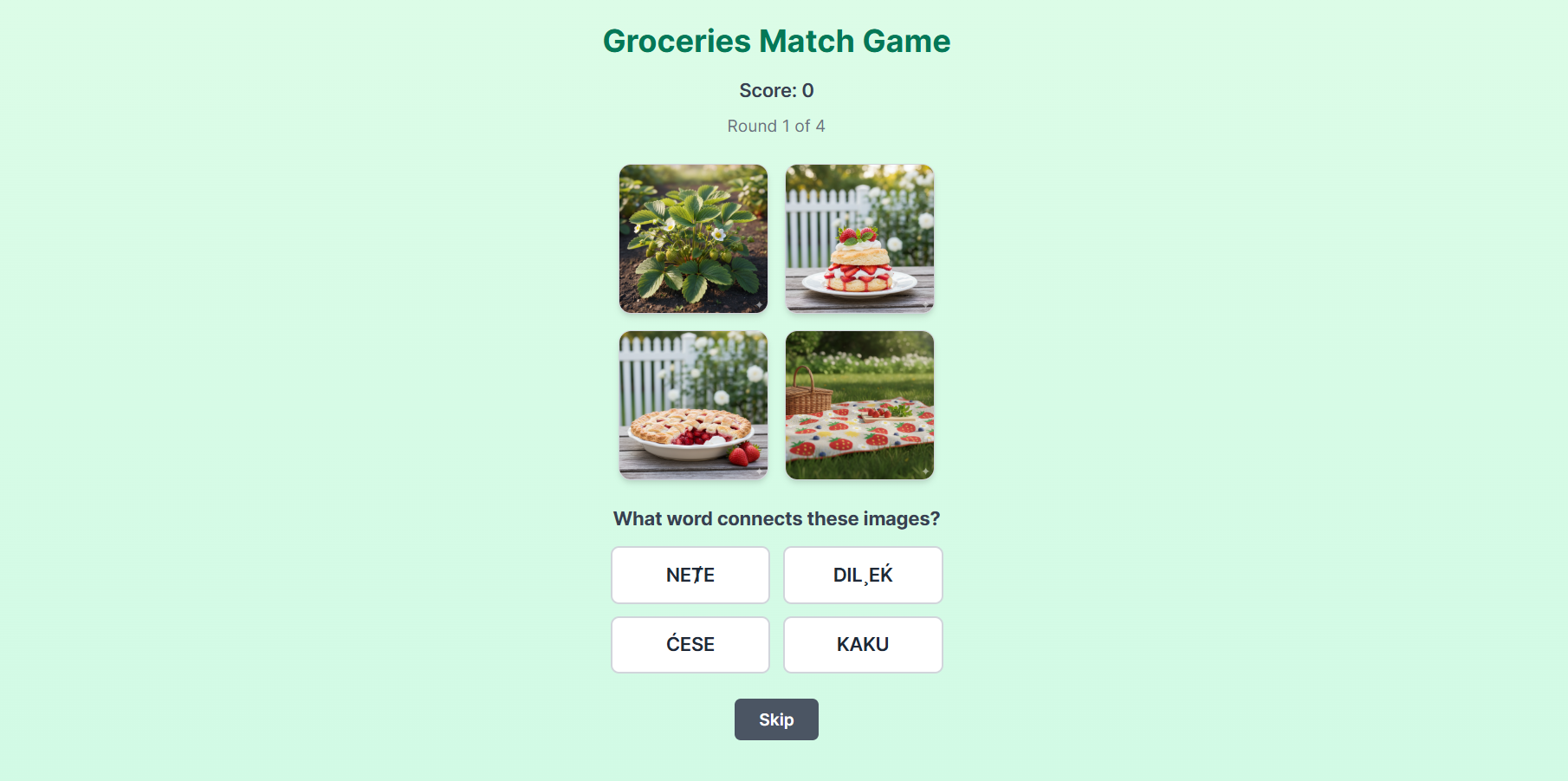
Grocery Match Game
-
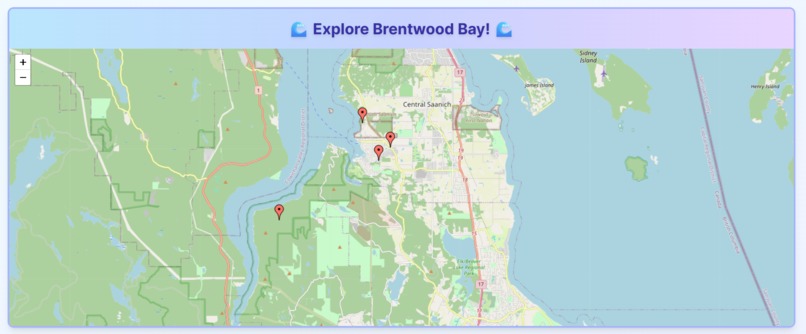
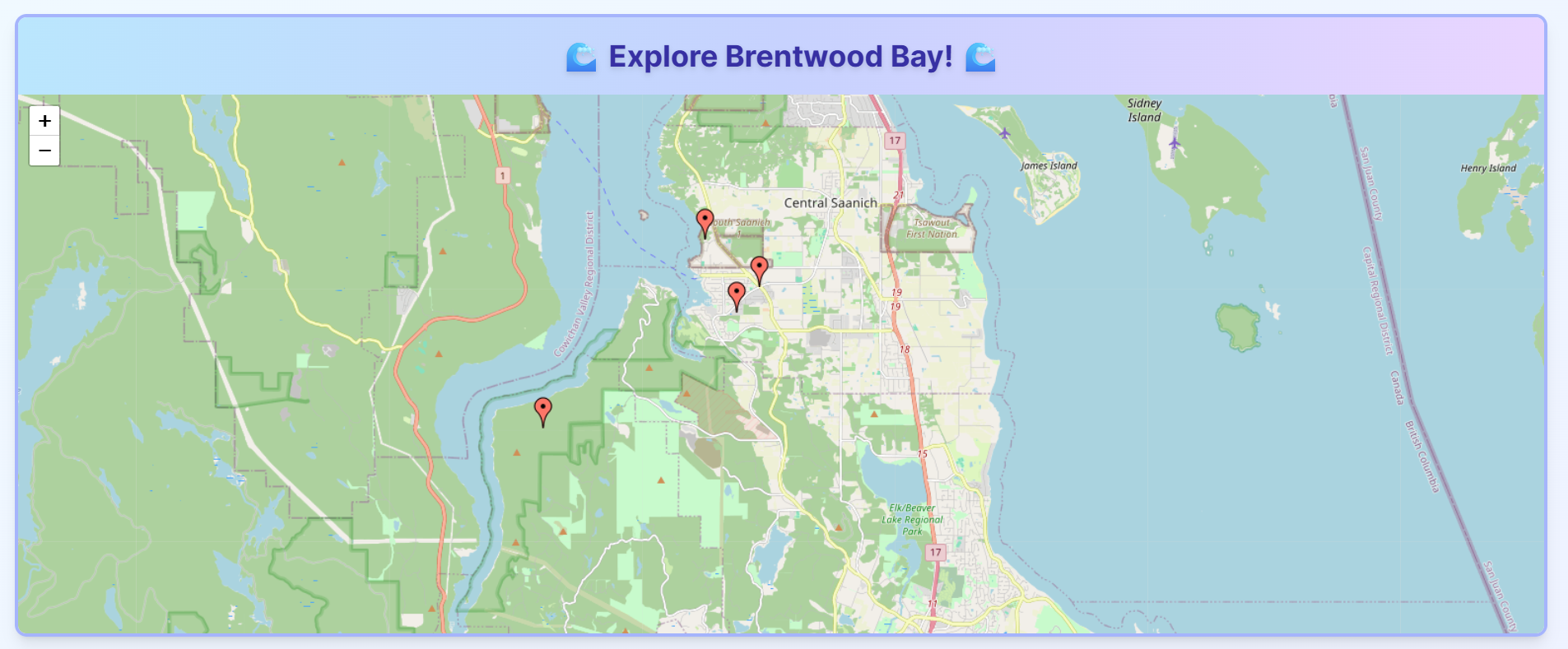
Main Map
-
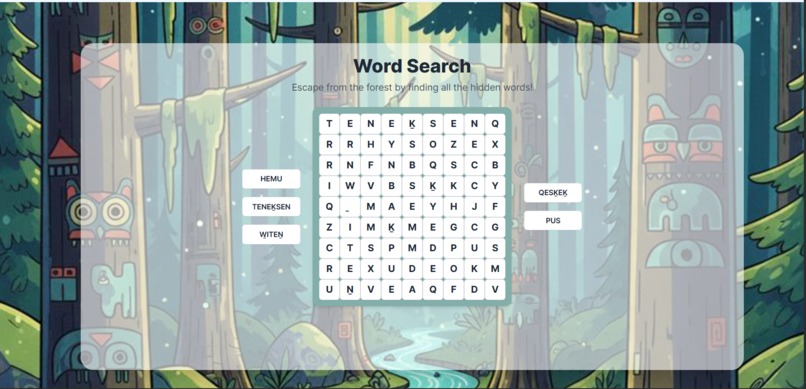
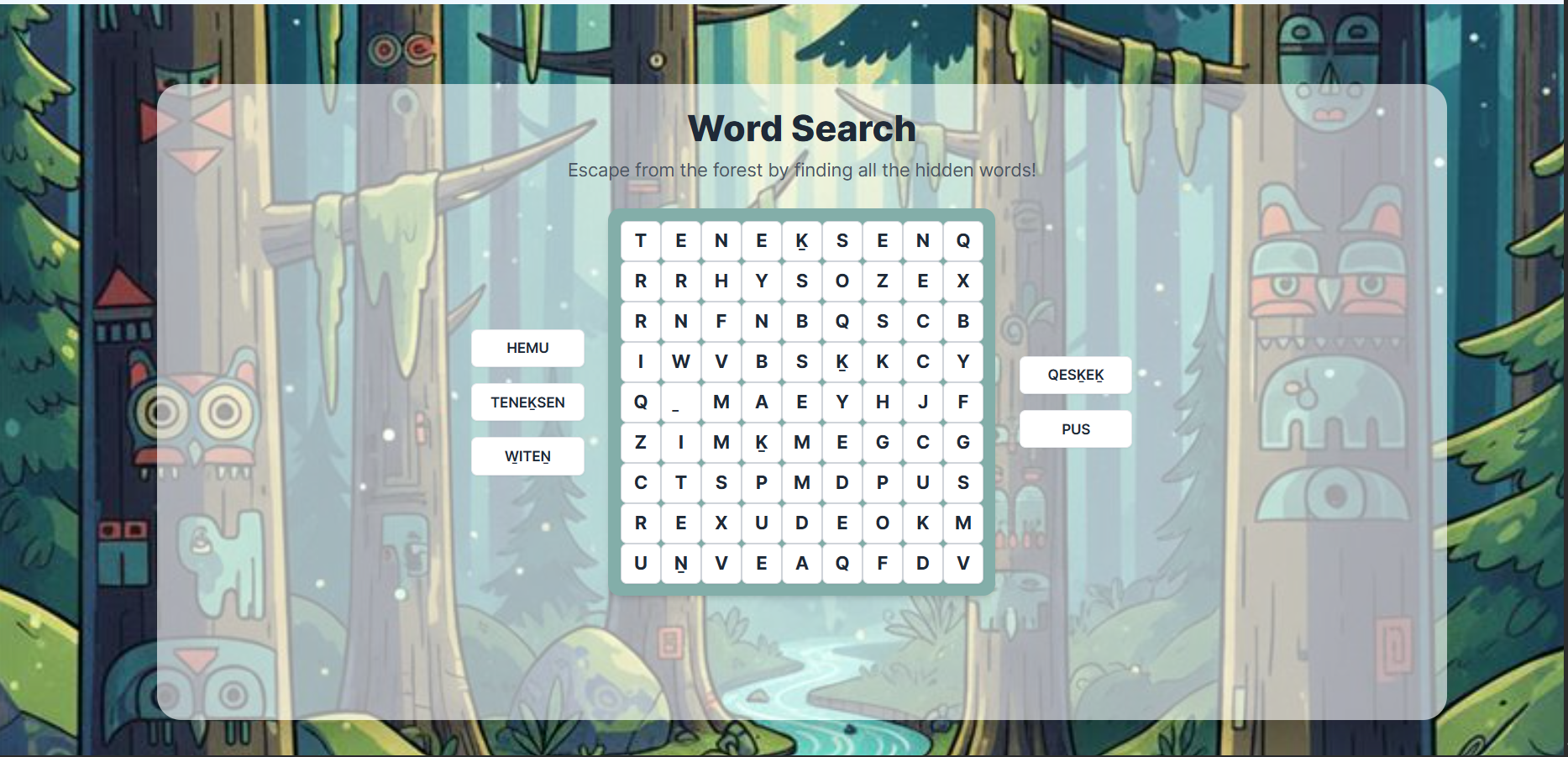
Word Search
-
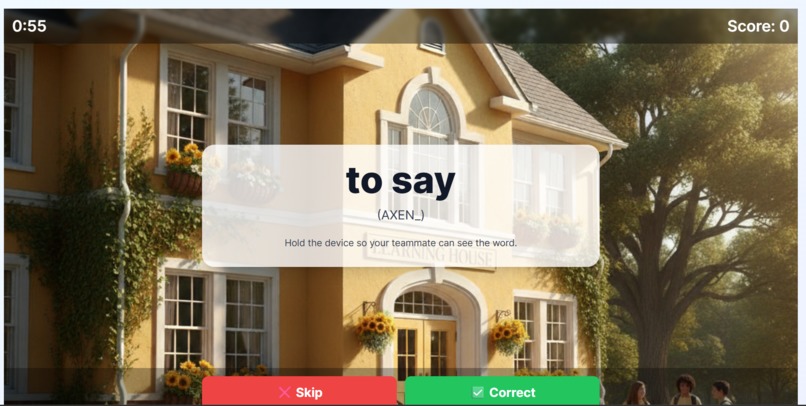
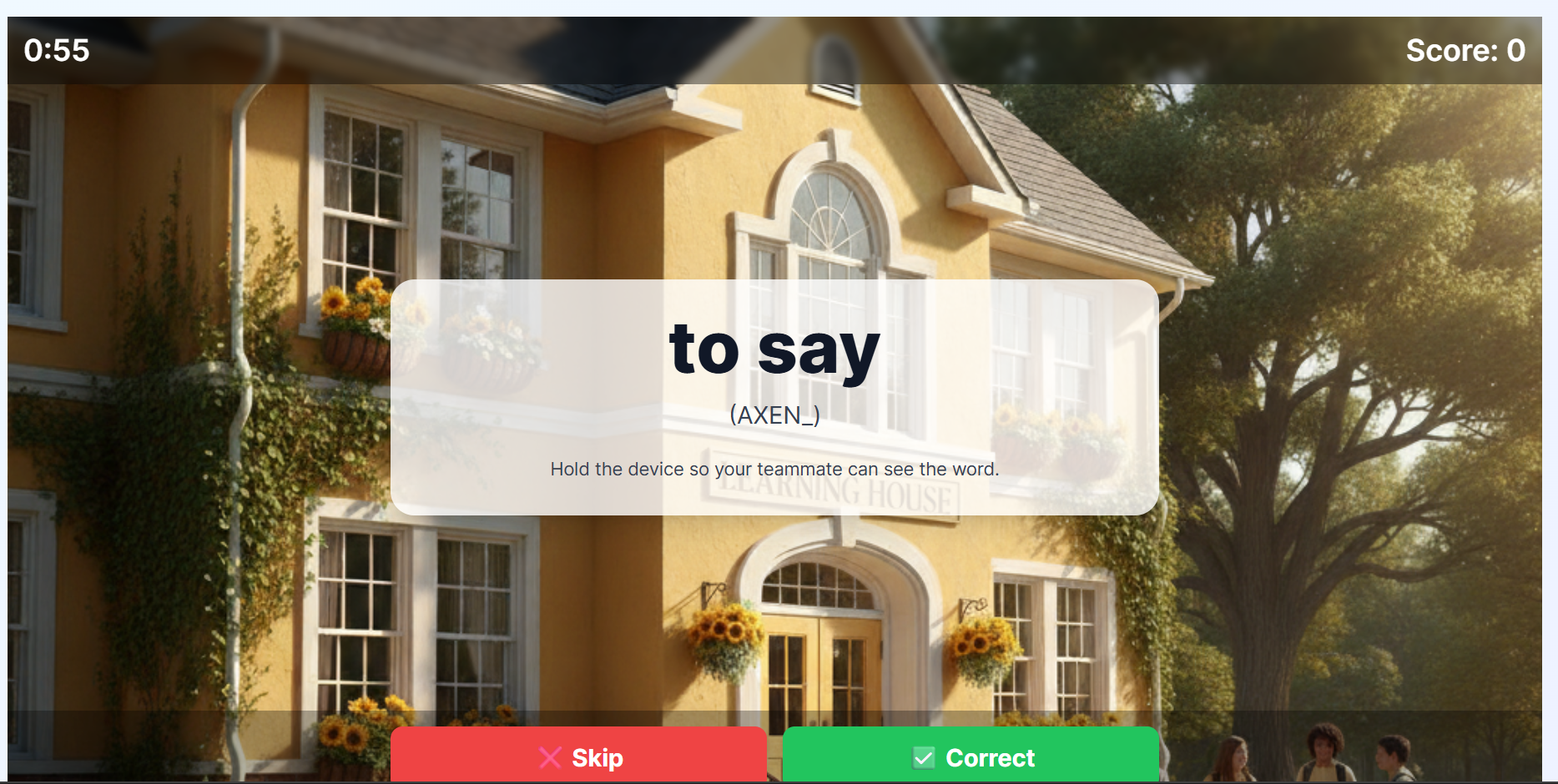
HeadsUp
-
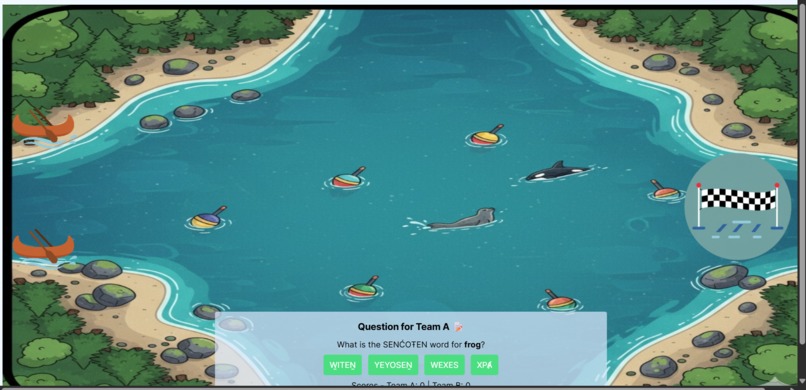
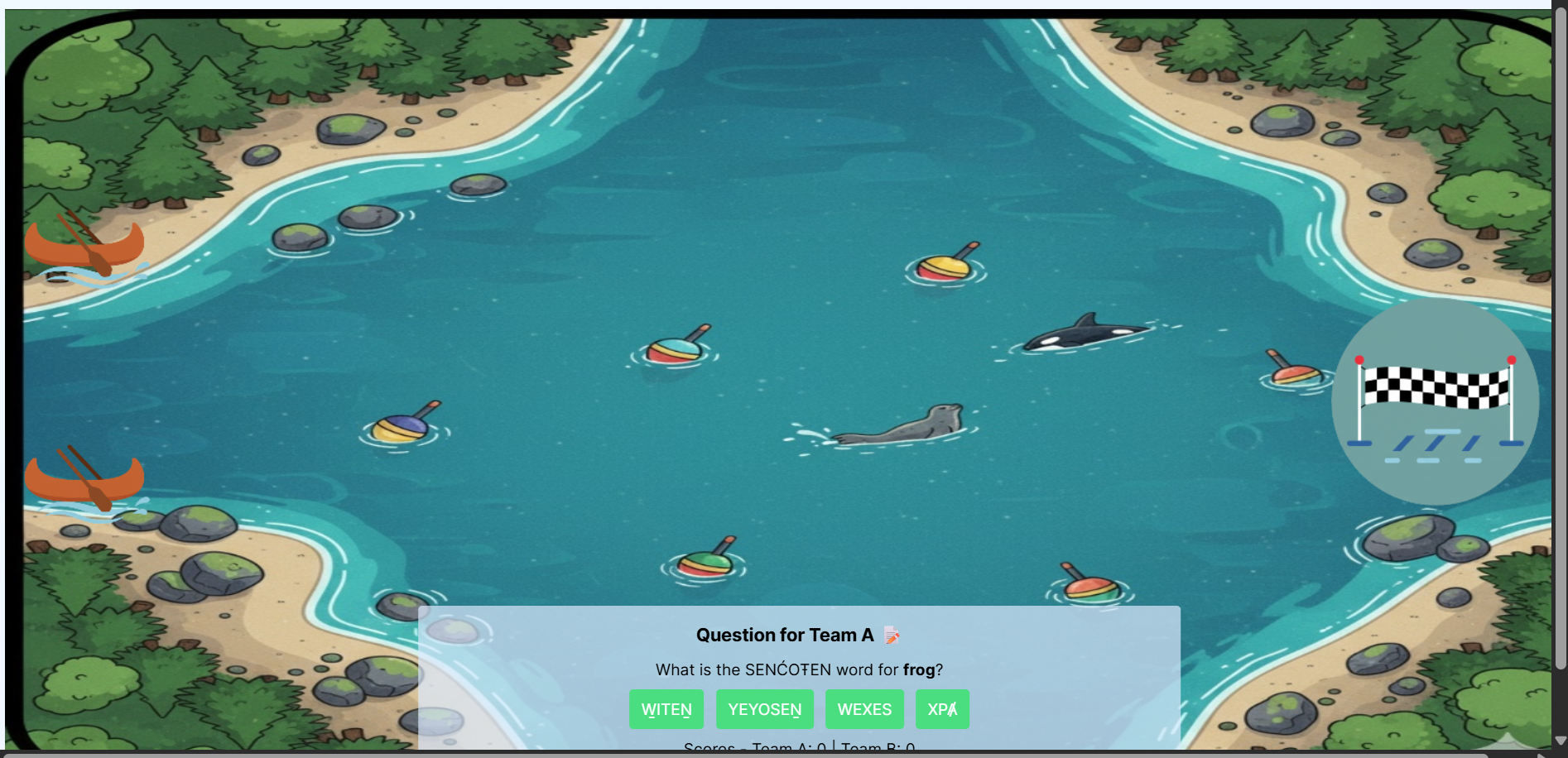
Canoe Game
🗺️ Adventure Map Game Hub
A web-based interactive map featuring multiple points of interest that guide players to mini-games. Each location has its own theme and corresponding challenge — blending fun, learning, and exploration into one connected experience.
💡 Inspiration
This project was inspired by the interest in creating interactive learning environments that merge education, exploration, and play. We wanted to design a system where players could discover knowledge by navigating a map, much like embarking on a digital adventure.
Each themed area — from the 🌊 Ocean to the 🌳 Forest — represents a different environment and learning domain. The concept also draws inspiration from gamified education, where knowledge unfolds through exploration rather than instruction.
🧠 What I Learned
Throughout the project, I deepened my understanding of both technical game development and frontend architecture.
Some of the key lessons include:
Integrating Phaser.js mini-games inside a React application using lifecycle hooks such as useEffect and useRef.
Managing state synchronisation between React and Phaser scenes for seamless transitions.
Building an interactive map using Leaflet and connecting it with modular game routes through React Router.
Structuring a multi-page web app for performance and scalability.
Implementing UI design principles with Tailwind CSS for responsiveness and clarity.
Handling data requests via a Node.js + Express backend to fetch dynamic content like word lists and game data.
From a design perspective, I also learned how subtle visual feedback and interactivity enhance player engagement — making educational games more immersive.
🎮 Features
Interactive Map: Clickable points of interest guide players to different games.
Multiple Themes: 🌊 Ocean 🌳 Forest 🏫 School 🛒 Grocery Store
Mini-Games: Each theme hosts its own unique challenge built with Phaser.js.
Dynamic Navigation: Players return to the map after completing a game to explore new areas.
🗺️ Map Navigation Flow
Users begin on the central map interface.
Clicking a location provides context and a brief story.
The player is redirected to the corresponding mini-game page.
Upon completion, they can return to the map and continue exploring.
⚡ Technology Stack Layer Tools Frontend React, Tailwind CSS, Phaser.js Backend Node.js + Express Routing React Router Data Handling REST API for game word lists
⚙️ Challenges Faced
React–Phaser Integration: Phaser manages its own render loop, so ensuring state consistency with React required careful handling of lifecycle methods and cleanup.
Routing Transitions: Smoothly returning to the map without reloading the page involved maintaining shared game state across routes.
User Experience Design: Balancing simplicity with interactivity — ensuring players feel guided but still free to explore.
Backend Data Fetching: Creating a flexible data API for each mini-game theme while keeping it scalable for future additions.
✨ Reflection
Building the Adventure Map Game Hub taught us how to combine frontend engineering, game development, and educational design into a cohesive experience. It strengthened our problem-solving mindset and deepened our understanding of real-time game architecture in the web ecosystem.
Most importantly, this project reaffirmed our beliefs that learning through play can bridge creativity, culture, and technology — inspiring curiosity while making education more engaging.
🌟 Future Improvements
Add more themed environments and stories.
Introduce scoreboards and player achievements.
Implement a progression system, allowing users to unlock new games.
Enhance accessibility with multilingual options and audio cues.

Log in or sign up for Devpost to join the conversation.