-
-

Logo
-
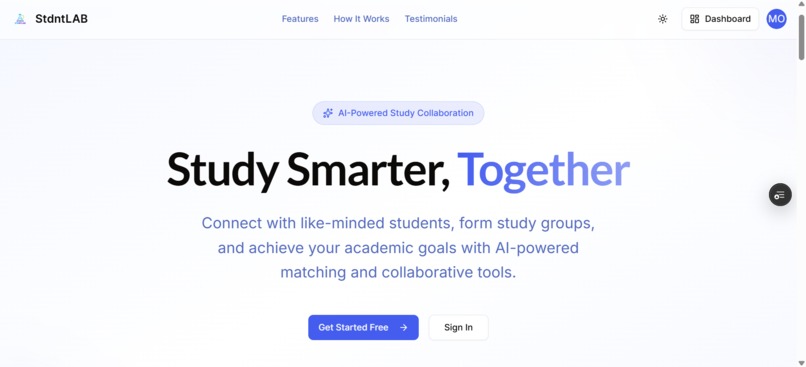
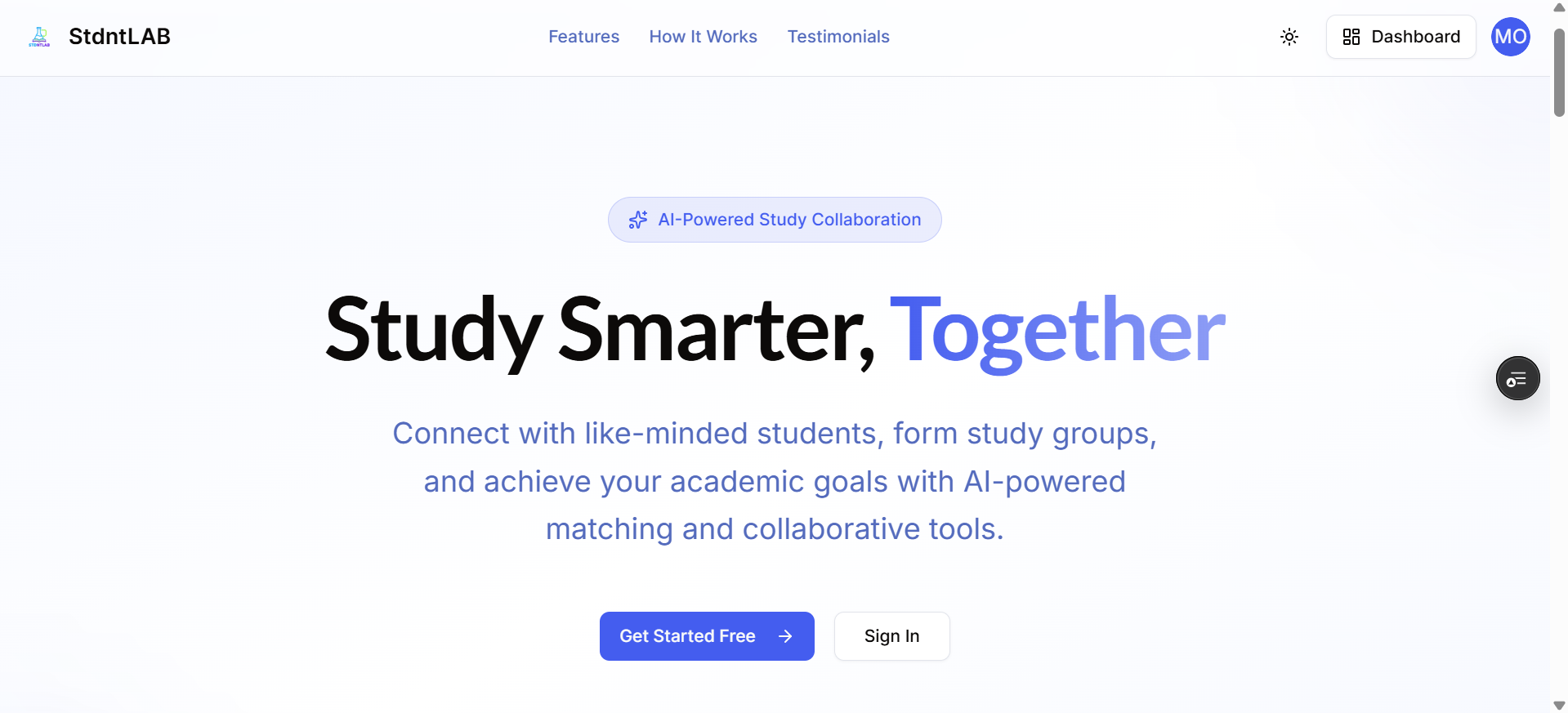
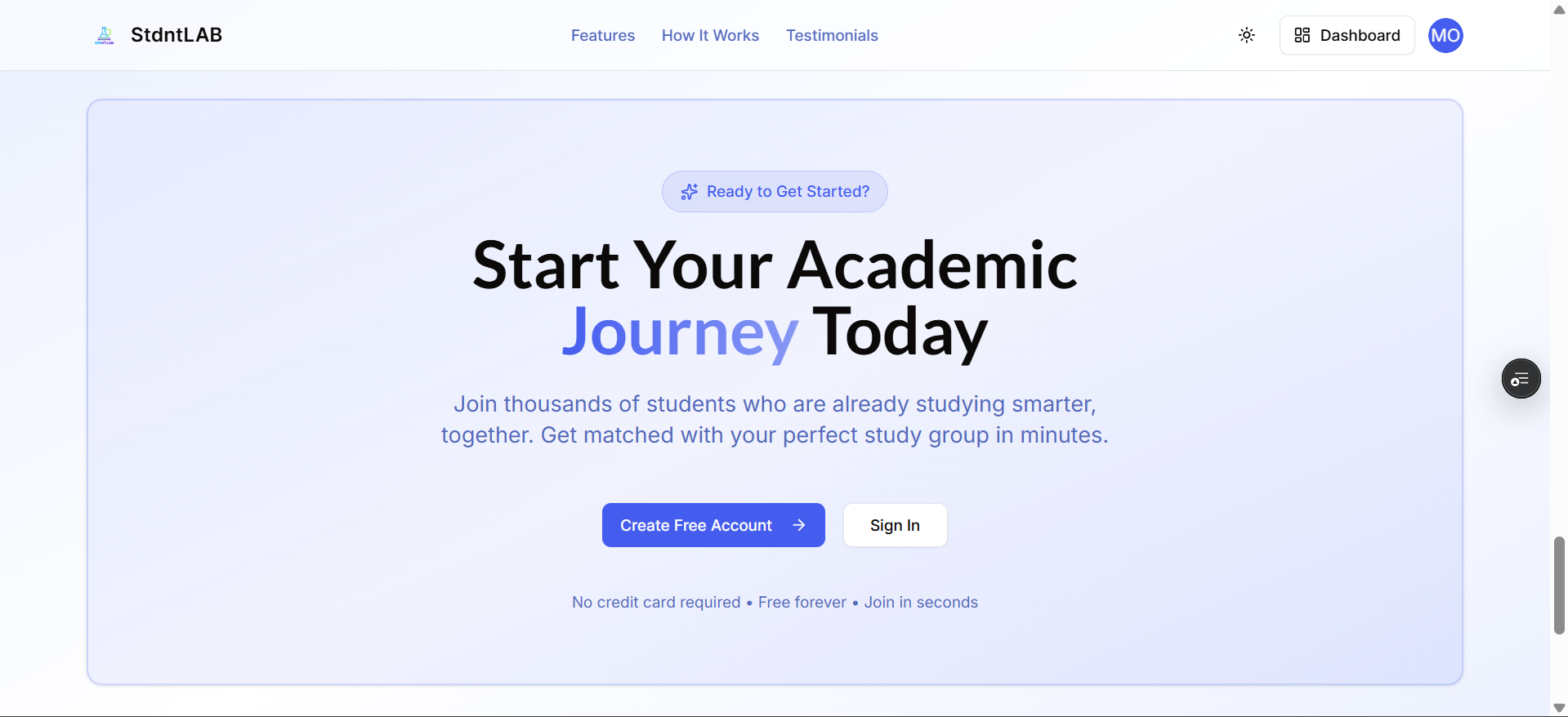
Landing Page Hero Section
-
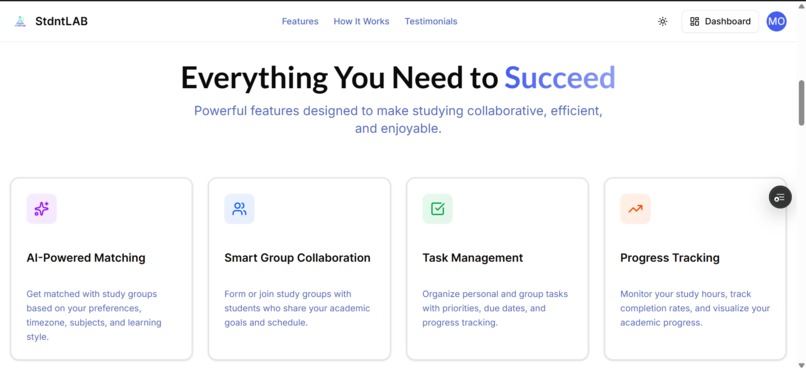
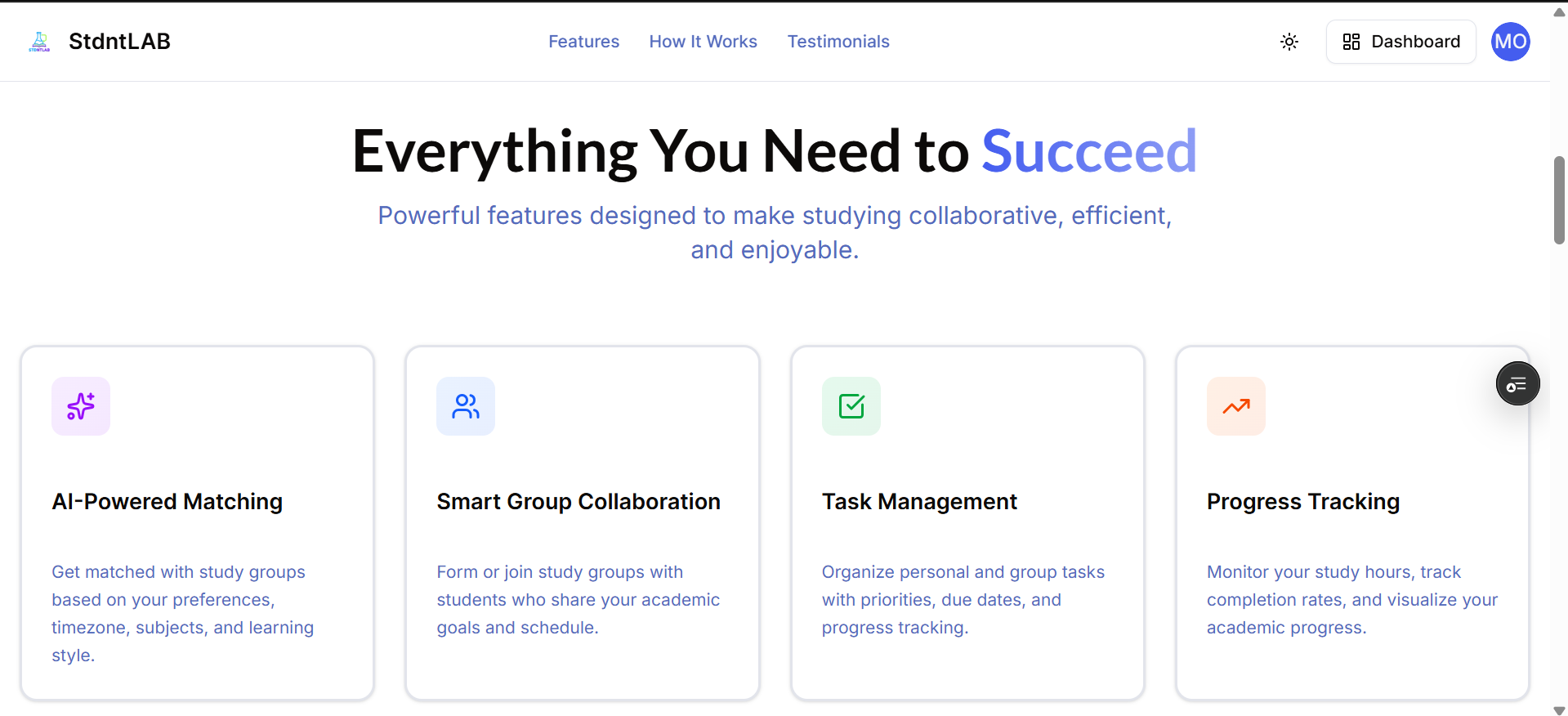
Landing Page Feature Section
-
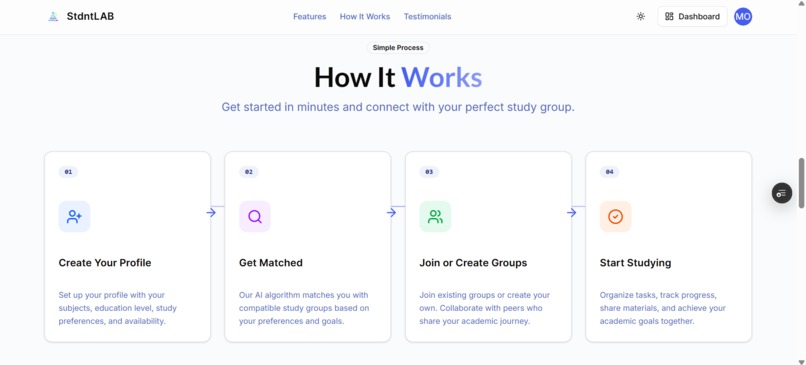
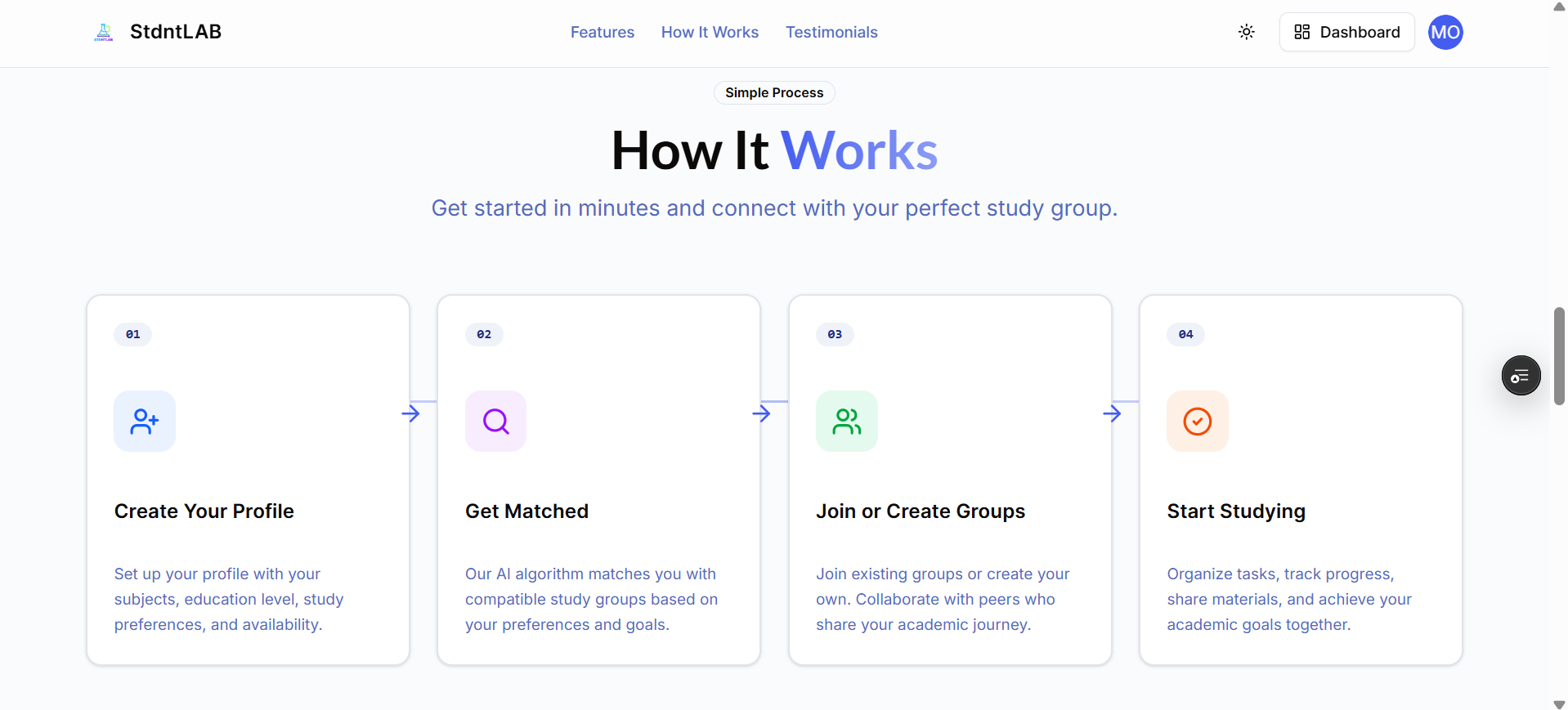
Landing Page How it Works
-
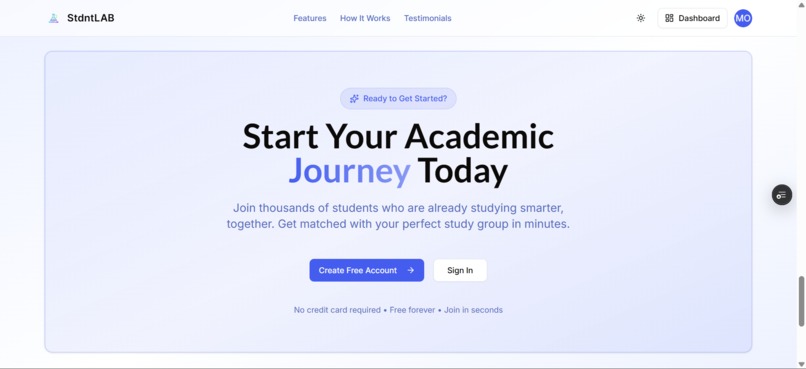
CTA
-
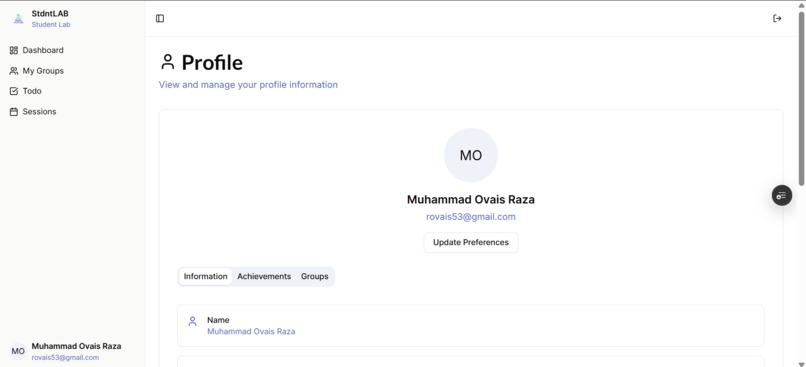
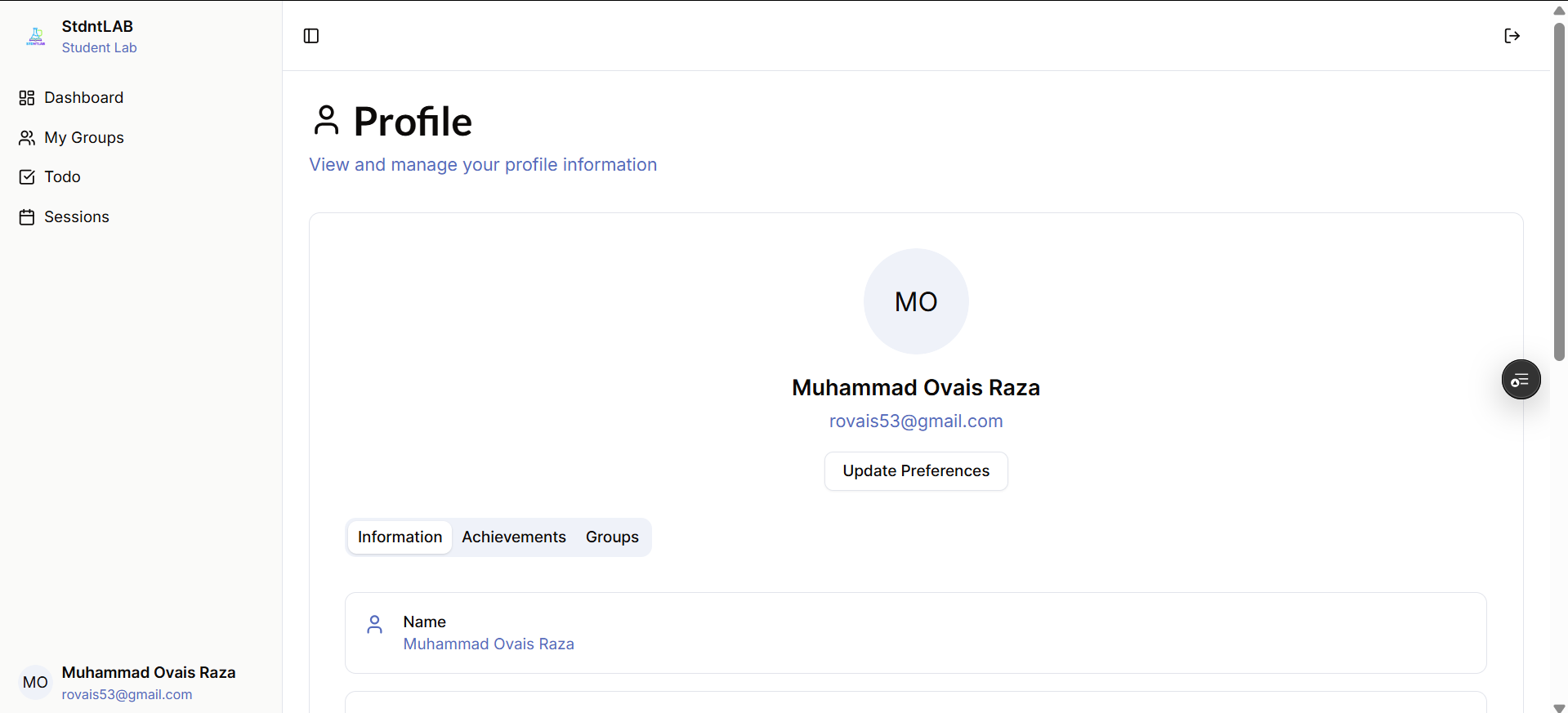
User Profile Page
-
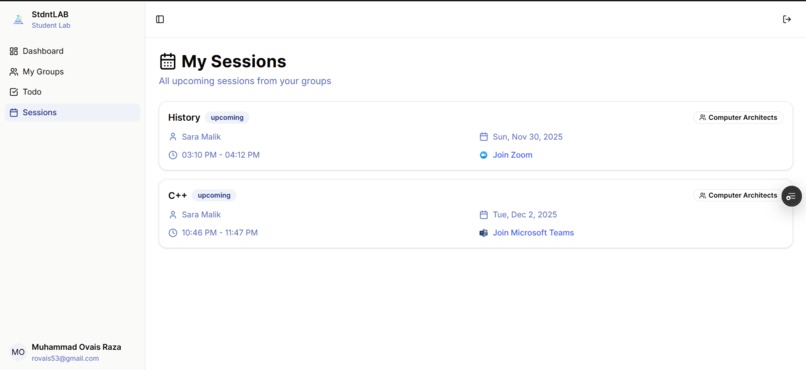
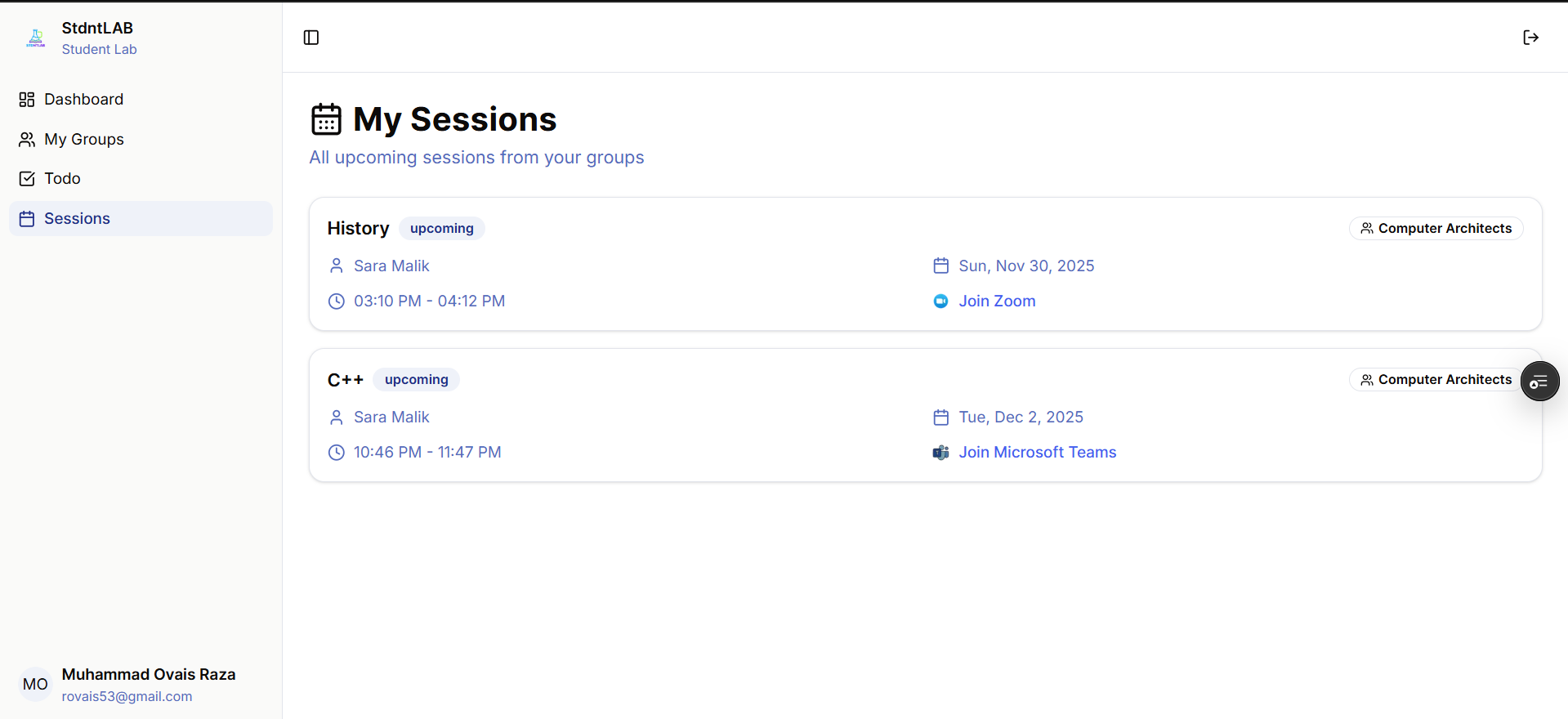
My Sessions
-
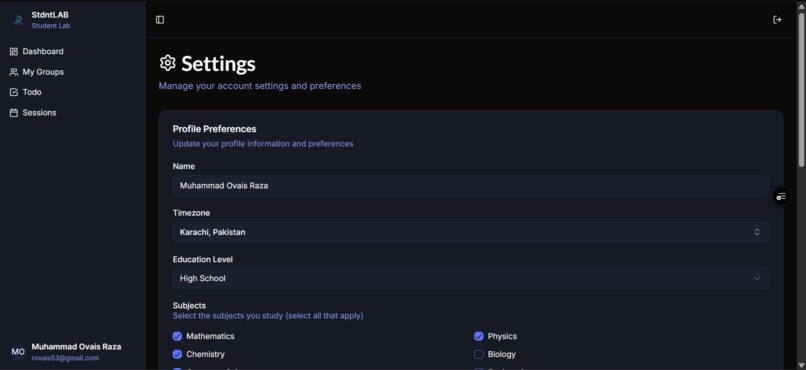
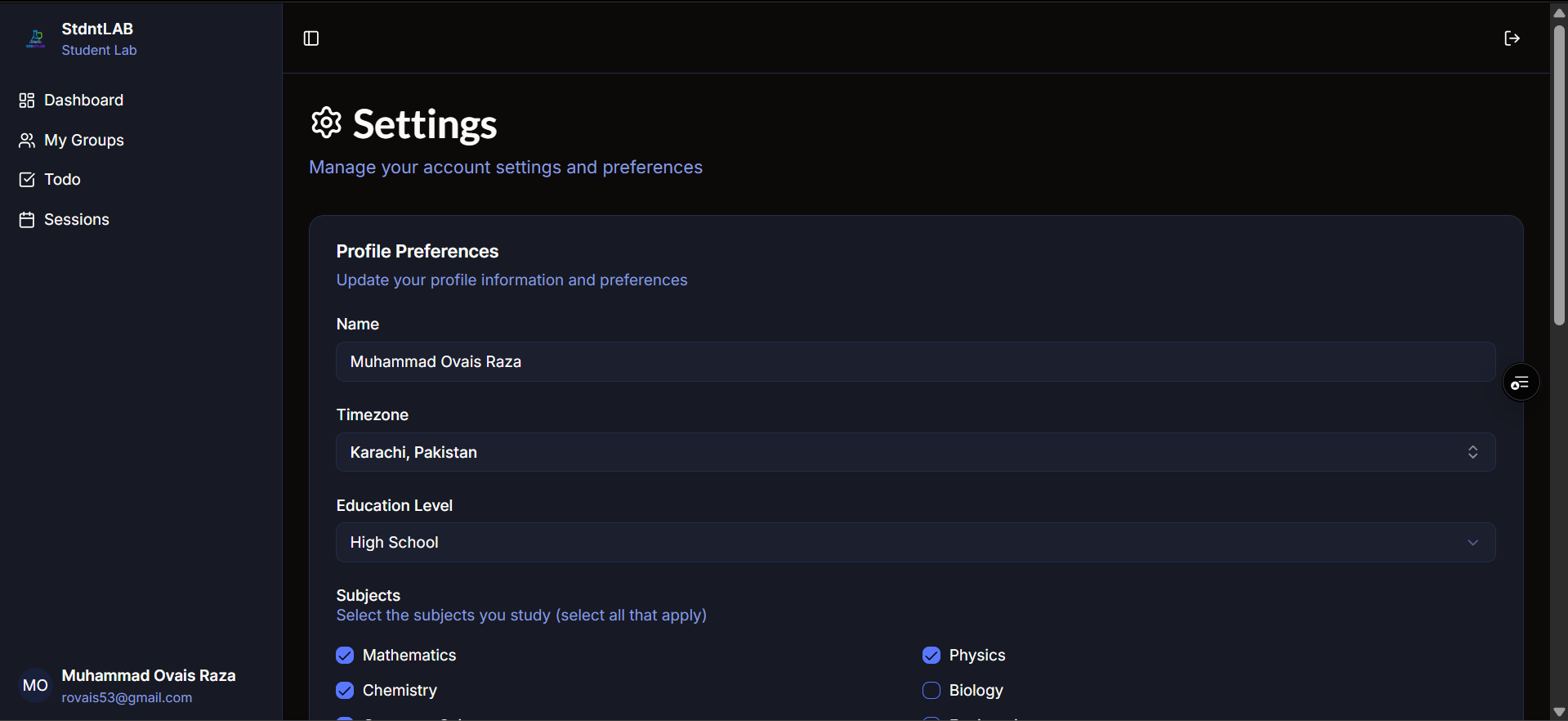
Settings Page
-
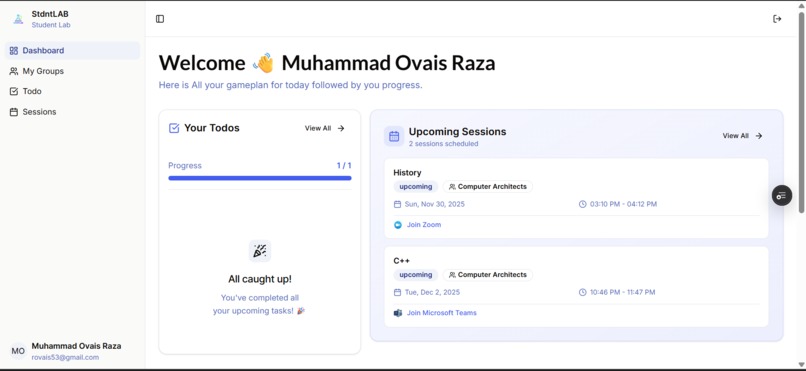
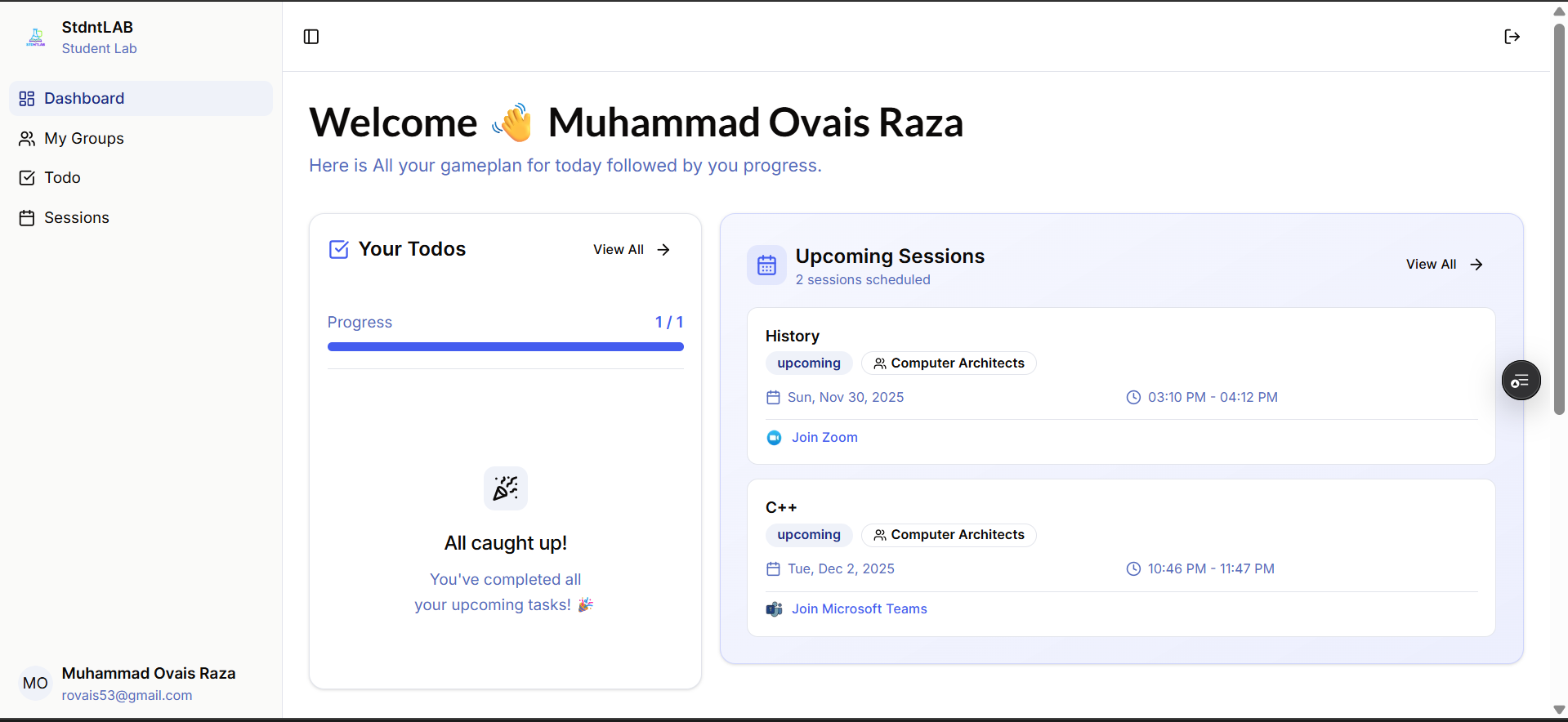
Personal Dashboard
-
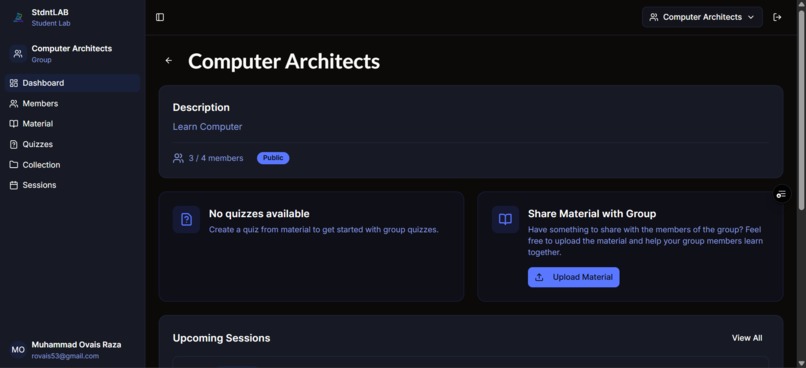
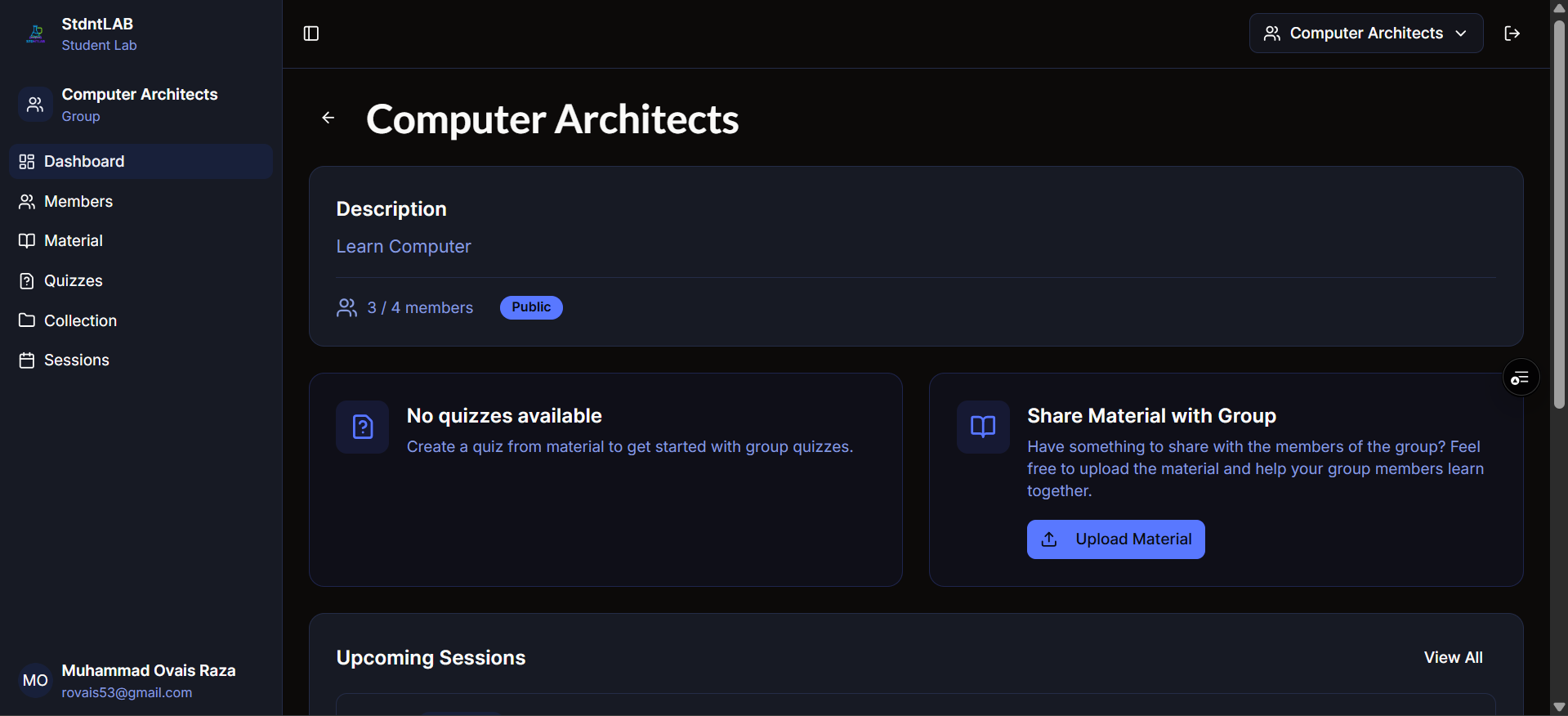
Group Dashboard in Dark Mode
-
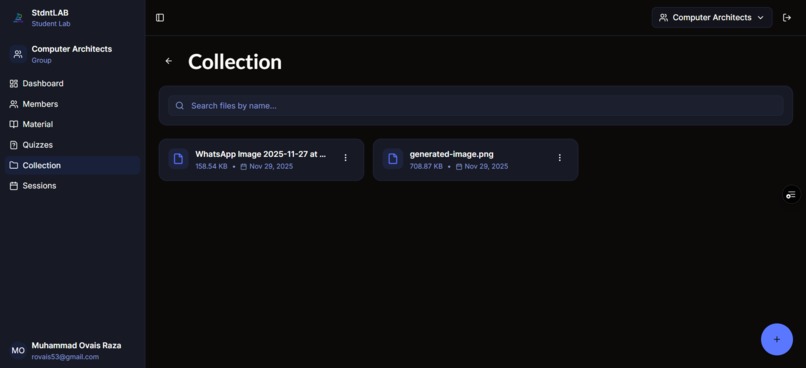
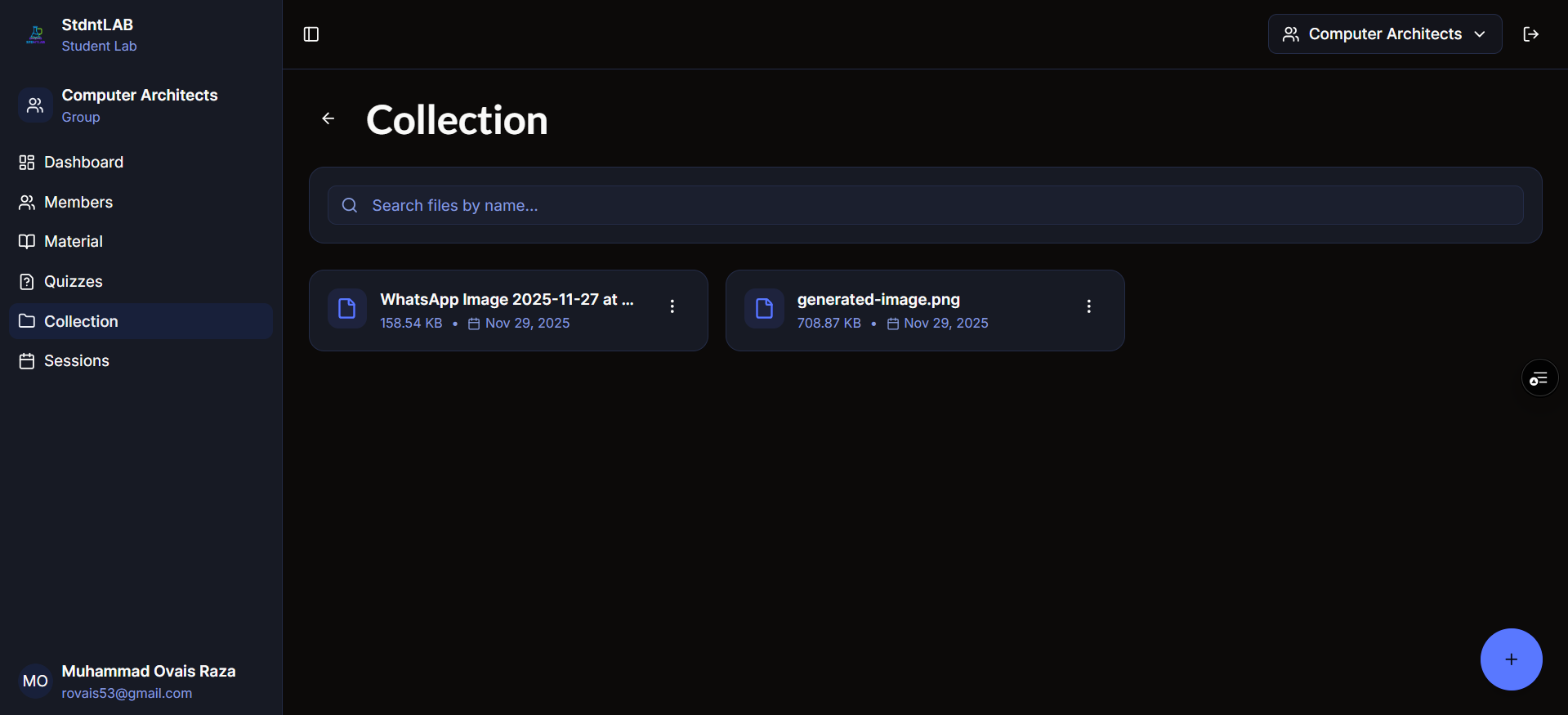
File Storage Page
-
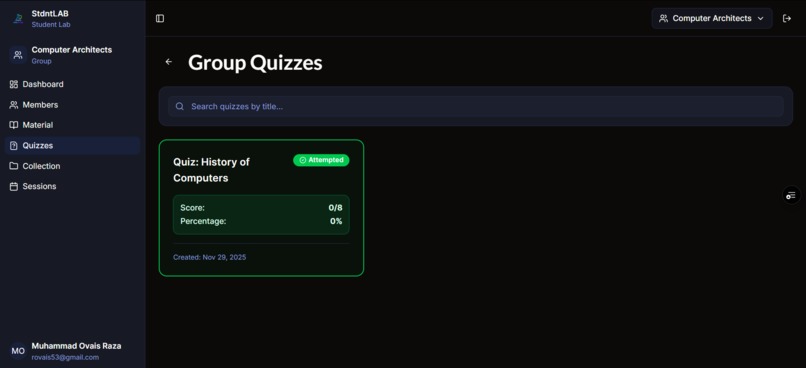
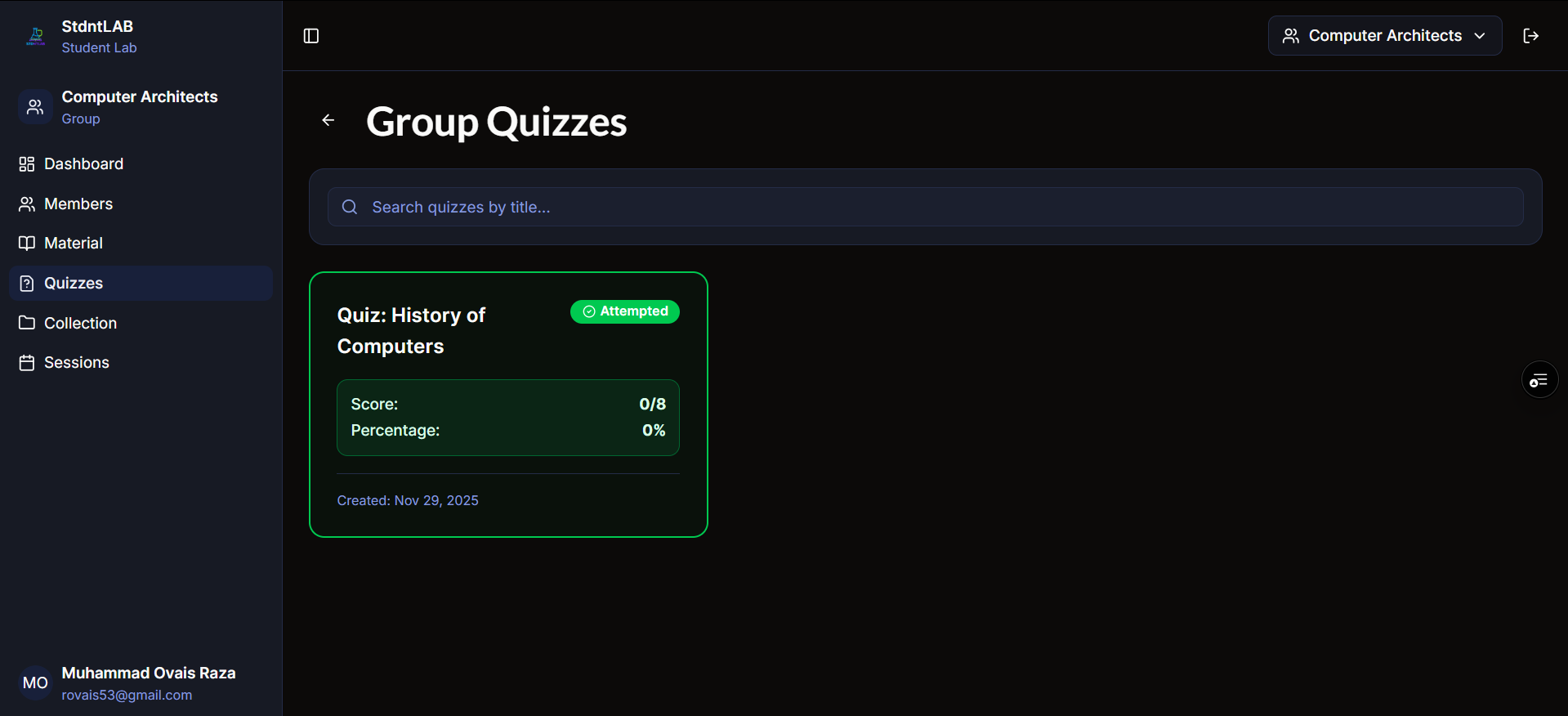
Quiz Page
-
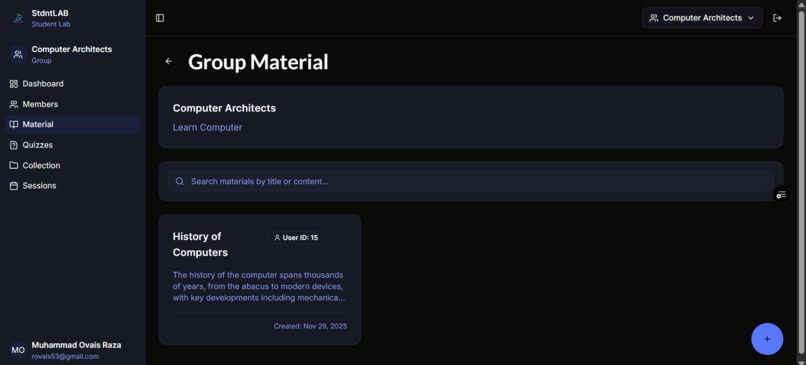
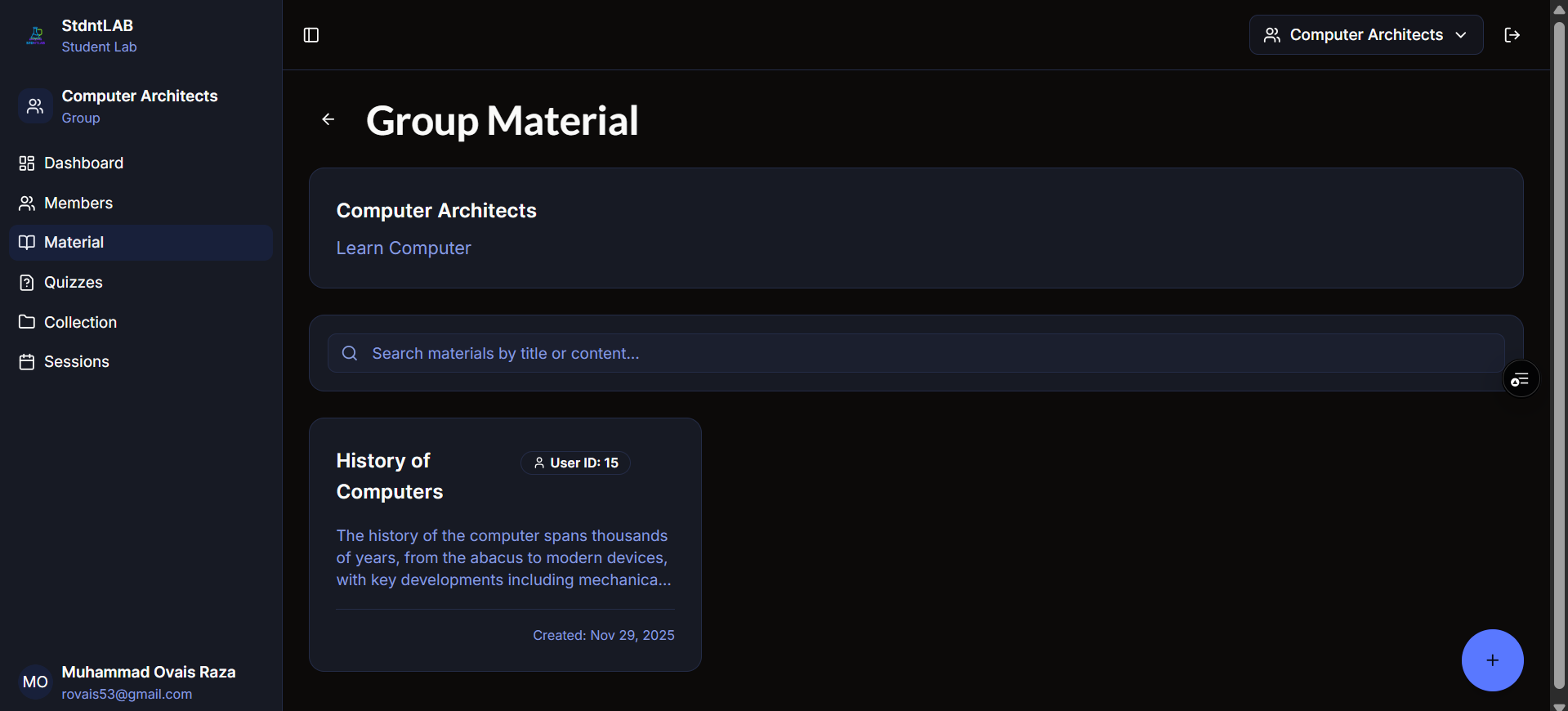
Material Page
-
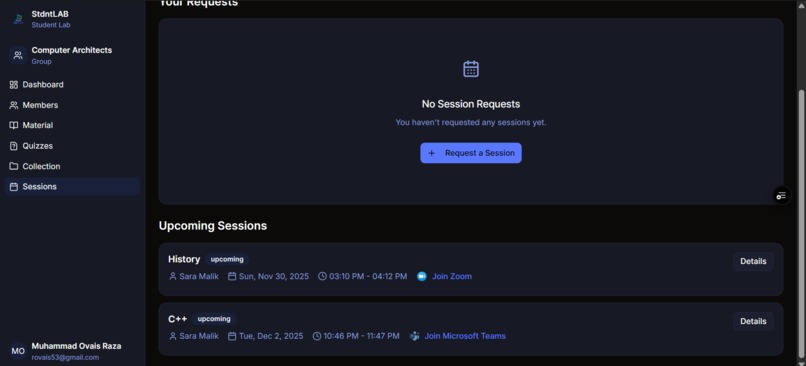
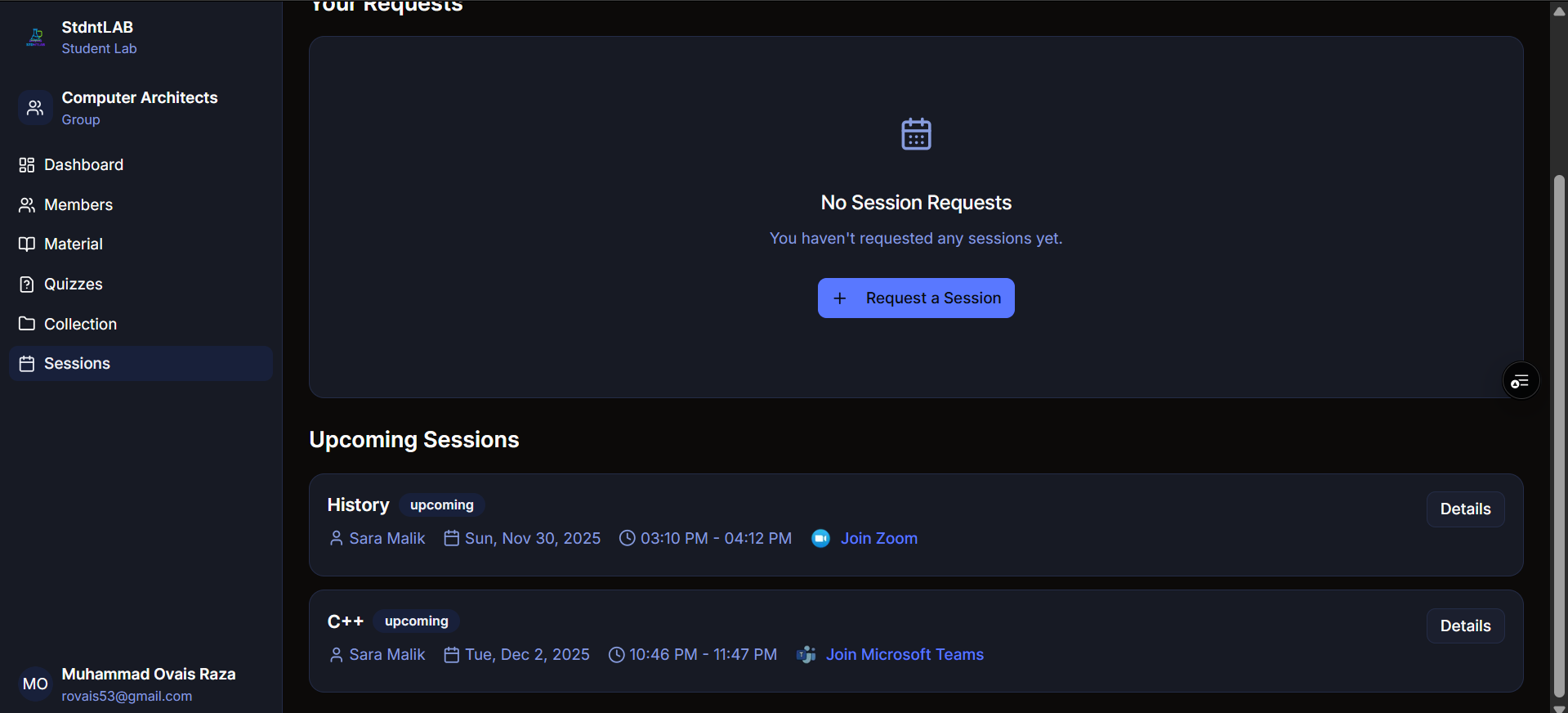
Sessions Request page

Inspiration
StdntLab started from a personal pain point: struggling with inconsistent study habits, messy WhatsApp groups, scattered files, and no real accountability in group work. The hackathon became a way to force commitment, a hard deadline and a public demo, while building a tool that could give other students the same external pressure and visibility that was missing from normal study setups.
What it does
STDNTLAB – An AI-Powered Lab for Collaborative Learning is a web app where students can create or join study groups, share materials, and see everyone’s progress in real time. AI-generated quizzes turn notes and resources into actionable to-dos, while group dashboards, progress tracking, and leaderboards make study habits visible, social, and harder to ignore.
How we built it
The app is built with a modern web stack:
- Next.js for the frontend, routing, and UI.
- Supabase for database, auth, and real-time group data.
- Gemini for generating quizzes and smart prompts from uploaded study material.
The process was fast and focused: sketch flows and wireframes, define core tables (users, groups, quizzes, completions), then build the quiz → todo → leaderboard loop first. AI tools like Cursor and assistants were used for rapid iteration, refactoring, and exploring design and UX ideas.
Challenges we ran into
- Time pressure: starting about three days before the deadline meant strict scoping and tough feature cuts.
- Real-time state: keeping group dashboards in sync with quiz completions and todos required careful handling of database events and UI state.
- AI prompting: getting Gemini to consistently generate useful, on-topic quizzes from varied materials took several prompt iterations and guardrails.
- Balancing UX: making accountability visible without shaming users—designing leaderboards and progress indicators that motivate rather than overwhelm.
Accomplishments that we're proud of
- Shipping a working end-to-end flow where a student uploads material, gets AI-generated quizzes, and instantly sees them as todos for the whole group.
- Material, Study notes collection management instead of jumping from platforms like Google Drive, OneDrive, etc.
- Session Request for students who lack and don't get things in class.
- Building personal and group dashboards that make “who’s done what” clear in seconds.
- Implementing completion tracking and a simple leaderboard that turns revision into a friendly competition.
- Starting from a very personal problem and turning it into a product that other students can immediately understand and use.
What we learned
- Constraints (like a three-day window) are powerful; they force prioritisation and make the MVP much sharper.
- Accountability is more about visibility and feedback loops than just reminders; progress dashboards and social context matter a lot more than simple notifications.
- AI works best when it’s embedded in a clear workflow (like “upload → generate quiz → assign todos”) rather than as a standalone “magic button.”
- Even small touches in UX and copy can change how “heavy” or “fun” accountability feels to students.
What's next for STDNTLAB - An AI-Powered Lab for Collaborative Learning
- Smarter recommendations: suggest quizzes, topics, or revision sessions based on past performance and upcoming exams.
- Better group formation: AI-assisted matching to form balanced study groups based on subjects, schedules, and goals.
- Deeper analytics: give students and admins insight into consistency, weak areas, and improvement over time, possibly with simple visualisations.
- Integrations: connect with tools students already use (calendars, note apps, maybe messaging) to bring reminders and updates into their daily workflow.
- More AI-powered features: structured summaries from notes, adaptive difficulty for quizzes, and gentle nudges when someone’s falling behind.
Built With
- chatgpt
- cursor
- gemini
- javascript
- nextjs
- node.js
- perplexity
- react
- shadcnui
- sql
- supabase
- zod

Log in or sign up for Devpost to join the conversation.