Inspiration
Statera is inspired by how subtle balance decline can be hard to notice until it turns into instability or a fall, and by survey feedback showing strong interest in tools that detect early decline and help people take action with guidance and clear feedback (like stability scores over time, exercise suggestions, and simple alerts)
What it does
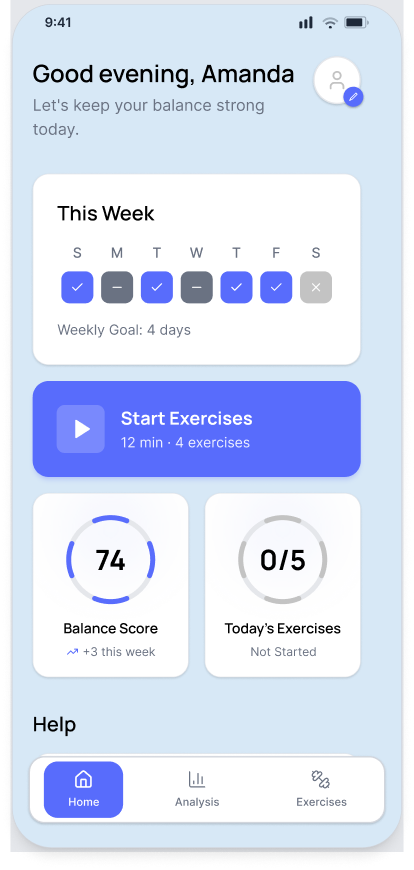
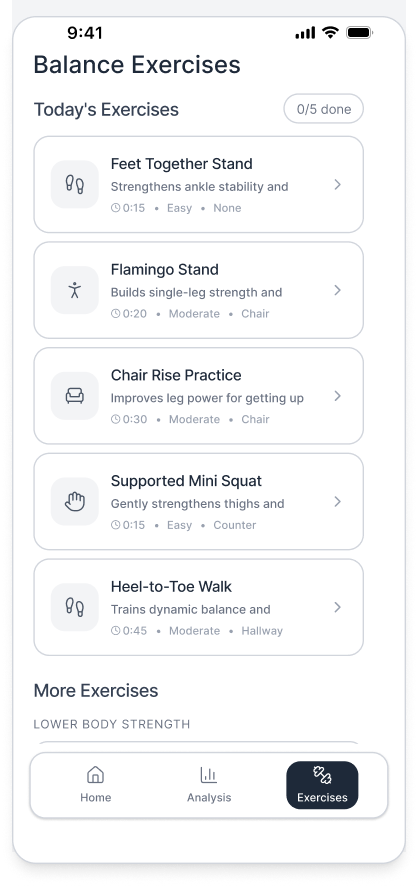
Statera helps older adults (65+) build “equilibrioception awareness” by using wearable motion data (e.g., AirPods/ear devices) to track balance-related movement patterns, then turning that into understandable feedback—like a stability score over time, alerts/warnings, and guided balance exercises
How We built it
We designed a mobile experience centered on three core loops: (1) quick balance monitoring that can be completed within typical comfort windows for wearing ear devices (often 10–60+ minutes depending on the user), (2) a clear score/trend view to help users understand change over time, and (3) guided exercises that translate insights into daily action. Use over 40 elderly people.
Challenges I ran into
Comfort and variability were major constraints: users reported very different tolerance for wearing AirPods/ear devices—from ~10 minutes to 1 hour+—so the experience needs to support shorter sessions, breaks, and flexible monitoring
Accomplishments that I'm proud of
I’m proud that Statera stays grounded in real user needs: it emphasizes stability scoring over time, actionable exercise suggestions, and straightforward alerts—exactly the feedback types people asked for
What I learned
Even within a “65+” group, balance confidence, fall history, and preferences vary widely—so personalization and accessibility can’t be optional. I also learned that users want clarity more than complexity: a simple, trustworthy score trend plus clear next steps often matters more than a dense dashboard
What's next for Statera
Next steps are to validate the experience with usability testing (especially around monitoring duration, clarity of the stability score, and exercise adherence), expand personalization for different instability triggers (turning quickly, bending down, uneven surfaces, low light), and strengthen safety integrations that users value—like clearer emergency pathways and leveraging existing fall-detection ecosystems (e.g., Apple Watch)
Built With
- figma
- make

Log in or sign up for Devpost to join the conversation.