-
Title Page
-
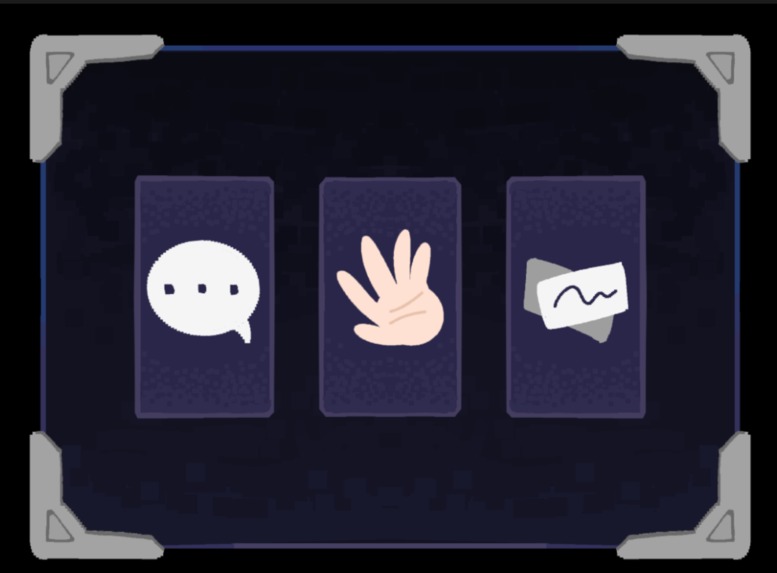
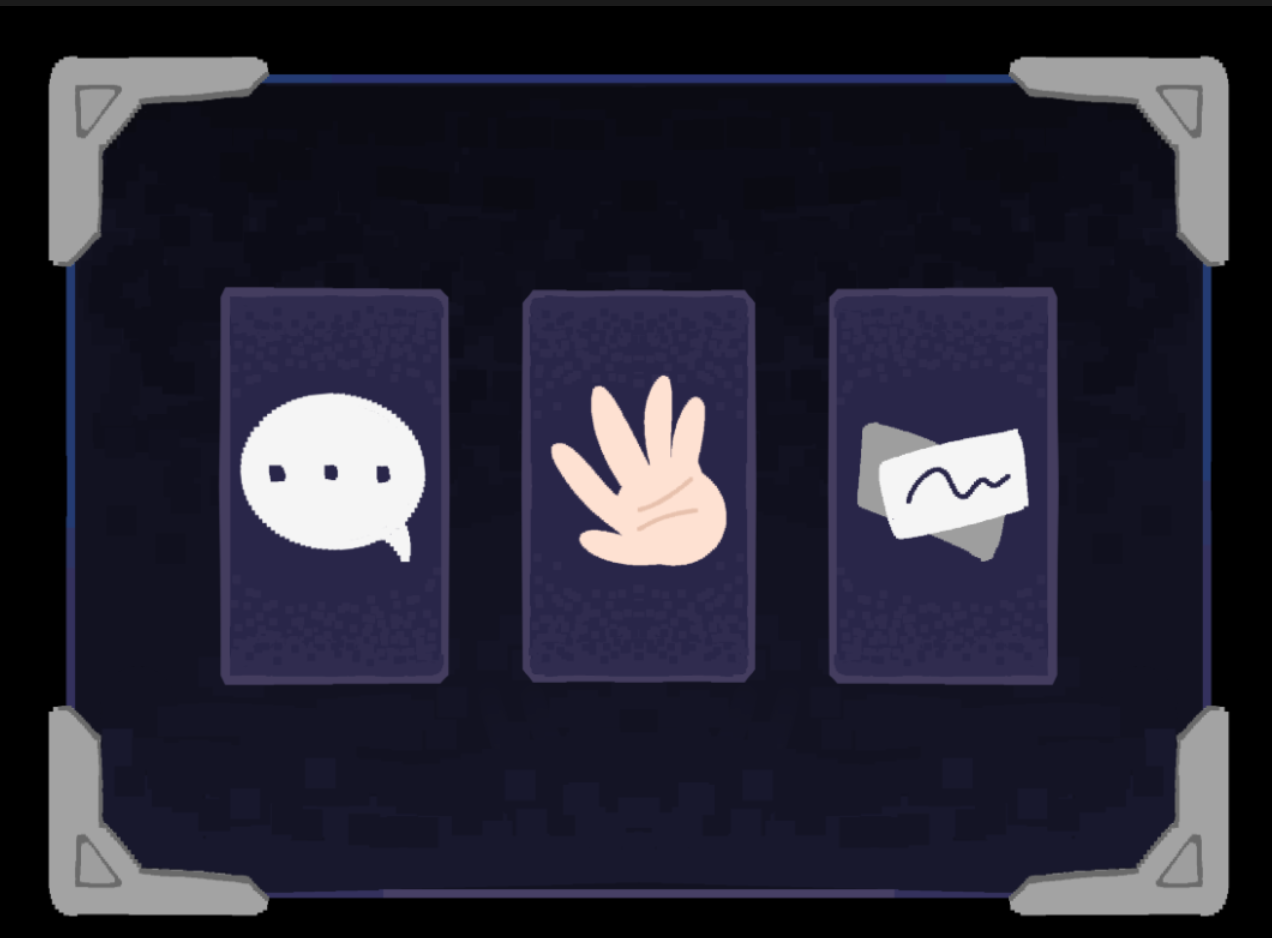
Menu Screen
-
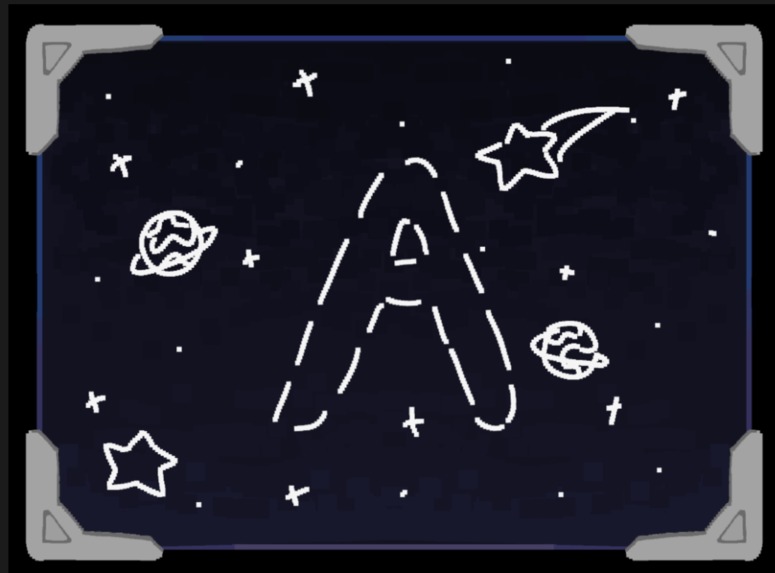
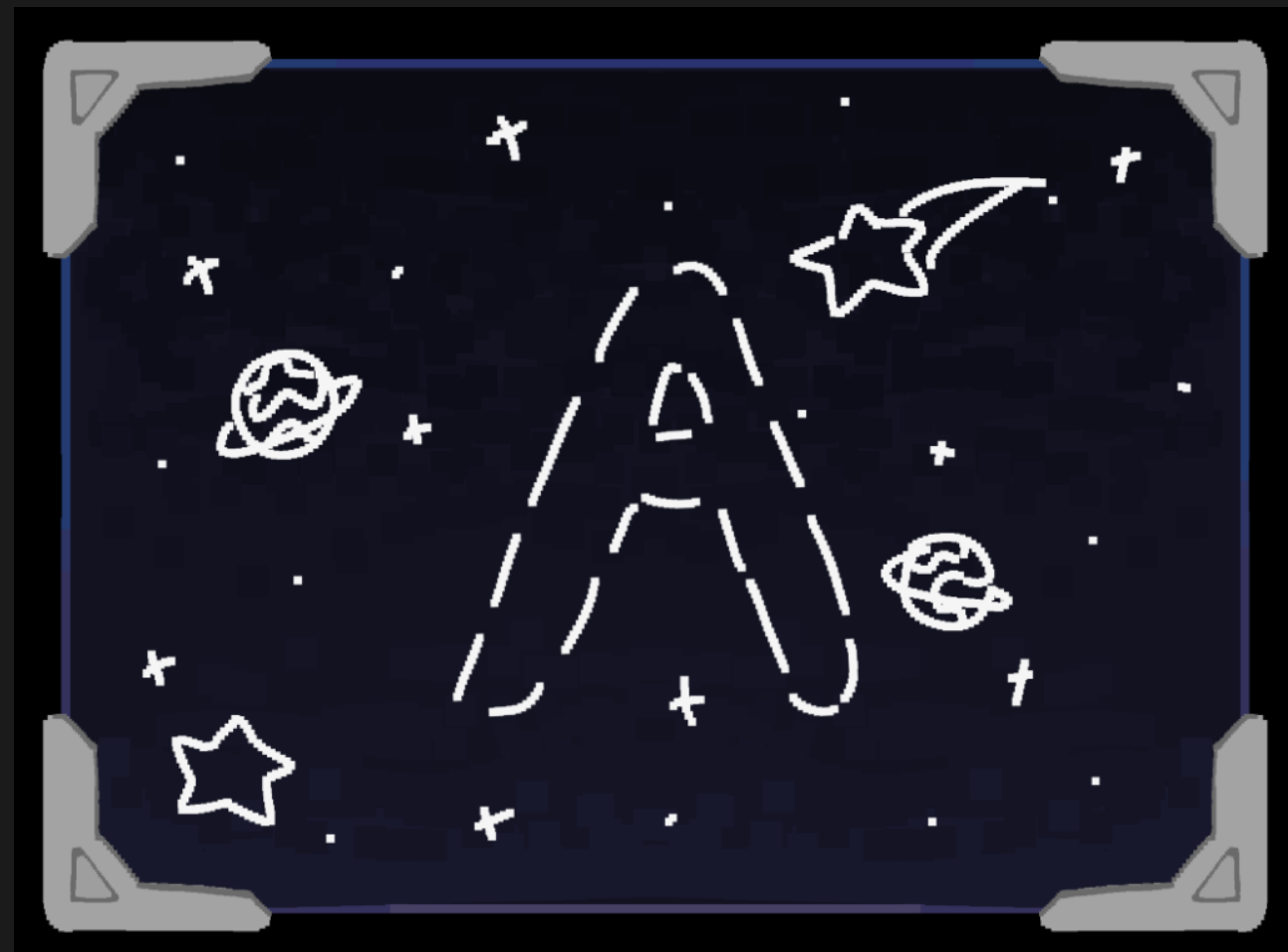
Letter Tracing Game
-
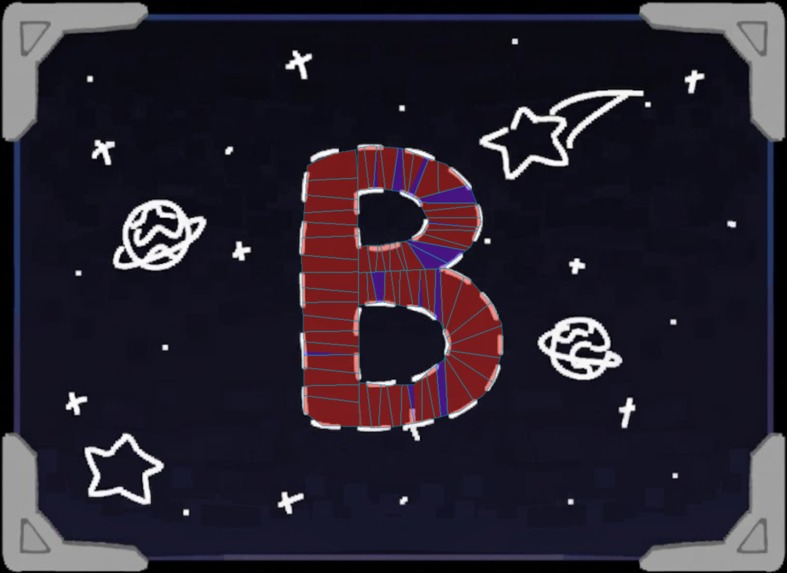
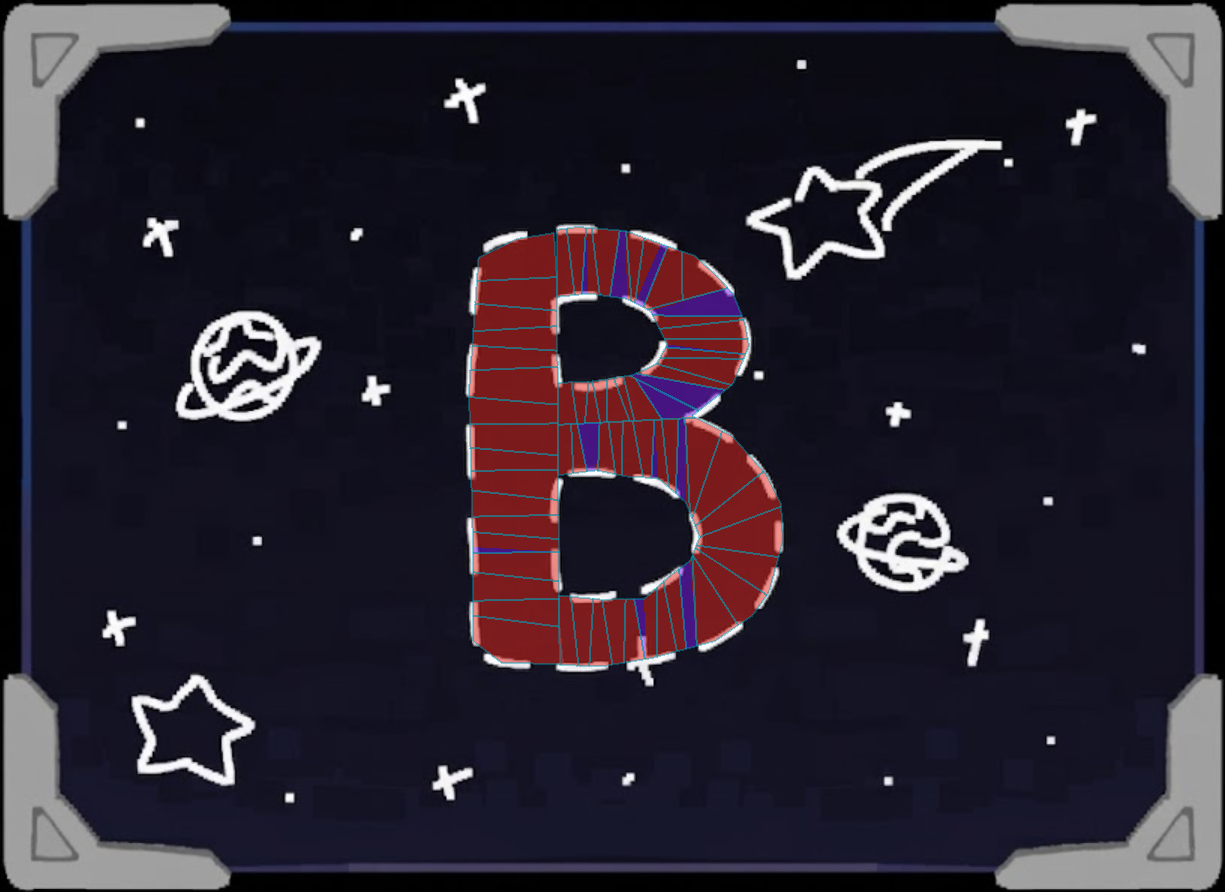
Letter Tracing Game -- BTS Hitboxes
-
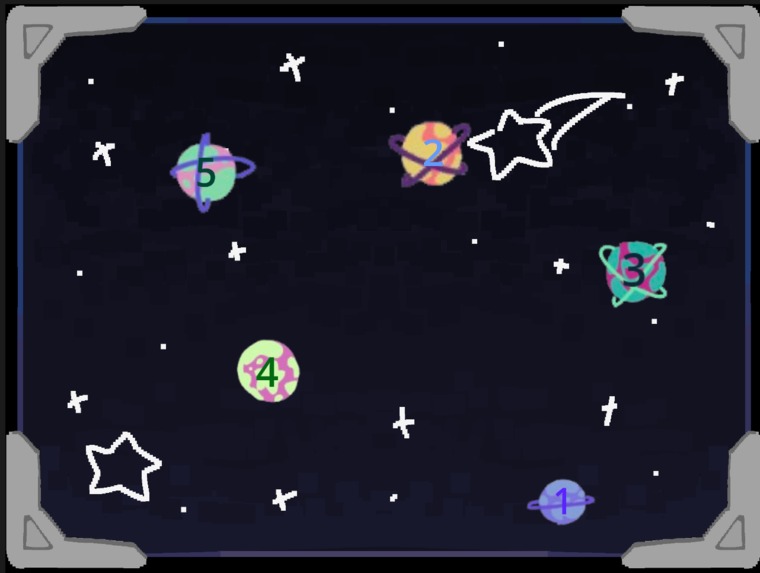
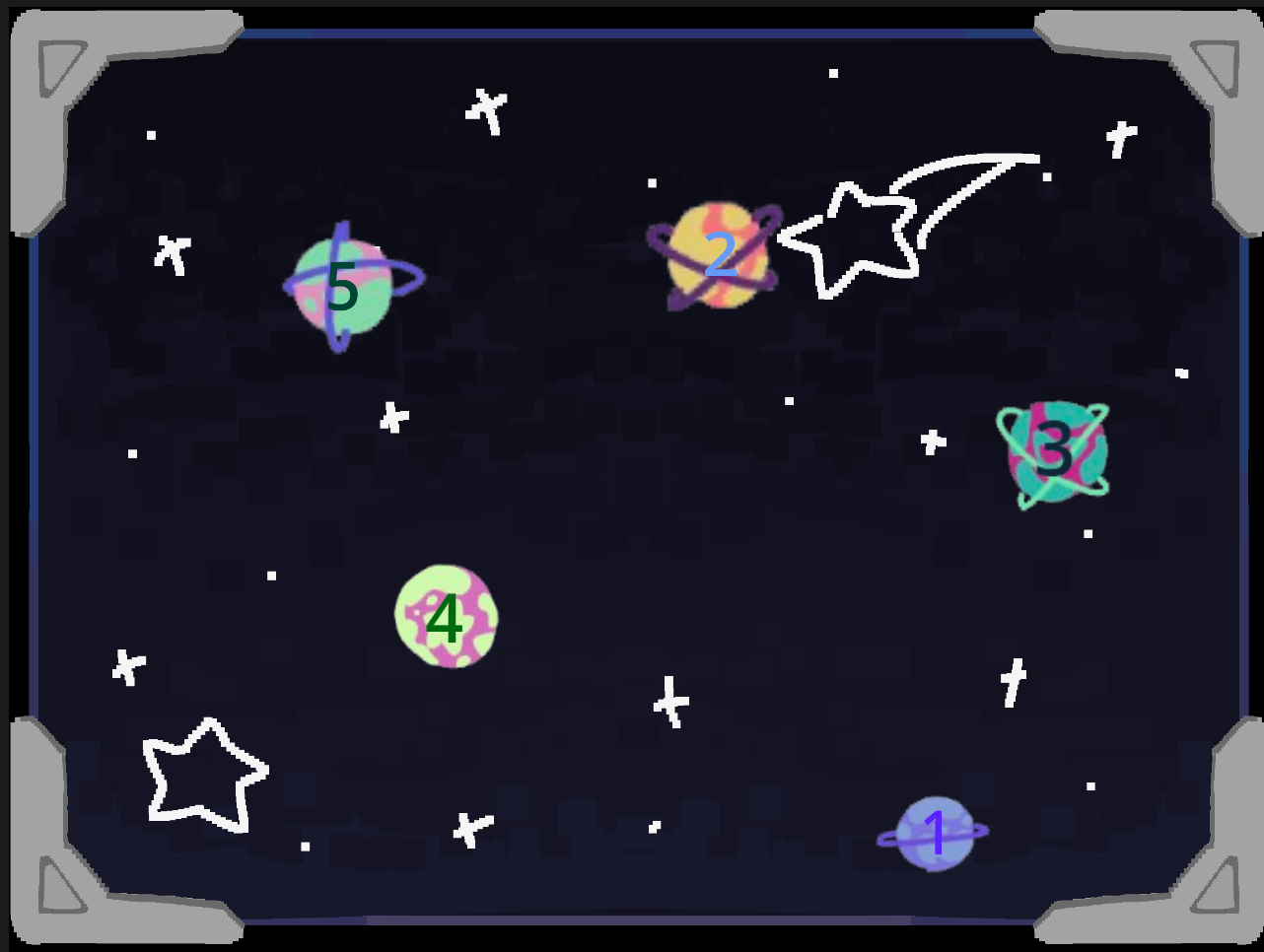
Motor Skills (& Number Recognition) Game
-
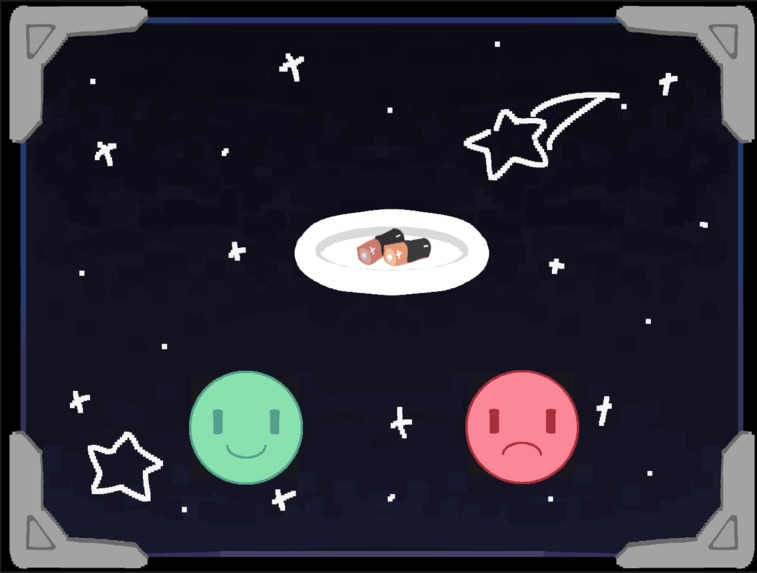
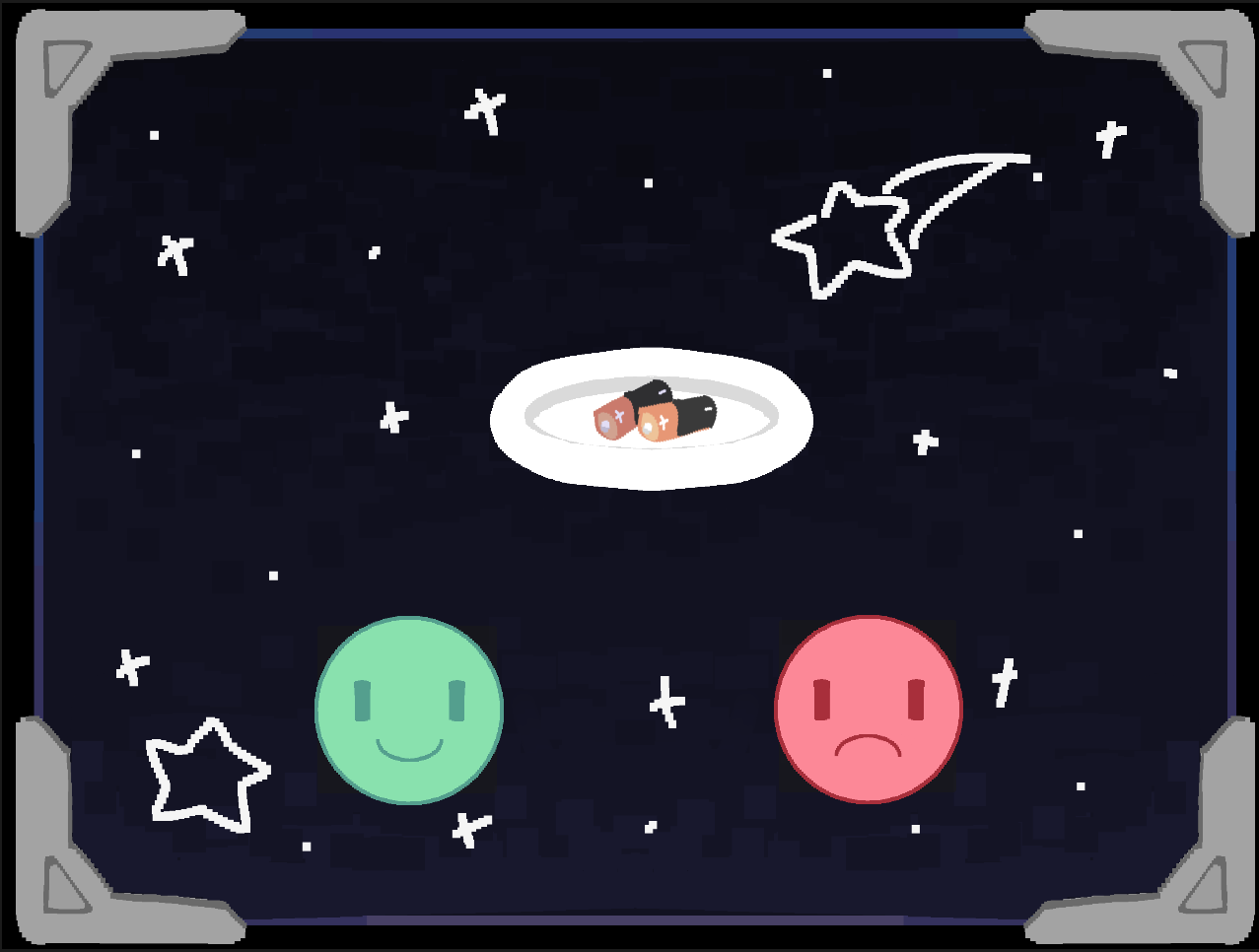
Critical Thinking Game
Inspiration
Our inspiration was the tasks chimpanzees did in cognitive ability experiments. Through easy problems and pattern recognition, information could be taught to the chimpanzees. We realized these type of activities would also be perfect for teaching babies of the future generation during space transit.
What it does
The game begins with 3 options for either the parent or baby to choose. These include: learning letters, practicing motor skills, and practicing critical thinking. At any point, you can hit the escape button to exit the activity early
Learning Letters: The baby must accurately trace letters. If they get too much off from the outline, they have to restart.
Motor Skills: The baby must click on numbers in the right order around the screen.
Critical Thinking: The baby must press the happy face if they think the picture of an object in front of them should be eaten or an unhappy face if they think it shouldn't
How we built it
To build the game, we went through 3 main phases: brainstorming, programming, and polish -- with polish and programming happening hand and hand. First, we brainstormed different ideas we liked or thought would fit the theme well. We then chose the best one and broke it down into its multiple components (e.g main menu, letters game, numbers game, e.t.c.). Once we had our ideas, we used Github for version control and to be able to separately program all the different parts before merging them together (with little merge conflict :D). Finally, we added properly drawn sprites and music to the game, testing for kinks and bugs.
Challenges we ran into
One of the biggest challenges was with the letter tracing game. Because we need to check if most parts of the dotted area are filled in, we have to create many smaller segments of collisions to detect if the user has drawn in every point. Considering there are 26 letters in the alphabet, it took a substantial amount of work.
Accomplishments that we're proud of
Despite the challenges in making the letter tracing game, we believe it came out really well. The game as a whole is also a step up from previous games we've made in game jams from the overall higher quality of polish and completeness of the game.
What we learned
As a group, we all learned how to program in Godot better than before. More importantly, we learned the importance of scale. The relative smaller scale of this project in comparison to our goals at other hackathons allowed us to focus more on polish and good game mechanics. We aim to take this lesson into future projects and hackathons to continue creating projects we are proud of.
What's next for Starling Academy
Making more obvious prompts of what should be clicked is one of the next steps for Starling Academy. This way, it can work more effectively for babies. Additionally, adding touch-screen compatibility would reduce the initial -- and potentially detrimental -- learning curve of using a mouse (for a toddler)
Built With
- godot

Log in or sign up for Devpost to join the conversation.