-
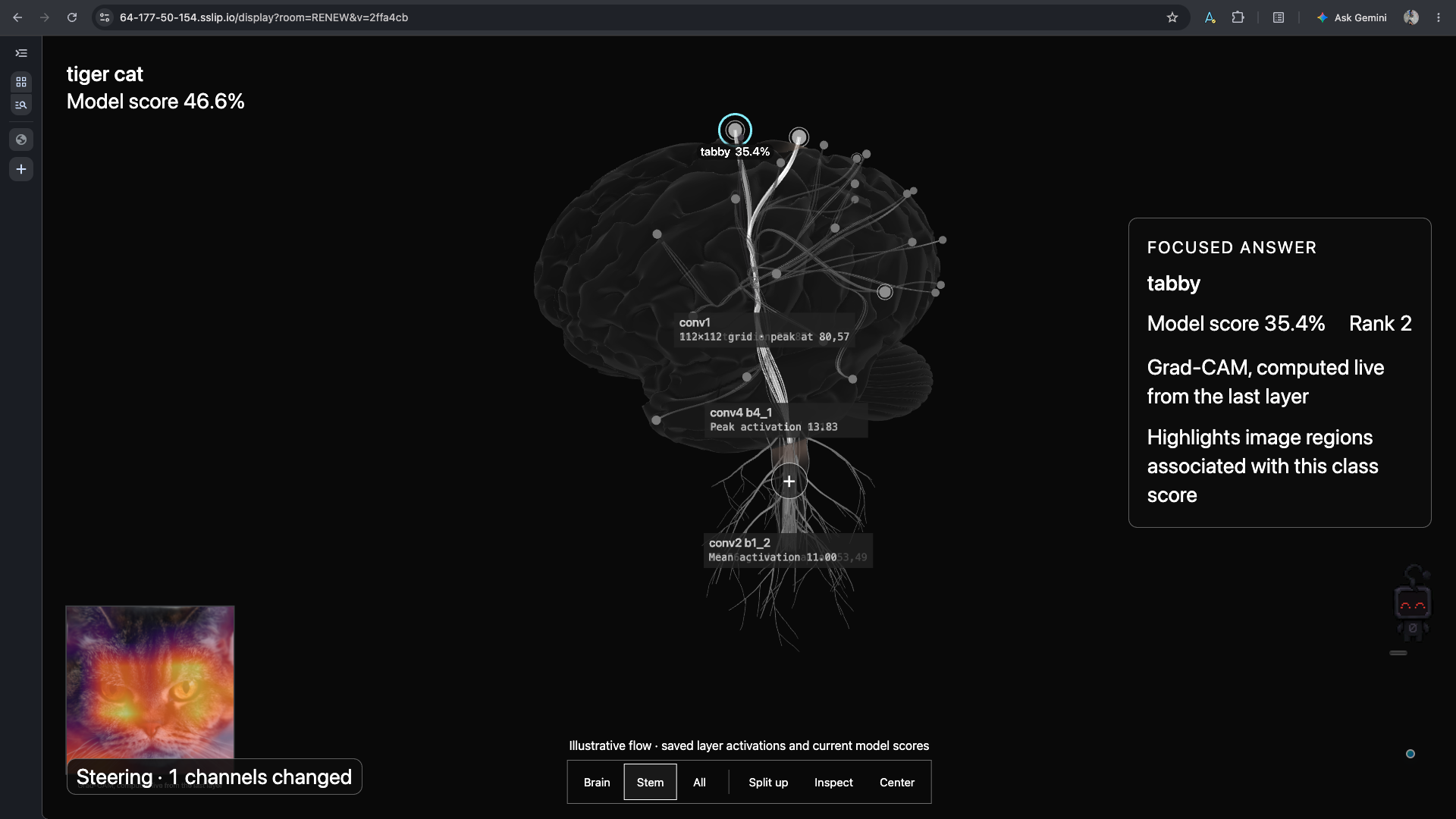
display1
-
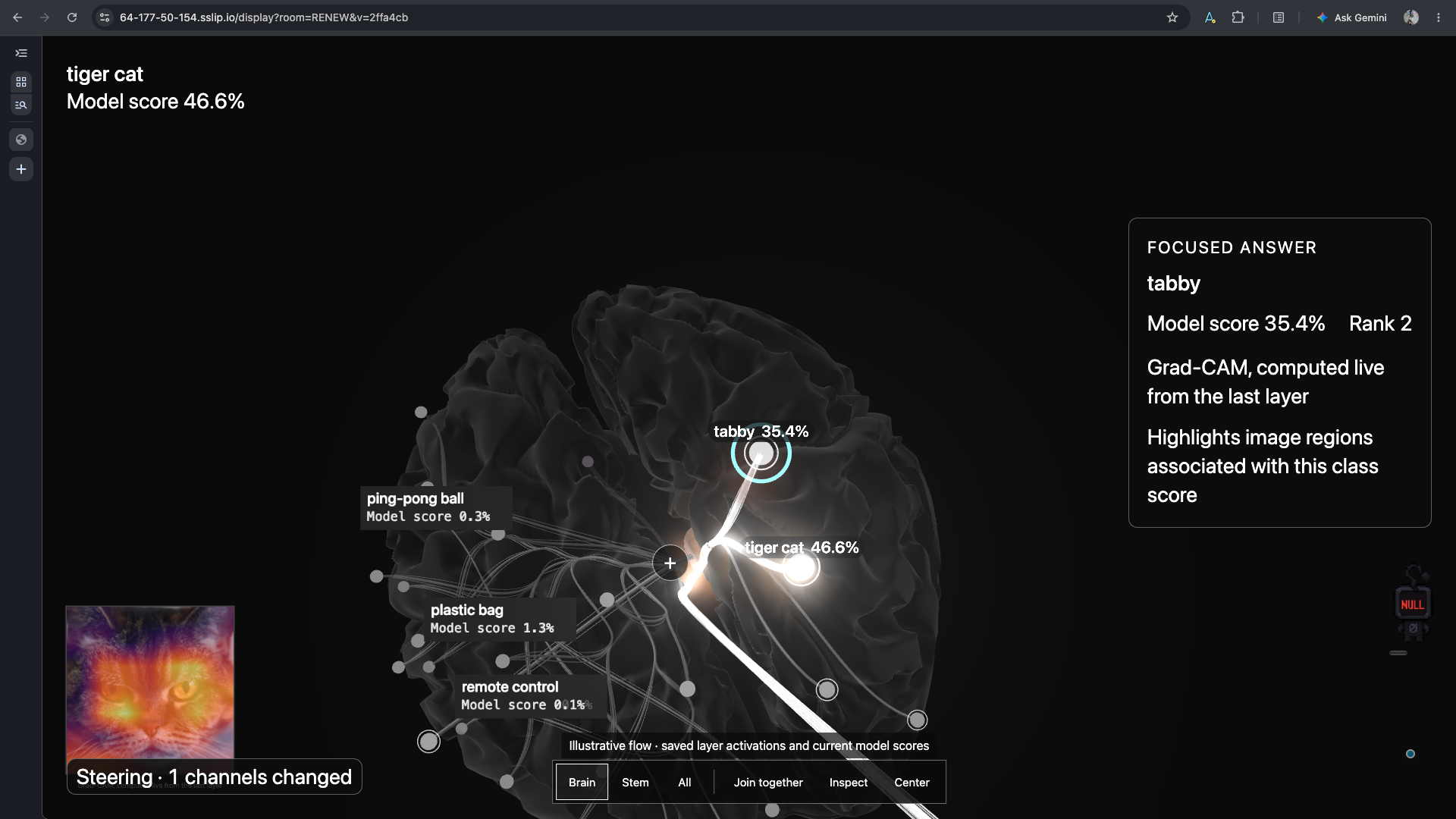
display2
-
display3
-
controller2
-
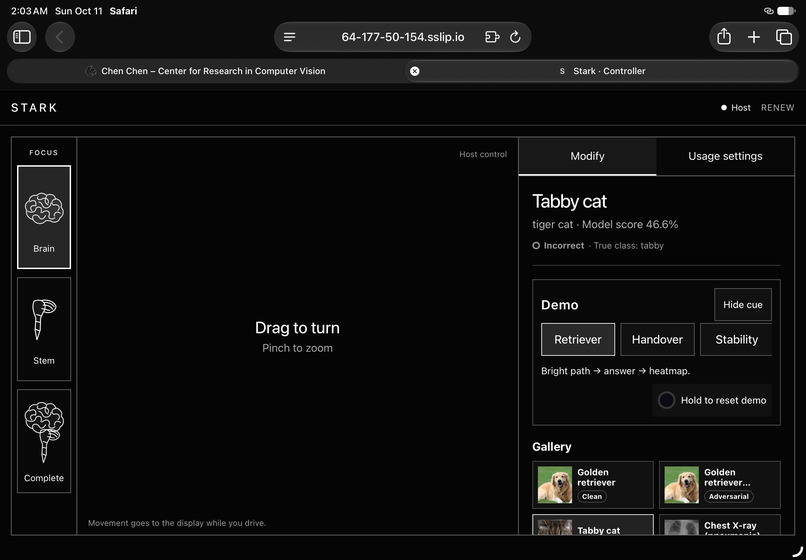
controller3
-
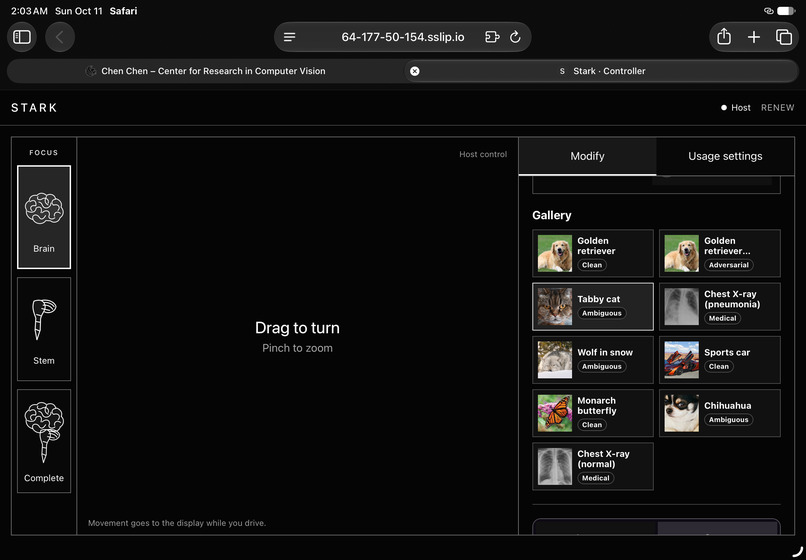
controller1
Inspiration
Inspiration comes from Tony Stark and his use of 3d holograms
What it does
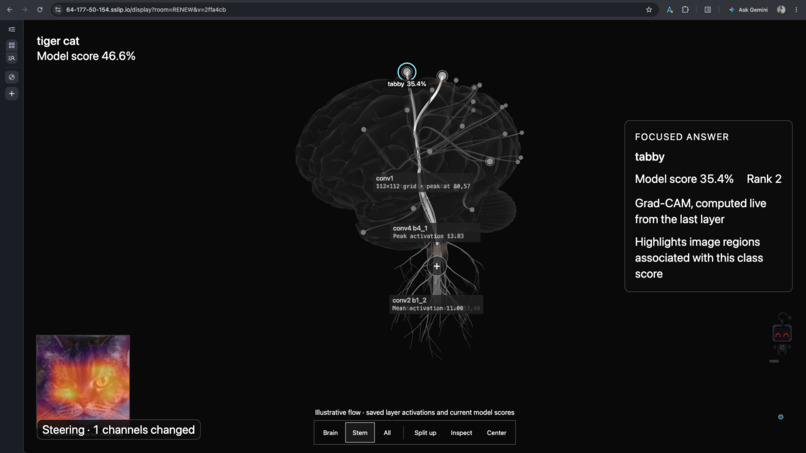
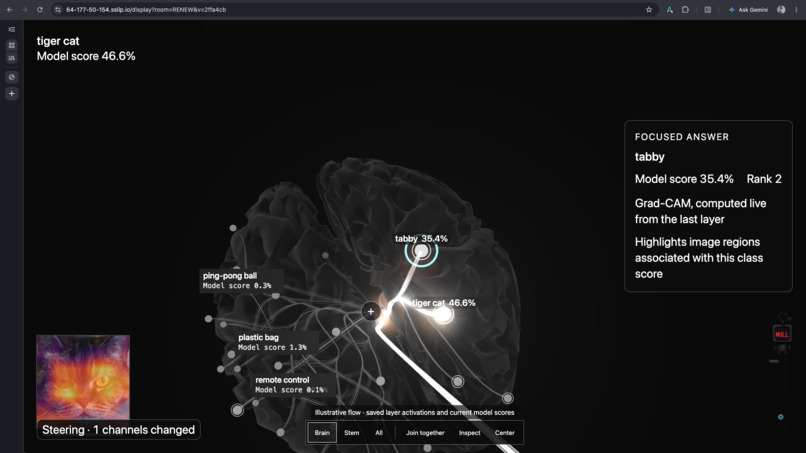
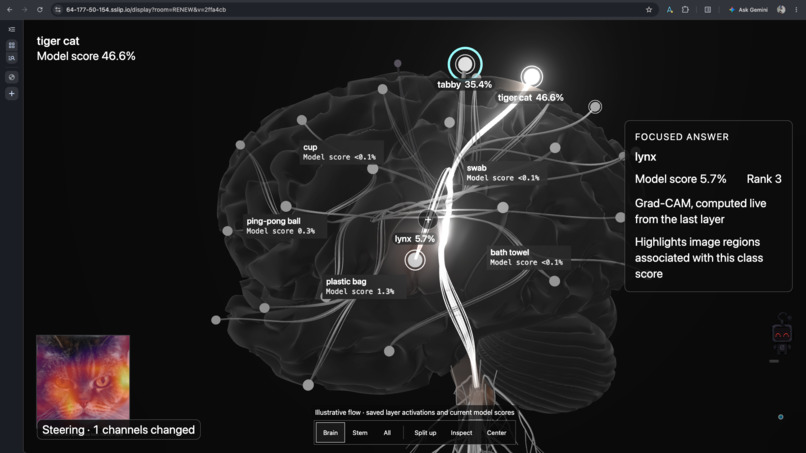
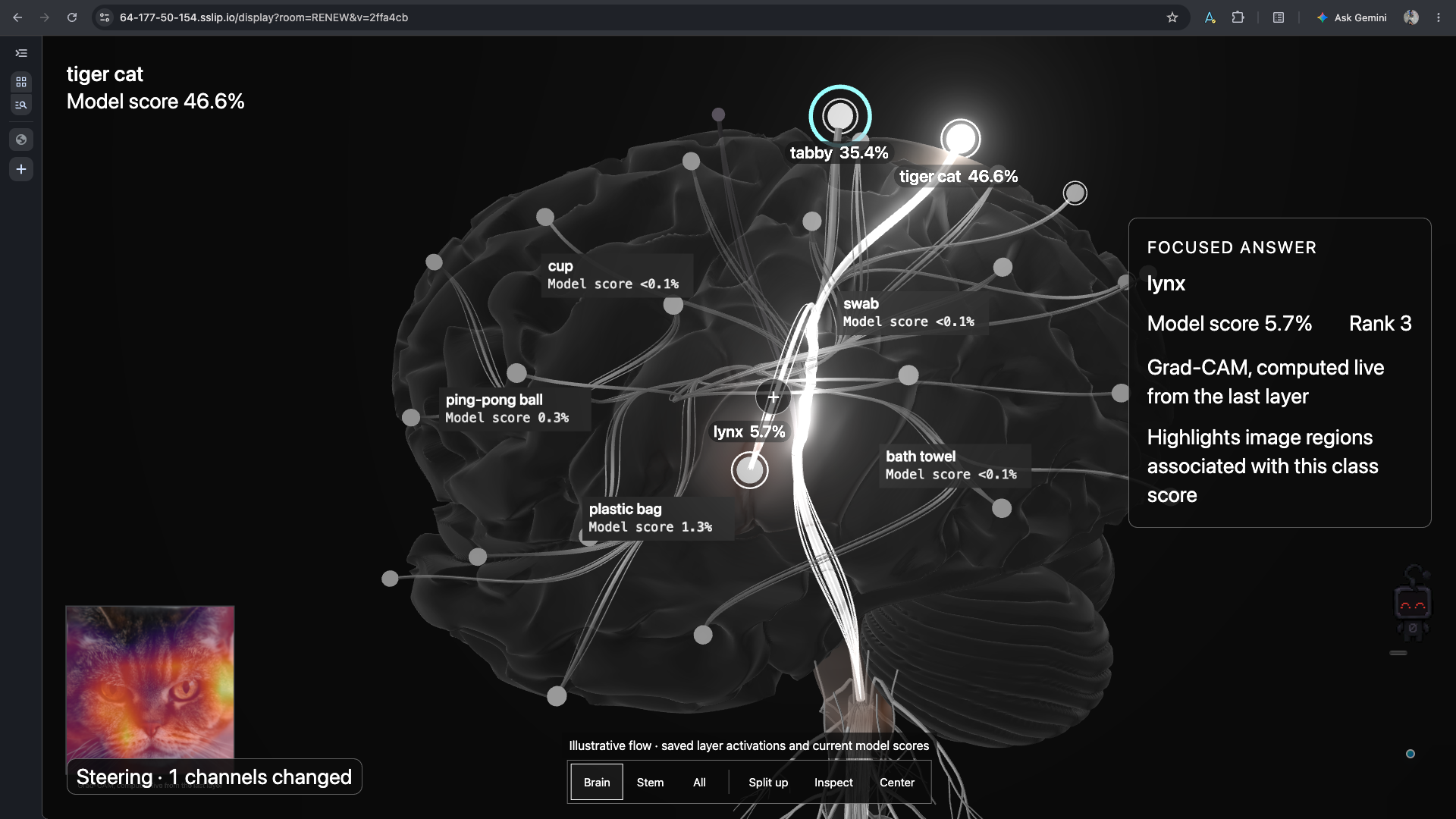
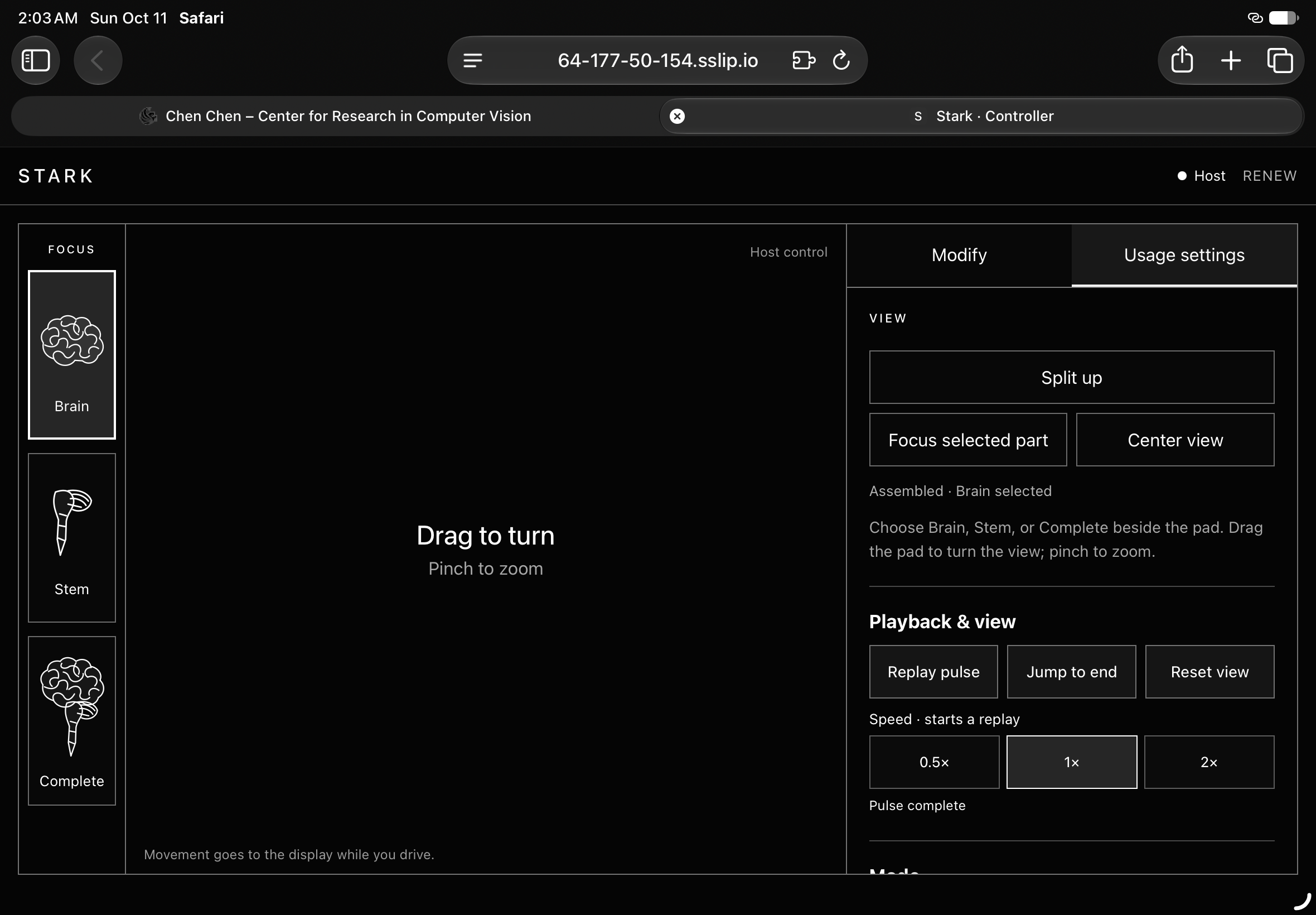
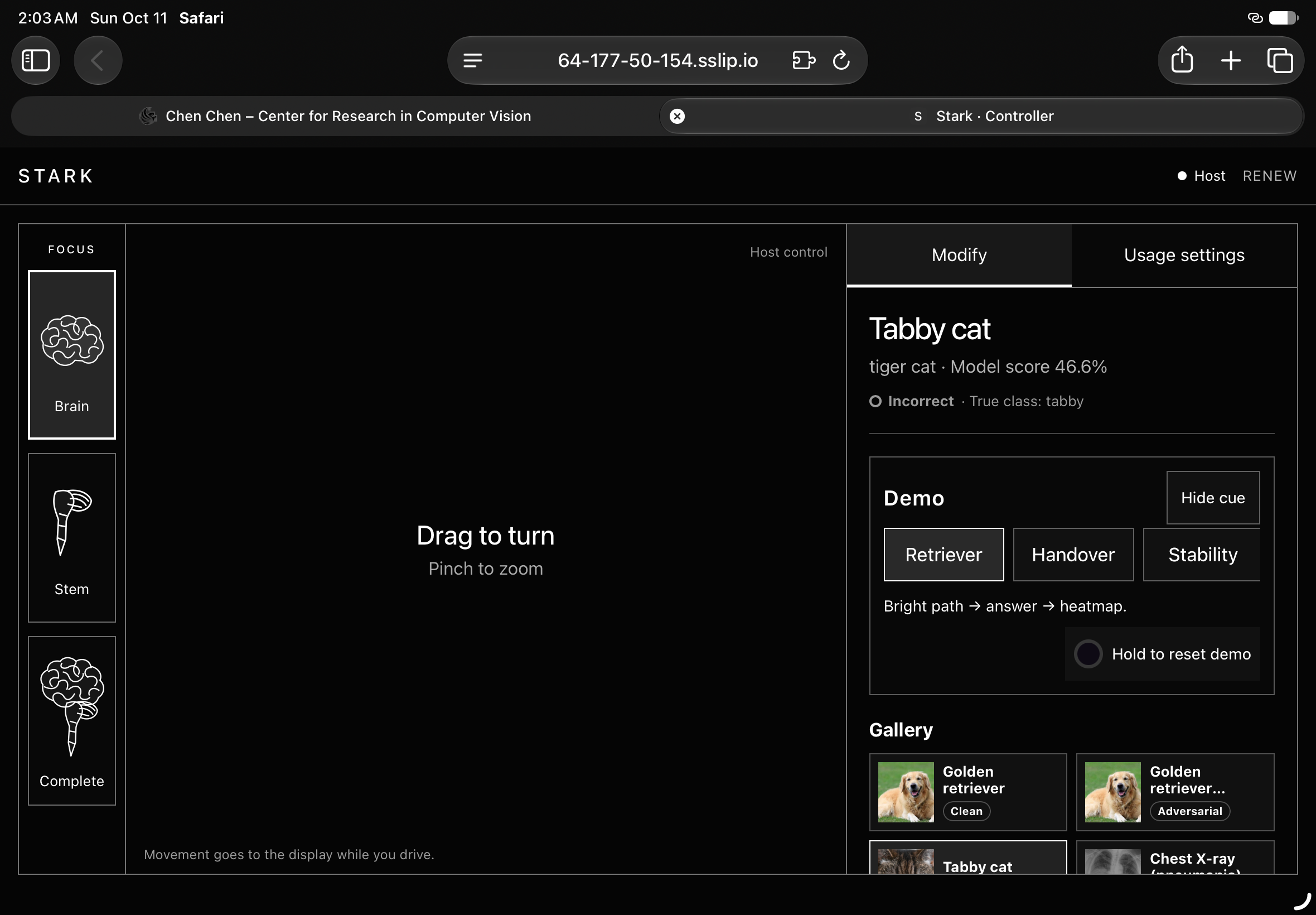
Stark is a machine learning visualizer: anyone can pick an image and see how a neural network thinks about it, then trace which parts of the image and which parts of the network led to its answer. If you disagree with the result, you can reach into the brain, turn down the parts that pushed it toward that answer, and watch the model change its mind live
How we built it
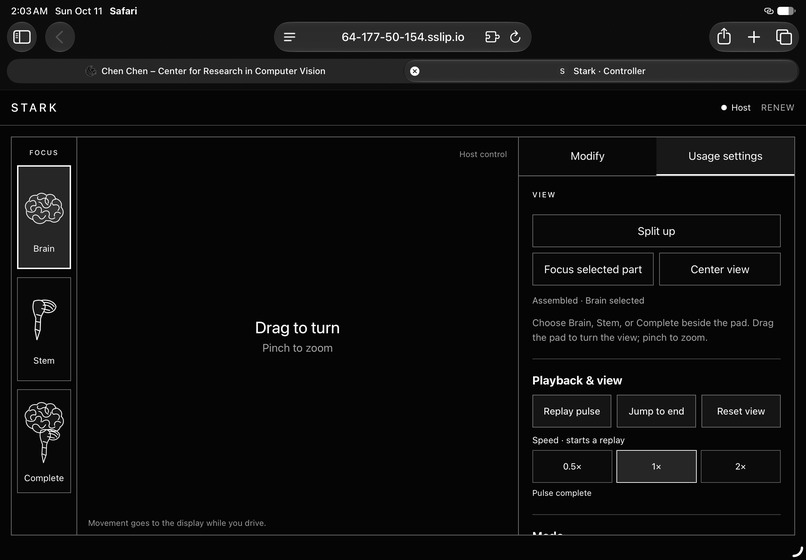
I built Stark solo, directing two AI coding agents: Claude Code for the backend and 3D display, and Codex for the phone controllers. Before writing any code I designed the architecture and a shared data contract, the exact format every part sends and receives. Then I gave each agent its own folder and git branch so they could build in parallel without overwriting each other. I reviewed, tested and merged everything myself.
Challenges we ran into
Getting phones to talk to the display. Event Wi-Fi usually blocks devices from talking to each other directly, so I couldn’t rely on a local network. I hosted the relay on a Vultr server with HTTPS so any judge’s phone can connect from anywhere.
Accomplishments that we're proud of
The 3D aspect of it that makes it easy to inspect every aspect of the brain. as well as the controllers immersion mode which allows for a greater level of flexibility of your analysis.
What we learned
How to direct AI agents well. Clear contracts, strict ownership, and checking their work instead of trusting it. A good plan mattered more than writing code fast. That interpretability is mostly about honesty. Knowing what a heatmap or a score doesn’t tell you matters as much as what it does.
What's next for stark
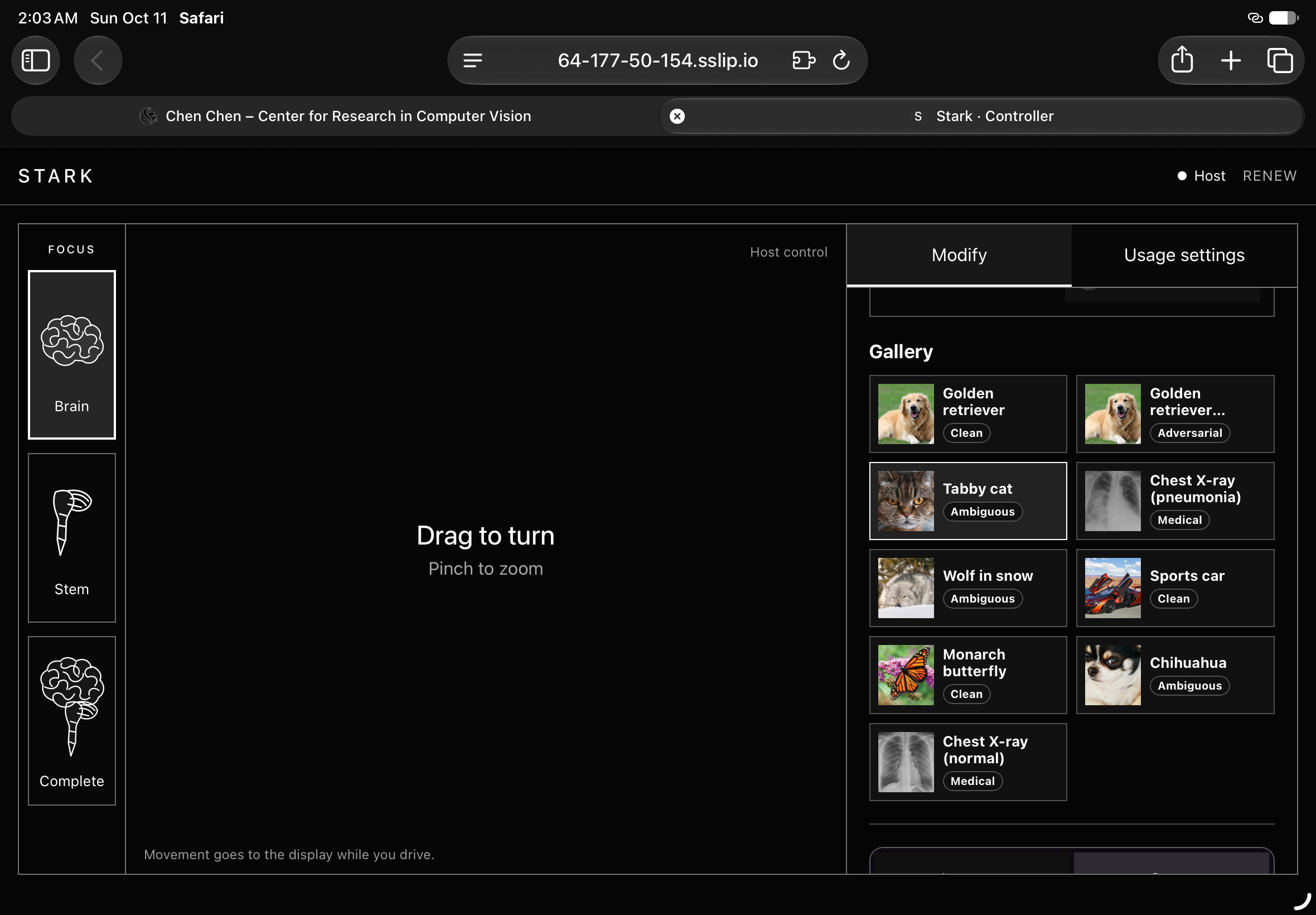
next im going to try and improve stark to evaluate more than just a few images, add even more nodes for a given thought making the thinking more in depth.

