Inspiration
There’s a common saying that no matter how far people are, they'll always be able to look at the same night sky. Although this is technically true, it’s easy to feel disconnected from others and the world when faced with a vast cosmos that never seems to look the same. Yes, the sky is the same, but to everyone, it looks different. Just as the sky appears differently at different times and places, people around the world see the sky through their own unique lens. We wanted to reflect this diversity while connecting people through the beauty of the world.
What it does
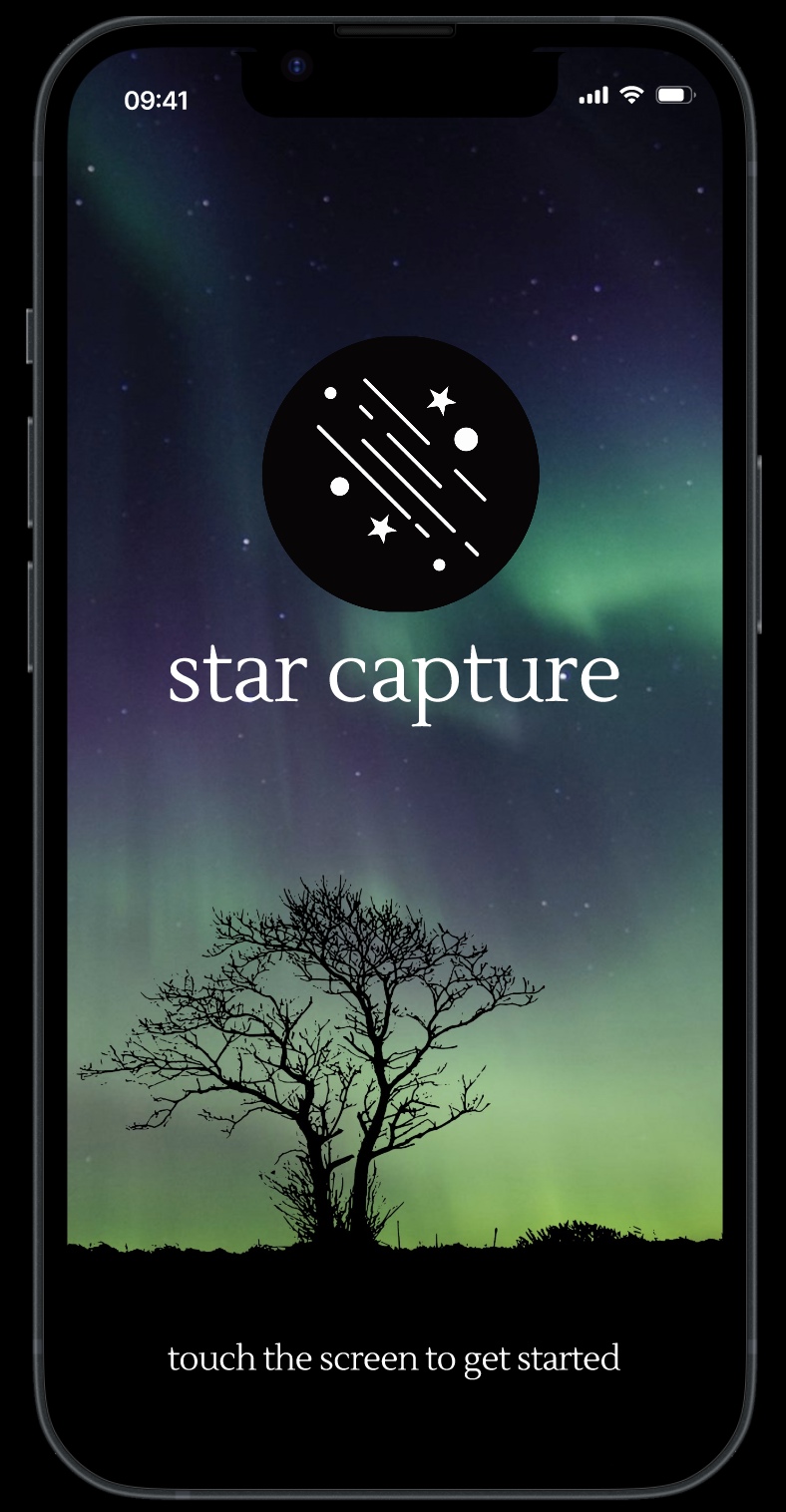
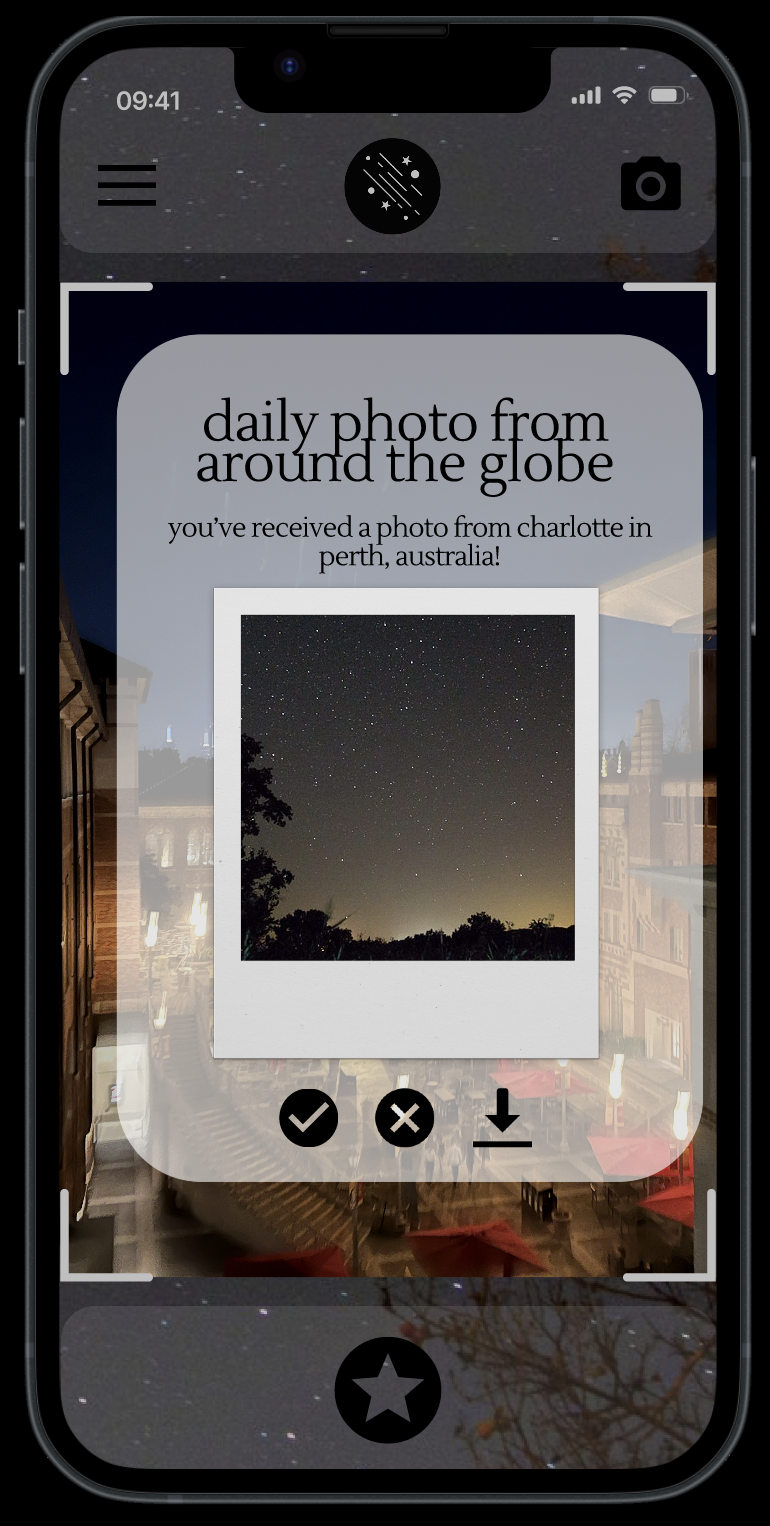
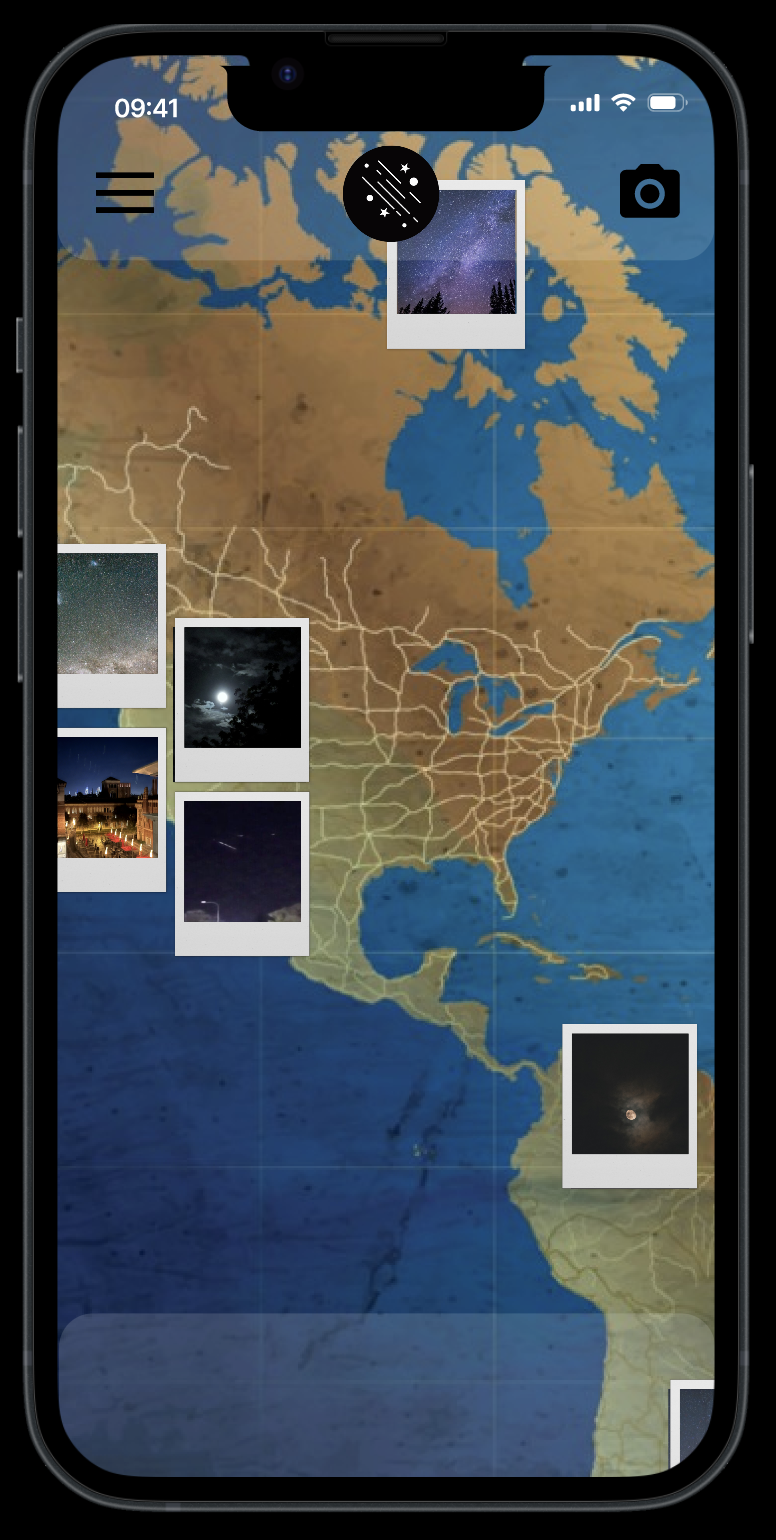
Star Capture is a mobile app that allows users to take and send photos of the night sky to both their friends and random strangers around the world. Saved images that include location data are placed onto a map of the globe, demonstrating the breadth and variation of the night sky across space and time.
How we built it
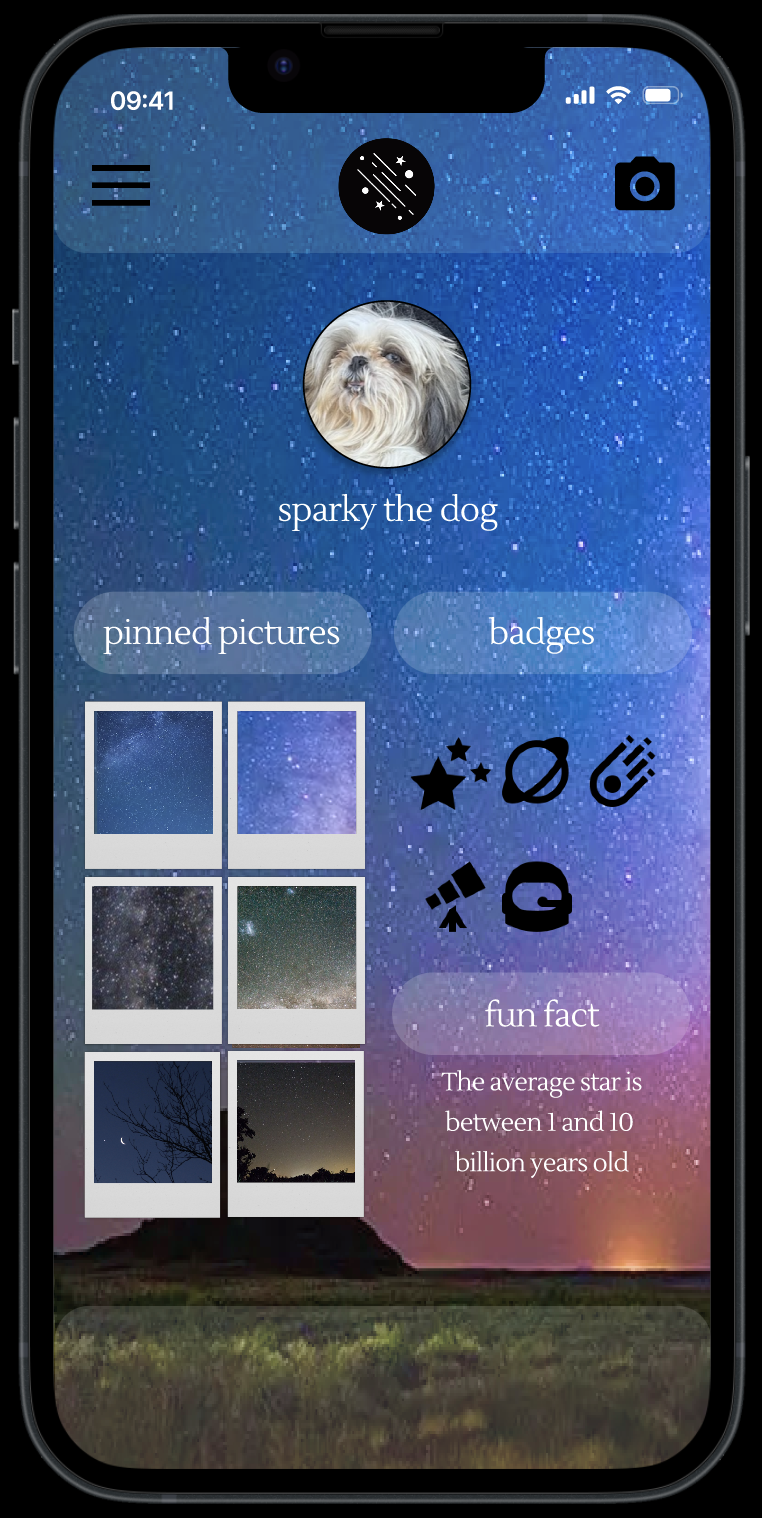
We opted to focus on our design, which we developed primarily using Figma. Most of the buttons and pages are linked to one another, allowing users to navigate between the various components and try out all of the main features of Star Capture.
Challenges we ran into
Due to time constraints and pre-existing commitments, we were unable to implement Star Capture using code. In addition to being a small team, full-stack development is new to most of our members, and we weren’t certain if we’d be able to polish it within 36 hours. Although our Figma experience was also rather limited, we had an idea we loved and thought we could realistically finish.
Accomplishments that we're proud of
Since we invested a large majority of our time in designing and developing the concept and user interface of Star Capture, we are very proud of how our prototype turned out!
What we learned
UI design is hard! We realized there are tons of features, such as dropdowns and pop-ups, that we always took for granted because they seemed so simple and ubiquitous. In reality, someone has to go through and think of and build every little thing. Throughout our development process, the experience really hammered home the idea that good UI is the UI you don’t notice because it feels so natural. We really struggled with this when designing the camera interface, because it needed to feel like an actual camera despite being prototyped as a static image.
What's next for StarCatcher
The next step is actually implementing the app and adding additional features. While brainstorming, one feature we were excited about was being able to scan and identify celestial objects from the photos, such as stars, planets, and meteors. This would allow users around the world to connect over both the similarities and differences they see in the night sky. Thus, one of our ultimate goals is to find a way to identify objects in photos by utilizing NASA databases.
Built With
- figma

Log in or sign up for Devpost to join the conversation.