Inspiration
We kept coming back to this feeling that we do not actually forget what happens to us, we forget how it felt in the moment.
A lot of people try to reflect through journaling, but by the time you write something down, you are already making sense of it. You are choosing words, structuring the story, and unintentionally filtering the emotion. On the other hand, voice recordings capture something much more raw, but people rarely go back to them because they feel overwhelming or hard to navigate.
At the same time, through our research, we noticed that small moments in speech like pauses, changes in tone, or hesitation actually carry a lot of emotional weight. That led us to a simple question. What if we did not try to interpret emotion at all, and instead just helped people notice where something felt important?
What it does
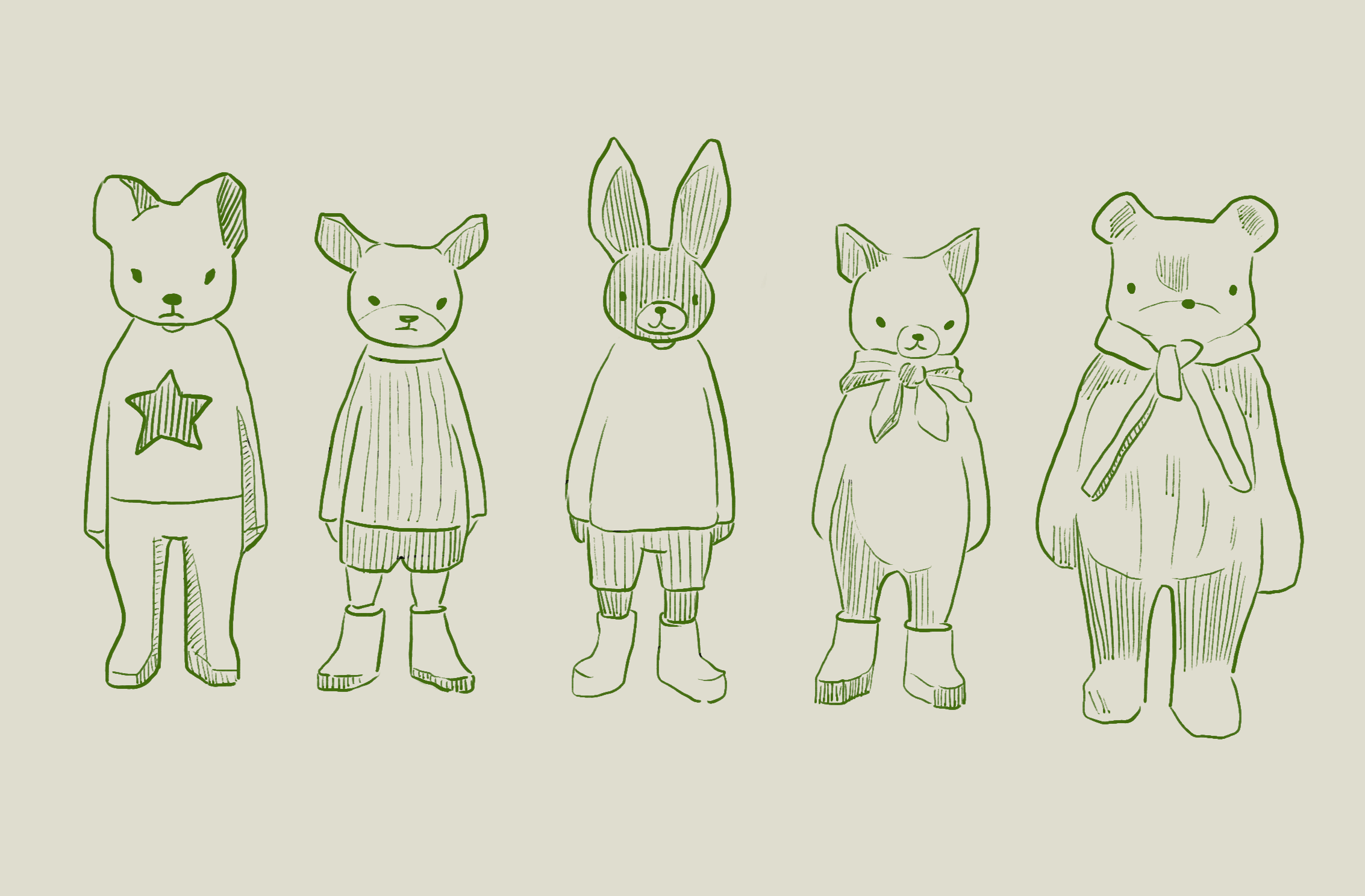
Star Dolls is a reflection tool that helps people preserve emotionally meaningful moments, not just what happened but how it felt.
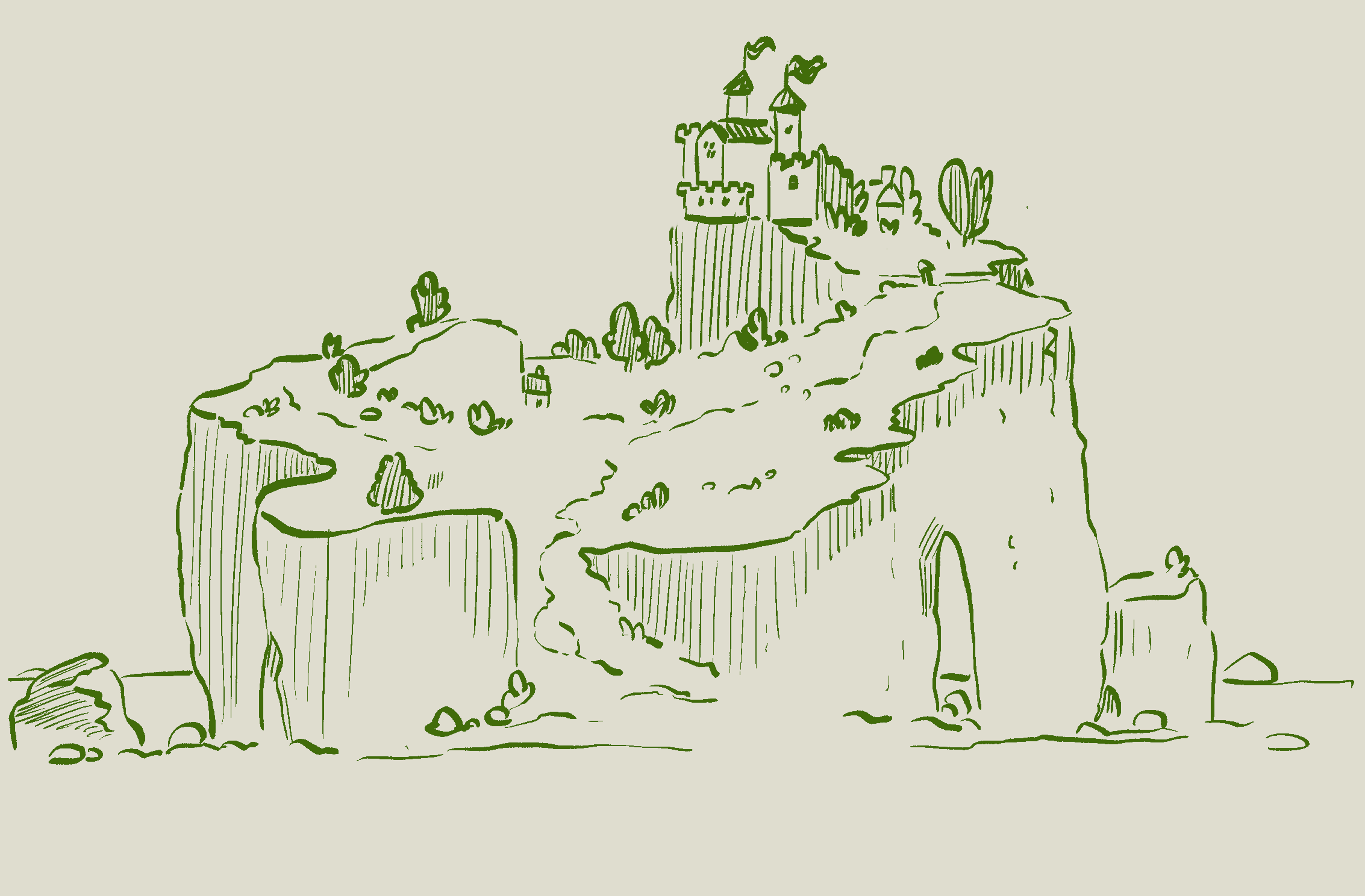
Instead of organizing entries in a traditional list, everything exists within this island and constellation system. Each moment becomes a star, and over time those stars form constellations and eventually take shape as Star Dolls. The idea is that reflection becomes something you can see and return to, rather than something that disappears into a timeline.
The core experience is centered around voice. As users record or replay a moment, the system highlights where something shifts. It does not label the emotion or tell the user what it means. It simply points to where something might matter. From there, users can choose to reflect when they are ready, without any pressure.
How we built it
We approached this project from a concept-first perspective. We spent a lot of time thinking about how reflection should feel, especially in terms of emotional pacing, safety, and user control.
That led to a lot of intentional decisions. We avoided things like streaks, notifications, or emotion labels because they can turn reflection into something performative. We wanted the experience to feel calm, personal, and self-directed.
We designed the system in Figma and Procreate, focusing on a soft and hand drawn visual style so it would feel more human and less clinical. On the technical side, we explored how to represent emotional shifts in voice through waveform highlighting, using those moments as cues rather than conclusions.
Challenges we ran into
One of the biggest challenges was balancing abstraction with clarity. The island, constellation, and Star Dolls system is not something people are used to, so we had to make sure it felt intuitive without over-explaining it.
Another challenge was around boundaries. We had to be very careful that the system did not feel like it was diagnosing or interpreting the user. We were constantly asking ourselves if we were guiding too much or taking away agency.
It was also difficult to design around emotion without defaulting to labels. Most systems try to classify feelings, but we were trying to step away from that while still making the experience meaningful.
Accomplishments that we're proud of
We are really proud of how cohesive the experience feels. The visuals, interactions, and overall concept all connect back to the same idea of gentle reflection and emotional continuity.
We are also proud of the core idea itself. Highlighting where something shifts instead of labeling emotion feels like a different way of thinking about reflection.
More than anything, we are proud that we kept the experience simple. There were a lot of features we could have added, but we chose not to because they did not align with the feeling we were trying to create.
What we learned
We learned that designing for emotional experiences requires a lot of restraint. It is not about adding more features, but about creating the right conditions for someone to engage in their own way.
We also learned to question default patterns. Things like timelines, streaks, and labels are so common, but they are not always the right solution, especially in more sensitive spaces.
More broadly, we became more comfortable designing something that is a little open ended, as long as it still feels intentional and grounded.
What's next for Star Dolls
The next step would be to test this with real users and understand how people actually engage with voice based reflection over time.
We are interested in exploring how constellations evolve as more moments are added, and whether patterns can emerge in a way that still feels subtle and non intrusive. We also want to see how this fits into people’s existing habits, rather than trying to replace them.
Long term, we see Star Dolls as something that quietly exists alongside your life. It is not something you have to keep up with, but something you can return to whenever you need it.
Built With
- figma
- procreate

Log in or sign up for Devpost to join the conversation.