-
-
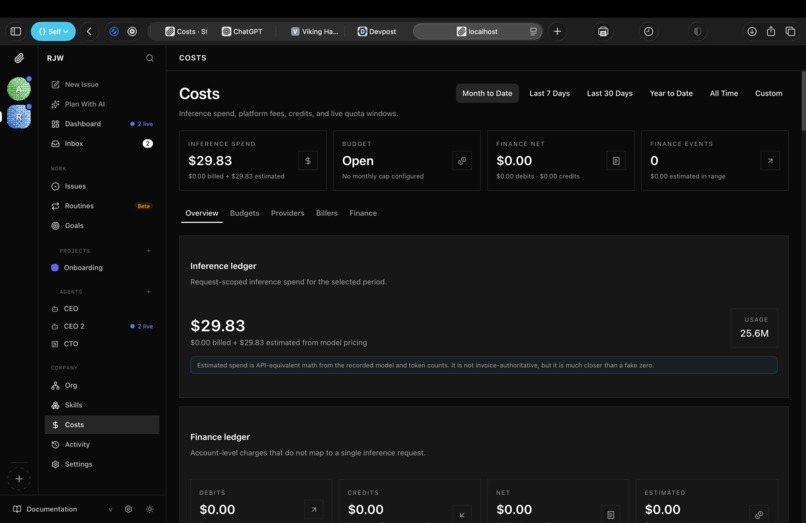
main dashboard
-
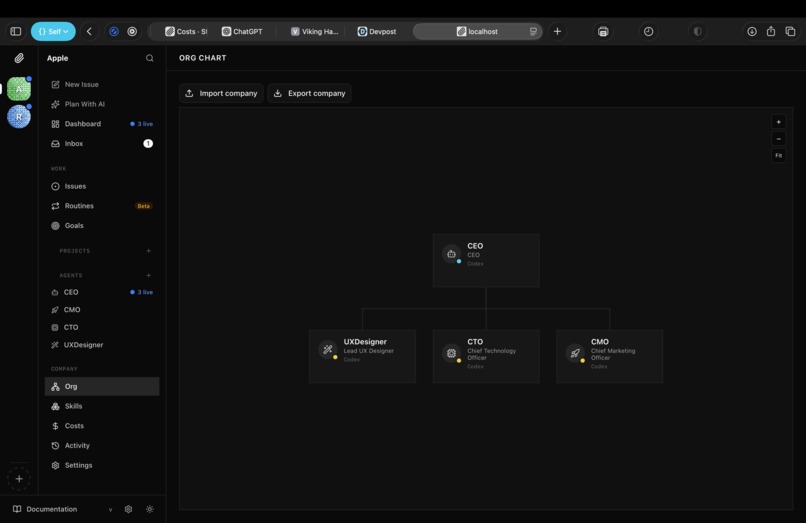
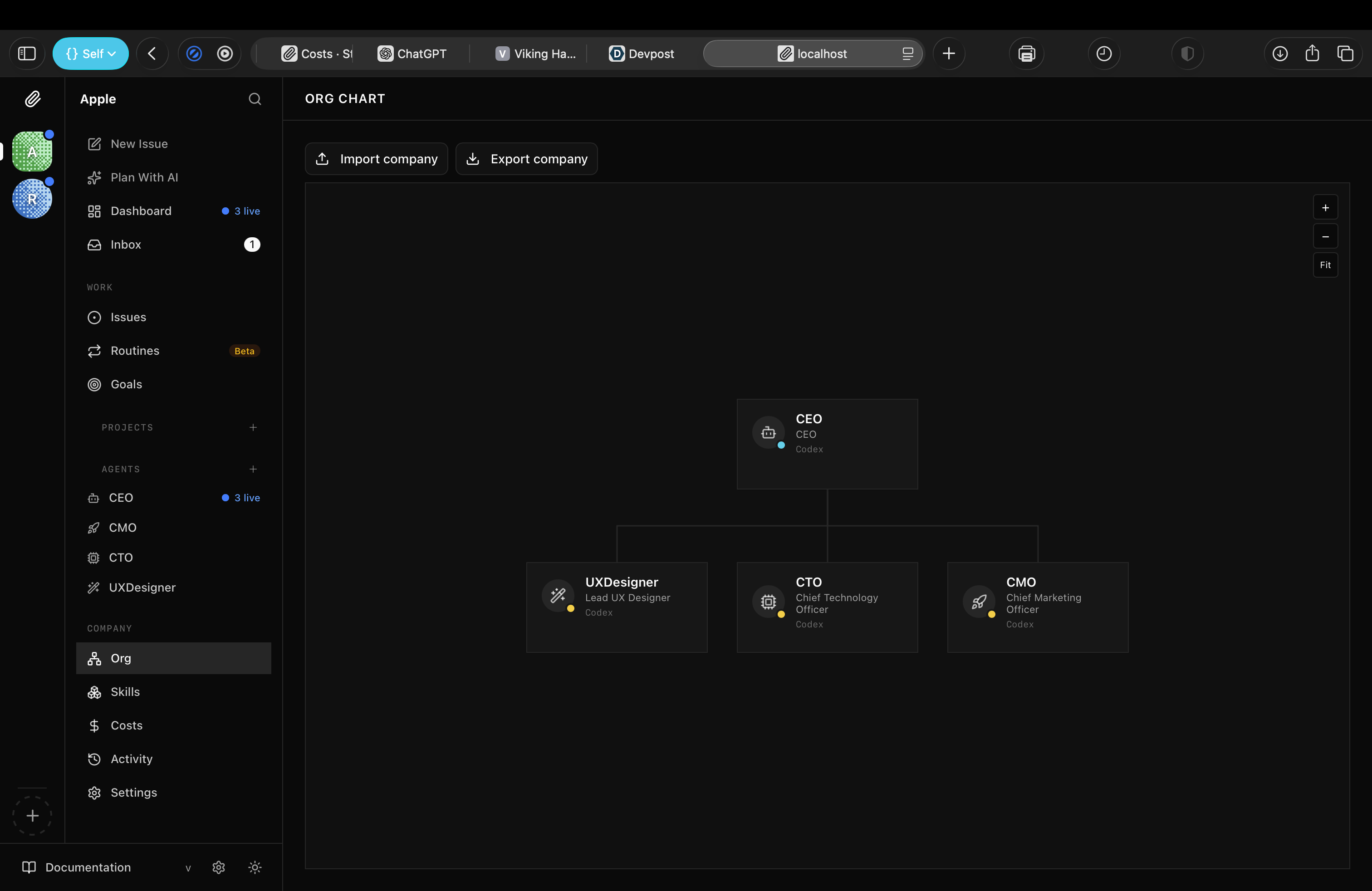
ai organization editor
-
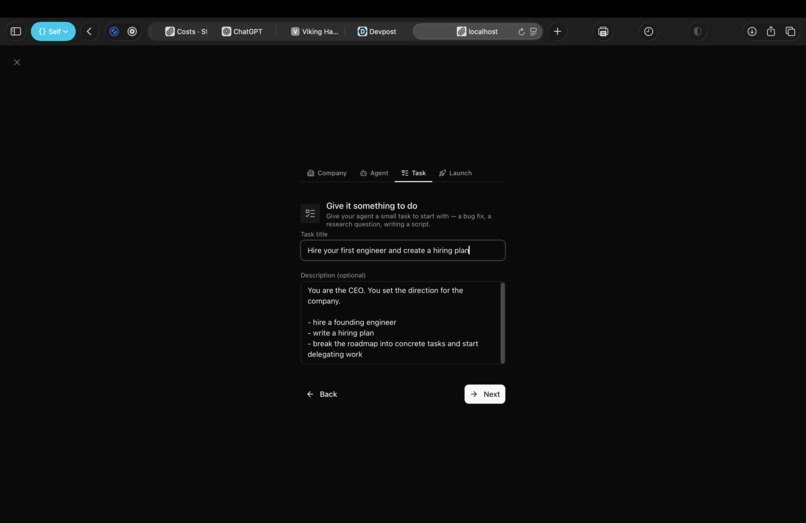
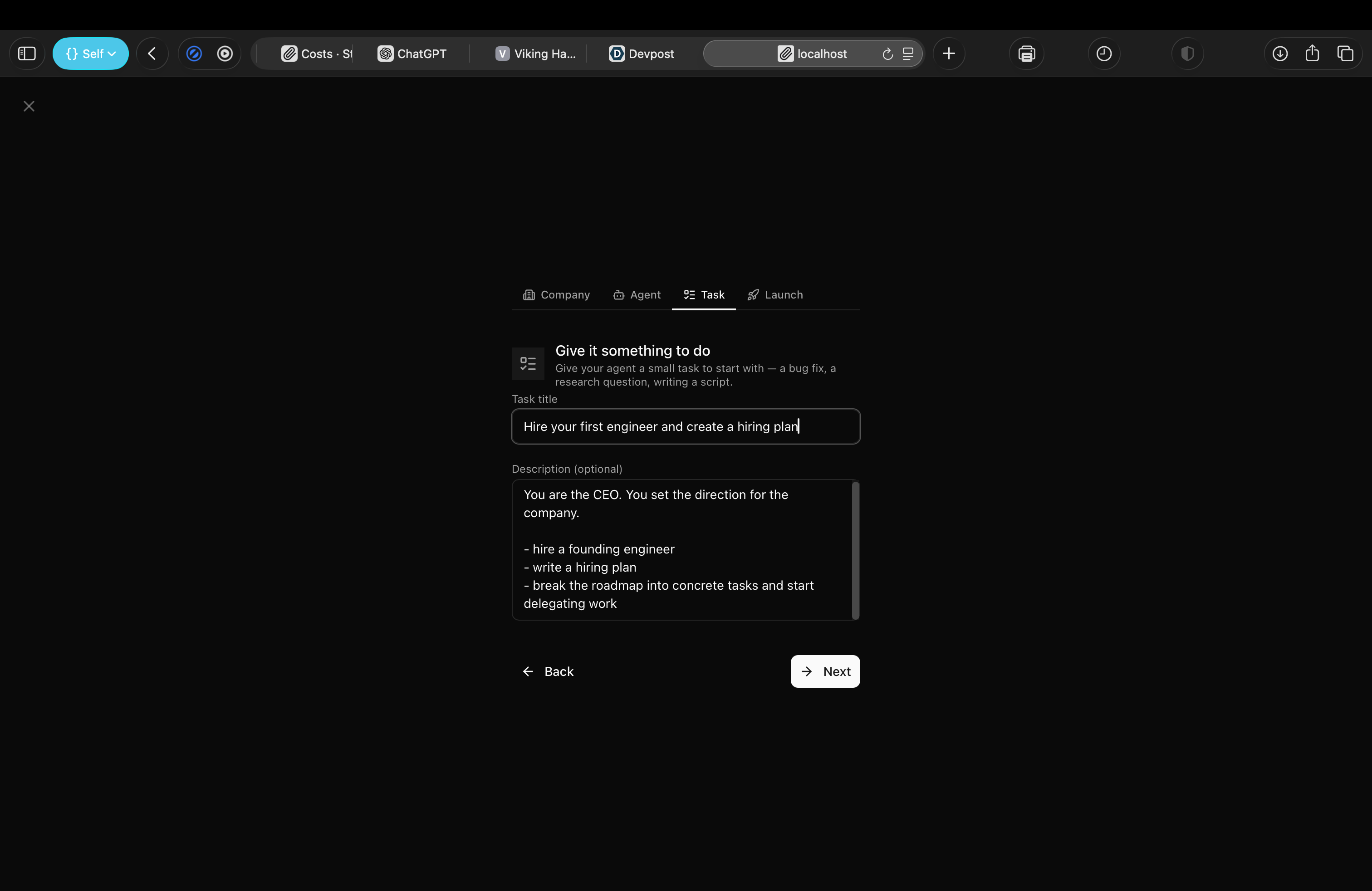
creating company
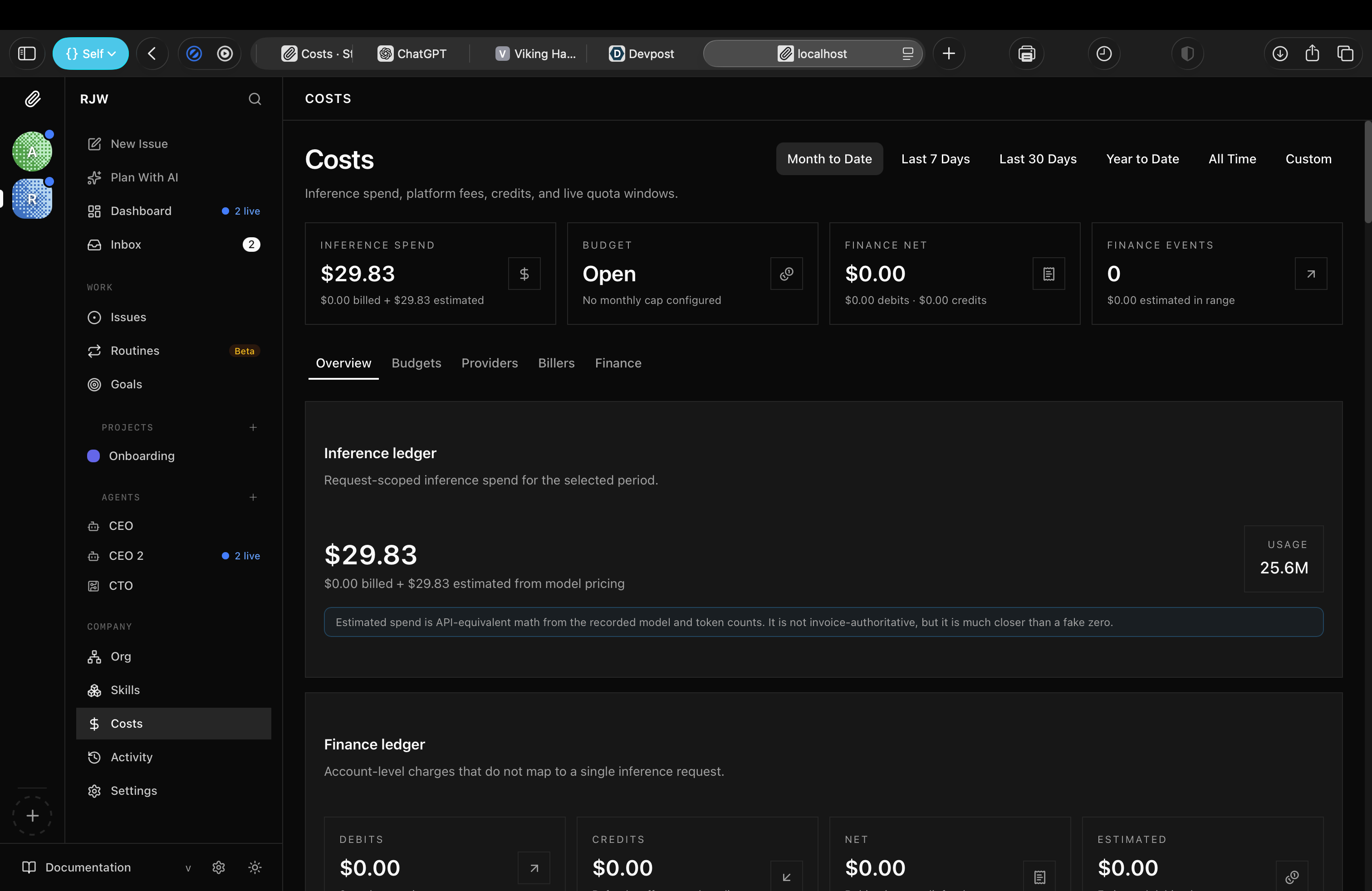
Inspiration
We wanted AI agents to feel like a real team, not just a bunch of separate chats and terminals. The idea came from seeing how messy it gets once you try to coordinate multiple agents with different roles.
## What it does
Staple is a control center for AI companies. You can create agents, assign roles like CEO or engineer, give them issues, set goals, run heartbeats, track activity, and manage approvals, budgets, and workspaces.
## How we built it
We built it as a full stack app with a React frontend, a Node.js and Express server, a Postgres database, and adapter-based runtime orchestration for local agents like Codex and Claude Code. The backend handles wakeups, routing, policy, and tracking while the UI gives you a clear way to manage everything.
## Challenges we ran into
One big challenge was making the app do real orchestration instead of feeling like a fake dashboard. Another was handling local agent execution, background scheduling, approvals, and company-scoped data safely without flows breaking.
## Accomplishments that we're proud of
We built a system that can actually structure AI agents into an org with tasks, reporting lines, and operating rules. We are also proud that it supports real local runtime control, not just static planning screens.
## What we learned
We learned that the hard part is not just AI output, it is coordination, reliability, and visibility. We also learned that strong backend architecture matters a lot if you want agents to feel usable in the real world.
## What's next for Staple
Next, we want to make automation loops smoother so planning, hiring, assignment, and execution feel more seamless. We also want better demos, stronger reliability, and smarter AI-assisted company setup so users can go from idea to working AI team much faster.
Built With
- claudeapi
- claudecode
- codex
- openaiapi
- pstgresql
- sqlite
- supabase
- typscript

Log in or sign up for Devpost to join the conversation.