-
-

Slide1
-

Slide2
-
Slide3
-
Slide4
-
Slide5
-
Slide6
-
Slide7
-
Slide8
-
Slide9
-
Slide10
-
Slide11
-
Slide12
-
Slide13
-
Slide14
-
Slide15
-
Slide16
-
Slide17
-
Slide18
-
Slide19
-
Slide20
-
Slide21
-
Slide22
-
Slide23
-
Slide24
-
Slide25
-
Slide26
-
Slide27
-
Slide28
-

Slide29
-
Slide30
-
Slide31
-

Slide32
-
Slide33
-
Slide34
-
Slide35
-
Slide36
-
Slide37


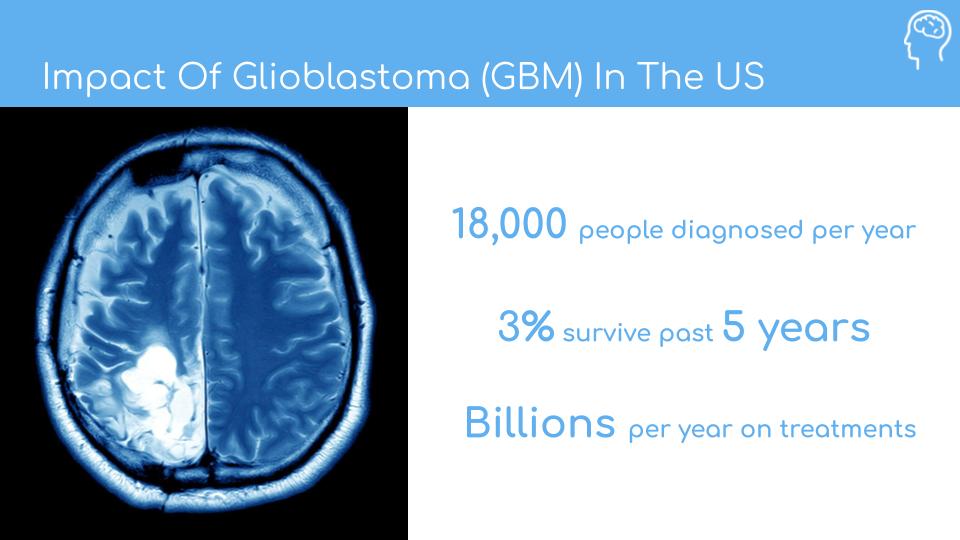
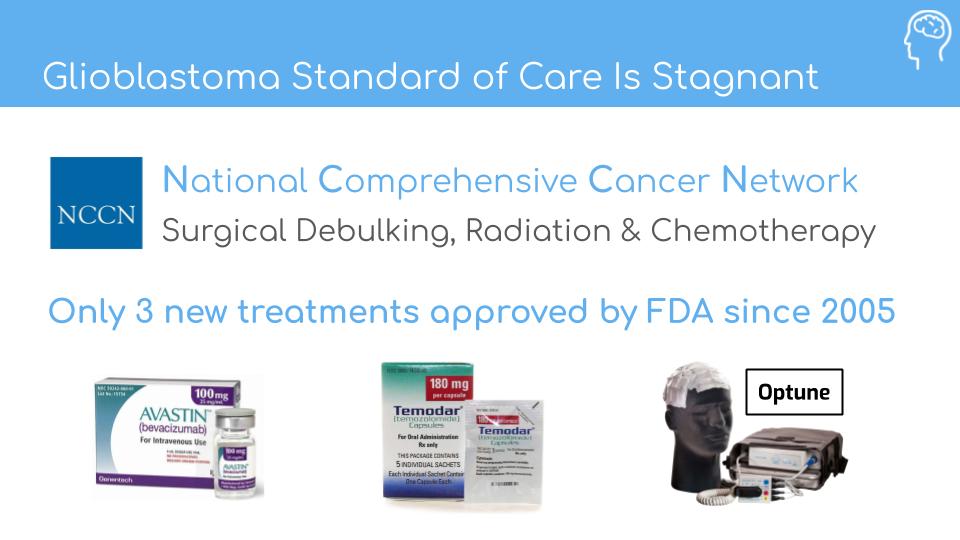
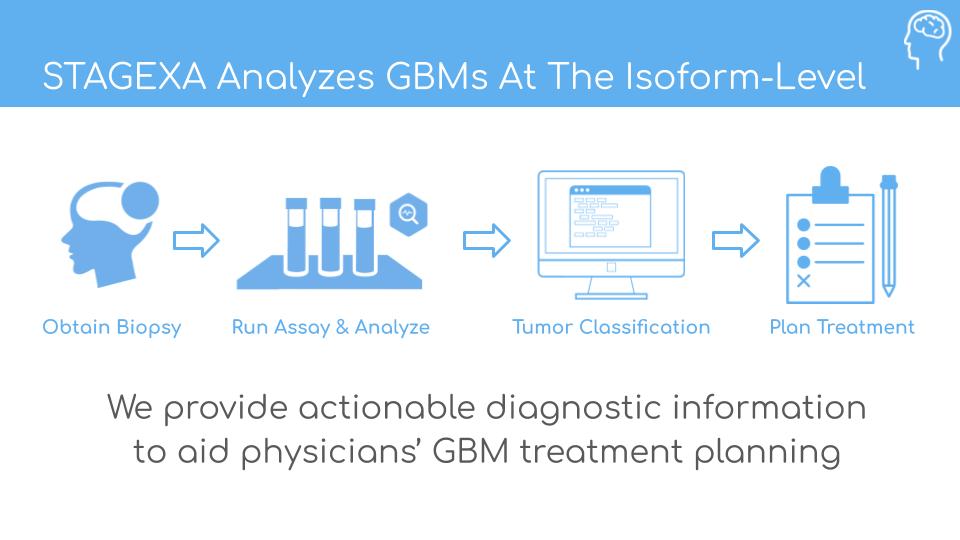



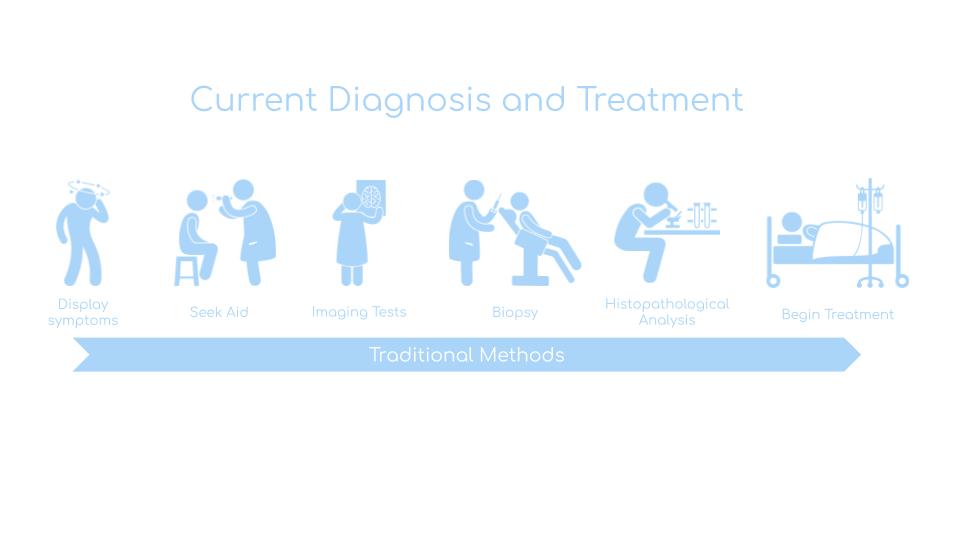
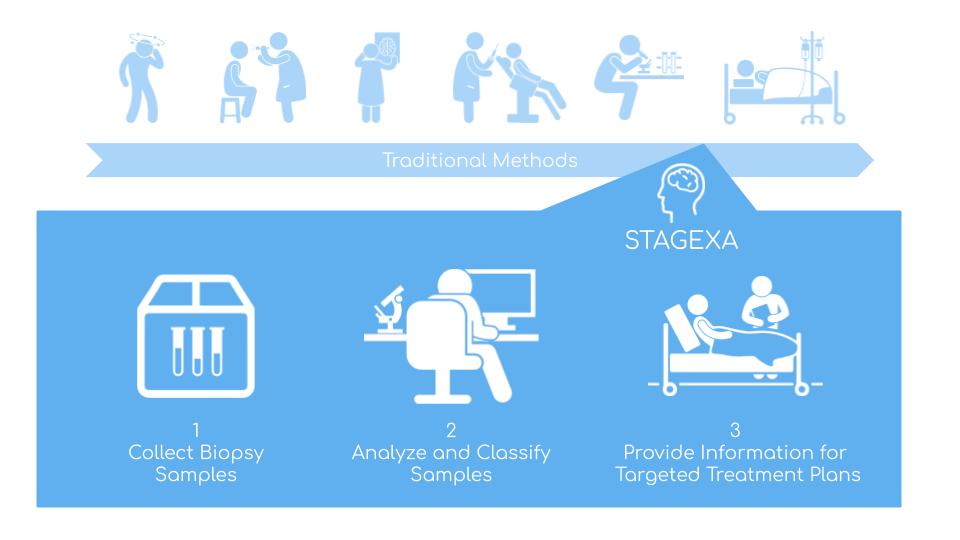
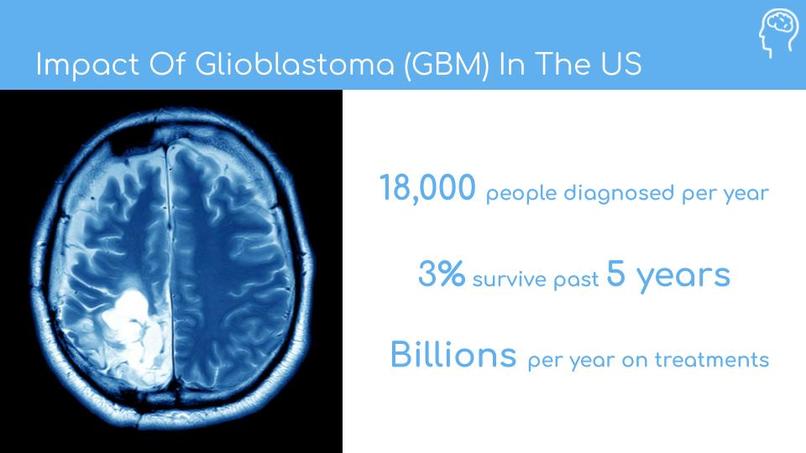
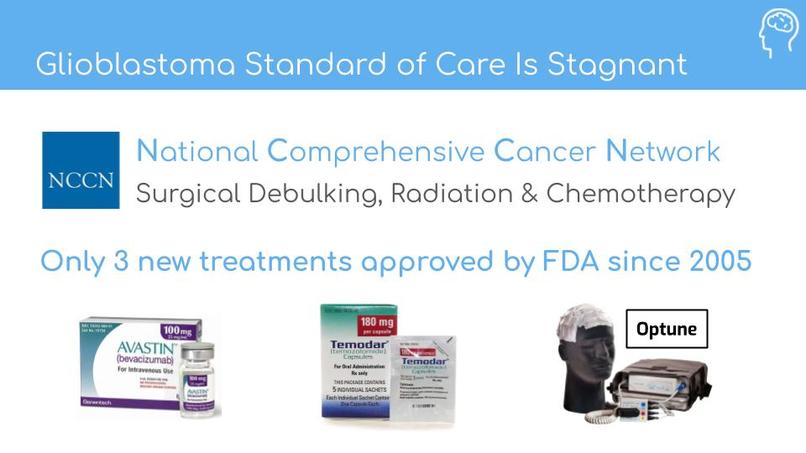
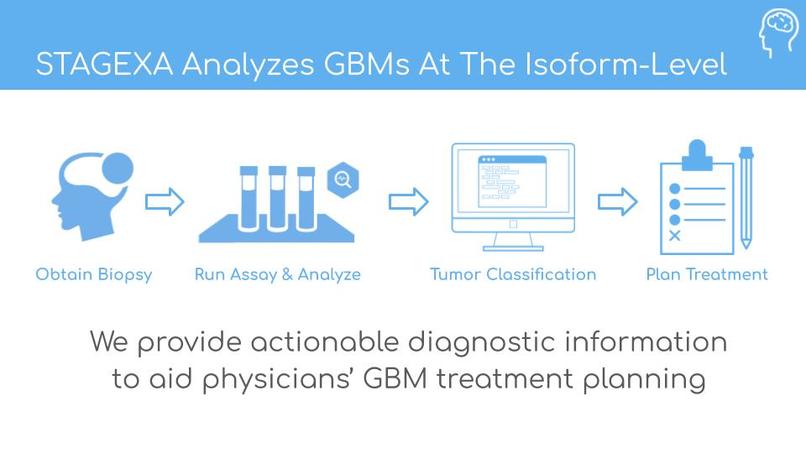
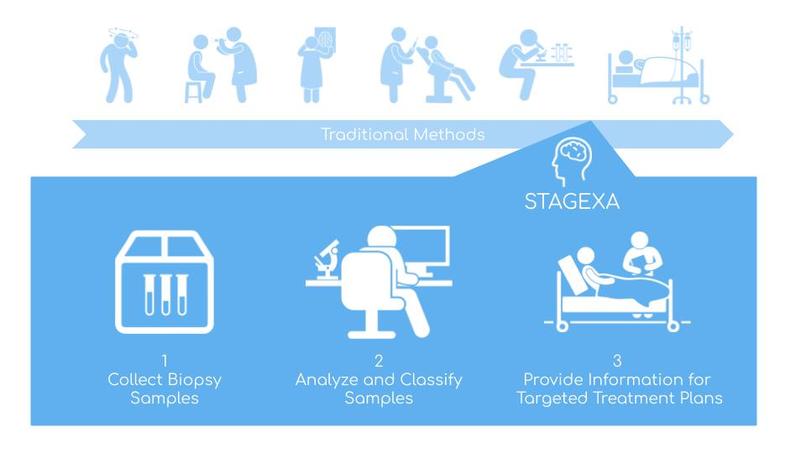
Glioblastoma (GBM) is the most devastating of all brain cancers and there has been limited progress in the biopharmaceutical world in the search for effective treatments. Of the nearly 18,000 GBM patients diagnosed annually in the U.S., only 3% will be alive in 5 years. This low level of survival in GBM patients has prompted our team to start STAGEXA in an effort to bridge the gap between patient and better treatment. We provide more granular and actionable diagnostic information so that physicians can make more tailored GBM treatment decisions.
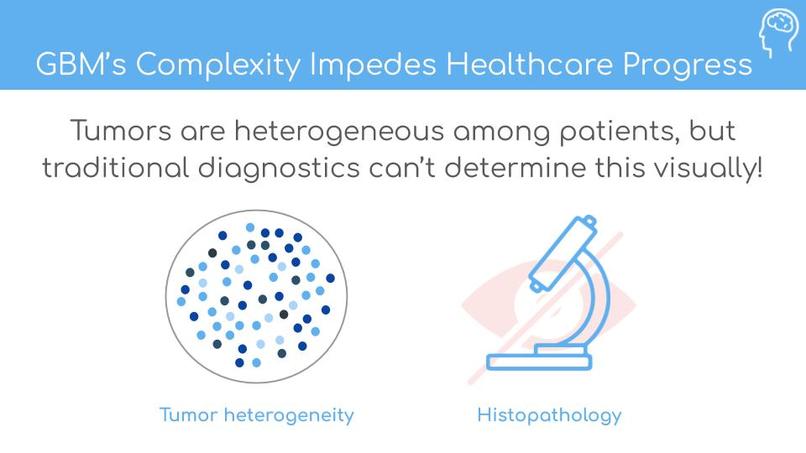
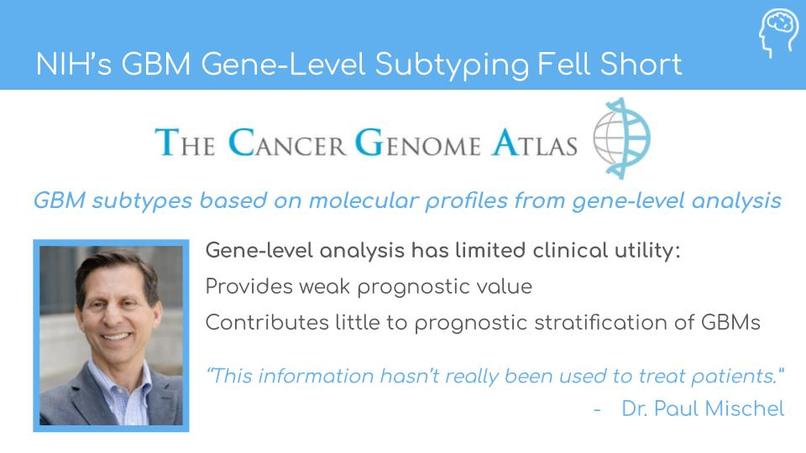
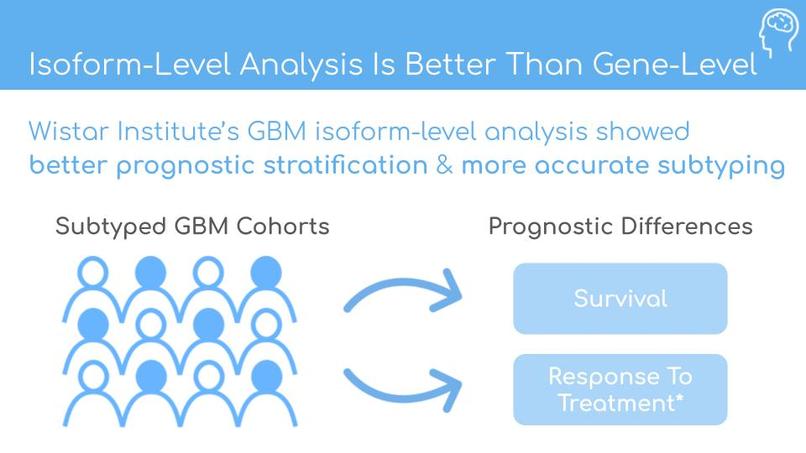
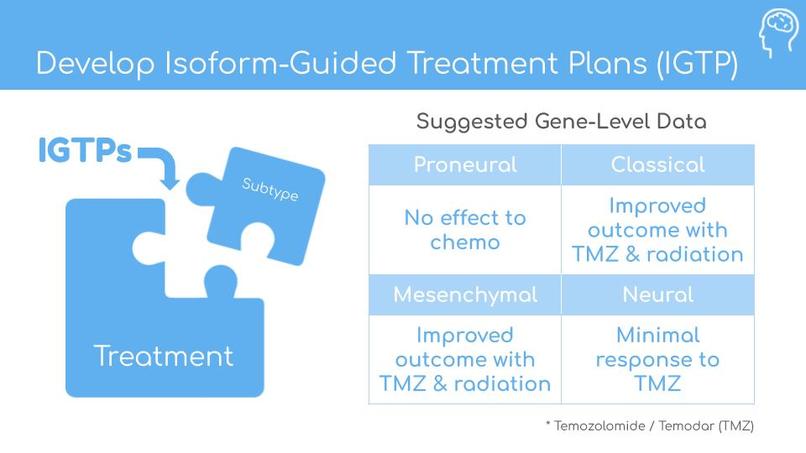
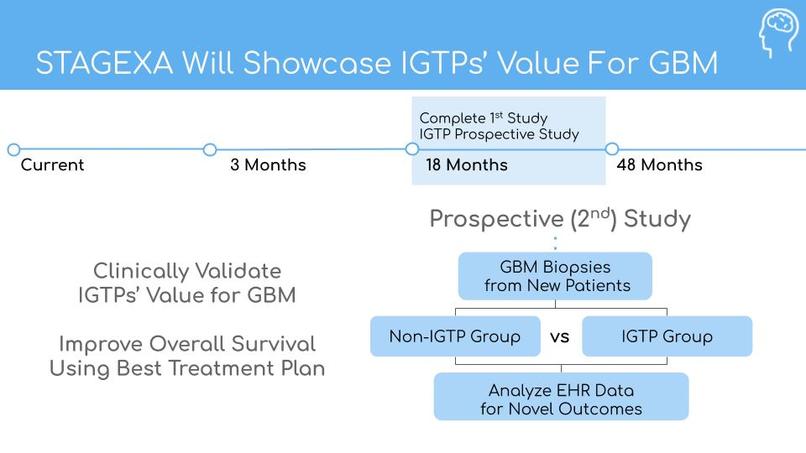
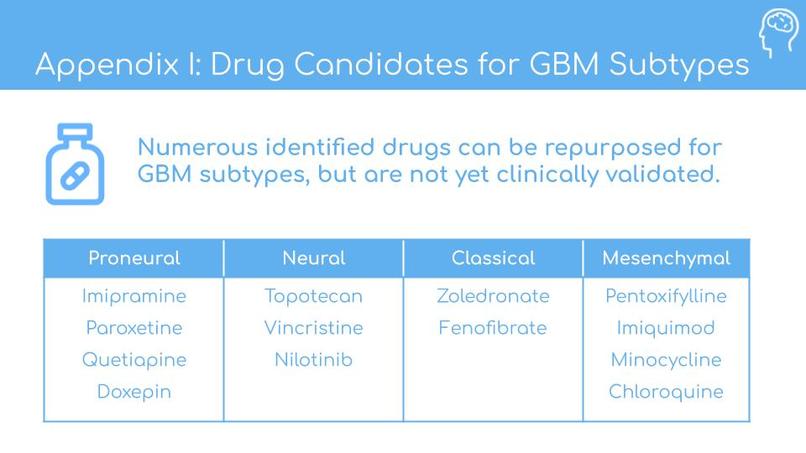
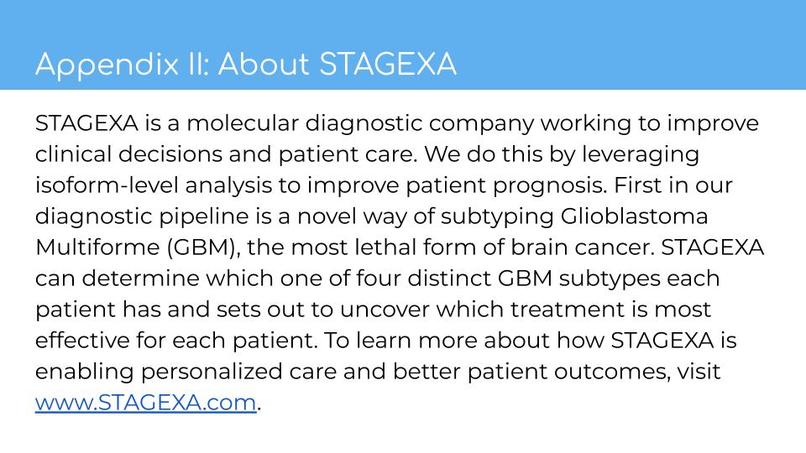
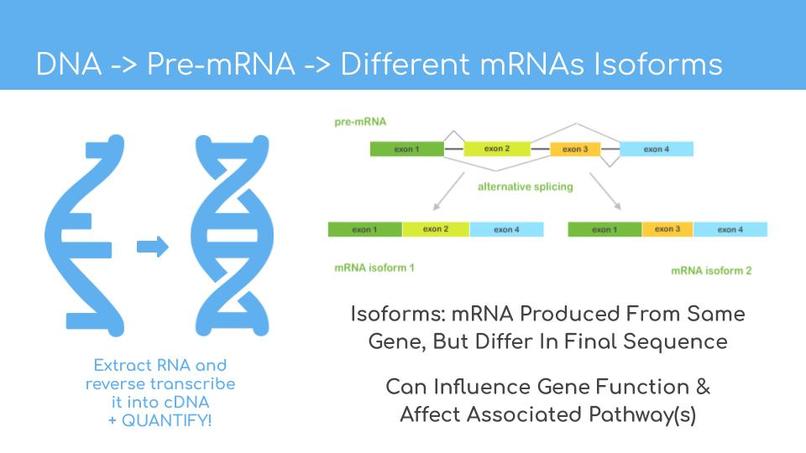
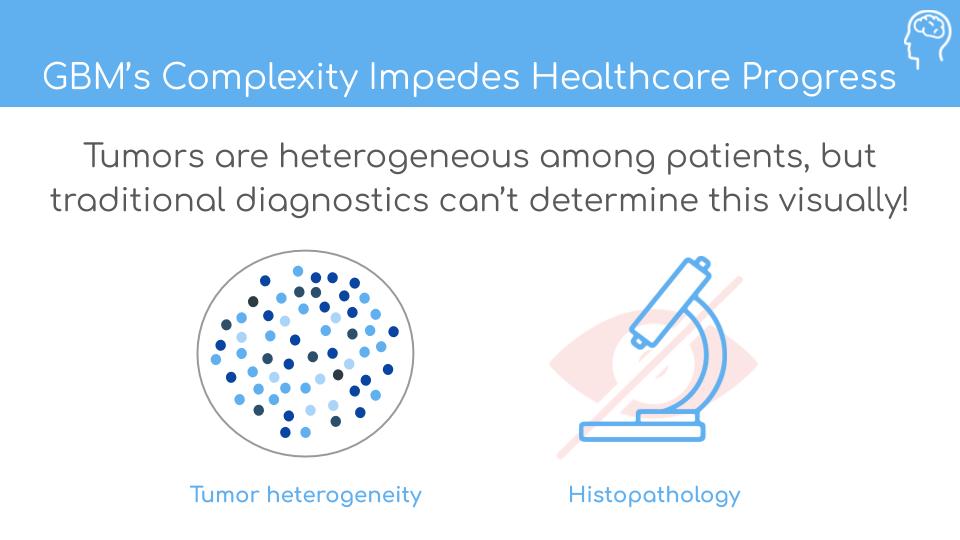
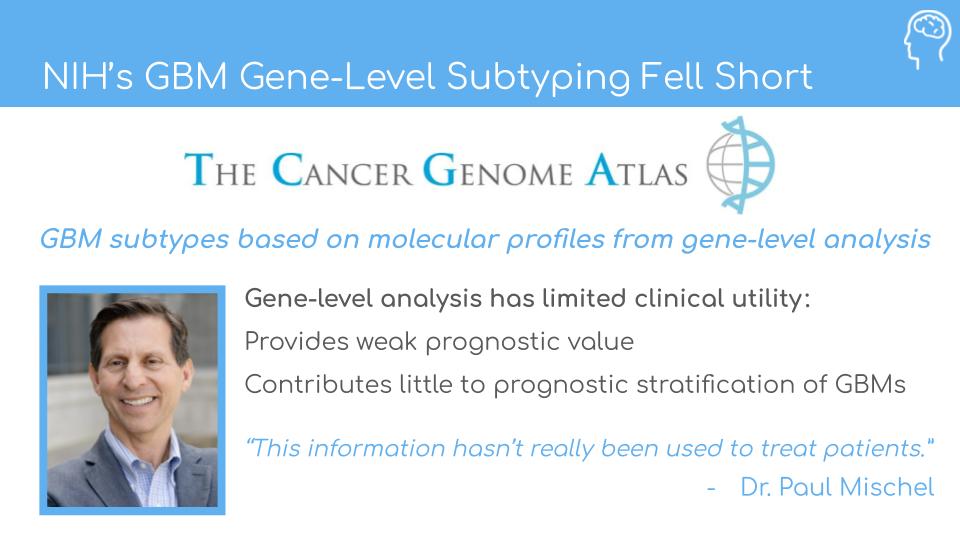
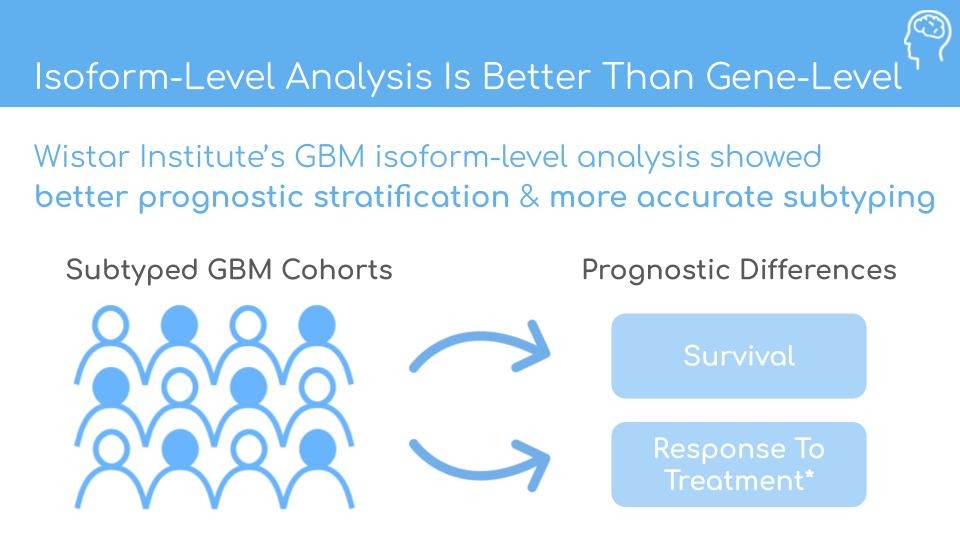
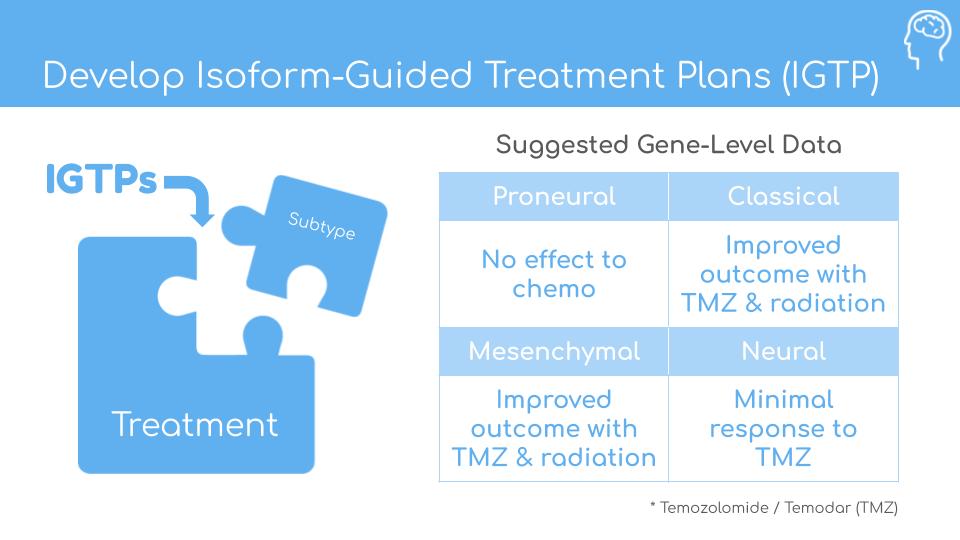
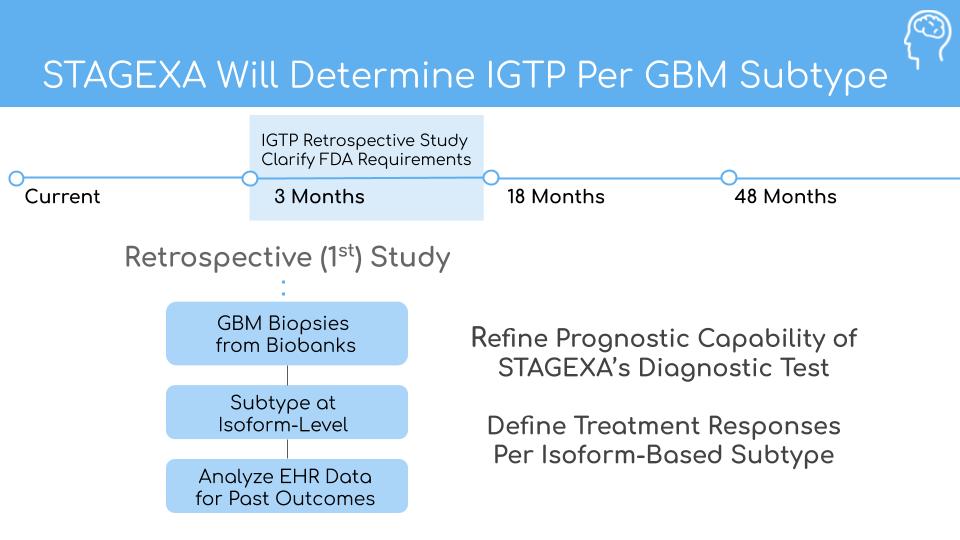
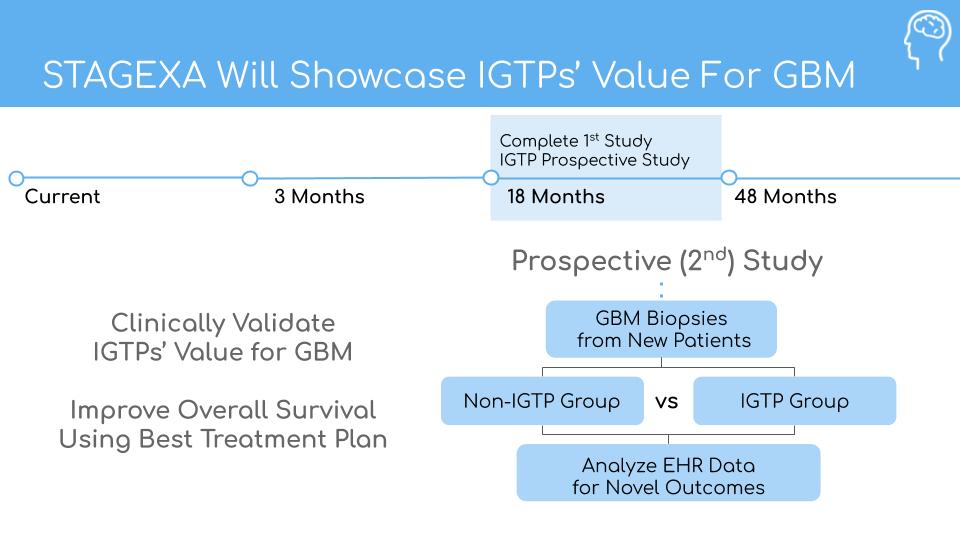
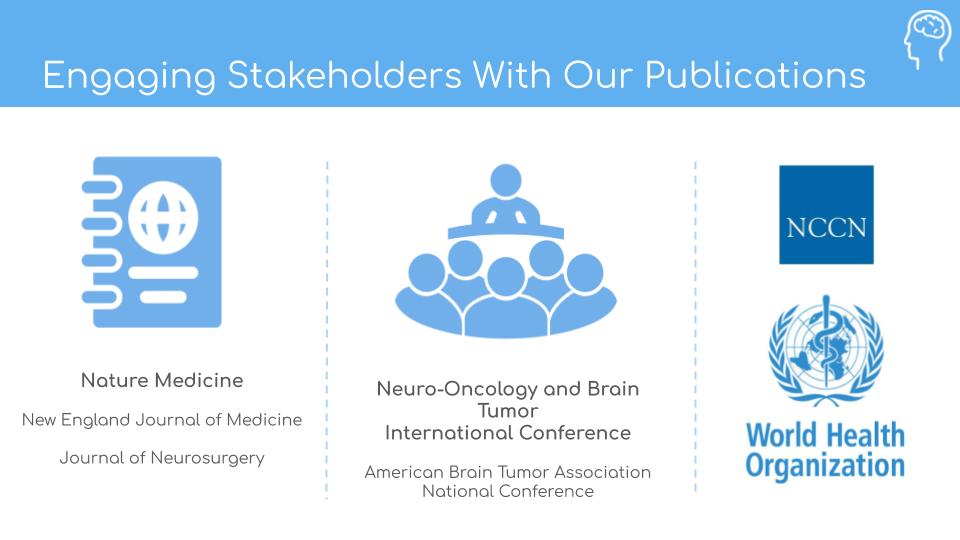
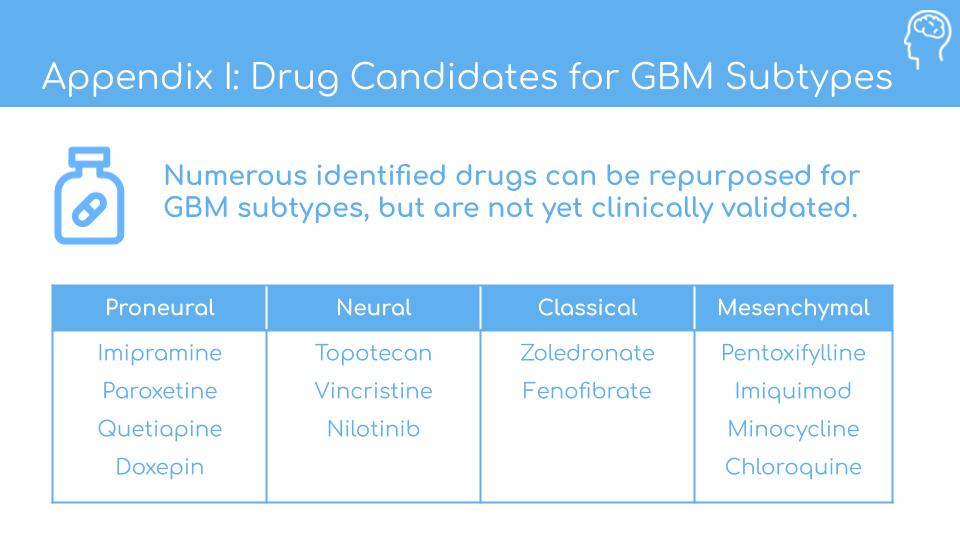
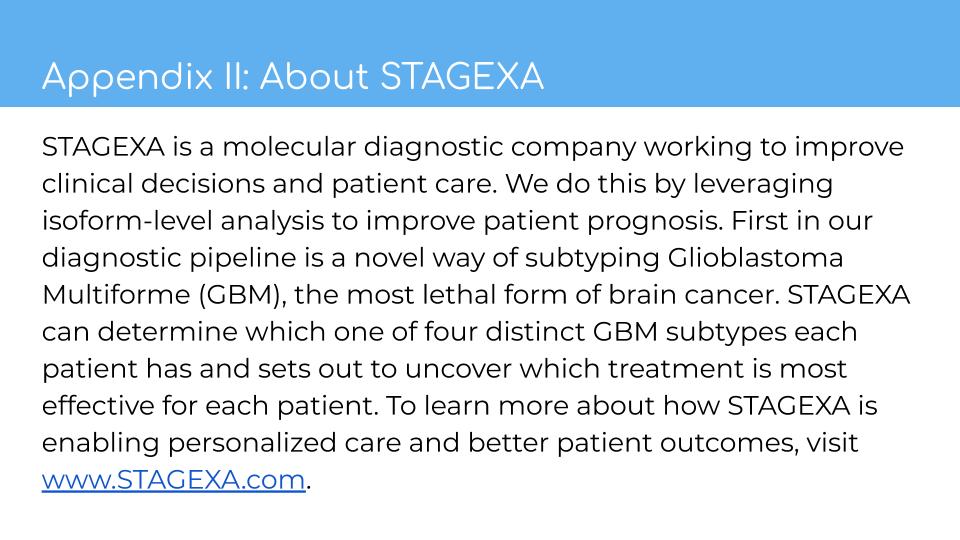
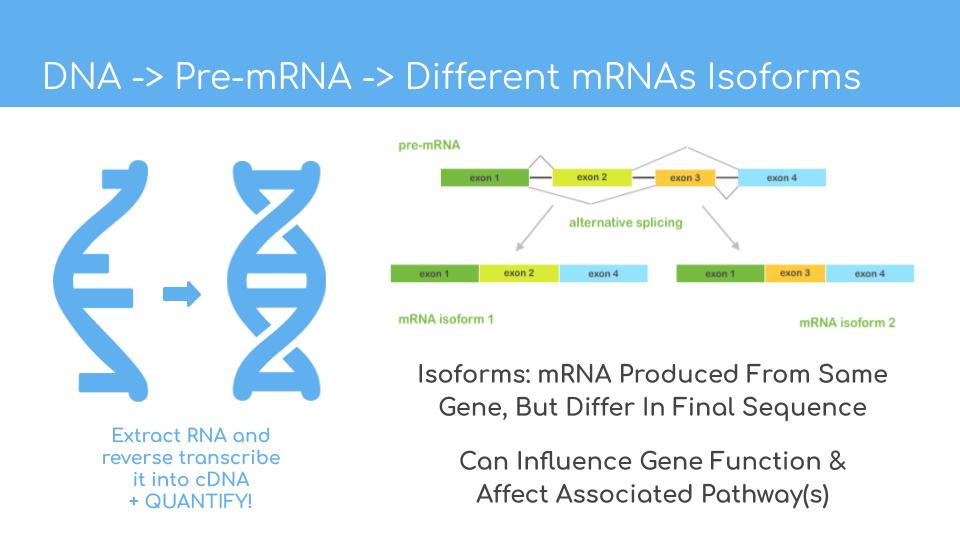
STAGEXA is commercializing a novel molecular diagnostic test developed by Wistar Institute that can efficiently categorize GBM biopsy samples into distinct subtypes with 93.6% accuracy. While these subtypes are widely acknowledged by the neuro-oncology community based on gene-level analysis, there has been limited success with utility of subtyping for clinical decision protocols due to their lack of prognostic value. STAGEXA will demonstrate enhanced prognostic capabilities based on our novel isoform-level analysis. We will generate both retrospective and prospective data to connect isoform-based GBM subtypes to their optimal treatment plans, ultimately improving clinical decision-making for the neuro-oncology community and patients.
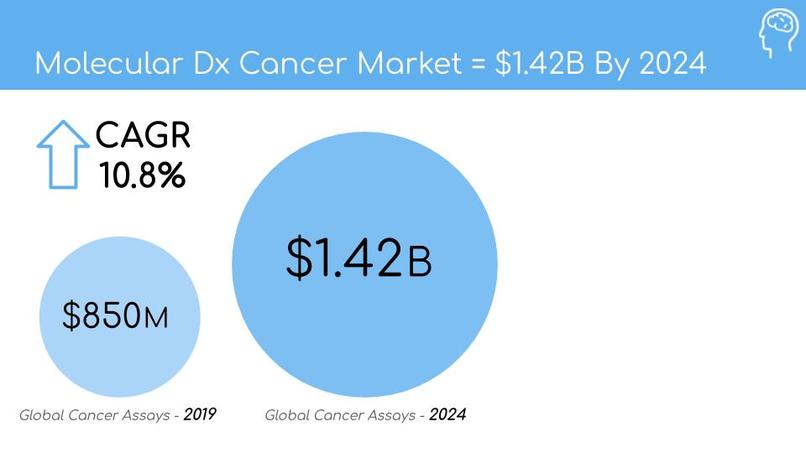
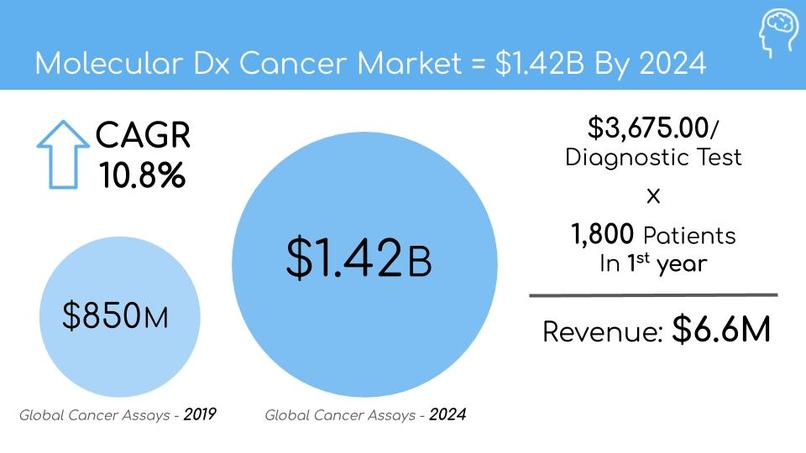
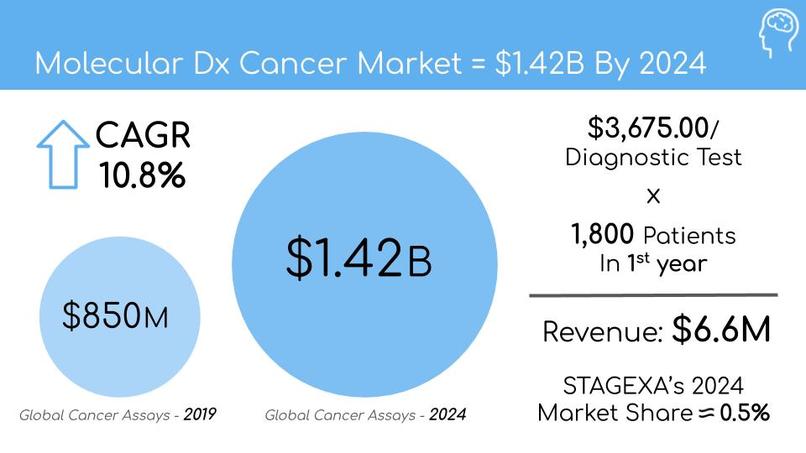
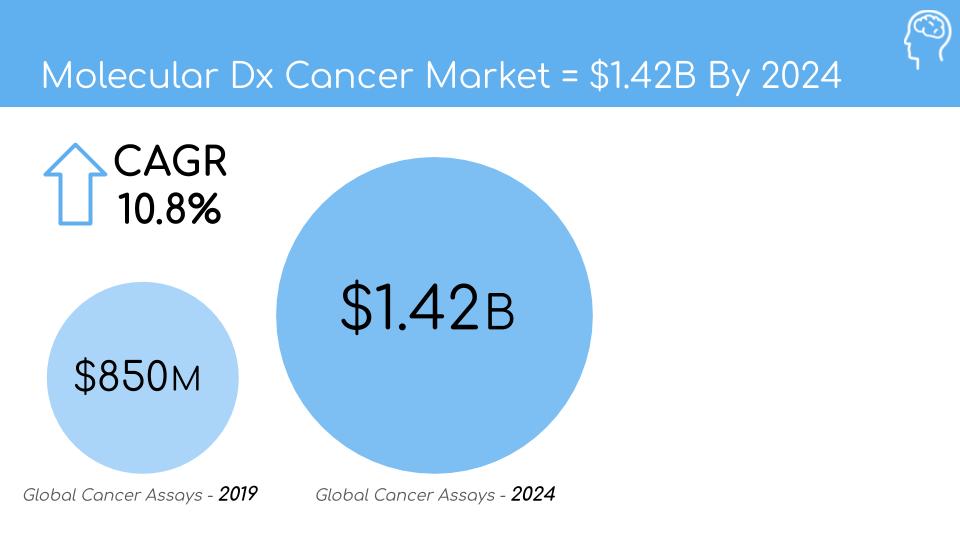
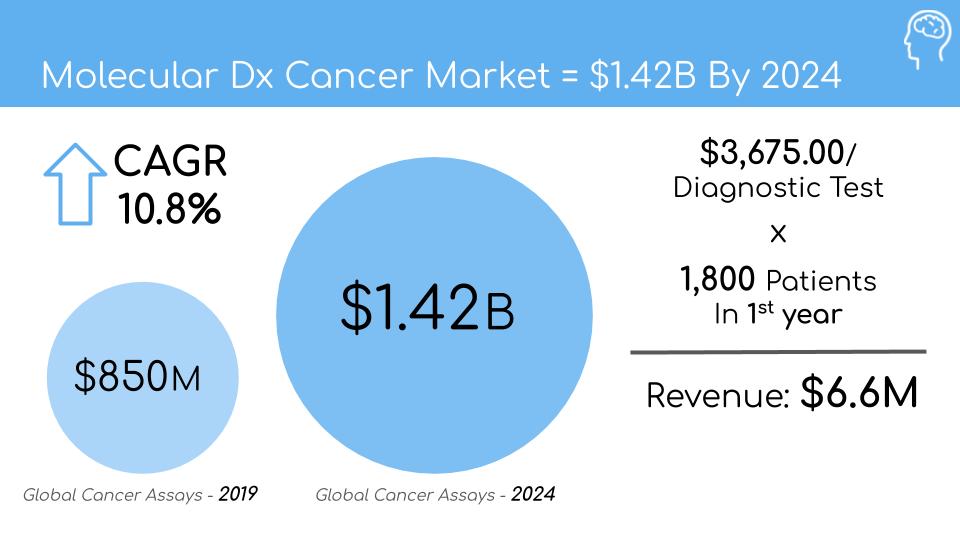
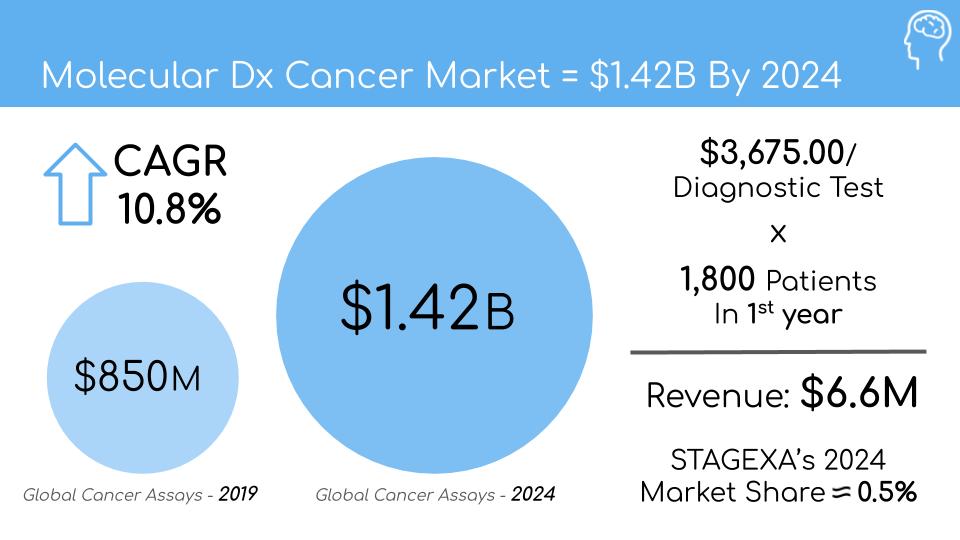
STAGEXA will be the first to commercialize a molecular analytics platform that operates at the isoform-level, which improves prognostic stratification and subtypes glioblastoma more accurately than at the gene-level. Moreover, our technology is situated within the Global Molecular Diagnostics market for Cancer Assays, which was $850M in 2019 and is projected to grow by 10.8% year-over-year to nearly $1.42B in 2024. Combining the robust development of our sector with the well-crafted barrier-to-entry set up by the Wistar patent, we are positioned to be a leader in GBM diagnostics with limited competition.
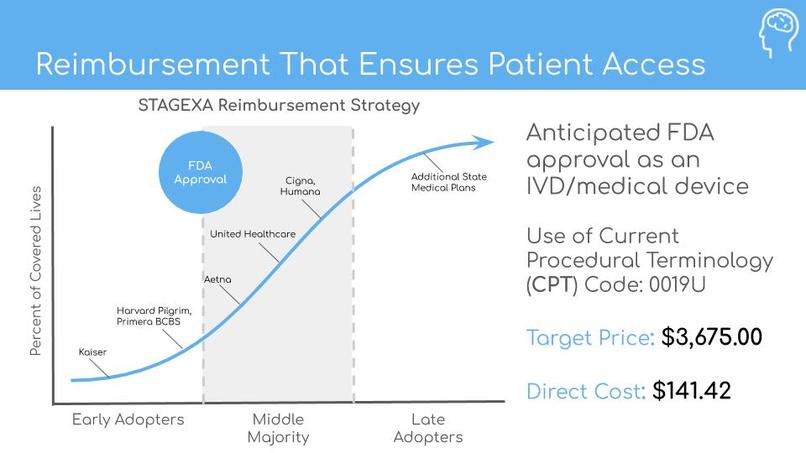
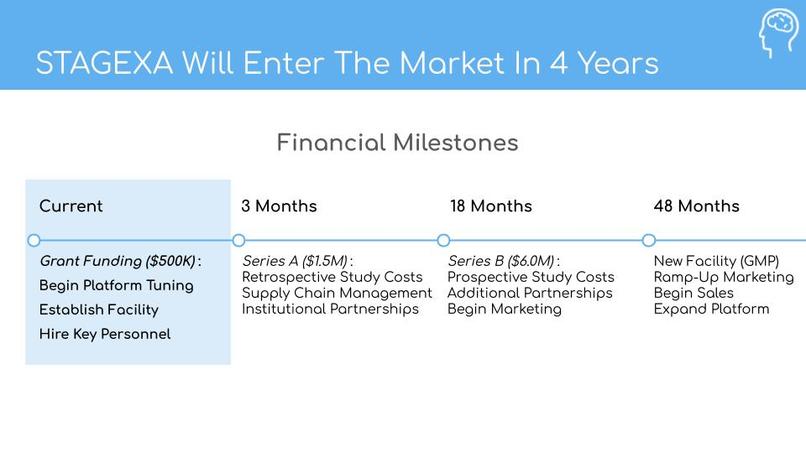
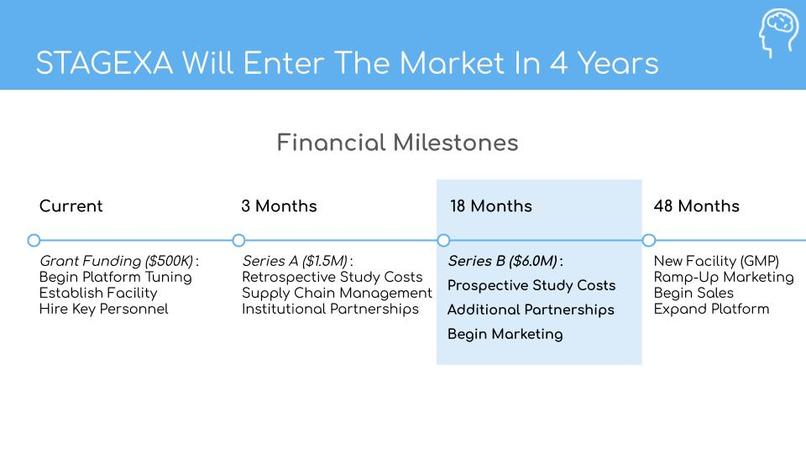
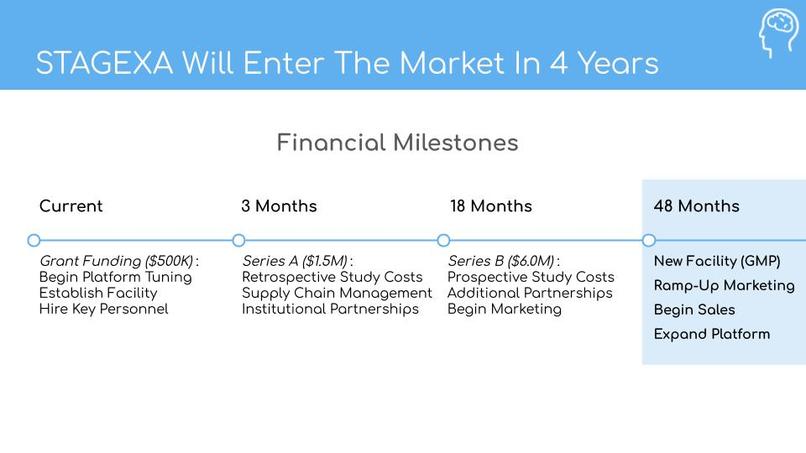
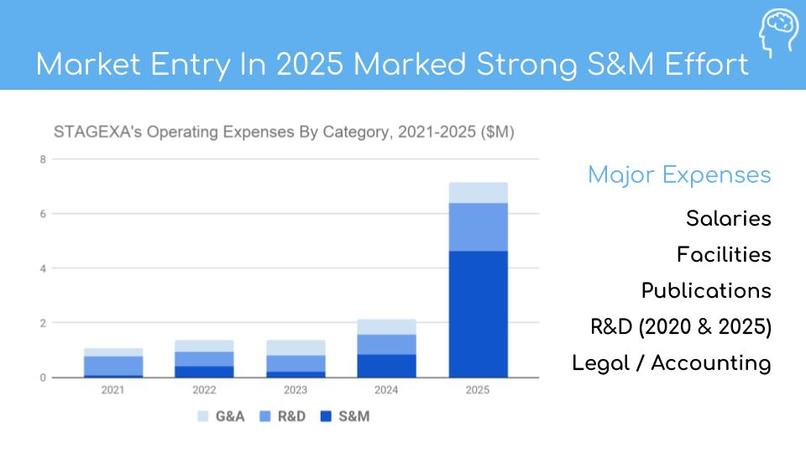
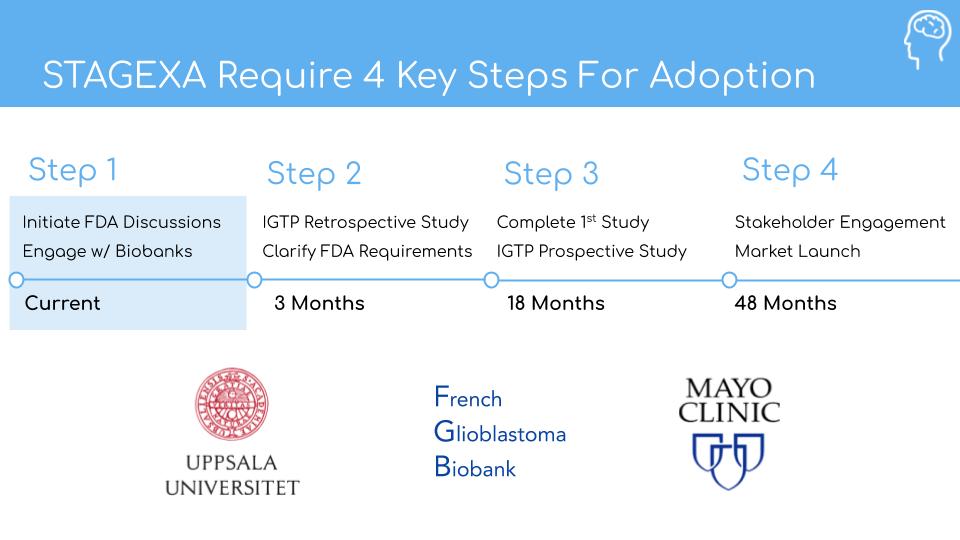
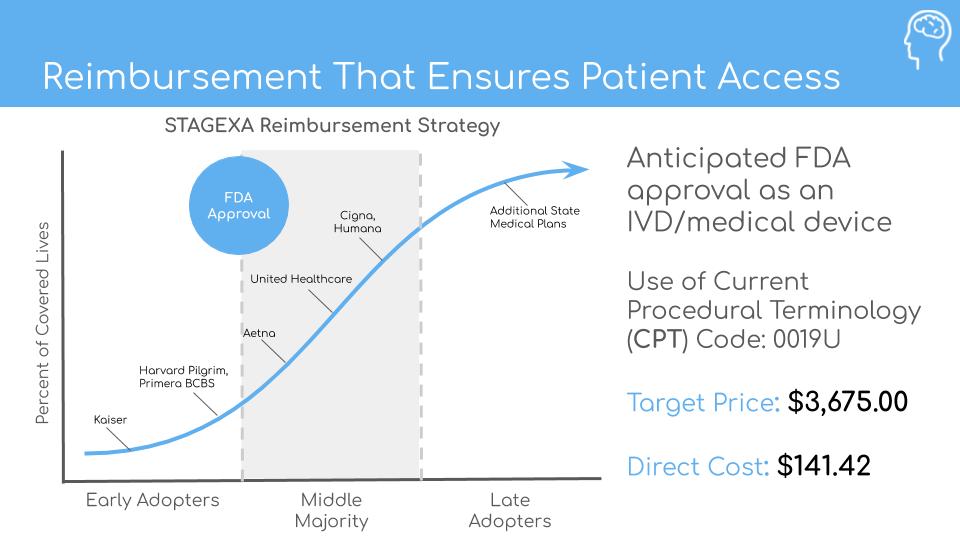
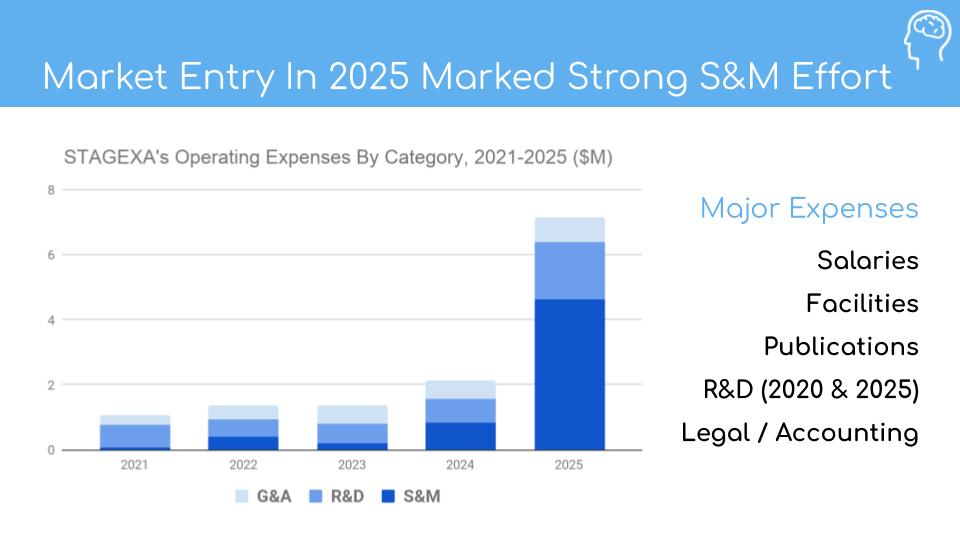
Our operating expenses remain low for the first 4 years of our venture. We will be using a majority of our funds in order to pay for salaries, facilities/equipment, and to fuel publication efforts. When launching our product in 2025, we will require a large expenditure on sales and marketing in order to drive clinical adoption. We expect reimbursement at $3,675.00/test as demonstrated by comparable CPT code: 0019U, while our direct costs are at just $141.42/test. With an expected 10% first year market penetration, given our target patient population of 18,000, our first year revenue will be $6.6M in 2025.
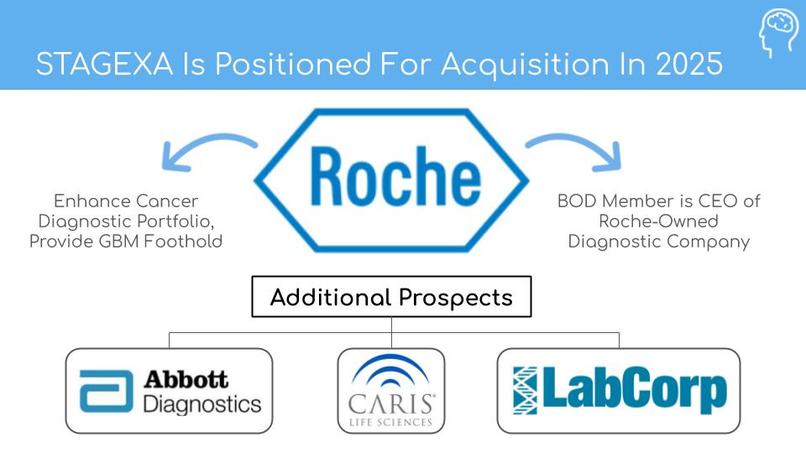
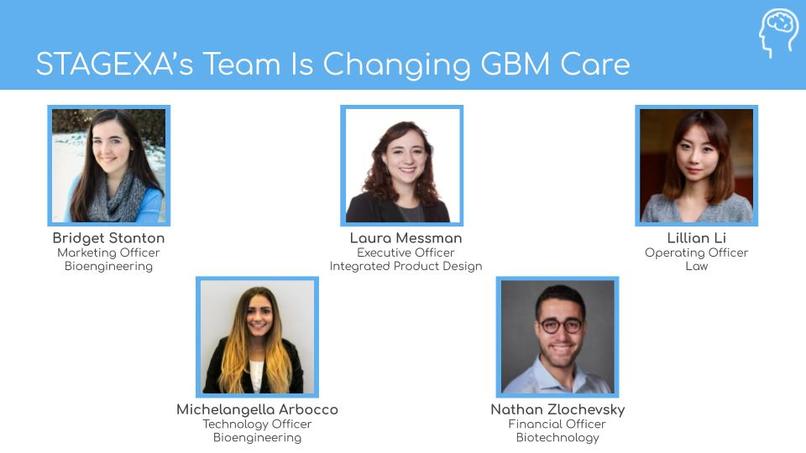
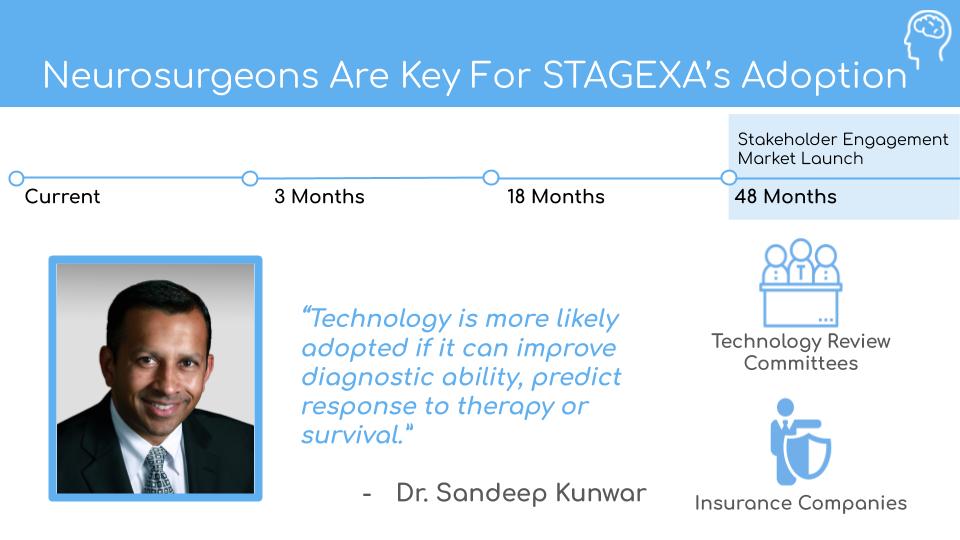
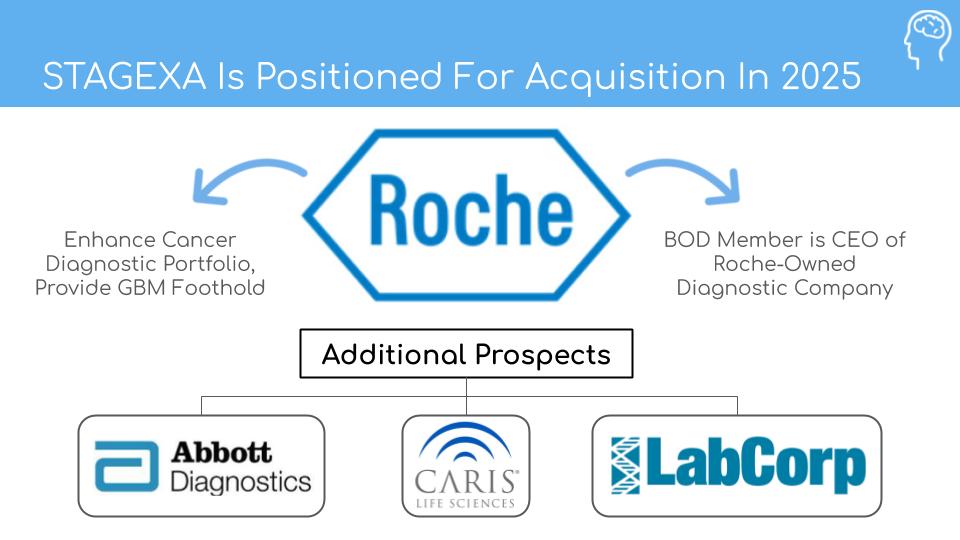
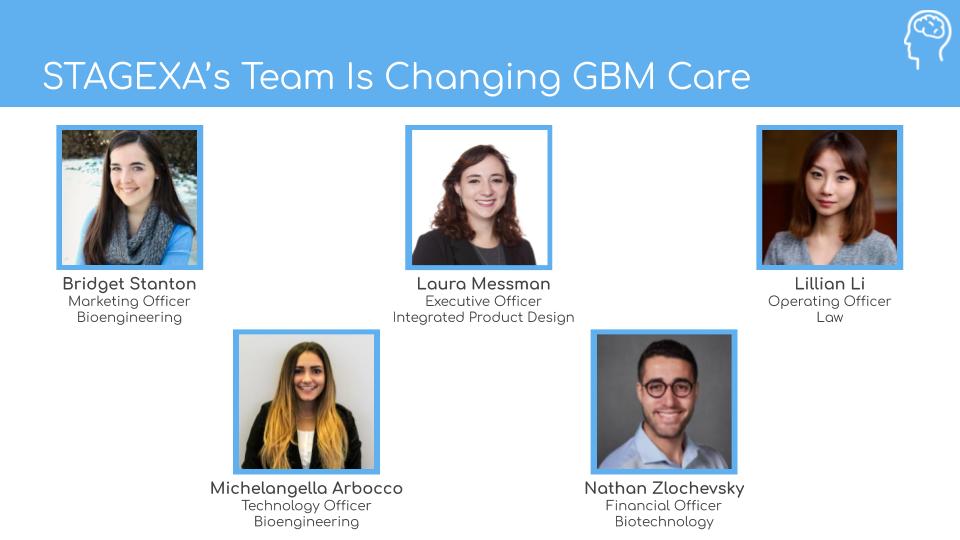
To bring STAGEXA’s test to market, we bring a strong team of interdisciplinary students from the University of Pennsylvania. Our expertise ranges from law to bioengineering. Our BOD includes our CEO, Laura Messman, and our CFO, Nathan Zlochevsky, as well as Cindy Perettie, CEO of Foundation Medicine. We are especially excited about Ms. Perettie’s involvement given her experience in successfully commercializing similar technologies. Our Board of Advisors include Louise C. Showe, PhD. from Wistar Institute, Donald M. O’Rourke, M.D. from Penn Medicine, and Ramana V. Davuluri, PhD. from Northwestern Medicine. We are proud to have such powerhouses with expertise in assay development, neurosurgery, and algorithm development aiding us in the development of our platform technology.
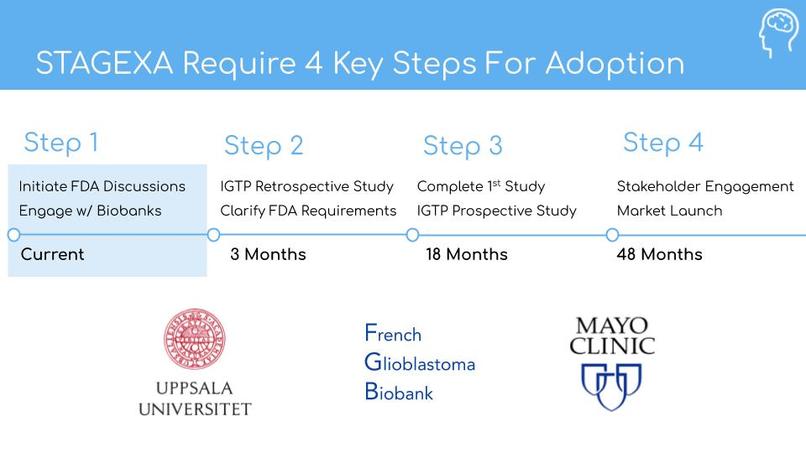
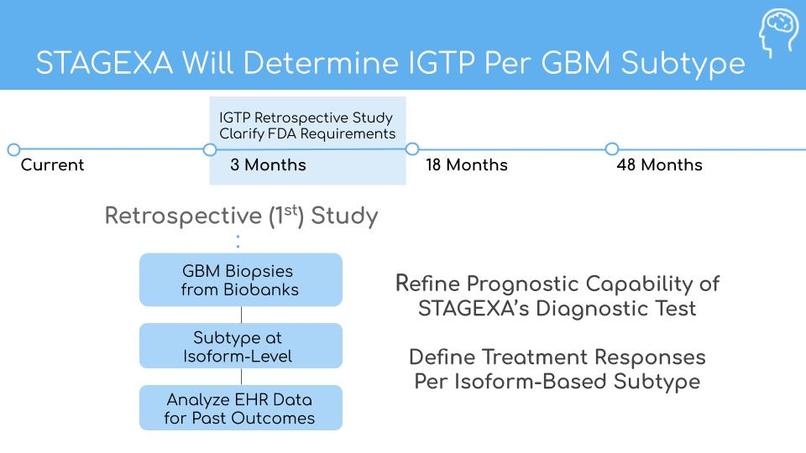
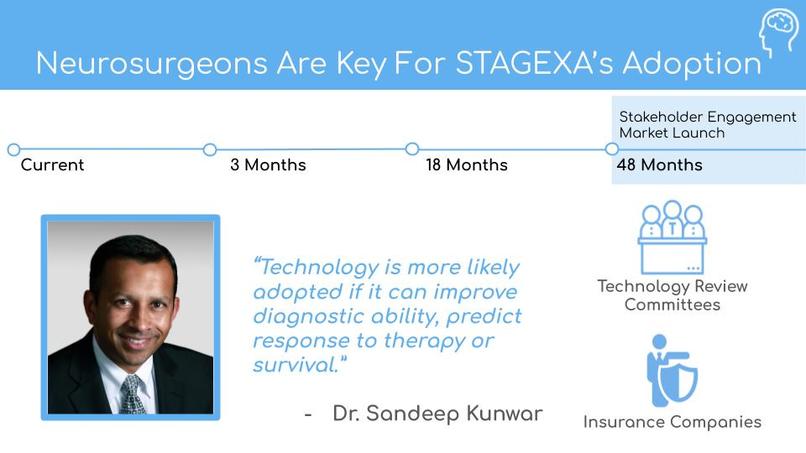
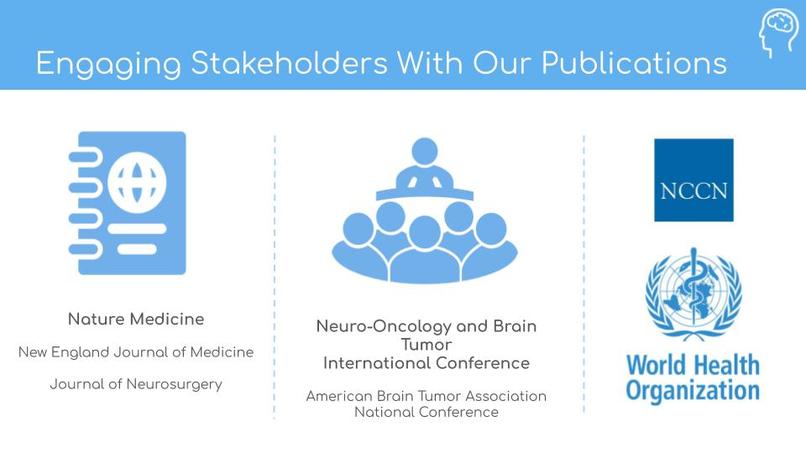
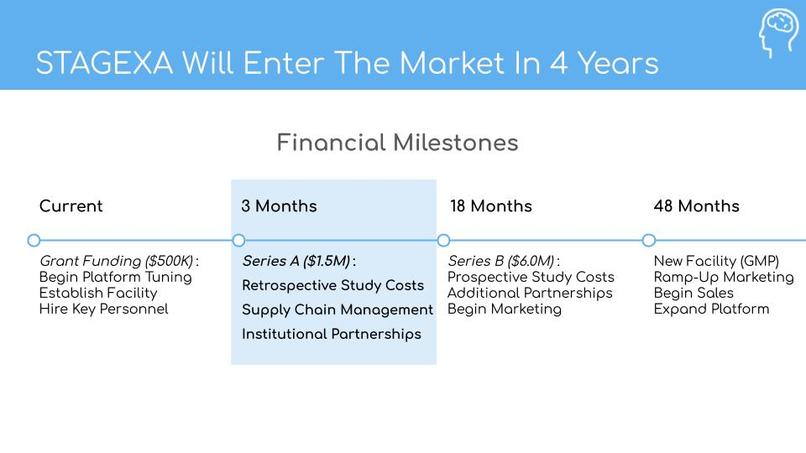
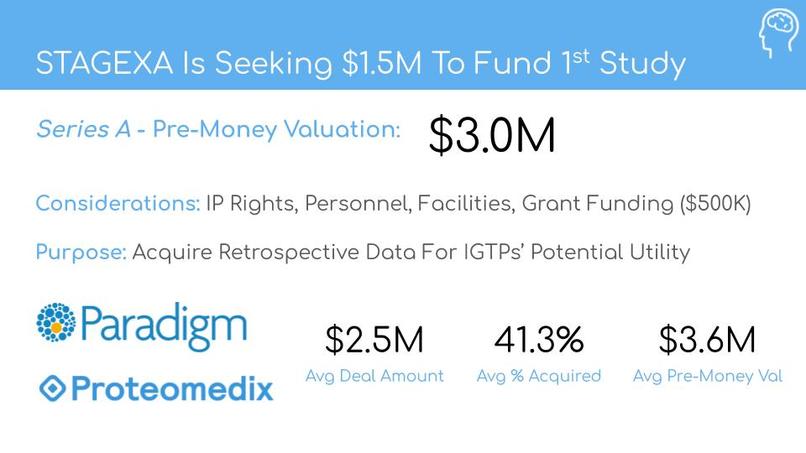
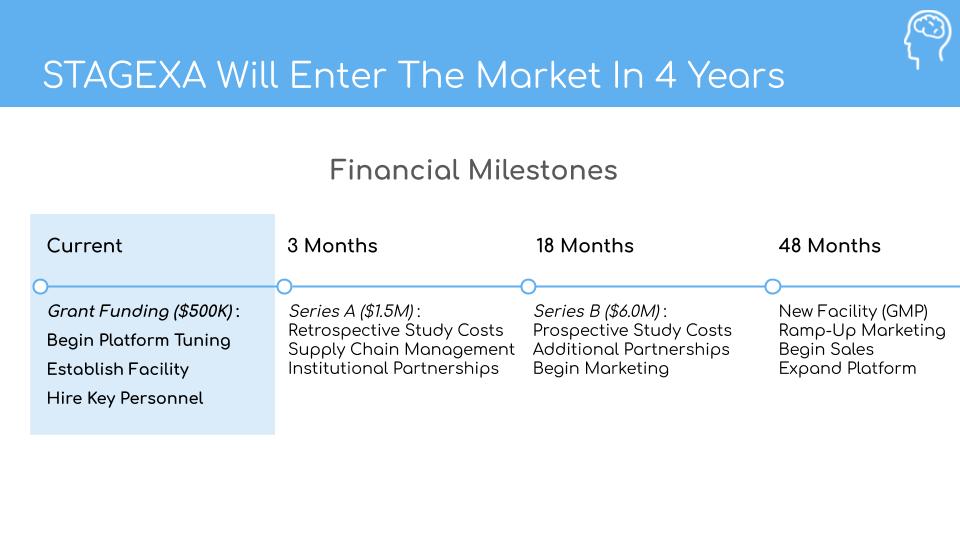
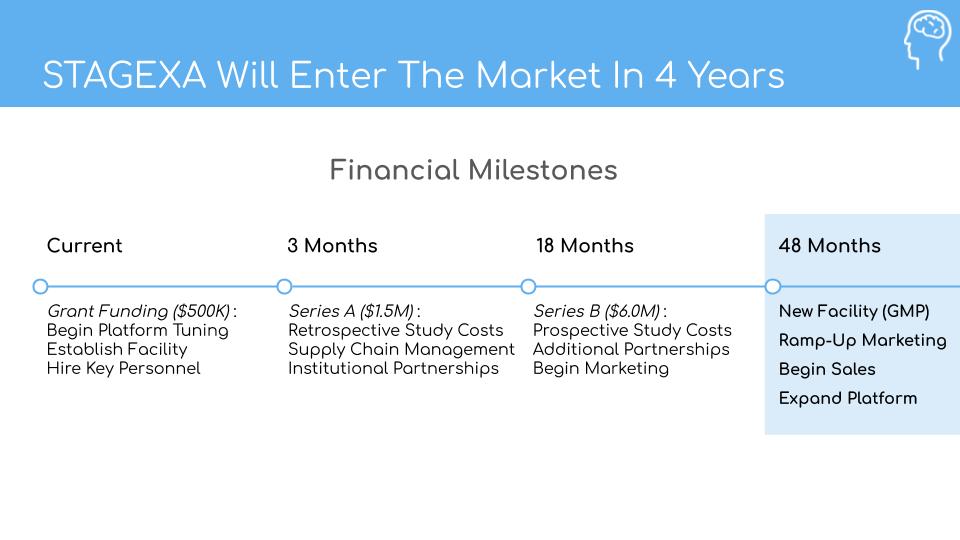
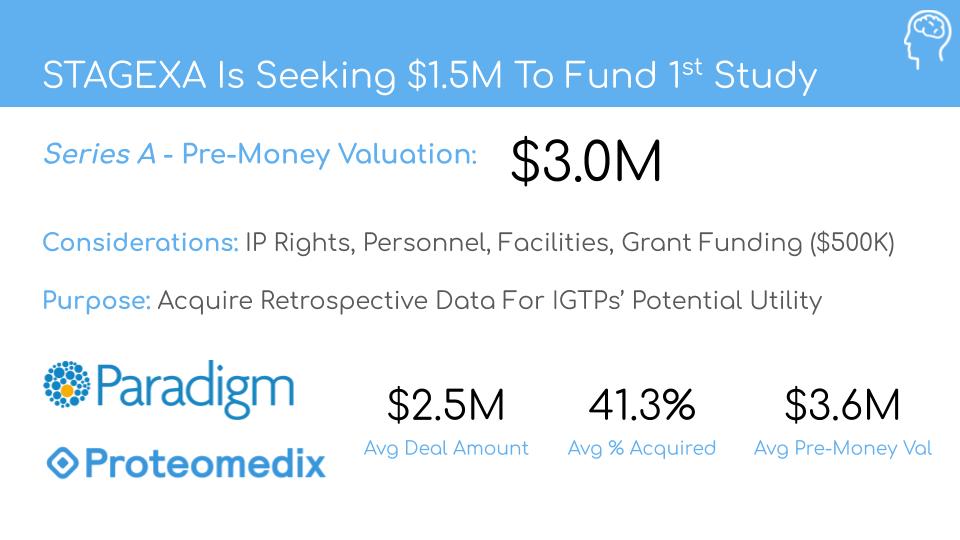
In order to achieve commercialization, STAGEXA is seeking $1.5 Million dollars during our current Series A round of financing. This will cover the costs of the retrospective study and our operations over the course of the next 18 months. The data we generate from this first study will allow us to refine the prognostic capability of our diagnostic test and to define treatment responses for each isoform- based GBM subtype. Additionally, this data will help fuel our campaign of educating physicians about the utility of our test and further a major phase of our adoption efforts.
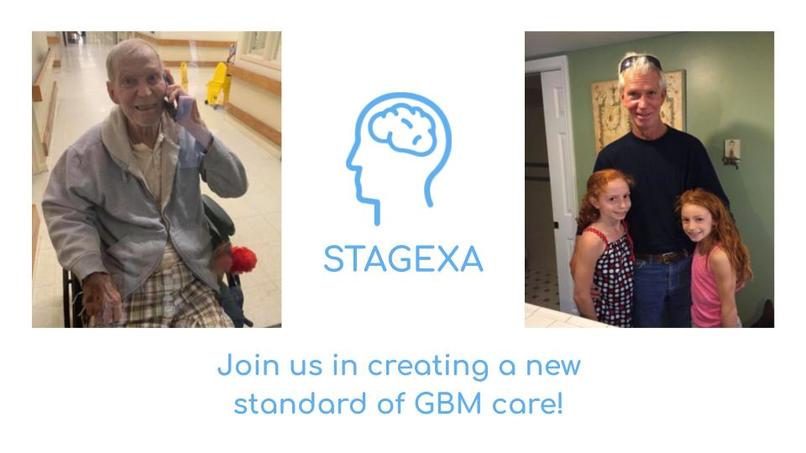
Join us as we shed new light on the heterogeneity of GBM tumors while connecting subtype to treatment plans with our novel isoform-level analysis platform!

Log in or sign up for Devpost to join the conversation.