Inspiration
I’ve loved theatre ever since I saw my first musical on Broadway when I was 13. I barely understood English at the time, but the magic of the stage completely hooked me. Since then, I go to the theatre whenever I get the chance but I can't remember everything I want from the shows I'm seeing.
By the end of August, I was trying to come up with a good idea for the Shipaton, but nothing felt truly inspiring to me. The inspiration finally hit me after a night out at the theatre in Melbourne. I was watching a musical and one of the performers was absolutely incredible, and she happened to be an understudy.
After the show, while talking with friends who also love theater, I realized a common problem: when you see a lot of shows every year, it gets really hard to keep track of the details. Months later, you forget the name of that amazing alternate actress, exactly where your seats were, or who else was on the official cast list. I wanted a personal app to save all those precious memories easily so I'd never forget a performance. That’s how StageStory was born.
What it does
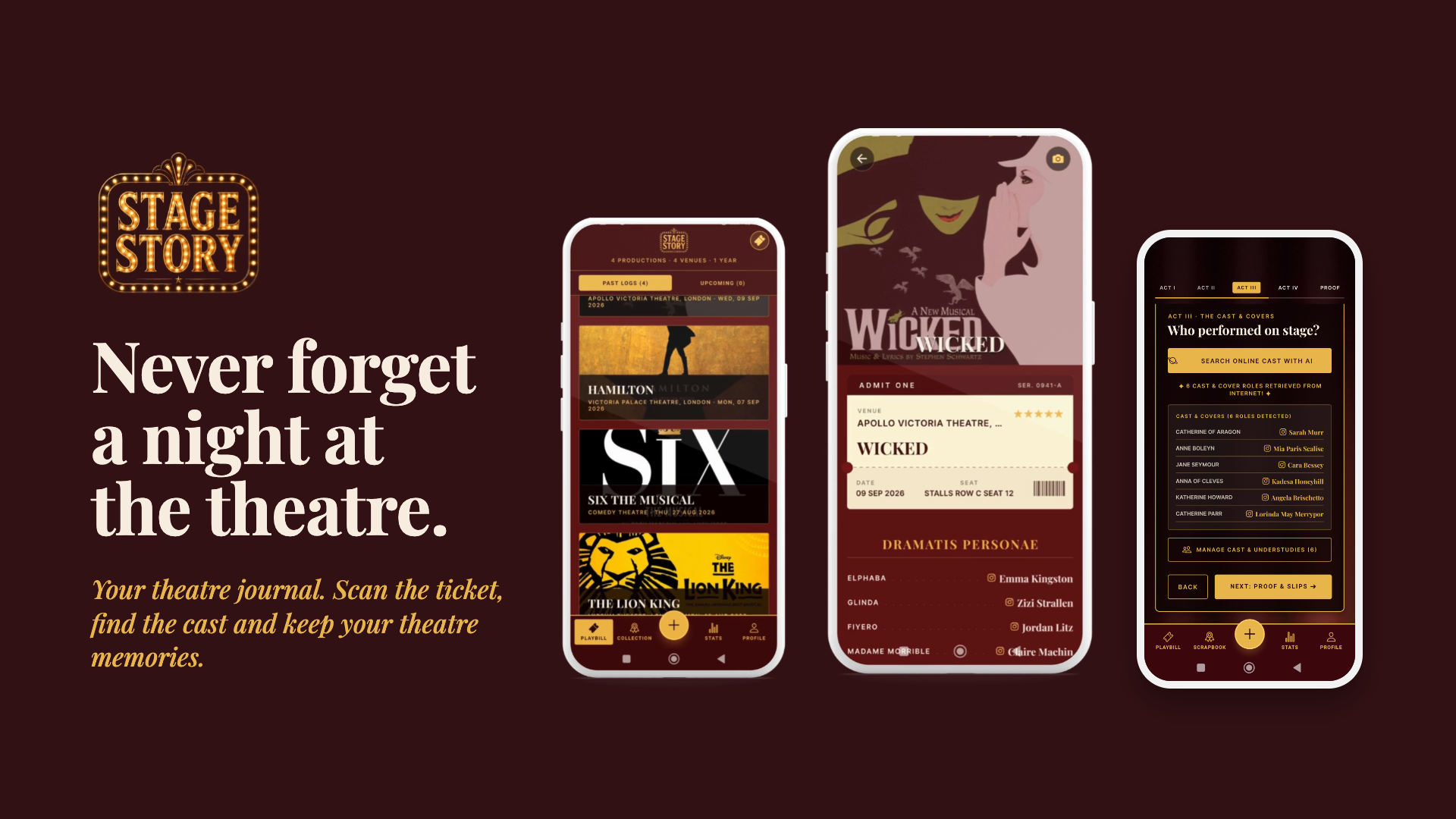
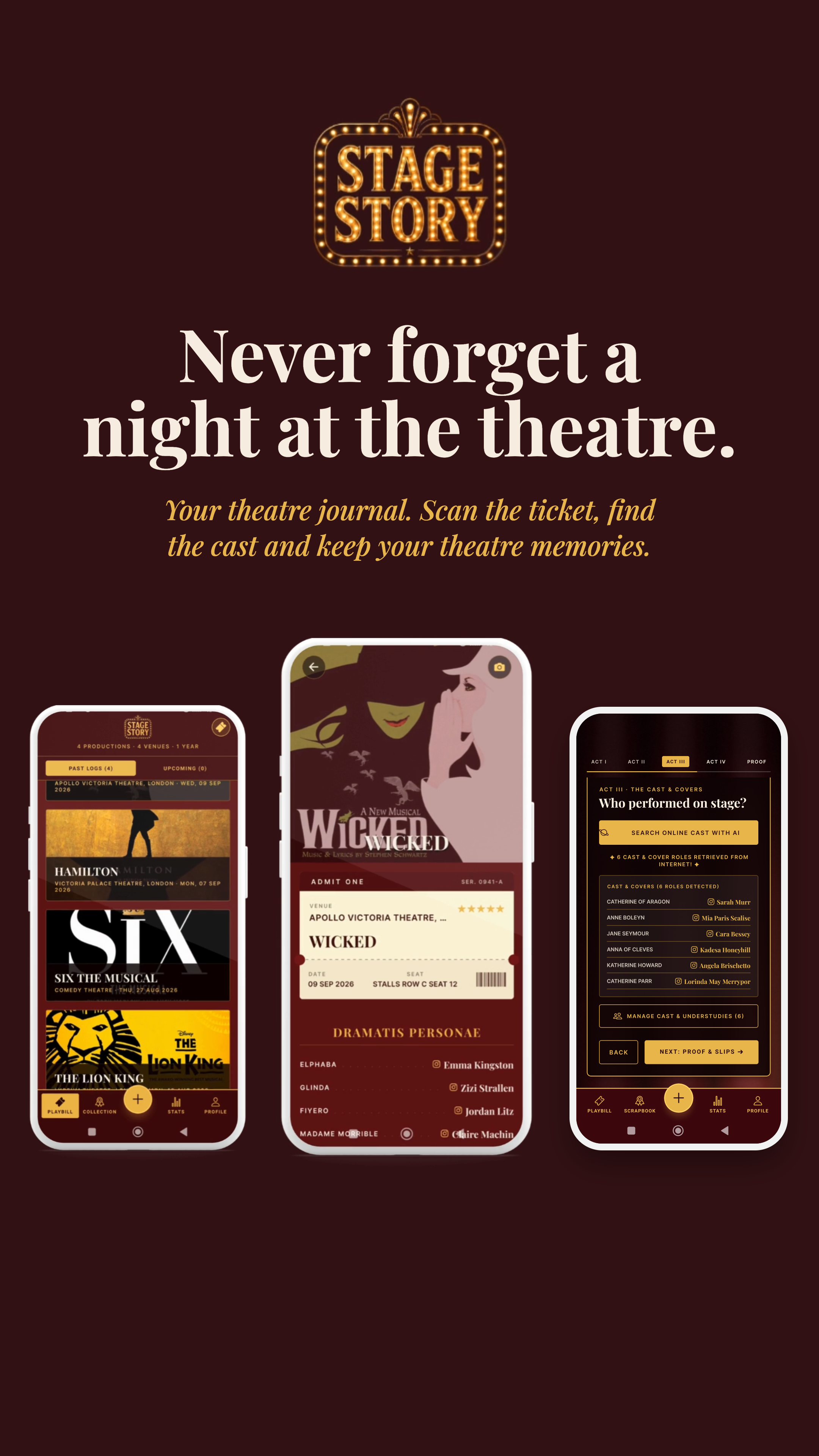
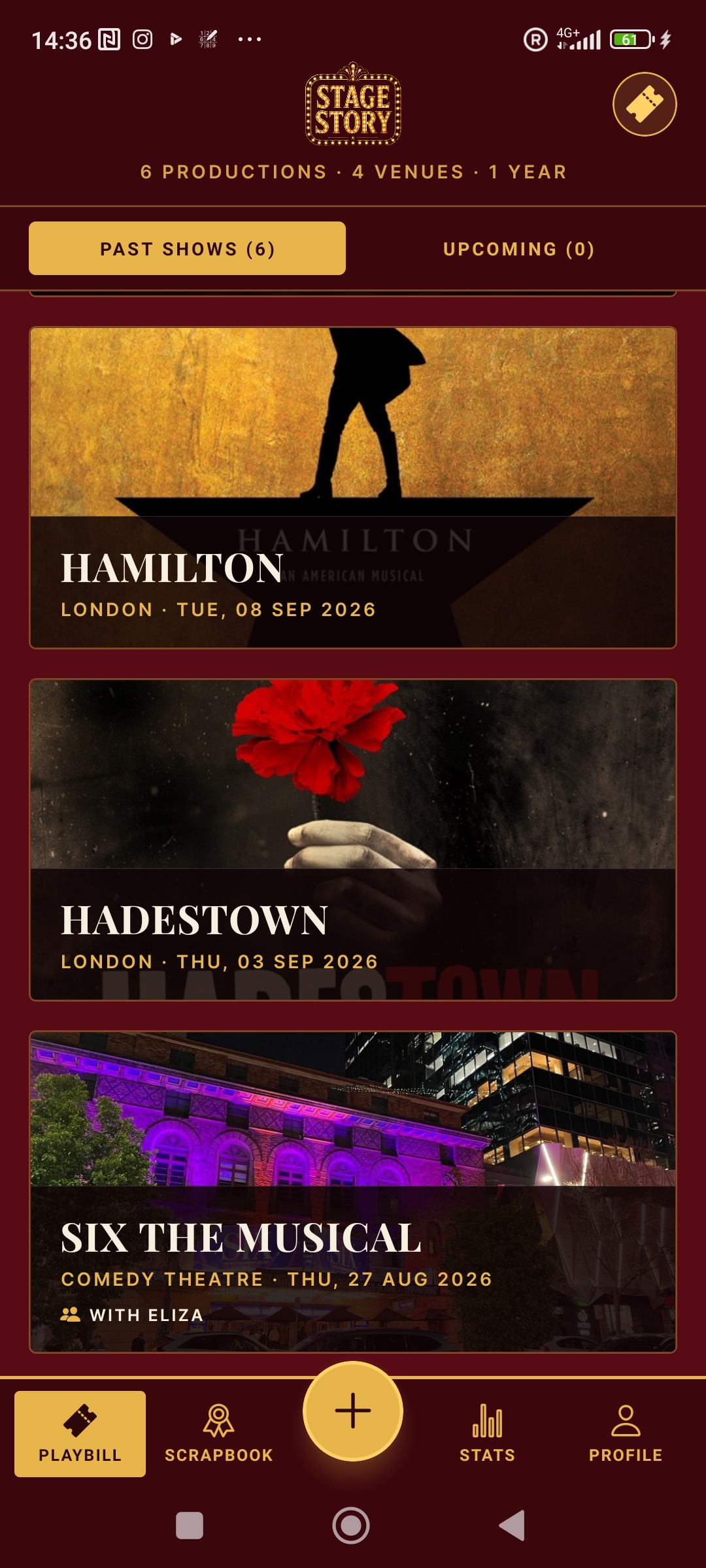
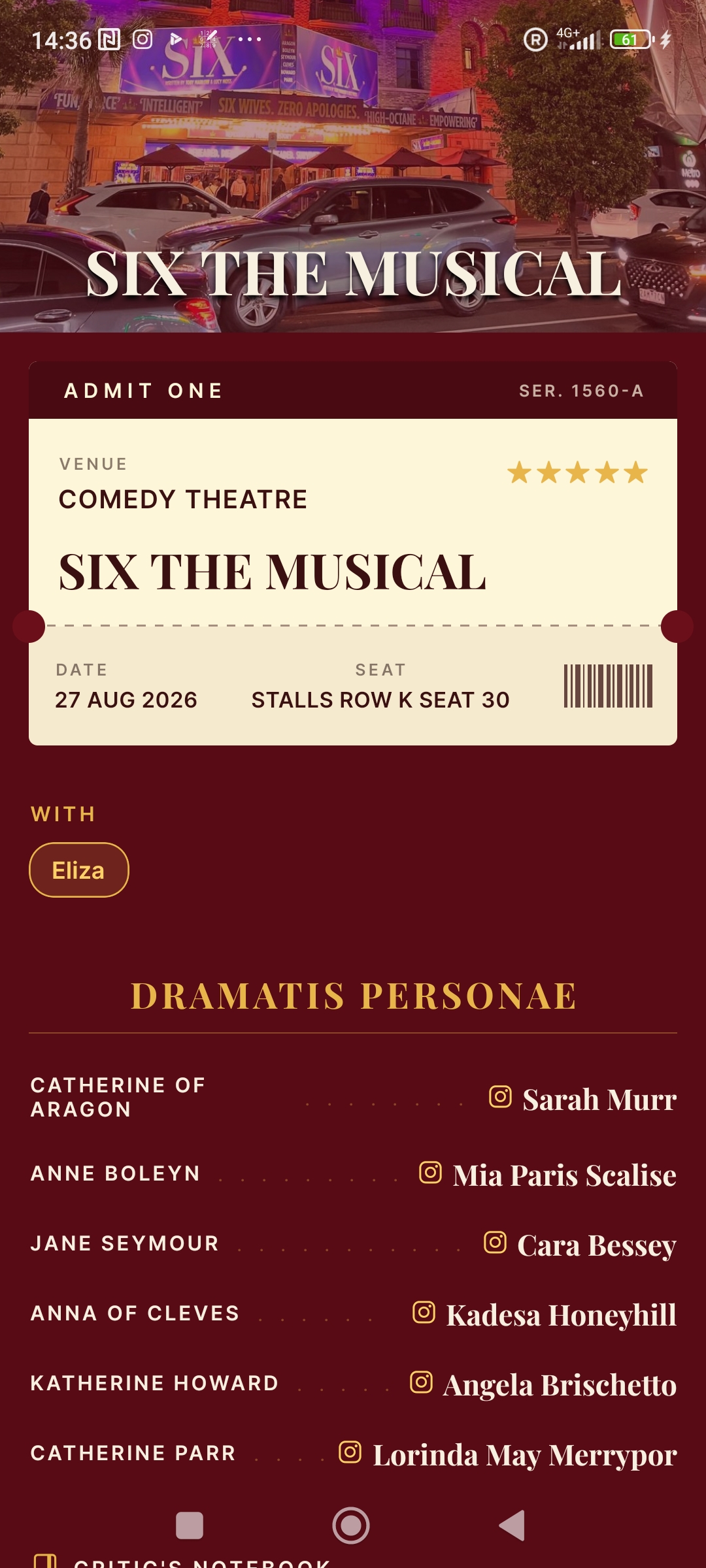
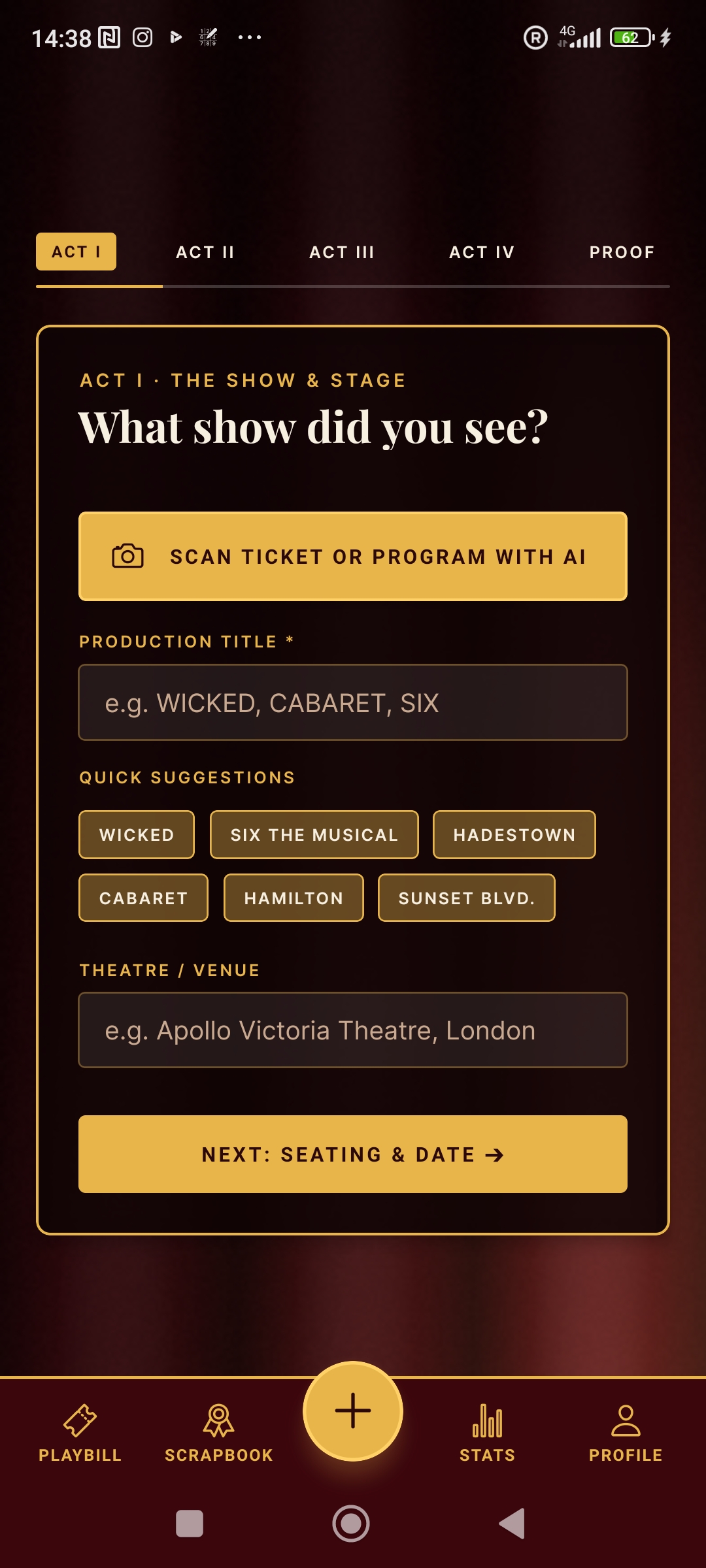
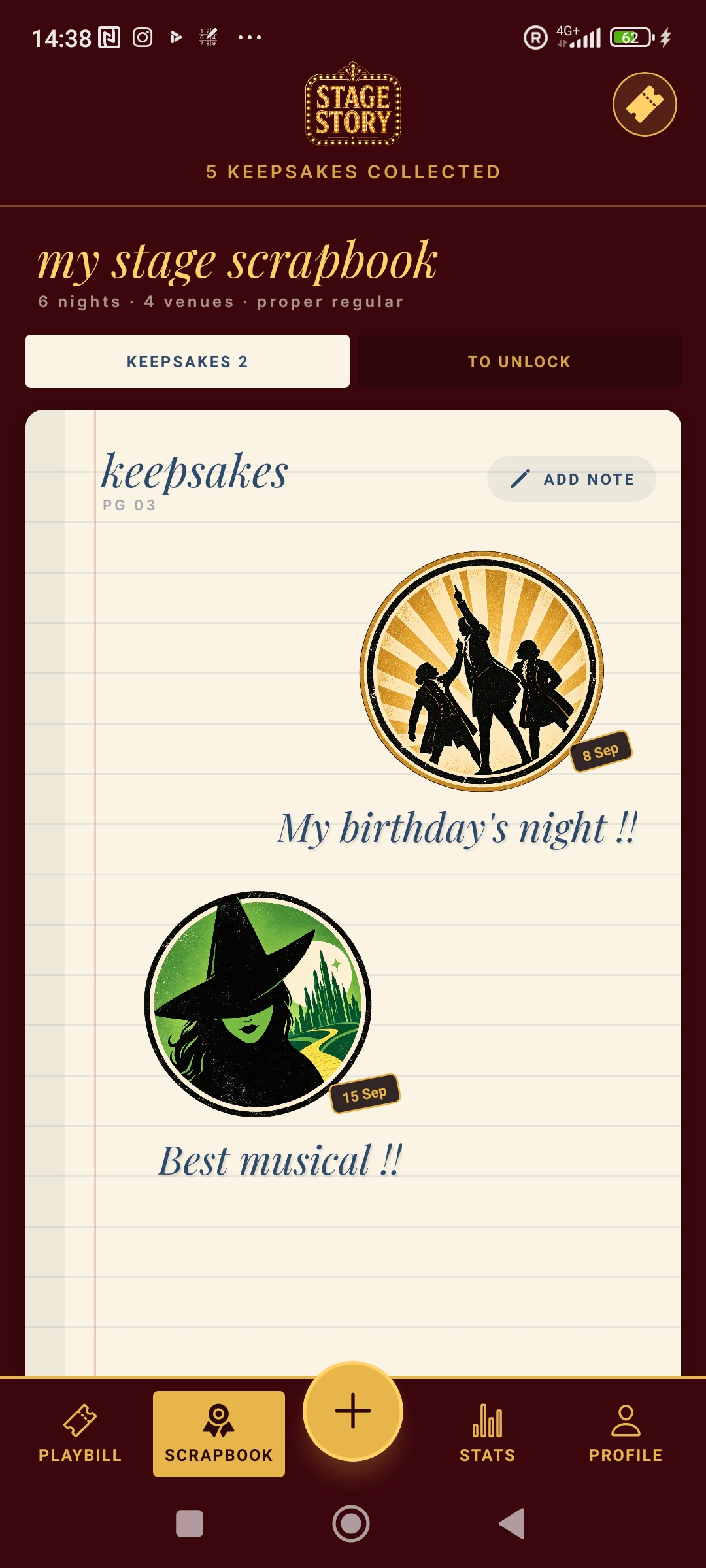
StageStory is a smart personal diary for theatregoers. Instead of typing everything manually, you just take a photo of your ticket or scan it. The app uses AI to read the stub and auto-fill the show title, venue, date, and seat number.
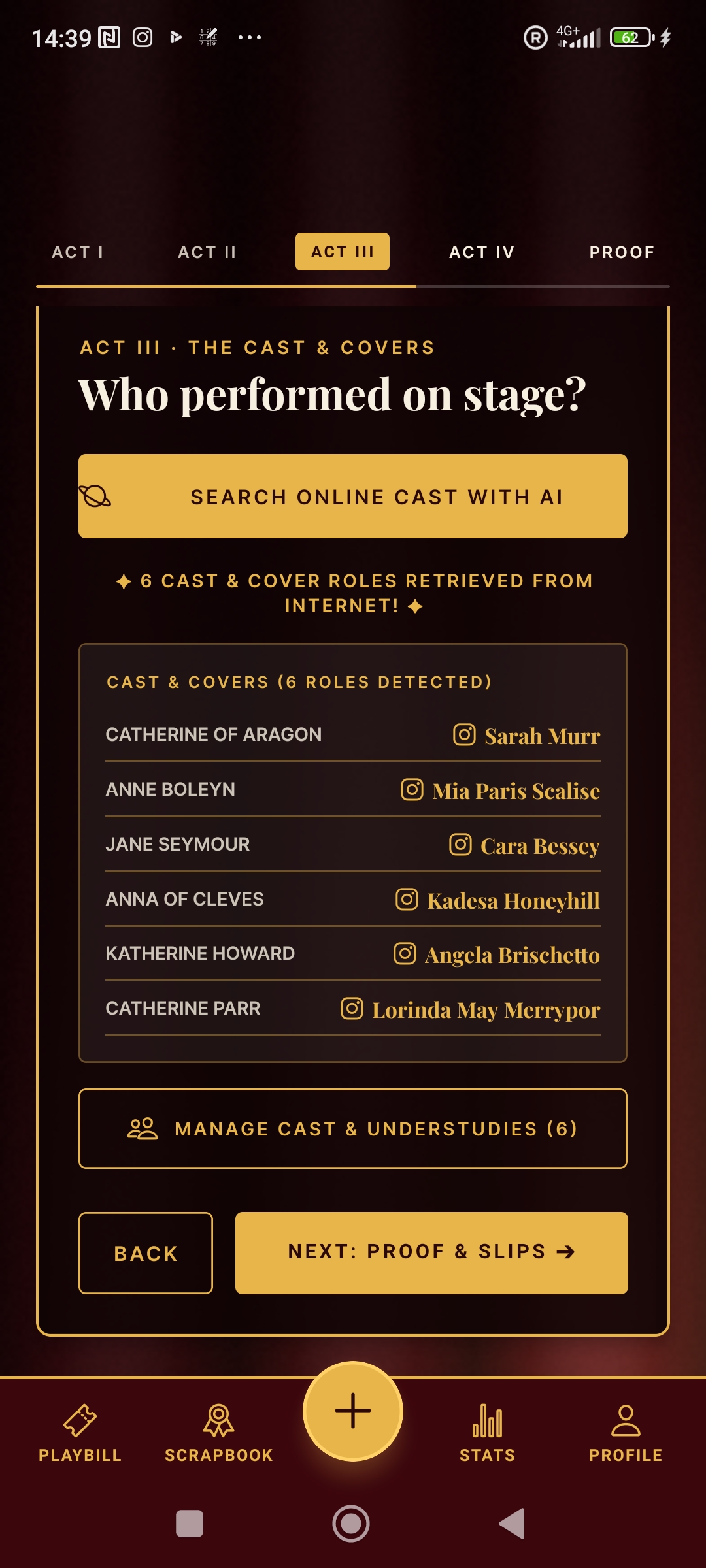
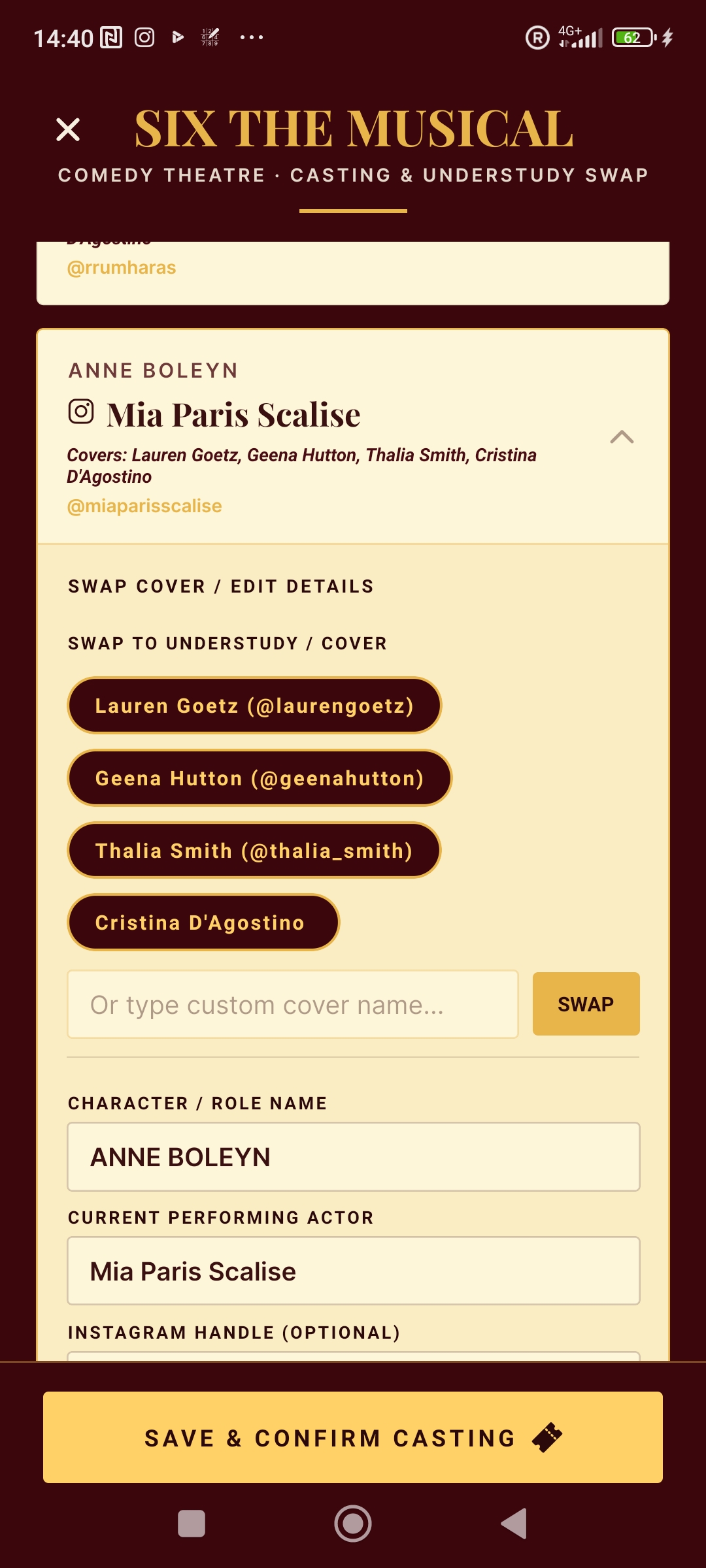
Then, the AI Cast Search feature browses the web to fetch the official billed cast list along with their real Instagram profiles. Because the magic of live theatre is unpredictable, the app makes it super easy to swap out a main role for an understudy or swing, ensuring your diary reflects exactly who you saw on stage that night.
How I built it
I built the mobile app using React Native and Expo to make it work easily on both iOS and Android. I relied on AI tools to help code and structure the project in record time.
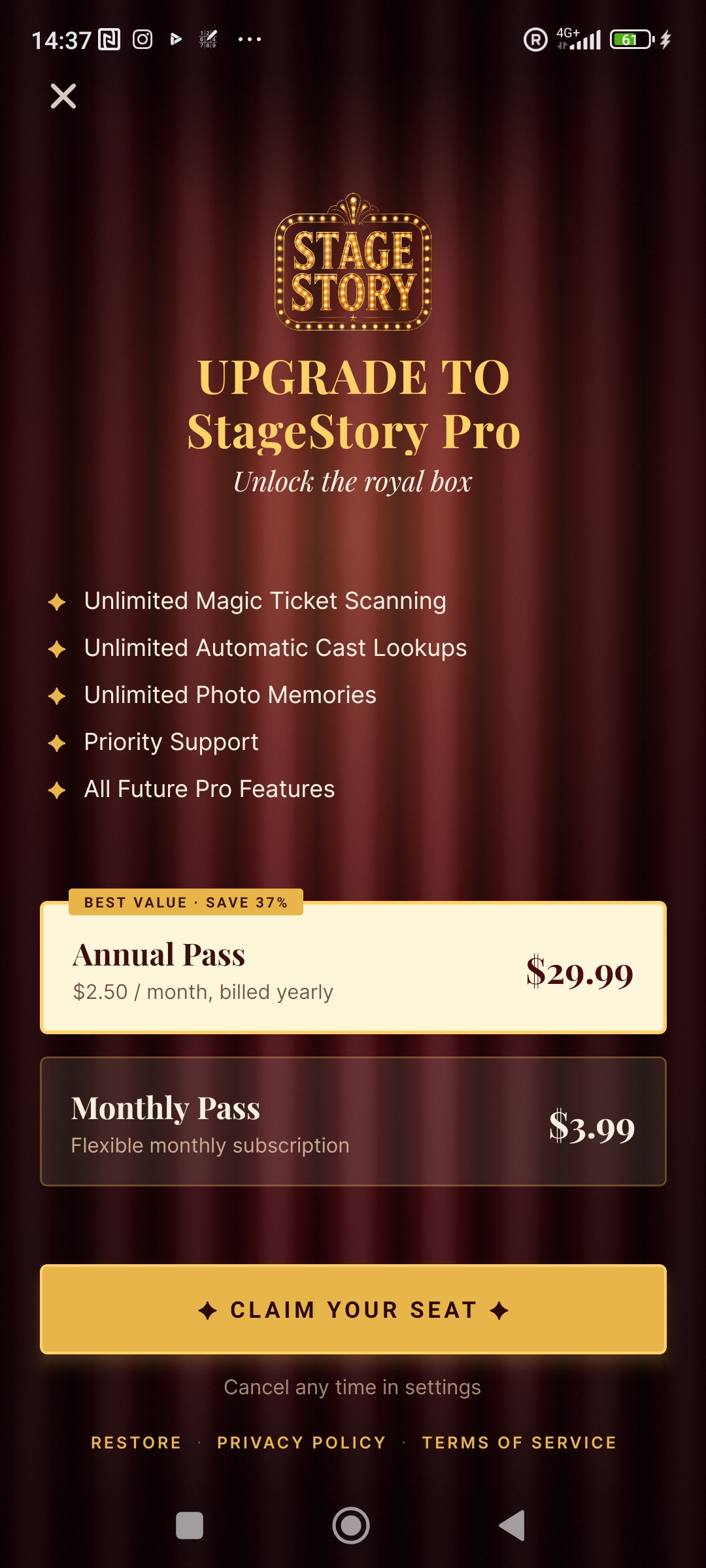
For the core features, I integrated OpenAI's Vision and Gemini text models to handle the ticket scanning and cast scraping. For monetization and user engagement, I implemented RevenueCat to handle the premium subscription, and OneSignal to manage push notifications and targeted in-app messages.
Challenges I ran into
The biggest challenge for me was finding the right model and getting the AI cast search to work reliably. Finding the right prompt and model to search the web, extract accurate cast names and retrieve the correct Instagram profiles without hallucinating fake accounts took a lot of trial and error.
Accomplishments that I am proud of
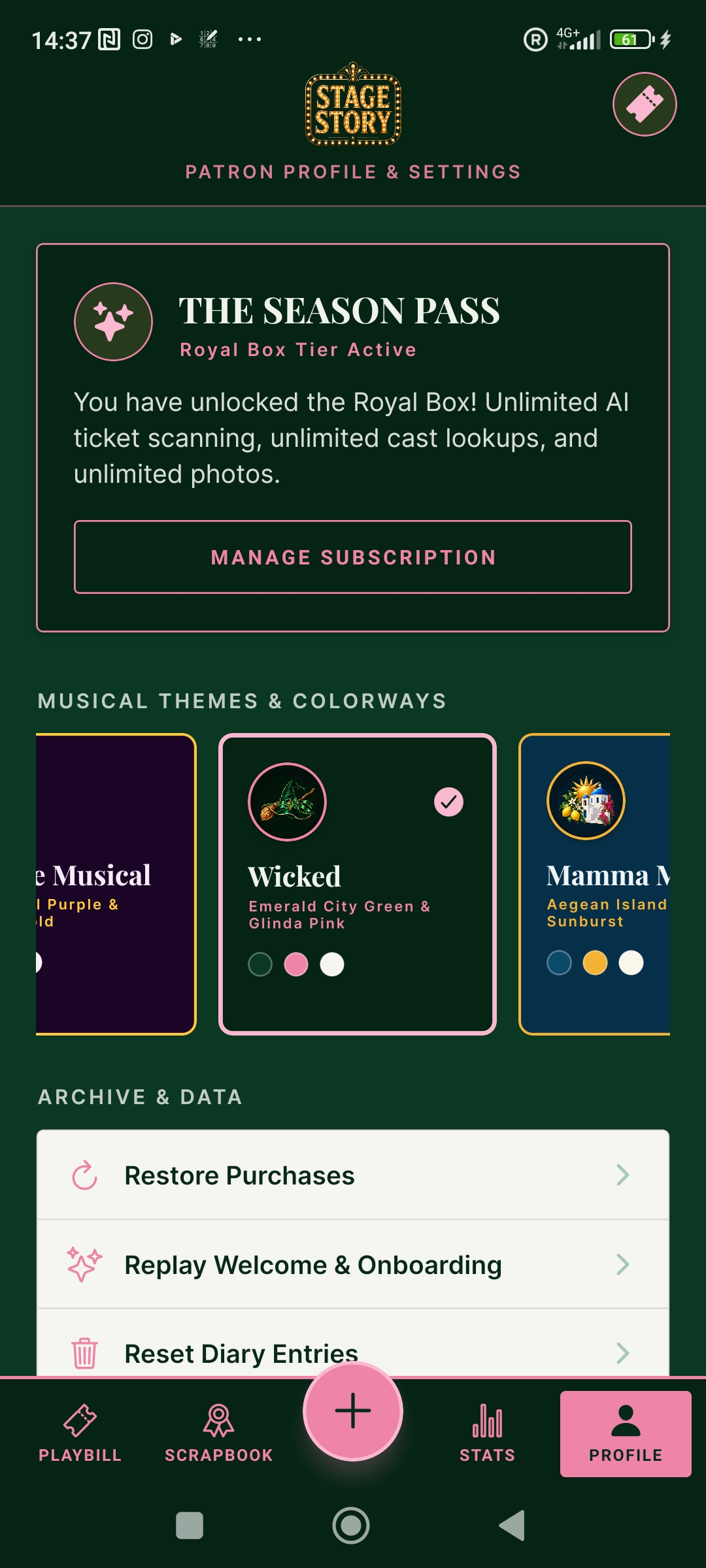
I’m proud of having built a fully functional, production-ready app from scratch in such a short amount of time and as a side project. I’m also really happy with the UI/UX; I think I managed to create a design that truly captures that warm, premium theatre atmosphere. It's an app that I will be very happy to use myself.
What I learned
This was my first time implementing OneSignal. I learned how to set up automated In-App Message journeys (like triggering a custom upsell screen exactly when a free user logs their 5th shows) without having to write complex logic in the app itself. It’s definitely a tool I want to use in my other projects.
What's next for StageStory
This isn't just a hackathon project to me. It's a tool I built for myself and a product I truly love. I plan to actively acquire real users and keep developing it.
Next up, here is what I want to add:
- Seat Ratings: A feature to rate specific seats in different venues, so you always remember where the best views are for next time.
- Video Uploads: Allowing users to add videos in addition to photos, because theatregoers usually want to keep memories of the curtain call.
- Live News Feed: Integrating a live theatre news feed to make the app feel even more alive and connected.
- Optional Accounts: Adding an account system so users have the option to safely back up and save their data.

Log in or sign up for Devpost to join the conversation.